BIOLOGY exam 3
 Call Kai
 Learn
 Practice Test
 Spaced Repetition
 Match
 Flashcards
 Knowt Play
1/64

There's no tags or description
Looks like no tags are added yet.
65 Terms
what is Osmosis
the diffusion of water molecules from a high concentration to a low concentration
does the plasma membrane let the molecules dissolved in the water pass through into a cell?
No, that is why it is called semi-permeable
define solutes
the molecules dissolved IN water
what are solvents?
the liquid dissolving a solute
what happens to the concentration of water as you add more solutes
as more solutes are added the concentration of water lowers waters concentration, therefore lowing its tendancy to move and or diffuse
what type of water has the highest concetration
pure water, where there is no solutes
what is solute potential?
the measure of how much solutes lower waters tendency to move, how they reduce the potential energy available
when is the solute potential the highest ?
solute potential is actually at its highest whenever there is no solutes present in a solution. it is the highest at 0, this is also where the water concentration is the highest
how does adding solutes effect the solute potential of a solution
adding solutes to a solution turns the solute potential negative, therefore decreasing it also lowering the water potential
what is the relationship between water concentration and solute potential?
they are directly related, meaning the higher the solute potential, the higher the water concentration
what is inversely related to the solute potential?
solute concentration is inversely related to solute potential
how does water diffuse with high and low solute potential and what does that mean for the presence of solutes and water in a solution
water diffuses from a high solute potential with low solute concentration into a lower solute potential where there is a higher solute concentration
what is the solute potential inside and outside the cell when it is isotonic?
they are equal and there is no net movement in or out of the cell
what happens when the solute potential is higher on the outside of the cells?
this is called when a cell is in a hypotonic solution, is the solute potential is high that mean there is also higher water potential outside the cell, this means that water will diffuse into the cell where the water concentration is lower. leading the cell to swell or lyse
what is it called when the outside solution of a cel has a lower solute potential than the inside
this is a hypertonic solution, also means the water concentration is greater inside the cell meaning that water is going to rush out of the cell causing it to shrink.
the blood capilaries
have Brain Capilary Endothelial cells (BECS) that aare tubes that are seperated by tight intercellular junctions
can molecules pas through brain capilarries tight junctions
no there is strict control over what enters the capilaries
how do molecules get through the blood brain barrier
they have to go through the plasma membrane so they have to be non-polar or vert small and polar
how does the selectiveness of the BBB cause issues within the brain
it means that many doctors cannot inject medicine into the brain
how do doctors breach the blood brain barrier
by injecting solute into the the blood which in turn lowers the water constant causing a hypertonic solution meaning the BECS shrink and create more space between the tight junctions where medicine can then get into the brain
how does injeocting mannitol into the blood effect the BBB
increases the solute concentration outside the cell meaning it decreasing the water concentration outside the cell causing the water to flow out pof the cell and the cell shrinks causing there to be space between the tight junctions
what is the overall definition of energy?
the capacity to do work
what are the 2 forms of energy
potential and kinetic
define kinetic energy
the energy of motion, includes light, heat, and mechanical
-random motion of molecules, light traveling in waves, and the coordinated movement of molecules in the same direction
what is potential energy
energy that is stored,
concentration gradient, and chemical energy
what is thermodynamics and what laws is it governed by?
thermodynamics is energy transformation and it is governed by the first and second law of thermodynamics
what is the first law of thermodynamics?
the law of conservation, stating that energy cannot be created nor destroyed and that energy can only be transformed into another form
what does if mean the the universe is a closed system?
the total amount of energy in the universe remains consistent
What is the second law of thermodynamics
no energy transfer is 100% effiecent, meaning some energy is always lost (typically heat) and turns into what we call unusable energy
what law contributes to the disorder of the universe and why?
the second law because ot shows us that that the amount of unusable energy in the universe will continue to increase
what does the phrase entropy mean?
it is the measure of unusable energy in the universe, entropy is always increasing
what is free energy?
the amount of usbale energy in the universe , amount of energy available to do work
(G) Gibbs
What is the gibbs free energy equation
G=H-(TS)
H-enthalpy( TOTAL) amount of energy
TS- amount of usable energy-T- abosulte temp in K
s- entropy
how does the free energy work in chemical reactions?
products will either have less than or more free energy than the reactents
what determine the type of reaction happening during a chemical reaction?
the change i free energy determines what type of reaction somthing is
exergonic reaction
this is when reactents have higer free energy that is used for work in the reaction, leaving products with less free energy
these can also occur spontaneously
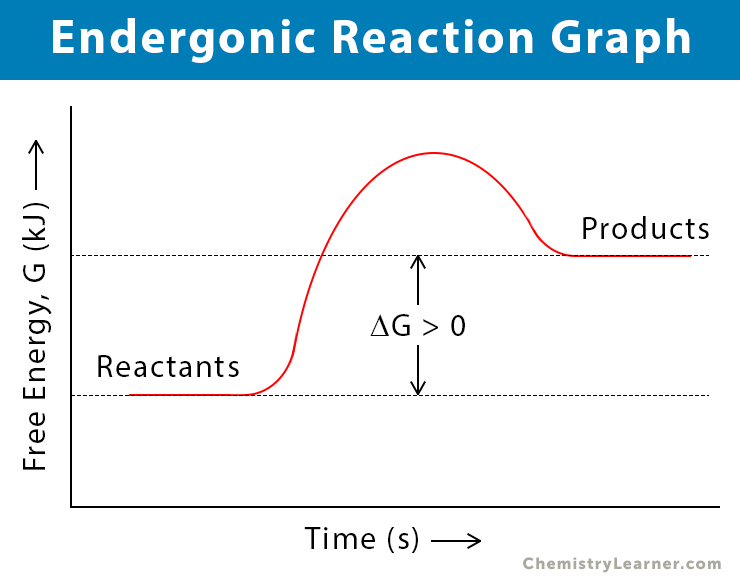
endergonic reations
where energy is absorbed
-requires and input in energy
-reactents have lower free energy anf products have higehr
can never spontaniously happen because there is a need for input of energy
exergonic reaction

endergonic reaction
how are reactions in cells coupled together?
endergonic and exergonic reactions are couples together because the free energy released by exergonic is used to drive forward the endergonic reactions
what is the energy currency in cells
adenosine triphosphate
ATP hydrolysis
exergonic reactions that releases free energy that is then in turn used for endergonic reactions
what is the general term for organisms that get their carbon form inorganic molecules?
autotrophs
what is the specific organism that gets their carbon and energy from inorganic molecules
chemoautotrophs
what are the elements that are the building blocks of biological macromolecules
CHONPS, CHO are in all macromolecules ( lipids, carbohydrates, DNA,RNA, and Proteins.
what are the primary components of lipids and what about carbohydrates
CHOP and CHO
what is different about matter compared to energy
matter is recylced and energy is not
is there a limited amount of CHONPS on earth?
yes
what is the primary reservoir
where an element is found when not in an organism
what are the two most common primary resiviors for CHONPS?
Atmosphere and water(as one group) and then Sediment(soil and ocean)
what of CHONPS is found in the atmosphere?
CARBON and NITROGEN
what part of chonps is found in the water
the primary resservoir for oxygen is H2O
what all elements have the primary resevoir of sediment
phospohrus and sulfur
what connects photosynthesis and cellular respiration?
the cycling of CH and O
what is nitrogen needed for?
it is needed for proteins ad nucleic acids, it is very abundant in the atmospher but it is unusable eventhough it in stable,
what is nitrogen fixation?
this is how nitrogen from the atmospher become usable, Nitrogen-fixing bacteria that live in soil convert inert N2 into reactive usable ammonia and nitrate that
how is the nitrogen from nitrogen fixation recycled?
the soil that now contains ammonia and nitrate is incorperated by planst whcih are then taken up by consumers and then decomposers that put these macrommolecules back into the soil.
what are nitrogen sources?
nitrogen fixation only suppies around 5% of the N needed for living thigns, the other 95% is provided by the nitrogen recylcling,
what is denitrification?
it is when nitrogen is returned tot he air as N2 by bacteria
how is nitrogen used in agriculture?
industrial nitrogen fixation doubled the natural rate of nitrogen fixation through the artificial creation of the nitrogen fertilizers
is water ot the atmopshere the primary resivoir for oxygen?
water
what is the return step in the cycling of carbon, hydrogen and oxygen
it is cellular respiratipn
what is phosphorous important for
the formation of nucleiotides( like ATP)
nucleic acid polymers (DNA/RNA)
Phospholipids (plasma membranes)
how does phosphorus cycle
found in sediment and encourperated in thorugh plants and other organism
why is sulfur important anf how is it encoruperated?
sulfur is found in certein pr