Habitat Management
 Call Kai
 Learn
 Practice Test
 Spaced Repetition
 Match
 Flashcards
 Knowt Play
1/81

Earn XP
Description and Tags
Lab
82 Terms

Sweet Gum
Shade intolerant, star-like leaf, manage against

Saw Briar
Heart-shaped leaf, produces big tuber, perennial

American Beech
Produces beech nuts in fall, small rodents/birds live in cavities (primary cavity nester)

Common Greenbriar
shade-tolerant, minimal thorns on leaf underside, green underside

Hickory
Native, manage against, nut production in fall

Muscadine
3 points on leaf, vine, only females produce grapes in fall

Mary’s Grass
Annual, invasive exotic, tiny seeds produced in fall, susceptible to round-up

Tulip Poplar
shade-intolerant, early invader to recently disturbed system, produces large flower in spring

Red Bud
Legume has a symbiotic relationship w/bacteria, perennial, first of plants to flower in spring

Sawtooth Oak (Red)
High tannin levels, high fat levels, germinate in spring

Sawtooth oak (white)
Low tannin levels, high carb levels, mast production every other spring

Southern Red Oak
Bronze color to leaf underside, sharp, jagged edges to leaf

Dogwood
strong venation on leaves, present in understories, soft red mast
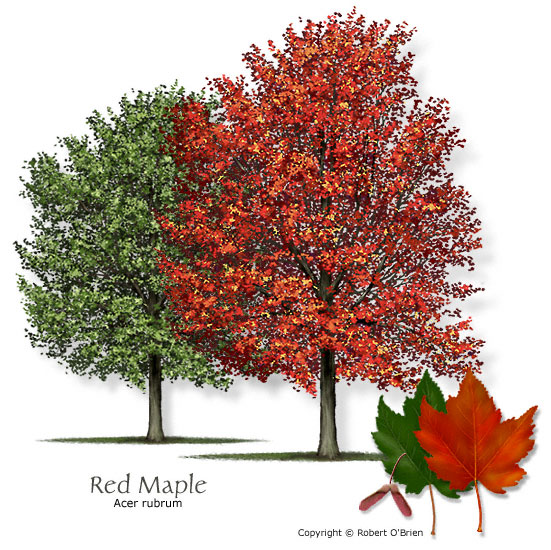
Red Maple
Red stem!, shade-intolerant, keeps lots of energy in its roots

Sassafras
3D structure is avian diversity indicator

Strawberry Bush
Red soft mast @ nodes, very green stem, Highly preferred deer forage
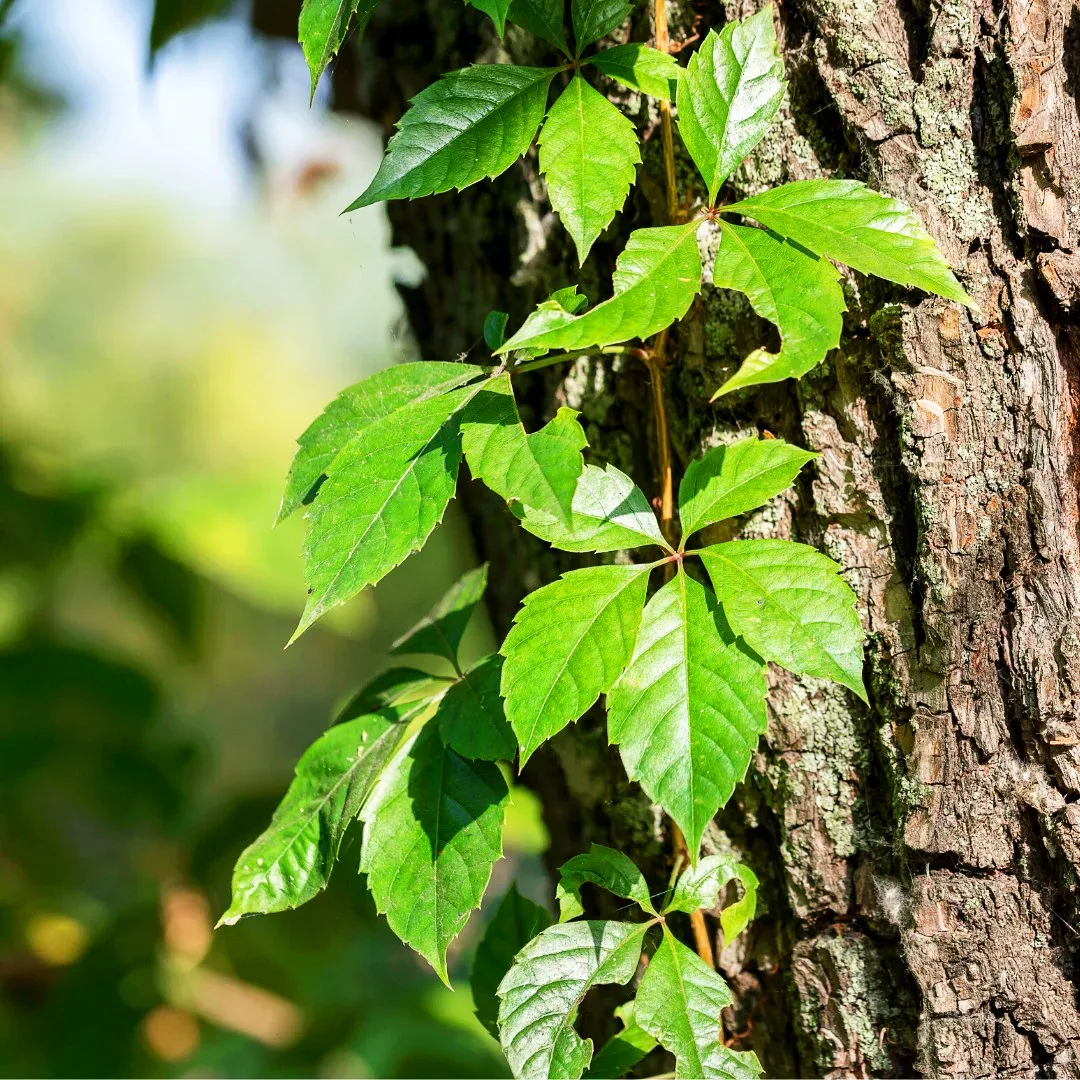
Virginia Creeper
Tendrils present, produces fall mast

Trumpet Vine
leaves long and slender with sharp lobes, produces seed with tough husk

Poison Ivy
Hairy tendrils going up plant, shade-tolerant, one of the first sprouting plants in spring

Eastern Red Cedar
Evergreen, produces waxy fruit, important thermal refuge

Little Bluestem
Blue stem, fluffy seeds across stems

Big Bluestem
approx. 8 ft. tall, forms large, dense clusters
Cerecea Lespodisa
Legumes, have 3 leaves on each cluster, highly invasive exotic, seeds poisonous, 1 seed pod


Indian Grass
single golden plume with individual seeds

Goldenrod
Terminal clusters of flowers @ tip, perennial
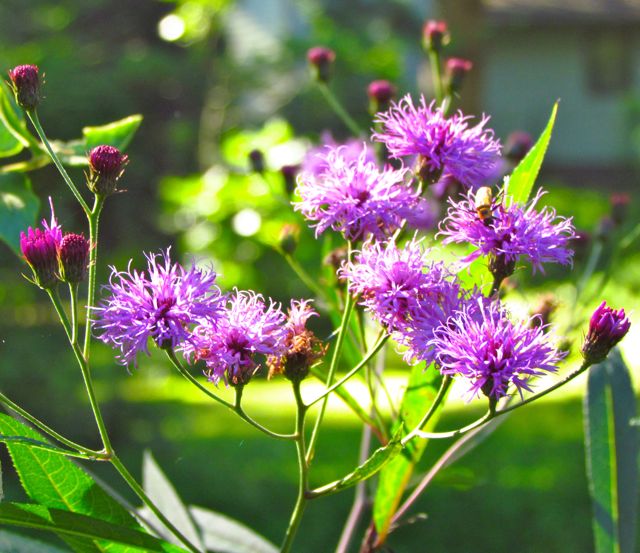
Ironweed
Deep purple flowers, critical for late summer-early fall pollinators

Johnsongrass
Red splotches across, manage against

Panic grass
shoots out seed @ 45 deg angle, readily taken seeds

Switch cane
deciduous, overhead cover, rabbit forage

Privet
Opposite leaves, produces berries in fall, invades all bottomland hardwood, invasive exotic

Autumn Olive
10-15 ft. tall, bronze underside, high quality berries, overhead structure

Rose
Lancelet leaves, fall mast, invasive exotic, avian predation

Partridge Pea
Native annual, important for bobwhites, legume, pea pod with black seeds
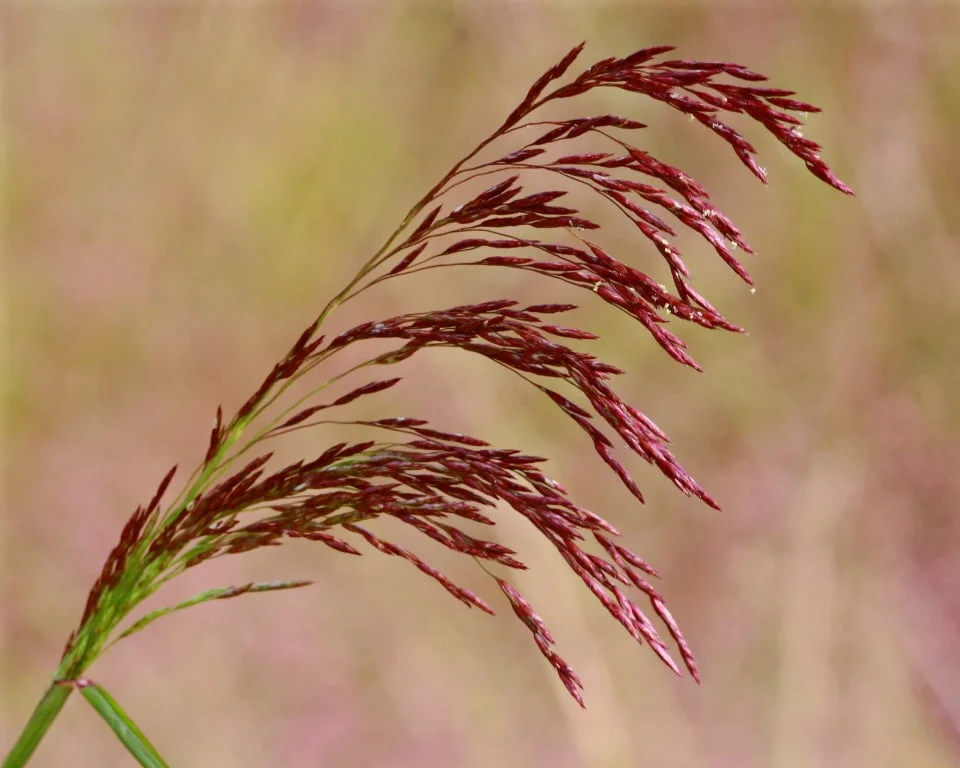
Purpletop
waxy/oily seed, nothing eats it, good bedding cover for deer

Ragweed
Annual, full soil season disturbance, produces lots of pollen, managed for northern bobwhites

Giant Ragweed
Produces highly preferred seed for birds, neutral for WL management

Foxtail grass (Setaria)
Native, produces high number of millet-sized seeds, wildlife friendly

Mare’s Tail
Agricultural pest, annual, small, tiny flowers @ tips, manage against

Crab Grass
Long seeds along racus, annual, tiny seeds with no value

Bermuda Grass
Racus comes out from top of stem

Carolina Nightshade
tomato-producing (not eaten), toxic with thorns

Poke Weed
Responds to soil disturbance, perennial, produces soft mast readily eaten, native

Dallis Grass
Invasive exotic, droopy seed head, pasture grass

Bahia Grass
Looks like a peace sign, turkeys strip seeds during fall, large root system
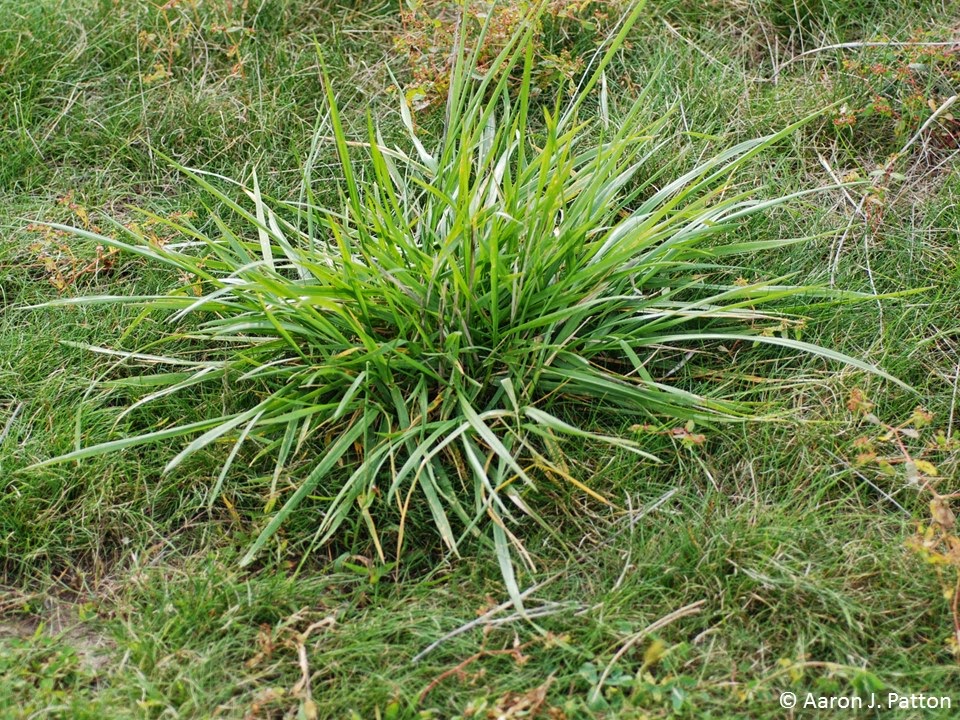
Fesque
cool-season perennial, very abrasive and hard to walk through, not seed producing
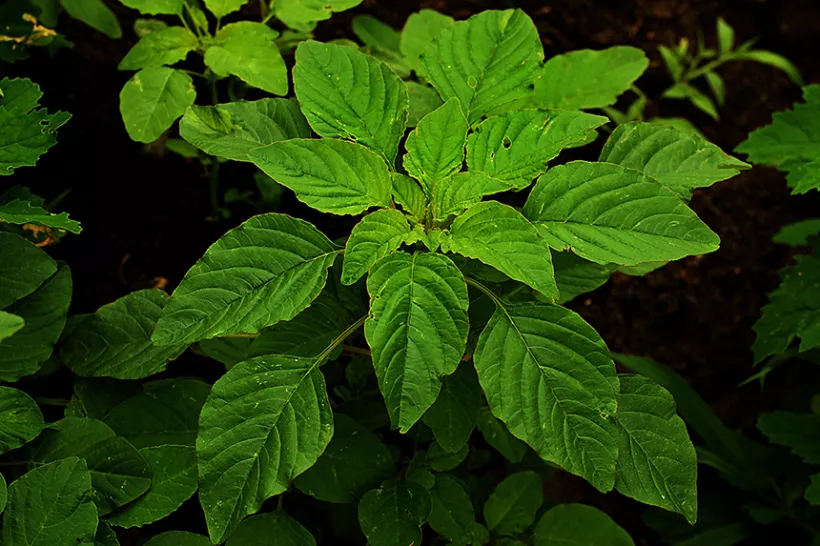
Pigweed
Thorns+ clusters of seeds relatively unpreferred, annual, VERY noxious weed, assoc. w/warm-season disturbance

Milkweed
“X” shape, milky-white sap produced, TOXIC, important for some butterfly sp., indicator sp.

Morning Glory
High seed producer, septor-like pod w/seeds readily taken by songbirds

Beefsteak
Mint plant very aromatic, deer avoid it, Invasive

Goosegrass
Racus looks like feathers, perennial, manage against

Soybean
Important agriculture plant, legume, high protein and carb content in leaves, actual bean eaten in winter

Passionflower
Low wl value, important for butterflies and caterpillars, walnut-sized mast produced (green)

Wingstem
Keeps wings throughout winter, NO wl value, indicator of high deer population

Fireweed
Indicator sp. arises after disturbances

Rubus
3 thorny leaves, perennial, produces blackberry during 2nd growing season, high quality forage, leaves important for bears

Bone weed
White flower, red-ish stem w/white hairs

Bi-Color Lespedeza
Invasive, ecological trap, small black seed in a single pod, wood (breaks easily), perennial

Kummerowia
Perennial legume w/1 seed per pod, 3 leaves with strong venation and look like a feather, ground-dwelling

Low panic-grass
Tiny seed heads, Northern bobwhite prefer seeds

Winged Sumac
Respond to fire, good cover, leaf ribbing goes all the way down, STICKY seed

Rabbit Tobacco
Bi-annual, indicator of approx. 2 yr. disturbance

Native Lespedeza
3 leaves, single seed pods, terminal cluster of seeds

Button Weed (“Poor Joe”)
only grows in poor soils, poor looking, loves acidic soils

Broomsedge
Perennial, native warm season, good nesting cover

Black Cherry
Lancelet leaves also serrated, produces mast during summer—small fruit with hard seed in middle (everything eats it) understory tree

Japanese Honeysuckle
Invasive exotic, vines wrapping around, chocolate brown stem, leaves wrapping around stem, produce fall mast and highly pref deer browse in winter

Crossvine
Native, pliable, flowers produced in spring (pref. by hummingbirds), 2 leaves going opposite directions

3-Seeded Mercury
small seeds preferred by songbirds, annual, 3 seeds with a “feathered” seed pod

Coffee weed
Agricultural pest, legume, TOXIC (all parts), susceptible to “round-up”, green bean-like pods year round

Fall panic grass
Zig-Zag stem, important for ducks, wetland plant

Cocklebur
Associated with fringe of wetland, spiky seed pods approx. 25-35mm

Seed box
Tiny seeds with no wildlife forage value, herbaceous perennial
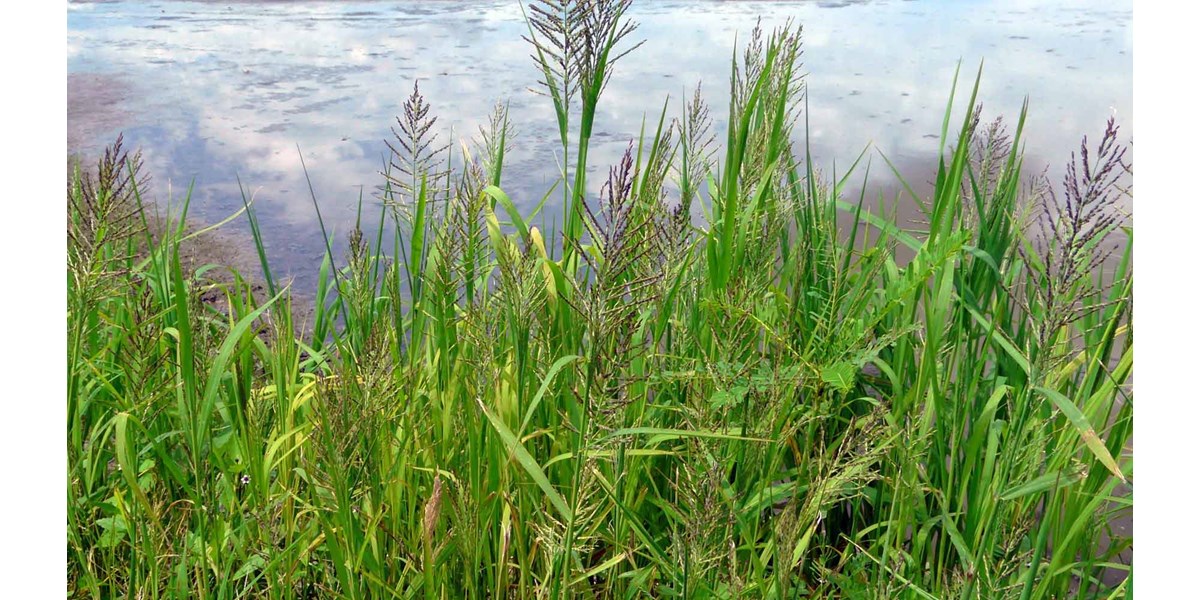
Sprangletop
Small seeds at a downward angle, greenwing teal take seeds

Rice-Cut grass
annual grass, stem “grabs”, small seed heads actually a wild rice

Sedge
Triangular edges and stem, moist soil plant, seeds eaten by dabbling ducks “sedges have edges”

Black Willow
small tree, lancelet leaves + red stem + lobe on stem, high invader of wet habitat

Tear thumb (Persicaria)
Square, red stem with spines!, jet-black seed, very high quality in wetlands

Bidens
Yellow flowers in fall, highly pref. dabbling duck forage, annual moist soil plant, SEEDS important diagnostic feature

Smartweed
small, white flowers, annual, make MANY small black seeds important for waterfowl, good structurally

Virginia Buttonweed
4 buttons produced—2 seeds in each button (Buttons LARGE)

Soft Rush (Juncus)
Leaves cylindrical and pointed, associated with a drier wetland community, perennial, good cover, seed head about 5 inches below tip