EXS 370 UE
 Call Kai
 Learn
 Practice Test
 Spaced Repetition
 Match
 Flashcards
 Knowt Play
1/426

There's no tags or description
Looks like no tags are added yet.
427 Terms

what ligament of the UE is this?
acromioclavicular ligament
what are the two bones that comprise the shoulder girdle?
clavicle and scapula
what is another name for the shoulder girdle?
pectoral girdle

what is this part of the scapula called?
coracoid process

what is this part of the scapula called?
glenoid fossa

what is the name of this joint?
glenohumeral joint

what joint is this?
sternoclavicular joint

what joint is this?
scapulothoracic joint
what two joints make up the scapulohumeral rhythm?
scapulohumeral joint and glenohumeral joint

what is the use of the epicondyles of the humerus for?
they form prominent attachment sites for muscles of the elbow and forearm
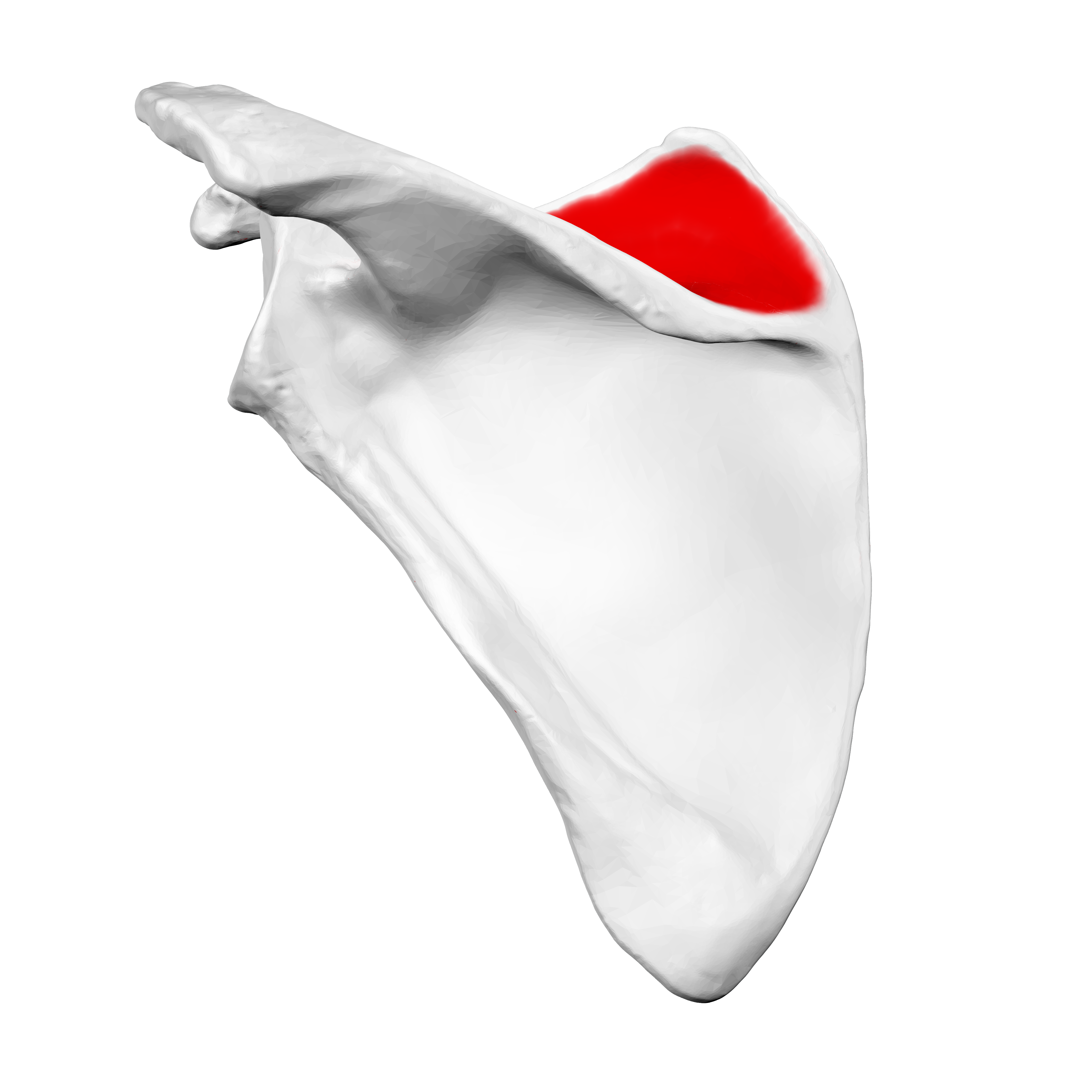
what is this called on the scapula?
supraspinous fossa
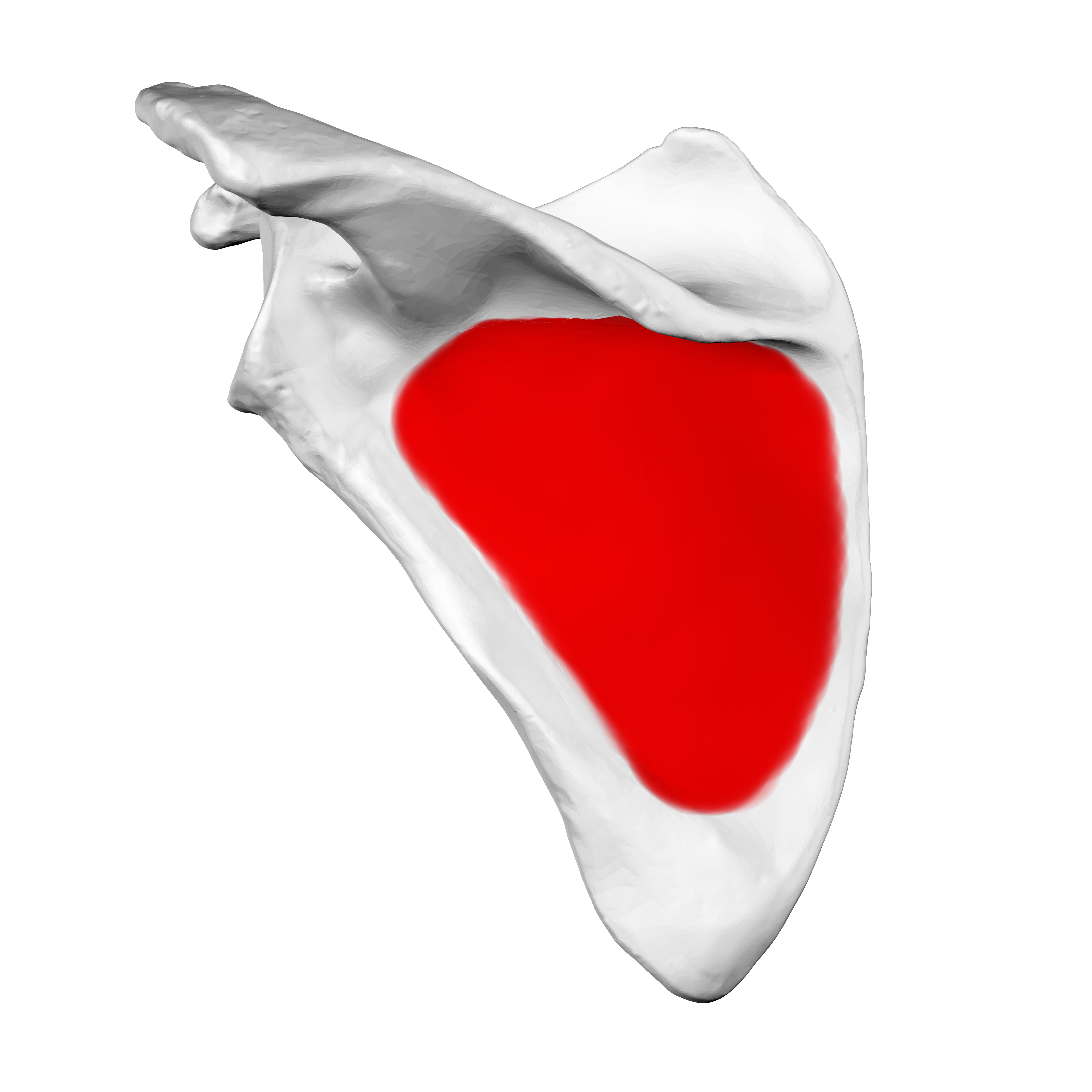
what is this called on the scapula?
infraspinous fossa

what joint of the scapula is this?
scapulothoracic joint

what ligament is this?
coracoclavicular ligament

what ligament is this?
coracoacromial ligament

what is this ligament?
glenohumeral ligaments

what ligament is this?
sternoclavicular ligament

what ligament is this?
acromioclavicular ligament

what ligament is this?
coracohumeral ligament

what is the highlighted structure?
subacromial bursa
what does the subacromial bursa do?
separates the glenohumeral joint capsule and acromion process
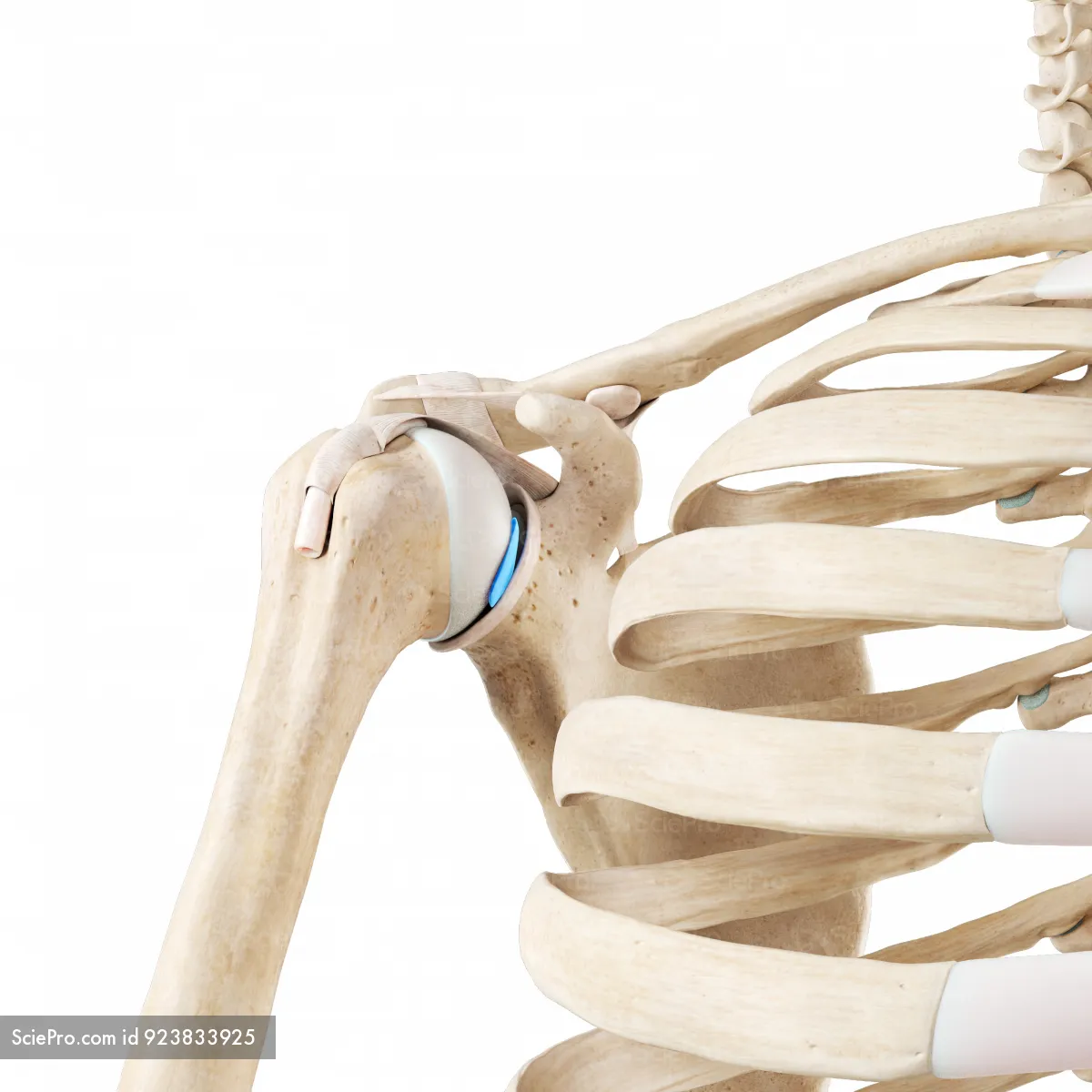
what is the highlighted structure?
subscapular bursa
what does the subscapular bursa do?
lies along the inferior surface of the glenohumeral joint and separates the joint capsule and the tendon of the subscapularis
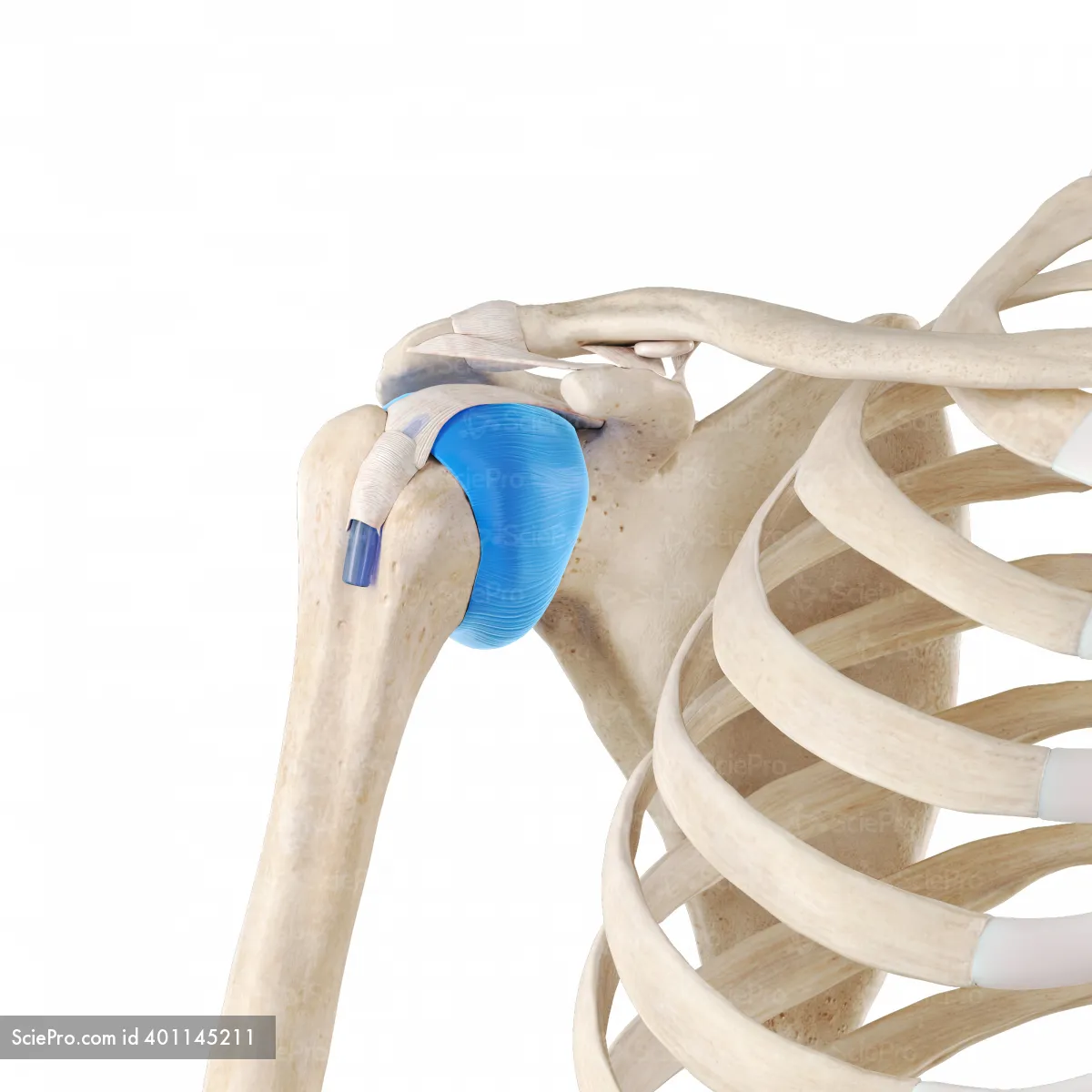
what is the highlighted structure?
glenohumeral joint capsule
what is the purpose of the glenohumeral joint capsule?
it is lax when the arm is neutral and taut when the arm is overhead
where does the joint motion occur on the shoulder girdle?
at the sternoclavicular joint and to a lesser amount at the acromioclavicular joint
what type of joint is the sternoclavicular?
(multiaxial) arthrodial (gliding/plane)
what type of joint is the acromioclavicular?
arthrodial
what type of joint is the scapulothoracic?
“functional joint” not a true synovial joint

what type of shoulder girdle movement is this?
scapula elevation

what type of shoulder girdle movement is this?
scapula depression

what type of shoulder girdle movement is this?
scapular abduction

what type of shoulder girdle movement is this?
scapula adduction

what type of shoulder girdle movement is this?
scapula upward rotation

what type of shoulder girdle movement is this?
scapula downward rotation
abduction (protraction)
scapula moves laterally away from spinal column
adduction (retraction)
scapula moves medially towards spinal column
depression
downward or inferior movement, as in returning to normal position
elevation
upward or superior movement, as in shrugging shoulders
downward rotation
returning inferior angle inferomedially toward spinal column and glenoid fossa to normal position
upward rotation
turning glenoid fossa upward and moving inferior angle superolaterally away from spinal column
lateral tilt (outward tilt)
during abduction
scapula rotates about its vertical axis resulting in posterior movement of medial broder and anterior movement of lateral border
medial tilt (return from lateral tilt, inward tilt)
during extreme adduction
scapula rotates about its vertical axis resulting in anterior movement of medial border and posterior movement of lateral border
anterior tilt (upward tilt)
during hyperextension of GH joint
superior border anteroinferior, inferior angle posterosuperior
posterior tilt (downward tilt)
during hyperflexion of GH joint
superior border posteroinferior, inferior angle anterosuperior
what is the purpose of the shoulder girdle muscles?
stabilizes scapula so the shoulder joint muscles will have a stable base from which to exert force for moving the humerus
what are the 5 muscles primarily involved in shoulder girdle movement?
trapezius - upper, middle, lower
rhomboid - deep
levator scapula
serratus anterior
pectoralis minor - deep
what do the 5 muscles in the shoulder girdle movements have in common?
all originate on axial skeleton and insert on scapula and/or clavicle
what nerves primarily innervate the shoulder girdle?
cervical and brachial plexus
branches of c3 and c4
trapezius and levator scapula
spinal accessory nerve (branch of CN XI)
trapezius (and SCM)
dorsal scapula nerve (C5)
levator scapula and rhomboid
long thoracic nerve (C5, C6, and C7)
serratus anterior
medial pectoral nerve (c8, and T1)
pectoralis minor
what is the origin of the trapezius?
base of skull, occipital protuberance, posterior ligaments of neck, spinous processes of C7 and all thoracic vertebrae (T1-12)
what is the insertion of the trapezius?
Posterior aspect of lateral third of clavicle, medial border of acromion process, upper border of scapular spine, and triangular space at base of scapular spine.
what is the innervation of the trapezius?
Spinal accessory nerve (CN XI) and branches of C3 & C4.
what is the action of the trapezius upper fibers?
Scapular elevation, upward rotation; head extension & rotation.
what is the action of the trapezius middle fibers?
Scapular elevation, upward rotation, and adduction (retraction).
what is the action of the trapezius lower fibers?
Scapular depression, adduction (retraction), and upward rotation.
what is the origin of the levator scapulae?
Transverse processes of upper four cervical vertebrae (C1–C4).
what is the insertion of the levator scapulae?
Medial border of scapula above the spine.
what is the innervation of the levator scapulae?
Dorsal scapular nerve (C5) and branches of C3 & C4.
what is the action of the levato scapulae?
Elevates the medial margin of the scapula (scapular elevation)
what is the origin of the rhomboids (major and minor)?
Spinous processes of C7 and first five thoracic vertebrae (T1–T5).
what is the insertion of the rhomboids (major and minor)?
Medial border of scapula below the spine.
what is the innervation of the rhomboids (major and minor)?
dorsal scapular nerve (C5)
what is the action of the rhomboids (major and minor)?
Scapular adduction (retraction), downward rotation, and slight elevation.
what is the origin of the serratus anterior?
Outer surfaces of upper 8 or 9 ribs at the side of the chest.
what is the insertion of the serratus anterior?
Anterior aspect of the whole length of the medial border of scapula.
what is the innervation of the serratus anterior?
Long thoracic nerve (C5, C6, & C7).
what is the action of the serratus anterior?
Scapular abduction (protraction) and upward rotation (lower fibers draw inferior angle superolaterally).
what is the origin of the pectoralis minor?
Anterior surfaces of 3rd, 4th, and 5th ribs.
what is the insertion of the pectoralis minor?
Coracoid process of scapula.
what is the innervation of the pectoralis minor?
Medial pectoral nerve (C8 & T1).
what is the action of the pectoralis minor?
Scapular abduction (protraction), downward rotation, and depression (assists when scapula is upwardly rotated).
what is the origin of the subclavius?
Superior aspect of 1st rib at its junction with costal cartilage.
what is the insertion of the subclavius?
Inferior groove in mid-portion of clavicle.
what is the innervation of the subclavius?
Subclavian nerve
what is the action of the subclavius?
Stabilization and protection of the sternoclavicular (SC) joint; assists in depression and abduction.
sternoclavicular ligaments (anterior and posterior)
anchor the medial end of the clavicle to the manubrium of the sternum
costoclavicular ligaments
anchors the clavicle to the rib/costal cartilage
acromioclavicular ligaments (superior and inferior)
connect the acromion process to the lateral clavicle
coracoclavicular ligaments
attach the inferior distal clavicle to the coracoid process of the scapula
what two parts make up the coracoclavicular ligament?
conoid and trapezoid
coracoacromial ligaments
connects coracoid and acromion processes. stabilizes the humeral head during overhead movements, forms a v shaped arched limiting displacements of the humeral head in the glenoid fossa during abduction
coracohumeral ligament
merges with the glenohumeral joint capsule
glenohumeral ligaments
hold the proximal humerus in the glenoid fossa of the scapula
subacromial bursa
separates the GH joint capsule from the acromion process
subscapular bursa
lies along the inferior surface of the GH joint, separating the capsule from the subscapularis tendon
GH joint capsule
inferior portion is lax in neutral arm postion and taut when the arm is overhead
shoulder joint is attached to axial skeleton via the clavicle at the __________
SC joint
GH flexion
scapula elevation, rotation upwards and abduction
GH extension
scapula depression, rotation downwards and adduction
GH abduction
scapula elevation, and upward rotation
GH adduction
scapula depression and downward rotation
GH internal rotation and horizontal adduction
scapula abduction
GH external rotation and horizontal abduction
scapula adduction
scapula, clavicle, and humerus serve as attachments for _________
shoulder joint muscles
what type of joint is the glenohumeral joint?
multiaxial ball and socket, enarthrodial