Lecture 12 - Last of Skinner, Social Influences and Social Psyc
 Call Kai
 Learn
 Practice Test
 Spaced Repetition
 Match
 Flashcards
 Knowt Play
1/15

There's no tags or description
Looks like no tags are added yet.
16 Terms
What was the behaviourism movement?
Watson and others’ frustration with lingering introspectionist methods
it was one logical direction of longstanding philosophical trends
eventually included EEG recording in some psychological contexts
When did behaviourism decline? Who continued to study it in the 1940-50s?
took a dramatic decline by the time Skinner passed away
BUT lots of research and clinical variations remained
Neal Miller was a psychologist during 40-50s that studied both behavioural and psychoanalytic concepts in studying the origins of fear
How did Miller blend operant and classical conditioning?
used the fact that heart rate and other autonomic responses had a role in fear
could he use operant conditioning procedures to train things previously only used by classical conditioning
can heart rate be controlled directly and not via movements (used a muscle blocker - curare)
used brain stimulation to reward them since they couldn’t move
they still learned to control lots of aspects of physiology without moving (previously thought to be purely involuntary)
can condition more things than people thought before
What was human’s conception of social psychology prior to the 20th century?
there has always been awareness that we are social creatures and while people differed, there is the importance of social influences
What were examples of social influences in the Middle Ages?
outbreaks of mass psychological illness in populations
often involved dancing for days that was uncontrollable
often started with one person thinking they were possessed or being punished by God and spread
What was hysteria in the 1700 and 1800s?
disorder of “hysteria” was fairly common in Europe
not exclusively in young women
symptoms: dramatic and miscellaneous emotional and physical symptoms, sometimes seemed like neurological (pain, paralyses, odd sensations, fainting)
often viewed as a nuisance from a sexist perspective (Greeks described as wandering uterus)
How did Mesmer make money off of hysteria?
he did not create their problems instead he treated clients more kindly and gently than many
e.g. animal magnetism
exemplifies social influences and how they can be manipulated for good or ill
How does social psychology blend with personality?
hypnosis is an example of both social influence and social susceptibility
effects depend on social effects and individual personality
Also one of the main journal in psychology was the Journal of Personality and Social Psychology
Who was Gustave Le Bon? What was The Crowd?
1841-1931
channelled Plato
French theorist who wrote about crowd behaviour and linking it to the effects of hypnosis
The Crowd (1895) laid out the irrational characteristics of crowd behaviour
hypnosis as a way of understanding
speculated the risks of a narcissistic leader (crowds behave in hypnotized ways and people can manipulate the crowd since the leader has been hypnotized by an idea)
Who was Norman Triplett?
a psychologist and sports fan
wondered if he could document the apparent increase in performance during competition
started long connection between social psychology and sports psychology
Who was Floyd Allport
1890-1978
found social influences on task performances not limited to sports
founded the field as a formal discipline with journals, texts, etc.
How did WWI have influence on social psychology?
big effects on social psychology in terms of scientists and topics
focus on conformity, obedience
Kurt Lewin: another founder of social psychology
studied group dynamics in different leadership environments
Solomon Asch: interested in social conformity (observations of Nazi Germany and Cold War)
What studies did Asch do?
experiments with confederates
put in an awkward situation of having to provide a judgement others disagreed with
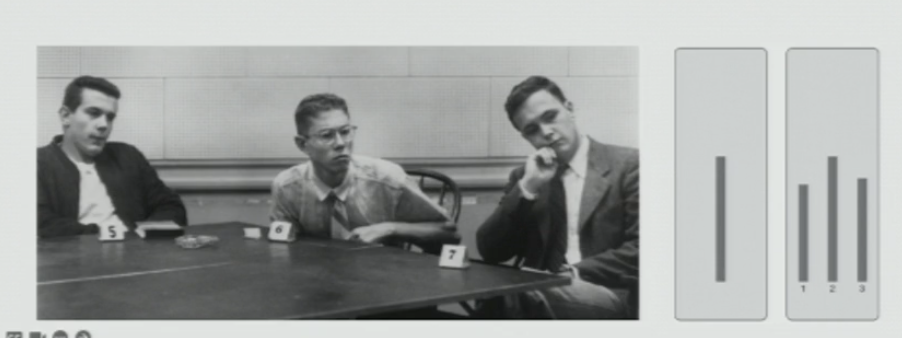
What is social psychology related to besides social control?
related to history of the field and some landmark studies mentioned but mostly related to these things:
attitudes and prejudice
attachment and relationships
group dynamics
self and social identity (who am I and how do I fit in)
social cognition
Who was Mary Whiton Calkins?
1836-1930
studied with James but they refused to give a degree to a woman
focused on self-psychology
contributed to social psych but idea not popular at a time
mostly introspective work
anticipating Ecological Momentary Assessment (EMA) research used diaries a lot
What is conflict in social cognition? Who was Leon Festinger?
“not everyone seemed to act and think in a unified way”
people conformed or obeyed but not always and seemed conflicted
Leon Festinger (1919-1989)
developed theory of cognitive dissonance
people try to explain their behaviour