KIN 184 Quiz 2 (Shoulder slides)
 Call Kai
 Learn
 Practice Test
 Spaced Repetition
 Match
 Flashcards
 Knowt Play
1/51

There's no tags or description
Looks like no tags are added yet.
Name | Mastery | Learn | Test | Matching | Spaced | Call with Kai | Chat |
|---|
No analytics yet
Send a link to your students to track their progress
52 Terms
Scapulothoracic Joint
scapula to ribcage

Acromioclavicular joint (AC joint)
acromion to clavical

Glenohumeral joint
humerus and glenoid fossa (socket)
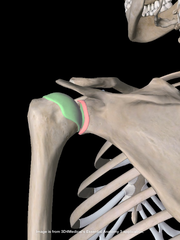
Scapula

clavical

Scapular spine

Acromium
boney projection from scapular spine

Glenoid fossa
The part of the scapula that joins with the humeral head to form joint

Bicep image

Bicep location
anterior humerous
bicep brachii
elbow flexion
supination
tricep image

tricep motion
elbow extension
rotator cuff image

rotator cuff motion
abduction
internal rotation
external. rotation
deltoid image
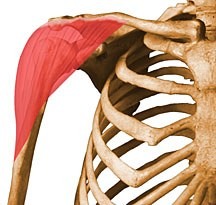
deltoid motion
abduction
Supraspinatus image
above spine of scapula

Supraspinatus motion
abduction
subscapularis image

subscapularis motion
internal rotation
Infraspinatus image

infraspinatus motion
external rotation
teres minor image

teres minor motion
external rotation
scapulohumeral rhythm
movement relationship between the humerus and the scapula during arm raising movements
anterior shoulder stretch

sleeper stretch

internal rotation stretch
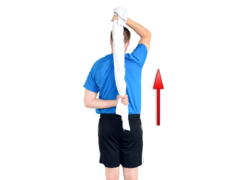
external rotation stretch
holding towel stretch
flexibility
moving towel stretch
range of motion
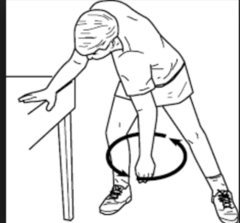
pendulum exercise
Acromioclavicular (AC) Joint Sprain

ac joint sprain deformity
step deformity

ac joint sprain test
shear test
glenohumeral dislocation
most commonly anterior, rarely anterior, almost never inferior, superior not possible bc of bone
humerus bone moves posteriorly, therefore head of humerous pops out anteriorly
glenohumeral dislocation image

acute glenohumeral dislocation
emergency bc of nerve damage and fracture possible
could kill arm if left
anterior glenohumeral dislocation motion
abducted and external rotation (thumbs out)
posterior glenohumeral dislocation motion
adducted and internal rotation
chronic glenohumeral dislocation
usually athlete experiences instability prior to this (ex. double jointed or other weird instability things), as the occurrences increase, the impact needed to dislocate decreases
less pain compared to acute
click crunch
ROTATOR CUFF INJURY
usually overhead athletes
occue with not enough body rotation
SITS Muscles
impingement injury
-due to the rotator cuff muscles impacting with a structure causing compression
-acromion or sub acromial bursa
-this injury involves the SUPRASPINATUS AND SUBACROMIAL BURSA
-common in swimmers due to motions of flexion, abduction, and internal rotation
-"painful arch" 70*-120*
-Symptoms: deep pain (initially at night) worse in overhead position
bicipital tendonitis
overuse injury to the long origin tendon of the biceps that causes friction and pain on the lateral front of the shoulder
bicep tendon rupture
• Prolonged tendonitis can weaken the structure making it easier to rupture
• Forceful flexion with great resistance
• i.e.: weightlifting and gymnastics
• Symptoms: "Popeye", initial intense pain, partial rupture still see slight deformity, weakness such as an inability to flex one's elbow
thoracic outlet syndrome
nerves and vessels compressed in axilla (armpit)
common in swim/weight lift bc of overhead stress
clavicular fracture
most occur in middle
common in ice hockey martial arts lacrosse cycling
scapular fracture
MOI: Direct blow; fall on an outstretched arm (rare injury in sports)
S/S: Pain
TX: Immobilization followed by rehabilitation. pins usually to fix
humeral fracture
Broken upper arm
FOOSH (fall on out stretched hand)
glenoid labrum (labral tears)
• Your labrum "deepens" your shoulder
• Cartilage which can get torn
• Lines your glenoid (socket joint)
• Bicep brachii long head attaches here
• Common in overhead sports such as swimming and baseball
• Symptoms: clicking, locking, catching, inability to reach back behind them
SLAP Tear
superior labrum anterior to posterior
common in throwing athletes
velocity and stregth in throw decrease