Amino Acids
 Call Kai
 Learn
Learn Practice Test
 Spaced Repetition
 Match
Match Flashcards
 Knowt Play
1/24

Earn XP
Description and Tags
Biochemistry
Name | Mastery | Learn | Test | Matching | Spaced | Call with Kai | Chat |
|---|
No analytics yet
Send a link to your students to track their progress
25 Terms
What are Nonpolar, Aliphatic R Groups
Nonpolar, aliphatic R groups are side chains of amino acids that are hydrophobic and lack charged or polar groups. These R groups typically consist of hydrocarbon chains and play a key role in protein folding and structure.
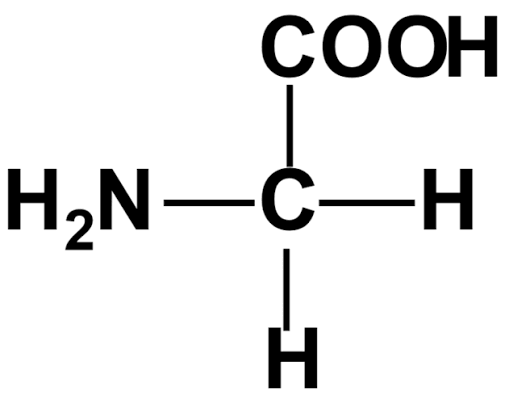
Glycine (Gly, G)
It is the simplest amino acid with a hydrogen atom as its side chain, making it nonpolar and aliphatic. Its small size contributes to the flexibility of protein structure.
Alanine (Ala, A)
A nonpolar amino acid with a methyl group as its side chain, contributing to hydrophobic interactions. Alanine is important in protein structure and can be substituted in various enzymatic reactions.

Proline (Pro, P)
A nonpolar amino acid with a unique cyclic structure that includes a five-membered ring. Proline's structural rigidity disrupts the regular folding patterns of proteins, influencing their overall conformation.

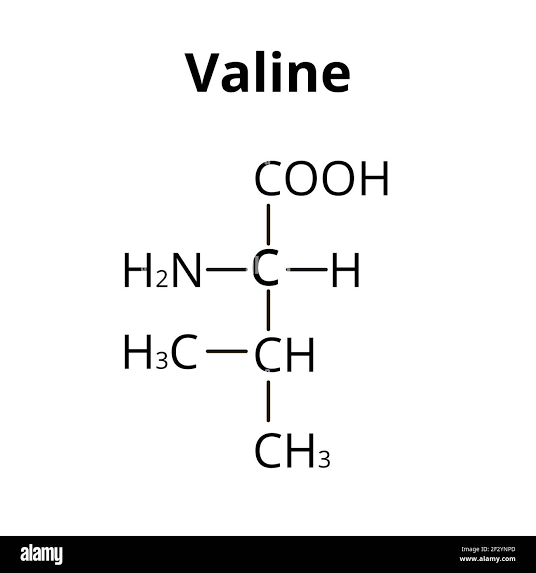
Valine (Val, V)
A branched-chain, nonpolar amino acid with an isopropyl side chain. Valine plays a significant role in protein structure and is often involved in hydrophobic interactions.
Leucine (Leu, L)
A branched-chain, nonpolar amino acid with an isobutyl side chain. Leucine is essential for protein synthesis, promoting muscle recovery and growth.

Isoleucine (Ile, I)
A branched-chain, nonpolar amino acid with a sec-butyl side chain. Isoleucine is essential for protein synthesis and energy production, and it plays a role in hemoglobin function.

Methionine (Met, M)
An essential amino acid containing a sulfur atom in its side chain. Methionine is important for protein synthesis and serves as a precursor for other amino acids.

What are Aromatic R Groups?
Aromatic R groups are side chains in amino acids that contain an aromatic ring structure. These side chains are typically nonpolar and can participate in stacking interactions, contributing to protein stability and function.
Phenylalanine (Phe, F)
An essential amino acid with a nonpolar, aromatic side chain. Phenylalanine is a precursor to neurotransmitters such as dopamine, norepinephrine, and epinephrine.

Tyrosine (Tyr, Y)
An aromatic amino acid that is synthesized from phenylalanine. Tyrosine plays a key role in the production of neurotransmitters like dopamine and is involved in the synthesis of hormones such as thyroxine.

Tryptophan (Trp, W)
An essential aromatic amino acid important for the synthesis of serotonin and melatonin. Tryptophan also plays a role in regulating mood, sleep, and appetite.

What are Polar, uncharged R groups
Polar, uncharged R groups are side chains that contain electronegative atoms such as oxygen or nitrogen but do not carry a charge. They enhance the solubility of amino acids in water and are often involved in hydrogen bonding.
Serine (Ser, S)
An amino acid with a polar, uncharged side chain. Serine is involved in the active sites of enzymes and plays a crucial role in protein phosphorylation.

Threonine (Thr, T)
An essential amino acid with a polar, uncharged side chain. Threonine is important for protein synthesis and the production of antibodies.

Cysteine (Cys, C)
A semi-essential amino acid containing a polar, uncharged side chain characterized by a thiol (-SH) group. Cysteine is crucial for protein structure due to its ability to form disulfide bonds.

Asparagine (Asn, N)
An amino acid with a polar, uncharged side chain. Asparagine plays a significant role in protein synthesis and metabolism.

Glutamine (Glu, Q)
An amino acid with a polar, uncharged side chain. Glutamine is important for nitrogen transport and plays a role in metabolism. It is the most abundant amino acid in the bloodstream and supports immune function.

What are Positively, Charged R groups?
Amino acids with side chains that have a net positive charge at physiological pH, such as lysine, arginine, and histidine. These amino acids are often involved in ionic interactions and play critical roles in protein structure and function.
Lysine (Lys, K)
A positively charged amino acid with an essential role in protein synthesis and metabolism. Lysine is important for collagen formation and calcium absorption.

Arginine (Arg, R)
A positively charged amino acid that plays a crucial role in the urea cycle and protein synthesis. Arginine is also important for nitric oxide production and immune function.

Histidine (His, H)
A positively charged amino acid that is critical for enzyme function and the regulation of pH within proteins. Histidine serves as a precursor for histamine and is significant in metal ion binding.

What are negatively charged R groups?
Negatively charged R groups are associated with acidic amino acids, such as aspartic acid and glutamic acid. These amino acids play vital roles in protein structure and function, often participating in enzyme catalysis and pH regulation.
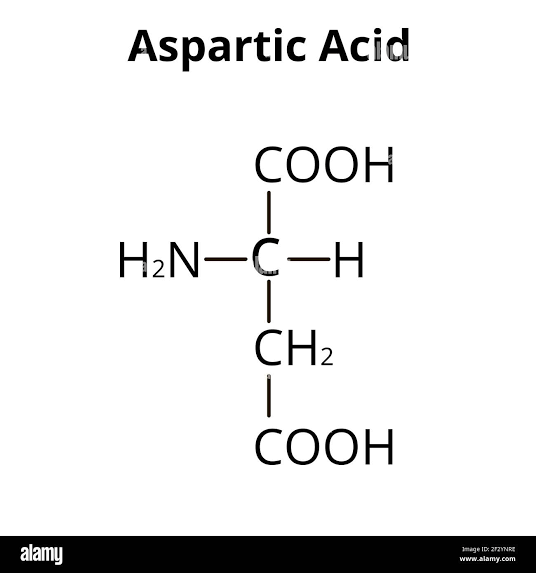
Aspartate (Asp, D)
A negatively charged amino acid derived from aspartic acid, involved in various metabolic processes and protein synthesis.
Glutamate (Glu, E)
A negatively charged amino acid that plays a crucial role in neurotransmission and metabolic pathways, derived from glutamic acid.
