Unit 3 Bio test
 Call Kai
 Learn
 Practice Test
 Spaced Repetition
 Match
 Flashcards
 Knowt Play
1/56

There's no tags or description
Looks like no tags are added yet.
57 Terms
seven basic functions integral to survival
Metabolism - living things undertake essential chemical reactions
Reproduction - living things produce offspring (sexually/asexually)
Sensitivity - living things respond to stimuli (internal or external)
Homeostasis - living things maintain stable internal environments
Excretion - living things exhibit the removal of waste products
Nutrition - living things exchange materials with the environment
Growth/movement - living things can move and change shape
three basic tenets of cell theory
the cell is the smallest unit of life
all living things are composed of cells
cells only arise from pre-existing cells
four key components of a cell that keep the internal chemistry different to the exterior
Cell membranes separate internal and external content
Cytosolic fluid provides a medium for chemical reactions
DNA carries the instructions for required cell activities
Ribosomes make proteins to carry out the instructions
Unusual structure of striated muscle
consist of cells that have been fused into a single fibre (multinucleated)

Unusual structure of aseptate fungal hyphae
lack internal partitions between cells (cytoplasm is continuous)

Unusual structure of sieve tube elements
connected by plasmodesmata (metabolic functions are shared)

Unusual structure of red blood cells
extrude their nuclei and so lack genetic material (cannot be reproduced)

cell scales
cells and their components are usually measured in micrometers or nanometers

light microscope
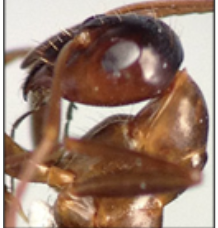
views living specimen in natural color, lower magnification and resolution. use glass lenses to bend light, the extent of magnification is dependent on the number of lenses used for visualization. the clarity of cellular structures can be improved by using synthetic dyes and fluorescent labelling
electron microscopes
views dead specimen in monochrome, higher magnification and resolution. use electromagnets to focus electrons and produce digital images. transmission EMs generate cross-sections, scanning EMs generate surface renderings

immunofluorescence
antibodies conjugated to fluorescent probes in order to specifically target a cellular component of interest in a light microscope

freeze fracturing
cryogenic electron microscopy involves first freezing samples to crystallize the specimens. internal contents can be visualized if the sample is cracked open

magnification calculations
Magnification = Image size/Actual size (all quantities must be in the same units)
Actual size = image size/magnification

Key structural components in prokaryote
archaea and bacteria
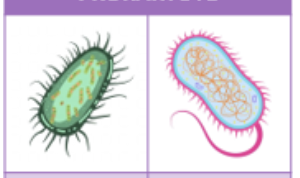
key structural components in eukaryote
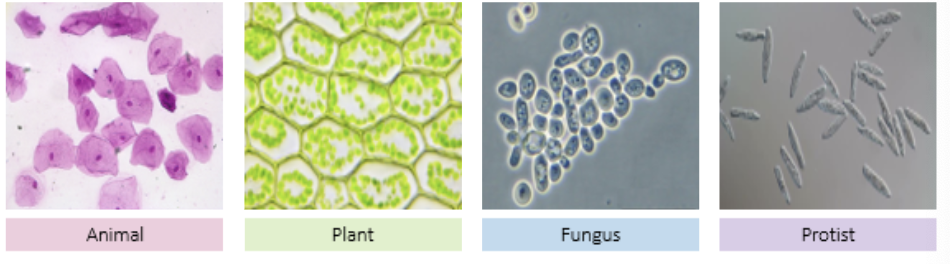
protista, fungi, animal, plant

prokaryotes
a simple class of cells that lack a nucleus, lack any compartmentalization (do not possess membrane-bound organelles), typically unicellular (some exceptions) and can exist in a variety of shapes
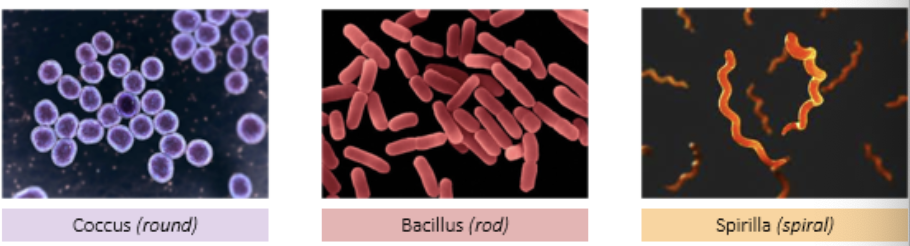

prokaryote structure
DNA is found in a region called the nucleoid
prokaryotes may contain autonomous DNA molecules called plasmids
Ribosomes (responsible for protein synthesis) are smaller in size (70S)
They posses an external cell wall for stability (made of peptidoglycan)
may also possess hair-like extensions (pili) or whip-like projections (flagella) for movement, an additional outer covering to prevent desiccation (slime capsule)

bacteria vs archaea
bacteria — most commonly encountered forms, can be pathogenic, peptidoglycan in cell wall, ester-linked membrane lipids, DNA is naked, only one type of RNA polymerase, introns are rare
archaea — extremophiles (harsh environments), not pathogenic, peptidoglycan not in cell wall, ether-linked membrane lipids, DNA is bound to histone proteins, several types of RNA polymerase, can have introns

eukaryotes
complex class of cells that possess a nucleus, they also demonstrate compartmentalization (possess membrane-bound organelles), eukaryotic cells are classified into four kingdoms based on certain common characteristics
cell nucleus
main distinguishing feature of eukaryotic cells, it is a double-membrane structure with pores that store DNA, the presence of a nucleus allows the eukaryote to separate the process of transcription (nucleus) and translation (cytoplasm), separating these processes allows for the post-transcriptional modification of mRNA prior to translation by the ribosomes

compartmentalization
eukaryotic cells possess several membrane-bound organelles, organelle is a sub-cellular structure adapted to a specific role, membrane-bound organelles will have an internal chemistry that is specific to its function (and different to the cytoplasm)

example of compartmentalization
lysosomes and phagocytic vesicles both contain hydrolytic enzymes responsible for digesting cellular contents, containing the enzymes, prevents cell degradation (autophagy)
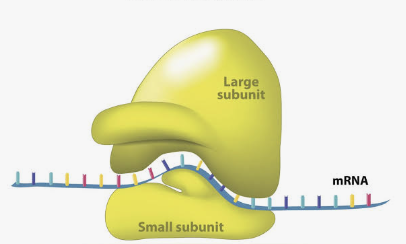
ribosome
site of protein synthesis
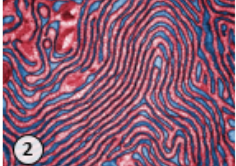
endoplasmic reticulum
intracellular transport network

mitochondria
site of aerobic respiration


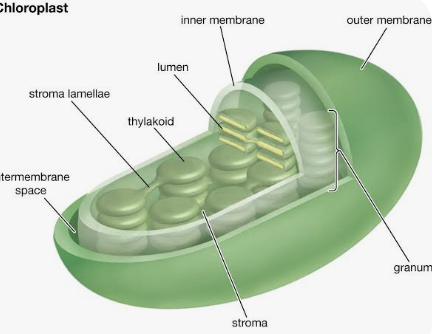
chloroplast (plants only)
site of photosynthesis

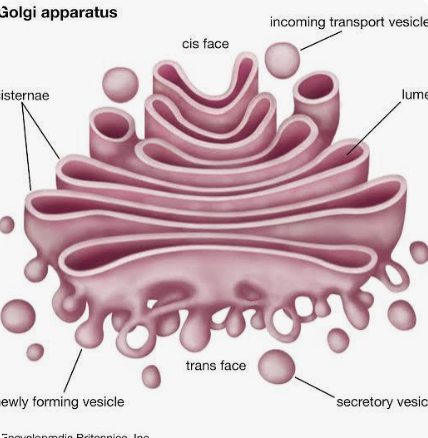
golgi complex
exports secretory products
peroxisome
digests toxic metabolites

sap vacuole (plants only)
internal fluid cavity

eukaryote structure
animal cells have lysosomes to break down cellular wastes and centrosomes for cell division (these are specific to animal cells)
plant cells have a large central sap vacuole for storing excess fluid and chloroplasts for photosynthesis (unique to plant cells)
fungi do not have unique organelles and protists are very diverse

plant cell structure
cell wall: yes (cellulose), chloroplasts: yes, vacuoles: yes, centrioles: no, cilia/flagella: no, nutrition: photosynthesis

fungus structure
cell wall: yes (chitin), chloroplasts: no, vacuoles: yes, centrioles: no, cilia/flagella: no, nutrition: absorption

animal cell structure
cell wall: no, chloroplasts: no, vacuoles: small, temporary, centrioles: yes, cilia/flagella: yes, nutrition: ingestion
red blood cell size
have a small diameter (roughly 7μm) to move through the capillaries
neuron size
can be >1 m in length (but only 10 μm wide) to signal over distance
muscle fibre size
fiber consist of fused cells and so can have a length of up to 12 cm
ovum and sperm size
an ovum is very large compared to sperm as it provides cell contents
rate of metabolism
(energy consumption) is a function of a cell’s volume (units³)
rate of material and heat exchange
function of a cell’s surface area (units²)
as a cell grows, this leads to a decrease in
the surface area:volume ratio (Surface area decreases as cell volume increases). if the metabolic rate exceeds the rate of material exchange, the cell will inevitably die, growing cells typically divide and remain small in order to survive

multicellular organisms
life forms that consist of multiple cells, arise from repeated cell division and the subsequent aggregation of daughter cells, being multicellular enables organisms to exceed size limits imposed by the SA:Vol ratio

specialization
in multicellular organisms, individual cells may become specialized to form distinct cell types. the different cell types then interact to achieve new functionalities (emergent properties)

differentiation
every cell in a multicellular organism is a clone of an original parent cell (except for gametes), in sexually reproducing organisms, this original parent cell is the fertilized egg (zygote), the cloned cells all share an identical genome, they will all have identical DNA instructions. selective expression of certain instructions in different cells will cause them to specialize.

stem cells
unspecialized cells that have two key properties: self-renewal (stem cells can continually divide and replicate), potency (they have the ability to differentiate and specialize). when a stem cell differentiates to become specialized, it loses its capacity to form alternative cell types (ceases to be a stem cell), this means that the supplies of stem cells are typically limited
totipotent stem cells
can form any cell type and develop into new organisms, are considered to be embryonic stem cells
pluripotent stem cells
can form any cell arising from the three germ layers, are considered to be embryonic stem cells
multipotent
can only form a number of closely related cell types
pluripotent germ layers
pluripotent stem cells from the inner cell mass (blastocyst) give rise to three germ layers: the ectoderm (outer layer) forms the nervous system and outer layers (such as skin), the mesoderm: (middle layer) forms the majority of body organs and tissues, the endoderm (inner layer) forms the respiratory and digestive systems

morphogens
chemicals that trigger embryonic stem cell differentiation, the impact of a morphogen will be determined by its relative amount (concentration), cells closer to the source will receive higher amounts than distant cells (a gradient forms)

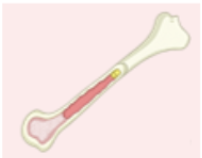
stem cell niche (bone marrow)
haemopoietic stem cells give rise to the different types of blood, bone marrow transplants replace the niche following leukemia
hair follicle niche
epidermal stem cells are involved in hair growth and vascularization, bald individuals typically have low numbers of stem cells in the niche
stem cell therapy
stem cells can be used to treat diseases by replacing damaged cells with healthy versions, stem cell therapies can involve the use of either embryonic or adult stem cells
stem cell therapy with adult stem cells
advantages: lower chance of graft rejection (involves the use of the patient’s own cells), disadvantages: restricted application due to multipotency, can be difficult to extract cells
stem cell therapy with embryonic stem cells
advantages: can be used to treat a wider range of conditions (due to pluripotency), disadvantages: requires the creation and destruction of cloned embryos to generate cells
therapeutic applications stem cells
once stem cells are harvested, biochemicals are used to trigger targeted cell differentiation, implanted stem cells must be closely monitored to ensure they do not become cancerous, the immune system needs to be initially repressed with drugs to prevent graft rejection

conversion of mm → cm
1 mm = 0.1 cm
conversion of cm → micrometers
1 cm = 10000 µm