Chemistry of Life 26
 Call Kai
 Learn
Learn Practice Test
 Spaced Repetition
 Match
Match Flashcards
1/24

There's no tags or description
Looks like no tags are added yet.
Name | Mastery | Learn | Test | Matching | Spaced | Call with Kai | Chat |
|---|

25 Terms
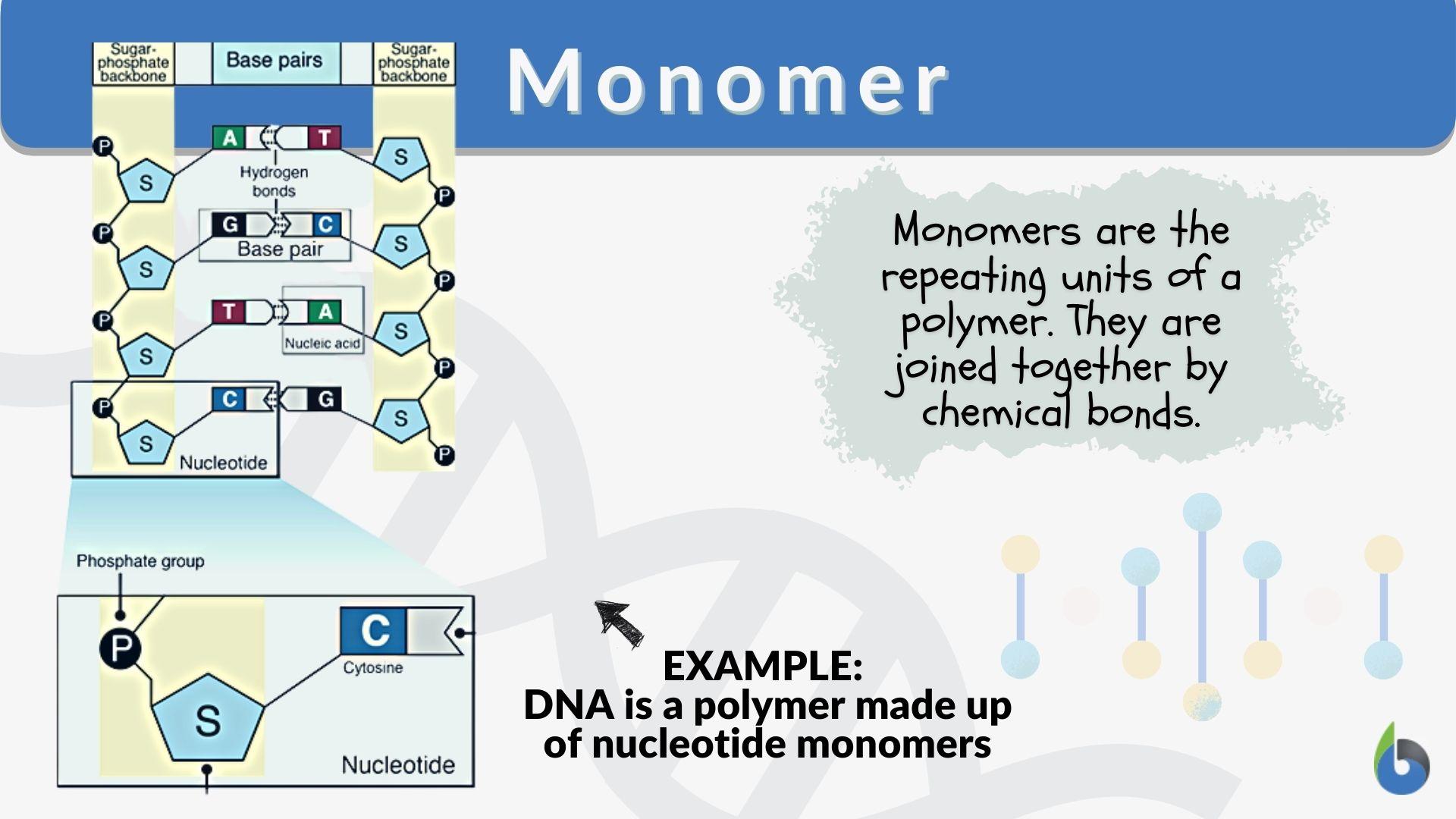
Monomer
A small, single molecular subunit that can bind to other similar molecules to form a larger complex polymers.

Polymer
A large molecule composed of many repeating, chemically bonded monomers.

Dehydration Synthesis
A chemical reaction that covalently links monomers together into polymers by removing a molecule of H2O.
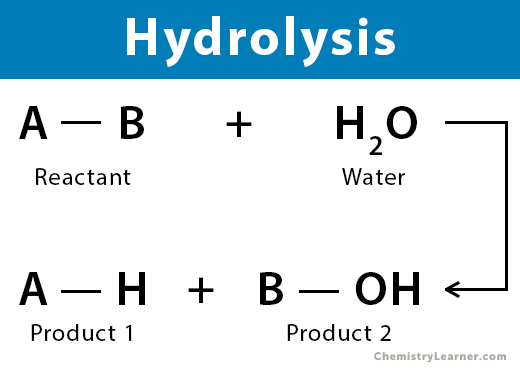
Hydrolysis
A chemical reaction that breaks the chemical bonds in a polymer to release monomers by adding a molecule of H2O.

Monosaccharide
The single-sugar monomer that serves as the building block for complex carbohydrates.

Carbohydrates
Macromolecules composed of monosaccharides that serve as the body's primary source of quick cellular energy and structural support.

Glycerol and Fatty Acids
The primary structural building blocks that combine to form triglycerides and phospholipids.

Lipids
Nonpolar macromolecules that function in long-term energy storage, insulation, forming cell membranes, and hormonal messaging.
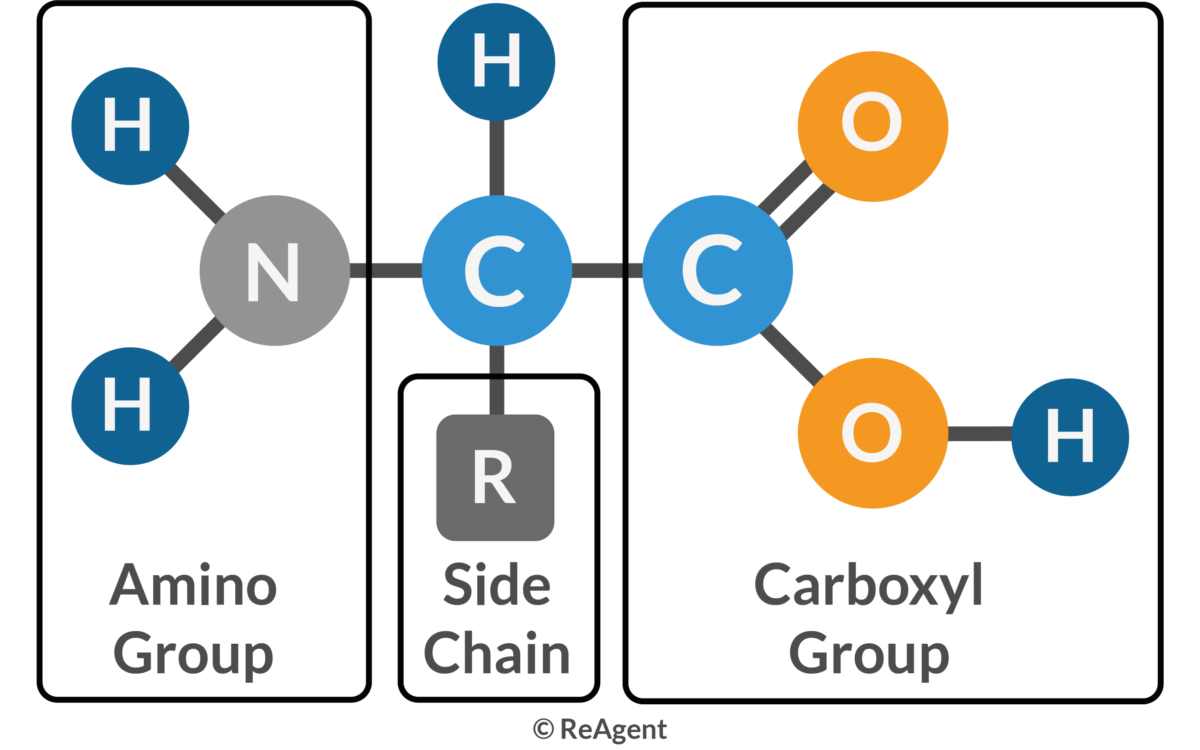
Amino Acid
The monomer subunit of proteins, containing an amino group, a carboxyl group, and a variable R-group.

Proteins
Macromolecules composed of amino acid chains that carry out cellular work, including speeding up reactions as enzymes, transport, and structural support.
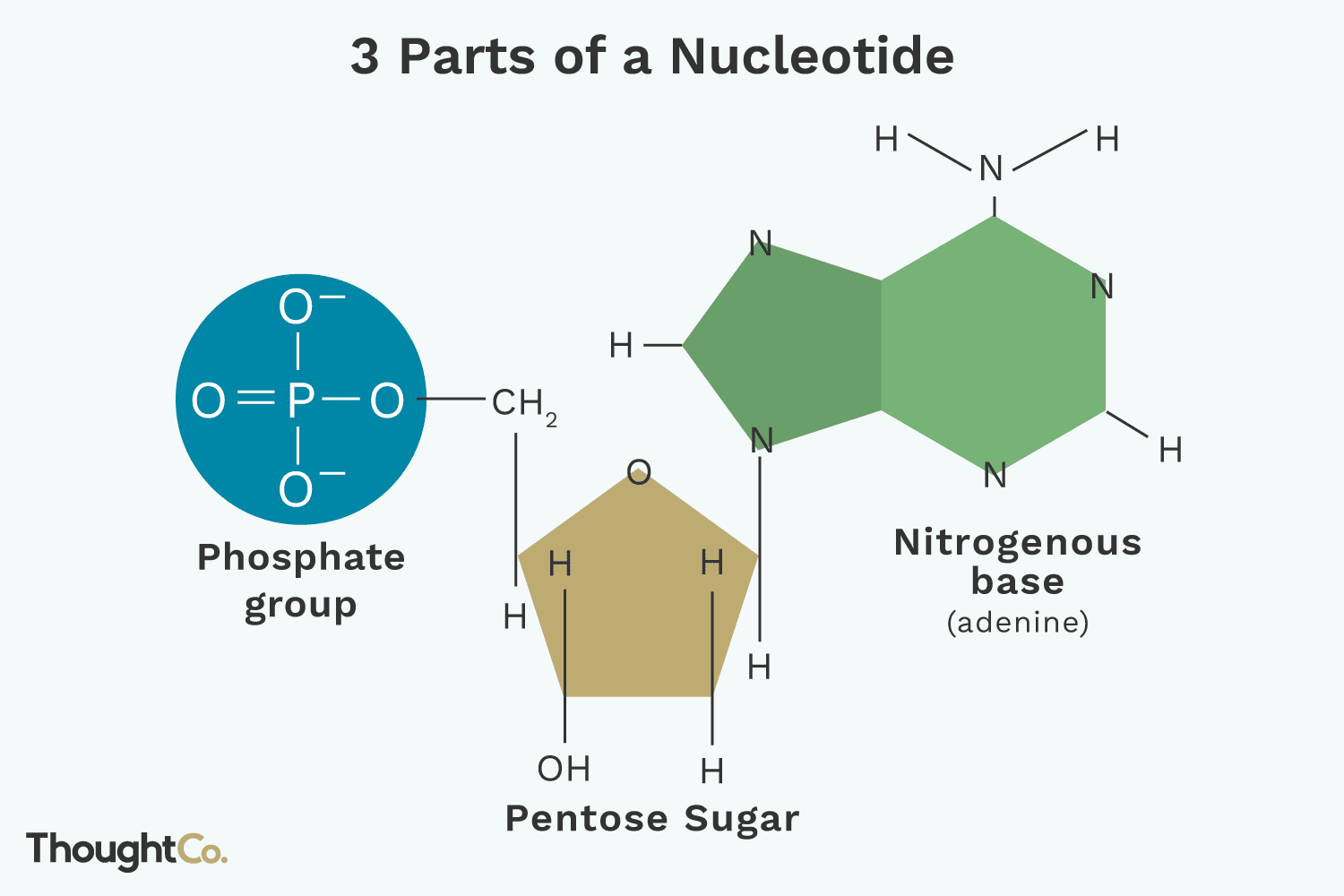
Nucleotide
The monomer of nucleic acids, consisting of a 5-carbon sugar, a phosphate group, and a nitrogenous base.

Nucleic Acids
Macromolecules, such as DNA and RNA, that store and transmit genetic code to direct protein synthesis within organisms.
organic molecule
a molecule primarily made of carbon, often containing hydrogen, oxygen, nitrogen, and other elements, crucial for life.
metabolism
The set of chemical reactions that occur within a cell to maintain life, including processes that break down organic molecules for energy and use them to build cellular structures.
examples of carbohydrates
include sugars like glucose, fructose, and polysaccharides like starch and cellulose.
examples of lipids
include fats, oils, waxes, and phospholipids, which are key components of cell membranes.
examples of proteins
include enzymes, antibodies, and structural proteins like collagen and keratin.
examples of nucleic acids
include DNA and RNA, which store and transmit genetic information.
foods that contain carbohydrates
include fruits, vegetables, grains, and legumes that provide energy and essential nutrients.
foods that contain lipids
include oils, butter, nuts, and fatty fish that provide energy and support cell function.
foods that contain protein
include meat, dairy, legumes, and nuts that are essential for tissue repair and growth.
enzyme
Proteins that act as catalysts to speed up chemical reactions in living organisms.
activation energy
the minimum energy required for a chemical reaction to occur. higher = slower reaction
substrate
the substance upon which an enzyme acts in a biochemical reaction.
product
The substance or molecule produced at the completion of a chemical reaction.