Exam 2 OB
 Call Kai
 Learn
 Practice Test
 Spaced Repetition
 Match
 Flashcards
 Knowt Play
1/141

There's no tags or description
Looks like no tags are added yet.
142 Terms
A postpartum fundus feels boggy. What does this finding indicate?
Uterine atony; increased hemorrhage risk.

A postpartum fundus is firm, midline, and at the umbilicus shortly after birth. Expected or abnormal?
Expected finding.

The fundus is firm but shifted to the right. What should the nurse suspect?
Distended bladder.

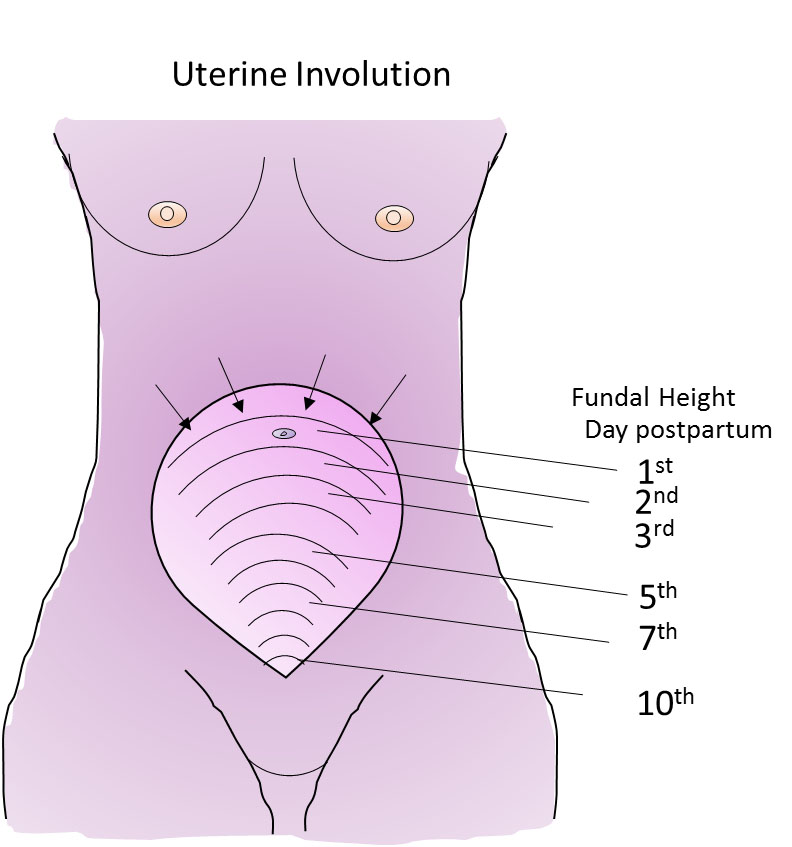
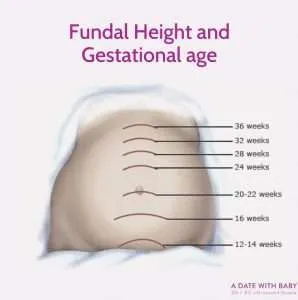
How does the fundal height usually change after the first postpartum day?
Descends about 1 cm (one fingerbreadth) per day.
Lochia rubra: appearance and typical timing?
Red, bloody discharge; usually first 3–4 days.

Lochia serosa: appearance and typical timing?
Pinkish-brown discharge; commonly days 4–10.

Lochia alba: appearance and typical timing?
Yellowish-white discharge; generally after day 10.

Which lochia finding requires further assessment: mild earthy odor or foul odor?
Foul odor; possible infection.

A postpartum patient saturates a pad in 15 minutes. Expected or abnormal?
Abnormal heavy bleeding; urgent assessment.

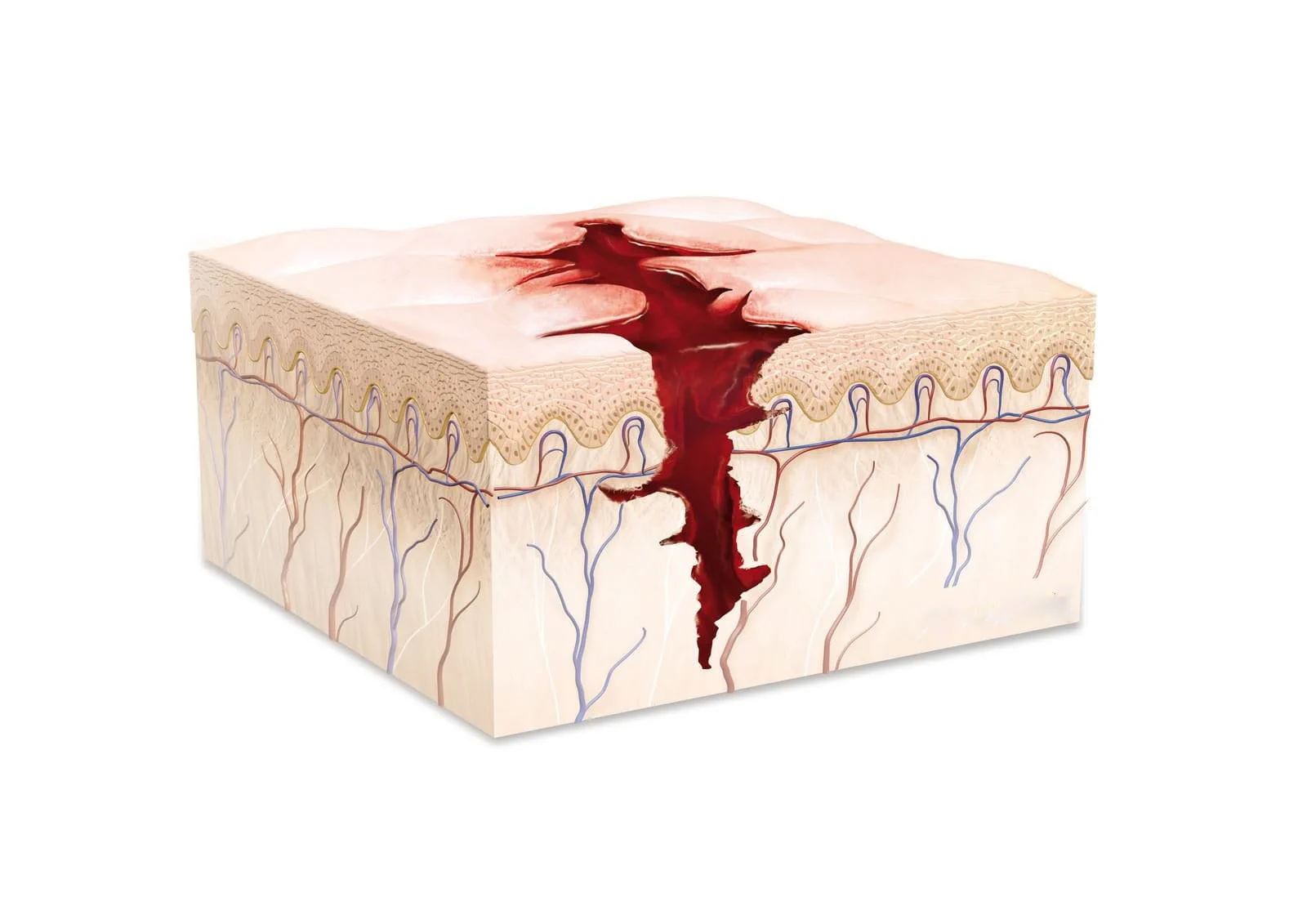
A firm uterus with continuous bright-red bleeding suggests what?
Genital tract laceration.
A soft, boggy uterus with heavy bleeding suggests what?
Uterine atony.

What does BUBBLE-EE stand for?
Breasts, uterus, bladder, bowel, lochia, episiotomy/perineum, extremities/edema, emotions.

What does REEDA stand for?
Redness, edema, ecchymosis, discharge, approximation.
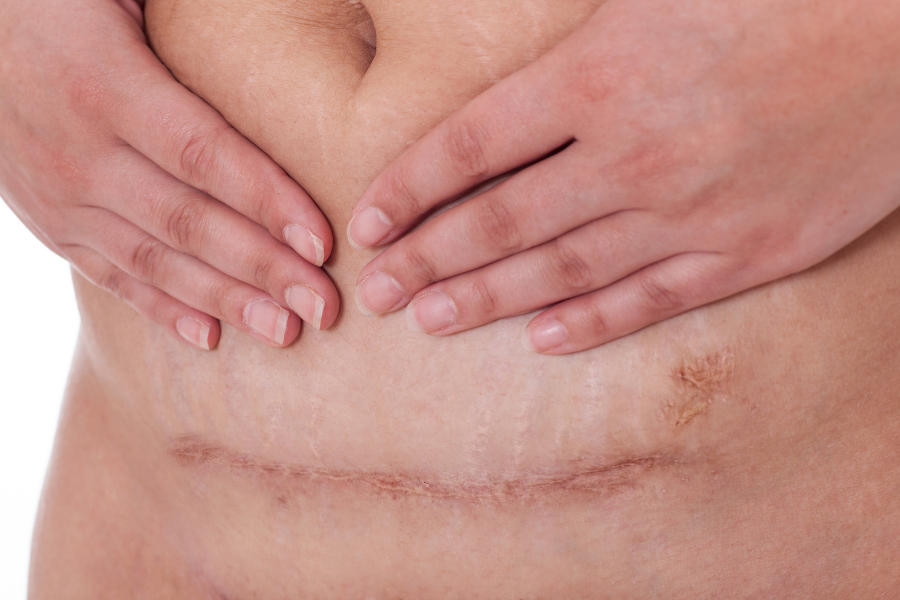
A postpartum patient with a perineal wound has increasing pain and purulent drainage. Interpretation?
Possible wound infection; needs evaluation.


Unilateral leg swelling, warmth, and tenderness postpartum suggest what?
Possible deep vein thrombosis (DVT).
Which postpartum symptom suggests preeclampsia: mild afterpains or severe headache with visual changes?
Severe headache with visual changes.

Postpartum fever with uterine tenderness and foul lochia suggests what?
Endometritis.

What breast finding is expected with early milk production?
Breast fullness/engorgement; assess for localized redness, fever, severe pain.

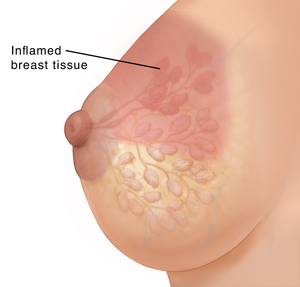
A breastfeeding parent has localized breast redness, fever, and flu-like symptoms. Suspect?
Mastitis.
What is the taking-in phase of postpartum adjustment?
Parent focuses on own recovery and recounts birth; often dependent.

What is the taking-hold phase of postpartum adjustment?
Parent becomes more independent and practices infant care.

What is the letting-go phase?
Adapting to the new parental role and changing relationships.

Postpartum blues vs postpartum depression: key distinction?
Blues are mild and usually resolve within 2 weeks; persistent or severe symptoms need evaluation.

Which postpartum mental-health finding requires emergency action?
Thoughts of harming self or baby, psychosis, or inability to maintain safety.

What does a newborn Apgar score assess?
Appearance, pulse, grimace, activity, respiration.

When is Apgar routinely scored?
At 1 and 5 minutes after birth.
Typical resting newborn heart-rate range?
About 110–160 beats/minute.
Typical newborn respiratory-rate range?
30–60 breaths/minute.
Typical newborn axillary temperature range?
36.5–37.5°C (97.7–99.5°F).
A newborn has persistent grunting, flaring, and retractions. Expected or abnormal?
Abnormal; respiratory distress.
Acrocyanosis vs central cyanosis: which is more concerning?
Central cyanosis (blue lips/tongue) is concerning; acrocyanosis may be transitional.

What is caput succedaneum?
Scalp edema that crosses suture lines; benign and typically resolves within a few days.

What is cephalohematoma?
Subperiosteal bleeding that does not cross suture lines; increases risk for hyperbilirubinemia.

What are milia in a newborn?
Tiny white sebaceous papules or keratin-filled cysts on the face; benign and resolve spontaneously.

What is erythema toxicum neonatorum?
Common benign newborn rash with red macules and central papules or pustules ('flea-bite' rash); resolves without treatment.

What is the Moro reflex?
Startle response with arm extension/abduction followed by flexion.

What is the rooting reflex?
Turns toward cheek stimulation and opens mouth to seek nipple.

What is the palmar grasp reflex?
Fingers flex around an object placed in the palm.

A jittery newborn who feeds poorly should be assessed for what?
Hypoglycemia (and other causes of jitteriness).
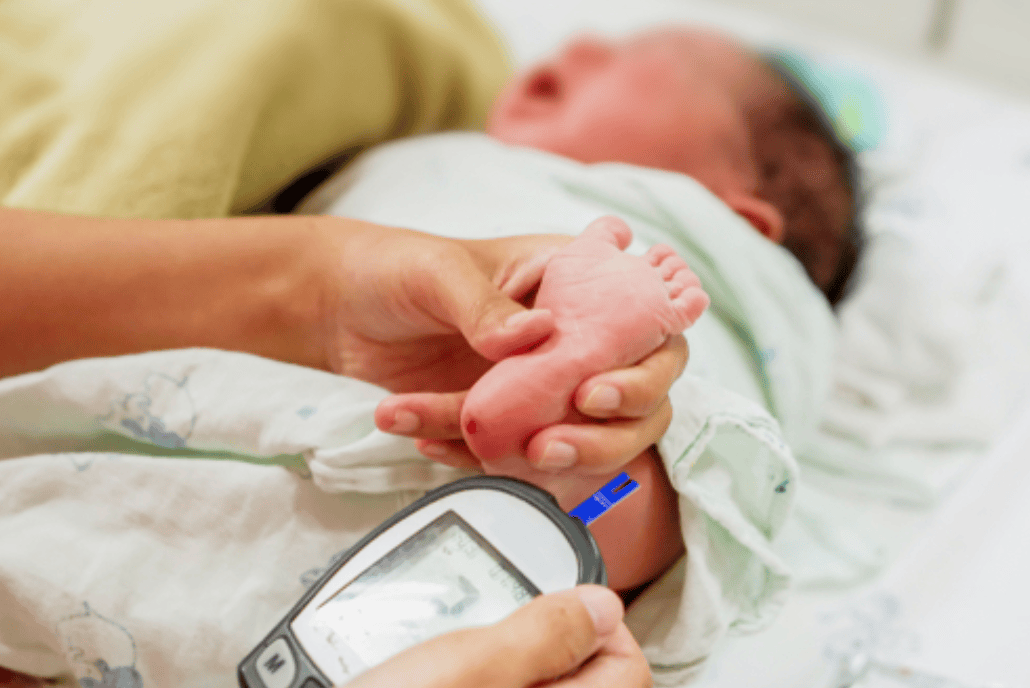
Which newborns are at increased risk for hypoglycemia?
Infants of diabetic parents, preterm, small or large for gestational age.
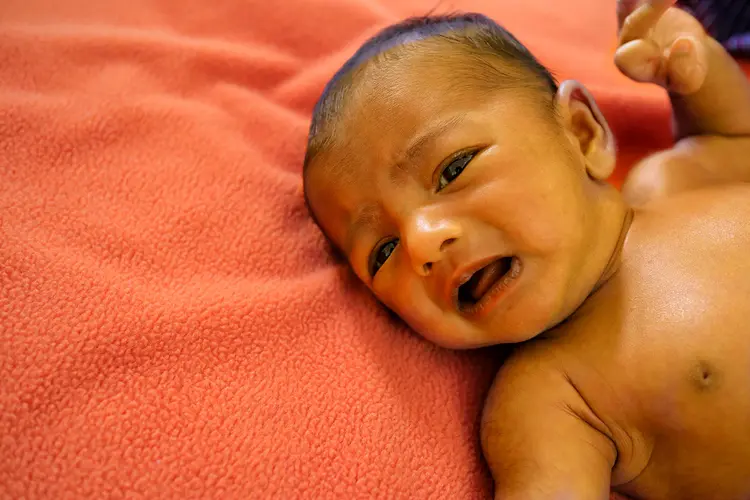
Jaundice in the first 24 hours after birth is expected or concerning?
Concerning; requires prompt bilirubin evaluation.
What newborn finding suggests dehydration or poor intake?
Poor feeding, fewer wet diapers than expected, excessive weight loss, or lethargy.
What is the purpose of CCHD pulse-ox screening?
Screen for critical congenital heart defects.
What is the purpose of the newborn metabolic screen?
Detect selected serious disorders before symptoms appear.
Why is the newborn hearing screen performed?
Identify possible hearing loss early for follow-up.
A newborn has an absent or weak femoral pulse. What may this indicate?
Possible congenital heart disease, such as coarctation; requires evaluation.

A newborn has green (bilious) vomiting. Expected or abnormal?
Abnormal; possible intestinal obstruction, urgent evaluation.
Which finding after birth suggests effective newborn transition?
Comfortable breathing, good tone, and appropriate color/heart rate.

What is the expected appearance of the umbilical stump?
Drying stump without spreading redness, pus, or foul odor.

A newborn has a bulging fontanelle while calm and upright. Interpretation?
Abnormal; needs prompt evaluation.
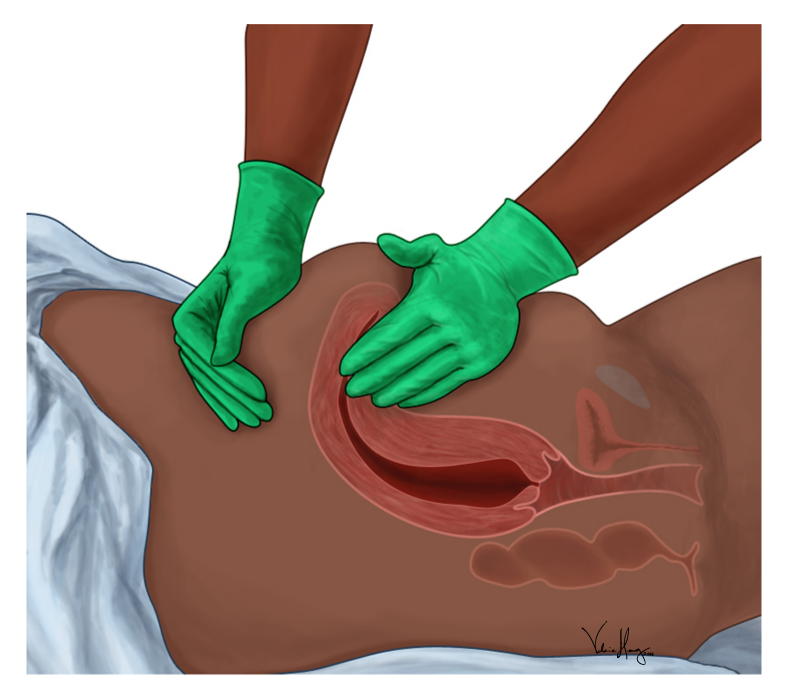
A postpartum patient has a boggy uterus and heavy lochia. First nursing action?
Massage the fundus while initiating hemorrhage response per protocol.
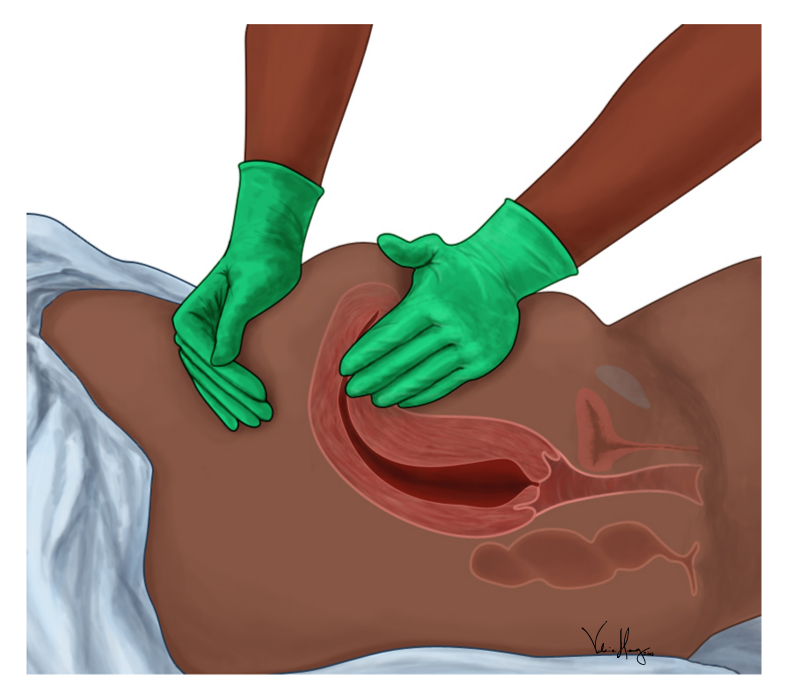
A postpartum patient has a firm fundus displaced right and cannot void. Priority action?
Assist with bladder emptying and reassess fundus/bleeding.
Heavy bleeding continues despite a firm fundus. What should the nurse do?
Escalate promptly; assess for laceration/other causes and follow hemorrhage protocol.
What should the nurse do for suspected postpartum DVT?
Stop ambulation, assess, and notify provider promptly; do not massage leg.
What is the nursing priority for postpartum severe headache and visual changes?
Assess BP and neurologic symptoms; urgently escalate possible preeclampsia.
What is oxytocin used for after delivery?
Promotes uterine contraction to prevent/treat uterine-atony bleeding.
Which condition is a contraindication to methylergonovine?
Hypertension/preeclampsia.
Which condition is a contraindication to carboprost?
Asthma.
What is tranexamic acid (TXA) used for in postpartum hemorrhage?
Reduces bleeding by inhibiting clot breakdown; adjunct to hemorrhage treatment.
A newborn has grunting and retractions. First priority?
Assess airway/breathing and oxygenation; call for immediate assistance.
A newborn is cold after bathing. What should the nurse do?
Dry and warm promptly; skin-to-skin or radiant warmer as indicated.
Name the four newborn heat-loss mechanisms.
Evaporation, conduction, convection, radiation.
A newborn at risk for hypoglycemia is asymptomatic. What is the nursing approach?
Early feeding and glucose screening per age-based protocol.
A symptomatic newborn has low glucose. What should the nurse do?
Promptly escalate and treat per neonatal hypoglycemia protocol.

A newborn is jaundiced at 12 hours of life. What is the priority?
Prompt bilirubin measurement and provider notification.
How should a healthy newborn be positioned for sleep?
Supine, on a firm flat separate sleep surface without loose bedding.
What is vitamin K injection given for at birth?
Prevent vitamin K deficiency bleeding.
Why is erythromycin eye ointment administered to newborns?
Prevent gonococcal ophthalmia neonatorum.
What should the nurse assess before discharge for breastfeeding effectiveness?
Latch, swallowing, feeding frequency, weight trend, and diaper output.
When should a postpartum patient seek emergency care for bleeding?
Heavy bleeding, soaking a pad in an hour or less, large clots, faintness, or worsening symptoms.

What newborn condition is shown in this picture?
Nevus simplex/stork bites
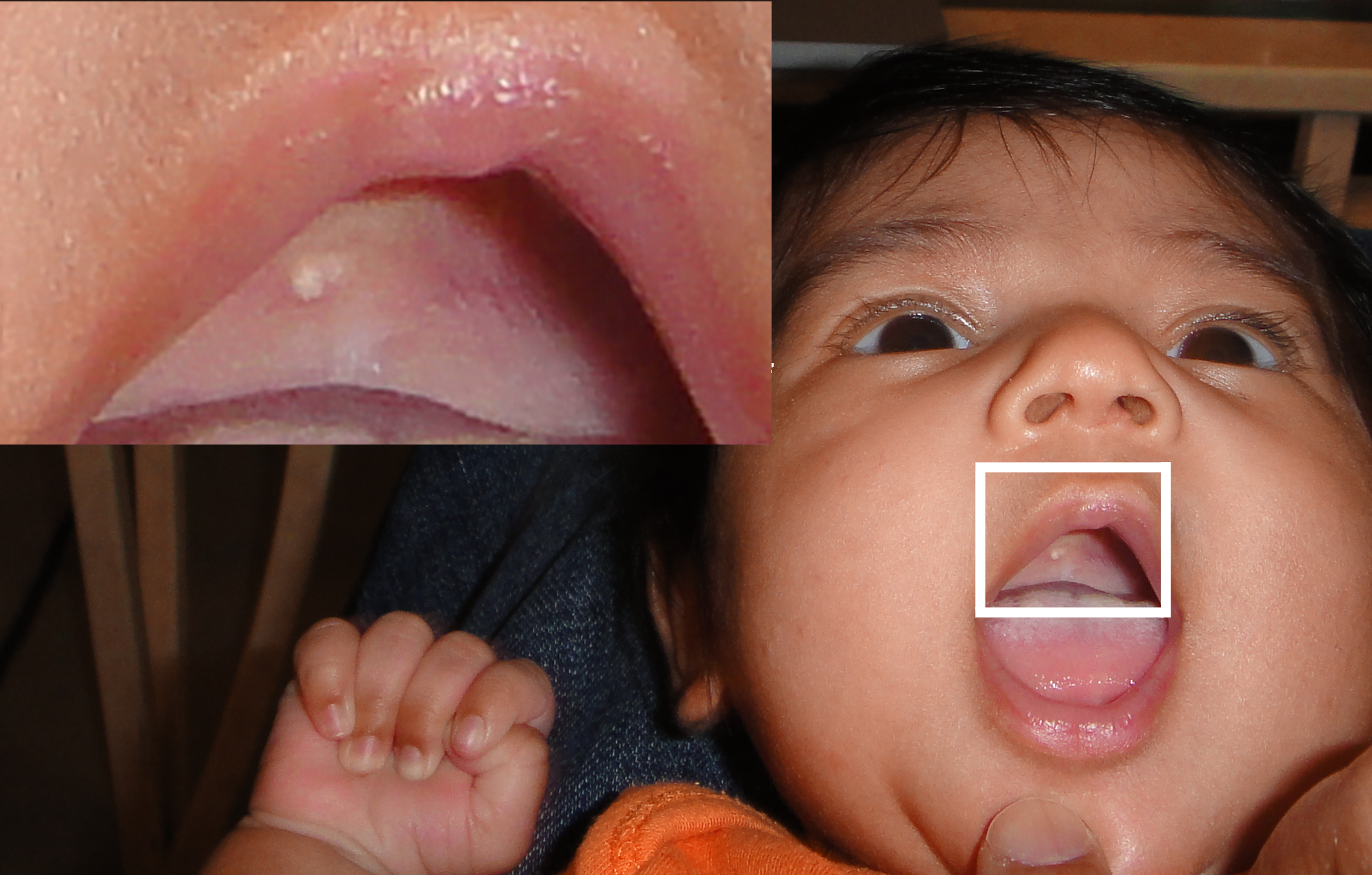
What newborn condition is shown in this picture?
Epstein pearls

What newborn scalp condition is shown in this picture?
Seborrheic dermatitis

What newborn skin finding is shown in this picture?
Mottling (cutis marmorata)
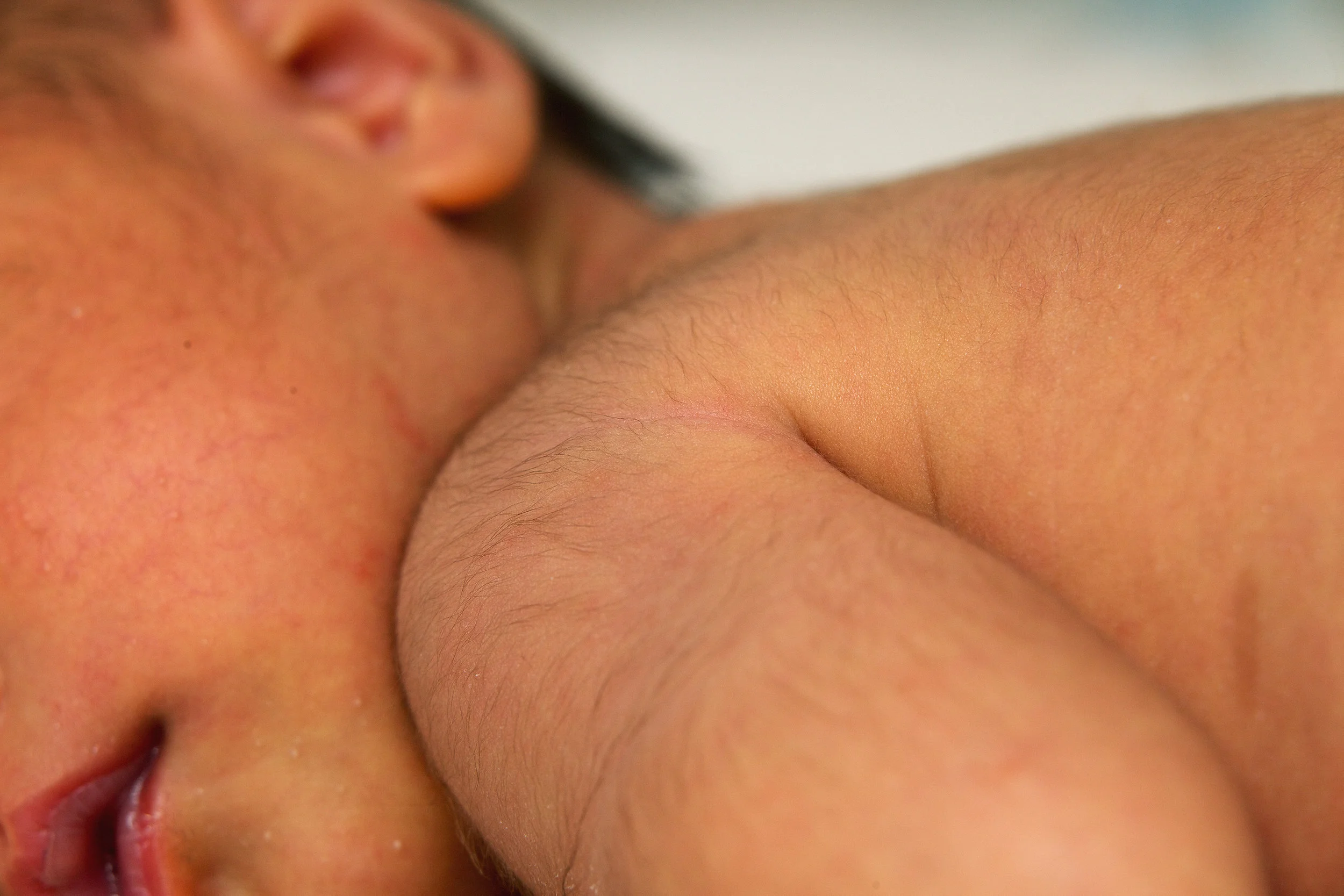
What newborn hair finding is shown in this picture?
Lanugo
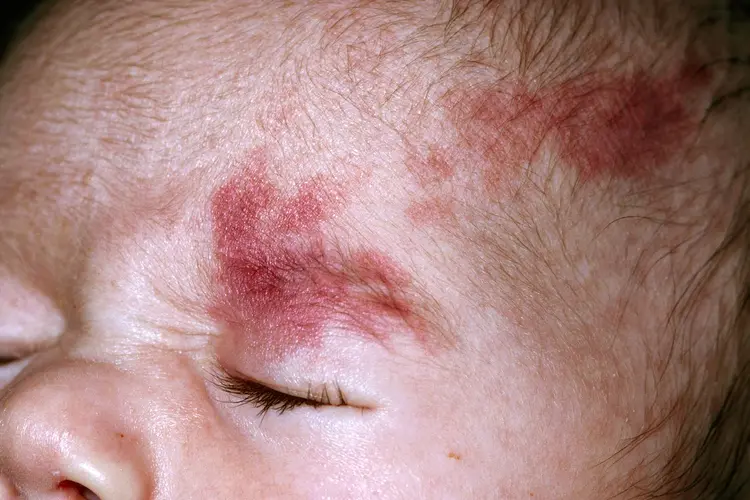
What newborn birthmark is shown in this picture?
Port-wine stain
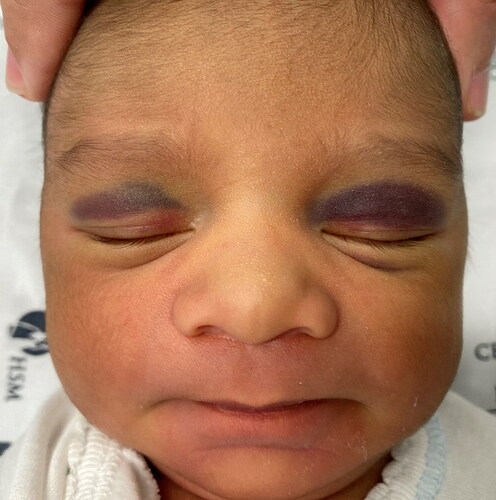
What newborn eye finding is shown in this picture?
Ecchymosis

What newborn birth-related mark is shown in this picture?
Forceps marks

What newborn skin coating is shown in this picture?
Vernix caseosa

What newborn vascular birthmark is shown in this picture?
Nevus vasculosus
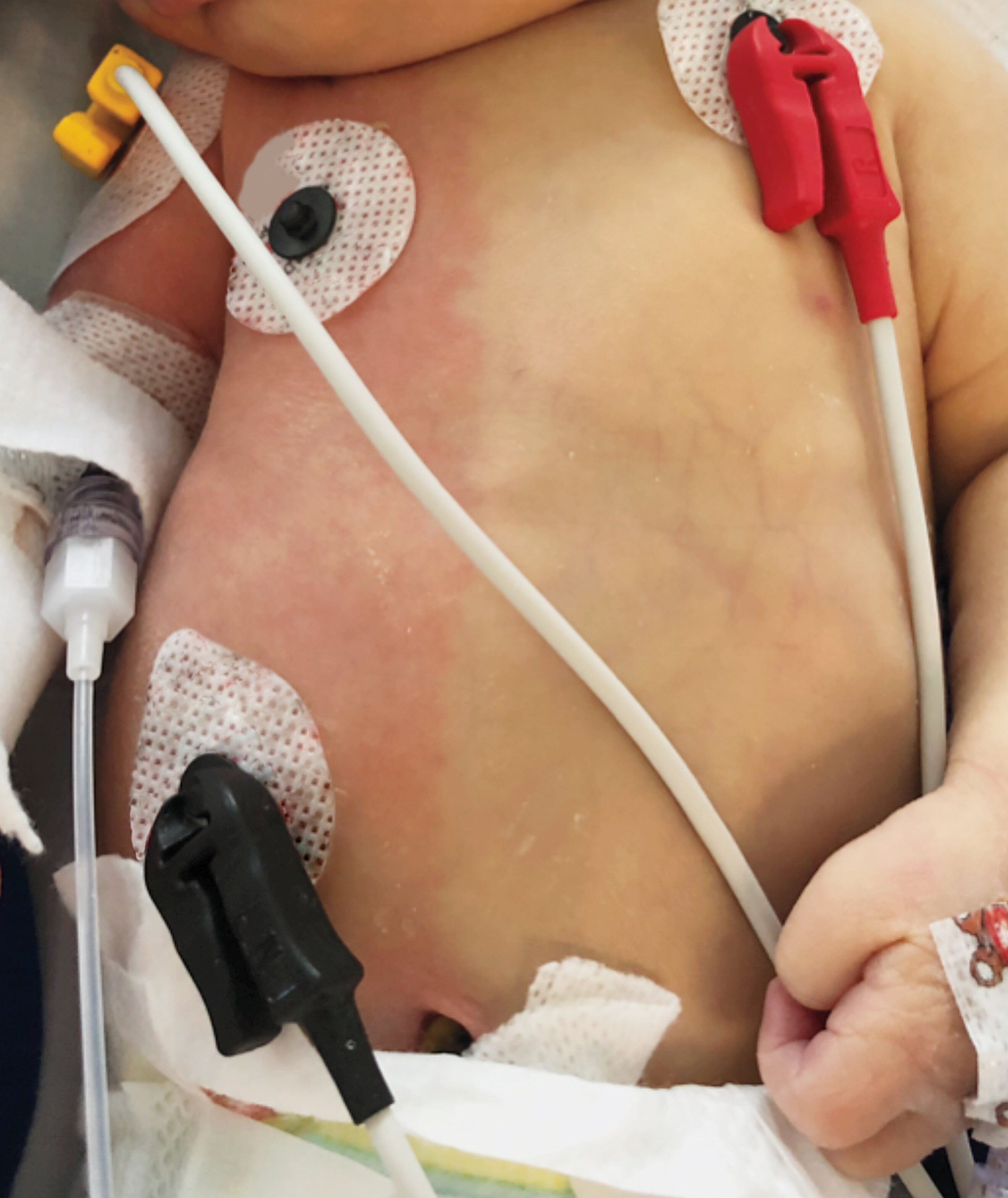
What newborn skin finding is shown in this picture?
Harlequin color change

What newborn head condition is shown in this picture?
Hydrocephalus

What congenital hand or foot condition is shown in this picture?
Polydactyly

What chromosomal condition is shown in this picture?
Down syndrome

What newborn head condition is shown in this picture?
Microcephaly

What congenital facial defect is shown in this picture?
Cleft lip and/or cleft palate

What newborn head structure is shown in this picture?
Anterior fontanelle

What neural tube defect is shown in this picture?
Myelomeningocele (spina bifida cystica)

What congenital abdominal wall defect is shown in this picture?
Omphalocele
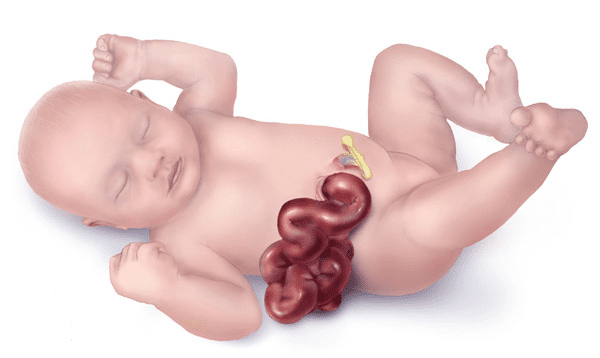
What congenital abdominal wall defect is shown in this picture?
Gastroschisis
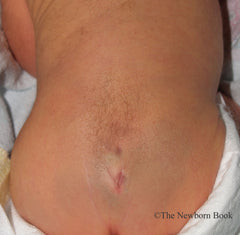
What newborn lower-back finding is shown in this picture?
Sacral dimple