AH III Exam 3 - TBI & ICP
 Call Kai
 Learn
 Practice Test
 Spaced Repetition
 Match
 Flashcards
 Knowt Play
1/40

There's no tags or description
Looks like no tags are added yet.
41 Terms
What is “coup” regarding a TBI?
Primary impact (getting hit in the head) → initial damage

What is “countre-coup”? (TBI)
Secondary impact of accident → brain moves

Scalp wounds blood loss
Tend to bleed heavily; portal of infx
Early s/s of basilar fracture of skull (2)
Bleeding from nose pharynx or ears
CSF leak → halo sign
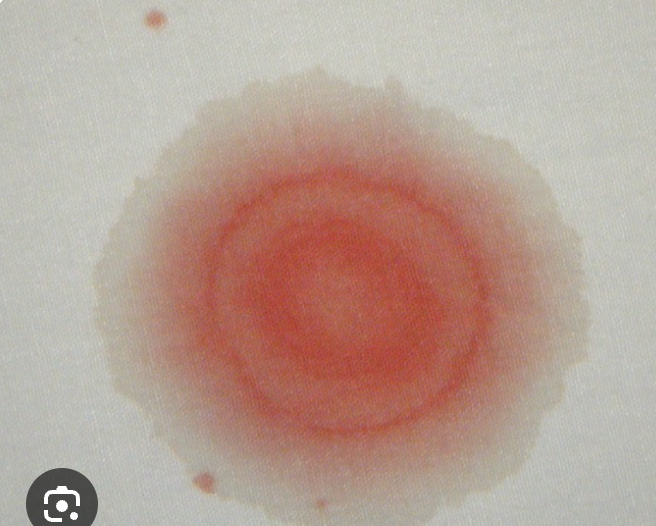
Late s/s of basilar fracture (2)
Battle’s sign → ecchymosis behind the ear
Racoon eyes

What is a concussion?
Temporary loss of consciousness w no structural damage → no bleeding, CT looks ok
What is a contusion?
More severe injury w possible bleeding
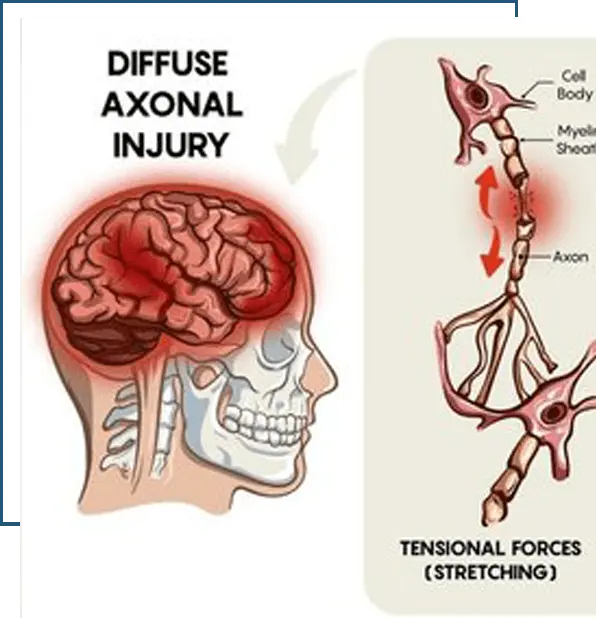
What is diffuse axonal injury?
Widespread axon damage seen w head trauma → pt develops immediate coma
S/S of diffuse axonal injury & what scan do we need? (3)
No hemorrhage
CT looks ok but pt isn’t waking up
Need an ***MRI***!!!!
What is a subdural hematoma & what is it caused by?
Blood under the dura → tearing of bridging veins
Caused by brain damage

S/S of subdural hematoma (3)
No s/s initially → usually within 72 hrs of event
Chronic s/s can take up to 3 weeks-months
Often mistaken for a stroke
What is an epidural hematoma? (2)
Blood between dura & skull
Arterial bleed!!! - happens fast

S/S of Epidural hematoma + tx (2)
**Transient LOC followed by a lucid period** → pt is in a comatose state then awakes suddenly
NEURO EMERGENCY!!! → take to OR asap for surgery
What are we concerned for w a Epidural hematoma?
Lateral herniation!!!
Brain shifts downward to brainstem → can quickly cause brain-death
What is intracranial hemorrhage? (2)
Trauma over a small area within the brain tissue
NOT surgical!!
What should we do if we notice any change at all in our pts w herniation?
CAT scan asap!!!!
What is CPP?
Amount of pressure needed to maintain blood flow to the brain
How do we calculate CPP?
MAP - ICP = CCP
ICP normal parameters
0-15 → 15 > = BAD
CPP normal parameters
≥ 60 (brain perfusion)
MAP normal parameters
≥ 65 (organ perfusion)
How would we describe the skull?
As a cranial vault that rigid
What is the Monro-Kellie doctrine?
There is limited space for expansion within skull, any increase in one, will change the vol of others

External cause of Intracranial htn (5)
Suctioning
Position changes
PEEP
Environ stimuli
Nursing care/visitors
Whose ICP should we monitor? (2)
Early recognition of changes in ICP
Head injuries - GCS <8
Early s/s of increased ICP (6)
HA
N/V
Change in LOC
Lethargy
Irritability
Slow decision making
Assess pt thoroughly every hr
Late s/s of increased ICP (3)
Pupillary changes
Seizures
Posturing
What is cushing’s response? (2)
Nervous system response in an attempt to rescue under-perfused brain
***Increase in sys BP, widening pulse pressure, bradycardia***
What is cushing’s triad + s/s? (3)
If increased ICP not treated → rlly BAD
****Htn, bradycardia, bradypnea****
Brainstem herniation is imminent ☹ rip
Management of ICP (3)
Airway → intubation/vent
CCP
Negative fluid balance
How can we manage CCP w increased ICP (3)
Keep head in neutral position, HOB 30-45 degrees
Avoid extreme rotation & flexion of joins
Make sure jug veins are open!!!
How does negative fluid balance help our pt w increased ICP? (3)
Moving fluid from area of lower concentration to higher concentration
Offload swelling from brain cells
Hypertonic solutions!!!
Meds to manage increased ICP (2)
Mannitol 20%
Hypertonic Saline
Will decrease BP
What should we monitor w increase ICP? (think abt meds) (2)
Serum osmo → no higher than 320!!!
K+ levels
What is ventriculostomy?
Catheter inserted into a lateral ventricle of brain, connected by a fluid filled system to transducer → records ICP
Gives ICP + drains CSF

Notes w managing ventriculostomy (2)
Prevention of infx!!! → aseptic technique (mask + gloves)
Assess the CSF fluid for cloudiness or blood
Cloudiness = infx
Secondary complications of ventriculostomy (2)
Diabetes insipidus
SIADH
What is a cranicetomy?
Removal of the bone flap to relieve pressure - surgical intervention
What is a carnitomy?
Bone flap stays on
What are burr-holes?
Small piece of skull removed → drain blood → put back on
Used for chronic SDH
Interventions for increased ICP (6)
Ongoing assessment - any neuro changes: call provider & anticipate CT
Maintenance of airway
Monitor electrolytes & osmo
Adequate nutrition
Seizure precautions
Maintain body temp → issues thermoreg; need core temp