Unit 2 Developmental Psychology Study Guide
 Call Kai
 Learn
 Practice Test
 Spaced Repetition
 Match
 Flashcards
 Knowt Play
1/70

Earn XP
Description and Tags
71 Terms
Cephalocaudal development
measured from the head downward

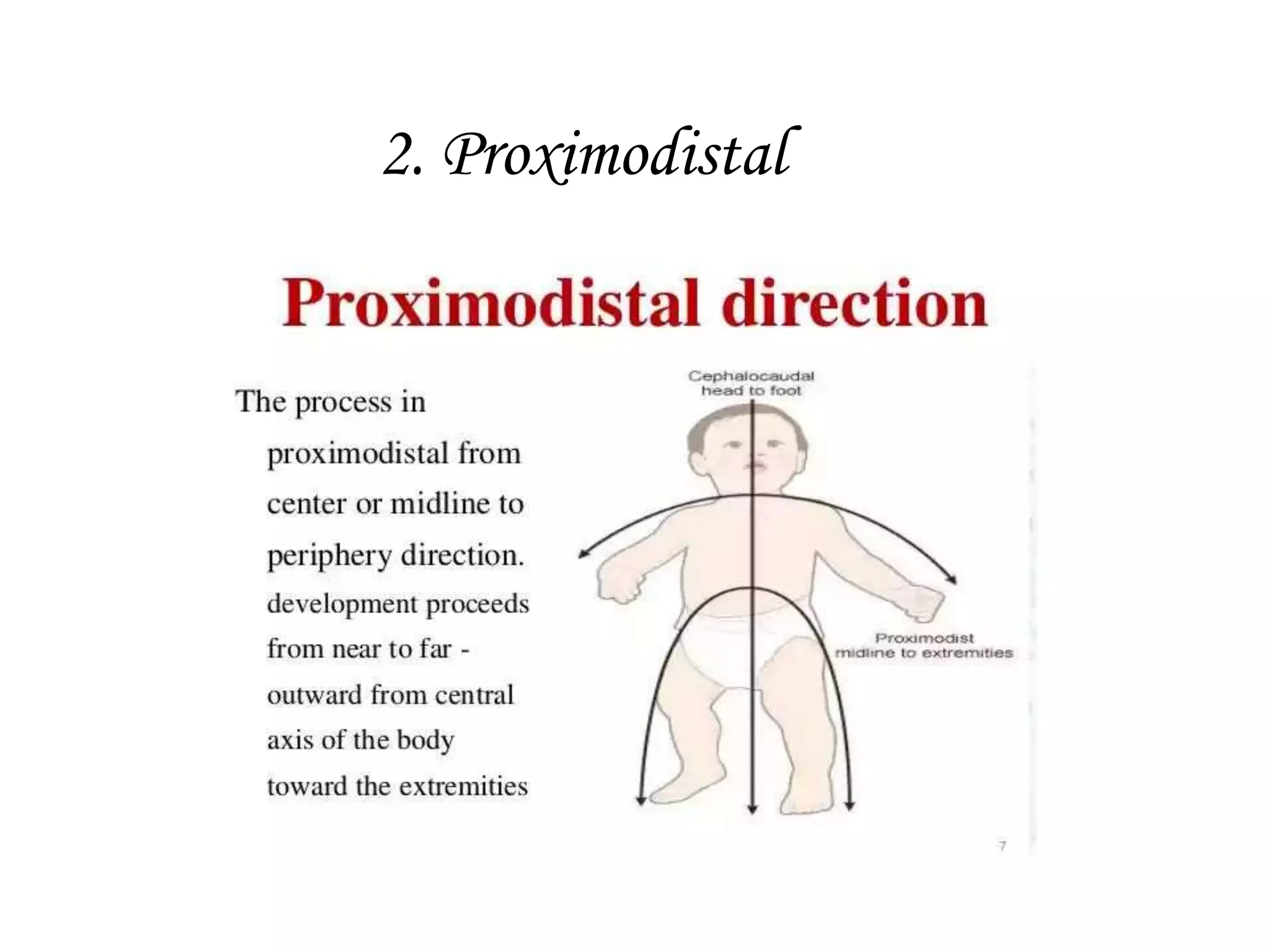
Proximodistal development
measured from the middle of the body outwards
Independence of systems
the theory that different body systems develop at different rates
Heirarchial integration
the theory that simple skills develop first and then are combined into/with complex motor skills
Plasticity
the ability for the brain to change form and function (it is greatest during sensitive periods of development)
Experience expectant development
a type of brain organization that depends on ordinary (daily) experiences
ex. language development
Experiment dependent development
brain organization/refinement that results from specific learning
ex. what language you learn
Synaptic pruning
the loss of synapses by neurons that are rarely stimulated
Visual cliff study
assessed if infants had depth perception
infants without crawling experience: did go over the edge
infants with crawling experience: did not go over the edge
Infant directed speech
slow, high pitched and highly intonated speech that allows babies to learn language more quickly
Fine motor
precise coordination of small muscles in the hands, wrists, fingers, and eyes to perform detailed tasks like writing, buttoning, and using utensils
Gross motor
movement of large muscle groups of the body
developed by ages 10-12

Palmar grasp reflex
baby will involuntarily wrap their fingers around an adults when their palm is touched

Rooting grasp reflex
when the babies mouth is stroked, the babies mouth will open

Tonic neck reflex
when an infant turns their head to one side, they will ALSO extend their arms and legs on one side while the others will flex
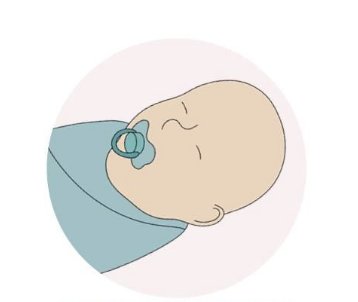
Sucking reflex
a baby will begin to suck when an object touches the top of its mouth

Babinski reflex
when the bottom of the babies foot is stroked, their big toe bends backward and the other toes fan out

Moro reflex
when a sudden noise happens the baby will extend its arms and palms up
Piagets sensorimotor stage of development
birth - 2 years
infants understand the world through their own actions
Piagets pre-operational stage of development
2 - 7 years
drastic increase in representational activity
language development
fantasy play and dual representation
reasoning influence by their own perceptions
fantasy play
strengthens representational schemas
contributes to cognitive and social skills
egocentrism
the inability to distinguish viewpoints of others from ones own viewpoint
Piagets concrete operational stage of cognitive development
7 - 11 years
major turning point in cognitive development
throught is flexible, logical, and organized when applied to concrete information
Piagets formal operational stage of cognitive development
11 years +
develop capacity for abstract, systematic, scientific thinking
can operate on questions
Adolescent egocentrism (david elkind)
there is a resurgence of egocentrism in adolescence
imaginary audience
describes an adolescent's belief that everyone else is constantly watching, listening to, and judging their appearance, behavior, or flaws
personal fable
adolescents think their thoughts, feelings, experiences, and lives are completely unique, special, and exempt from normal rules or consequences
core knowledge theory
infants are born with special knowledge in a small number of core domains (innate abilities)
violation of expectation
a research method in developmental psychology used to test what preverbal infants and young children understand about the world
preservation errors
when told something is incorrect and you repeat the behavior
failure to maintain set
when told a strategy works and you change it anyways
rehearsal memory encoding strategy
repeating information
typically verbally
effective by 7-8 years
organization memory encoding strategy
forming meaningful chunks of information
elaboration memory encoding strategy
development of script (gist) memories
recognition memory retrieval strategy
noticing a stimulus is identical to one previously experienced
recall memory retrieval strategy
generating details about an absent stimulus
emerges around 6 months
reconstruction memory retrieval strategy
recoding details while remembering
Spearman’s Two-Factor Theory of Intelligence
There is general intelligence (g) and specific abilities (s)
Suggested that the g best represents overall intelligence
Cattell’s Theory of Intelligence
Argued that the g can be divided into two types of intelligences
Fluid Intelligence
basic information processing skills
Crystallized intelligence
knowledge and skills based on accumulated knowledge, experiences, and social customs
Sternberg’s Triarchic Theory of Intelligence
stated there are three braod interacting intelligences
Creative intelligence
imaginative and innovative problem solving
analytical intelligence
academic problem solving and computation
practical intelligence
street smarts and common sense
Gardner’s Theory of Multiple Intelligences
stated that intelligence is comprised of many distinct domains

Genetics infulence on intelligence
Identical twins more similar than fraternal twins
Biological parents more similar than adoptive parents
Home environment and community influence on intelligence
Parenting
Family attitudes toward intellectual success
Available opportunities and schools
Adequate nutrition
Test bias
unfair disadvantages for certain groups of people
culture
socioeconomic status
Stereotype threat
knowledge of stereotypes leads to anxiety and reduced performance
gender
race
first-generation students
development quotient
Score on an infant intelligence test
Includes different dimensions than IQ test
Most infant tests are poor predictors of childhood intelligence
three-ring model of giftedness
giftedness is based on being above average in three intersecting areas
intellectual ability
creativity
task commitment
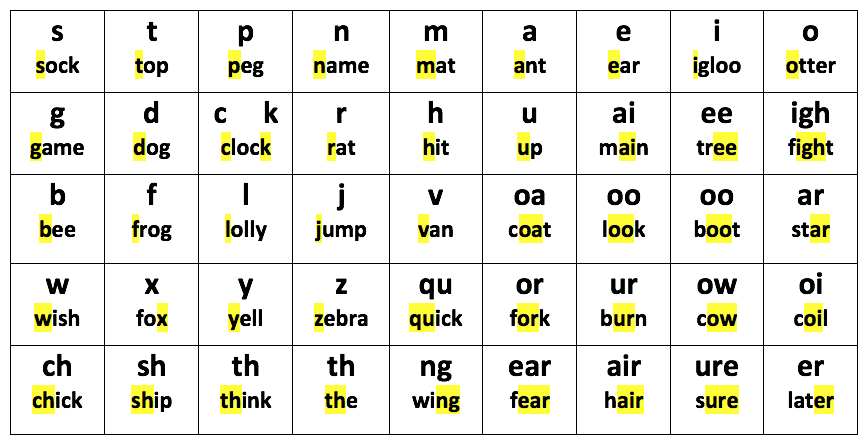
phonemes
the smallest distinct unit of sound
helps distinguish the meaning of words
morphemes
the smallest MEANINGFUL language units
can be a base word, prefix, or suffix
syntax
reles for how words can be combined into a sentence
english is a subject-verb-object language
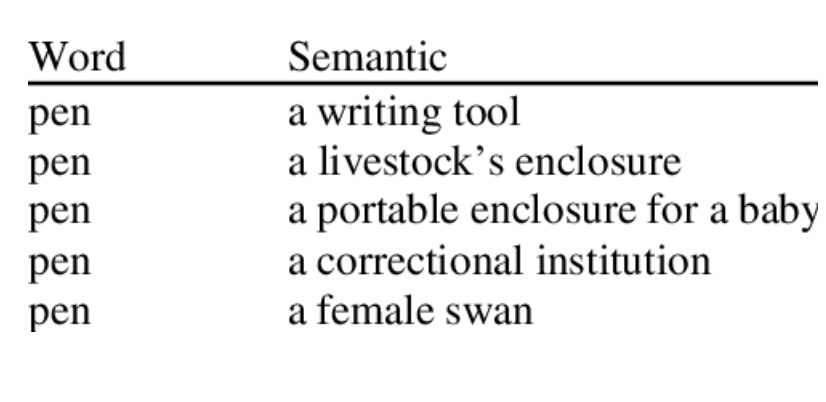
semantics
the meaning of words varies with age
pragmatics
understanding of how language is used in social settings
intonation
sarcasm
implied meaning
conversational rules
audience
cooing
2 months
vowel sounds without consonant paring
“oooh” or “aaah”
protoconversation
3 months
pattern of infant and caregiver taking turns “talking”
babbling
6-8 months
repetitive consonant-vowel combonations
“dada” or “mama”
recasts
correcting and restructuring inaccurate speech
expansions
elaborating speech to increase complexity
joint attention
when an adult and child attend to the same object
discourse skills (middle childhood)
ability to understand whether information makes logical sense
metalinguistic abilities (middle childhood)
ability to think about language and how to use it
media use in infancy
More than half of children under 3 use media for ~1 hour a day
Recommendation is no media for those under 2
Media is not educational for young children
Lack of interaction and understanding
Children under 3 struggle with dual representation
Cannot connect media to real life
Background TV is related to lower cognitive functioning
educational media
Can be beneficial for older children
However, most apps/media lack evidence for their efficacy
For benefits, adults must be involved
Video games that use scaffolding can be beneficial
media literacy
Ability to understand the purpose and messages of media
Child/teen-targeted advertisements
Can prevent harmful effects of media
organized sports
Supports physical and mental health
Fosters discipline and academic achievement
Should be age-appropriate
Refined control and coordination of gross motor skills does not happen until ages 5 or 6
Can be detrimental
Intense focus on one sport
Injuries and competitiveness
70% of children drop out by age 13
entertainment media
Primarily detrimental to child development
Especially when children are learning to read
displacement hypothesis
using media replaces time spent doing more healthy or productive activities
Can impact attention span and increases distractibility