4. 9 - HOW A BILL BECOMES A LAW
 Call Kai
 Learn
 Practice Test
 Spaced Repetition
 Match
 Flashcards
 Knowt Play
1/9

There's no tags or description
Looks like no tags are added yet.
10 Terms
Step 1
Proposed new/changed law discussed in Cabinet
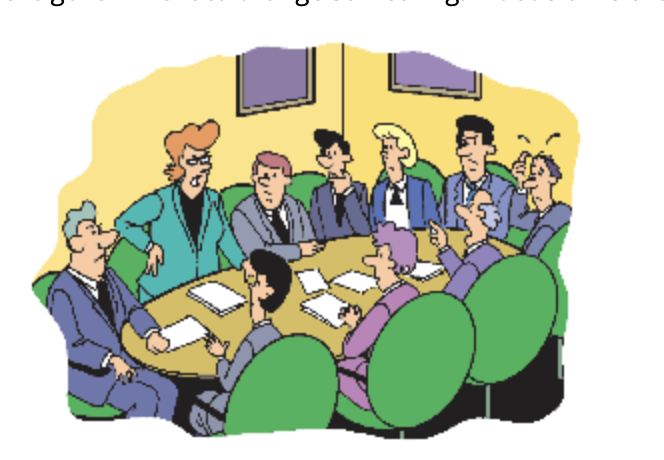
What is Cabinet?
The group of select government ministers that meets regularly to decide major issues of government
Step 2
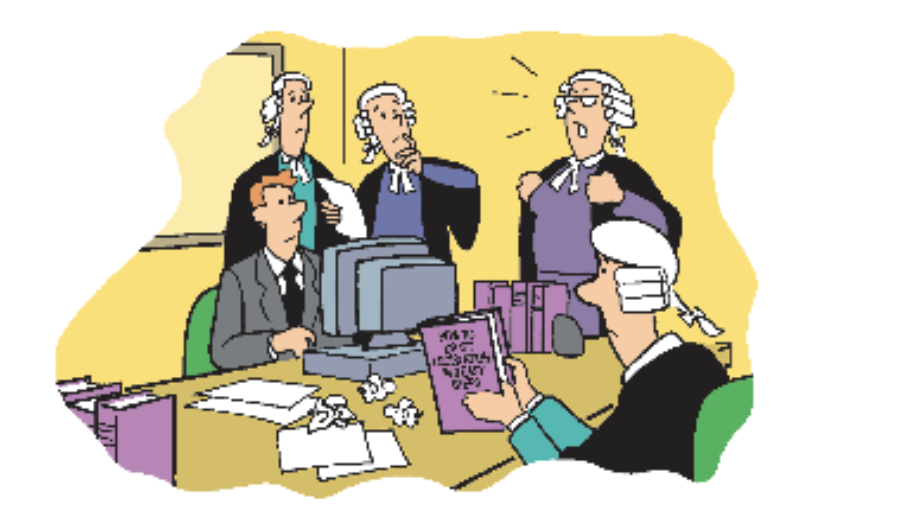
If the government decides to proceed, government lawyers are asked to draft a bill, basically a ‘first draft’ of an Act of Parliament.
Step 3
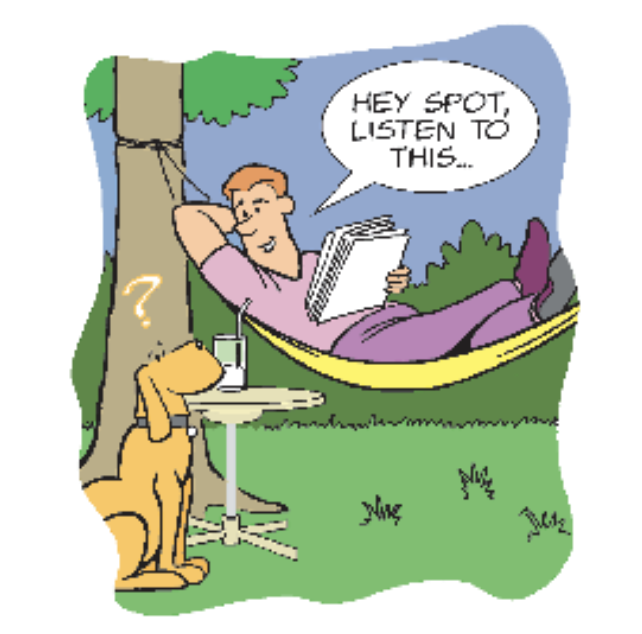
Copies of the bill given to all members of the House of Representatives - they read it in their own times, known as the ‘first reading’
Step 4
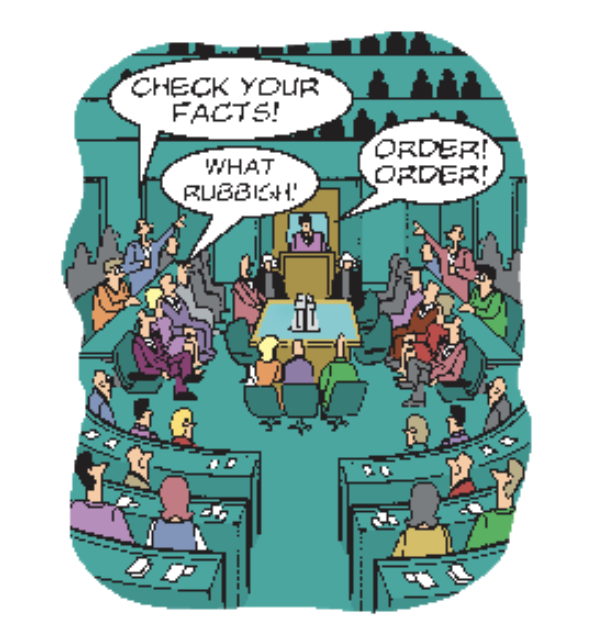
Bill goes through a ‘second reading’. Relevant minister will go through main purpose and likely benefits of the bill. Government and Opposition debate (can take weeks) then there is a vote. If vote goes through, bill moves on to the next stage.
Step 5
Committee stage, where bill is debated again in parliamentary committees. Changes to bill may be made.

Step 6
Third reading in the House of Representatives with changes made to bill. If majority vote for it, goes through to Senate.
Step 7
Step 3-6 happens again in the Senate. If Senates decides to change something, goes back to House of Representatives. If Senate approves bill, sent to Governor-General for royal assent
What happens if the bill is a money supply bill?
Governor General calls a double dissolution of parliament and a full election happens for every seat in House of Representatives and Senate.
(Step 7)
Step 8
Governor-General meets with a select number of government ministers in a meeting of the Executive Council. If he/she approves and signs the bill, it becomes an Act of Parliament.