GPS Items

0.0(0)
Studied by 0 people
call kaiCall Kai
learnLearn
examPractice Test
spaced repetitionSpaced Repetition
heart puzzleMatch
flashcardsFlashcards
GameKnowt Play
Card Sorting

1/19

encourage image

There's no tags or description

Looks like no tags are added yet.

Last updated 3:40 PM on 10/16/26
Name
Mastery
Learn
Test
Matching
Spaced
Call with Kai
Chat

No analytics yet

Send a link to your students to track their progress

20 Terms

1
New cards
<p>What is this? ITEM? PLACE? TIME? SIGNIFICANCE?</p>

What is this? ITEM? PLACE? TIME? SIGNIFICANCE?

Item: Antigone, Place: Thebes, Time: 442 or 441 BCE.

Explanation: An ancient Greek tragedy by Sophocles that explores the conflict between personal conscience, religious duty, and the laws of the state. It raises questions about justice, authority, and moral responsibility.

<p>Item: Antigone, Place: Thebes, Time: 442 or 441 BCE.</p><p>Explanation: An ancient Greek tragedy by Sophocles that explores the conflict between personal conscience, religious duty, and the laws of the state. It raises questions about justice, authority, and moral responsibility.</p>
2
New cards
<p>What is this? ITEM? PLACE? TIME? SIGNIFICANCE?</p>

What is this? ITEM? PLACE? TIME? SIGNIFICANCE?

Item: Laozi, Place: Chu, Time: 571 BCE - 471 BCE.

Explanation: A Chinese philosopher traditionally regarded as the founder of Daoism. His teachings emphasize living in harmony with the Dao (the Way), simplicity, and naturalness.
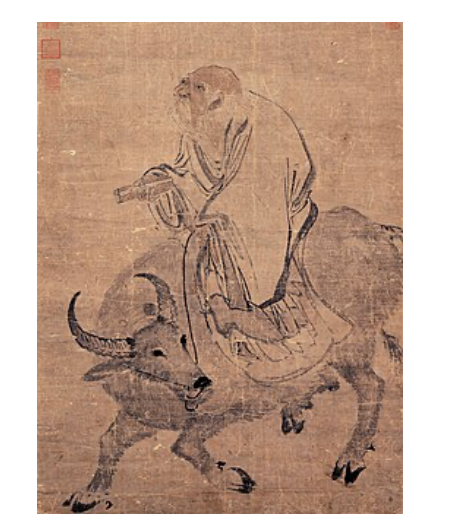
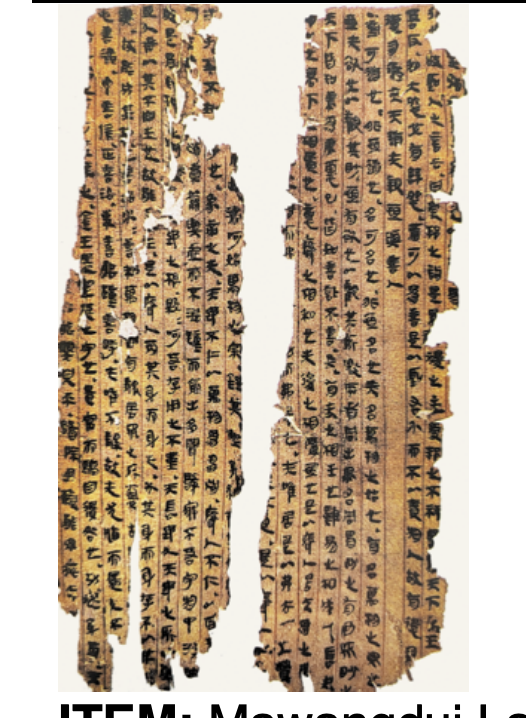
<p>Item: Laozi, Place: Chu, Time: 571 BCE - 471 BCE.</p><p>Explanation: A Chinese philosopher traditionally regarded as the founder of Daoism. His teachings emphasize living in harmony with the Dao (the Way), simplicity, and naturalness.</p>
3
New cards
<p>What is this? ITEM? PLACE? TIME? SIGNIFICANCE?</p>

What is this? ITEM? PLACE? TIME? SIGNIFICANCE?

Item: Mawangdui Laozi, Place, Changsha Hu Nan, Time: 168 BCE.

Explanation: An early manuscript of the Dao De Jing discovered in the Mawangdui tombs in China. It provides important evidence of how Daoist philosophy and texts were transmitted in ancient China.
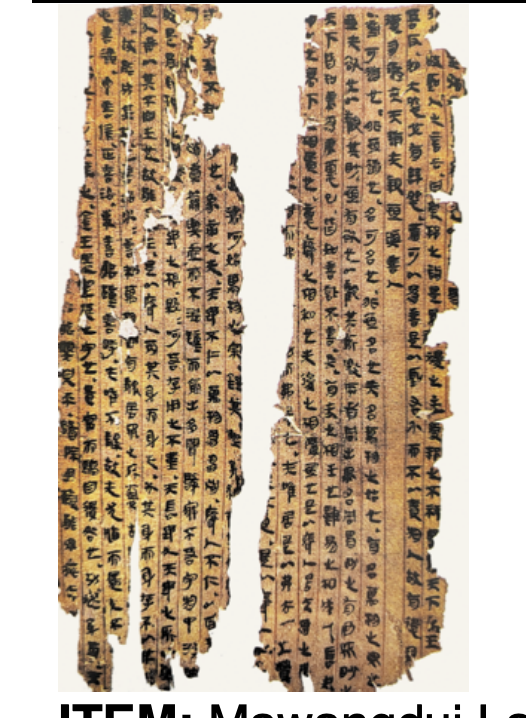
<p>Item: Mawangdui Laozi, Place, Changsha Hu Nan, Time: 168 BCE.</p><p>Explanation: An early manuscript of the Dao De Jing discovered in the Mawangdui tombs in China. It provides important evidence of how Daoist philosophy and texts were transmitted in ancient China.</p>
4
New cards
<p>What is this? ITEM? PLACE? TIME? SIGNIFICANCE?</p>

What is this? ITEM? PLACE? TIME? SIGNIFICANCE?

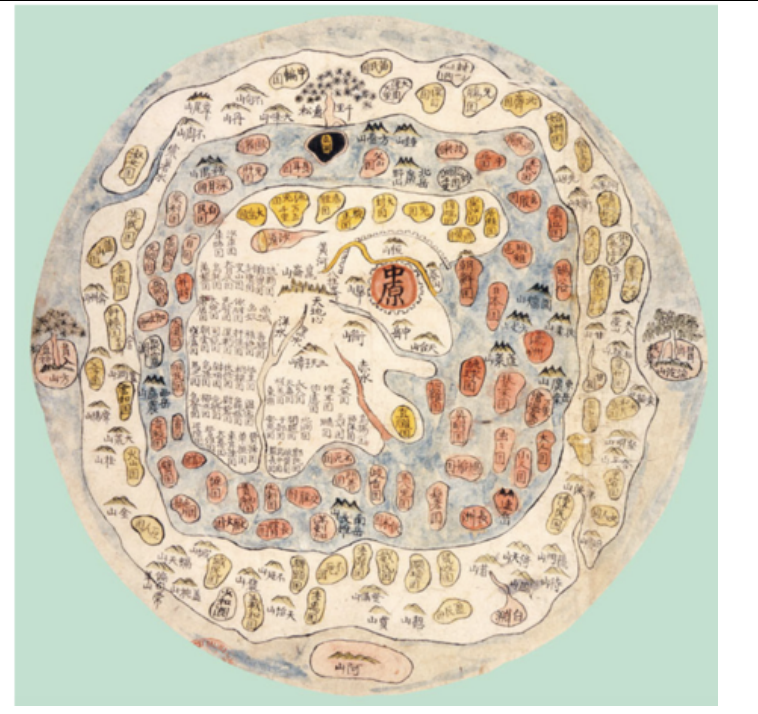
Item: Shanhaijing-based World Map, Place: Korea, Time: late 18th century.

Explanation: Reflects traditional Chinese geographical imagination and mythology influenced by the Classic of Mountains and Seas (Shanhaijing). It illustrates how historical societies understood the relationship between geography, mythology, and the wider world.

<p>Item: Shanhaijing-based World Map, Place: Korea, Time: late 18th century.</p><p>Explanation: Reflects traditional Chinese geographical imagination and mythology influenced by the Classic of Mountains and Seas (Shanhaijing). It illustrates how historical societies understood the relationship between geography, mythology, and the wider world.</p>
5
New cards
<p>What is this? ITEM? PLACE? TIME? SIGNIFICANCE?</p>

What is this? ITEM? PLACE? TIME? SIGNIFICANCE?

Item: Goddess Head Statue, Place: Niuheliang, Time 3500-3000 BCE.

Explanation: This is evidence of early religious practices, possible female-deity or ancestor worship, advanced artistic craftsmanship, and the development of organized ceremonial life in prehistoric northeastern China. It helps archaeologists understand the spiritual beliefs and social complexity of the Neolithic Hongshan culture.

<p>Item: Goddess Head Statue, Place: Niuheliang, Time 3500-3000 BCE.</p><p>Explanation: This is evidence of early religious practices, possible female-deity or ancestor worship, advanced artistic craftsmanship, and the development of organized ceremonial life in prehistoric northeastern China. It helps archaeologists understand the spiritual beliefs and social complexity of the Neolithic Hongshan culture.</p>
6
New cards
<p>What is this? ITEM? PLACE? TIME? SIGNIFICANCE?</p>

What is this? ITEM? PLACE? TIME? SIGNIFICANCE?

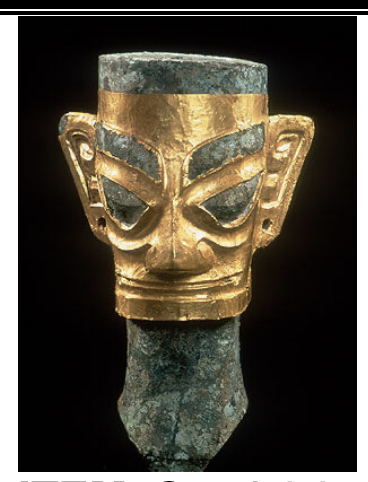
Item: Sanduixing Human Face, Place: Near Chengdu, Time: 1200 BCE,

Explanation: Demonstrates the distinctive bronze and gold artistic traditions of the ancient Shu civilization in present-day Sichuan, China. It offers insight into ancient ritual practices, religious beliefs, and regional cultural diversity.

<p>Item: Sanduixing Human Face, Place: Near Chengdu, Time: 1200 BCE,</p><p>Explanation: Demonstrates the distinctive bronze and gold artistic traditions of the ancient Shu civilization in present-day Sichuan, China. It offers insight into ancient ritual practices, religious beliefs, and regional cultural diversity.</p>
7
New cards
<p>What is this? ITEM? PLACE? TIME? SIGNIFICANCE?</p>

What is this? ITEM? PLACE? TIME? SIGNIFICANCE?

Item: Story of Gilgamesh and Aga, Place: Sumer, Time: 2000- 1595 BCE.

Explanation: An early Sumerian literary composition about conflict between rulers. It provides insight into ancient Mesopotamian ideas about kingship, political authority, warfare, and leadership.

<p>Item: Story of Gilgamesh and Aga, Place: Sumer, Time: 2000- 1595 BCE.</p><p>Explanation: An early Sumerian literary composition about conflict between rulers. It provides insight into ancient Mesopotamian ideas about kingship, political authority, warfare, and leadership.</p>
8
New cards
<p>What is this? ITEM? PLACE? TIME? SIGNIFICANCE?</p>

What is this? ITEM? PLACE? TIME? SIGNIFICANCE?

Item: Ishtar, Place: Babylonia, Time: 1800-1700 BCE.

Explanation: Represents Ishtar, a major Mesopotamian goddess associated with love, fertility, and war. The image reflects the importance of deities in ancient religious life and the connection between divine power and human society.

<p>Item: Ishtar, Place: Babylonia, Time: 1800-1700 BCE.</p><p>Explanation: Represents Ishtar, a major Mesopotamian goddess associated with love, fertility, and war. The image reflects the importance of deities in ancient religious life and the connection between divine power and human society.</p>
9
New cards
<p>What is this? ITEM? PLACE? TIME? SIGNIFICANCE?</p>

What is this? ITEM? PLACE? TIME? SIGNIFICANCE?

Item: Gilgamesh Terracota, Place: Mesopotamia, Time: 1800-1600 BCE.

Explanation: Connects to the Epic of Gilgamesh, one of the world's earliest surviving literary traditions. The epic explores friendship, heroism, mortality, and the search for meaning in human life.

<p>Item: Gilgamesh Terracota, Place: Mesopotamia, Time: 1800-1600 BCE.</p><p>Explanation: Connects to the Epic of Gilgamesh, one of the world's earliest surviving literary traditions. The epic explores friendship, heroism, mortality, and the search for meaning in human life.</p>
10
New cards
<p>What is this? ITEM? PLACE? TIME? SIGNIFICANCE?</p>

What is this? ITEM? PLACE? TIME? SIGNIFICANCE?

Item: Genesis, Place: Qumran Caves, Time: 100-50 BCE.

Explanation: Represents ancient biblical manuscript traditions associated with the Dead Sea Scrolls. These manuscripts provide valuable evidence for the preservation, transmission, and development of Jewish religious texts.

<p>Item: Genesis, Place: Qumran Caves, Time: 100-50 BCE.</p><p>Explanation: Represents ancient biblical manuscript traditions associated with the Dead Sea Scrolls. These manuscripts provide valuable evidence for the preservation, transmission, and development of Jewish religious texts.</p>
11
New cards
<p>What is this? ITEM? PLACE? TIME? SIGNIFICANCE?</p>

What is this? ITEM? PLACE? TIME? SIGNIFICANCE?

Item: Book of Genesis, Place: London, England, Time: 1611.

Explanation: Represents the King James Bible, published in 1611. Its translation had a major influence on English religious life, literature, language, and culture.

<p>Item: Book of Genesis, Place: London, England, Time: 1611.</p><p>Explanation: Represents the King James Bible, published in 1611. Its translation had a major influence on English religious life, literature, language, and culture.</p>
12
New cards
<p>What is this? ITEM? PLACE? TIME? SIGNIFICANCE?</p>

What is this? ITEM? PLACE? TIME? SIGNIFICANCE?

Item: Wangchuan Villa, Place: Shaanxi Province, Time: 15-16th century.

Explanation: Associated with the Chinese tradition of idealized landscapes and secluded retreats. It reflects the relationship between nature, artistic expression, contemplation, and the ideals of a cultivated life.

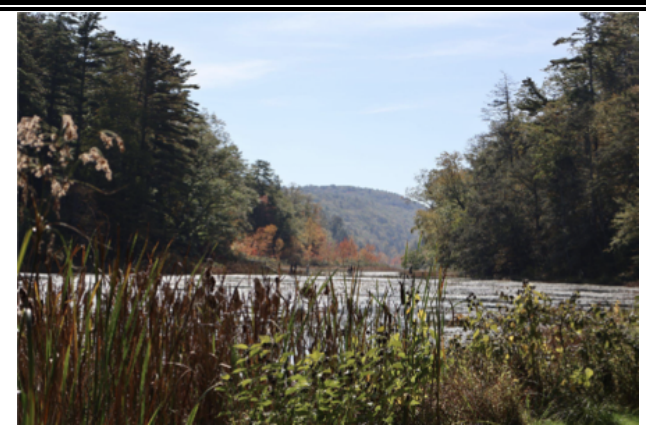
<p>Item: Wangchuan Villa, Place: Shaanxi Province, Time: 15-16th century.</p><p>Explanation: Associated with the Chinese tradition of idealized landscapes and secluded retreats. It reflects the relationship between nature, artistic expression, contemplation, and the ideals of a cultivated life.</p>
13
New cards
<p>What is this? ITEM? PLACE? TIME? SIGNIFICANCE?</p>

What is this? ITEM? PLACE? TIME? SIGNIFICANCE?

Item: Innisfree Garden, Place: Near New York City, Time: Between 1930 to 1960.

Explanation: A landscape garden in New York inspired by Chinese garden design. It demonstrates how Chinese principles of landscape composition, rocks, water, and plants influenced garden design outside China.

<p>Item: Innisfree Garden, Place: Near New York City, Time: Between 1930 to 1960.</p><p>Explanation: A landscape garden in New York inspired by Chinese garden design. It demonstrates how Chinese principles of landscape composition, rocks, water, and plants influenced garden design outside China.</p>
14
New cards
<p>What is this? ITEM? PLACE? TIME? SIGNIFICANCE?</p>

What is this? ITEM? PLACE? TIME? SIGNIFICANCE?

Item: Cute Confucious, Place: Global, Time: 2010.

Explanation: A modern, popular representation of Confucius. It shows how historical philosophers can be reinterpreted through contemporary popular culture, making traditional ideas more accessible to modern audiences.

<p>Item: Cute Confucious, Place: Global, Time: 2010.</p><p>Explanation: A modern, popular representation of Confucius. It shows how historical philosophers can be reinterpreted through contemporary popular culture, making traditional ideas more accessible to modern audiences.</p>
15
New cards
<p>What is this? ITEM? PLACE? TIME? SIGNIFICANCE?</p>

What is this? ITEM? PLACE? TIME? SIGNIFICANCE?

Item: Lunyu, Place: Dingzhou, Time: 50 BC.

Explanation: A collection of sayings and conversations of Confucius and his disciples that emphasizes moral virtue, benevolence, proper conduct, filial piety, and education. It became one of the foundational texts of Confucianism and profoundly influenced Chinese philosophy, government, education, and East Asian culture.

<p>Item: Lunyu, Place: Dingzhou, Time: 50 BC.</p><p>Explanation: A collection of sayings and conversations of Confucius and his disciples that emphasizes moral virtue, benevolence, proper conduct, filial piety, and education. It became one of the foundational texts of Confucianism and profoundly influenced Chinese philosophy, government, education, and East Asian culture.</p>
16
New cards
<p>What is this? ITEM? PLACE? TIME? SIGNIFICANCE?</p>

What is this? ITEM? PLACE? TIME? SIGNIFICANCE?

Item: Xunzi, Place: Zhao, Time: 310-238 BCE.

Explanation: A Confucian philosopher who argued that human nature tends toward selfishness and requires education, ritual, and discipline to cultivate goodness. His ideas emphasize the importance of learning and social order.

<p>Item: Xunzi, Place: Zhao, Time: 310-238 BCE.</p><p>Explanation: A Confucian philosopher who argued that human nature tends toward selfishness and requires education, ritual, and discipline to cultivate goodness. His ideas emphasize the importance of learning and social order.</p>
17
New cards
<p>What is this? ITEM? PLACE? TIME? SIGNIFICANCE?</p>

What is this? ITEM? PLACE? TIME? SIGNIFICANCE?

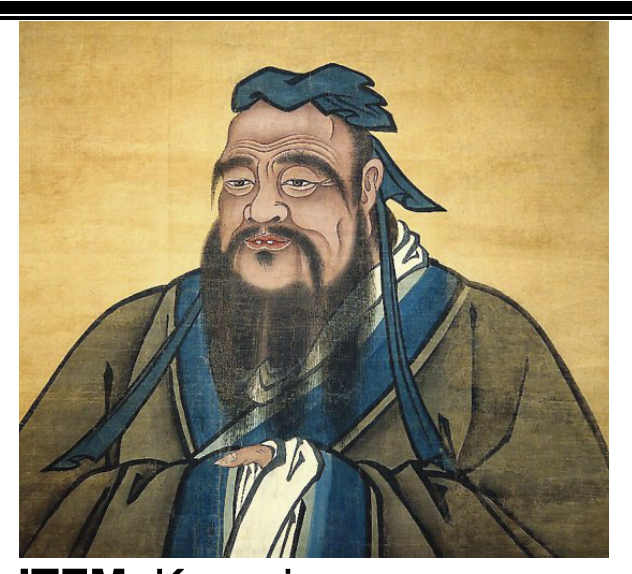
Item: Kongzi, Place: Lu, Time 551 - 479 BCE.

Explanation: The founder of Confucianism, who emphasized moral character, respect for family, education, and social responsibility. His teachings profoundly influenced Chinese government, education, and East Asian societies.

<p>Item: Kongzi, Place: Lu, Time 551 - 479 BCE.</p><p>Explanation: The founder of Confucianism, who emphasized moral character, respect for family, education, and social responsibility. His teachings profoundly influenced Chinese government, education, and East Asian societies.</p>
18
New cards
<p>What is this? ITEM? PLACE? TIME? SIGNIFICANCE?</p>

What is this? ITEM? PLACE? TIME? SIGNIFICANCE?

Item: Mengzi, Place: Zou, Time: 372 - 289 BCE.

Explanation: A major Confucian philosopher who argued that human nature is fundamentally good and that people can develop their moral potential. He also emphasized benevolent government and the responsibility of rulers to care for their people.

<p>Item: Mengzi, Place: Zou, Time: 372 - 289 BCE.</p><p>Explanation: A major Confucian philosopher who argued that human nature is fundamentally good and that people can develop their moral potential. He also emphasized benevolent government and the responsibility of rulers to care for their people.</p>
19
New cards
<p>What is this? ITEM? PLACE? TIME? SIGNIFICANCE?</p>

What is this? ITEM? PLACE? TIME? SIGNIFICANCE?

Item; Marquis of Yi Tomb, Place: Suixian Hubei, Time: 433 BCE.

Explanation: An important archaeological discovery from ancient China, dating to approximately 433 BCE. Its rich burial objects, particularly the famous bronze bells, provide evidence of ancient Chinese music, ritual practices, craftsmanship, and elite political culture.
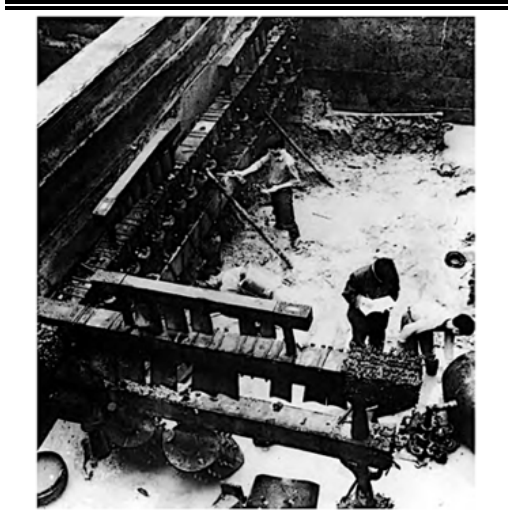
<p>Item; Marquis of Yi Tomb, Place: Suixian Hubei, Time: 433 BCE.</p><p>Explanation: An important archaeological discovery from ancient China, dating to approximately 433 BCE. Its rich burial objects, particularly the famous bronze bells, provide evidence of ancient Chinese music, ritual practices, craftsmanship, and elite political culture.</p>
20
New cards
<p>What is this? ITEM? PLACE? TIME? SIGNIFICANCE?</p>

What is this? ITEM? PLACE? TIME? SIGNIFICANCE?

Item: Immanuel Kant, Place: Konigsberg Prussia, Time: 1724-1804.

Explanation: An influential German Enlightenment philosopher who emphasized reason, moral duty, and human autonomy. His ethical philosophy, particularly the categorical imperative, became foundational to modern moral philosophy and ideas about universal moral principles.

<p>Item: Immanuel Kant, Place: Konigsberg Prussia, Time: 1724-1804.</p><p>Explanation: An influential German Enlightenment philosopher who emphasized reason, moral duty, and human autonomy. His ethical philosophy, particularly the categorical imperative, became foundational to modern moral philosophy and ideas about universal moral principles.</p>



