Lec 4 Osmolarity, Tonicity, Membrane Carriers
 Call Kai
 Learn
Learn Practice Test
 Spaced Repetition
 Match
Match Flashcards
 Knowt Play
1/33

There's no tags or description
Looks like no tags are added yet.
Name | Mastery | Learn | Test | Matching | Spaced | Call with Kai | Chat |
|---|
No analytics yet
Send a link to your students to track their progress
34 Terms
What two things do we need to know to calculate osmolarity?
The concentration of the solution and the type of substance dissolved in it.
What does molarity tell us?
How much of a substance is dissolved in 1 L of solution.
Tonicity
The ability of a solution or extracellular fluid bathing the cell to cause water movement across the membrane (diffusion)
Normal Body Fluid Osmolarity
Approximately 300 mOsm/L.
Isotonic
is when extracellular equals intracellular solute concentration.
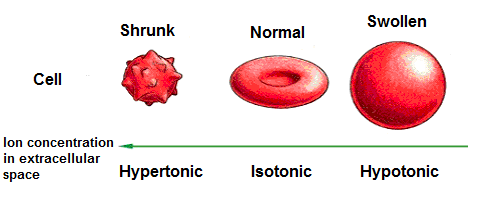
The solution can be isotonic for example but not the cell.
Hypotonic
A solution with fewer solutes and a higher water concentration than the cell.
Hypertonic
A solution with more solutes and a lower water concentration than the cell.

hypertonic has the lowest water concentration because it has more solute (more somoles =less water)
What is the normal tonicity of extracellular fluid (ECF) relative to cells?
ECF is normally isotonic relative to cells.
Tonicity Effects on Cells
Hypotonic → water IN → cell swells
Isotonic → no net movement → cell stays normal
Hypertonic → water OUT → cell shrinks

Water Intoxication
A dangerous condition in which excessive water intake dilutes extracellular solutes, making the ECF too hypotonic and causing water to enter cells.
Membrane carriers vs membrane channels
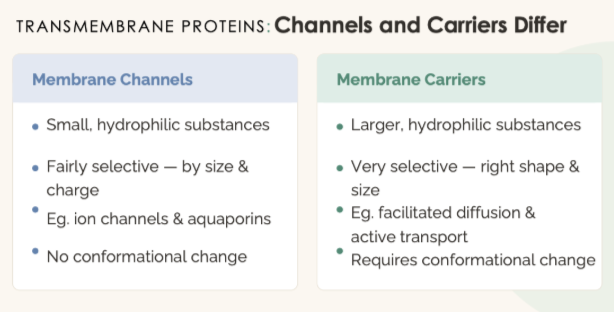
What kind of diffusion do channels and carriers use?
Channel → channel-mediated diffusion
Carrier → facilitated diffusion OR active transport
facilitated diffusion
Passive movement of a substance from high concentration to low concentration using a membrane carrier protein.
does not require energy - its passive and relies on concentration gradient
What types of substances commonly use facilitated diffusion using carriers.
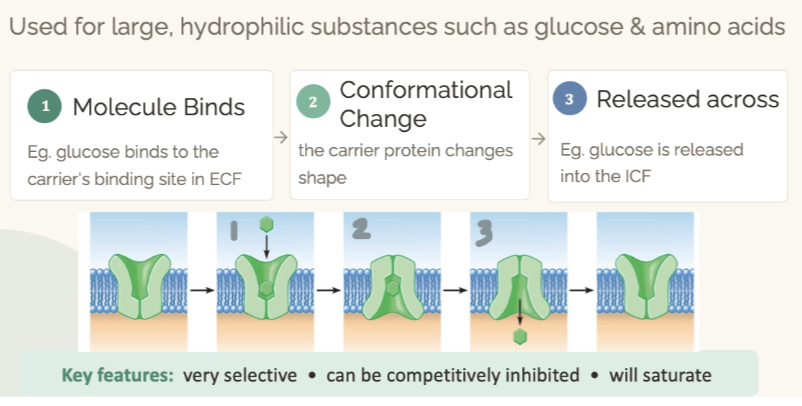
Larger, hydrophilic substances such as glucose and amino acids.
they are hydrophillic so cant dissolve in the hydrophobic core
What are the steps of facilitated diffusion using a carrier protein?
Molecule binds to the carrier protein’s specific binding site.
The carrier undergoes a conformational change and changes shape.
The carrier moves the molecule across the membrane from high → low concentration.
The molecule is released on the other side of the membrane.
The carrier returns to its original shape and can transport another molecule.
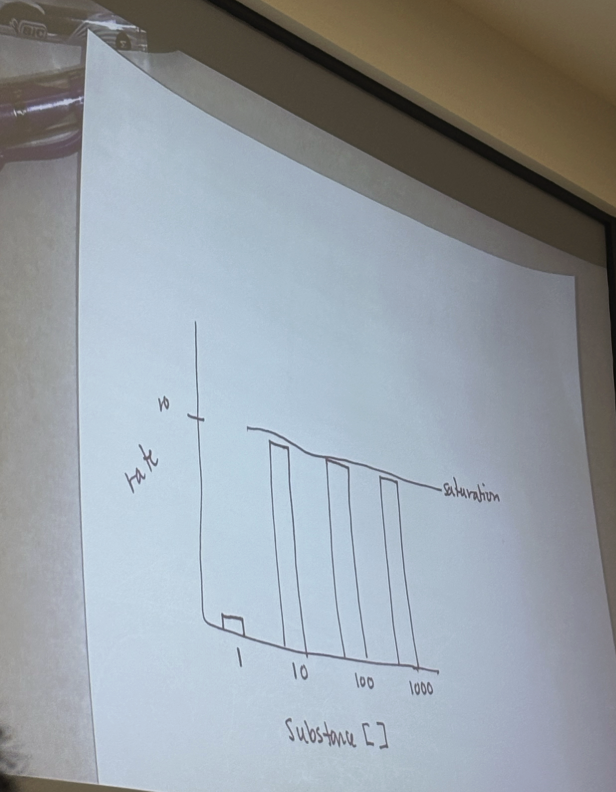
What does it mean when a carrier protein becomes saturated?
All available carriers are working at their maximum rate, so adding more solute will not increase transport rate further. also Each carrier can only bind and change shape a limited number of times per second.
so if there are 10000 glucose ready to be transported and the carrier can only change shape 10 times per second then it will only transport only 10 glucose despite the abundance.
inhibition of a carrier protein
A similar molecule competes for the same binding site and reduces transport of the normal substance.
drugs can disable a carrier through this
active transport
Movement of a substance from an area of low concentration to an area of high concentration. so substances are moved AGAINST the concentration gradient.
low → high
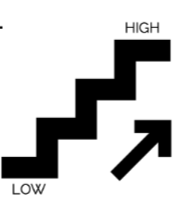
How are carrier proteins in active transport similar to those in facilitated diffusion?
They are selective, bind specific substances, and undergo a conformational change. The difference is just that substances are moving from low to high and it requires energy in active transport.
What types of substances can membrane carriers transport?
Larger, hydrophilic substances that cannot easily cross the phospholipid bilayer.
How selective are membrane carrier proteins?
Very selective; the substance must have the correct shape and size to bind.
What are the two types of active transport?
Primary active transport: directly uses energy
Secondary active transport: uses energy stored in an existing concentration gradient to move another substance
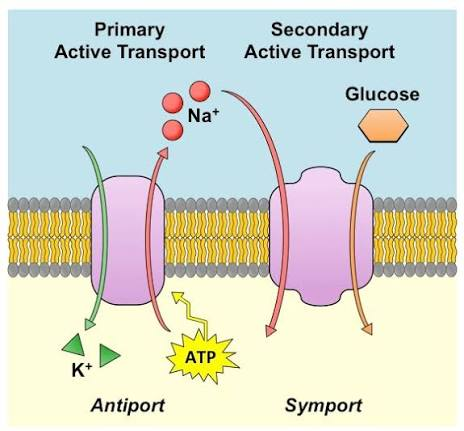
What is primary active transport?
Movement of one or more substances against their concentration gradient using a membrane carrier and energy directly from ATP.
What does “ATPase” mean?
An enzyme that breaks down ATP and uses the released energy to perform work.
Example of primary active transport Na⁺/K⁺ ATPase pump/ sodium potassium pump
Think of the salty banana! Typically sodium is high on the outside and pottasium is high on the inside. Because its active transport - Sodium goes from in to out and Potassium is loaded inside the cell.
this happens in a 2:3 ratio where 3 sodiums leave and 2 potassiums load
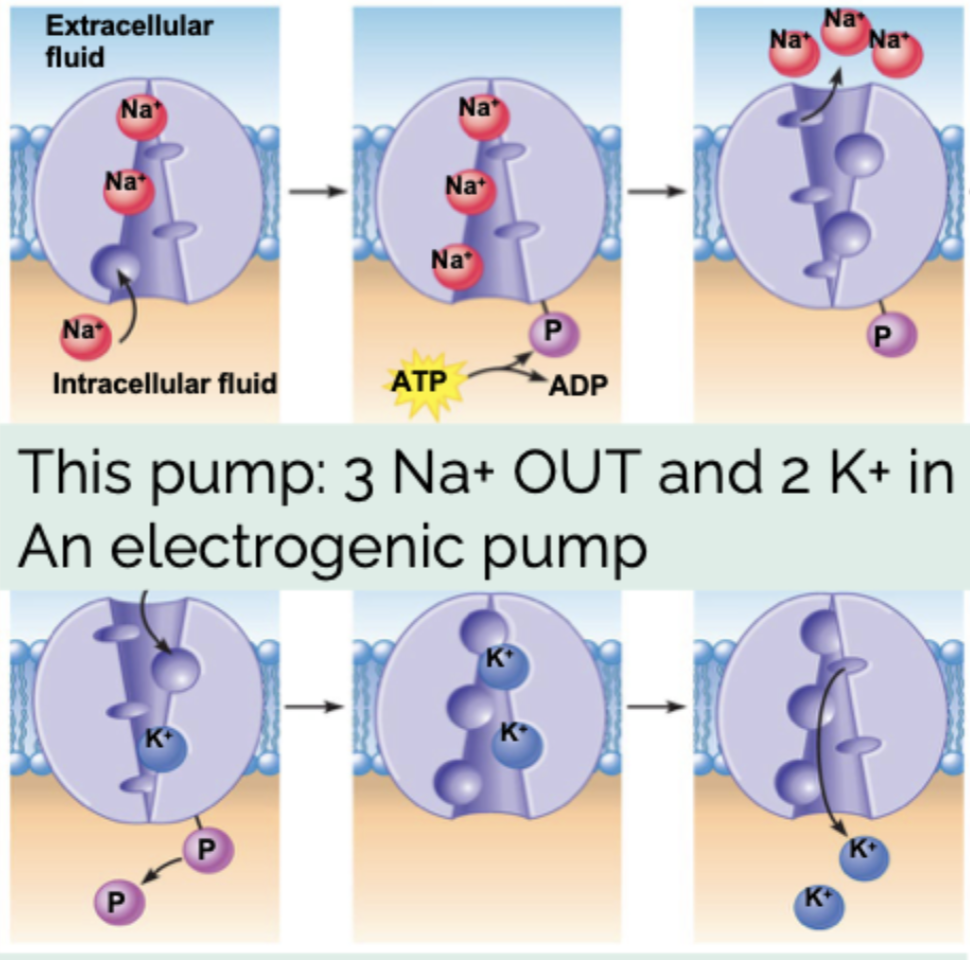
So
3 Na⁺ bind to the pump on the inside of the cell.
ATP is broken down and a phosphate attaches to the pump.
The phosphate causes a conformational change in the pump.
3 Na⁺ are released outside the cell.
2 K⁺ bind to the pump on the outside of the cell.
The phosphate is released from the pump.
The pump undergoes another conformational change back to its original shape.
2 K⁺ are released inside the cell.
so phosphates job is to control the pumps shape to allow the molecules to load and exit. ATP causes conformational change.
Electrogenic Pump
A transporter that creates a net movement of electrical charge across a membrane.
sodium potassium pump moves 3 positive charges out but only 2 positive charges in, producing a net movement of positive charge out of the cell.
What is secondary active transport?
Transport in which the movement of one substance down its concentration gradient provides the energy to move another substance against its concentration gradient.
The Na⁺/K⁺ pump has created high Na⁺ outside the cell and low Na⁺ inside.
Because of this gradient, Na⁺ naturally wants to move into the cell from high → low concentration.
Na⁺ and glucose both bind to the sodium-glucose symporter on the outside of the cell.
As Na⁺ moves into the cell down its own concentration gradient, that favorable movement provides the energy for the carrier to change shape.
The carrier uses that energy to move glucose into the cell even when glucose is already more concentrated inside.
So glucose is being moved low → high concentration, against its own gradient.
Both Na⁺ and glucose are released inside the cell.
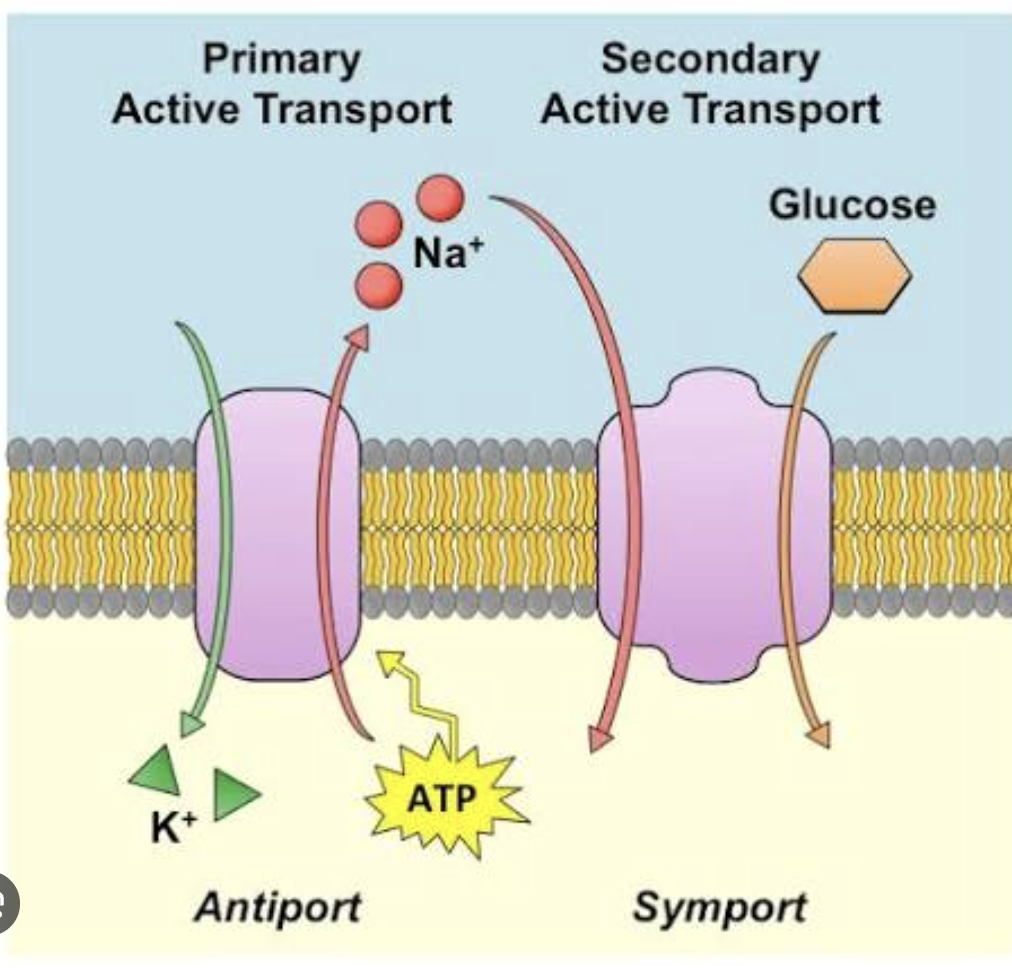
Does secondary active transport use ATP directly?
No. It uses the energy stored in an ion concentration gradient that was created by primary active transport.
ex) The sodium-glucose symporter
Symporter
A carrier that moves two substances in the same direction.
Antiporter
A carrier that moves two substances in opposite directions.
Does active transport move substances toward equilibrium like diffusion?
No. Diffusion moves high → low toward equilibrium.
Active transport moves low → high, away from equilibrium, to create or maintain concentration gradients.
bulk transport
The movement of very large substances across the plasma membrane using vesicles.
used by very large substances, such as proteins.
Process of vesicles carrying out bulk transport
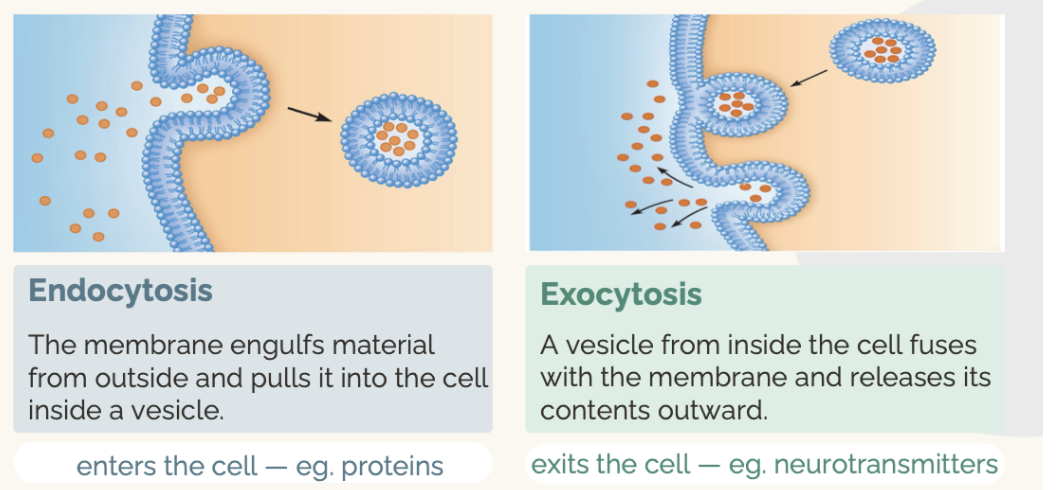
endo: forms a little pocke, fills up and pinches off
exo: vesicle fuses to membrane and dumps contents