week 9: perfusion B
 Call Kai
 Learn
 Practice Test
 Spaced Repetition
 Match
 Flashcards
 Knowt Play
1/225

There's no tags or description
Looks like no tags are added yet.
226 Terms
what does perfusion consist of?
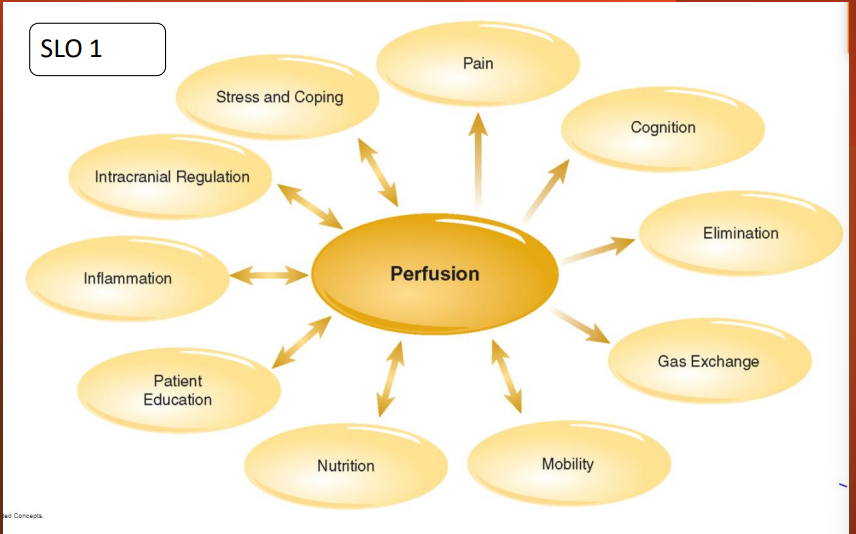
what does adequate perfusion require?
the heart to generate sufficient cardiac output to transport blood through patent vessels for distribution in the tissues
for blood to keep flowing what does it need to be?
in liquid form
why is the bone marrow relevant?
it is considered the blood cell factory
hematocholic growth factors tell which type it should be
what are the 3 major functions connect tissue performs?
protection
regulation
transportation
explain how CT provides protection?
homeostasis of blood coagulation (protects us form bleeding out)
combat invasion of pathogens
explain how CT provides regulation?
fluid and electrolyte balance
acid/base balance (big role in hemostasis)
body temperature (vasodilation or vasoconstriction)
intravascular oncotic pressure
explain how CT provides transportation?
O2
nutrients
hormones
metabolic waste produces (CO2. NH3, etc.)
what are 2 major components of CT?
plasma (55%)
composed primarily of water
protein, electrolytes, and waste'
blood cells (45%)
erythrocytes (RBC) → O2 transportation
leukocytes (WBC) → immune function
thrombocytes (platelets) → coagulation
what is the primary function of erythryocytes?
transport gas and maintain acid base balances
what are eryhtrocytes primarily composed of?
hemoglobin
heme (iron compound) and globin (protein)
gives RBC capacity to pick up and drop off CO2 and O2 → gas exchange
what is erythropoiesis stimulated and controlled by?
stimulated by hypoxia and controlled by erythropoietin (tissue not getting enought O2, lets make new rbc)
also influences by various nutrients: protein, iron, folate, copper, B-vit, etc.
what is hemolysis mediated by?
by monocytes and macrophages
occurs in bone marrow, liver (removes bilirubin and excrete into bile, and spleen and leads to increase levels of bilirubin
by product that increases when rbc is broken down
what are thrombocytes also known as?
platelets
originate from stem cells in the bone marrow
what is the role of thrombocytes?
starts the initial clotting process
adherence, activation, accumulation
clot shrinkage and retraction
sticky plug that attracts others to stick together
what is 2/3 of the body’s iron found?
found as heme in RBC
where is 1/3 if the body’s iron stored as?
ferritin and hemosiderin in bone marrow, spleen, liver, and macrophages
when iron not adequately replaced, hemoglobin production decreases

what is transferrin?
a carrier plasma protein saturated with iron (made by the liver)
degree of saturation = indicator of iron supply for developing rbcs
serves as a carrier for iron
what is serum iron?
free circuiting iron in the blood recycles from old RBCs
old iron is recycled (liver and spleen) released to be carried back
what minimal iron losses from the body daily normal?
yes, except when there is blood loss
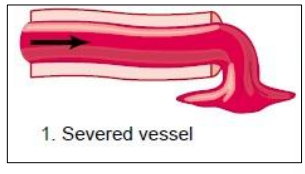
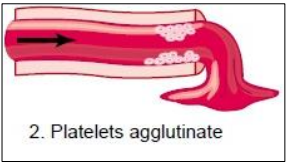
what are the different clotting mechanisms and hemostasis?
severed vessel
platelets agglutinate
fibrin appears
fibrin clot forms
clot retraction occurs

explain vascular injury and subendothelial exposure - clotting
injury to blood vessels occur
immediate vasoconstrictive response → reduction to size of injured vessel = decrease of blood volume loss
constriction brings edges of endothelial surface closer together, enhancing “stickiness” of vessel walls
immediate local vasoconstriction
explain platelet plug formation
adhesion, aggregation, and activation
damage to lining of vessel = exposure of glycoproteins → platelets stick (adhere) to these
as more platelets accumulate and stick, clumps (aggregation) form
platelets become spiked and “stickier” and are more likely to adhere to one another
adhesion process causes platelets to undergo activation → release of chemical flares enhance plug formation and further limit bleeding
explain fibrin clot development
formation of a fibrin clot interlaced with platelet plug, initiated by 2 pathways
intrinsic factor
extrinsic factor
regardless of whether clotting is initiated by substances inside or outside, coagulation follows same common pathway/cascade
thrombin is the most powerful enzyme in the clotting process
what is extrinsic pathway of fibrin clot development?
i.e., external cause initiated from substances outside the vessel (thromboplastins) when an outside-vessel injury occurs PROTECTIVE
ex. cut/trauma to skin and vessels
what is intrinsic pathway of fibrin clot development?
i.e. internal cause activated by endothelial injury (internal vessel) PORBLEMATIC
ex. HTN, atherosclerosis, chronic venous insufficiency and venous stasis
insomnia
what is the role of thrombin in clot development?
converts fibrinogen to fibrin
wants clot to stop bleeding
explain clot retraction and dissolution
once vessel wall heals the clot/plug is no longer required
counter-mechanism to blood clotting to keep blood in fluid state
anticoagulation
important to maintain normal blood flow and keep fluid flowing
also protective
life span and healing, colt contract and pull edges together
what is anticoagulation?
antithrombin activity
fibrinolysis (dissolution of fibrin and clots)
vessel and platelet activity
dont need clots at this time

how is clot retraction and dissolution protective?
widespread coagulation would be harmful for maintain blood flow
body inactivates clotting factors that stray from sites of injuries - accomplished by antithrombin

what is vitamin K?
fat soluble nutrient → enables liver to produce critical proteins (such as clotting factor)
important to coagulation
found in leady green vegetables (ex. spinach, kale, broccoli)
what is vitamin k required for?
1 coagulation factors for their synthesis (without they wouldn’t be able to help with coagulation)
what does a vitamin k deficiency increase the risk of?
bleeding
a patient is experiencing malnourishment, how would this impact the hematological system?
vitamin intake
important ability to clot required for DNA synthesis
iron
if dehydrated → leads to clots
difference in hemolysis and hemostasis
breakdown of RBC
production, maintain
what is venous thromboembolism (VTE)
formation of a thrombus or clot from a vein inflammation (shallow, smaller)
deep vein thrombosis or superficial
pulmonary embolism
what is superficial venous thrombosis?
can become serious if it extends to deeper veins
what is a thrombus?
clot that forms in 1 spot inside of a vessel
what is an embolus?
travelling substance (like a clot) that moves through the bloodstream and gets stuck elsewhere
scary, don’t know where it goes and if the blocks another vessel
what does Virchow’s Triad consist of?
venous stasis
endothelial injury
hypercoagulability

what is venous stasis?
dysfunctional muscles in the extremities and venous vales
to have proper unilateral flow, leg muscles valves need to be fully functioning
what are risk factors to venous stasis?
varicose veins and chronic venous insufficiency
atrial fibrillation cause venous stasis in heart atria vibrates → impacts bloods ability to move to ventricle
pregnancy/obesity
prolonged immobility
ex. long trip (12h flight), surgery, injury)
what is endothelial damage?
extrinsic or intrinsic (outcome is the same)
coagulation cascade
what are risk factors to endothelial damage?
surgery/IV therapy (some IV fluids are traumatic)
trauma
sepsis
what is hypercoagulability of blood?
hematological disorders: polycythemia (over production of RBC), malignancies
medications (erythropoietin, steroids, birth control)
sepsis
tobacco
what is the pathophysiology of venous thromboembolism
coagulation cascade triggered and thrombus formation (frequently at valve cusps on veins)
virchow’s triad entrapped WBC, RBC, platelets collect and grow
full or partial occlusion of vein = thrombus
thrombus → embolus (trap more passing RBC)
venous circulation → right side of heart → pulmonary vasculature
complication: pulmonary embolism → sudden blockage in a lung vessel, medical emergency
tissue-specific perfusion impairment
loss of gas exchange and creation of dead space
what are clinical manifestations of SVT?
local
palpable, firm, subcutaneous cordlike vein
tender to touch, reddened, warm
edema may or may not occur
systemic
mild systemic temperatures
leukocytosis
if the IV smaller and in the same place for long time

what is the diagnosis and interprofessional care for SVT?
immediate removal of causative IV catheter
ultrasound → confirm diagnosis and rule out clot extension to deep vein
if small/minor
treat = NSAIDs, warm compress, limb elevation, mild exercise (once clear use limb to remove symptoms)
what are clinical manifestations for DVT?
may or may not have unilateral leg edema'
pain
tenderness with palpation
dilated superficial veins
sense of fullness in the thigh or calf
paresthesia
warm skin
erythema
systemic temperature >38’C
if vena cava involved, legs may be edematous and cyanotic
what are some blood laboratory studies that can be done?
activated partial thromboplastin time (APTT)
international normalized ration (INR)
hemoglobin (HgB), Hematocrit (Hct), platelet count
D-dimer
what is activated partial thromboplastin time (APTT)?
measures time it takes for blood to form a clot
on patient with Iv heparin
significance:
diagnose bleeding disorders
monitor heparin therapy
what is international normalized ration (INR)?
standardized blood test to measure time it takes for blood to clot
significance:
used to monitor for effectiveness of blood thinners (warfarin)
help diagnose bleeding disorder or vit k deficiency
what does hemoglobin, hematocrit, and platelet count test?
components of a complete blood (CBC)
increase risk for bleeding
platelet count closely monitored with heparin
significance
abnormalities will be present if patient ha underlying blood disorder
what is D-dimer
measures a protein fragment left behind from fibrinolysis (dissolution of fibrin and clots) somewhere in the body
non-specific
doesn’t tell where the clot is
significance:
elevated results can suggest presence of a clot somewhere in the body but is non-specific (could indicate DVT or PE)
what are imaging tests that can be done?
ultrasound
CT scan/MRI
what is ultrasound used for?
primary diagnostic for VTE
deep and superficial veins are examined for presence, size, location, and extent of a thrombus
exact location ans size
what is CT scan/MRI used for?
if ultrasound inconclusive
more invasive, requires use of intravenous CT dye
required for pulmonary embolism (cannot see with ultrasound)
what is key for VTE interprofessional care?
Prophylaxis (prevention is critical)
most facilities have thromboprophylaxis policies for prevention
what are non pharmacological techniques for VTE?
early and aggressive mobility
graduated compression stockings
SCDs: sequential compression devices
gets patients up and moving as soon as possible
what are pharmacological interventions for VTE?
anticoagulants: used for prevention and treatment
goal: prevent clot formation (LMWH (preferred) or heparin)
goal for confirmed VTE: prevent new clot development, prevent spread (emboli)
What are the primary goals of acute intervention for a confirmed VTE?
Prevent emboli formation. (anticoagulation)
Prevent further thrombus growth.
Reduce inflammation.
Why should nurses review medications, supplements, OTC medications, and diet in patients receiving anticoagulants?
To identify potential interactions that may increase or decrease the effectiveness of anticoagulation therapy.
want blood thin enough to decrease our
what bloodwork should be monitored during anticoagulation therapy?
INR (warfarin)
aPTT (unfractionated heparin)
CBC
Platelet count
Hemoglobin (Hgb)
Why is bloodwork monitored during anticoagulation therapy?
To determine whether drug therapy is effective, within the therapeutic range, or excessive, and whether dose adjustments are required.
What happens if anticoagulation therapy is below or above the therapeutic range?
Below therapeutic range: Increased risk of thrombus formation or growth.
Above therapeutic range: Increased risk of bleeding.
Why should hemoglobin be monitored in patients receiving anticoagulants?
Decreasing hemoglobin may indicate blood loss, including internal bleeding.
What signs of bleeding should nurses monitor for during anticoagulation therapy?
Excessive bruising
Bleeding gums
Nosebleeds
Hematuria
Blood in stool
Decreased hemoglobin
What bleeding precautions should nurses teach patients receiving anticoagulants?
Use an electric razor instead of a straight razor.
Moisturize skin to prevent cracking.
Avoid forcefully blowing the nose.
Avoid unnecessary venipuncture when possible.
Avoid activities that increase injury risk.
Why is limb elevation encouraged in patients with VTE?
To increase venous return and decrease edema.
Why is adequate hydration important in patients with VTE?
To prevent dehydration and hemoconcentration, which may contribute to thrombus formation.
Why should nurses avoid massaging an extremity with a confirmed DVT?
Massaging may dislodge the thrombus, causing an embolus to travel to the pulmonary vasculature and potentially result in a pulmonary embolism.
What must the nurse consider before mobilizing a patient with an acute DVT?
Confirm that mobilization is appropriate according to the prescriber's orders, anticoagulation status, and clinical stability.
What are the priority nursing interventions for a patient with a confirmed VTE?
Monitor anticoagulation effectiveness.
Monitor for signs of bleeding.
Review potential medication and dietary interactions.
Communicate abnormal bloodwork to the prescriber.
Encourage adequate hydration and limb elevation as appropriate.
Avoid massaging the affected extremity.
Confirm clearance for mobility.
What is the mechanism of action and primary purpose of anticoagulants?
Disrupt the coagulation cascade and suppress fibrin production.
Most helpful for preventing venous thrombosis.
used for foods and take out
What are the major classes of anticoagulants?
Vitamin K antagonists
Thrombin inhibitors (direct and indirect)
Factor Xa inhibitors
What are the differences between unfractionated heparin (UFH) and low molecular weight heparin (LMWH)?
Unfractionated heparin (UFH):
Higher risk of heparin-induced thrombocytopenia (HIT).
Requires routine coagulation monitoring.
Low molecular weight heparin (LMWH):
Fewer bleeding complications.
Lower risk of HIT.
Does not typically require routine coagulation monitoring.
More likely to be used at home.
What is the mechanism of action, primary purpose, and examples of antiplatelets?
inhibit platelet aggregation.
Most helpful for preventing arterial thrombosis in patients at high risk due to cardiovascular disease.
Examples: Aspirin and clopidogrel.
not first line treatment
What is the mechanism of action and an example of thrombolytics?
Promote lysis of fibrin, causing dissolution of established thrombi.
Example: Alteplase.
bleeding risk, only give if life or death
What is the key difference between anticoagulants, antiplatelets, and thrombolytics?
Anticoagulants: Suppress fibrin formation.
Antiplatelets: Inhibit platelet aggregation.
Thrombolytics: Dissolve existing thrombi.
What is the drug class and MOA of warfarin?
Class: Anticoagulant (vitamin K antagonist).
MOA: Reduces synthesis of vitamin K-dependent clotting factors. used to prevent thrombosis
What are the therapeutic effects of warfarin?
Prevents venous thrombosis.
Prevents further growth of existing thrombi and thromboembolism.
What are the administration considerations and onset of warfarin?
Oral, once daily.
Initial onset: 24–72 hours.
Full effect: 5–7 days.
Inappropriate for emergencies.
Appropriate for long-term prophylaxis.
Why is heparin overlapped with warfarin when initiating treatment for acute VTE?
Warfarin has a delayed onset. Heparin provides immediate anticoagulation while warfarin reaches its therapeutic effect.
What are the indications for warfarin?
Prevention and treatment of DVT and PE.
Prevention of thromboembolism associated with mechanical heart valves.
Prevention of thromboembolism associated with atrial fibrillation.
What are the contraindications and precautions for warfarin?
Hypersensitivity.
Bleeding conditions/disorders.
Recent surgeries.
Liver disease/alcoholism.
Numerous drug interactions.
What are the major adverse effects of warfarin?
Hemorrhage.
Calciphylaxis.
Skin necrosis.
What clinical manifestations may indicate hemorrhage in a patient receiving warfarin?
Hypotension.
Tachycardia.
Bruising.
Bloody or black stools.
Dizziness.
What are the therapeutic INR ranges for warfarin?
Regular anticoagulation: 2–3 (VTE, atrial fibrillation).
High-intensity anticoagulation: 2.5–3.5 (certain mechanical heart valves).
What are the nursing considerations for warfarin?
Monitor INR, hemoglobin, and hematocrit.
Monitor for bleeding.
Review medication and dietary interactions.
Monitor INR frequently initially and periodically once stable.
What patient education is important for warfarin?
Recognize signs of bleeding.
Avoid activities that could cause injury.
Maintain consistent vitamin K intake.
Take medication at the same time daily.
Attend regular bloodwork appointments.
What is the drug class and MOA of heparin?
Class: Anticoagulant (indirect thrombin inhibitor).
MOA: Inactivates thrombin through antithrombin, preventing conversion of fibrinogen to fibrin.
What are the therapeutic effects of heparin?
Prevents venous thrombosis.
Prevents further growth of existing thrombi and thromboembolism.
What are the administration considerations and onset of heparin?
IV: Immediate onset; used in more acute situations.
SQ: Onset of 20–30 minutes.
Continuous IV therapy often begins with a bolus.
IV dosing is weight-dependent.
SQ administration requires site rotation.
What are the indications for heparin?
Prevention and treatment of VTE/PE.
Prevention of clotting during arterial/cardiac surgery.
Bridging anticoagulation for mechanical heart valves.
Myocardial infarction (MI).
Heparin locks for CVADs.
What are the contraindications and precautions for heparin?
Hypersensitivity.
Bleeding conditions/disorders.
Thrombocytopenia.
Recent surgery.
Interactions with other anticoagulants.
What are the major adverse effects of heparin?
Hemorrhage.
Heparin-induced thrombocytopenia (HIT).
Heparin-induced thrombocytopenia with thrombosis (HITT).
Local erythema, hematoma, and irritation.
What are the clinical manifestations of hemorrhage associated with heparin?
Hypotension.
Tachycardia.
Bruising.
Bloody or black stools.
Dizziness.
What are the nursing considerations and laboratory monitoring requirements for heparin?
Monitor aPTT for IV heparin (60–80 seconds according to lecture slides).
Monitor platelet count and hemoglobin.
Monitor for thrombocytopenia and HIT.
Monitor for signs of bleeding.
What patient education is important for heparin?
Avoid activities that could lead to injury.
Recognize and report clinical manifestations of bleeding.
What is the antidote for heparin?
Protamine sulfate.