Emerging Infectious Diseases Exam 2
 Call Kai
 Learn
Learn Practice Test
 Spaced Repetition
 Match
Match Flashcards
 Knowt Play
1/29

There's no tags or description
Looks like no tags are added yet.
Name | Mastery | Learn | Test | Matching | Spaced | Call with Kai | Chat |
|---|
No analytics yet
Send a link to your students to track their progress
30 Terms
The Alpha variant carried at least triple the number of mutations found in viruses circulating before it, and those mutations were heavily concentrated in the spike protein even though spike accounts for a small share of the viral proteome. What does that distribution most directly indicate?
→That the spike gene has the highest intrinsic mutation rate in the genome, so changes accumulated there without selection acting on them in any particular direction.
→That the variant arose during prolonged infection in an immunocompromised host, since extended replication under an inadequate immune response is what generates that many changes in one lineage
→That adaptive evolutionary pressure is acting on spike, since changes are concentrated far out of proportion to the fraction of the proteome the protein occupies, and spike is central to immune response and viral entry.
→That the mutations are concentrated where sequencing coverage is deepest, so the pattern describes how the genome was surveyed rather than where change actually occurred.
→That the variant had already displaced the lineages circulating before it, since a variant does not begin accumulating mutations until it becomes dominant in a population.
That adaptive evolutionary pressure is acting on spike, since changes are concentrated far out of proportion to the fraction of the proteome the protein occupies, and spike is central to immune response and viral entry.
A city health departments wants to know whether a small number of unusually high-contact individuals could sustain transmission after the citywide case count has fallen, in a city where contact patterns different sharply between neighborhoods. Which modeling approach fits that question and why?
→An agent-based model, because it simulates individual agents and their interactions from the bottom up, which is what allows heterogeneous behavior and superspreading to be represented explicitly
→A compartmental SEIR model, because sorting that population into Susceptible, exposed, infected and recovered classes is precisely what allows each individual contact rate to be traced separately
→A compartmental SIR model, because its established strength is forecasting epidemic size, speed, and healthcare burden, which is the quantity the department needs in order to plan
→Genomic surveillance, because whole-genome sequencing identifies transmission chains and would therefore show which individuals are driving onward spread in each neighborhood
→A compartmental model, and it will fail here for the usual reason, the variant problem: traditional models assume fixed pathogen traits, which is also what keeps them from holding contact patterns that differ by neighborhood
→An agent-based model, because it simulates individual agents and their interactions from the bottom up, which is what allows heterogeneous behavior and superspreading to be represented explicitly
Local hunters butchering primates in central Africa were repeatedly exposed to simian immunodeficiency virus. How does Lecture 07 relate those repeated exposures to the origin of the human pandemic?
→ Repeated exposure did not itself produce infection; the virus became transmissible in people once it had adapted in an intermediate domestic animal host kept in close quarters.
→Each butchering exposure seeded a separate human epidemic, and the pandemic lineage is the sum of those independent introductions circulating together in the same cities
→The pandemic lineage came from sooty mangabeys, whose simian immunodeficiency virus crossed directly into humans and then diversified in the growing city of Leopoldville.
→The virus may have crossed into humans more than once, but not until the early twentieth century did a crossing from a chimpanzee establish a persistent presence in the human population.
→The virus entered people through modern global travel, which carried it out of Africa and gave it the urban contact rates it needed to establish for the first time
→The virus may have crossed into humans more than once, but not until the early twentieth century did a crossing from a chimpanzee establish a persistent presence in the human population.
A new variant is described in a country with a large national sequencing program. On the resulting tree the earliest branching sequences all come from that country, and a press office announces that the variant arose there. The neighboring countries have almost no sequencing capacity. Which consideration most undermines the announcement?
→Reporting delays mean that by the time a variant is identified it may have been spreading for weeks, so the announcement is premature about timing rather than wrong about place.
→A phylogeny is conditional on what was sampled, so the earliest branches reflect where sequencing was done rather than where the lineage arose; a lineage that emerged in a region without surveillance would not appear at the base of this tree.
→Branch support values measure how stable a grouping is under resampling rather than whether it is correct, so the support for these basal branches should be checked before the announcement is made.
→Clinical and genomic records are usually held in separate, incompatible systems, so the sequences on this tree cannot be matched to the travel histories that would confirm a country of origin.
→Convenience sampling concentrates collection in urban hospitals, so the tree describes urban transmission and the variant most likely arose in a rural part of that same country.
→A phylogeny is conditional on what was sampled, so the earliest branches reflect where sequencing was done rather than where the lineage arose; a lineage that emerged in a region without surveillance would not appear at the base of this tree.
A reservoir species carries a persistent viral infection with very little tissue damage. A newly exposed host species carries the same virus and develops severe inflammatory disease. Which description of the reservoir response is correct, and on what basis?
→Resistance, because a persistent infection held at a stable level shows that the immune system is continuously identifying and removing virus as fast as it replicates.
→Resistance, because long-term coevolution has raised the inflammatory response of the reservoir, and stronger inflammation clears infected tissue before damage can accumulate.
→Tolerance in the newly exposed host, whose severe disease reflects an immune system tuned over time to reduce its counteractive inflammatory responses.
→Neither, because the two species differ in the receptors the virus uses, so the reservoir is not infected in a way that could produce damage in the first place.
→Tolerance, because the pathogen is not eliminated; what is held down is the damage it causes and the energy the host must expend fighting it.
→Tolerance, because the pathogen is not eliminated; what is held down is the damage it causes and the energy the host must expend fighting it.
Over several months a patient has repeated waves of the same bloodstream infection. Each wave is brought under control once antibody appears, and the organism recovered from the following wave carries a surface protein the existing antibodies no longer bind. Which category of immune evasion does this pattern represent?
→Antigenic variation, because the pathogen alters the antigens it displays, so the molecular structures the immune system learned to detect are no longer the ones on its surface
→Intracellular pathogenesis, because the organism has moved inside host cells, where the extracellular arms of the response, antibody among them, cannot reach it
→Release of immune-inhibitory proteins, because the organism secretes factors that dampen the innate response, which is why antibody control lapses between one wave and the next.
→Interference with host signaling, because the organism manipulates cellular signaling pathways so that the adaptive response does not mature far enough to produce useful antibody.
→Tolerance, because the host has stopped attempting to clear the organism and is instead limiting the damage that each successive wave causes.
→Antigenic variation, because the pathogen alters the antigens it displays, so the molecular structures the immune system learned to detect are no longer the ones on its surface
In the phylogenetic workflow presented in Lecture 05, a set of pathogen sequences is aligned before any tree is inferred. What does the multiple sequence alignment step establish for everything that follows?
→It links each sequence to its clinical metadata and epidemiological context, so that the tree can later be interpreted against symptoms, location, and travel history.
→It corrects for the multiple substitutions that accumulate at a single site over time, so that the observed differences between sequences are not an underestimate of true divergence
→It establishes positional homology, so that each column of the alignment holds a position descended from a common ancestor and the same site can be compared across every sequence.
→It determines whether the outbreak represents a single importation or several separate introductions, which is the question the downstream analysis is being run to answer.
→It assesses how reliably each grouping is supported by resampling the data, so that weakly supported relationships are flagged before the tree is used.
→It establishes positional homology, so that each column of the alignment holds a position descended from a common ancestor and the same site can be compared across every sequence.
An experimental compound binds the CD4 receptor on a T cell and prevents the viral surface protein from attaching to it. Which statement best describes what this accomplishes and where the compound would sit among the available classes of HIV therapy?
→It would act as a protease inhibitor, because the shape change in the viral surface protein is a cleavage event, and preventing that cleavage stops the particle from maturing.
→It would act as an entry inhibitor, because without CD4 engagement the viral protein does not undergo the shape change that lets it grab CCR5, so the virus does not fuse or deliver its contents.
→It would act as a reverse transcriptase inhibitor, because attachment to CD4 is the step at which the viral genome is copied, before the particle has fused with the cell.
→It would have little effect, because CCR5 is the receptor that mediates fusion and the virus engages it directly without needing to bind CD4 first.
→It would act as an integrase inhibitor, because CD4 binding is what commits the viral genetic material to the cell, and blocking it prevents that material from being inserted.
→It would act as an entry inhibitor, because without CD4 engagement the viral protein does not undergo the shape change that lets it grab CCR5, so the virus does not fuse or deliver its contents.
Archival blood from Gaetan Dugas was sequenced and his virus placed on a phylogeny of early HIV-1 genomes from the United States. Which feature of where his sequence fell is the reason that analysis exonerates him as the person who introduced HIV to North America?
→The sequence came from an archival sample, and archival samples are dated at the tip, which is what allows the direction of transmission between two people to be read directly from a tree.
→The sequence grouped with viruses sampled in San Francisco rather than in New York City, showing that the epidemic moved in the direction opposite to the one attributed to him.
→The sequence was typical of its era, and a sequence typical of its era is by definition too recent to be ancestral to the other sequences sampled around it.
→The sequence carried the branch support values expected of a founder lineage, and the analysis showed that those support values were too low to be relied upon.
→The sequence sat in the middle of the genetic diversity already present in the epidemic rather than at an ancestral position, so the lineages circulating in the country did not descend from his infection.
→The sequence sat in the middle of the genetic diversity already present in the epidemic rather than at an ancestral position, so the lineages circulating in the country did not descend from his infection.
Three patients in three different states are hospitalized over five weeks with the same foodborne infection. None of them recalls a shared meal, store, or event, and case counts in each state stay within the expected range. Whole-genome sequencing shows the three isolates form a tight genetic cluster. What does the sequencing establish that the interviews could not?
→That the outbreak has now exceeded the number of cases expected for these three states, which is the threshold at which an outbreak is formally declared and investigated.
→That the pathogen carries a resistance marker, which is what explains why these three infections were severe enough to require hospitalization while others were not.
→That the number of further cases to expect can now be forecast, since sequence data refines the transmission parameters used by the models running during an acceleration phase.
→That the three cases are biologically linked and therefore share a source, a connection exposure recall cannot recover when the patients visited the same location at different times.
→That the order of infection among the three patients is known, so investigators can name the index case and work outward along the chain to the source.
→That the three cases are biologically linked and therefore share a source, a connection exposure recall cannot recover when the patients visited the same location at different times.
Resistance
Activating the immune system to identify and remove harmful invaders
Tolerance
Doesn’t necessarily eliminate the pathogens but minimizes the damage they cause or the energy the body must expend to fight them
How does reservoir tolerance lead to a novel variant?
Long-term coevolution with natural pathogens might lead to specific adaptation of their immune system of reservoir species such that they can tolerate pathogens by reducing their counteractive inflammatory responses or evolving various immunomodulatory responses
Tolerant hosts with reduced inflammatory responses can support the circulation of diverse pathogen species and strains. A longer infectious period within tolerant hosts also provides an accurate ecological niche where pathogens can acquire newer mutations over time or undergo genetic exchanges and re-assortments to produce novel variants
Although the risk of infecting a new host species (other than the natural reservoir species) might be low, some of there pathogen variants with altered genetic backgrounds might be able to cross the species barrier and infect a new host more effectively
When novel hosts come into contact with these pathogens, they might face severe illness as they are unable to tolerate the impacts of infection or lack mechanisms to reduce the cytotoxic effects of inflammatory responses
General immune response to new infections
Innate immunity, nonspecific barriers such as tears, saliva, mucous, phagocytes, dendritic cells, nk cells
Adaptive immunity: more prominent after a long period of infection and used for increased tolerance and protection. Antibodies, Differentiated T cells
IgM is present within an early immune infection. Non specific
IgG presence increases later into infection
Fungi vs Protozoan
→Fungi have outer cell walls made out of chitin
→Protozoans do not have an outer cell wall
Phylogenetic analysis places the major clades of Candidozyma auris on deeply divergent, geographically separated branches, yet all of them began causing human disease at roughly the same time in the early twenty-first century. Which interpretation does this pattern best support?
→A single source spreading outward is ruled out; lineages this long diverged and this widely separated, starting to cause human disease together, point instead to a common external trigger, either a global environmental change or a widespread anthropogenic pressure.
→All the clades descend from the isolate recovered in 2009 from a patient's ear canal in Japan, which then moved along routes of international travel and patient transfer until each region began reporting its own cases.
→The simultaneity is an artifact of the laboratory: older biochemical systems reported the organism as Candida haemulonii or Rhodotorula glutinis, and the clades only appear to arrive together because reliable identification arrived everywhere at once.
→The clades became pathogenic by exchanging resistance determinants with one another inside hospitals, so the shared trigger was the healthcare environment itself rather than any pressure acting outside the facility walls.
→C. auris was a member of the human gut flora all along, and expanding use of broad spectrum antibiotics released it from bacterial competition, which is why it surfaced in many places over the same period.
A single source spreading outward is ruled out; lineages this long diverged and this widely separated, starting to cause human disease together, point instead to a common external trigger, either a global environmental change or a widespread anthropogenic pressure.
A Fusarium oxysporum isolate first recovered as a harmless soil saprophyte is later found to cause wilt in tomato. Its core genome is essentially unchanged, but it now carries an additional chromosome matching one present in a pathogenic strain from the same field. Which mechanism accounts for this, and what does it imply about the pathogen?
→Point mutations accumulated in core housekeeping genes during saprophytic growth in warm acidic soil and gradually converted the isolate into a pathogen, a slow change that becomes irreversible once fixed in the lineage.
→The isolate formed a biofilm, which sharply increases resistance and lets it survive plant defenses long enough to enter the vascular system, so virulence here is a physiological state rather than a change in gene content.
→The isolate acquired additional CYP51 paralogs, and because the target redundancy that confers azole resistance also drives host invasion, resistance and virulence were gained in the same event.
→An entire dispensable accessory chromosome enriched in pathogenicity genes moved between unrelated strains by horizontal chromosome transfer, so a non-pathogenic isolate became virulent in one step and pathogenicity behaves as a modular, transferable trait.
→The isolate switched to a different forma specialis, since host range in this species is set by regulated gene expression and a strain can be induced to attack a new host without any change in its gene content.
An entire dispensable accessory chromosome enriched in pathogenicity genes moved between unrelated strains by horizontal chromosome transfer, so a non-pathogenic isolate became virulent in one step and pathogenicity behaves as a modular, transferable trait.
Screening swabs of the armpit and groin identify several intensive care patients carrying Candidozyma auris with no symptoms. Antifungal treatment is not recommended for them, yet the infection prevention team applies the same precautions it uses for patients with C. auris in the bloodstream. What justifies that decision?
-> Colonization progresses to invasive disease within days in nearly every patient who carries the organism, so the precautions are best understood as the management of an infection that has not yet declared itself clinically.
-> Colonized patients are asymptomatic but shed the organism into the environment and pass it to others, and carriage can persist for months or indefinitely, so in prevention terms the two states are equally serious.
-> Screening swabs cannot distinguish colonization from infection, so every positive result is handled as an infection until blood cultures have come back negative.
-> Most Candida infections arise from the patient's own gut flora, so a positive skin swab points to an endogenous source that will eventually seed that same patient's bloodstream.
-> Skin carriage is where this organism acquires resistance to azoles and echinocandins, so containing colonized patients is how a facility keeps resistant strains from arising in the first place.
-> Colonized patients are asymptomatic but shed the organism into the environment and pass it to others, and carriage can persist for months or indefinitely, so in prevention terms the two states are equally serious.
A cluster of Ebola cases appears in a province that had an outbreak three years earlier. Sequencing shows the new genomes carry the GP-A82V substitution, fall inside the clade from that earlier outbreak, and differ from it by very few substitutions. Which interpretation is best supported, and on what reasoning?
-> A fresh spillover from fruit bats, because the reservoir in that province maintains the same viral lineage from year to year and reintroduces it whenever human contact with roosts increases.
-> A fresh spillover through an intermediate host such as a chimpanzee or a forest antelope, because handling bushmeat from animals that were themselves infected by bats is a recognized route into people and regenerates the local lineage on each introduction.
-> Adaptation of the virus back toward its reservoir, because GP-A82V raises tropism for bat cells and its presence marks a lineage that is moving from humans into bats.
-> Two independent introductions that converged on the same sequence, because the glycoprotein is under strong selection and the same substitution arises repeatedly whenever the virus enters a human host.
-> Continuation of a human transmission chain rather than a new zoonosis, most plausibly re-emergence from a persistently infected survivor, since a fresh spillover would sit on a genetically distinct branch and would lack the human adaptive substitution.
-> Continuation of a human transmission chain rather than a new zoonosis, most plausibly re-emergence from a persistently infected survivor, since a fresh spillover would sit on a genetically distinct branch and would lack the human adaptive substitution.
A named contact of a confirmed Ebola case has been under daily monitoring and remains free of fever and every other symptom on day six after exposure. Which statement about her status matches what the lecture says about transmission, and what follows for her management?
-> She is already shedding virus in saliva and sweat at low levels, so she belongs in an isolation ward until the incubation period has run out and repeated testing is negative.
-> She can pass the virus through the air to household members sharing an enclosed room, so the household should be separated from her even while she remains well.
-> She cannot transmit while she has no signs or symptoms, so monitoring rather than isolation is appropriate, and it has to continue through the full incubation period because symptoms may still appear.
-> She could infect mosquitoes that later bite others, so vector control around the household should run alongside her daily temperature checks for the duration of follow up.
-> She presents a risk through shared food and the household water supply, so both should be treated or replaced before she is released from follow up.
-> She cannot transmit while she has no signs or symptoms, so monitoring rather than isolation is appropriate, and it has to continue through the full incubation period because symptoms may still appear.
The flight as fever hypothesis proposes that the daily rise in core temperature during flight selects for viruses that tolerate fever range heat, which would explain why the human febrile response is ineffective against them after spillover. Which finding most directly complicates that account?
-> During flight a bat's metabolic rate rises up to thirty fold above its resting state, far beyond the seven fold rise measured in running rodents and the two fold rise recorded in flying birds, so the thermal load is extreme.
->A bat's core is hot during flight but its wings are not; the uninsulated wing surface lets distal muscles work well below core temperature, so peripheral tissues could serve as refuges where a virus escapes the selecting heat.
-> Across mammalian and avian orders the proportion of viruses that are zoonotic is roughly constant, so bats do not carry a disproportionate share of zoonotic viruses relative to other groups.
-> Activation of the NLRP3 inflammasome is blunted in bat immune cells relative to human and mouse cells, and the blunting appears with sterile stimuli as well as with infection by zoonotic viruses.
-> Bats are highly social and form dense colonies of millions of animals, and this sociality sustains continuous transmission and keeps viruses circulating within the reservoir population year round.
A bat's core is hot during flight but its wings are not; the uninsulated wing surface lets distal muscles work well below core temperature, so peripheral tissues could serve as refuges where a virus escapes the selecting heat.
Bat immune cells exposed to sterile stimuli or to live MERS-CoV and influenza A release far less IL-1 beta than human or mouse cells, and the amount of virus produced is unchanged. Which conclusion about the bat strategy does this best support?
-> Bats clear these viruses faster than other mammals because interferons and interferon stimulated genes are expressed constitutively, so the inflammasome is not recruited in the first place.
-> Bats have lost the NLRP3 gene, so the sensor that reads pathogen and damage signals is absent and no inflammatory cascade can be assembled in bat cells at all.
-> The fever range temperatures reached during flight inactivate these viruses before the inflammasome would be engaged, and the low inflammatory output is a downstream consequence of that thermal control.
-> Bats restrain the response rather than the pathogen: blunted NLRP3 activation lowers inflammatory output while viral replication proceeds unchanged, which is disease tolerance and permits persistent low level infection without illness.
-> Bat cells detect pathogen associated and damage associated molecular patterns poorly across the board, so bats are functionally immunodeficient and rely on rapid turnover of the colony to keep infections from accumulating.
-> Bats restrain the response rather than the pathogen: blunted NLRP3 activation lowers inflammatory output while viral replication proceeds unchanged, which is disease tolerance and permits persistent low level infection without illness.
Nipah cases in Bangladesh cluster among people who drink raw date palm sap, and covering the collection pots with a physical barrier lowers the number of human cases. Mechanistically, why does that barrier work?
-> It denies fruit bats access to the sap while it collects overnight, so the saliva and urine that would otherwise contaminate the drink never reach it, cutting the food route from reservoir to people.
-> It interrupts person to person spread, the main route by which Nipah moves through Bangladeshi communities, by keeping any one contaminated batch of sap from reaching more than a single household.
-> It reduces exposure to bat guano, the material that carries the heaviest viral burden and the recognized hazard for the people who harvest it by hand from roosts and caves.
-> It removes the need to hunt and butcher bats for meat, since sap harvested under a cover can be sold instead, and butchering is the practice through which most henipavirus infections in the region are acquired.
-> It lowers the density of fruit bat colonies near villages, reversing the underlying pressure created when deforestation and agricultural expansion push bats into human dominated landscapes.
-> It denies fruit bats access to the sap while it collects overnight, so the saliva and urine that would otherwise contaminate the drink never reach it, cutting the food route from reservoir to people.
Ducks and other migratory waterfowl are the definitive host for influenza A and tolerate infection without disease. Sequencing traced the H5N1 genotype B3.13 that later spread through dairy herds to a reassortment event in an unidentified host, after which it circulated in wild birds and mammals. What does that origin require, and why would accumulated mutation alone not deliver the same result?
-> It requires prolonged replication in a tolerant reservoir where the absence of immune pressure lets mutations pile up in hemagglutinin and neuraminidase far faster than in a species that mounts a strong antibody response.
-> It requires the virus to have already acquired the alpha 2,6 sialic acid binding preference and the PB2 627 polymerase change, since a virus that is not yet mammal adapted cannot contribute segments to another influenza A virus.
-> It requires recombination within the hemagglutinin gene itself, which splices avian and human sequence into a single continuous coding region and yields a hybrid surface protein that circulating human antibodies no longer recognize.
-> It requires mixing inside a swine host specifically, because swine carry receptors for both avian and human viruses; cattle and wild birds can carry these viruses but cannot support the exchange itself.
-> It requires one host co-infected by two influenza A viruses; because the genome is segmented and segments are assembled on vesicle membranes, whole segments change owner in one step, delivering surface proteins the receiving population has never met.
-> It requires one host co-infected by two influenza A viruses; because the genome is segmented and segments are assembled on vesicle membranes, whole segments change owner in one step, delivering surface proteins the receiving population has never met.
The seasonal influenza vaccine formulation is reviewed and updated every year, even though the same subtypes keep circulating from one season to the next. Which mechanism makes that annual reformulation necessary?
-> Reassortment between an avian and a human virus in a co-infected swine host generates a new subtype each season, so the formulation has to be rebuilt around whichever subtype has displaced the one before it.
-> Mutations accumulate in the internal and polymerase genes, including the PB2 627 position, so a vaccine directed at those proteins loses its match to the strains that are actually circulating.
-> Mutations accumulate in the surface proteins hemagglutinin and neuraminidase during frequent circulation in human hosts, producing variants antigenically distant enough to escape the antibodies raised against the previous season's strains.
-> Influenza A and influenza B alternate in dominance from winter to winter, so the formulation has to be switched between an A based and a B based product to match whichever type is expected to prevail.
-> Waterfowl continuously seed new avian subtypes into people, so each season's formulation has to be matched to the avian subtype that most recently crossed the species barrier into the human population.
-> Mutations accumulate in the surface proteins hemagglutinin and neuraminidase during frequent circulation in human hosts, producing variants antigenically distant enough to escape the antibodies raised against the previous season's strains.
Immune balance
Some of us have a lot more tolerance than others, while some of us also have more inflammation than others
ex: a more tolerant phenotype may also include less allergies as they do not make a response to allergens, however they have more risk to infection and cancer
ex: a less tolerant phenotypes are making response to allergies and inflammation, but less risk of infection and cancer
ONE IS NOT BETTER THAN THE OTHER

Pathogenic mechanisms of immune evasions
Antigenic variation: some pathogens can alter their antigens to avoid recognition and destruction by the immune system. This process confuses the host’s immune system by changing molecular detects
Intracellular Pathogenesis: some pathogens hide within the cells of the host, effectively escaping the extracellular mechanisms of the immune system.
Release immune-inhibitory proteins: some pathogens can secrete proteins that inhibit or otherwise manipulate the hosts innate immune response, effectively dampening the host’s defenses
Interference with host signaling: some pathogens can interfere with the host’s innate and adaptive immune responses by manipulating cellular signaling pathways
SARS-COV-2 Variants
Alpha: contains mutations concentrated within the spike protein. Carries at least triple the number of mutations found in viruses that circulated before its emergence
Adaptive evolution and spike protein: Spike protein essential for immune response and entry. Preponderance of mutations within the spike protein is indicative of adaptive evolutionary pressures
Epidemiological consideration: Continuous emergence of new variants and sublineages indicates a dynamic evolutionary landscape
It has been hypothesized that alpha and omicrone arose through prolonged infection within immunocompromised individuals.
Prolonged viral replication under an inadequate immune response to conducive to the emergence of escape mutations

Origins of HIV
→through the process of butchering chimpanzees in southeastern cameroon, local hunters were most likely exposed to SIV repeatedly. Infected when encoutered infected blood
→It may have crossed into humans multiple times, but it wasn’t until the early 20th century that it established persistent presence in the human population.
→Infections REQUIRE mucosal/blood contact, blood/mucosal
→Despite remaining undetected, HIV continued to evolve and diversity, spreading through growing urban centers
Old world monkeys are naturally infected with more than 40 different lentiviruses, termed simian immunodeficency viruses (SIV). HIV and SIV are VERY different genomes as SIV has not mutated to infected humans where HIV has

Why do natural hosts of SIV not develop aids?
Aids only happens after HIV huge viral load, but this does not happen within non-human primates
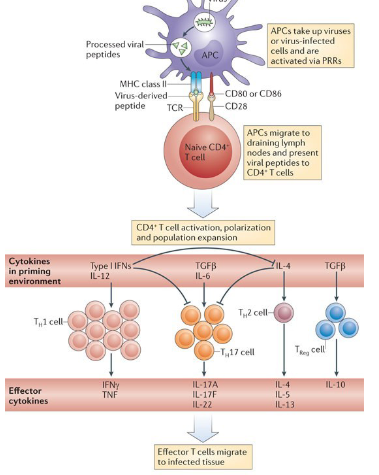
→CD4+ T cells are orchestrators, regulators, and direct effectors of antiviral immunity
→Neutralizing antibodies provide protection against many viral pathogens, and CD4+T tells can help B cells to generate stronger and longer-lived antibody responses
→In addition to their helper functions, CD4+T cells contribute directly to viral clearance. They secrete cytokines with antiviral activities and in some circumstances, can eliminate infected cells through cytotoxic killing
→HIV canot infect cells that do not have a CD4 receptor, no binding = no infection
→HIV first locks