Physical Assessment Exam 2
 Call Kai
 Learn
 Practice Test
 Spaced Repetition
 Match
 Flashcards
 Knowt Play
1/61

There's no tags or description
Looks like no tags are added yet.
62 Terms
What is inspected in the Musculoskeletal system?
sym, size, contour, color, alignment, ROM, swelling, deformity, atrophy, masses, tissue condition, abnormalities
What is palpated in the Musculoskeletal system?
temp, tenderness, strength, tone, edema, crepitus, nodules, abnormalities
How do you assess muscle tone?
Tone- passive ROM, muscle tension at rest
Hypertonia- spasticity
Hypotonia- weak
Flaccid
How do you assess strength?
Strength- grip, hand, foot strength
MUSCLE TESTING SCALE
5 Full ROM against gravity, full resistance
4 Full ROM against gravity, some resistance
3 Full ROM with gravity
2 Full ROM with gravity eliminated (passive motion)
1 Slight contraction
0 No contraction
Posture expected and unexpected
+ upright, erect, comfortable
- slumped, abnormal curves
How do you assess gait?
walk if stable, inspect base of support, weight bearing strength, stride length, cadence, arm swing, posture
What is active vs passive ROM?
Active- moves with visual and verbal direction
Passive- nurse moves pt
Jaw ROM
protract/retract
lateral
open wide
Cervical Spine ROM
flexion/hyperextension
lateral
rotation

Lumbar Spine ROM
flexion/hyperextension
lateral
rotation

Shoulder ROM
flexion/hyperextension
abduct/adduct
internal/external rotate

Elbow ROM
flexion/extend
supination/pronation

Wrist ROM
flexion/hyperextension
ulnar/radial deviation

Hip ROM
flexion/hyperextend
adbuct/adduct
internal/external rotation

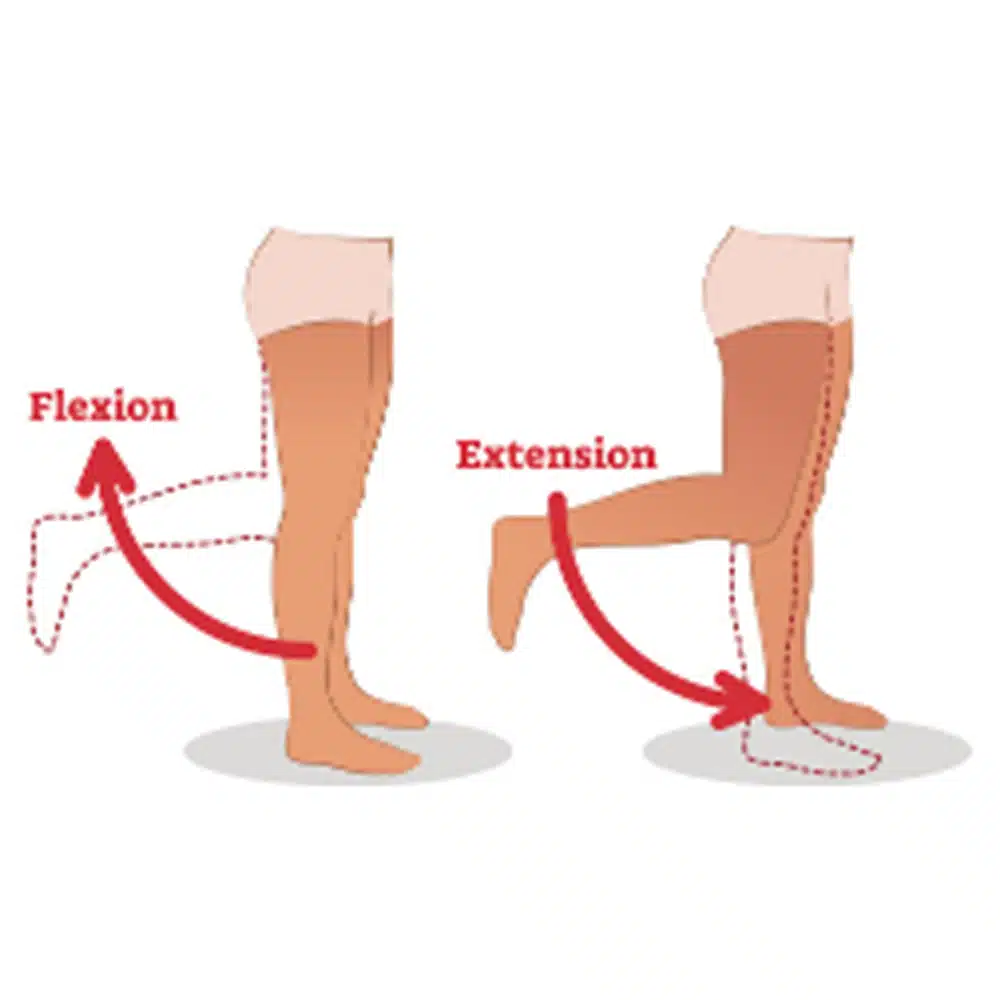
Knee ROM
flex/extend
ankle ROM
dorsiflexion/plantar
eversion/inversion
abduct/adduct

Toes ROM
flex/extend

Osteoporosis risk factors, manifestations, assessment, priorities
Risk factors- low activity/Ca/estrogen, high caffeine/alc/P/steroids, age, woman, white/asian,thin, fam history
manifestation- fracture
assess- decr height, pain w/ activity, decr ROM, spine deformed, fractures, kyphosis
priorities- mobility risk, increase Ca/D, exercise, home safety
Osteoarthritis risk factors, manifestations, assessment, priorities
Risk factors- age, genes, joint injury, obesity, metabolic disorders
manifestation- aches, pain, “grating” move, decr mobility
assess- joint pain, mobility, ROM, crepitus, Herberden’s & Bouchard’s nodes
priorities- pain, mobility, ass devs
Rheumatoid arthritis risk factors, manifestations, assessment, priorities
Risk factors- smoke, high sugar, obese, woman, horm imbalance, fam history
manifestation- joint pain/swell, hot hand/ft, weight loss, anemia, anorexia, weak, LATER: joint deformity, decr ROM, elbows affected
assess- sym, swell/reed/warmth/pain of joints, pallor, vasculitis lesion, mesc strength, ROM, immobility, boutonniere deformity
priorities- mobility risk, pain, prevent deformity, educate (warm showers, ROM exercise, ass devs)
Bone Fracture risk factors, manifestations, assessment, priorities
Risk factors- osteoporosis, trauma to bone, sub use, bone cancer, Paget’s, lact intolerance, age
manifestation- pain, deformed limbs, ecchymosis, swell, muscle spasm
assess- sym, skin temp, cap refill, pulses, movement, pain
priorities- ABCs, mental status, Circulation Sensation Movement assessment, proper alignment, pain
How does nurse assess level of consciousness?
call pt name, louder, shake, painful stimuli (sternum rub)
awake/alert, lethargic, obtunded, stuporous, comatose
Lethargic
sleepy
Obtunded
responds to loud noise
Stuporous
respond to shake/pain
Glasgow Coma Scale
Assesses mental status

Decorticate vs decerebrate
everything flexed to core vs flexed but with arms to side
Speech expected vs unexpected
clear and coherent
garbled dysarthria- distorted, hard to und
dysphagia- hard to speak
Geriatric mental status variations
slow thoughts, decr short term memory, wanders from topic
>80 yrs should be able to recall 2-4 words after 5 mins
CRANIAL NERVES
Oh Oh Oh To Touch And Feel Virgin Girl Vaginas And Hymen
Some Say Marry Money But My Brother Says Bad Business Marry Money
(S = sensory, M = motor, B = both)
Nerve 1
Olfactory- sensory (afferent)
smell
Nerve 2
Optic- sensory
vision
Nerve 3
Oculomotor- motor
eye movement, pupils, eyelids
Nerve 4
Trochlear- motor
eye movement (inferomedial)
Nerve 5
Trigeminal- sensory and motor
facial sensation, biting, chewing
Nerve 6
Abducens- sensory and motor
lateral eye movement
Nerve 7
Facial- sensory and motor
facial expression
Nerve 8
Vestibulocochlear- sensory
hearing and balance
Nerve 9
Glossopharyngeal- sensory and motor
oral sensation, taste, salivation, gag reflex
Nerve 10
Vagus- sensory and motor
innervation of organs in thorax (parasympathetic)
Nerve 11
Spinal Accessory- motor
shoulder shrug and head turning
Nerve 12
Hypoglossal- motor
tongue movement
Spinal Nerves
8 thoracic, 12 thoracic, 5 lumbar, 5 sacral, 1 coccygeal
Dermatone
skin that rely on specific nerve connections on the spine
Autonomic Nervous Sys function
sympathetic- fight or flight, T1-L2
parasympathetic- rest and digest, arise from S1-S4 and cranial nerves 3, 6, 9, 10
constrict pupil and airways
stim saliva
slow heart
stim stomach, int, gallbladder
inhibit insulin release
contract bladder
Deep tendon reflexes, Grade DTR and what they mean
invol muscle contractions in response to sudden stretch of muscle cause by tap on its tendon
+4 very brisk w/ clonus (hyperactivity) → upper motor neuron (CNS) injury
+3 more brisk than avg → upper motor neuron (CNS) injury
+2 expected
+1 diminished → lower motor neuron (PNS) injury (diabetes, hypothy, spinal shock)
0 no response → lower motor neuron (PNS) injury (diabetes, hypothy, spinal shock)
Reflex Arc
sensory neuron → motor neuron → reflex
Quadriplegic
paralysis on all 4 extremities
Paraplegic
lower portion of body
hemiplegic
one side of the body, stroke
Neuralgia
pain occurring along a nerve (like mom’s arm)
Aura
sign of oncoming seizure/ migraine (banana taste, lightning spots)
Subj data collected for Neurologic system
visit reason
Hx of illness- pain/headache, numb/weakness/paralysis, tremor, aura, speech/swallow problems, faint, memory loss, bowel/urinary control
Past med hist- head injury, meningitis, encephalitis, seizures
Fam Hx- HTN, CVA (cerebrovascular accident), epilepsy, brain cancer, Huntington Chorea
Lifestyle- meds, lead exposure, insecticides, pollutants, chems, ETOH use, drugs
Obj data collected for Neurologic system
A & O
GCS
Gross cranial nerves- speech, vision, smell, gag reflex
Move, strength, muscle tone, sensation, symm, gait and balance, nuchal rigidity (neck stiff)
How to assess Gross cranial nerves
facial symm, speech, vision/hearing in conversation
How to assess Muscle Move & strength
symm, extra movements, grip strength, plantar flexion
How to assess Gait & Balance (cerebellar function)
Balance (ROMBERG TEST)
remove shoes, stand w/ eyes closed, push lightly
+ is bad
Gait
walk and note posture, rhythm and steadiness
How to assess Nuchal Rigidity
If suspect meningeal irritation/infl from infection or hemorrhage
ensure no cervical vertebrae/ spinal cord injury
chin tuck → if not…
help pt with chin tuch
If painful → meningitis
Neuro Check (just think of clinical)
LOC, pupils, movement, strength of extremities, sensation, vital signs
MENINGITIS dis process, risk factors, manifestations, assessment, priorities
Dis process- viral is most common, bacterial is infectious (MEDICAL EMERGENCY)
Risk factors- viral/fungal/bacterial infection, immunosuppression, spinal fluid contaminated, wound to skull, overcrowded living
Manif- nuchal rigidity, headache, photophobia, fever, ALOC
Assess- + Romberg Test, + Kernig’s sign (pain knee extension), + Brudzinski’s sign (when flex neck, knees also flex), red macular rash
Priorities- ABCs, PLACE IN ISO, neuro checks, HOB 30, antibiotics/viral/pyretic
SEIZURES dis process, risk factors, manifestations, assessment, priorities
Dis process- uncontrolled neuron firing
Risk factors- acute febrile illness (sudden fever onset- Anozie daughter), cerebral edema, infection, acute substance (alc) withdrawal
Manif- tonic-clonic, clonic, myoclonic movements, Loss of consciousness, postictal phase: confusion, muscle sore
Assess- movements, Loss of consciousness, postictal phase: confusion, fatigue, headache, injuries
Priorities- ABC, don’t leave pt, clear area, pad and raise rails, place them on side
CEREBROVASCULAR ACCIDENT (stroke) dis process, risk factors, manifestations, assessment, priorities
Dis process-
Ischemic from thrombus/embolus
Hemorrhagic
Risk factors- aneurysm, older than 65, diabetes, obesity, HTN, atherosclerosis, hyperlip, sickle cell anemia, heart dis
Manif- headache, ALOC, hemiparesis, vision changes, aph/dysphasia, dysphagia
Assess- LOC, facial sym, flat affect, dysarthria (slurred speech), strength/move/senses sym
Priorities- ABCs, NEURO CHECKS q15 in acute phase, HOB 30, seizure precautions