final anatomy
 Call Kai
 Learn
 Practice Test
 Spaced Repetition
 Match
 Flashcards
 Knowt Play
1/71

There's no tags or description
Looks like no tags are added yet.
72 Terms
name 4 types of tissues
epithelial tissue, connective tissue, muscle tissue, nervous tissue
3 types of muscle tissue and describe
skeletal - volentary, striated
smooth - involuntary, non striated
cardiac - involuntary, striated
which tissue do blood and bone belong to
connective tissue
3 body planes and 2 sections created by each
sagitaril - right and left
frontal - anterior and posterior
transverse - superior and inferior
3 types of cartilage
hyaline
elastic
fibro
difference between type 1 DM and type 2 DM
type 1 - X insulin auto immune
Type 2 - resistant to insulin
5 lobes of brian
frontal
parietal
temporal
occipital
insular
12 craniel nerves and what it innervates
olfactory - nose
optic - eye
occulomotor - eye muscles
trochlear - eye
trigeminal - face
abducens - eye
facial - facial muscles
vestibulocohlear - ear
glossopharyngeal - throat
vagus - heart
accessory - trapezius
hypoglossal - tongue muscles
epicranius origin and insertion
origin - frontal bone
insertion - skin of scalp
rectus abdominus origin and insertion
origin - pubic crest
insertion - xiphoid process
brachialis origin and insertion
origin - humerus
insertion - ulna
gluteus maximus
origin - illium
insertion - femur
sternocleidomastoud origin and insertion
origin - sternum
insertion - mastoid
gastrocenmius
origin - femur
insertion - calcaneus
8 muscles
lateral rectus - sphenoid origin - lateral eyeball side insertion moves eye laterally
superior rectus - sphenoid origin - top of eyeball - moves eye up
biceps - scapula - radius - bends elbow
triceps - scapula - ulna - straightens elbow
3 examples of disorders caused by hormone deficiency
dwarfism - growth hermkne
diabetes - insulin
addiskns - cortisol
2 major proteins that make up the sliding filaments of the sarcomere
actin
myosin
CNS VS PNS
CNS - brian and spinal cords, integrated info, protected by skull
PNS - cranial nerves, spinal nerves, synth pathos and parasympathetic, transmits signals
párkinson desease
loss of dopamine producing neurons
Hard to control muscles symptoms include mask, face tremors pill rolling
Explain hydrocephalus
too much spinal fluid in brain a baby with a huge head treated with a shunt cerebral
explain the spinothalamic tract or the cord spinal tract
carrie’s pain temperature touch from body to brain
path is the dorsal root ganglion crosses ascends ends primary to sensory cortex
explain trigeminal neuraliga
chronic pain condition with a lot of facial pain in one side
explain ratinal detachment
is an emergency where rina detach his tear hole/fluid accumulation floater symptom
explain the visual pathway as it travels throughout the brain
auditory cochlea
cochlear nerve
brain stem
medial geniculatw
auditory cortex
explain oxytocin and its role in the human body
uterine contraction when baby comes out nursing baby made in hypothalamus, stored in posterior pitier
explain the medical emergency compartment syndrome
pressure buildup, nerves, and blood vessels compress
explain my tanya Gravis
auto immune antibodies block acetocholine weakness in face muscles
explain the action potential
At rest, the inside of a neuron has a negative electrical charge- 70Mv
depolarization - sodium goes in
rePolarization - potassium goes in
a rapid, temporary spike in electrical voltage across the plasma membrane of an excitable cell (such as a neuron or muscle cell) that allows the cell to transmit a signal
six hormones from anterior pitier and one target hormone for each
growth hormone- bone
TSA thyroid
ACTH adrenal gland
FSH ovaries
LH ovaries
Prolactin memory glands
Two posterior with target organ
oxytocin uterus
A
DH kidneys
manubrium

clavicle
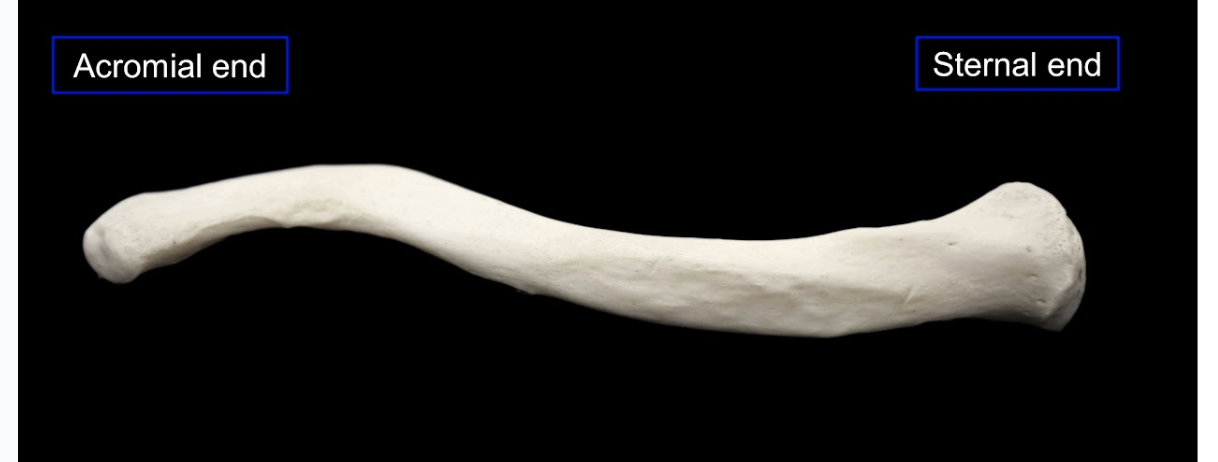
head of rib

Costal groove
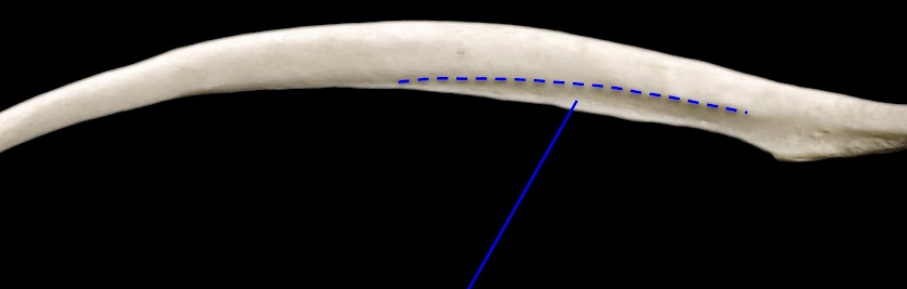
Subscapulara fossa

Caroid process

acromion

Surascapuler notch

Glenoid cavity

Lesser tubercle
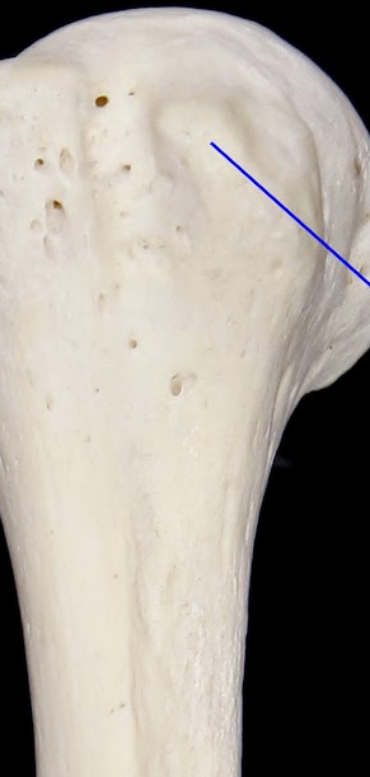
Greater tubercle

Capitulum

Troccoli

Lateral epicondyle

Meteor epicondyle

Ulnar sthyloid process

Radio notch

Radio

Tibio plateau

Know

Study

This
Should air

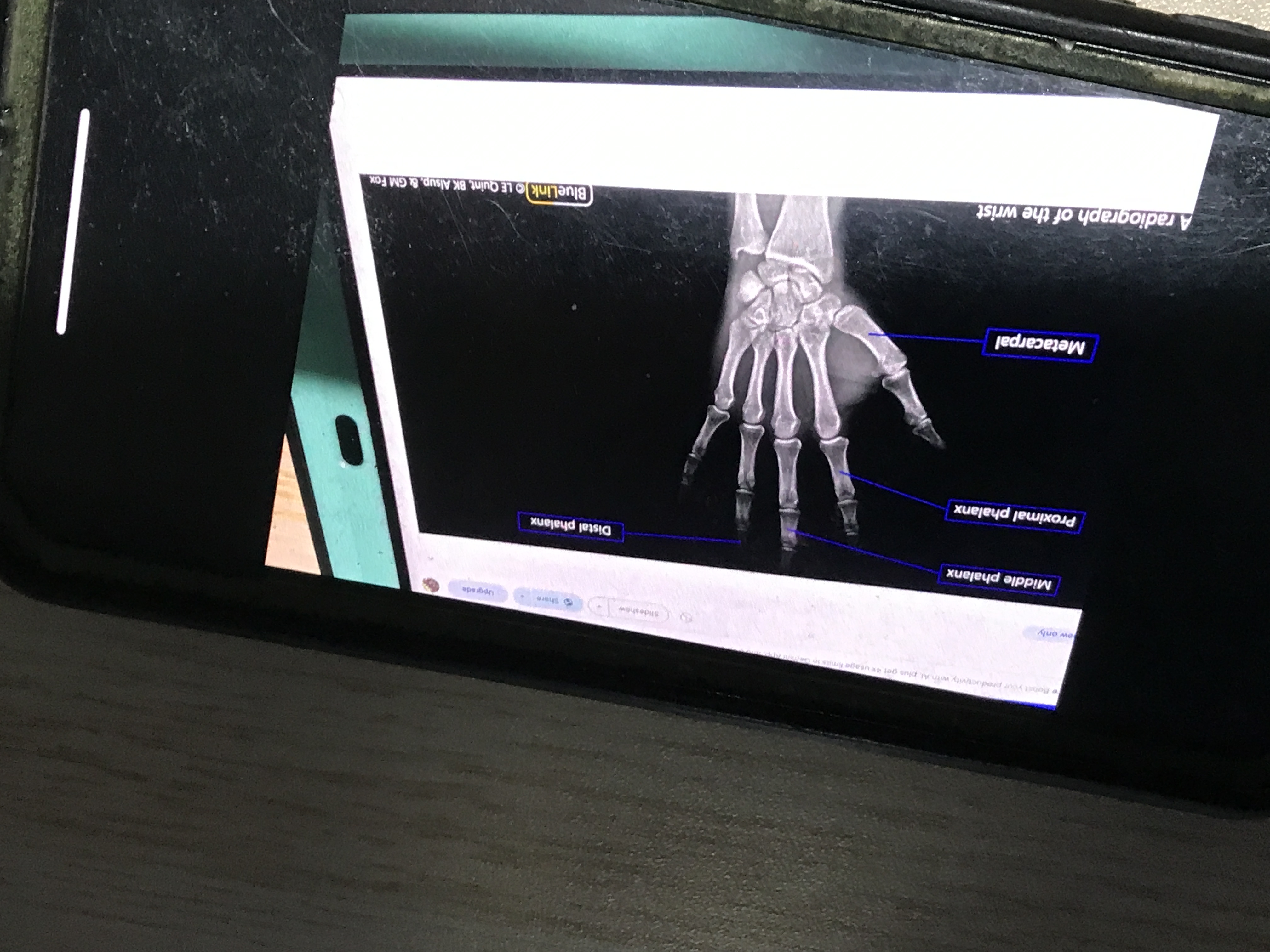
Scaphoid

So long to pinky here comes the thumb
Schapoid lunate triquetrum pisiform hamate capitate trapezoid trapezium
Cuboid

Lateral cuneiform

Middle cuneiform

Medial cuneiform

Base of metatarsal

Humero ulnar joint

Foot

Posterior talofibular ligament

Posterior tibiofibular ligament
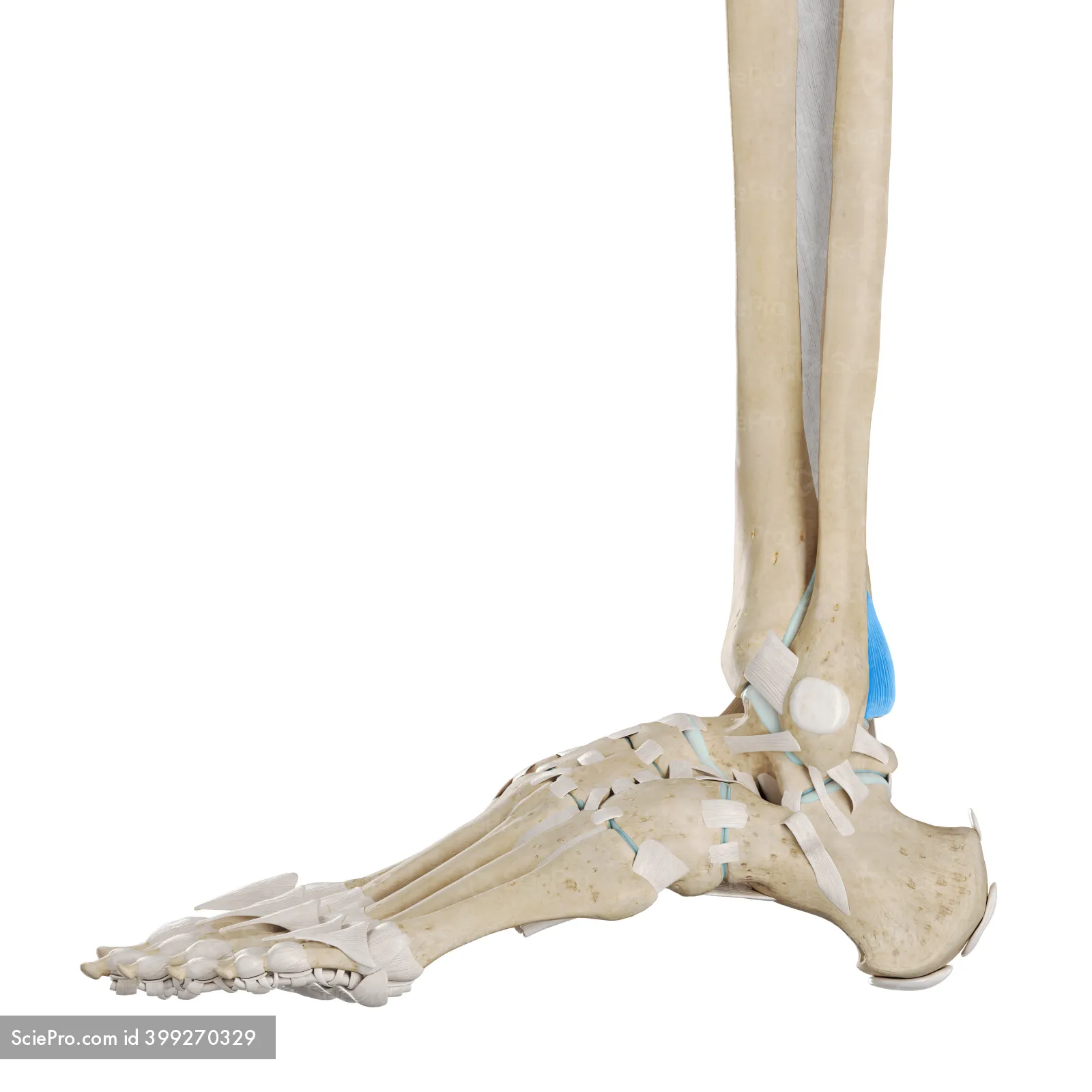
Lateral malleolus

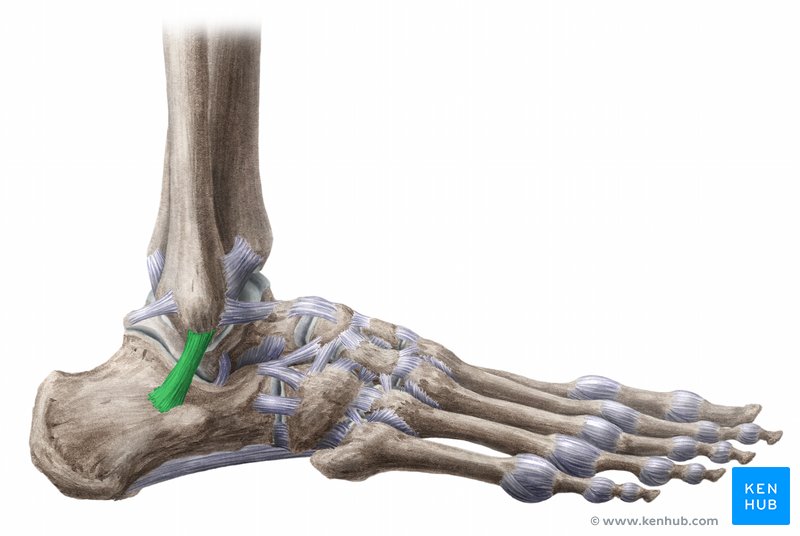
Calcaneoofibular ligament
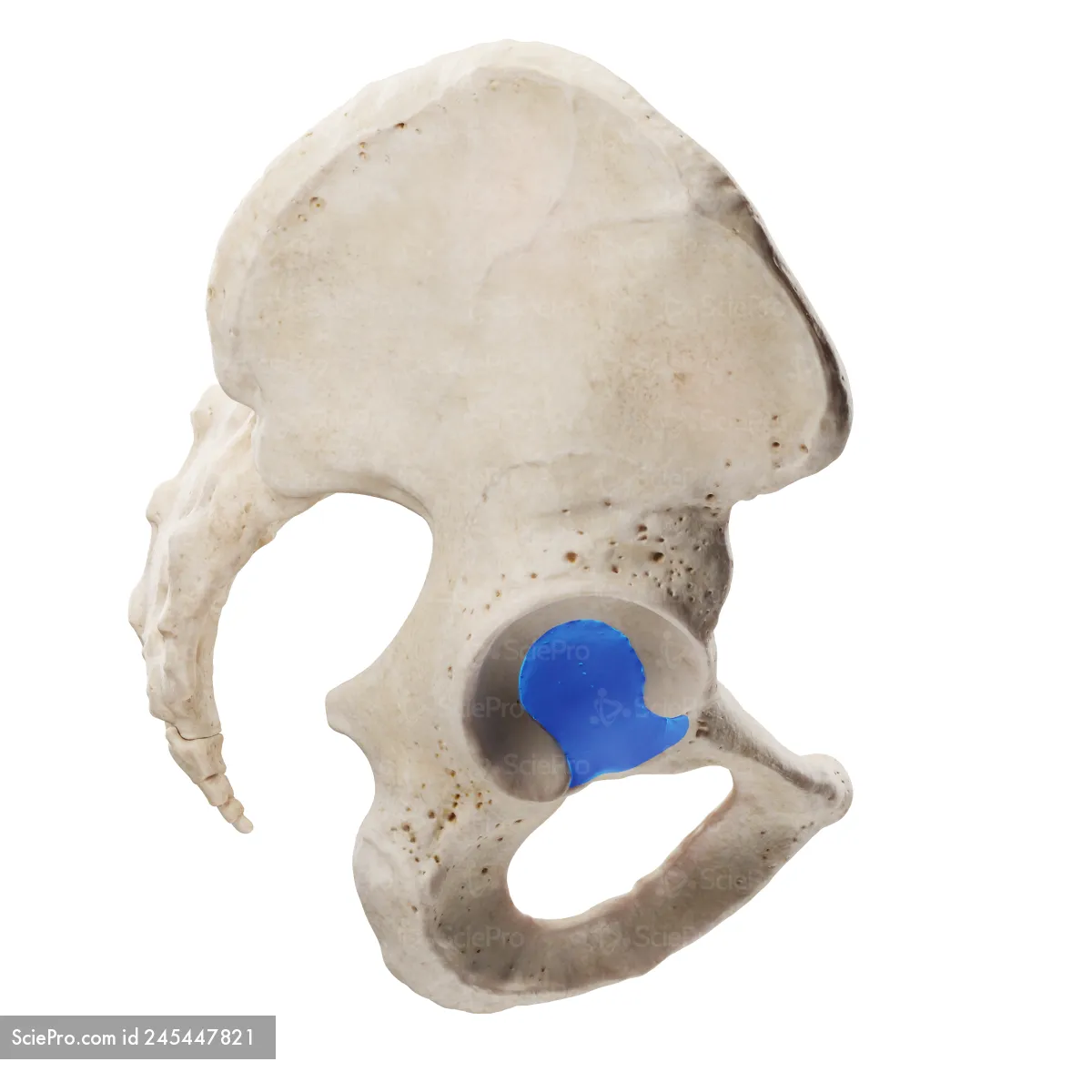
Acetabulum
Head of femur

Ligament of head of femur

Distal

Intercondyle fossa