1. Transition, Circulation & Respiratory Changes
 Call Kai
 Learn
 Practice Test
 Spaced Repetition
 Match
 Flashcards
 Knowt Play
1/26

There's no tags or description
Looks like no tags are added yet.
27 Terms
what is the neonatal period?
the first 28 days of life
first 60 mins = golden hour
which four functions must the newborn establish after birth? *
pulmonary gas exchange
systemic perfusion
glucose regulation
thermoregulation
why can a problem with one newborn transition affect the others? *
respiratory distress, hypothermia, hypoglycemia, and circulatory problems can worsen one another
how does vascular resistance change after birth?
first breaths decrease pulmonary resistance, and cord clamping increases systemic resistance
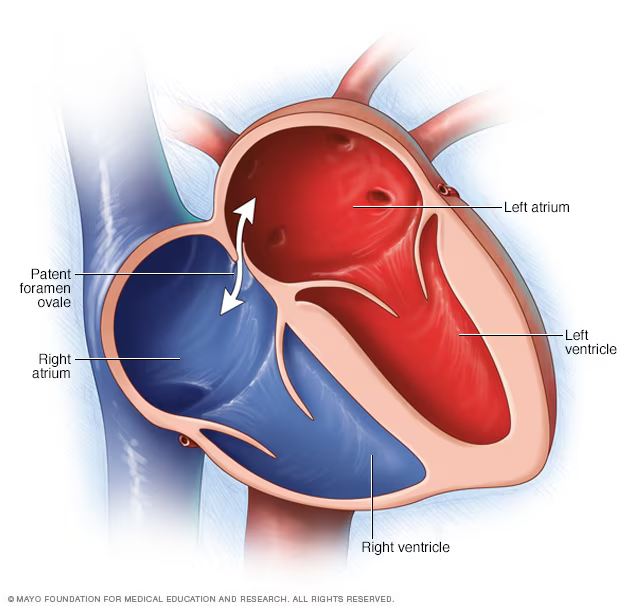
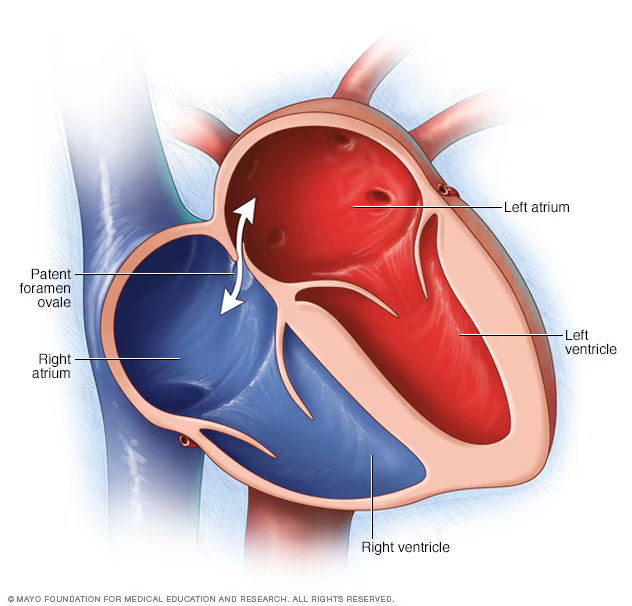
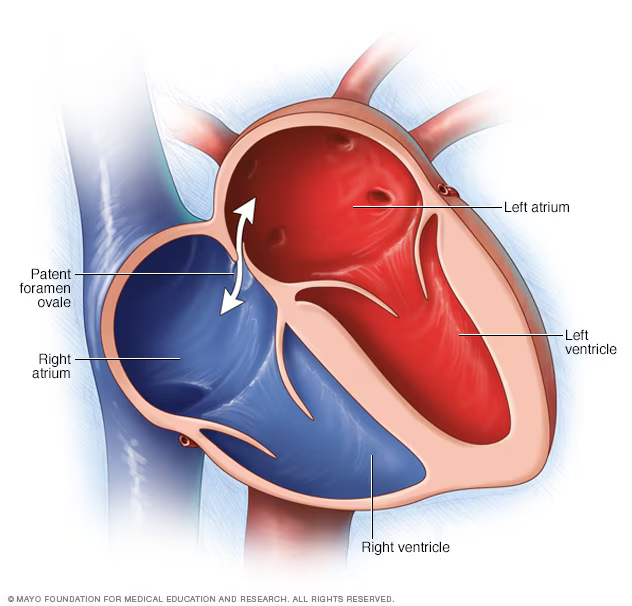
what is the foramen ovale?
an opening between the atria
allows fetal blood to bypass the lungs
what causes the foramen ovale to close?
increased left atrial pressure after the newborn begins breathing
what is the ductus arteriosus?
a connection between the pulmonary artery and aorta that bypasses the fetal lungs

what is the ductus venosus?
a shunt carrying blood from the umbilical vein toward the inferior vena cava, bypassing the liver
how many vessels should the umbilical cord contain? *
2 arteries and 1 vein
an abnormal vessel count can indicate associated anomalies
when does the foramen ovale close? *
within minutes after birth

when does the ductus arteriosus close? *
10–15 hours after birth
which medication promotes closure of a patent ductus arteriosus? *
indomethacin
inhibits prostaglandins
when does the ductus venosus close? *
functional closure within minutes after birth
structural closure in 3–7 days
where is preductal oxygen saturation measured? *
right hand
where is postductal oxygen saturation measured? *
left hand, either foot
how long is cord clamping delayed in a vigorous newborn? *
30–60 seconds after birth
what are the benefits of delayed cord clamping? *
increased blood volume and hemoglobin
improved iron stores
helps transition to life outside womb
why are newborns at higher risk for jaundice?
newborn RBCs live 80–100 days, so faster breakdown produces more bilirubin
why may a newborn delivered by cesarean retain more lung fluid?
the newborn misses the thoracic squeeze that helps expel fluid during vaginal birth
what does surfactant do? *
reduces alveolar surface tension and prevents atelectasis
when does fetal surfactant production begin? *
around 26 weeks
lungs reach maturity around 35 weeks
normal respiratory rate for a newborn *
30–60 breaths/min
respirations are irregular, so count for one full minute at rest
what is periodic breathing in a newborn?
brief pauses up to 10 seconds without cyanosis or bradycardia
normal for the first few days
what breathing pause indicates newborn apnea? *
at least 20 seconds of no breathing, or a shorter pause with cyanosis or bradycardia
medical emergency !!!
what is acrocyanosis?
blue hands and feet, expected in newborns

what is central cyanosis?
blue face, oral mucosa, or trunk
abnormal, indicating oxygenation issues

what findings indicate newborn respiratory distress?
tachypnea
retractions
nasal flaring
expiratory grunting
central cyanosis