Shoulder Complex
 Call Kai
 Learn
 Practice Test
 Spaced Repetition
 Match
 Flashcards
 Knowt Play
1/142

There's no tags or description
Looks like no tags are added yet.
143 Terms
What four bones make up the shoulder complex
Clavicle
Scapula
Humerus
Sternum
What does the sternal end of clavicle connect to
Sternum
What does the acromial end of the clavicle connect to
Acromion process of the scapula, forming the AC joint
What attaches to the Conoid tubercle of the clavicle, and what is it function
Conoid ligament (part of the coracoclavicular ligament); helps stabilize the AC joint
What attaches to the trapezoid line of the clavicle, and what is the fucntion
Trapezoid ligament; helps stabilize the clavicle
What is the function of the acromion process
Forms the top of the shoulder and connects to the clavicle
What muscles attach to the coracoid process of the scapula
Short head of the biceps brachii, coracobrachialis, and Pectoralis minor
What is the function of the spine of the scapula
Ridge on the back of the scapula that seperates the supraspinous and Infraspinous fassae
What bones connect to form the glenohumeral joint
Head of the humerus, and the glenoid cavity of the scapula
What is the function of the glenoid cavity
Shallow socket that connects with the head of the humerus to form the shoulder joint
What attaches to the supraglenoid tubercle
Long head of the biceps brachii
What attaches to the infraglenoid tubercle
Long head of the triceps brachii
What muscles occupies the Infraspinous fossa
Infraspinatus
What muscle occupies that subscapular fossa
Subscapularis
What does the head of the humerus connect to
Glenoid cavity of the scapula
What three rotator cuff muscles attach to the greater tubercle of the humerus
Supraspinatus, infraspinatus, and teres minor
What muscle attaches to the lesser tubercle of the humerus
Subscapularis
What is found in the intertubercular groove (bicipital groove)
Tendon of the long head of the biceps brachii
What muscles attach to the deltoid tuberosity
Deltoid
What does the anatomic neck of the humerus seperate
Head of the humerus from the tubercles
What is significant about the surgical neck of the humerus
Common location for humerus fractures
What is the manubruim
Upper portion of the sternum that connects to the clavicles
Why are the clavicular notches
Indentation on the manubruim where the clavicles connect
What is the jugular notch
Indentation at the top of the sternum
What is the body of the sternum
Main portion of the sternum that connects to the costal cartilages of the ribs
What is the xiphoid process, and what muscles attach to it
Bottom portion of the sternum; attachment site for the diaphragm and rectus abdominus
What are the four joints/articulations of the shoulder complex
Sternoclavicular (SC), acromioclavicular (AC), glenohumeral (GH), and scapulothoracic (ST)
What bones form the SC joint
Clavicle and sternum
What type of joint is the SC joint
Synovial saddle joint
How is the SC joint classified
Diarthosis
What movements are possible at the SC joint
Elevation, depression, protraction, retraction, and rotation
Why is the SC joint relatively stable
Strong ligaments and articular disc
Why is the SC joint important
It is the only direction Boney connection between the upper limb and axial skeleton
Wha bones form the AC joint
Acromion of the scapula and the clavicle
What type of joint is the AC joint?
Synovial plane joint
How is the AC joint classified
Diarthrosis
What movements are possible at the AC joint
Gliding, rotation, and small adjustments that allow the scapula to move during arm elevation
Why is the AC joint less stable
It has little bony support and relies heavily on ligaments, especially the coracoclavicular ligaments
What bones form the GH joint
The head of the humerus and the glenoid cavity of the scapula
What type of joint is the GH joint
Synovial ball-and-socket joint.
How is the GH joint classified
Diarthosis
What movements are possible at the GH joint
Flexion, extension, abduction, adduction, internal rotation, external rotation, horizontal abduction, horizontal adduction, and circumduction
Why is the GH joint the least stable shoulder joint
It has a shallow socket and allows a large range of motion
What structures help stabilize the GH joint?
Rotator cuff muscles, labrum, joint capsule, and ligaments
What structures form the scapulothoracic articulation
scapula and rib cage
What type of joint is the ST joint
Functional articulation
How is the ST joint classified
It is not formally classified as a synarthrosis, amphiarthrosis, or diarthrosis.
What movements are possible at the ST joint
Elevation, depression, protraction, retraction, upward rotation, and downward rotation
What muscles help stabilize the ST joint
Serratus anterior and trapezius
Why does the ST joint rely on surrounding muscles for stability
It has no true joint capsule or ligaments holding it in placE
What ligaments help stabilize the SC joint?
Anterior SC ligament, posterior SC ligament, costoclavicular ligament, and interclavicular ligament.
What movement does the anterior SC ligament prevent
What movement does the anterior SC ligament prevent
What movement does the posterior SC ligament prevent
Excessive backward movement of the clavicle
what movement does the costoclavicular ligament limit
Excessive elevation of the clavicle
What movement does the interclavicular ligament limit?
What movement does the interclavicular ligament limit?
What ligaments help stabilize the AC joint
AC ligament and coracoclavicular ligament
AC ligament and coracoclavicular ligament
AC ligament and coracoclavicular ligament
What is the function of the conoid ligament
Helps prevent excessive movement between the clavicle and scapula and stabilizes the AC join
What is the function of the trapezoid ligament
Helps stabilize the AC joint by resisting compression and excessive movement between the clavicle and scapula
What does the coracoclavicular ligament connect
coracoid process of the scapula to the clavicle
What is the main function of the coracoclavicular ligament
Prevents separation of the scapula and clavicle and helps stabilize the AC joint.
What ligaments help stabilize the GH joint
Superior GH ligament, middle GH ligament, inferior GH ligament, coracohumeral ligament, and transverse humeral ligament
What movement does the superior GH ligament prevent
Downward displacement of the humeral head.
What movements does the middle GH ligament limit
Excessive external rotation and forward (anterior) movement of the humeral head.
What movements does the inferior GH ligament prevent
Excessive anterior, posterior, and inferior movement of the humeral head, especially when the arm is raised.
What is the function of the coracohumeral ligament
Supports the humeral head and helps prevent downward displacement.
What is the function of the transverse humeral ligament
Holds the tendon of the long head of the biceps in the intertubercular (bicipital) groove.
what are the ST joint limagments
None. It is not a true anatomical joint
What provides stability to the ST joint
Surrounding muscles, including the serratus anterior, upper trapezius, middle trapezius, lower trapezius, and rhomboids
What is the function of the muscles that stabilize the ST joint
They control scapular movement and positioning.
What is the relationship between the GH ligaments and the joint capsule?
The GH ligaments are thickened portions of the joint capsule
What is the function of the GH ligaments
They reinforce the joint capsule and prevent excessive movement
What structures does the GH joint capsule surround
humeral head and glenoid cavity
How do the GH ligaments and joint capsule work together
They provide stability while still allowing a large range of motion
What plexus do most of the nerves supplying the shoulder complex originate from?
brachial plexus (C5–T1).
Normal ROM for flexion
0-180
Normal ROM for Extension
0-60
Normal ROM for Abduction
0-180
Normal ROM for Adduction
0-45
Normal ROM for IR
0-70
Normal ROM for ER
0-90
Normal ROM for Horizontal shoulder abduction
Normal ROM for Horizontal shoulder adduction
0-135

Clavicle

Scapula

Infraspinous fossa

Subscapular fossa

Head of humerus

Greater tubercle

Lesser tubercle

Anatomical neck of humerus

Deltoid tuberosity

bicipital groove

Surgical neck of humerus
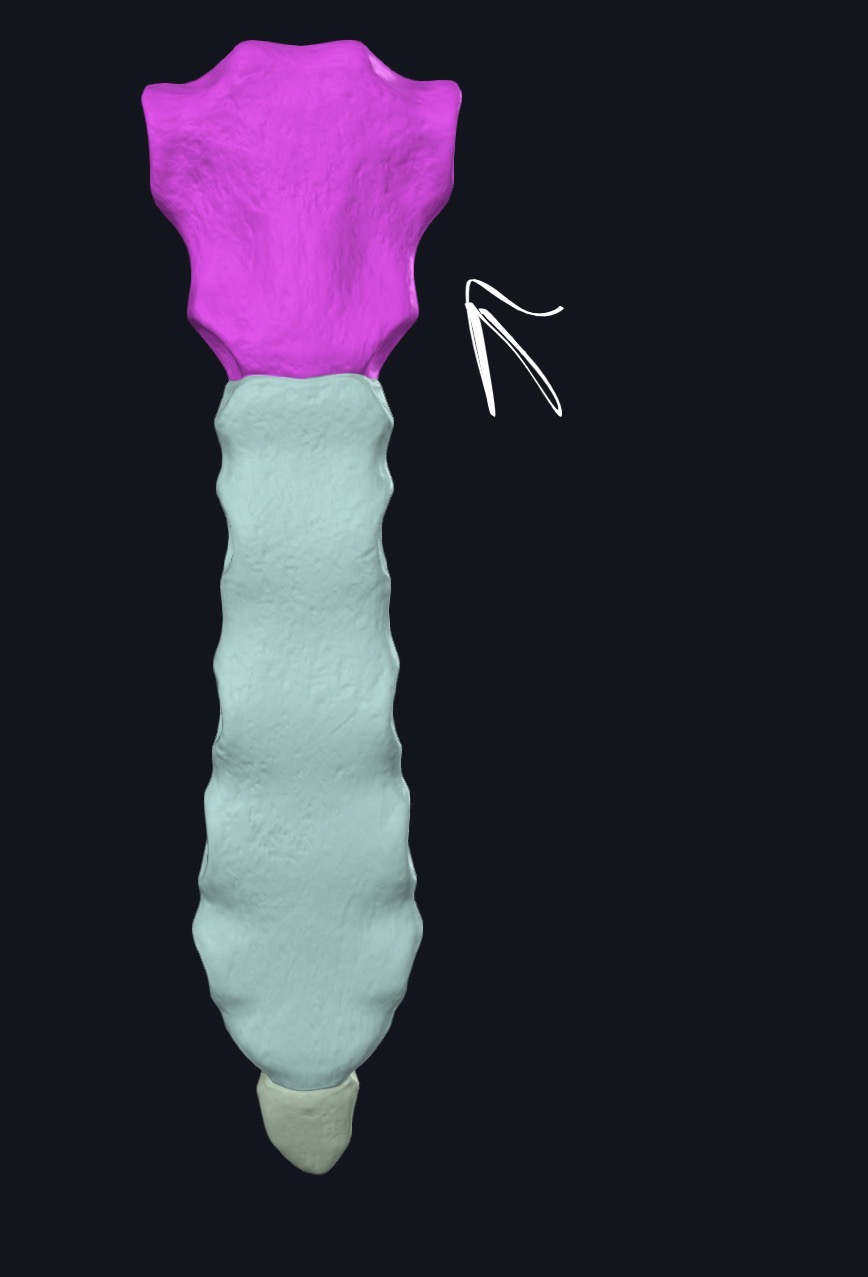
Manubrium of sternum
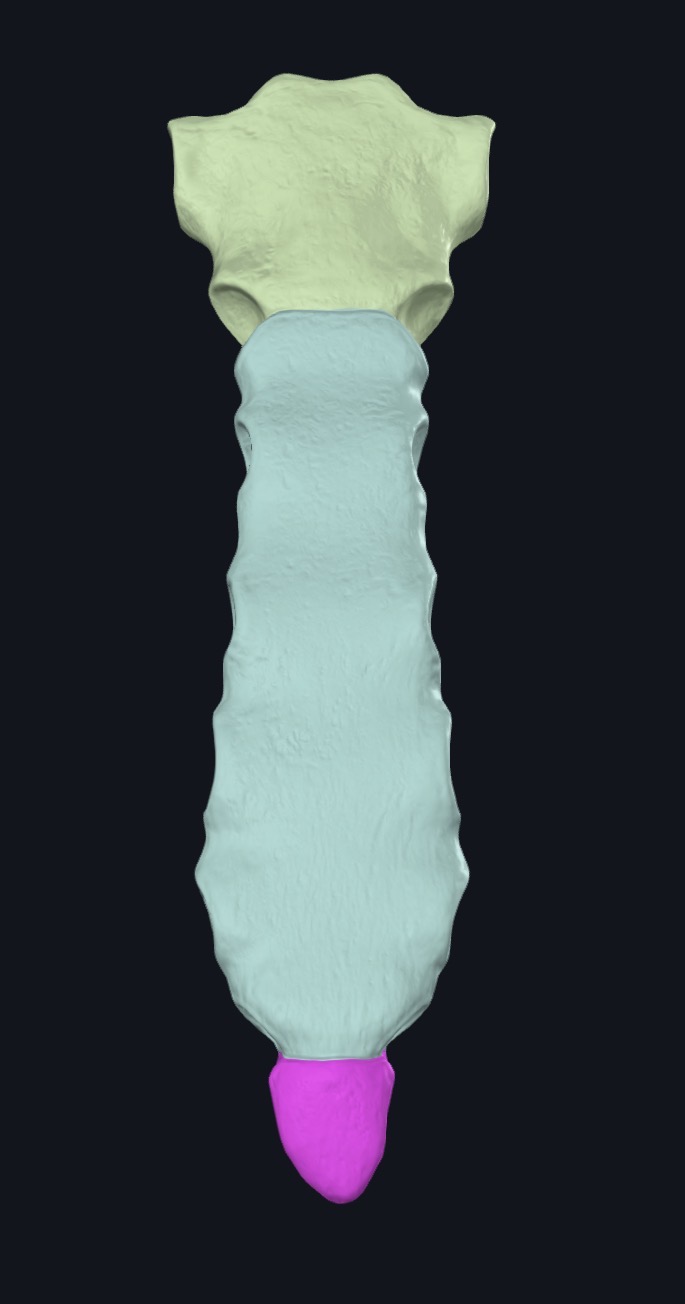
Xiphoid process

Body of sternum

Clavicular notch

Jugular notch

Infraglenoid tubercle