BETTER unit 3 history
 Call Kai
 Learn
 Practice Test
 Spaced Repetition
 Match
 Flashcards
 Knowt Play
1/67

There's no tags or description
Looks like no tags are added yet.
68 Terms
4 things Jefferson did
Cut army and Navy (followed his philosophy)
Sally Hemings
Louisiana Purchase (1803) - very good, did NOT follow his philosophy.
Embargo Act- very bad & against his philosophy (strong federal power)
Jefferson 1800
3rd president (HATED IT)
“Man of the People” - not really
constantly stressed as president (migraines)
compared being in the White House to being imprisoned.
tombstone lists his accomplishments — but not “President of the United States.”
“We are all Republicans. We are all Federalists” (peaceful transition of power)
lived for 83 years
extra: promised he would never remarry
Sally Hemings
38-year relationship with jefferson
began when she was 14
he freed their kids
could have stayed free in France but chose to return to Virginia under
conditions (reportedly including freedom for their children).
six kids- 4 survived
Louisiana Purchase (1803) – “Very Good”
France sold the Louisiana Territory for 15 mill
(3 cents an acre)
doubled the size of the U.S. opened huge western lands to farmers.
jefferson puts US and debt and interprets a lose view of constitution in order to buy land (very hamilliton) !
Jefferson cutting army and navy
federal government should be small and weak.
president he cut (gutted) the army and navy
NO NAVY = Britain and France hijacked U.S.
merchant ships and we couldn’t stop them.
Embargo Act of 1807 – “Very Bad”
Background: Britain and France were still seizing American ships.
Jefferson had weakened the navy, the U.S. couldn’t stop them by force.
law passed- shut down ALL American overseas trade
ECONOMIC DISASTER
massive backfire at home, devastates the economy.
WAR OF 1812 reasons-
OFFICAL- impressment and hijacking (britain agreed to stop months earlier)
REAL REASON- Britain distracted fighting Napoleon
lets invade and TAKE CANADA (especially war hawks)
WAR HAWKS
Young pro-war members of Congress from the West.
• Led by Henry Clay (Speaker of the House).
• They wanted land (Canada, West), and glory like their fathers had in the Revolution.
1812 war break down
1- U.S. tries to invade Canada: 3x we fail, then we burn gov buildings in York (British capital of Canada, today- Toronto)
2. Britain finishes beating France in Europe.
Now they can send real troops and ships to North America — and they are angry.
3.. British invade America- Capture Washington, D.C. (1814).
British march into the capital and burn public buildings, White House and Capitol.
. 4. Battle of New Orleans (1815).
Battle of New Orleans
British troops attack New Orleans.
o U.S. forces under Andrew Jackson are dug in, using frontier-style tactics.
o British fought in old-school straight lines and got destroyed.
o Overwhelming American victory
o Result: Jackson becomes a national hero
american- over 300
british- over 2000
twist of new orleans
The Treaty of Ghent (peace treaty ending the war) had already been signed about two
weeks earlier.
• News traveled slowly, so Americans heard “Huge victory at New Orleans!” before they
heard “War’s already over.”
• That made Jackson look like the savior of America.
Results of the War of 1812 (know all four)
1. Two new American heroes who will become presidents:
o Andrew Jackson-hero of New Orleans
o William Henry Harrison-hero against Tecumseh
2. End of effective Native American resistance.
3. End of the Federalist Party.
4. Huge surge of American nationalism/patriotism.
o People started calling themselves “Americans,” not just “Virginians,” “New Yorkers,” etc.
James Monroe
(1816-1824)
Last president from the Revolutionary generation.
Sometimes called the last of the “Founding Father era.”
Issue #1: Missouri Compromise (1820)
Issue #2: Monroe Doctrine (1823)
Issue #1: Missouri Compromise (1820)
the land from the Louisiana Purchase will be free or slave?
slavery became a national crisis in Congress.
Missouri (part of the Louisiana Purchase) wanted to enter as a slave state.
• Northerners worried that would set the pattern for the entire West.
clay creates 3 part compromise- 1. Missouri enters as a slave state.
2. Maine enters as a free state.
3. For future states from the Louisiana Purchase:
o Anything north of 36°30' latitude will be free.
Why this is important:
• It keeps the balance between free and slave states
• treated at the time almost like a sacred document.
• BUT it only lasts about 30 years. Congress will later repeal it in the 1850s, and that leads
to the Civil War.
Issue #2: Monroe Doctrine (1823)
background: Many Latin American countries (Mexico, etc.) had just kicked out Spain and declared
independence.
• The U.S. warned Europe: No new colonies in the Americas. Stay out.
idea came from Secretary of State John Quincy Adams
first time the U.S. claims kind of a “big brother” role in the Americas.
CATCH- The Monroe Doctrine told Europe to stay out did not say the U.S. would stay out.
Over the next century-plus, the U.S. will constantly intervene in Central and South America.
Erie Canal
NORTH
economic superhighway opens the Midwest up to consumer goods
makes for easier transportation.
Leads to more industry in the north.
Brainchild of NY Governor DeWitt Clinton
Cotton Gin
SOUTH
agriculture= new invention
cotton= “white gold”
makes the south dependent on cotton and slavery
south will want to take cotton and slaves west/ north say no = later on civil war
Power loom
North
accelerates the growth of factories
weaves the cotton into cloth.
Westward expansion
After the Louisiana Purchase, Americans are racing west for land.
By the 1820s, huge areas of land are available very cheap or free.
Native people are pushed aside as Americans move west.
Mexico controls a lot of what will become the Southwest and Texas — Americans are already eyeing it.
Native Resistance and Tecumseh
during war of 1812 era
Native Americans were also fighting U.S. expansion.
Native military leader: Tecumseh (Shawnee)
Tecumseh
Native military leader: (Shawnee)
stop fighting tribe vs. tribe. Unite all tribes into one large confederation
to resist U.S. land grab
success in organizing the northern tribes
little success in organizing the southern tribes, they have assimilated into American society.
The prophet
Tecumseh brother
spirtual leader
was supposed to watch the tribes in Prophetown Indiana (not fight)
didnt listen- spirtual powers would protect from bullets
Tippecanoe (1811) 1st battle
Gen. William Henry Harrison attacks Native-American army
while Tecumseh is away in the south.
Destroys his northern army
Thames (pronounced “Tims,” 1813) 2nd battle
Harrison’s troops defeat remaining Native
kill Tecumseh.
After Tecumseh’s death, there is no large-scale effective Native military resistance left.
It’s pretty much the end of Native American resistance to westward American expansion.
Daniel Boone
first American action hero,
early frontier/ settles Kentucky,
expansion past the Appalachians.]
AGAINST the shawnee
Lewis and Clark
exploring Louisiana territory to Pacific Northwest
Sacajawea saves them
first Americans to reach Pacific ocean overland
Jedediah Smith
exploring rock mountains
frontier hard currency- beaver polts
6000 cal a day = 10 whataburgers
Fronteirs most terrifying beast = grizzly bear
trails become interstate 15
Donner Party
Trying to make it to cali (tragic wagon train)
Hastings Cutoff- “shortcut” adds 100 miles
30 miles from cali they have a breakdown and are stranded in 60 ft of snow
eat the dead, but not their own relatives
under them- GOLD
andrew Jackson- 1828-1836
First president not from the original 13 colonies.
Branded himself as the champion of the “common man.”
Ran against the “establishment” (John Quincy Adams, elites, banks, etc.).
jackson and trump
negative campaigns- corrupt bargin
trump- short temper
both against federal reserve
indian removal- deportation
5 issues under Jackson
Issue 1: Negative Campaigns / “Corrupt Bargain”
Issue 2: Bank of the United States (BUS)
Issue 3: Indian Removal / Trail of Tears
Issue 4: Texas
Issue 5: Birth of New Parties
jackson issue- Issue 5: Birth of New Parties
old Democratic-Republican Party splits.
Jackson’s wing becomes the modern Democratic Party.
Jackson → Democrats.
Whig Party
united mainly by “we hate Andrew Jackson.”
Whigs will briefly win the White House then fall apart.
\ Whigs collapse, the new Republican Party will rise in the 1850s
Anti-Jackson → Whigs → later Republicans
Issue 4: Texas JACKSON
Mexico originally encouraged Americans to settle Texas with big land grants.
-Mexico abolished slavery-Texas rebels
Those Americans (including Sam Houston and Davy Crockett) resist Mexican rule.
The Alamo becomes a heroic/tragic story
Battle of San Jacinto (1836):
Sam Houston captures Mexican leader Santa Anna
forces him to sign a treaty.
Texas declares independence.
o Mexico says “No, you’re still ours.”- Mexico later rejected the treaty's legitimacy and continued claiming Texas.
• Texas asks to join the U.S.
Jackson says not yet because it’s 1836 (election year) and Texas is a SLAVE territory.
o He doesn’t want slavery to blow up the election for his chosen successor.
• Result: Texas remains its own (slaveholding) republic for 9 years.
The fight over adding Texas will help lead to the U.S.-Mexico War.
Issue 3: Indian Removal / Trail of Tears - JACKSON
-Gave tribes two years to leave their homes and move west (Oklahoma).
The Supreme Court actually ruled in favor of the tribes’ right to stay. Cherokees v. Georgia.
Jackson ignored the Court and sent in the army anyway.
Forced marches west became known as the Trail of Tears.
Roughly 1 in 4 (about 25%) of the people forced west died.
The “Five Civilized Tribes”
Cherokee, Creek, Seminole, Chickasaw, Choctaw
Adopted many white/American customs
o Lived in houses, farmed, even owned enslaved people
o Had treaties promising they could keep their land
• Southern slaveholders wanted that land for cotton.
Issue 2: Bank of the United States (BUS)- JACKSON
BUS= bank of united states : federal government kept its money helped stabilize the economy
Jackson hated it and killed it, saying it favored the rich.
federal government then places its money in smaller state banks fun by Jackson’s friends. Leads to corruption and economic instability.
After the BUS is gone, the U.S. has repeated financial panics and depressions through the 1800s.
don’t get lasting stability again until the Federal Reserve System (1913).
Issue 1: Negative Campaigns / “Corrupt Bargain” JACKSON
Election of 1824:
Election of 1828
Election of 1824:
o 4 Democratic-Republicans run.
Jackson received the most votes but did not win an Electoral College majority.
The House of Representatives had to choose the president.
Henry Clay, Speaker of the House, disliked Jackson and supported John Quincy Adams.
Adams won the presidency.
Adams then appointed Henry Clay as Secretary of State.
Jackson accused them of making a "corrupt bargain."
Jackson returned to Tennessee and planned to run again.
Due to this “scandal” John Quincy Adams does not have a successful presidency.
Election of 1828
Adams side: “Jackson is a killer and his wife is immoral.”
Jackson side: “Adams is corrupt and decadent.”
Jackson’s wife Rachel dies right after the election; Jackson blames the attacks.

who is this
Shannon Lanier.
sixth-great-grandson of Thomas Jefferson and Sally Hemings.
effect of embargo act
farmers (jefferson supporters)- cant send crops overseas
New England cant ship- they start building factories *IRONIC HOW HAMILTON
Jefferson + Adams
They didn't talk to each other for over ten years.
later on wrote letters and renewed their friendship.
both died on the same day, July 4, 1826 the 50th anniversary of the Declaration of Independence.
Henry Clay
Ran 4x
Speaker of House of Rep (controls congress)
Wants US united
leader of warhawks
BAD- pushed US war to get canada
"corrupt bargain"- Secretary of State under President John Quincy Adams
TWO BATTLES AGAINST ENGLAND (Maddison)
1.America Invaded-White House Destroyed
2. Battle of New Orleans
William Henry Harrison
american gen
tippecanoe and thames
troops to prophetown indiana
secretary of State: John Quincy Adams
MONROE secretary of state
John Adams's oldest son
best Secretaries of State ever
Secretaries of State Becoming Presidents
Thomas Jefferson → James Madison
James Madison → James Monroe
James Monroe → John Quincy Adams
pattern ended with John Quincy Adams, who became the 6th president in 1825. His Secretary of State, Henry Clay, did not become the next president.
Sam Houston
Former governor of Tennessee and friend of Andrew Jackson.
Became the main military leader of the Texas Revolution.
Led the fight for Texas independence.
Later became an important political leader in Texas.
Davy Crockett
Former Tennessee congressman.
Opposed forcing Native Americans from their land.
Lost his reelection.
Traveled to Texas hoping for a fresh political start.
Became involved in the Battle of the Alamo.
Battle of the Alamo
Mexican forces attacked Texans at the Alamo.
Davy Crockett was among those who died.
The battle gave Sam Houston more time to organize his army.

who this
James Maddison
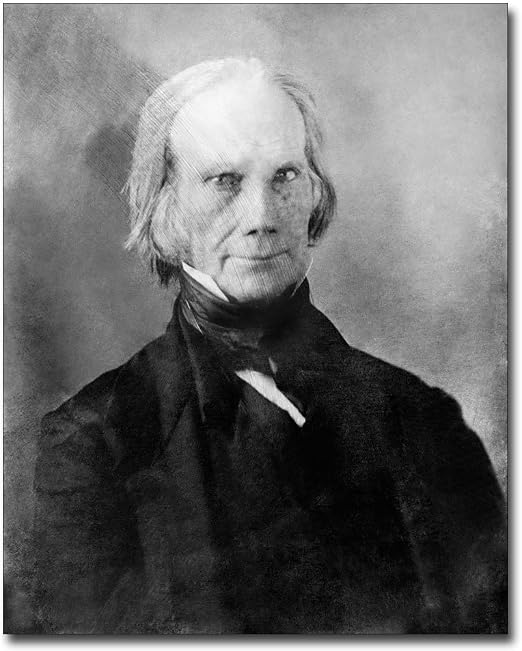
who
henry clay
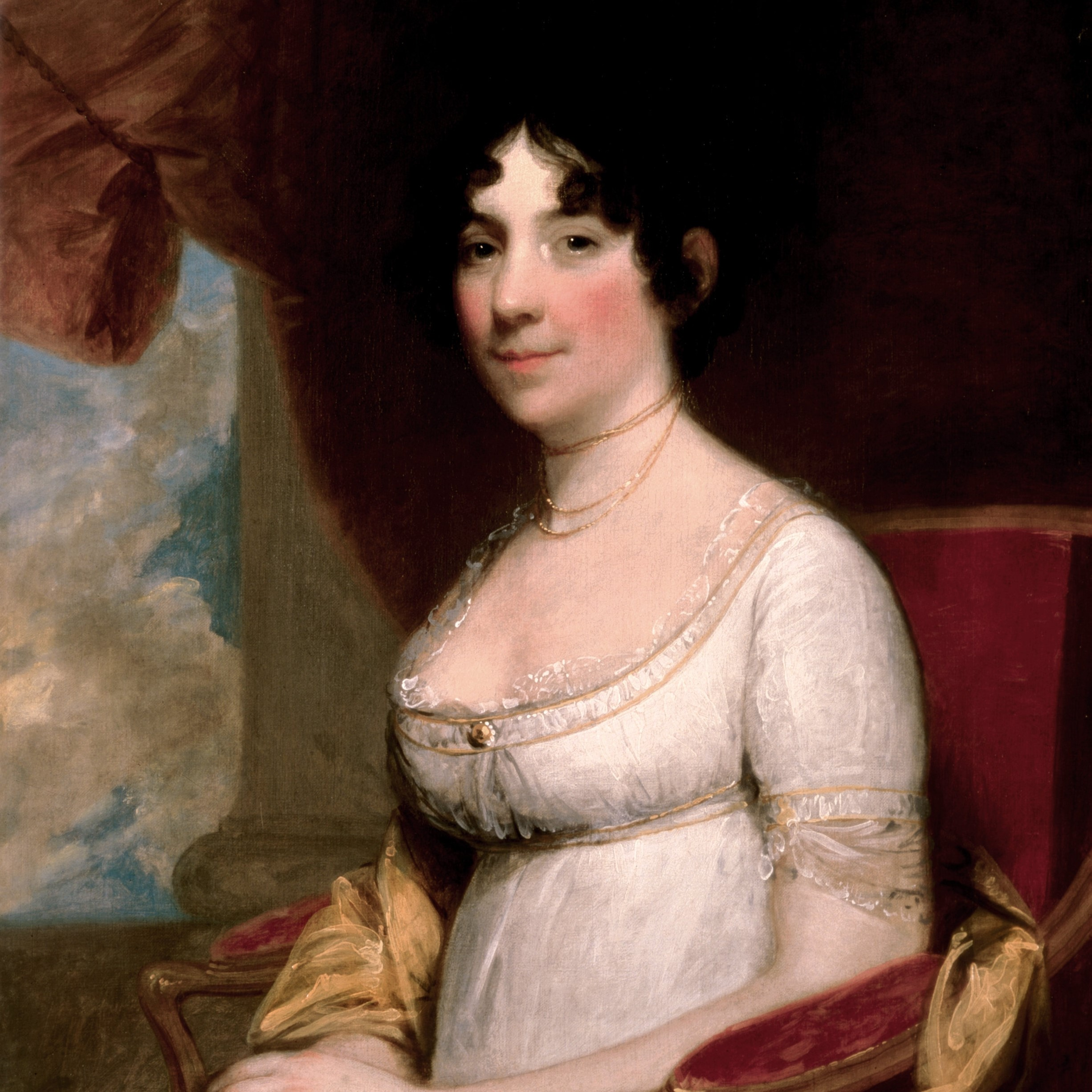
who
dolly maddison

Dolley Madison saving the portrait of George Washington right before the British capture Washington DC and burn down the White House.
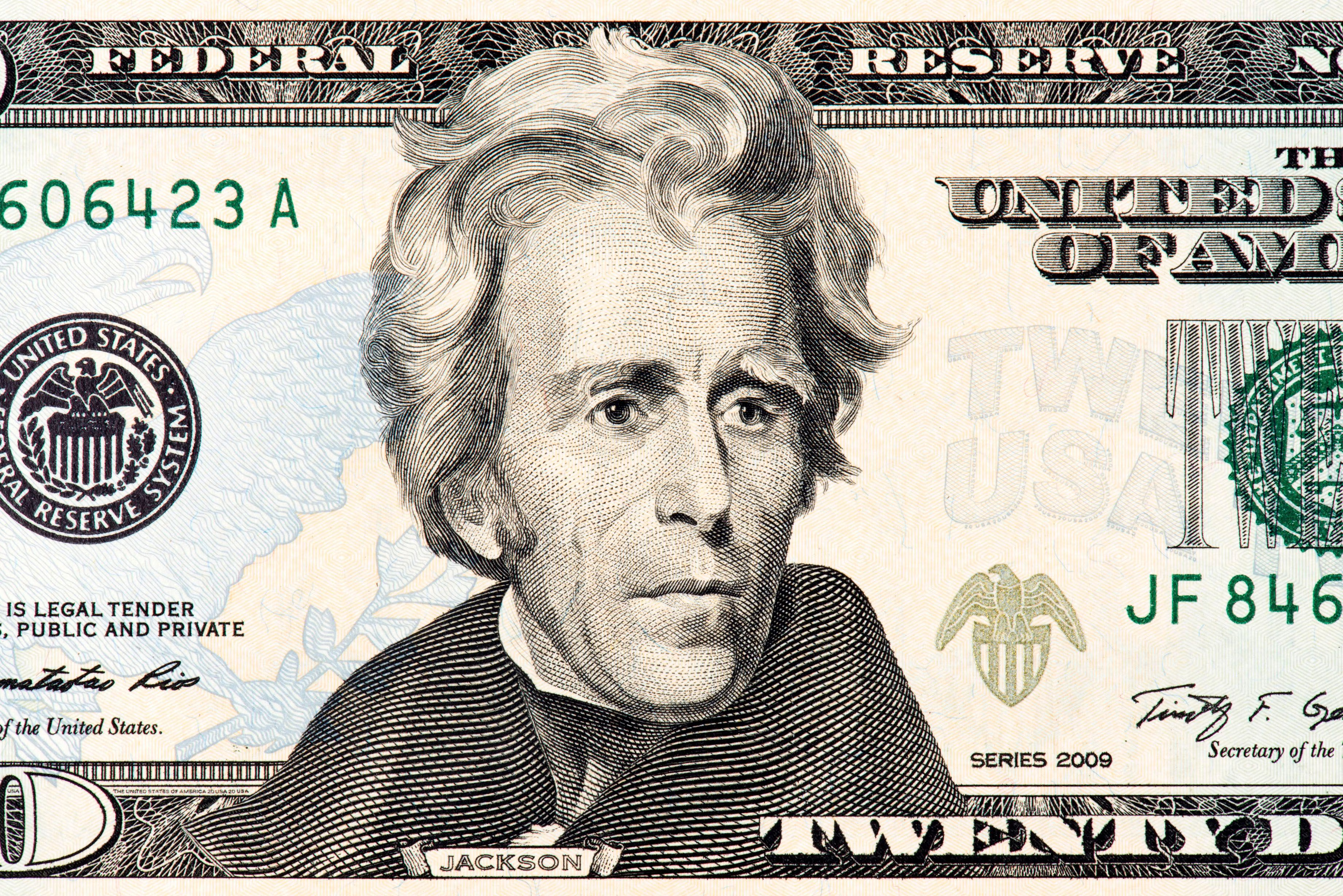
andrew jackson ($20)

Cherokees : assimilated into American society:
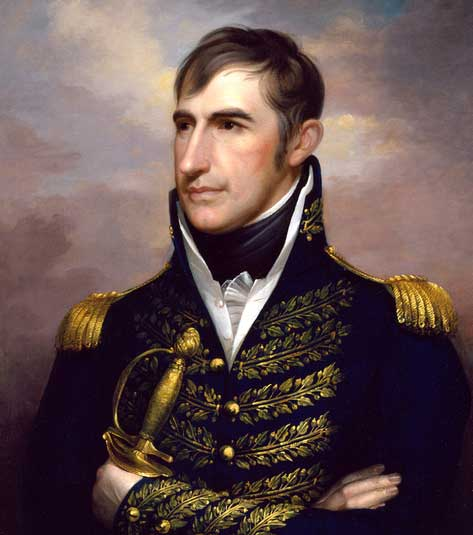
William Henry Harrison

james monroe

John Quincy Adams

Richard Gatchell.
fifth-great-grandfather is President James Monroe.

Donner Lake.

sam houston- Oodseeauduteskey

Davy Crockett
free states
Iowa: Des Moines
Minnesota: Saint Paul
Kansas: Topeka
Nebraska: Lincoln
Colorado: Denver
North Dakota: Bismarck
South Dakota: Pierre
Montana: Helena
Wyoming: Cheyenne
slave
)
Louisiana: Baton Rouge
Missouri: Jefferson City
Arkansas: Little Rock
Oklahoma: Oklahoma City
first 7 and where they from
George Washington — Virginia
John Adams — Massachusetts
Thomas Jefferson — Virginia
James Madison — Virginia
James Monroe — Virginia
John Quincy Adams — Massachusetts
Andrew Jackson — Born in the Carolinas, lived in Tennessee