Elements, compounds, mixtures and separation
 Call Kai
 Learn
 Practice Test
 Spaced Repetition
 Match
 Flashcards
 Knowt Play
1/46

There's no tags or description
Looks like no tags are added yet.
47 Terms
atom
the smallest part of an element
element
a substance made from only one type of atom
metals
elements that are shiny, conduct heat and electricity well, and often have high melting and boiling points
non-metals
elements that are not shiny, and do not conduct heat and electricity well
group
a vertical column of the Periodic Table
period
a horizontal row of the Periodic Table
mixture
two or more different substances that are not chemically joined to each other
molecule
two or more atoms covalently bonded together
compound
two or more atoms of different elements chemically joined
pure
a substance that contains only one type of particle (element or compound)
boiling point
the temperature at which a liquid turns into a gas
melting point
the temperature at which a solid turns into a liquid
An example of a mixture is...
air
An example of a compound is...
water
An example of an element is...
gold
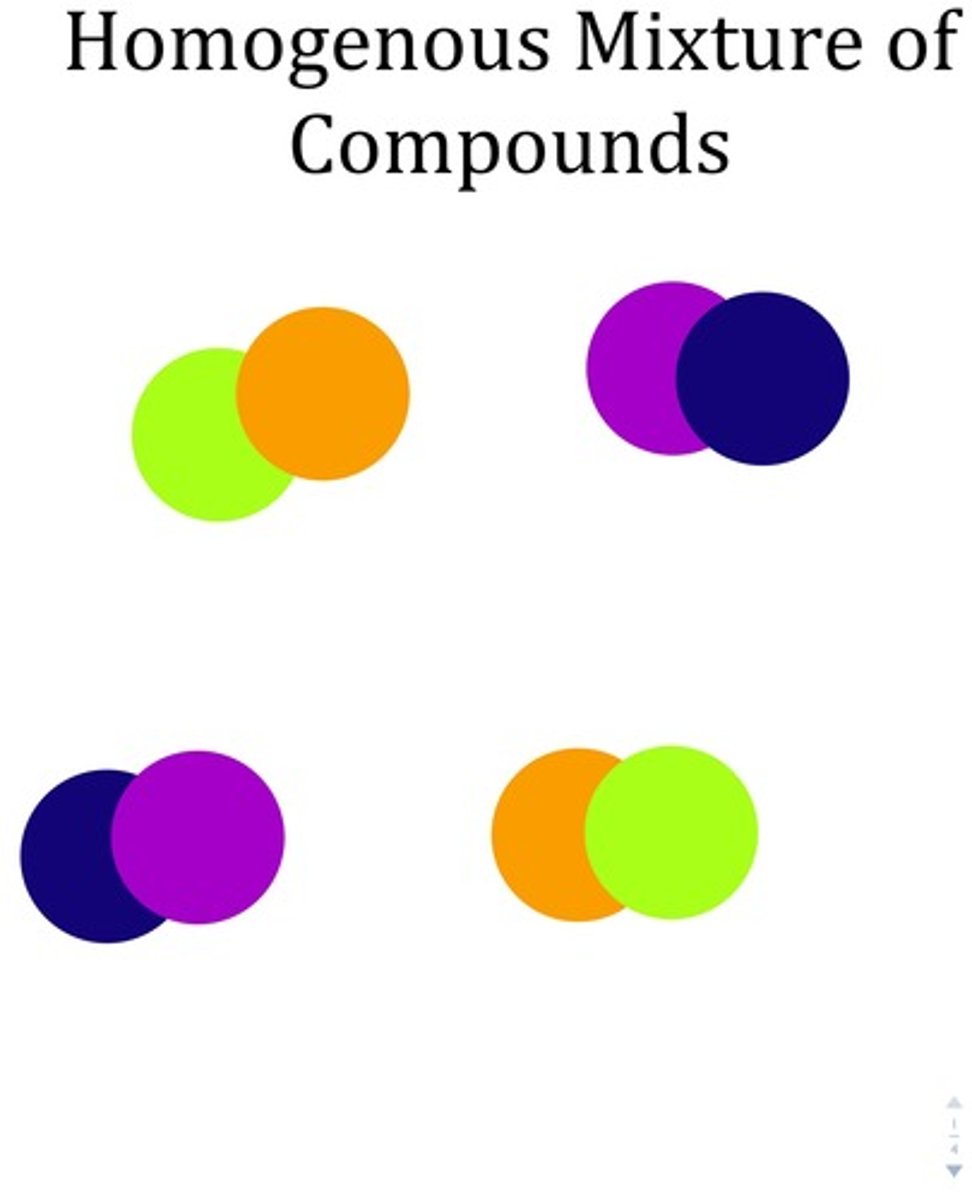
The particles of a mixture
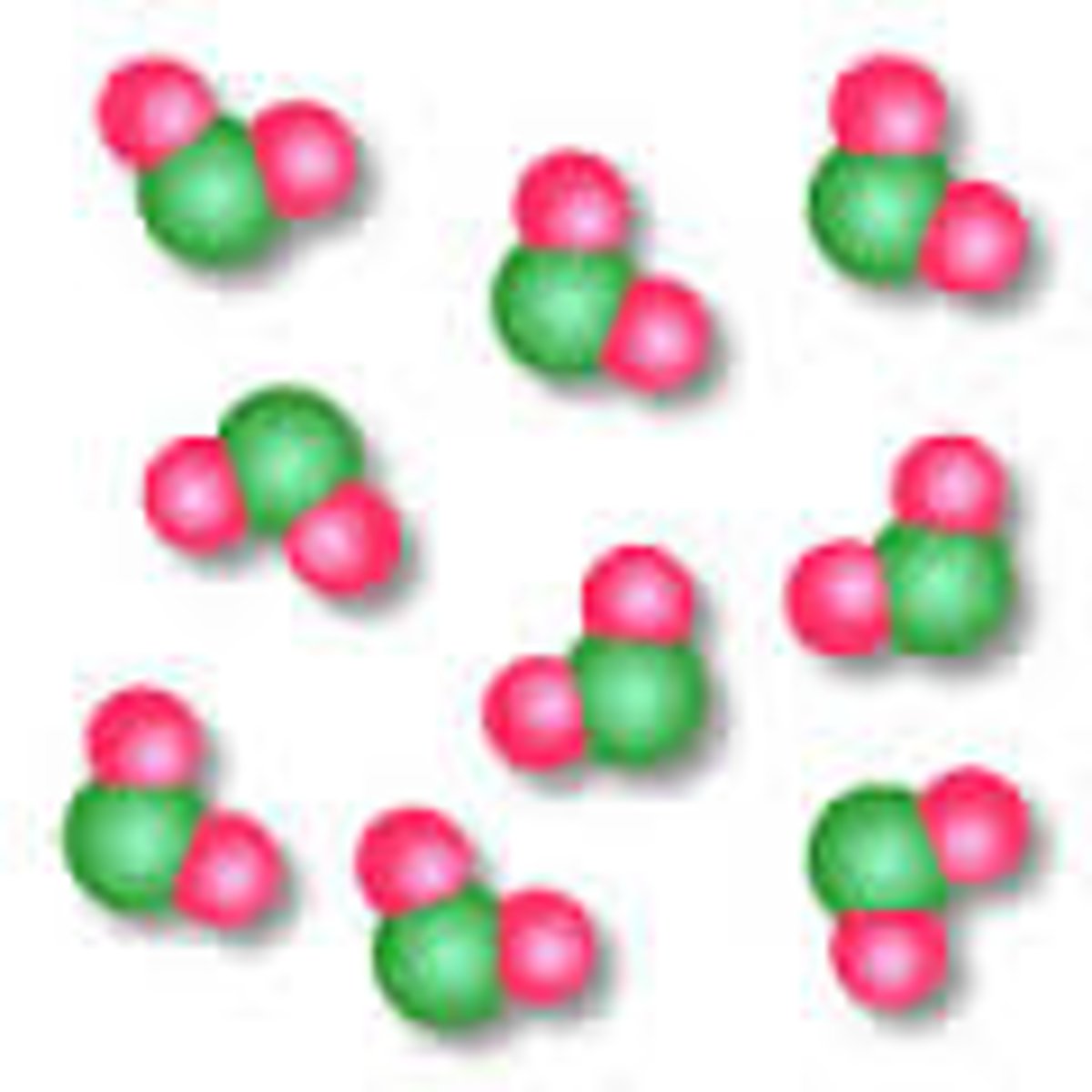
The particles of a compound
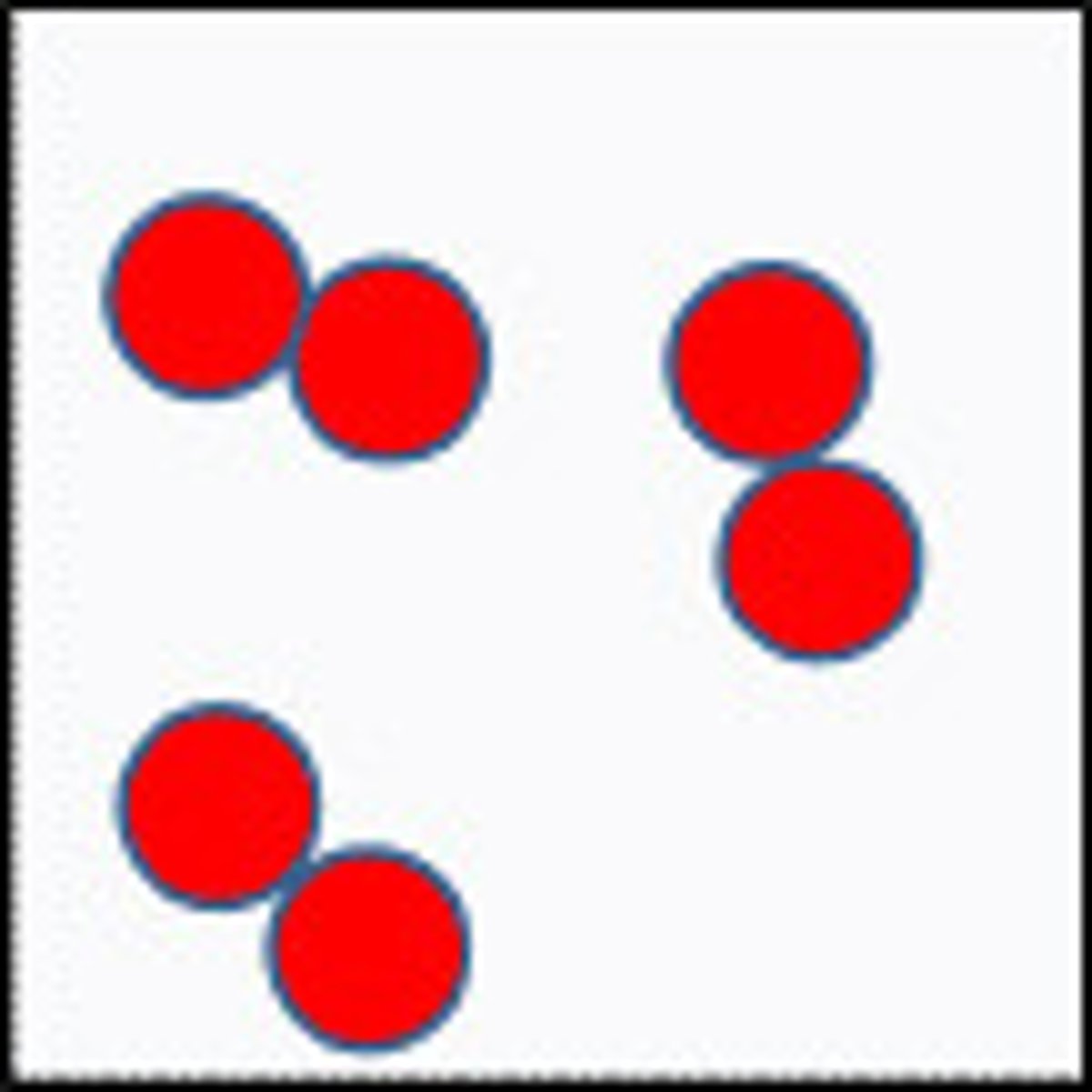
The particles of an element
Solution
A mixture that forms when one substance dissolves another.
Solvent
A liquid substance capable of dissolving other substances
Solute
A substance that is dissolved in a solution.
Solubility
A measure of how much solute can dissolve in a given solvent in g of solute per 100g of solvent.
Saturated
A solution that contains the maximum amount of dissolved solute
Dilute
a solution that contains a small amount of solute
Concentrated
a solution that has a relatively large amount of dissolved solute
Dissolve
To form a solution by mixing a solute into a solvent
Clear
A substance that allows light to pass through without being scattered (could be coloured or colourless)
Colourless
A clear liquid that has no colour
Cloudy
A liquid that does not allow light to pass through because it has tiny particles of solid (or another liquid) that scatter the light
Soluble
able to be dissolved
Insoluble
incapable of being dissolved
Evaporation
A process used to obtain the solute from a solution
Distillation
Boiling and then separately condensing a solvent to remove it from a solution
Fractional distillation
Separation of a liquid mixture into components with different boiling points
Filtration
the process that separates insoluble solid from the liquid in a mixture
Decanting
Separating a liquid from an insoluble solid by carefully pouring the liquid into another container
Filtrate
liquid that has passed through a filter
Residue
insoluble solid captured in the filter paper
Chromatography
A technique that is used to separate the components of a mixture based on the solubility of each component
Miscible
Describes two liquids that are soluble in each other
Immiscible
liquids that are not soluble in each other
Separating funnel
A pear-shaped glass container, with a tap at its base, used to separate two liquids that do not mix.
Rf value
distance moved by substance/distance moved by solvent
arrangement of particles in a liquid
randomly arranged, closely packed
arrangement of particles in a solid
fixed in rows, closely packed
arrangement of particles in a gas
randomly arranged, very far apart
diffusion
the process by which particles spread out, moving from an area of higher concentration to an area of lower concentration