Anatomy Exam 1 : Michael Yard
 Call Kai
 Learn
Learn Practice Test
 Spaced Repetition
 Match
Match Flashcards
 Knowt Play
1/223

There's no tags or description
Looks like no tags are added yet.
Name | Mastery | Learn | Test | Matching | Spaced | Call with Kai | Chat |
|---|
No analytics yet
Send a link to your students to track their progress
224 Terms
Microscopic Anatomy
study of body structures that cannot be viewed without magnification - ex : cytology
Gross Anatomy
the study of body structures which are visible without the aid of magnification - ex: surface/regional/systemic anatomy
Developmental Anatomy
the study of study of structural changes that occur from conception to physical maturity - subclass of embryology
Comparative Anatomy
the study of the anatomy of different types of animals
Pathological Anatomy
the study of anatomy of different types of animals
Radiographic Anatomy
The study of Internal body structures by using noninvasive techniques such as X-rays
Chemical Level (Organization)
atoms combine to form molecules
Cellular Level (Organization)
Cells are composed of molecules - Smaller living units in the body
Tissue Level (Organization)
similar cells that perform a common function combine and form tissue
Organ Level (Organization)
more than one tissue type combine to form organs; extremely complex physiological processes occur at this level
Organ System Level (Organization)
organs that work closely together combine to form systems and accomplish a common purpose (there are 11 of these)
Human Organism (Organization)
the highest level of structural organization - combination of all organ systems
Integumentary System
1.forms cutaneous membrane (epidermis/dermis)
2. external body covering
3. provides protection and thermoregulation
ie : skin/hair/nails

Skeletal System
1. provides protection and support to the body organs
2. framework for the muscles to attach

Muscular System
1. produces motion
2. maintains posture by providing support
3. produces heat

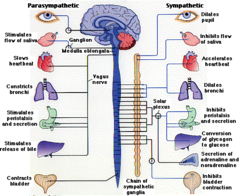
Nervous System
1. control center for the body
2. directs immediate responses to stimuli (internal and external)
3. coordinates other organ systems
Endocrine System
1. Comprised of glands that secrete hormones to regulate processes in the body
ie : metabolism/growth/reproduction

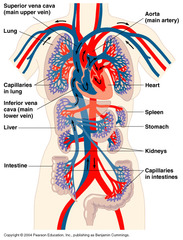
Cardiovascular System
1. Comprised of the heart, blood vessels, and blood to transport materials
ie : respiratory gases, nutrients, and wastes
Lymphoid System (Lymphatic)
1. Comprised of the lymphatic vessels/organs, lymphocytes, and lymphoid tissue
2. Returns leaked fluid to blood
3. Provides defense against pathogens and disease by housing WBC's

Respiratory System
1. Comprised of the nasal cavities, pharynx, larynx, trachea, bronchi, and lungs
2. Maintains bloods supply of oxygen
3. Removal of carbon dioxide by delivering air to the lungs where gas exchange occurs

Digestive System
1. Comprised of the GI Tracts and Accessory Structures
2. Processes food and absorbs nutrients

Urinary System
1. Comprised of the kidneys, ureters, urinary bladder, and urethra
2. Eliminates excess water/salts/nitrogenous wasters
3. Regulates water/electrolytes/ and the acid base of the blood

Reproductive System
1. Comprised of gonads (testes/ovaries), accessory organs, and external genetalia
2. Produces sex cells and hormones
Anatomical Position (AP)
erect, feet forward, arms at side with palms facing forward, head facing forward

Axial Region (AP)
consists of head, neck torso

Appendicular Region (AP)
consists of upper and lower limbs

Anatomical Terms (AT)
describe the location or structures in relation to other structures or locations in the body
Superior (cranial or cephalic) - AT
ABOVE the point of reference; toward the head end or upper part of a structure or the body

Inferior (caudal) - AT
BELOW the point of reference; toward the tail end or lower part

Anterior (ventral) - AT
toward or at the front of the body; in front of
ex: the breastbone is anterior to the spine
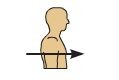
Posterior (dorsal) - AT
toward or at the back of the body; behind
ex: the heart is posterior to the breastbone

Medial - AT
toward the midline
e.g. the trachea is medial to the arm

Lateral - AT
away from the midline
e.g the ears are lateral to the nose
Proximal - AT
Closer to the origin of the body part or the point of attachment of a limb to the body trunk
e.g the shoulders are proximal to the elbows

Distal - AT
away from the point of attachment
e.g the shoulders are proximal to the elbows

Superficial (External) - AT
closer to or at the body surface
e.g the skin is superficial to the heart
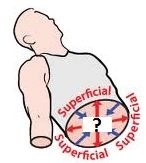
Deep (Internal) - AT
away from the body surface; more internal
e.g the lungs are deep to the skin

Ipsilateral - AT
on the same side
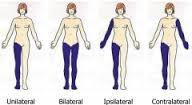
Contralateral - AT
on opposite sides

Regional Terms (RT)
names of specific body areas
Cephalon (cephalic) - RT
area of the head

Cervicis (cervical) - RT
neck region

Thoracis (thoracic) - RT
chest

Brachium (brachial) - RT
upper arm

antebrachium (antebrachial) - RT
forearm

Carpus (carpal) - RT
wrist

Manus (manual) - RT
hand
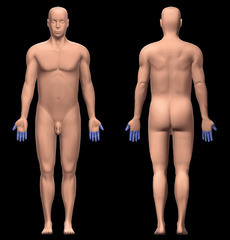
pollicis (pollex) - RT
thumb

abdomen (abdominal) - RT
abdomen

umbilicus (umbilical) - RT
navel, belly button

pelvis (pelvic) - RT
pelvic region

Pubis (pubic) - RT
anterior pelvis or genital region

Inguen (inguinal) - RT
groin

lumbus (lumbar) - RT
lower back

gluteus (gluteal) - RT
buttock

femur (femoral) - RT
thigh
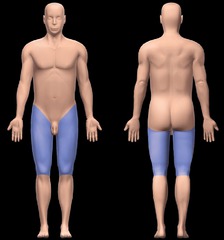
patella (patellar) - RT
kneecap
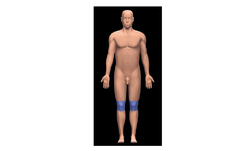
crus (crural) - RT
anterior leg, from knee to ankle

sura (sural) - RT
posterior, calf of leg

tarsus (tarsal) - RT
ankle

pes (pedal) - RT
foot (pedals of a bike)

planta (plantar) - RT
sole of foot

hallucis (hallux) - RT
great toe or big toe

Body Planes (BP)
imaginary lines drawn through the body at various parts to separate the body into sections

Frontal (Coronal) - BP
divides the body into anterior and posterior parts
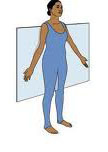
Transvers (Horizontal) - BP
divides the body into superior and inferior parts

Sagittal - BP
A plane that divides the body into right and left portions.

Body Cavities and Membranes (BCM)
Protect organs and allow changes in size or shape of organs
dorsal body cavity
contains the cranial cavity and spinal column
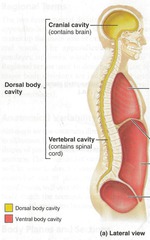
ventral body cavity (coelom)
provides protection, allows organ movement, lining prevents friction

thoracic cavity - part of ventral body cavity
1. contains heart/lung/blood vessels
2. superior to diaphragm
3. surrounded by the ribs and muscles of chest wall
Pleural Cavities - part of ventral and thoracic cavities
1. Right and Left Cavities
2. Enclose the lungs
3. 3 sub branches

Parietal Pleura
1. thin membrane that lines the chest walls - of serous membrane

Visceral Pleura
1.thin membrane that adheres to the lungs- of the serous membrane

Serous Fluid
fills the pleural cavity between the layers of the serous membrane

Mediastinal cavity (mediastinum)
1. a central cavity containing a band of organs
2 lies between the pleural cavities
3. contains the heart, esophagus, trachea, and major blood vessels

Pericardial Cavity
1. part of mediastinum
2. contains the heart
3. has 3 sub branches

pariental pericardium
the thin membrane that line the pericardial walls - of the serous membrane

visceral pericardium
the thin membrane that adheres to the heart surface - of the serous membrane

Serous fluid in the pericardial cavity __________.
fills the pericardial cavity between the layers of the serous membrane
abdominopelvic cavity
lies inferior to the diaphragm and is divided into a superior border of sacrum

abdominal cavity
1. contains stomach, intestines, spleen, and liver, and other organs
2.extends from diaphragm to sacrum

periotneum
serous membrane

parietal peritoneum
lines the abdominal cavity

visceral peritoneum
covers abdominal organs

retroperitoneal
located behind the peritoneum
e.g kidneys/adrenal glands/pancreas/ureters

pelvic cavity
1. contains urinary bladder, reproductive organs, rectum
2. enclosed by bony pelvis

4 abdominopelvic quadrants
right upper, left upper, right lower, left lower

9 abdominopelvic regions
R. hypochondriac — Epigastric — L. hypochondriac;
R. lumbar — Umbilical — L. lumbar;
R. inguinal — Hypogastric — L. inguinal

Absorption
the route through which substances can enter the body - dependent on catabolic reactions
Adaptability
long-term responsiveness
Adaptation
the change in living organisms that allow them to survive
Differentiation
process by which a less specialized cell becomes a more specialized cell type
Excretion
the process of removing metabolic waste products
Growth
refers to an increase in some quantity over time
metabolism
set of chemical reactions through which an organism builds up or breaks down materials as it carries out its life processes
anabolism
refers to the construction of molecules
catabolism
refers to the breakdown of molecules via metabolic pathways
reproduction
the process by which new individual organisms are produced
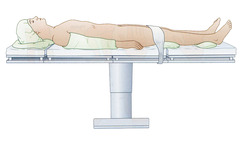
supine
lying face up