Chp 6&7- Cell Cycle & Division
 Call Kai
 Learn
 Practice Test
 Spaced Repetition
 Match
 Flashcards
 Knowt Play
1/42

There's no tags or description
Looks like no tags are added yet.
43 Terms
genome
complete set of DNA in a cell or organism
prokaryotic genome
single, double-stranded, circular DNA molecule
found in nucleoid region
eukaryotic genome
several, double-stranded, linear DNA molecules
found in
chromatin
DNA is packaged into what
chromosomes
during cell division, chromatin condenses into visible _______
homologous chromosomes
matching pair of chromosomes
one from each parent
same size and shape, genes in same location
similarities in homologous chromosomes
they contain different alleles (versions) of genes
why are homologous chromosomes similar not identical
diploid (2n)
two sets of chromosomes
one from each parent
most human cells → 2n=46
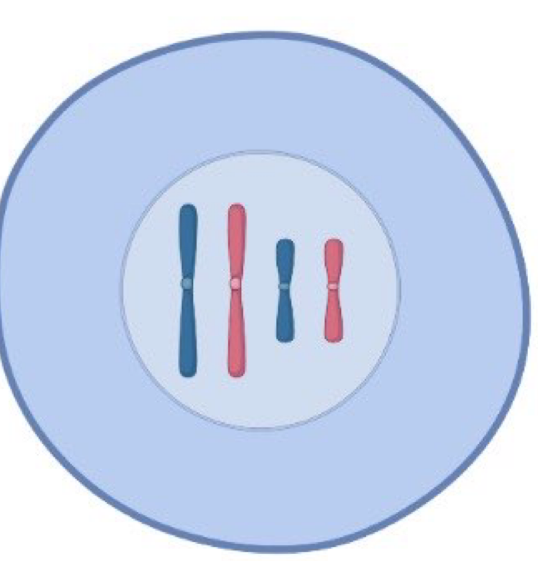
haploid (n)
one set of chromosomes
gametes (egg & sperm) → 1n=23
there is no correlation
Explain the relationship between genome size, chromosome number, and organism complexity
somatic cells
23 pairs of chromosomes (46 total)
22 pairs of autosomes
2 sex chromosomes (XX or XY)
cell cycle
the life cycle of cells and how it grows, copies its DNA, and divides
interphase
cell cycle phase
consists of G1, S, G2
where cells spend most of their time
M phase
cell cycle phase
mitosis + cytokonesis
G1
cell cycle phase- part of interphase
cell grows, carries out normal function, and is biochemically very active
most organelles duplicate
S phase
cell cycle phase- part of interphase
DNA replication → DNA duplicated
results in two identical sister chromatids
G2
cell cycle phase- part of interphase
final growth
checks for DNA errors
DNA is duplicated but not yet condensed
mitosis
division of the nucleus
part of the mitotic phase
cytokenesis
division of the cytoplasm
part of the mitotic phase
growth and development, tissue repair/healing, asexual reproduction
purpose of mitosis
mitosis
maintains chromosome number (2n → 2n)
produces two identical daughter cells
prophase, metaphase, anaphase, telophase, cytokinesis
phases of mitosis
prophase
first phase of mitosis
chromosomes condense
Spindle begins to form
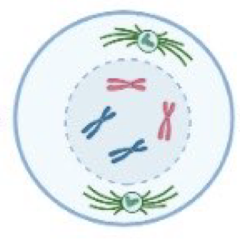
metaphase
phase of mitosis
chromosomes line up at the cell’s equator

anaphase
phase of mitosis
sister chromatids separate and move to opposite poles

telophase
phase of mitosis
chromosomes decondense
new nuclei form


cytokinesis
last phase of mitosis
cytoplasm divides
produces two daughter cells
cancer
loss of control of cell cycle
occurs when cells divide uncontrollably
Normal cells grow and divide in a controlled way and stop dividing when needed
Cancer cells ignore signals to stop dividing, can form tumors, and may metastasize (spread) to other parts of the body
normal cells vs. cancer cells
tumors
solid mass of cells with no apparent function
benign and malignant
two types of tumors
metastasis
occurs when cell of a malignant tumor break away and affect distant location
benign tumor
tumor that stays in one place and does not affect surrounding structures
some remains unaffecting, others become cancerous
malignant tumor
invasive tumor that inflitrates surrounding tissues
some inherent genes with mutations that make their cells more likely to become cancerous
exposure to carcinogens and lifestyle choices
risk factors for cancer
proto-oncogenes
cancer prevention
normal genes that help the cell grow and divide
when mutated, they become oncogenes, causing the cell to divide too much
tumor suppressor genes
cancer prevention
genes that slow down cell division or stop cells from dividing when there is a problem
when genes are damaged or turned off, cells can grow uncontrollably
surgery
a form of cancer treatment
uses physical operation
targets the entire mass
targets local area
best used for visible, solid tumors that haven’t spread
radiation
form of cancer treatment
uses high energy beams
targets DNA of the cells
targets local area
best used for shrinking a tumor or cleaning up leftover cells
chemotherapy
form of cancer therapy
uses strong drugs
targets fast-growing cells
target whole body
best used for killing cancer cells that have spread
immunotherapy
form of cancer treatment
boosts immune cells
targets the immune cells
targets whole body
helps the body recognize “hidden” cancer
meiosis