Princeton AP Psychology 22nd Edition: Unit 3: Development & Learning
 Call Kai
 Learn
 Practice Test
 Spaced Repetition
 Match
 Flashcards
 Knowt Play
1/83

There's no tags or description
Looks like no tags are added yet.
84 Terms
developmental psychology
the study of the changes that occur in people’s abilities and behaviors as they age
life-span psychologists
a scientist who studies how people grow, change, and stay the same from the time of conception until death
child psychologists
decided to focus on a particular earlier portion of the typical life span
maturationists
emphasize the role of genetically programmed growth and development on the body, particularly on the nervous system
maturation
biological readiness
environmentalists
found in Locke’s idea; states that almost all development is the direct result of learning—infants are born as blank slates onto which experience etches its lessons
continuous development
a perspective that views human growth as a slow, cumulative, and smooth process rather than a series of abrupt, distinct steps; e.g. social skill building
discontinuous development
a view in psychology that growth happens in distinct, qualitative steps or stages rather than as a smooth, slow increase
critical period
a time during which a skill or ability must develop; if the ability does not develop during that time, it probably will never develop or may not develop as well
collectivist culture
the needs of society are placed before the needs of the individual
individualist cultures
promote personal needs above the needs of society
normative development
the typical sequence of developmental changes for a group of people
cross-sectional method
seeks to compare groups of people of various ages on similar tasks; can reveal the average ages at which certain skills or abilities appear
longitudinal method
involves following a small group of people over a long portion of their lives, assessing change at set intervals; more difficult and more expensive to conduct; the study of individuals over time rules out the difference between subjects that other studies
physical development
the process of growing and changing the body and brain over time
teratogens
various harmful environmental agents that may affect fetal development
fetal alcohol spectrum disorder (FASD)
a group of lifelong physical, mental, and behavioral conditions that happen when a baby is exposed to alcohol in the womb

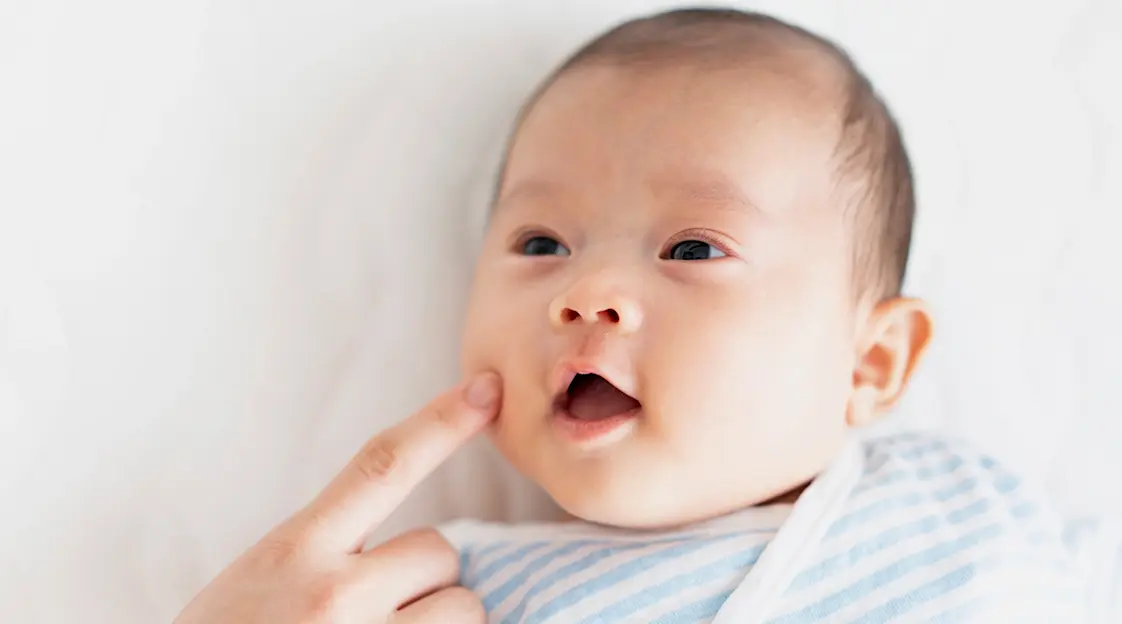
rooting reflex
when you stroke the corner of the baby’s mouth and the baby turns in that direction, which helps the baby find food
sucking reflex
occurs when the roof of the baby’s mouth is stroked

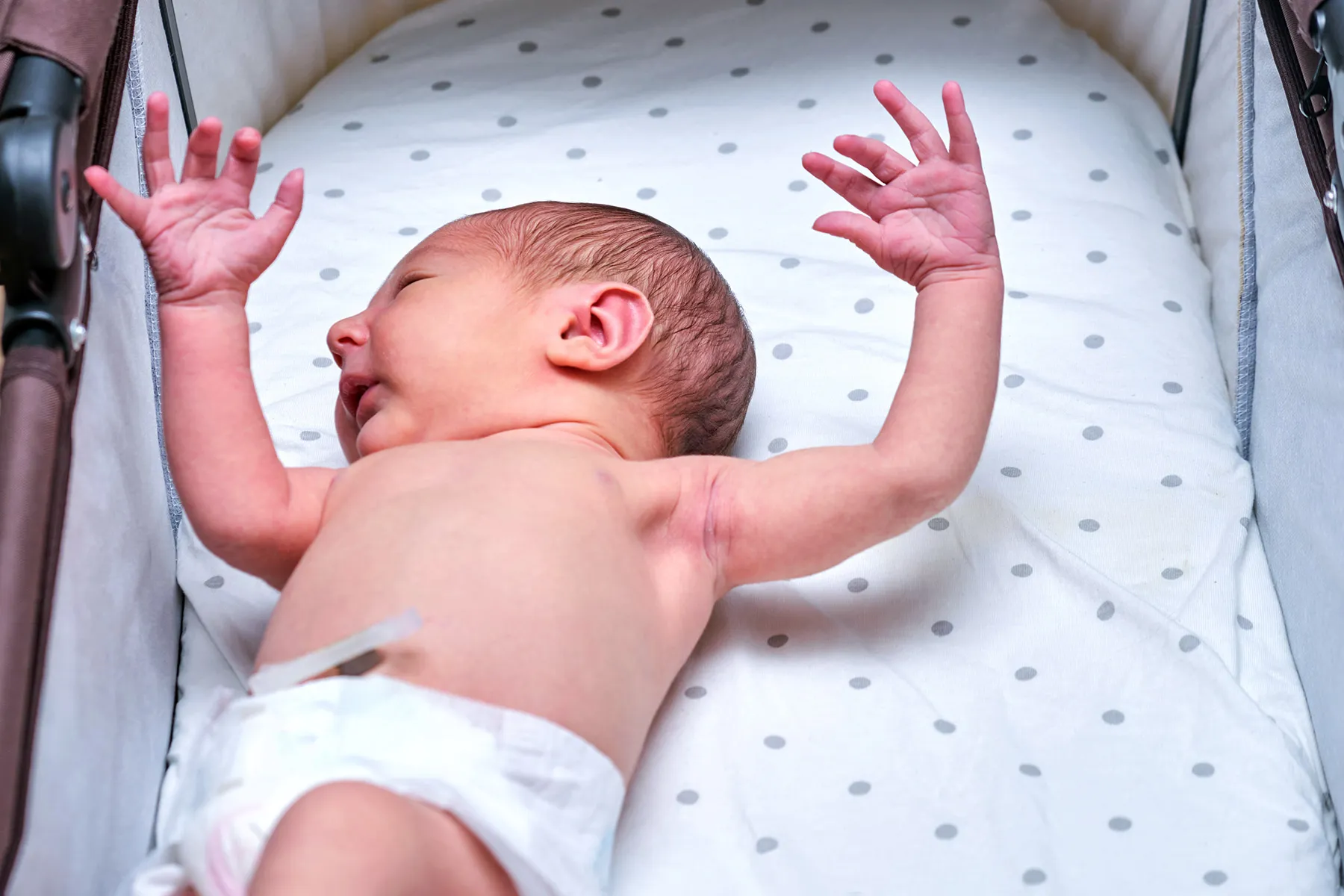
Moro reflex
the startle reflex, where the baby’s arms and legs fly out, the baby pulls back its head, and then brings the limbs and head back again
grasp reflex
occurs when you stroke a baby’s palm. The baby will then tightly grasp in response

rudimentary movements
the first voluntary movements performed by a child. They occur in very predictable stages from birth to age 2, and they include rolling, sitting, crawling, standing, and walking
gross motor movements
include running, jumping, and hopping
fine motor movements
include drawing, writing, and eating with utensils
fundamental movement
occurs from age 2 to age 7; during this time, the child is learning to manipulate their body through actions such as running, jumping, throwing, and catching; highly influenced by environment
specialized movement
children learn to combine the fundamental movements and apply them to specific task; transitional substage and application substage
transitional substage
a combination of movements occurs; for example, grasping, jumping, and throwing are combined to take a shot in basketball
application substage
defined more by conscious decisions to apply these skills to specific types of activity; for example, one child might choose to play basketball, whereas another might use the same set of skills and abilities to play baseball. Additionally, the application of strategy to movement is now possible; for example, a child choosing to delay shooting the basketball until she has a clear shot at the basket
myelin
a coating of fatty tissues facilitating faster and more efficient transmission of information
synaptic pruning
where the brain rids itself of connections it no longer needs to make room for new information
environmental interaction
the dynamic relationship between living organisms and their surroundings
plasticity
the ability of a material, brain, or living thing to permanently change shape, adapt, or grow when pushed or exposed to new conditions
gender identity
the awareness that they are boys or girls, by age two or three
gender typing
the acquisition of sex-related roles
gender constancy
gender is a fixed, unchangeable characteristic
androgyny
may develop as children begin to blur the lines between stereotypical male and female roles in society. These individuals may adopt behaviors from both types of roles
Kinsey Scale
created by Alfred Kinsey, which posited that sexuality is not binary, either exclusively heterosexual or homosexual; rather, it exists along a continuum of attractions and practices

equilibration
a child’s attempt to reach a balance between what the child encounters in the environment and what cognitive structures the child brings to the situation
assimilation
incorporating new ideas into existing schemas
schema
mental representational model
accommodation
when facing information that does not easily fit into an existing schema, the child must modify the schema to include the new information
sensorimotor stage
Usually occurs during the first two years of life and is typified by reflexive reactions and then circular reactions, which are repeated behaviors by which the infant manipulates the environment
e.g. if an infant kicks its legs and hits the mobile on its crib with its foot, stimulating movement, the infant is likely to repeat the action in the future
Object permanence
The child lacks the ability to access mental schemas or solve problems through performing a mental operation, which is the ability to represent and manipulate information in a person’s mind
The development of goal-oriented behavior
object permanence
which develops during this stage, is the knowledge that objects continue to exist when they are outside the field of view
preoperational stage
Typically occurs from ages two to seven
Development of language
Symbolic thinking
Egocentrism
Artificialism
Animism
symbolic thinking
the ability to use words to substitute for objects
egocentrism
seeing the world only from one’s own point of view
artificialism
believing that all things are human-made
animism
believing that all things are living
concrete operational stage
Typically occurring from ages seven to eleven, this is the stage when children develop reversibility
Conservation
reversibility
the ability to perform a mental operation and then reverse their thinking back to a starting point
conservation
the idea that the amount of a substance does not change just because it is arranged differently
formal operational stage
Begins at about 12
At this level, children are fully capable of understanding abstractions and symbolic relationships
Metacognition
The point at which a child acquires hypothetical reasoning, which is the ability to figure out answers to problems with which a person does not have direct experience
metacognition
the ability to recognize one’s cognitive processes and adapt those processes if they aren’t successful
internalization
the absorption of knowledge into the self from environmental and social contexts
zone of proximal development
the range between the developed level of ability that a child displays and the potential level of ability of which the child is actually capable; Lev Vygotsky

actual development level
the developed level of ability that a child displays. Rarely lives up to its potential because ability depends on input from the environment, and environmental input is rarely truly optimal
potential development level
the potential level of ability of which the child is actually capable
fluid intelligence
the ability to think in terms of abstract concepts
crystallized intelligence
specific knowledge of facts and information
phonemes
the smallest units of speech sounds in a given language that are still distinct in sound from each other
morphemes
the smallest semantically meaningful parts of language
grammar
the set of rules by which language is constructed, is governed by syntax and semantics
syntax
the set of rules used in the arrangement of morphemes into meaningful sentences; this can also be thought of as word order
semantics
word meaning or word choice
prosody
the rhythm, stress, and intonation of speech
holophrases
single terms that are applied by the infant to broad categories of things: for example, an infant calling any passing woman “mama”
overextension
results from the infant now knowing enough words to express something fully
underextension
when a child thinks that their “mama” is the only “mama”
wisdom
a form of insight into life situations and conditions that results in good judgments about difficult life problems
telegraphic speech
two- or three-word groups. e.g. a two-year-old would say, “mommy food,” which means “mommy, give me food.”
overgeneralization
the rules of language are overextended, such as in saying, “I goed to the store.”
social development
involves the ability to interact with others and with the social structures in which we live
ecological systems theory
developed by Urie Bronfenbrenner, positing that there are a series of nesting systems interacting in children’s development

microsystem
people and groups who have direct contact with the person
mesosystem
involves relationships between the members of the microsystem
exosystem
indirect factors influencing the child, such as government and the media
macrosystem
involves the cultural events that influence the child and important people in their lives
chronosystem
the individual’s current stage of life
Diana Baumrind
identified the three types of parenting styles: authoritarian, authoritative, and permissive
authoritarian
Parents: High expectations without debate or explanation, uses corporal punishment, exerts a high level of control and low level of warmth
Children: Socially withdrawn, lack decision-making capabilities, and lack curiosity
authoritative
Parents: Expect compliance but explains rules and encourage independence, set limits, give out punishments, and forgive, exerts a high level of control and high level of warmth
Children: High self-esteem, independent, articulate
permissive
Parents: Few expectations, warm, non-demanding, considers themselves friends of the child, exerts a low level of control and high level of warmth
Children: Rarely punished, not good at accepting responsibility, controlling their impulses, or being generous in social relationships
psychosocial development
how people change and grow in their social interactions, feelings, and self-identity across their whole lives
fidelity
truthfulness to one’s self