Everglades Ecology Midterm Review
 Call Kai
 Learn
Learn Practice Test
 Spaced Repetition
 Match
Match Flashcards
 Knowt Play
1/113

There's no tags or description
Looks like no tags are added yet.
Name | Mastery | Learn | Test | Matching | Spaced | Call with Kai | Chat |
|---|
No analytics yet
Send a link to your students to track their progress
114 Terms
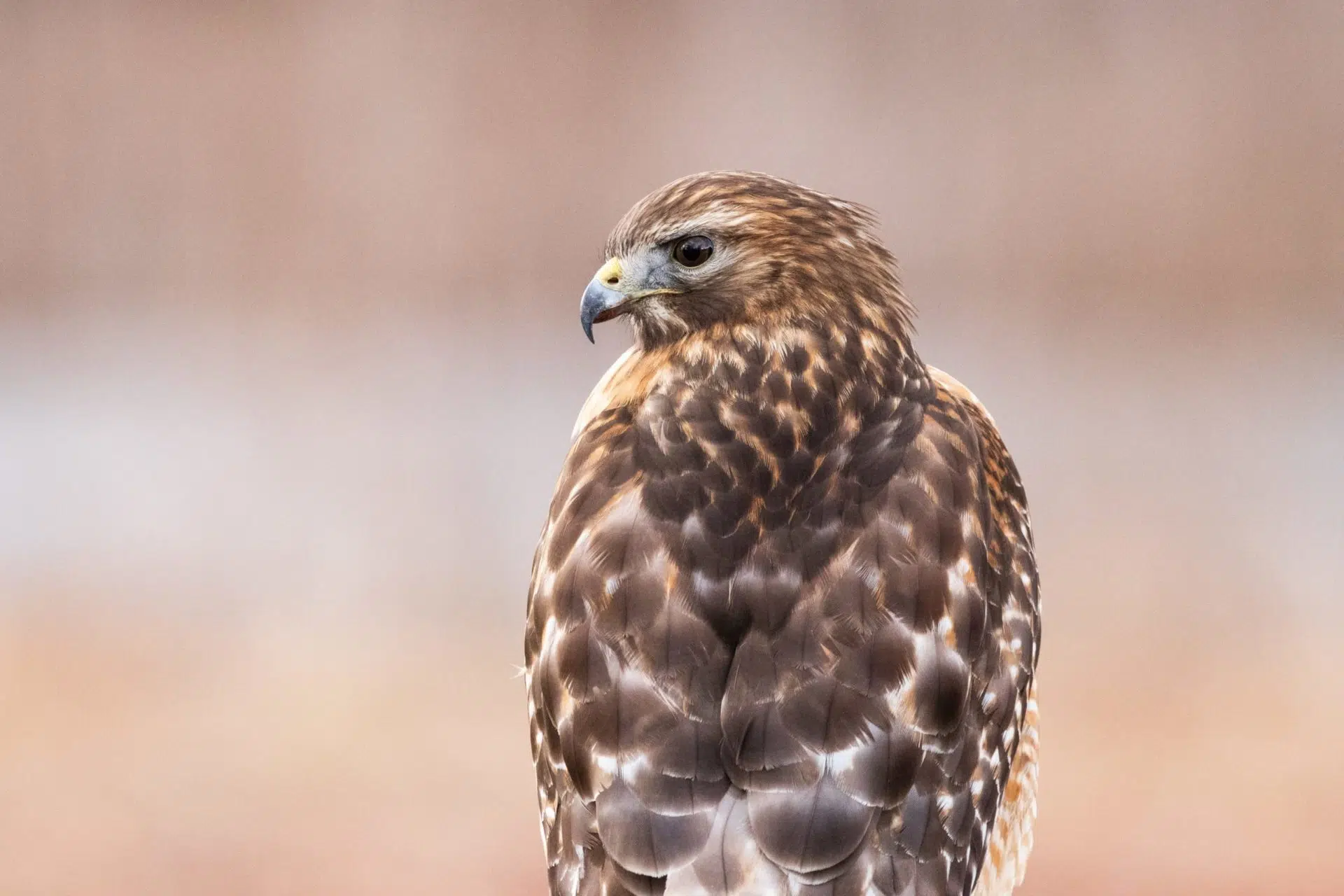
red shoulder hawk
They are Falconiformes and are commonly found in
swamp regions of the Everglades or on riparian
habitats. They nest in tall trees near water.
They are diurnal and highly territorial. They are
monogamous and return to the same nest, every year.
Their diet consists of small mammals, amphibians,
reptiles, and sometimes small birds. They are
opportunistic hunters.
The Red-shouldered Hawk is not currently
endangered, and is listed as “Least Concernˮ. Due to
protected wetland habitats, their population is on the
rise. They are frequently observed.
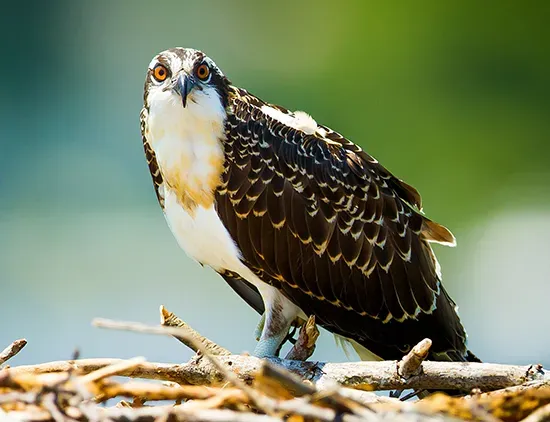
osprey
They are Falconiformes and are commonly
found in marsh zones or areas of open water in
the Everglades.
They are diurnal and highly vocal. They are
monogamous. They have reversible outer toes
for extreme grip on prey.
They are obligate piscivores, meaning they eat
solely fish and are the top predator in many
aquatic ecosystems.
The Osprey is not currently endangered and is
listed as “Least Concernˮ. Their population has
rebounded since banning DDT. They are
frequently spotted.
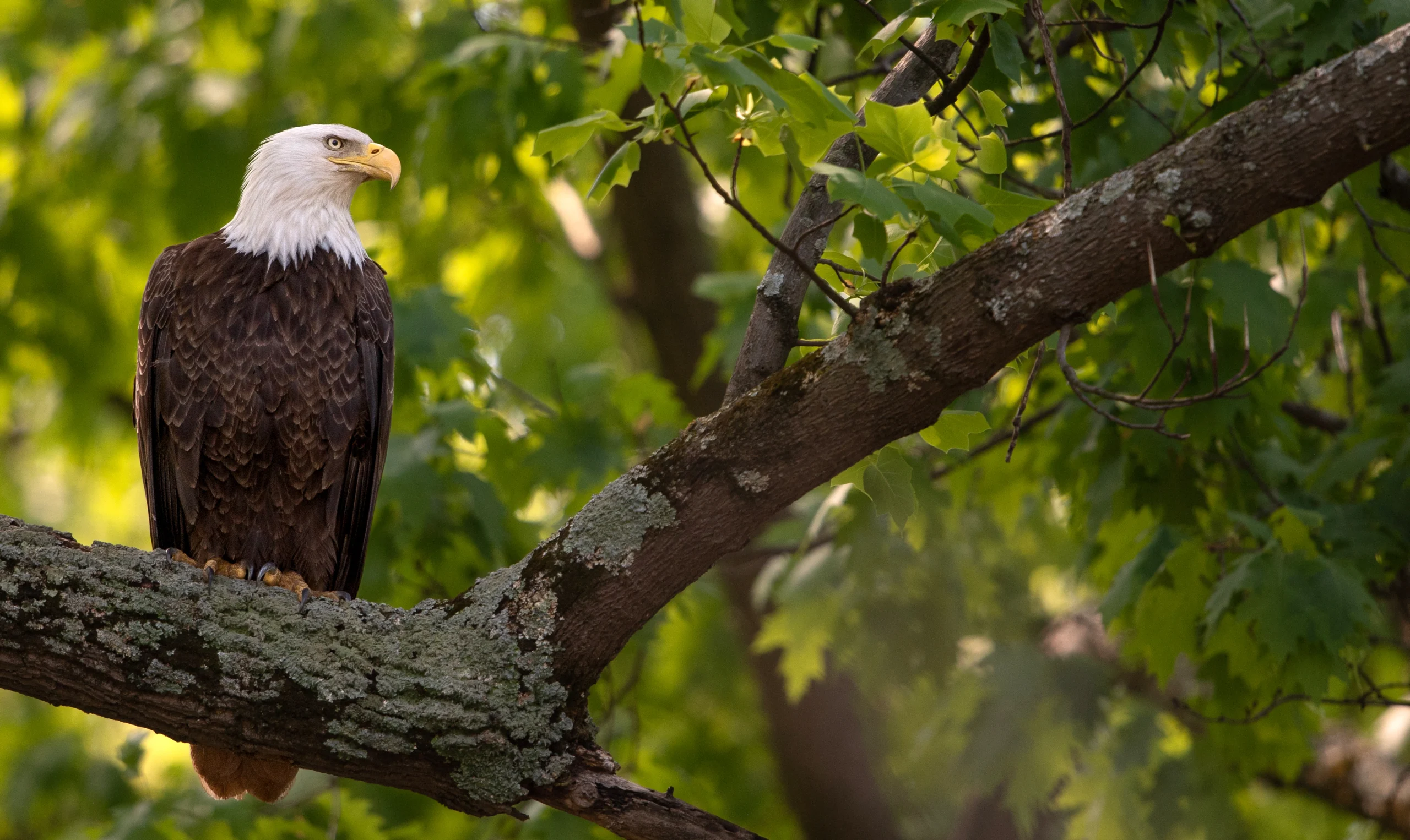
Large raptor with white head/tail
➢ Dark body, yellow beak/talons, 6-8 ft wingspan
Formerly endangered; now recovered but still very protected under
federal law
Diet
● Fish, waterfowl, small mammals, carrion
Trophic Significance
● Apex predator and scavenger
● Regulates fish/waterbird populations
● Reduces disease by removing carrion
● Indicator of water quality
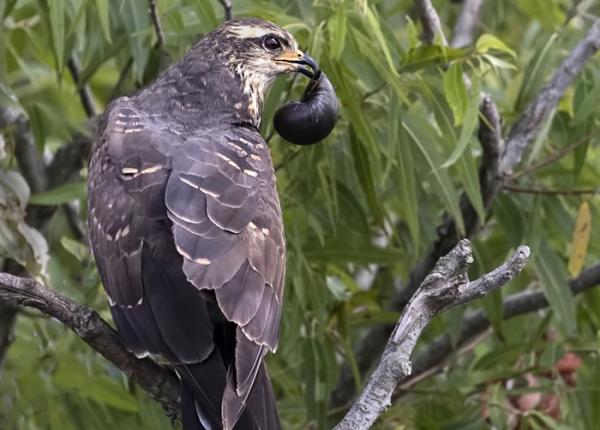
(this is a female, males are all brown)
Everglades Snail Kite
Trophic Significance/Status (rare to see)
● Controls snail populations
● Highly sensitive to hydrology
● Key indicator of water management
○ Marsh keystone species
● Federally endangered
○ Water mismanagement, invasive species,
habitat loss
Habitat
● Freshwater marshes, water conservation,
everglades
● Often seen hovering over wetlands
Adaptations
● Hooked bill for snail extraction, long
buoyant wings, strong talons, sexual
dimorphism

Barred Owl
They are Strigiformes commonly found within the
upper most, inland areas of wetlands and forests.
They are mostly solitary, nocturnal animals that
are efficient hunters with extremely loud calls.
They are also monogamous. Adaptations include
big eyes, and silent flying.
Their diet consists of small mammals, birds, fish
and even amphibians. They are opportunistic
feeders.
The Barred owl is not currently endangered or in
decline, as their endangerment status is listed as
“Least Concern.ˮ

American Kestrel
These birds are found inland areas of forested, grassy, or
wetland environments.
They are solitary, monogamous, ambush predators that
will perch or fly low before striking down their prey.
They have three basic calls depending on if they are in
distress, mating or feeding.
Although these birds are efficient hunters, they have
black dots called ocelli on their neck, often thought to
be false eyespots from other birds of prey.
Their diet is typically large insects, small birds and
lizards, and even mammals like bats or squirrels.
The American Kestrel is not endangered, as it is listed
by the IUCN as “Least Concernˮ.

everglades dragonfly

everglades Florida bluet damselfly

skeeters are bigger

zebra longwing

whirligig beetle

eastern lubber grasshopper

florida carpenter ant

africanized honey bee

golden silk orb weaver
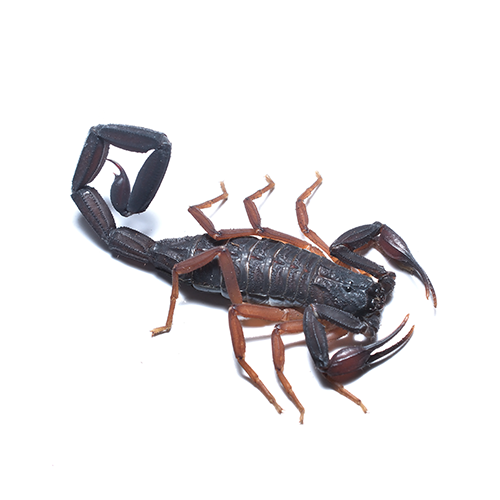
florida black scorpion
Passerines
aka perching birds
-Passerines is the overarching taxonomic term (passerines and perching birds are interchangeable terms)
-Songbirds are found in this group
-All songbirds are perching birds but not all perching birds are songbirds
-Within the order Passeriformes, there are two suborders, Oscines (true song-birds) and Suboscines

cape sable seaside sparrow
endangered
-Build nests 6 inches off the ground
-Destruction from floods and predation by snakes and rats are common
-Ground nesting species that favors prairie communities

bachman’s sparrow
Found in open grassy areas now that historically favored forest habitat has become less frequent
Forages primarily on the ground
Nests are usually built on or near the ground
Diet includes insects, seeds, and spiders

common yellowthroat
Nests in open marshes
Targets of brood parisitism by Cowbirds
Common despite population decline due to draining of marsh habitat
Diet consists of mostly insects

prairie warbler
Common/ Least concern
Habitat: Brushy slashings and the pine-lands
In Florida they breed in mangrove swamps
Diet: Insects
Forages for insects in brush and on branches/twigs
Males have distinct breeding territories that they return to year after year
Females lay an average of 4 eggs

boat tailed grackle
Common/Least Concern
Found in marshes, mudflats, and near the coast, but is usually found inland in Florida
Forages for food near water either by catching prey, stealing it from larger birds, or eating unguarded eggs
Nests are large and built near water

fish crow
Can be found in swamps, woodlands, river valleys, tidewaters
Forages on beaches, marshes, and estuaries
Diet consists of anything they can find (invertebrates, berries, bird eggs, etc.)
Very smart

redwing blackbird
Forages while walking on the ground
Found in groups outside of the breeding season
Breeding is common in freshwater marshes
Diet consists of insects and seeds

indigo bunting
Habitat can be found along the eastern coast of the US. Their winter breeding grounds include the Florida Everglades
Diet consists of seeds and insects
Males defend a territory during mating season and can have more than one mate living in the territory

great crested flycatcher
Common in the Everglades year round
Diet is primarily insects but can also include berries
Forages by launching off its perch to catch insects.
Males defend a nesting territory and will fight with other males to maintian control of their territory
Nests are usually found in holes in a tree

acadian flycatcher
Will migrate north in springtime
Spend wintertime in warmer climates, where they nest in woodlands
Catches insects while flying and spiders and caterpillars from trees while hovering
Nests are built at an average of 13 feet off the ground

cane toad
invasive

cuban tree frog
invasive

greenhouse frog
invasive

green treefrog
native

squirrel treefrog
native

american toad
native

two-toed amphiuma
native

greater siren
birds of prey
Possess curved beaks, sharp talons, good eyesight and are
carnivorous (small birds, snakes, rodents, ect.)
● Regurgitate pellets of undigested material
○ Containing bone, fur, etc.
● Made up of 2 groups
Falconiformes (Accipitriformes) and
Strigiformes (owls)
● Commonly referred to as “raptors”
○ reference both birds or prey as a group or solely
Falconiformes
○ Consist of eagles, falcons, hawks, old world vultures
● Altricial development pattern
● Many Monomorphic in color
○ Many dimorphic in size, or plumage depending on
species
○ Females are larger than males

eastern mosquitofish
Most common freshwater fish in Florida, typically found in shallow ponds, marshes & swamps. They eat small aquatic invertebrates and are 1-2.5 inches long.

bluefin killifish
These are found in vegetated ponds, lakes & ditches, because the vegetation provides habitat and cover. Males often has a red-orange tail and colorful fins and are 1-2 inches long

least killifish
These live in heavily vegetated ponds, swamps & ditches and are often found among dense aquatic vegetation. They can occasionally tolerate brackish water, and they are 0.8-1.4 inches long.
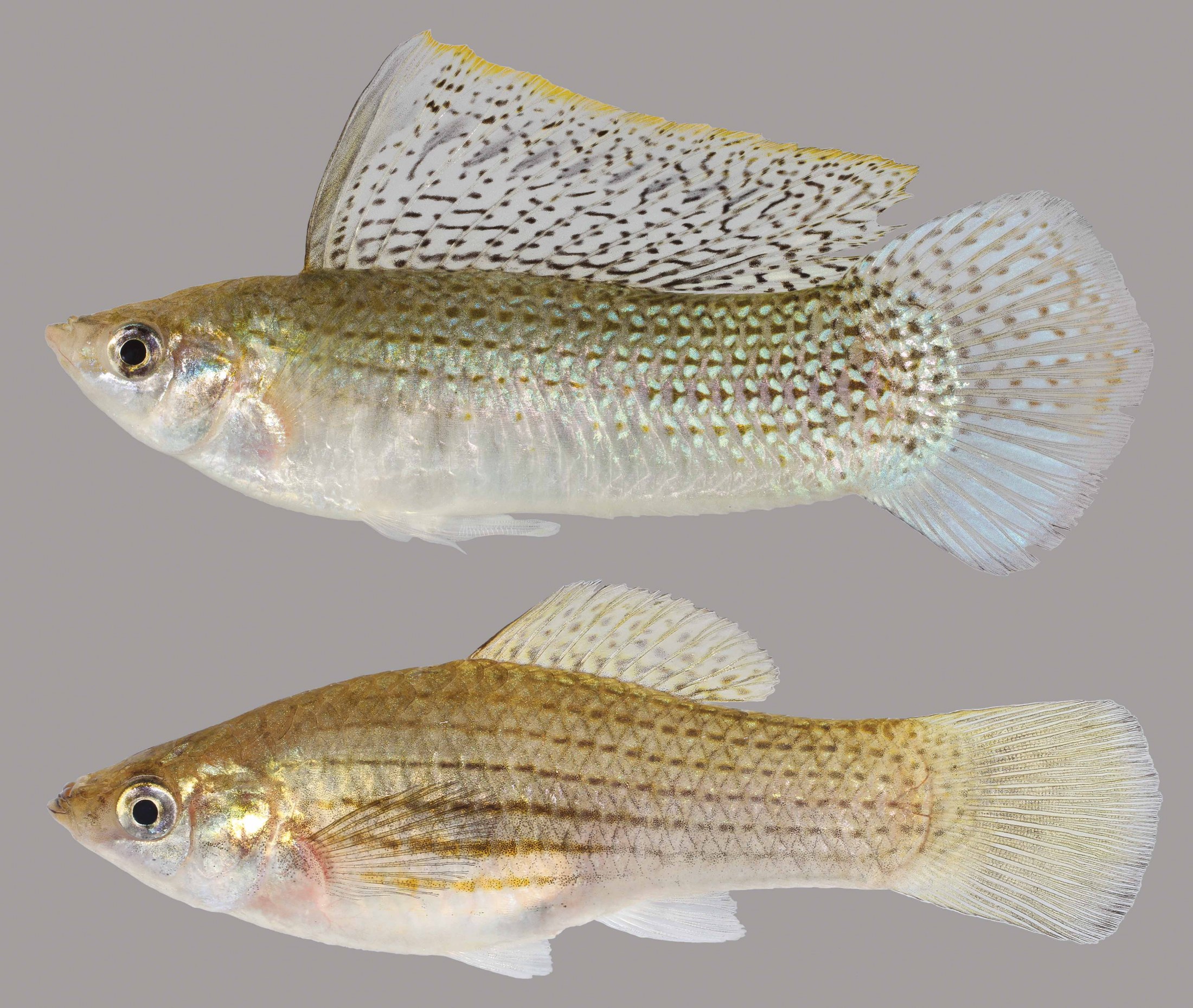
sailfish Molly
These live in ponds, marshes, swamps & streams and can survive in both fresh and brackish water. They mainly eat algae and plant material and are 1.5-3 inches long.

taillight shiner
Size: ~2–2.5 in (5–6 cm)
Status: Native
Diet: Small insects, crustaceans, algae
Key info: Named for the distinctive dark spot at the base of its tail.

everglades pygmy sunfish
Size: ~1 in (2.3–3.4 cm)
Status: Native
Diet: Tiny worms, crustaceans, and other small invertebrates
Key info: One of the smallest freshwater fish in the region. Lives among dense aquatic vegetation.

swamp darter
Size: ~1–2.3 in (up to ~5.9 cm)
Status: Native
Diet: Small aquatic insects, especially midge larvae, plus tiny crustaceans such as water fleas
Key info: A small, camouflaged bottom-dweller that stays around vegetation, woody debris, pools, and backwaters.

florida flagfish
Size: ~2–2.5 in (up to ~6.5 cm)
Status: Native
Diet: Algae and other plant material, plus small aquatic organisms
Key info: Usually found around dense vegetation in sloughs, ponds, lakes, and slow-moving streams.

spotted tilapia
invasive

african jewelfish
invasive

mayan cichlid
invasive
Water Fowl
● About 20 species of waterfowl
spend the winter in Florida
● Shape and color pattern are key
● Is it a duck, goose, swan, not-duck
(loon, coot, gull, etc.) ?
○ Whistling or dabbling duck?
● Neck length and head size is a
defining factor of which type of
waterfowl you are identifying
Wading Birds
Most of these birds have long legs,
necks, bills, and even toes
● Is it an egret, heron, stork, ibis, or
spoonbill
● Color and bill shape are notable
in different wading birds

black-bellied whistling ducks

fulvous whistling duck

mottled ducks

wood duck

blue-winged teal
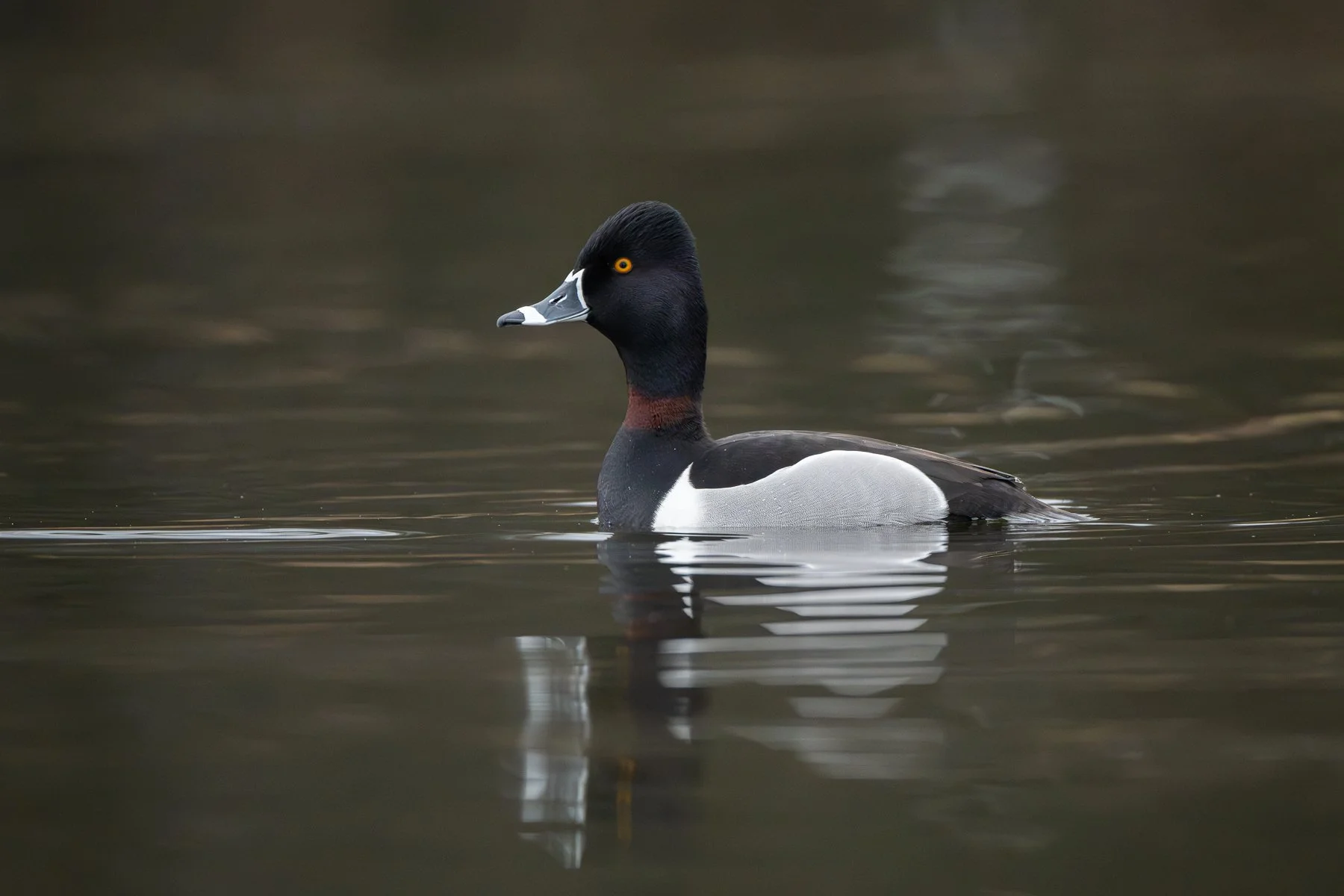
ring necked duck
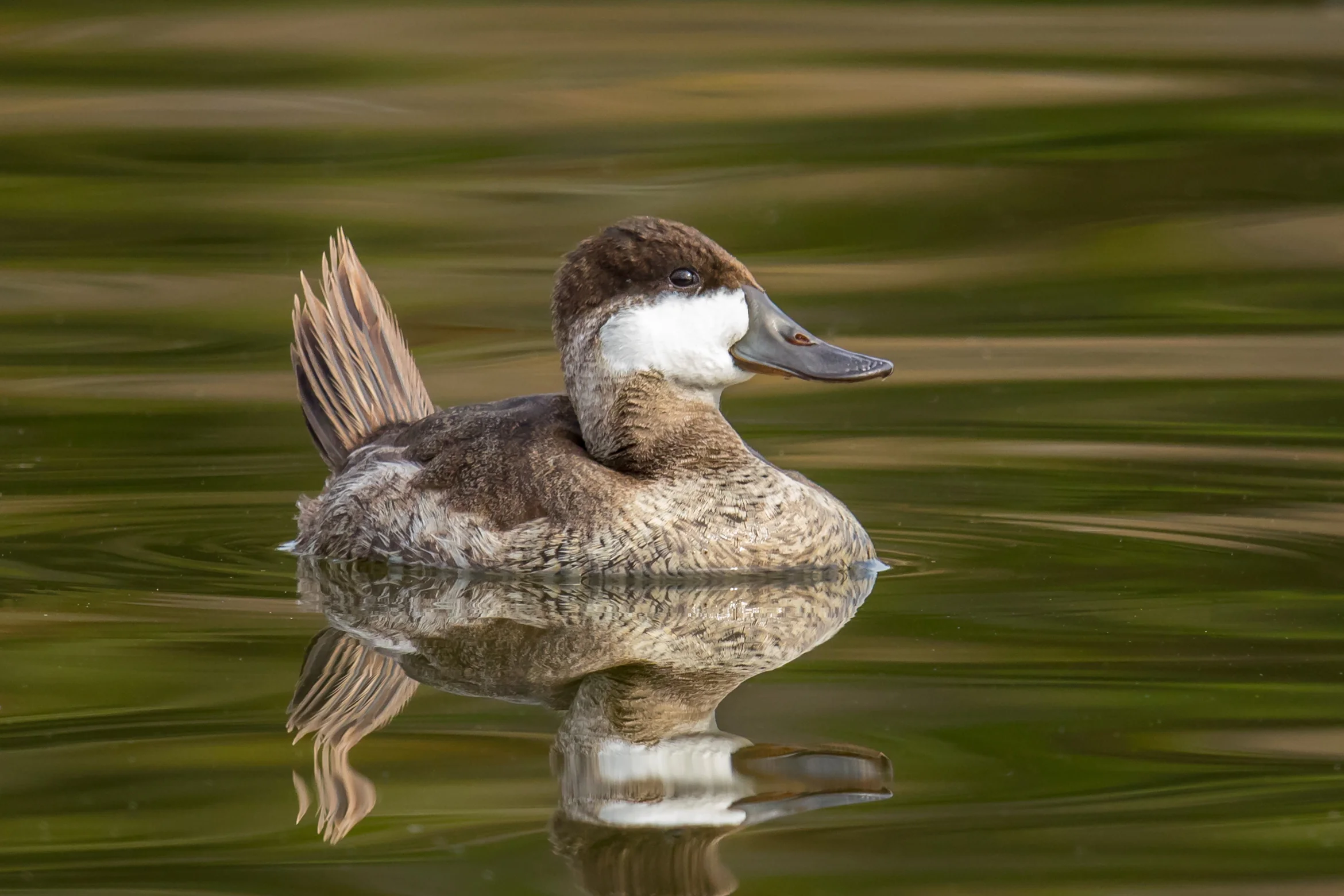
ruddy duck
many everglades ducks are _________ ducks, which means they feed in shallow water by tipping forward.
dabbling

great blue heron

white ibis

wood stork
federally endangered

snowy egret

great egret

little blue heron

tri colored egret

anhinga

type? venemous or no?
garter snake
no

type? venomous of no?
black racer
no

type? venomous of no?
green water snake
no

type? venomous of no?
brown water snake
no

type? venomous of no?
banded/florida water snake
no

type? venomous of no?
invasive
Burmese python
no
What are signs that a snake is NON-venemous
dark vertical lines on mouth
round pupils
no pit between eyes and nostril
overall derpy looking

type? venomous of no?
water moccasin (cotton mouth)
venemous

type? venomous of no? (this snake is very small)
dusky pygmy rattlesnake
venemous

type? venomous of no?
eastern diamond back rattlesnake
venemous

type? venomous of no?
coral snake (rare)
-if yellow touches red then stop (like a stoplight)
how do you know a snake is venomous
pit between eye and nostril
supraocular scale
no lines on mouth
more mean looking

brown anole
invasive

green anole

five lined skink

american alligator

american crocodile

spectacled caiman
invasive
tree island
island-like appearance of a patch of forest in an Everglades marsh. Also, a key habitat for nesting keystone species like turtles, birds,
and alligators.
marl
Light-colored, calcium-carbonate-rich soil
Formed largely from periphyton
Common in shorter-hydroperiod wetlands
Found where bedrock is close to the surface

peat
Dark, organic-rich soil
Formed from accumulated dead plant material
Develops in areas with longer hydroperiods
Common in deeper marshes and sloughs

what’s the difference between everglades peat and loxahatchee peat
Everglades Peat:
Mostly composed of
sawgrass remains
Also called sawgrass peat
Dark brown to black
Widespread in the northern
and central Everglades
Dark color is partly
associated with charcoal
from frequent fires
Loxahatchee Peat
Found in deeper marshes
Common in the northeastern
Everglades and Shark River
Slough
More reddish-brown
Contains remains of slough
vegetation, especially water
lilies
periphyton
Community of algae, bacteria, microbes growing together on submerged surfaces in aquatic ecosystems. Changes in Phosphorous, Water Depth, Hydroperiods or Salinity can change the amount of Periphyton
present.
o When Phosphorous Increases :
1) Periphyton changes - Species adapted to extremely low levels can decline while other
algal species become dominant.
2) The food web can change – Animals that depend on the original periphyton community
may experience changes in food or habitat in extreme cases.
3) The marsh can physically change – long term changes in vegetation can influence
organic matter.
Swamps
Wetlands dominated by trees (or woody shrubs)
marshes
dominated by grass or grasslike non-woody plants
bog
acidic soil and water; characterized by buildup of peat and decaying materials. Low available nutrients Usually, rain fed
fen
more alkaline; usually groundwater fed
hammock
higher and drier land
everglades peat
dark brown to black because of fires, mostly made of sawgrass
loxahatchee peat
Found in deeper marshes, Lighter and reddish because of fewer fires, slough vegetation like lilies and rushes and submerged stuff like bladderwort
muck
when the peat gets all mixed by people or alligators
when did the everglades obtain its current form
3200 years ago
who was the author of the everglades: river of grass, and a major public face of everglades conservation
Marjory stoneman douglas
Who was the first person who attempted to drain the everglades but failed
Hamilton Disston
Who founded the city of Miami by convincing Henry Flagler to expand his railroad to south florida
Julia Tuttle