CompTIA A+ 220-1101 - Connectors, Motherboard Components
 Call Kai
 Learn
 Practice Test
 Spaced Repetition
 Match
 Flashcards
 Knowt Play
1/118

There's no tags or description
Looks like no tags are added yet.
119 Terms
USB 2.0
Identify

USB 2.0 Type A
Identify

USB 2.0 Type B
Identify

USB 2 Type B Mini
Identify

USB 2.0 Type B Micro
Identify

USB 3
Identify

USB Type 3.0 and 3.1 Type B
Identify

USB 3 Type B Micro
Identify

USB Type 3.0 and 3.1 Type C
Identify

HDMI
Transmits both high-definition video and audio signals through a single cable. Commonly used for connecting consumer electronics like TV, monitors, and gaming consoles

DisplayPort
Digital display interface for connecting a video source to a display device, such as a computer monitor. Used primary in professional environments and gaming setups

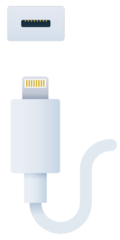
Apple Lightning
Propriety connector used for iPhone and IPad devices. Is being phased out for USB-C standard
24-pin main motherboard power cable and port
Identity

SATA 7-pin connector, provides data
Connects the internal storage drives to the mother board (Name, purpose, and pin count)

SATA 15-pin connector. Provides power
Connects the hard disk drive to the power supply unit (Name, purpose, and pin count)

Up to 150 MBps
The initial SATA standard speeds
Up to 300 MBps
The SATA revision 2 speeds
Up to 600 MBps
The SATA revision 3 speeds
7 expansion slots
The standard size and max expansion slots for an ATX motherboard
4 expansion slots
The standard size and max expansion slots for a Micro-ATX (mATX) motherboard
1 expansion slot
The standard size and max expansion slots for Mini-ITX motherboards
nano, pico, and mobile-ITX form factor motherboards
The form factors that are used for embedded systems and portables
DVI (Digital Visual Interface)
Supports both analog and digital outputs and is no longer actively developed, but still used on older display devices and video cards
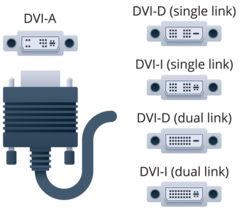
DVI-I
DVI version that supports both analog and digital
DVI-A
DVI version that supports analog only
DVI-D
DVI version that support digital only
VGA (Video Graphics Array)
Identify

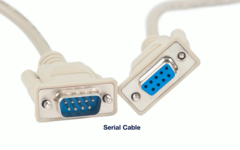
DB9 Cable
Also known as a Serial Cable, is a D-Shaped connector with 9 pins that is used to connect external serial devices like modems
Y Connector
One connector that can support multiple devices
Rail
A wire that provides current at a particular voltage. For example, a cable or wire that provides 12 VDC is a 12 VDC Rail
Motherboard
Printed circuit board that contains computer components and provides connectors
Input
Process of accepting data in a form that the computer can use
Output
Process of displaying the processed data or information
Processing
▪ Actions performed by the CPU when receiving information
▪ Processing is conducted by the CPU or GPU
Storage
▪ Process of saving or retaining digital data, temporarily or permanently
● Temporary storage
o Non-persistent (Data lost when powered off)
● Permanent storage
o Persistent (Data kept when powered off)
Volatile storage
Speed is fast (temporary, and measured in GHz)
Non-volatile storage
Speed decreases rapidly (permanent, and measured in MHz)
Advanced Technology eXtended (ATX)
Full-size motherboard and measures 12" x 9.6" in size (305mm x 244 mm).
The standard form factor for most desktop PC motherboards and cases.
A motherboard form factor that was standardized by intel in 1995 featuring a 24 pin power connector.
Mini-ATX
Smaller than ATX but contains the same features (11.2" x 8.2" / 284mm x 208 mm)
Micro-ATX (mATX)
▪ Measures 9.6 inches squared (244mm x 244mm)
▪ Same as ATX but only has 4 expansion card slots
Mini-ITX
Measures 6.7" x 6.7" with only one expansion slot (170 x 170mm squared)
CPU
▪ The brains of the computer that execute the different programing codes in the software and firmware
▪ The CPU is performing the basic operations for every instruction in the computer
▪ Once the processor has done the execution of the instruction, it will send that information back to the memory so that it can be stored and used for later use
X86 CPU
Also known as (IA-32), can support a maximum of 4 gigabytes of RAM
X64 CPU
▪ An extension of the X86 instruction set to be able to support 64-bit
operations
▪ 32-bit systems can only run 32-bit programs, but 64-bit processors can
run 64-bit programs and 32-bit programs because they are fully
backwards compatible
Advanced RISC Machine (ARM)
RISC-Reduced Instruction Set Computer
▪ Used for low-power devices (tablets and cell phones) ● Extended battery life
● Produces less heat
▪ RISC systems use code to do tasks
ZIF
Zero Insertion Force
▪ The ability to insert the CPU without pressing down and applying pressure to it
▪ If you bend, snap, or break a pin from a processor, the entire processor is no longer functional
LGA Socket
Land Grid Array-Used by Intel
▪ A form factor that positions all the pins to be able to connect the CPU processor into the socket
PGA Form Factor
Pin Grade Array-Used by AMD
▪ The processor has the pins and the socket have holes which allows the
holes to align when installing the processor
Simultaneous Multithreading (SMT)
AMD process
▪ Single stream of instructions is being sent by a software application to a processor
▪ Manufacturers developed a way to allow software to run multiple parallel threads at the same time
Hyper-threading
Intel process
Single stream of instructions is being sent by a software application to a processor
▪ Manufacturers developed a way to allow software to run multiple parallel threads at the same time
Multi-core Processors
▪ Single CPU with multiple processors inside
▪ Multiple processors have multiple cores inside the CPU
PCIe x1
Peripheral Component Interconnect Express
● is used for modems, network cards, wireless cards, input/output devices, and audio cards
PCIe x16
Peripheral Component Interconnect Express
used for graphics cards because it can support large amounts of data & very fast speeds
GPU
Graphics Processing Unit
▪ A specialized processor designed to accelerate graphics rendering
NIC
Network Interface Card
Install NIC into PCIe x1 slot
Motherboard Form Factor
Physical size and layout of the motherboard.
microATX Form Factor
A motherboard form factor that is smaller than an ATX motherboard featuring limited expansion slots and memory slots, and it is actively manufactured as of 2019.
ITX Form Factor
A motherboard form factor that is very small in size that fits almost any enclosure and is often used for single-purpose computing.
Computer Bus
A set of pathways that connects the different components of a motherboard to each other.
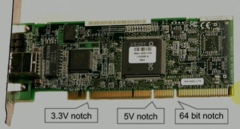
PCI (Peripheral Component Interconnect)
A bus created in 1994 that comes in 32-bit and 64-bit bus width that sends data over parallel communication
PCI 32-bit slots

PCI 64-bit slots

PCI 32-bit expansion card

PCI 64-bit expansion card
PCI Express
A high speed interface that communicates over a serial connection on a motherboard.
PCIe Pathways
The number of serial lanes of communication available for a particular interface. x1,x2,x4,x8,x16,x32
24-pin motherboard power
The main motherboard power that provides +3.3 V, +/-5 V, and +/-12 V.
6-pin and 8-pin PCIe connectors
Additional power for PCI Express adapters that provides 75 watts or 150 watts of +12 V.
eSATA expansion

SATA Connector

Pin Headers
A simple electrical interface in which the connector is attached to the header for many different uses such as power, lights, and buttons.
M.2 Connector

AMD
A cost effective CPU manufacturer
Intel
A performance CPU manufacturer
Multisocket
Motherboard configuration with multiple CPU sockets. The CPUs installed must be identical.
BIOS (basic input/output system)
The software used to start your computer by initializing CPU and memory.
Legacy BIOS
A traditional BIOS used on older devices that has been around for more than 25 years.
UEFI BIOS (Unified Extensible Firmware Interface BIOS)
A defined standard implemented by the manufacturers such as Intel designed to replace the legacy BIOS for modern computers.
BIOS launch keys
Del
F1
F2
Ctrl-S
Ctrl-Alt-S
Fast Startup
A system that speeds up the shutdown and startup process of Windows 10 by not shutting down the system all the way.
BIOS Configuration Tips
Always make backup of your BIOS configuration including detailed notes and taking a picture. Don't make a change unless you're certain of the settings.
BIOS boot options
Enable & Disable Hardware
Modify Boot Order for Connected Drives
Control what happens when your computer turns on
USB permissions
Feature of system setup allowing USB ports to be disabled.
BIOS Fans
Motherboards often include an integrated controller with temperature sensor that can be configured in the BIOS.
Secure Boot
A UEFI feature that prevents a system from booting up with drivers or an OS that are not digitally signed and trusted by the motherboard or computer manufacturer.
UEFI BIOS protections
The BIOS checks for the manufacturer's public key, a digital signature is checked during a BIOS update, and the BIOS prevents unauthorized writes to the flash.
BIOS boot password
The system won't boot without the password to boot the operating system.
BIOS supervisor password
The BIOS settings are restricted and must use a BIOS password to change any configuration settings.
CMOS (complementary metal-oxide semiconductor)
A type of memory that may be backed up with a battery on the motherboard
BIOS Flash Memory
non-volatile memory that can be easily accessed and stored.
BIOS jumper
Usually near the battery. Shorting the two pins on this jumper will reset the BIOS password
BIOS Temperature monitoring
Built-in temperature diagnostics that do not require additional media or software.
BIOS Virtualization Support
A limited software in which other operating systems are ran within a single hardware platform that can be configured in the BIOS.
TPM (Trusted Platform Module)
A standardized piece of hardware that is built into a computer for encryption that includes a cryptographic processor, cryptographic key, persistent memory, versatile memory, and is password protected.
TPM cryptographic processor
Random number generator, key generators
TCG (Trusted Computing Group)
The organization that manages the standards for TPM.
TPM cryptographic key
A unique secret key that is linked and is only available on one device.
HSM (Hardware Security Module)
An appliance for generating and storing cryptographic keys across multiple devices often deployed as a high-end cryptographic hardware.
lightweight HSM
A type of HSM for storing personal keys on a device that can be moved from one computer to another.
32-bit processor
The capability of a CPU that can process 32-bits of information and has a limit of 4GB of memory.