Biomolecules: Carbohydrates, Lipids, Proteins & Enzymes

call kaiCall Kai
learnLearn
examPractice Test
spaced repetitionSpaced Repetition
heart puzzleMatch
flashcardsFlashcards
Card Sorting

1/36

encourage image

There's no tags or description

Looks like no tags are added yet.

Last updated 2:10 PM on 10/2/26
Name
Mastery
Learn
Test
Matching
Spaced
Call with Kai
Chat
Add student to class section state
Add studentsNo students in these sections. Invite them to track progress!

37 Terms

1
New cards

molecule

two or more atoms held together by covalent bonds
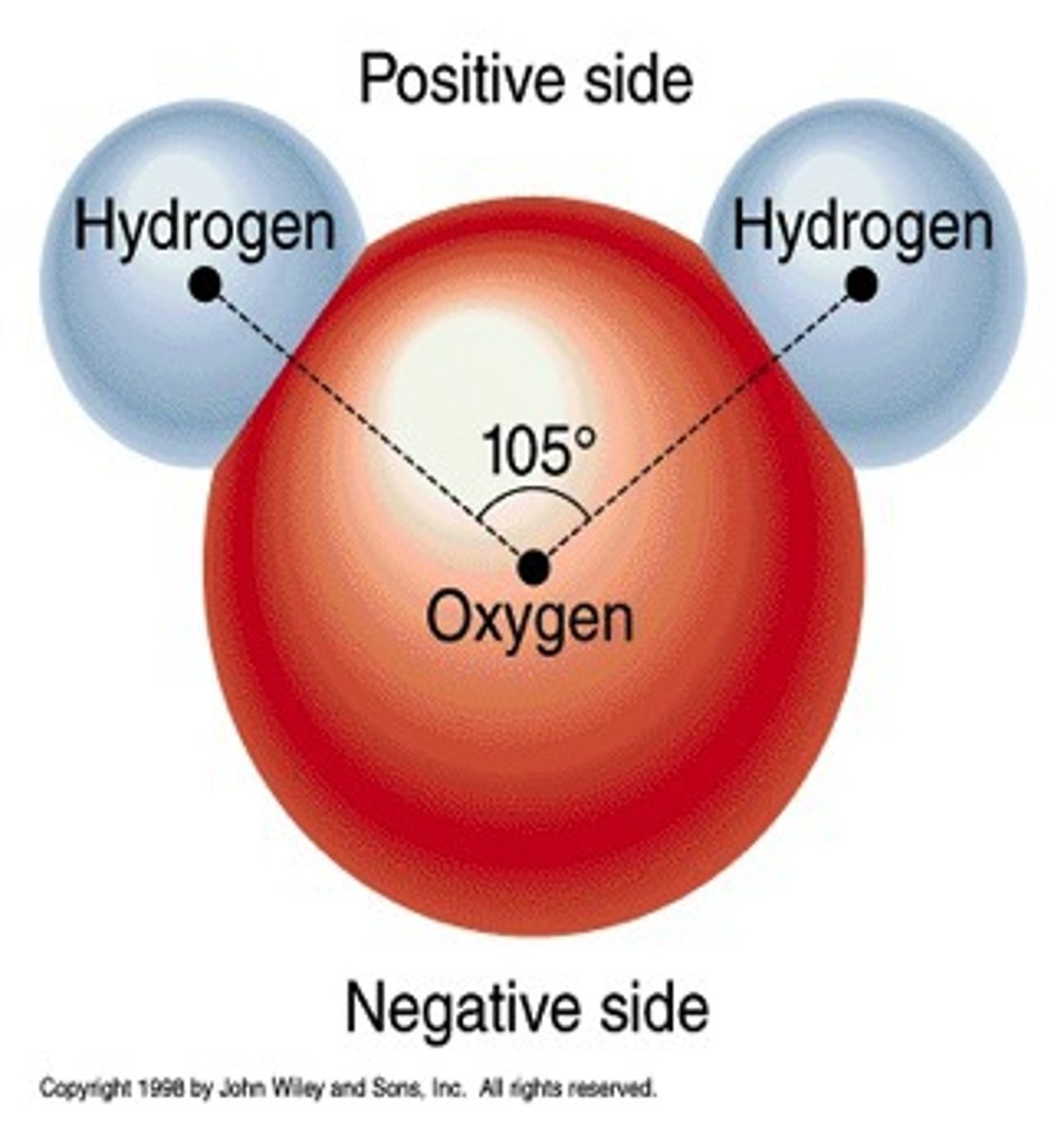
<p>two or more atoms held together by covalent bonds</p>
2
New cards

Biomolecule(macromolecule)

large organic molecule formed by joining smaller organic molecules together (carbohydrates, lipids, proteins, nucleic acids)
<p>large organic molecule formed by joining smaller organic molecules together (carbohydrates, lipids, proteins, nucleic acids)</p>
3
New cards

pH scale

scale that ranges from 0-14. 0 is most acidic. 7 is neutral. 14 is most basic (alkaline)
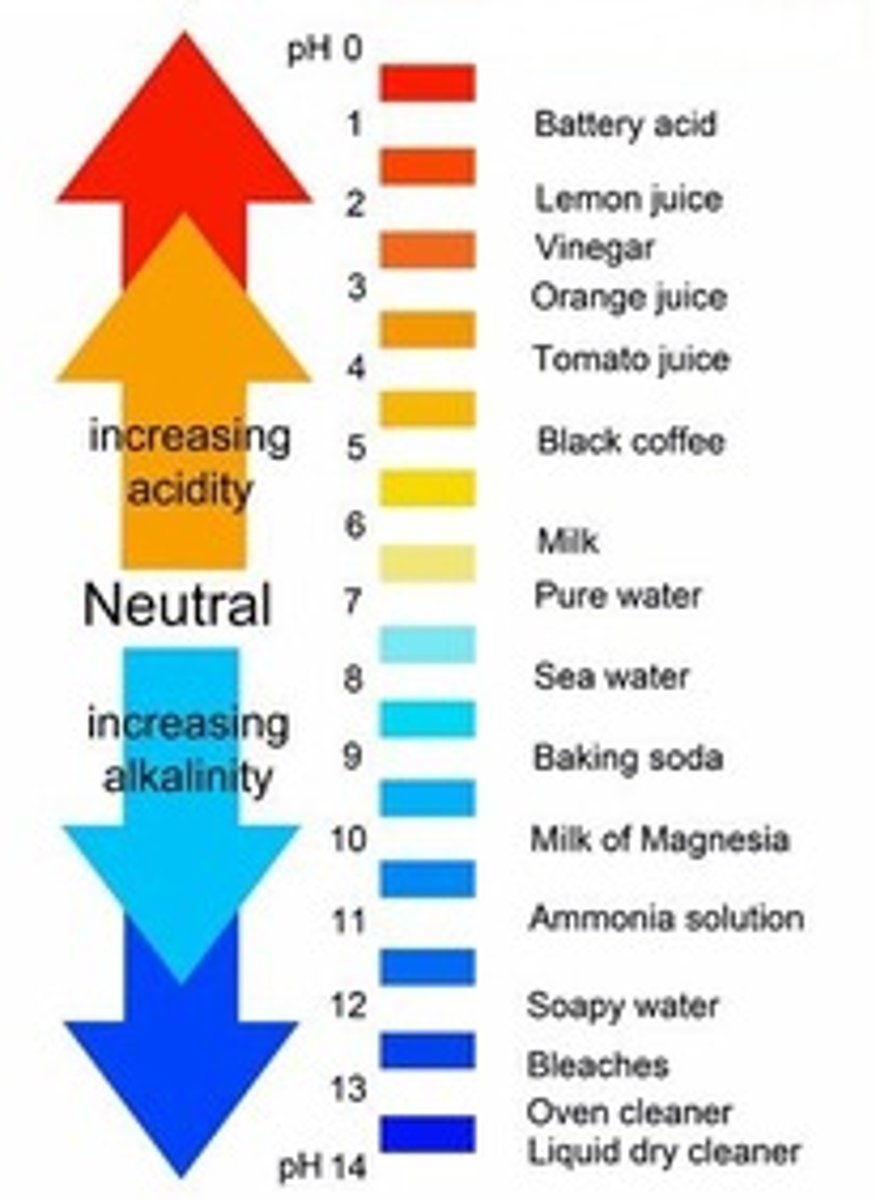
<p>scale that ranges from 0-14. 0 is most acidic. 7 is neutral. 14 is most basic (alkaline)</p>
4
New cards

monomer

small chemical unit that makes up a polymer (like a single link in a chain)
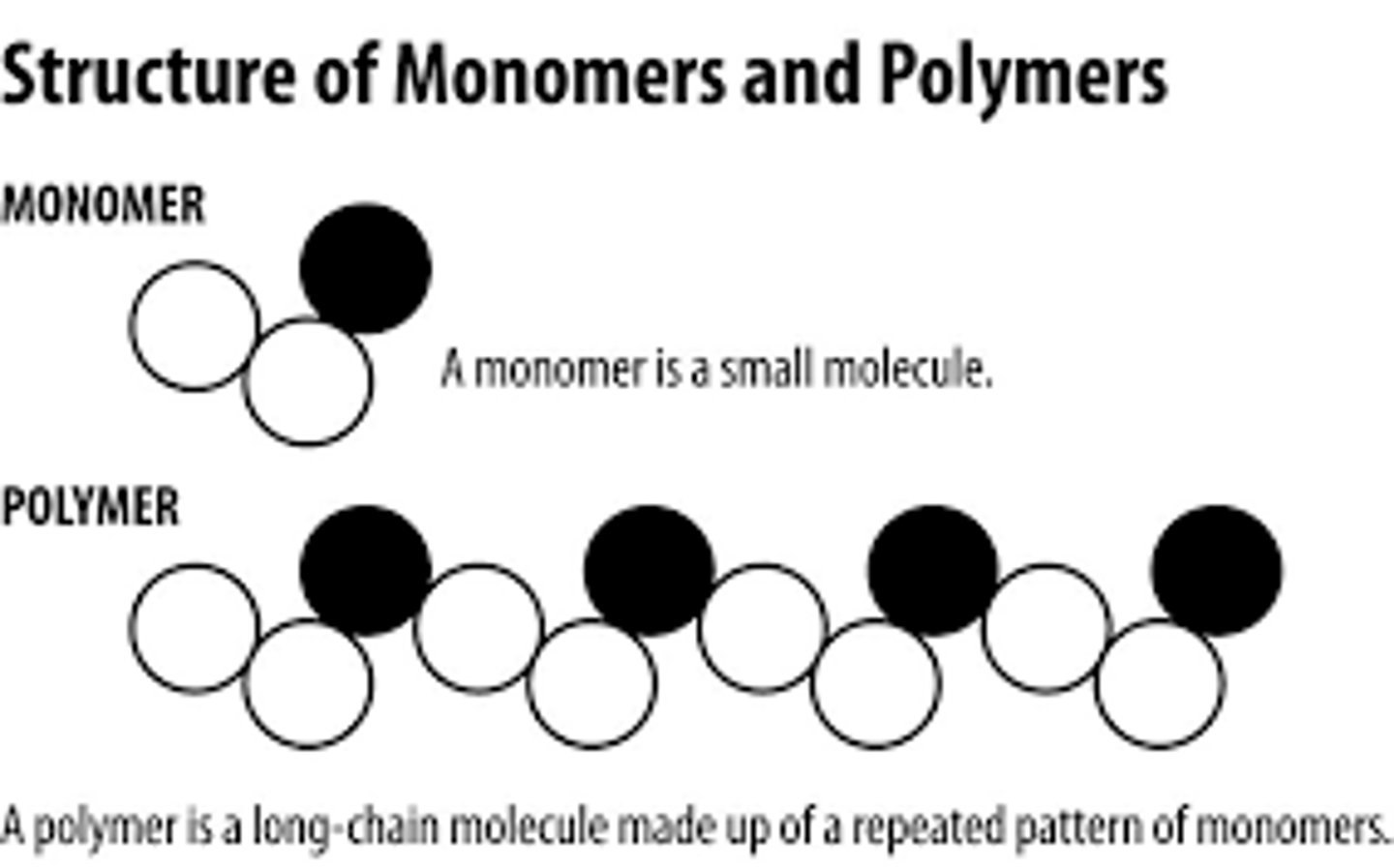
<p>small chemical unit that makes up a polymer (like a single link in a chain)</p>
5
New cards

polymer

Molecule composed of many monomers; makes up macromolecules ( like a chain of many links)
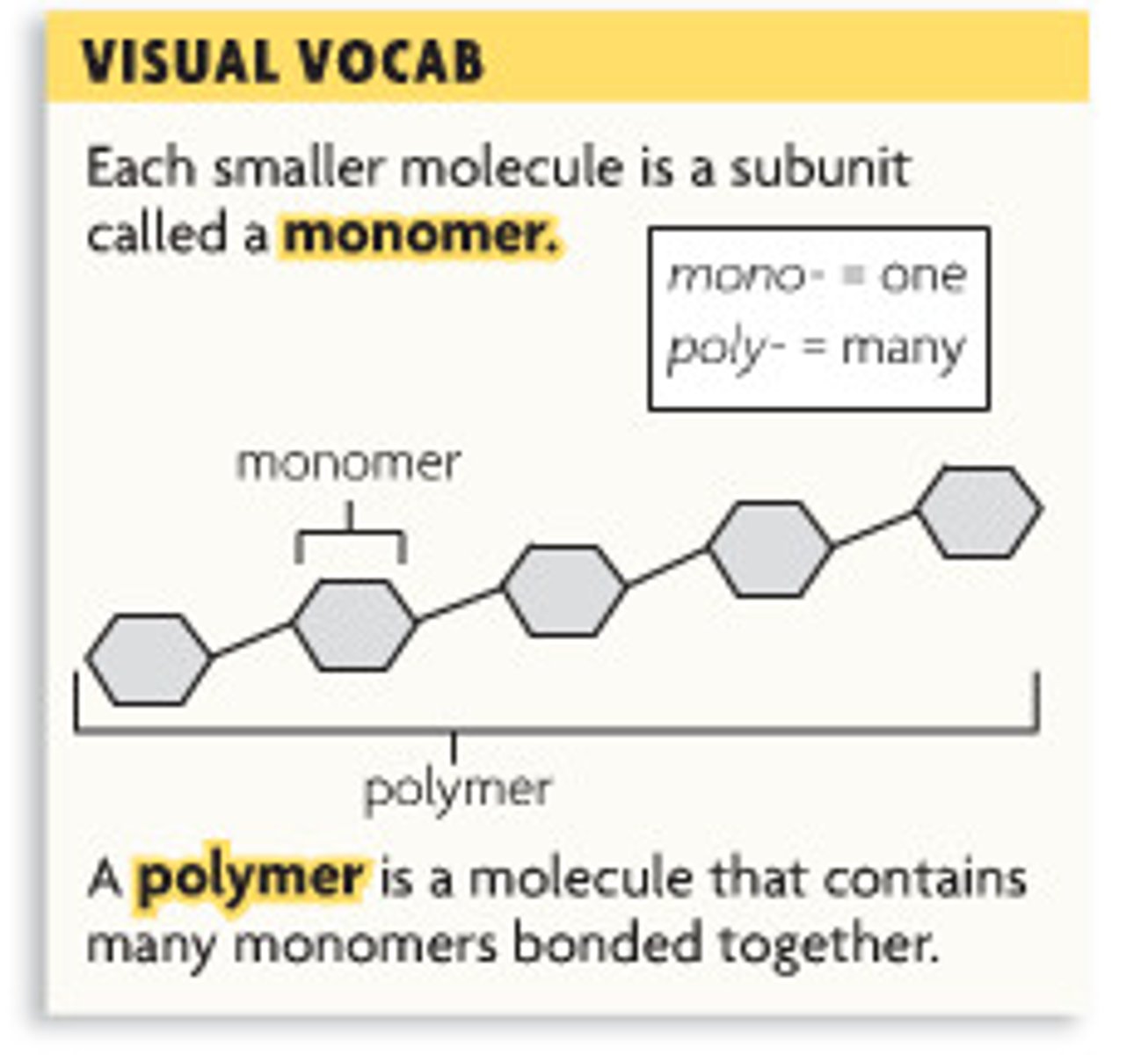
<p>Molecule composed of many monomers; makes up macromolecules ( like a chain of many links)</p>
6
New cards

proteins

nutrients that help build and maintain body cells and tissues, enzymes are special proteins (amino acids are the monomers of proteins joined by peptide bonds)
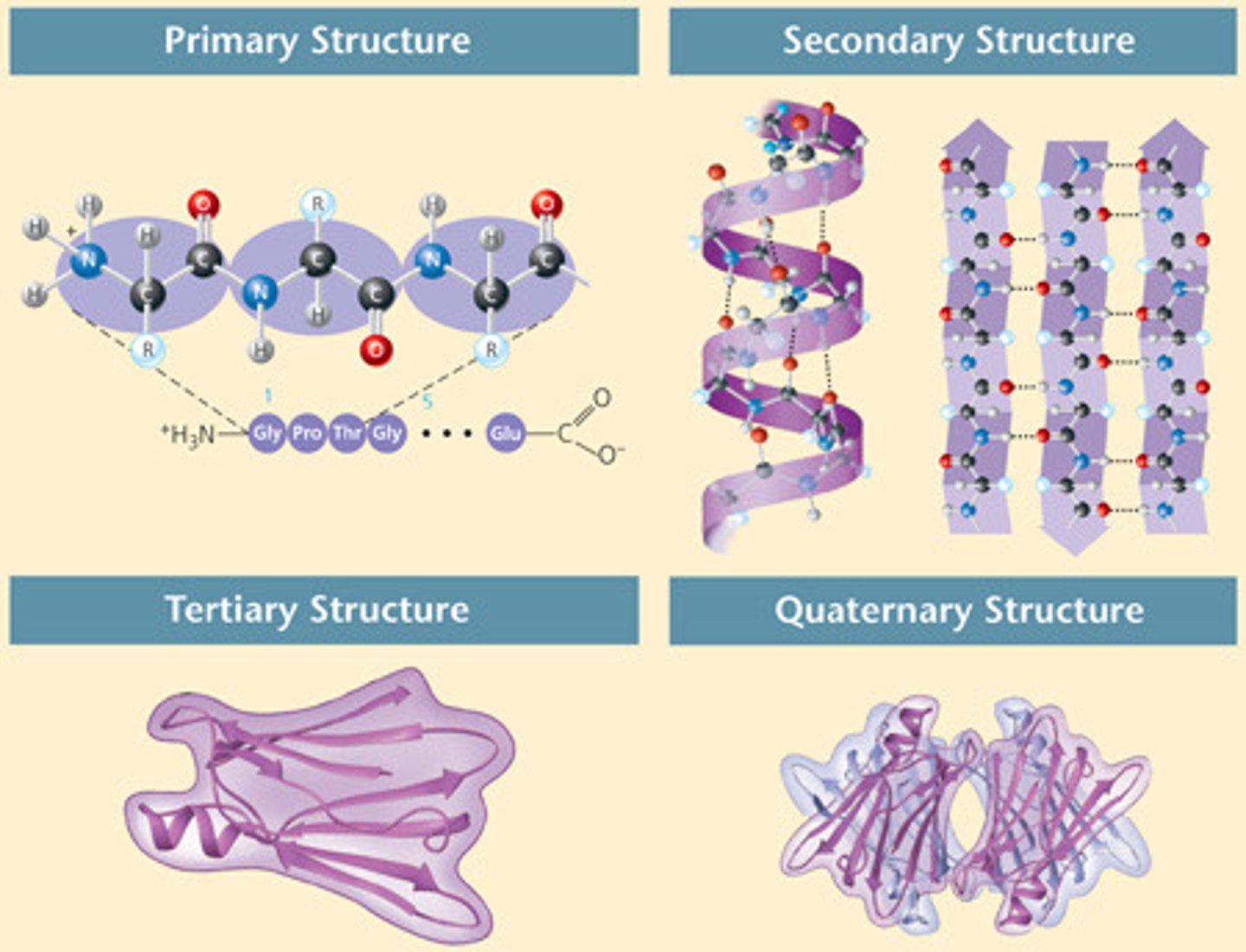
<p>nutrients that help build and maintain body cells and tissues, enzymes are special proteins (amino acids are the monomers of proteins joined by peptide bonds)</p>
7
New cards

nucleic acids

DNA and RNA, store genetic information, monomers are nucleotides
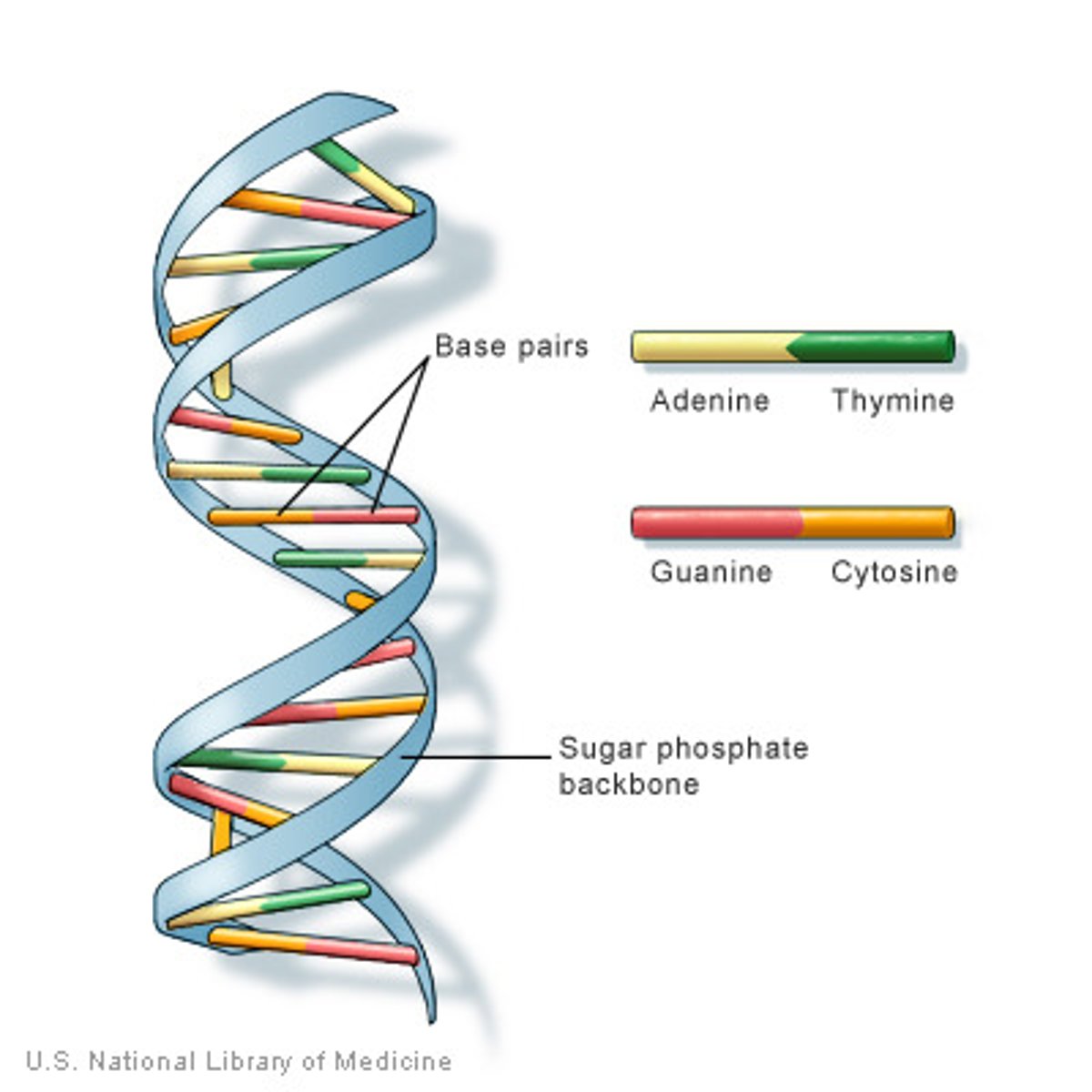
<p>DNA and RNA, store genetic information, monomers are nucleotides</p>
8
New cards

enzyme

A special type of protein that speeds up a chemical reaction in a living thing by lowering activation energy (often end in -ase suffix, example protease breaks down proteins)
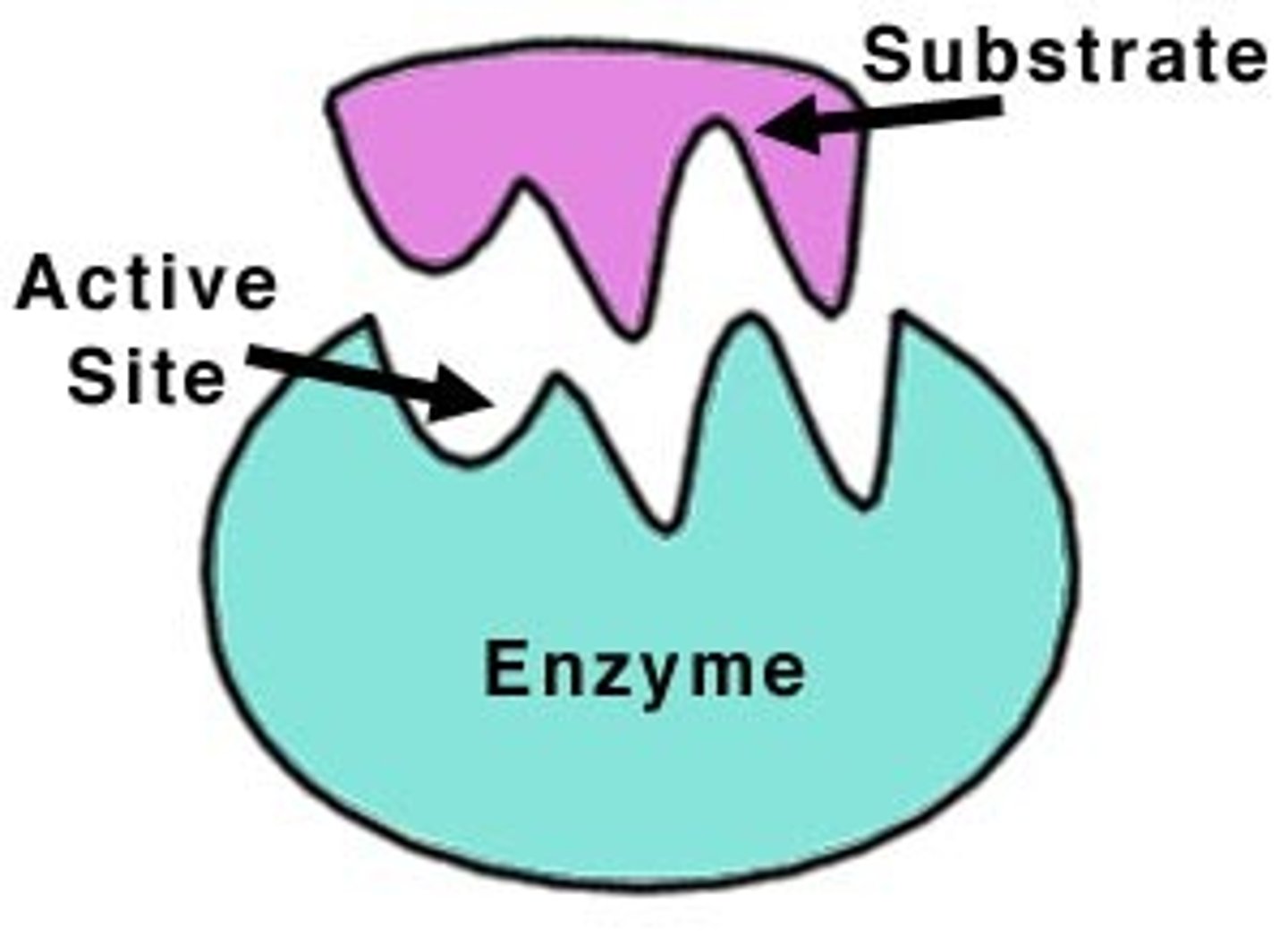
<p>A special type of protein that speeds up a chemical reaction in a living thing by lowering activation energy (often end in <strong>-ase</strong> suffix, example protease breaks down proteins)</p>
9
New cards

active site

part of an enzyme into which a particular substrate fits or binds
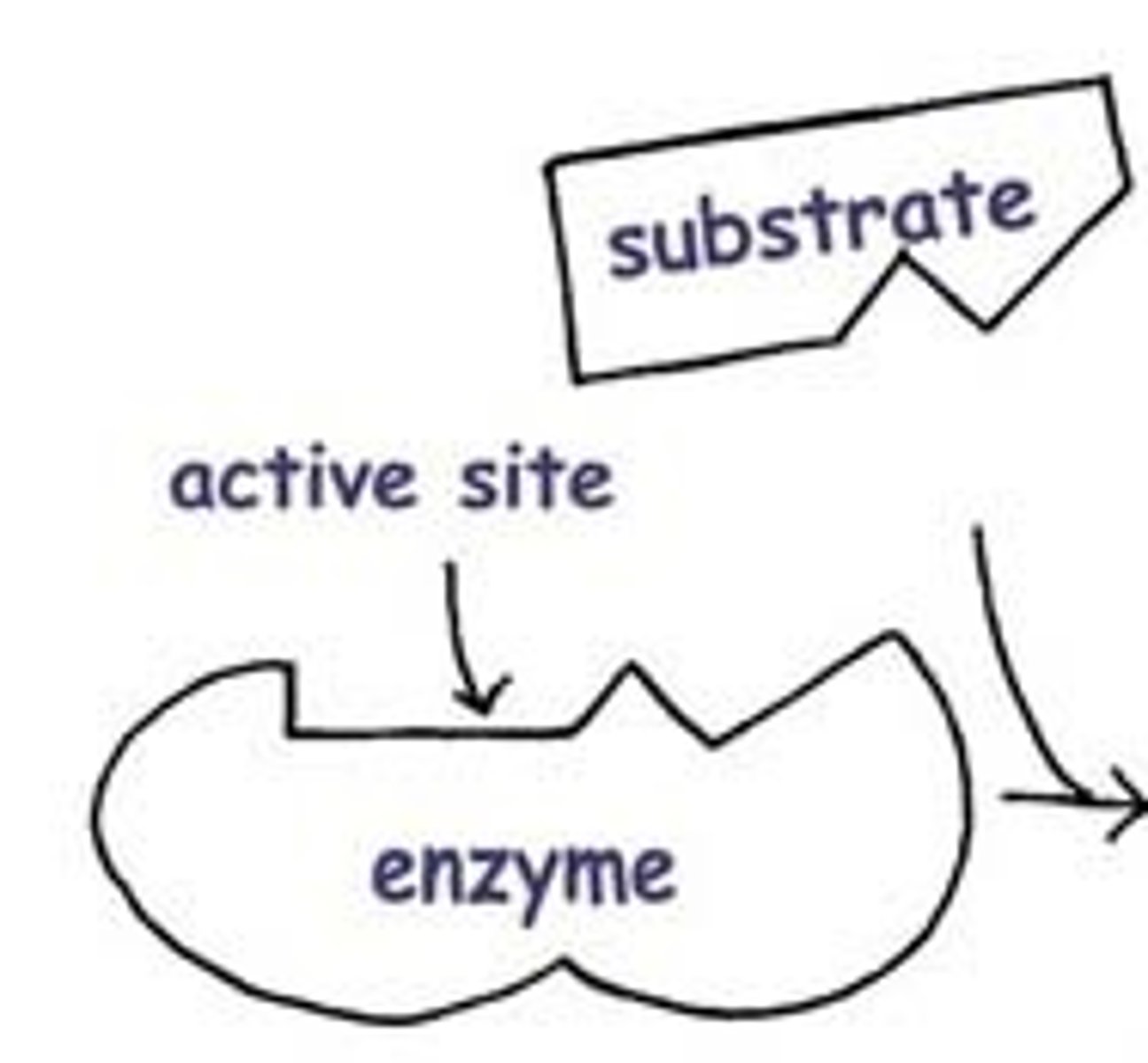
<p>part of an enzyme into which a particular substrate fits or binds</p>
10
New cards

substrate

the substance on which an enzyme acts (example the enzyme lactase breaks down the the substrate lactose)
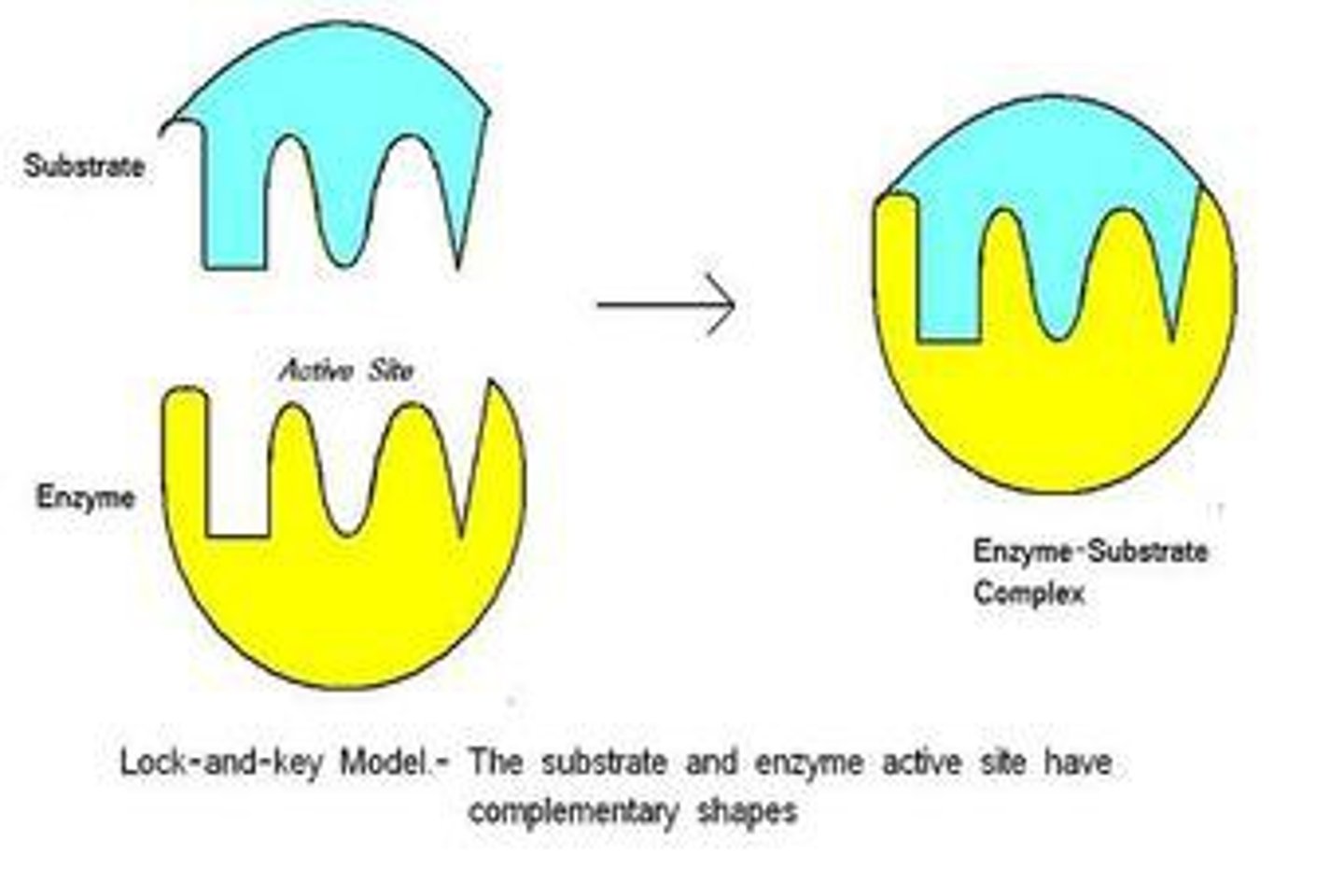
<p>the substance on which an enzyme acts (example the enzyme lactase breaks down the the substrate lactose)</p>
11
New cards

reactants

A starting material in a chemical reaction (substrates are reactants when enzymes are present)
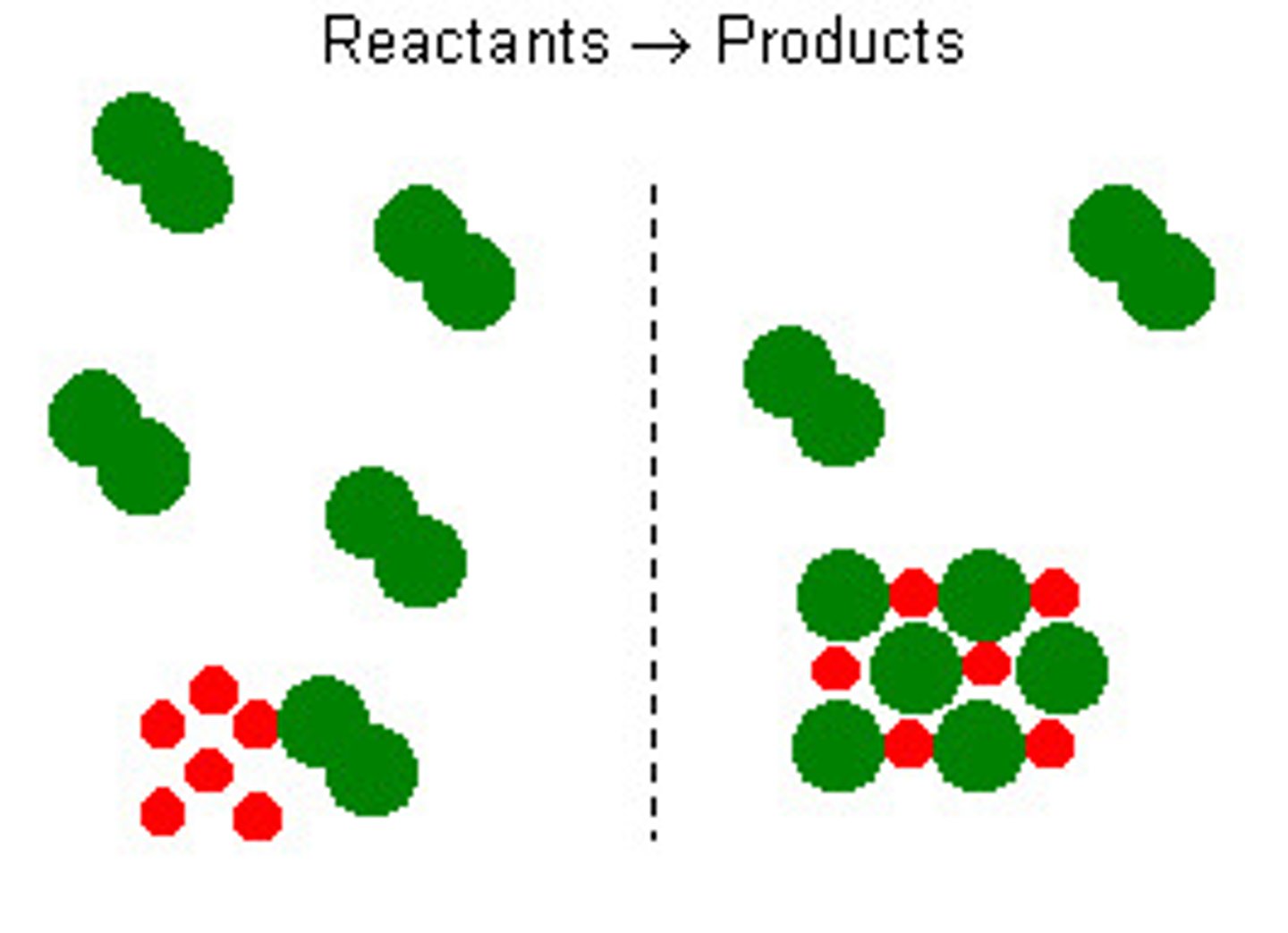
<p>A starting material in a chemical reaction (substrates are reactants when enzymes are present)</p>
12
New cards

products

substance(s) formed as a result of a chemical reaction
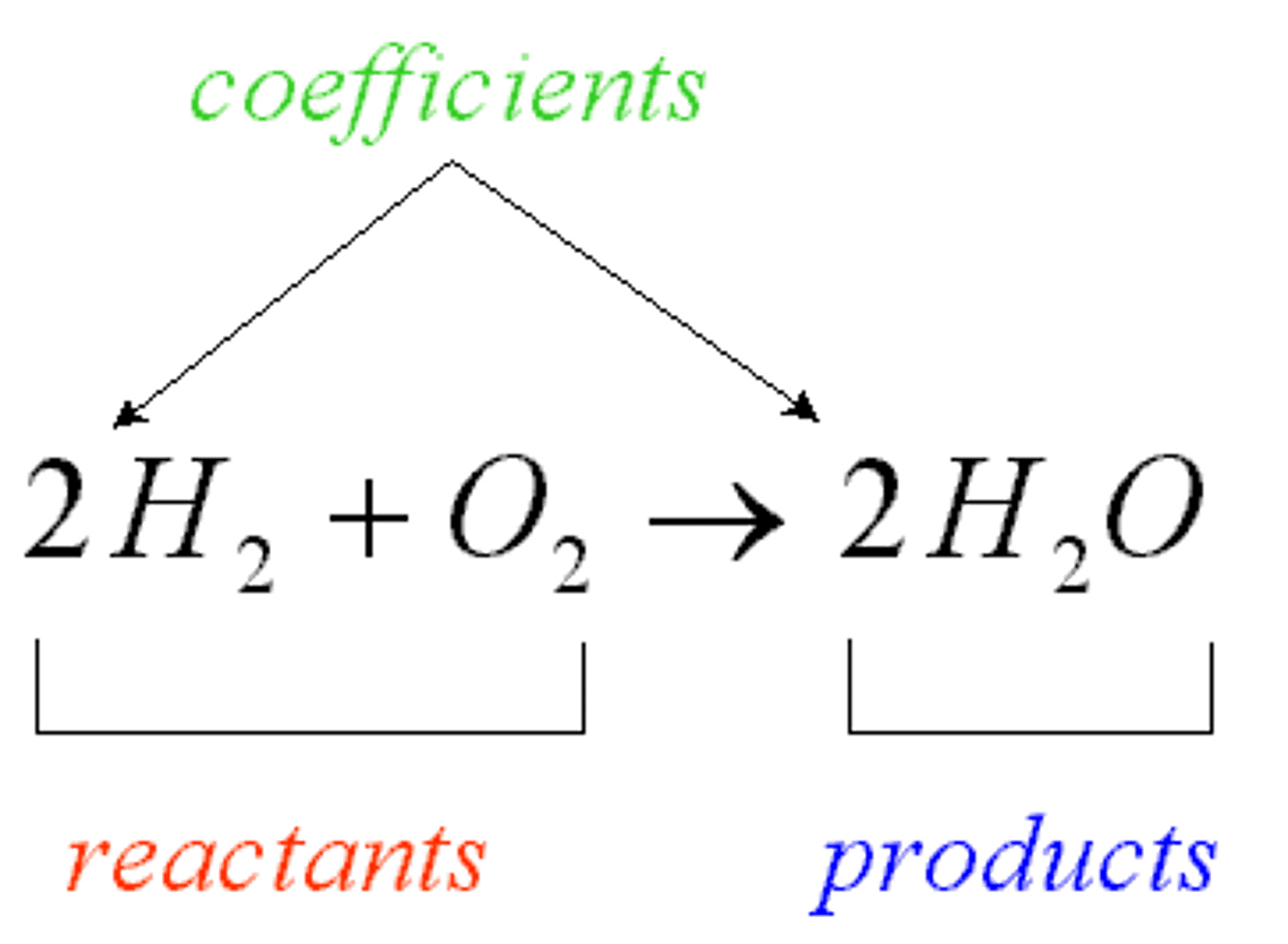
<p>substance(s) formed as a result of a chemical reaction</p>
13
New cards

catalyst

substance that speeds up the rate of a chemical reaction, enzymes are biological catalysts
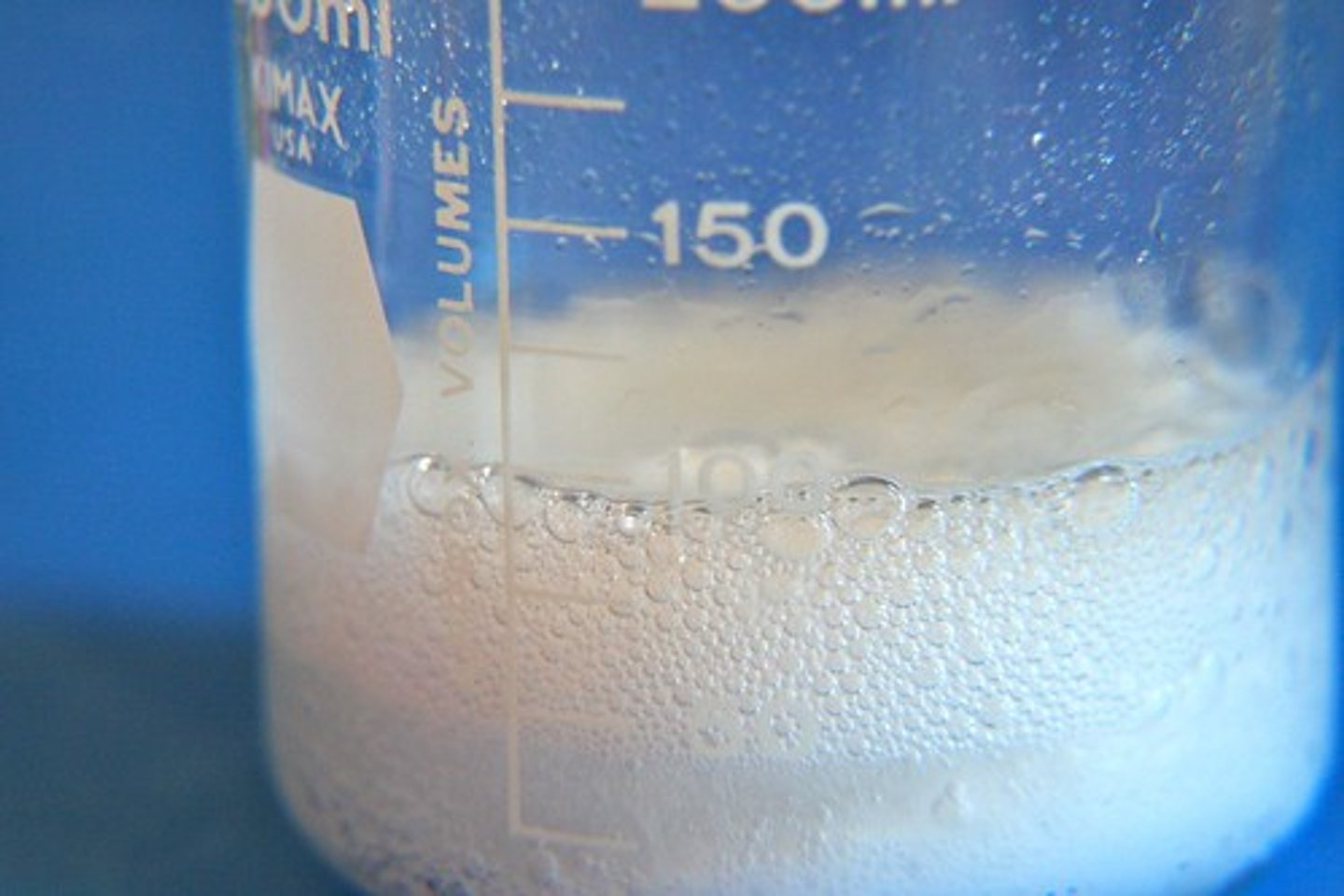
<p>substance that speeds up the rate of a chemical reaction, enzymes are biological catalysts</p>
14
New cards

activation energy

the minimum amount of energy required to start a chemical reaction, enzymes work by lowering activation energy
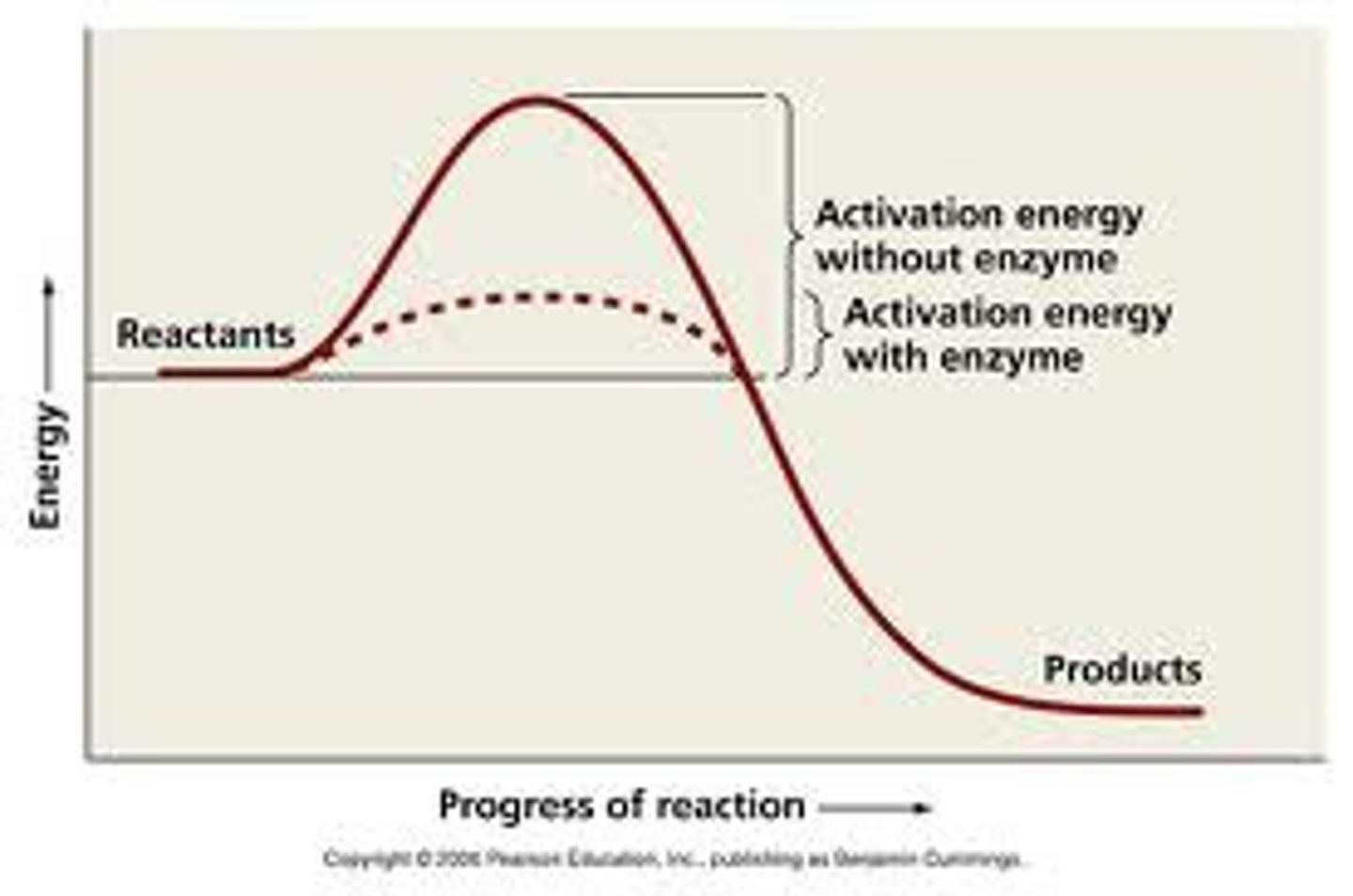
<p>the minimum amount of energy required to start a chemical reaction, enzymes work by lowering activation energy</p>
15
New cards

hydrolysis

Breaking down complex molecules by the addition of water, polymers broken into monomers
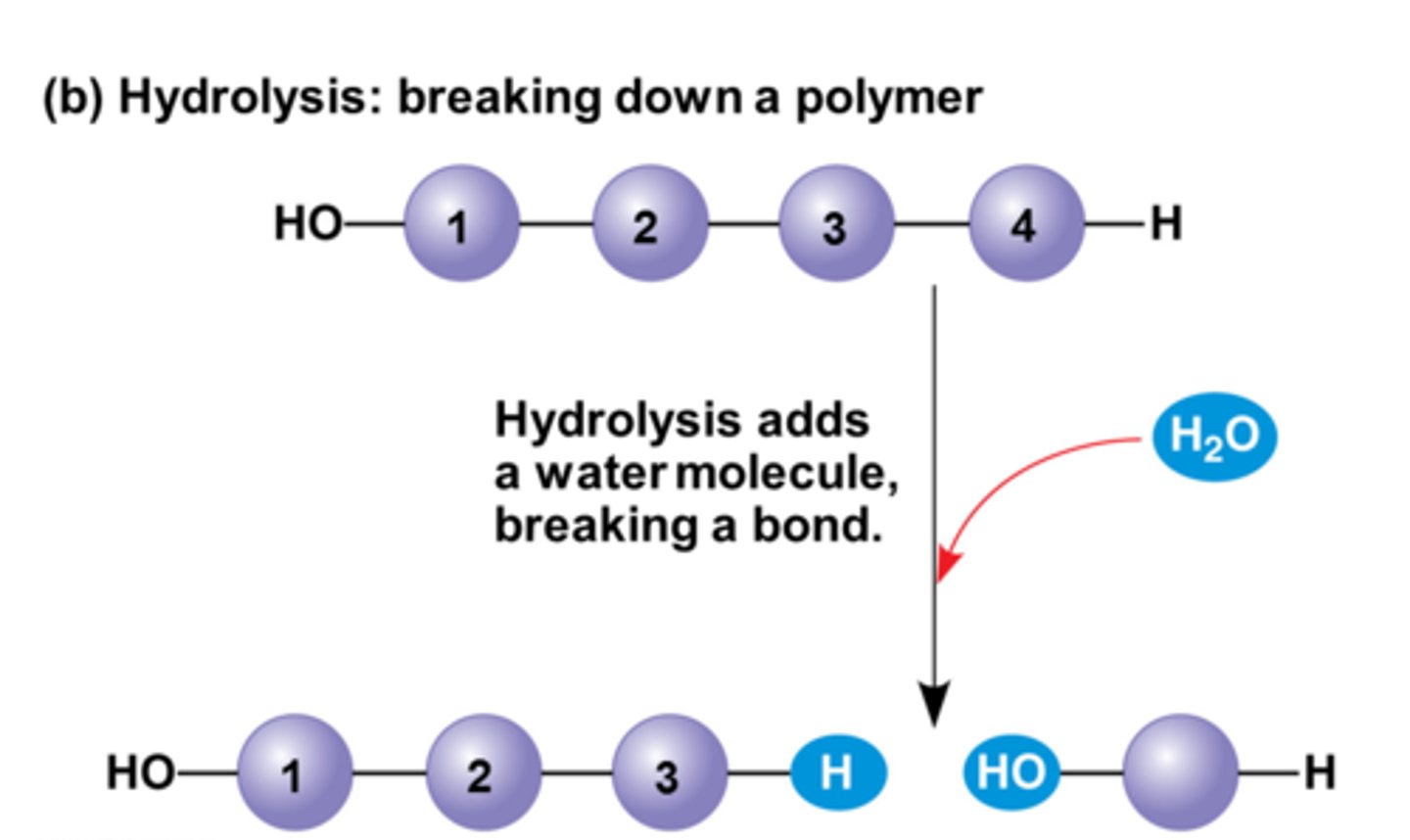
<p>Breaking down complex molecules by the addition of water, polymers broken into monomers</p>
16
New cards

peptide bond

The covalent bond between two amino acid units, formed by a dehydration reaction. (removal of water to link amino acids ) how enzymes/proteins are assembled
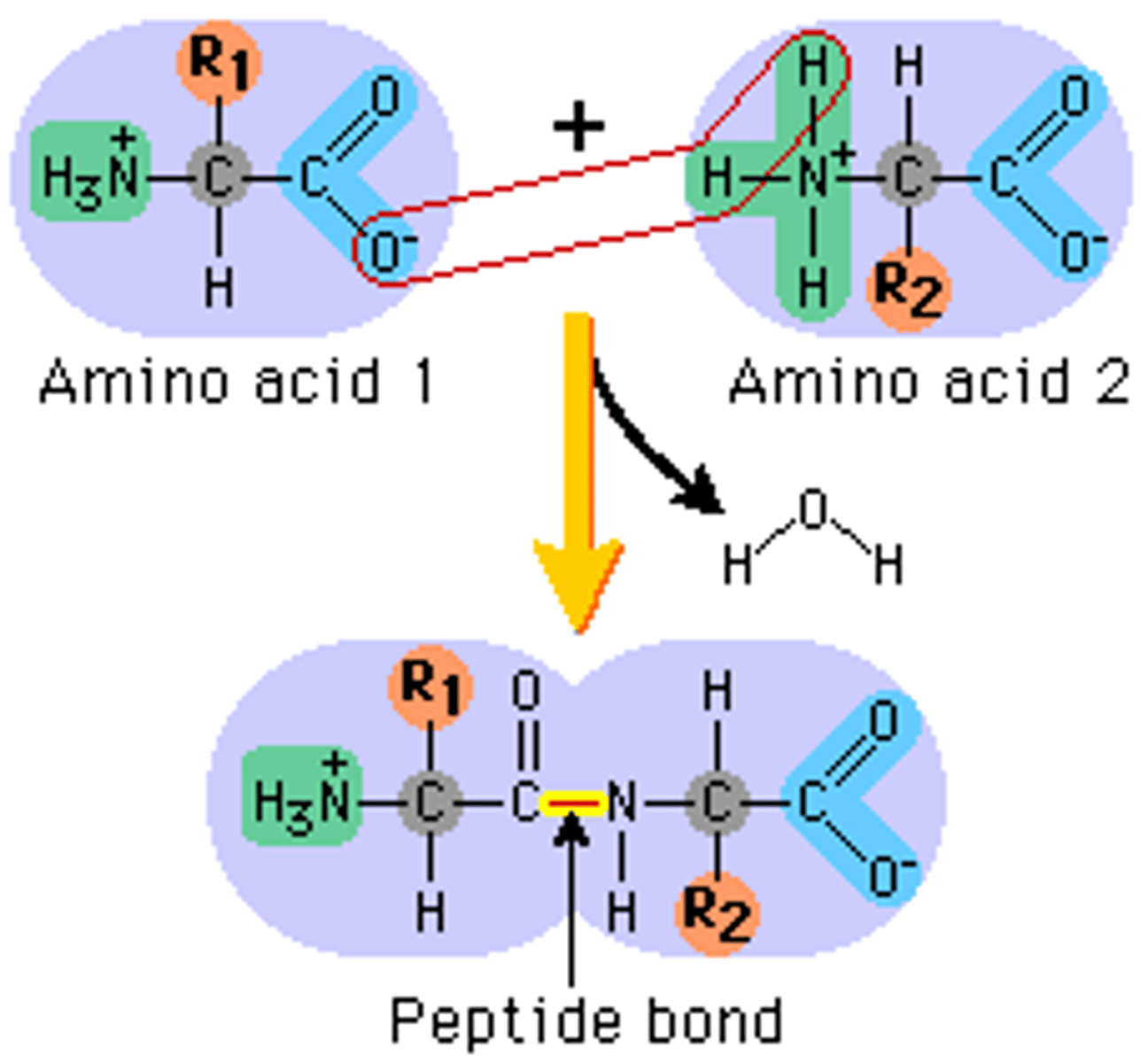
<p>The covalent bond between two amino acid units, formed by a dehydration reaction. (removal of water to link amino acids ) how enzymes/proteins are assembled</p>
17
New cards

dehydration synthesis (condensation)

removal of water when forming a polymer, to put together by losing water
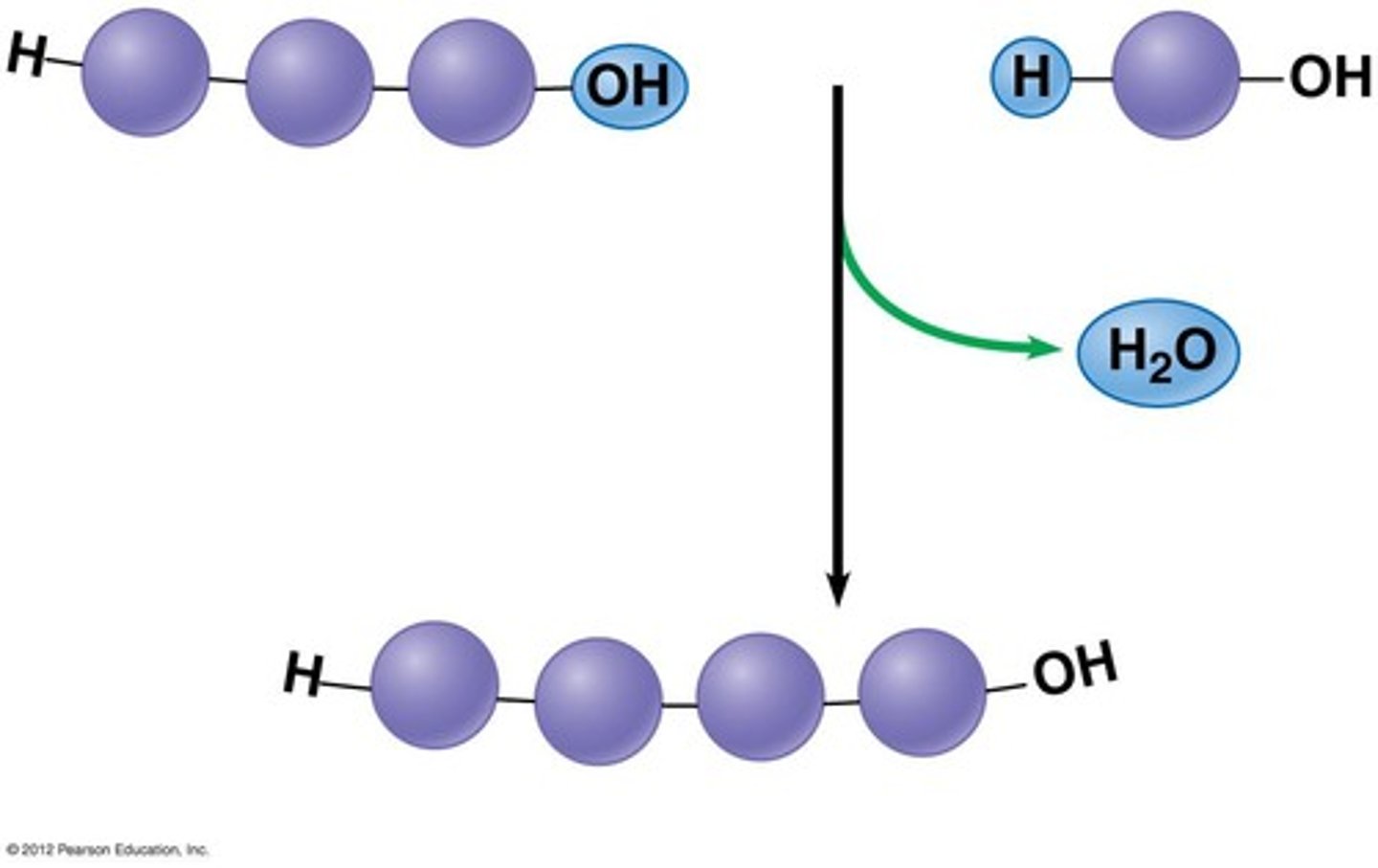
<p>removal of water when forming a polymer, to put together by losing water</p>
18
New cards

enzyme-substrate complex

A temporary complex formed when an enzyme binds to its substrate molecule(s).
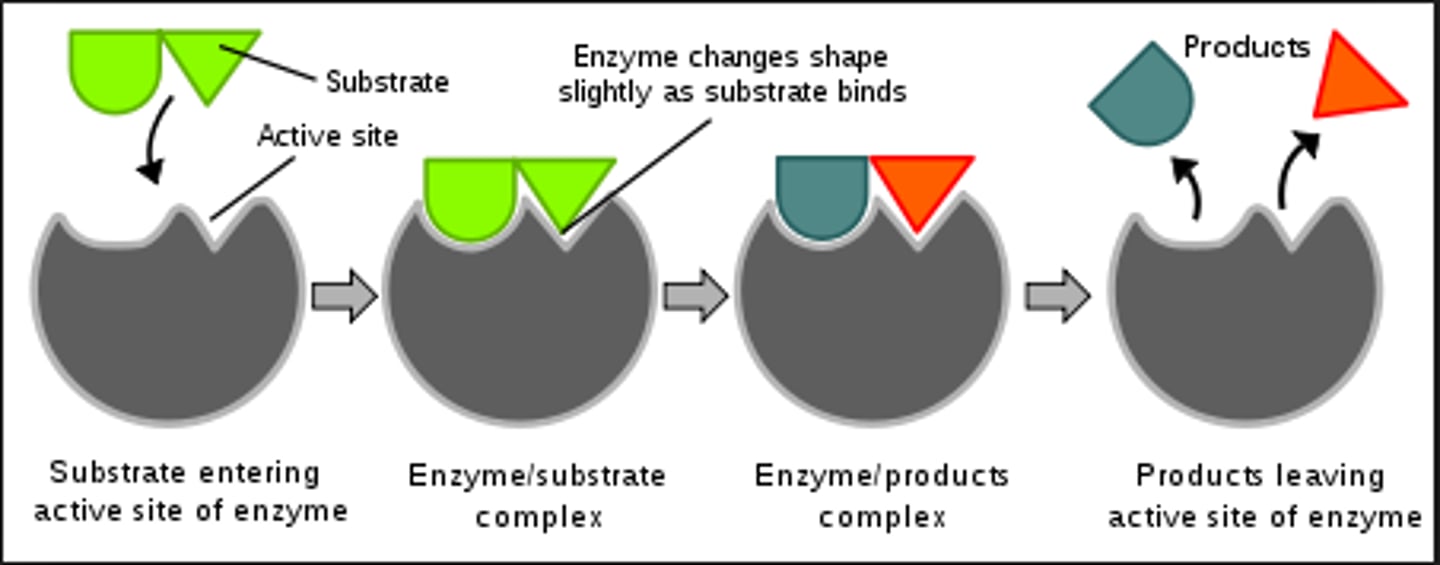
<p>A temporary complex formed when an enzyme binds to its substrate molecule(s).</p>
19
New cards

peroxidase

an enzyme that destroys hydrogen peroxide, found most in living things
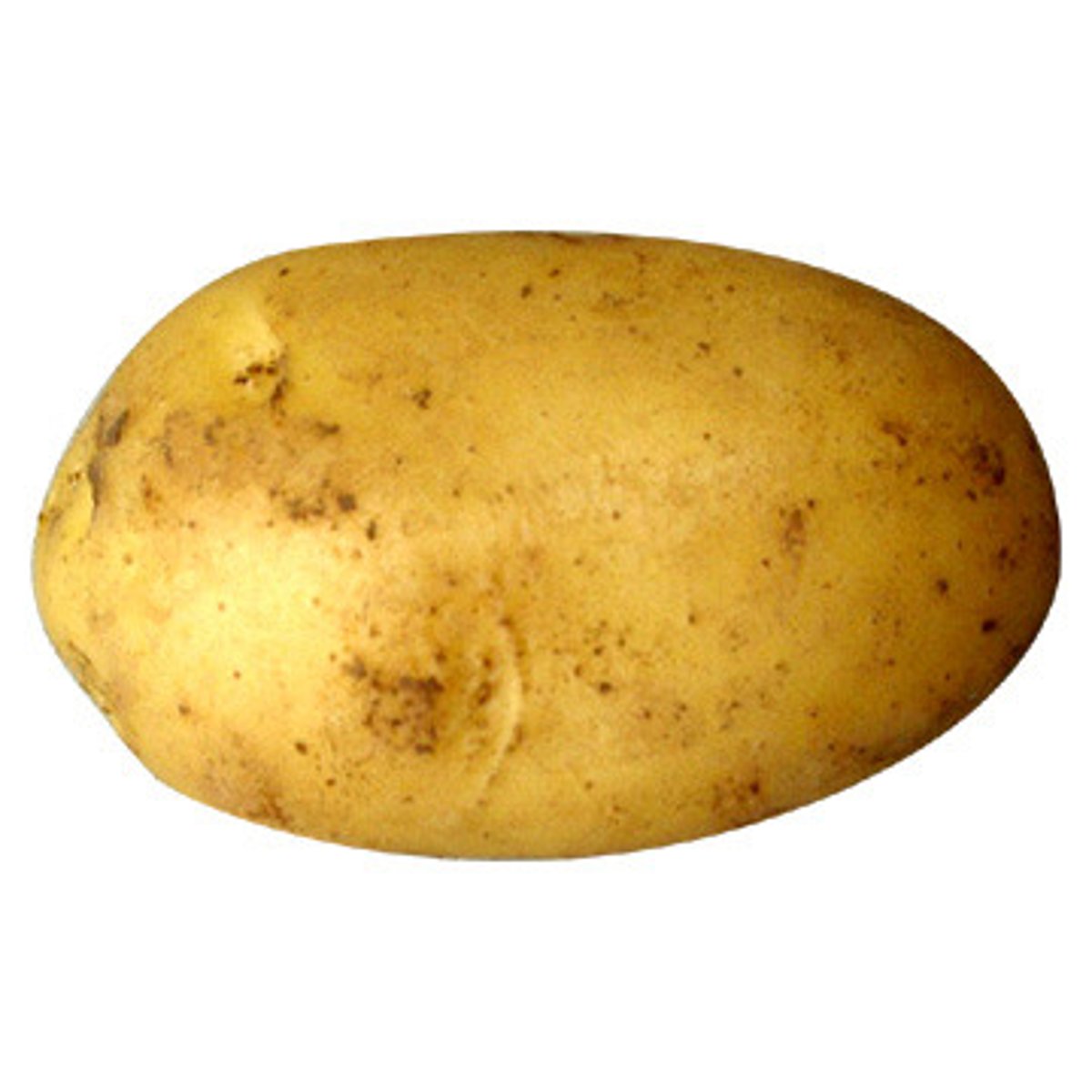
<p>an enzyme that destroys hydrogen peroxide, found most in living things</p>
20
New cards

inhibitor

a substance that slows, or even stops, a chemical reaction, reduces the activity of an enzyme by binding to it
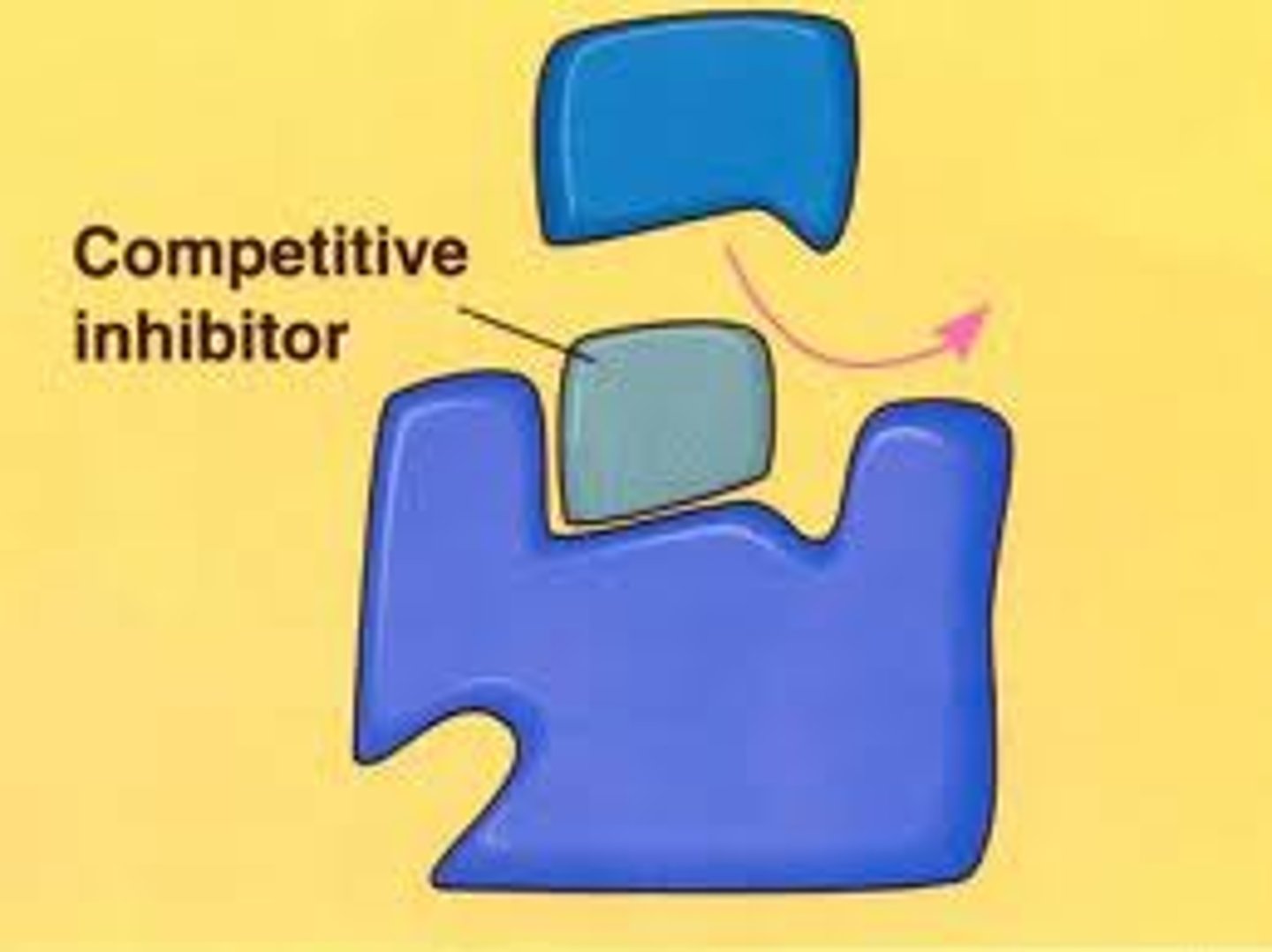
<p>a substance that slows, or even stops, a chemical reaction, reduces the activity of an enzyme by binding to it</p>
21
New cards

lactase

an enzyme that catalyzes the hydrolysis of lactose to glucose and galactose. (breaks down milk sugar lactose)
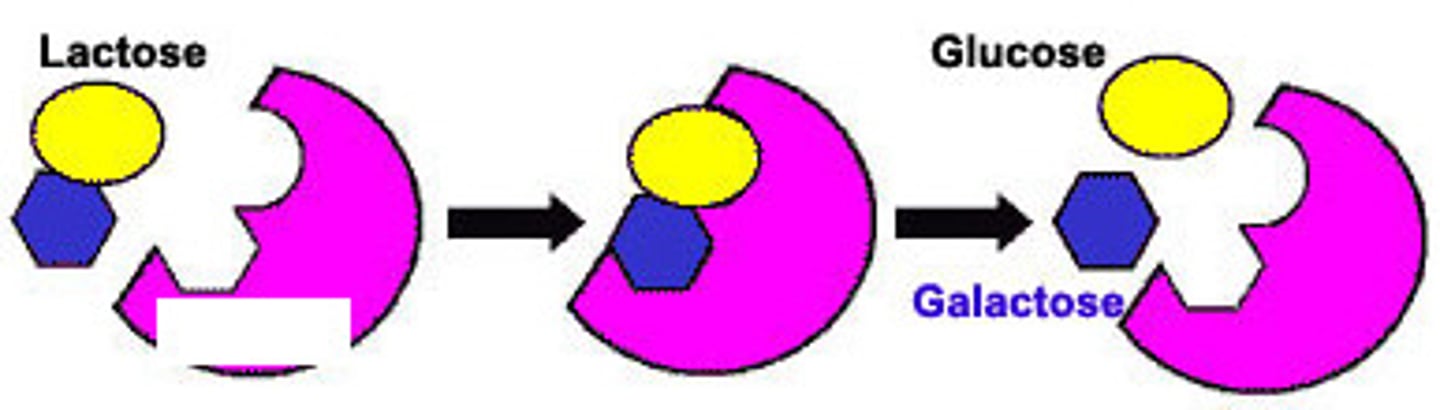
<p>an enzyme that catalyzes the hydrolysis of lactose to glucose and galactose. (breaks down milk sugar lactose)</p>
22
New cards

denature

A change in the shape of a protein (such as an enzyme) that can be caused by extreme temperatures, extreme pH, or salinity
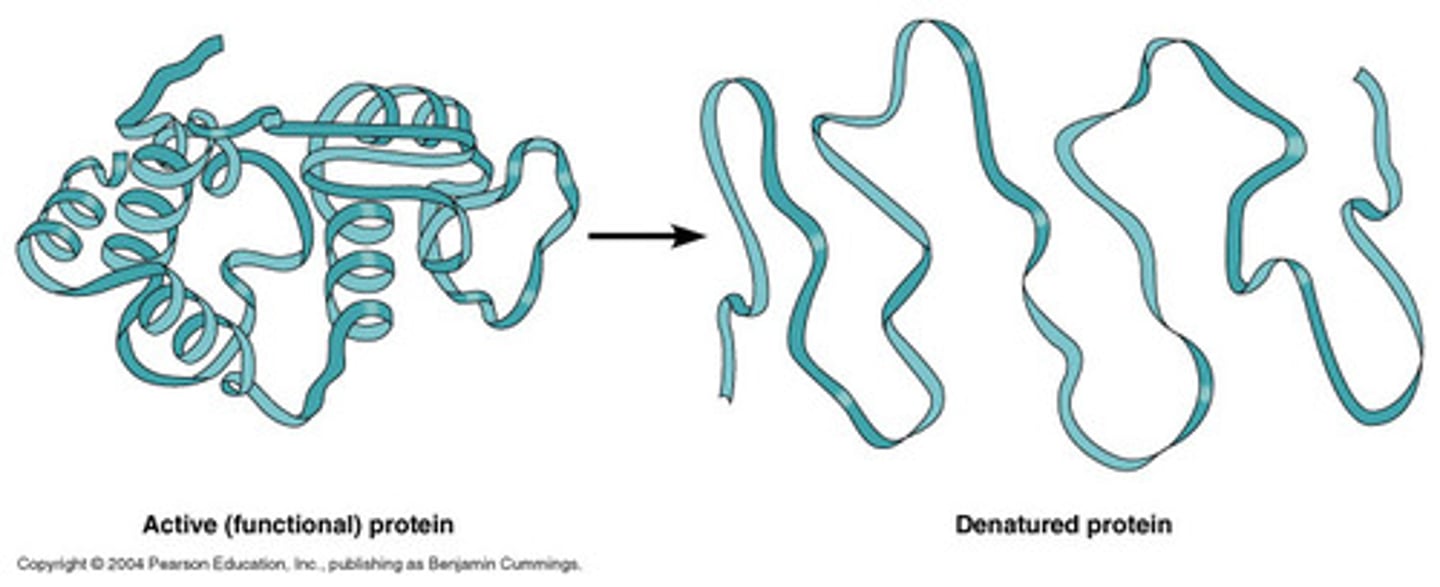
<p>A change in the shape of a protein (such as an enzyme) that can be caused by extreme temperatures, extreme pH, or salinity</p>
23
New cards

enzyme activity

the ability of an enzyme to do work and is mainly dependent on substrate concentration, pH, and temperature of its surroundings
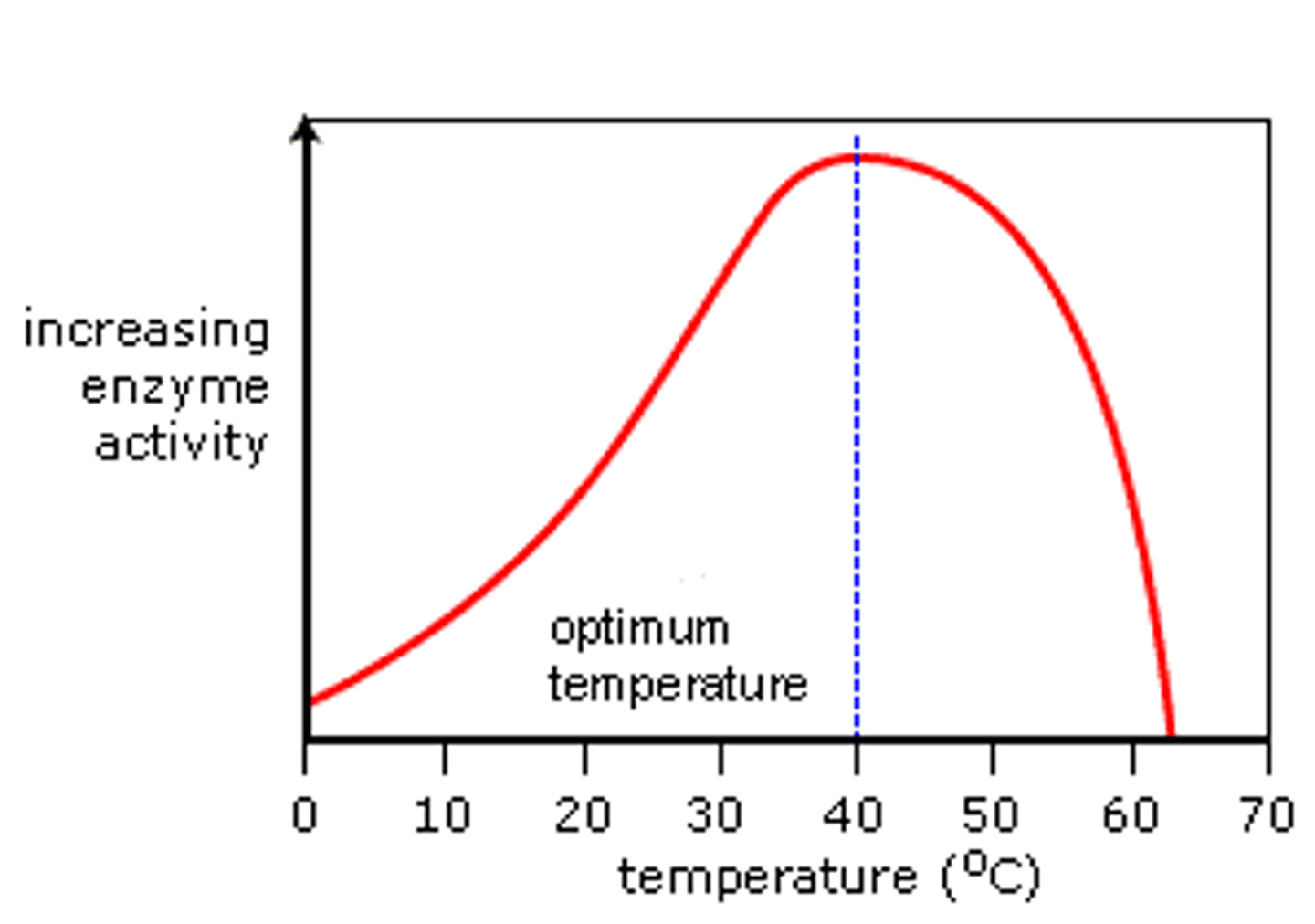
<p>the ability of an enzyme to do work and is mainly dependent on substrate concentration, pH, and temperature of its surroundings</p>
24
New cards

Carbon C

can make 4 bonds, found in all organic compounds including proteins, carbohydrates, lipids & nucleic acids
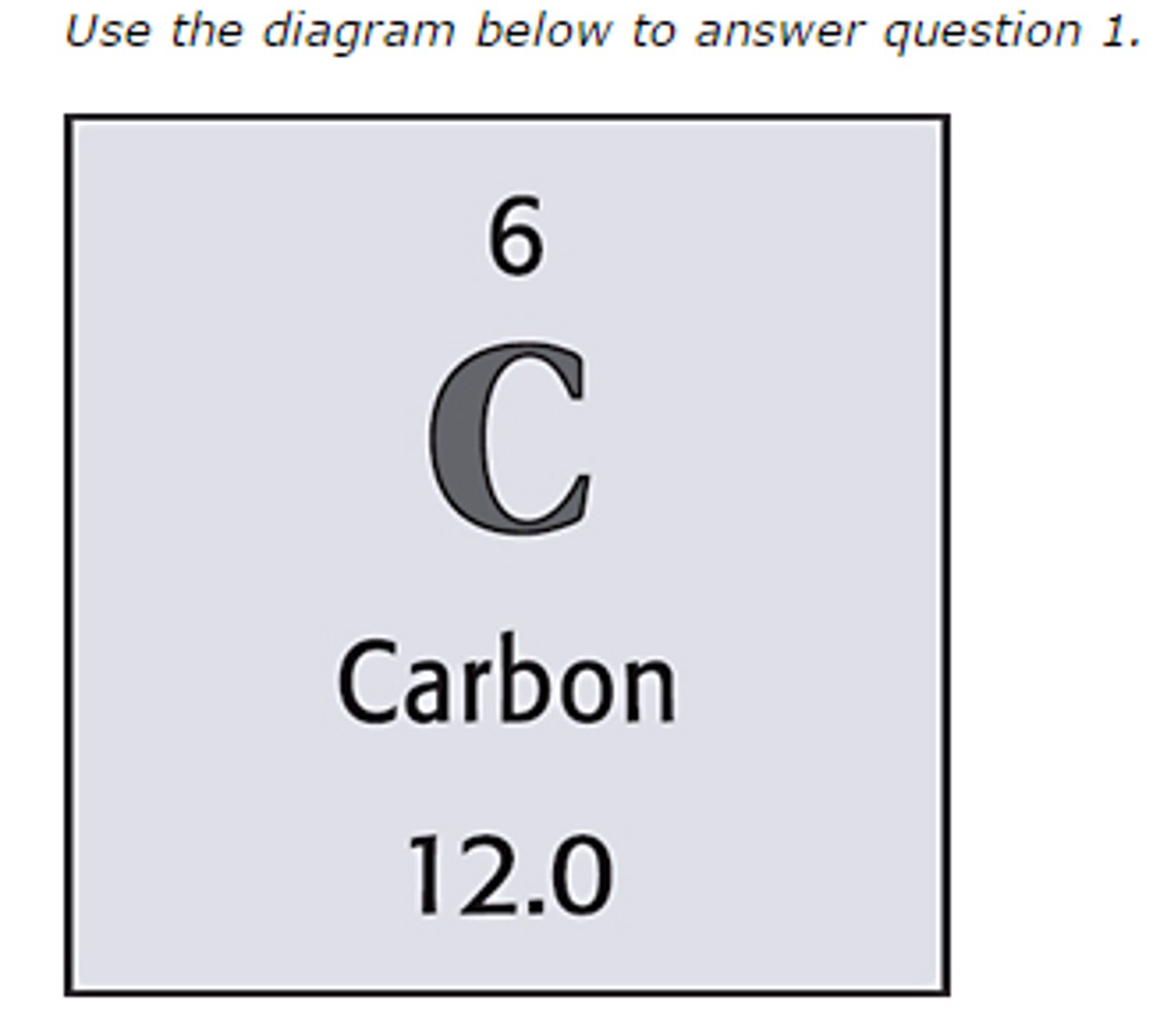
<p>can make 4 bonds, found in all organic compounds including proteins, carbohydrates, lipids &amp; nucleic acids</p>
25
New cards

Nitrogen N

Element found in proteins
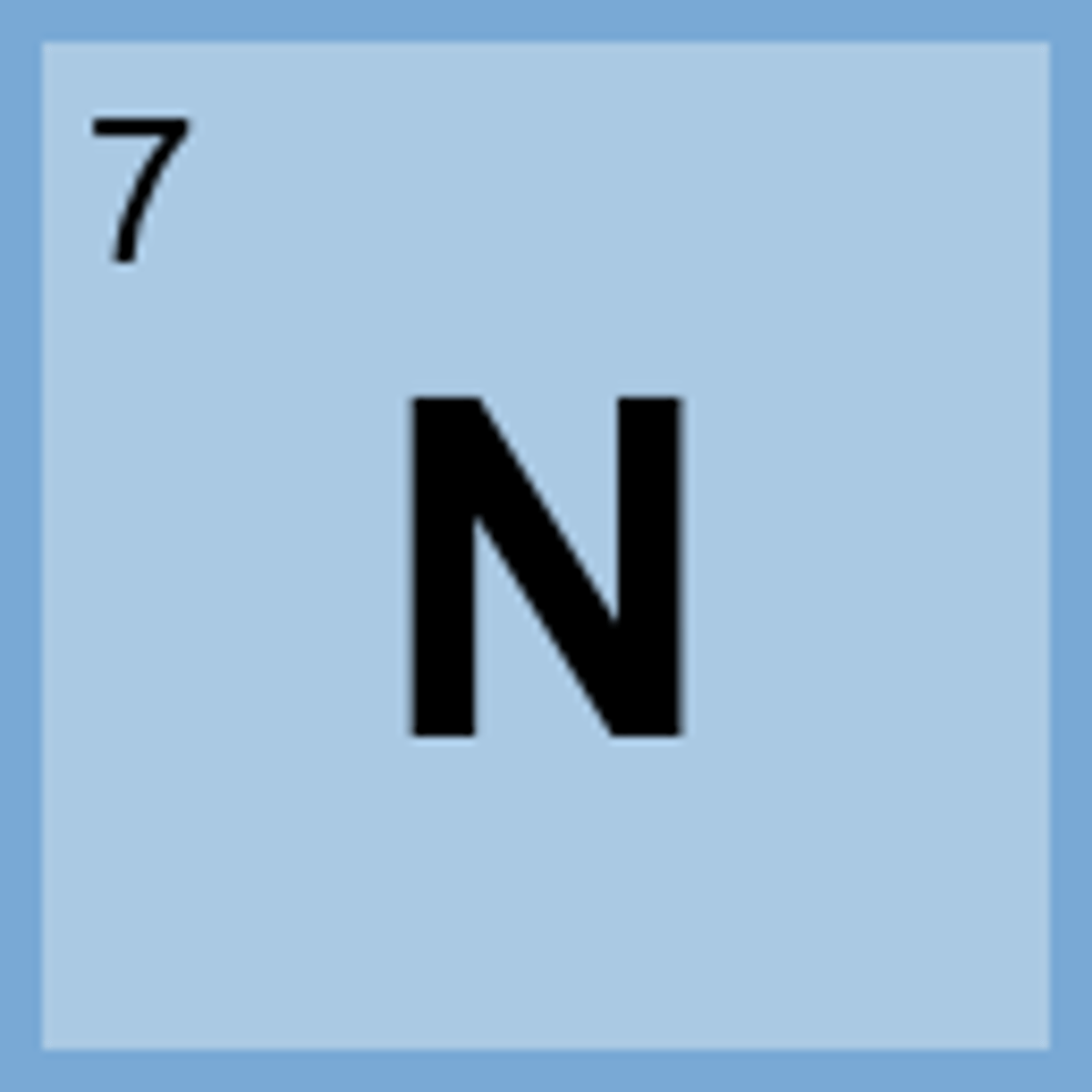
<p>Element found in proteins</p>
26
New cards

Acid

any compound that forms H+ ions in solution, pH less than 7
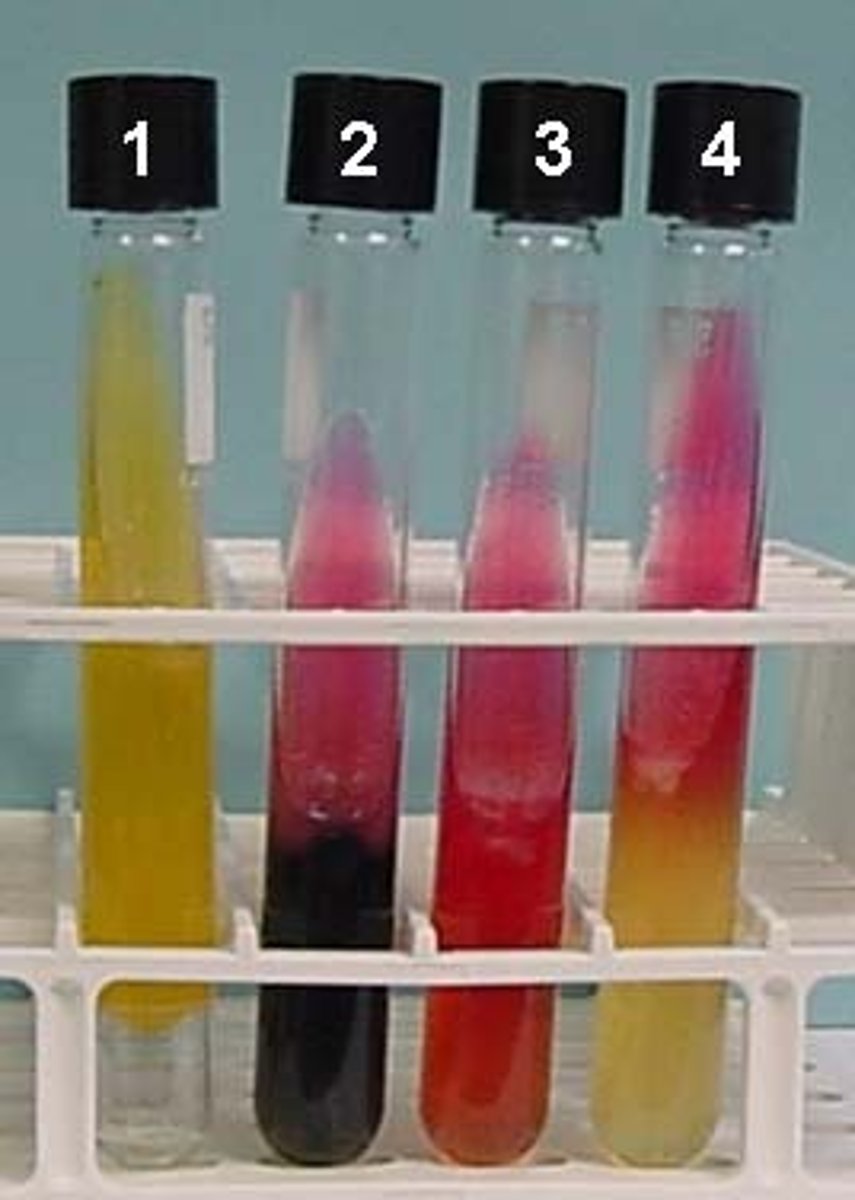
<p>any compound that forms H+ ions in solution, pH less than 7</p>
27
New cards

base (alkaline)

compound that produces hydroxide ions (OH-) in solution, pH greater than 7
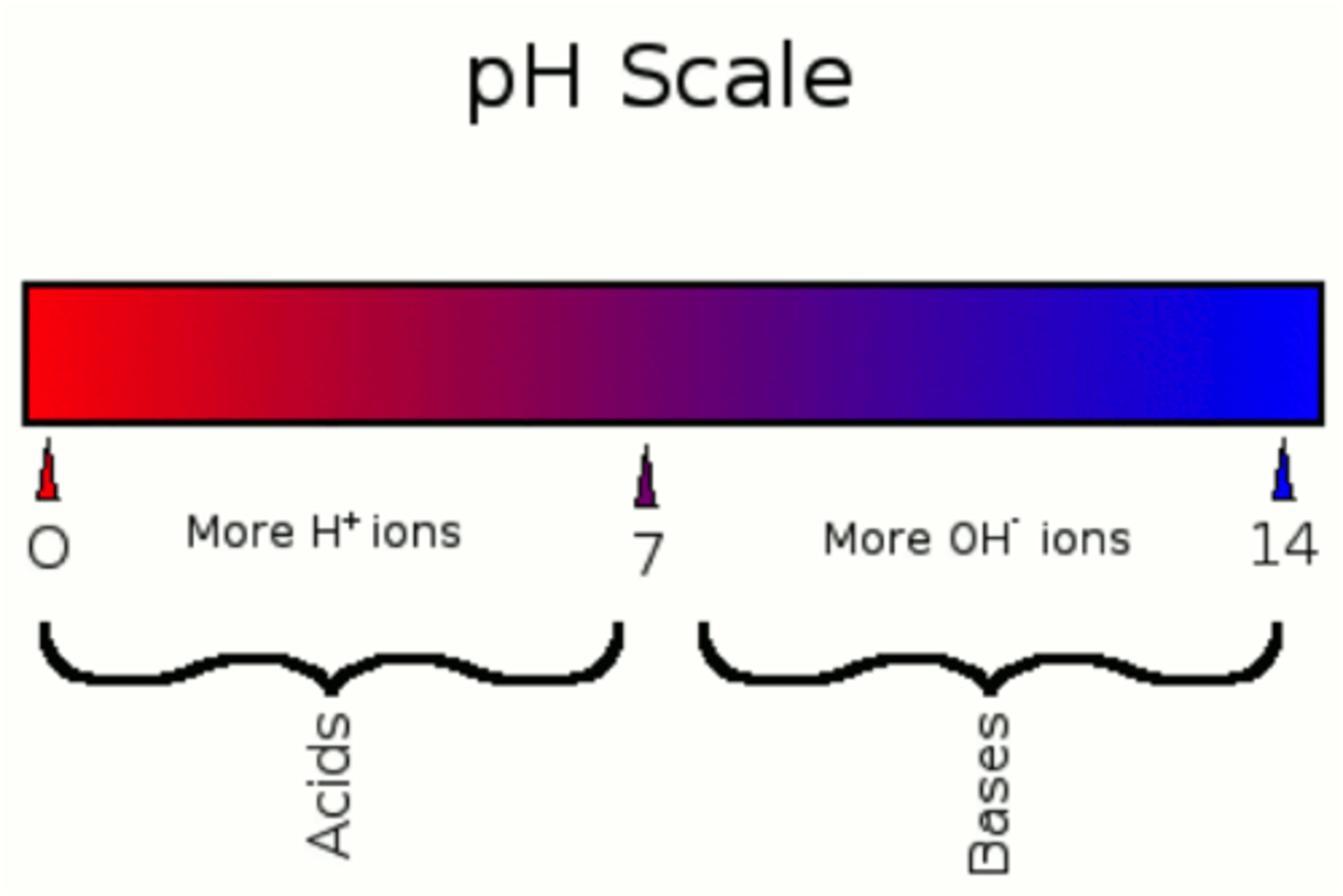
<p>compound that produces hydroxide ions (OH-) in solution, pH greater than 7</p>
28
New cards

lipid (fats, oils, waxes,)

macromolecule made mostly from carbon and hydrogen atoms; includes fats, oils, and waxes

Function = cell membranes, insulation. long term energy
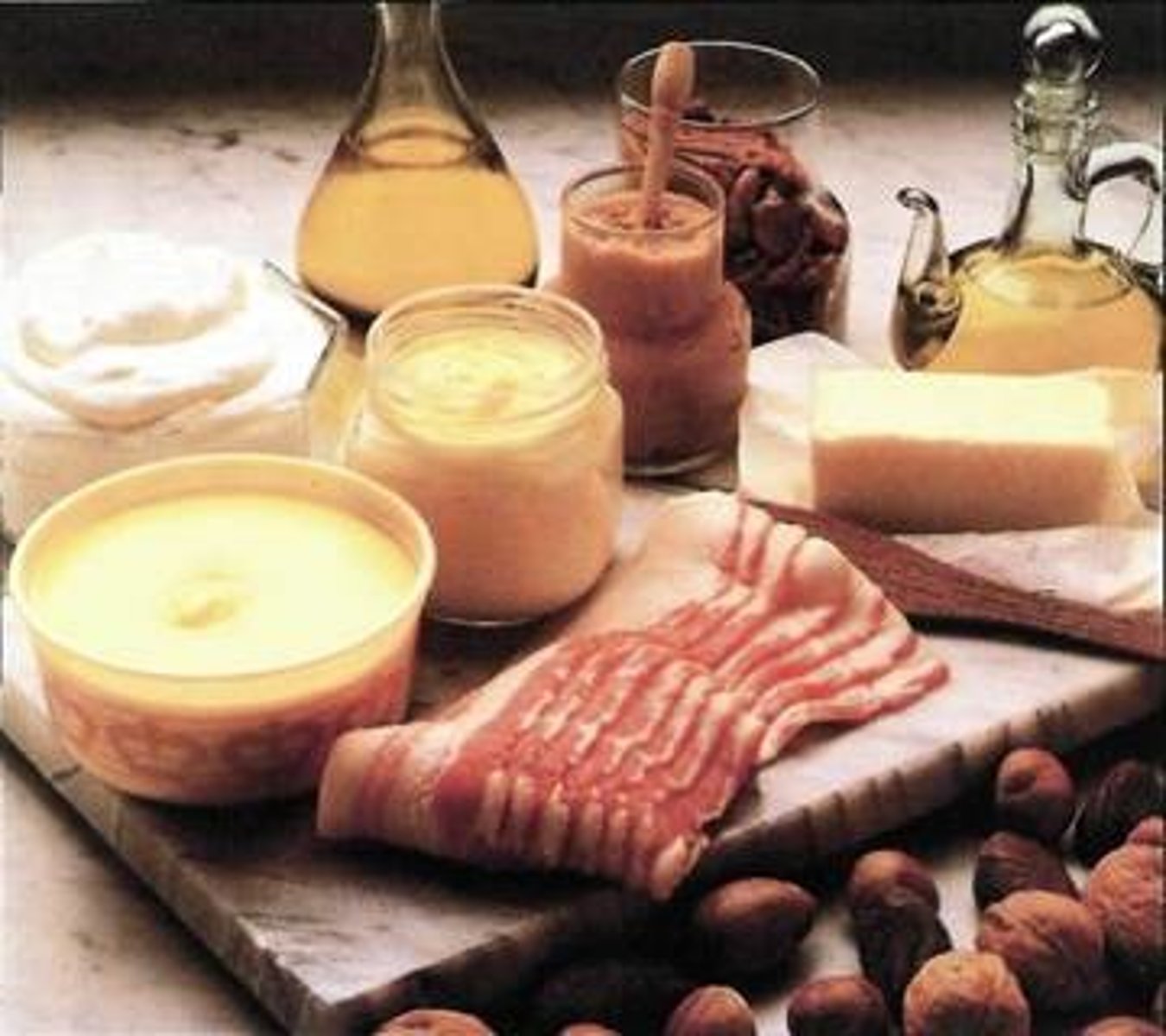
<p>macromolecule made mostly from carbon and hydrogen atoms; includes fats, oils, and waxes</p><p>Function = cell membranes, insulation. long term energy</p>
29
New cards

Trigylcerides

lipids that have 3 fatty acids tails linked to glycerol used as a source of fuel, (the monomers of lipids are fatty acids and glycerol)
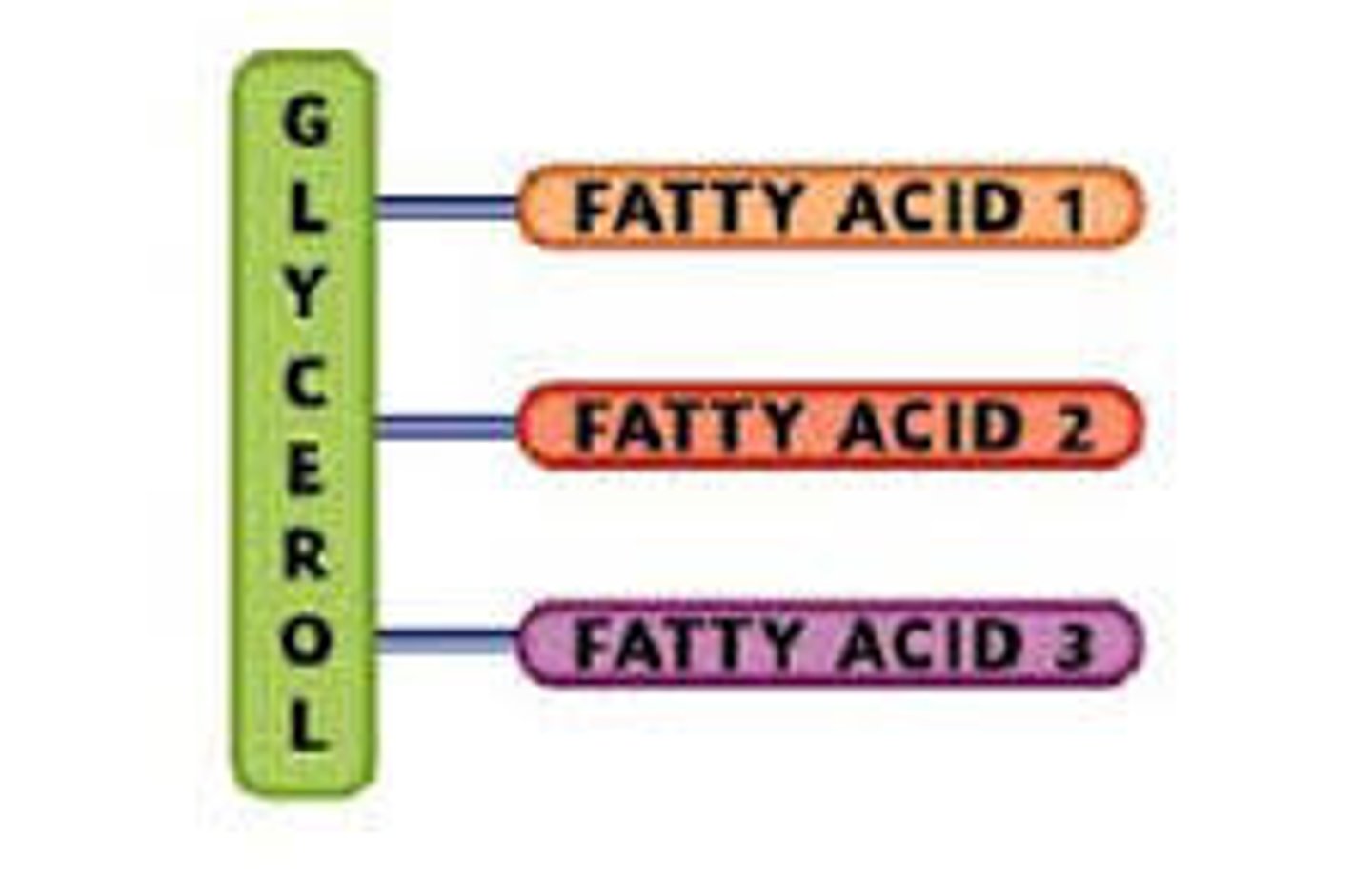
<p>lipids that have 3 fatty acids tails linked to glycerol used as a source of fuel, (the monomers of lipids are fatty acids and glycerol)</p>
30
New cards

saturated fats

A unhealthy fat that is solid at room temperature and found in animal fats, lards, and dairy products, NO double bonds between carbon atoms
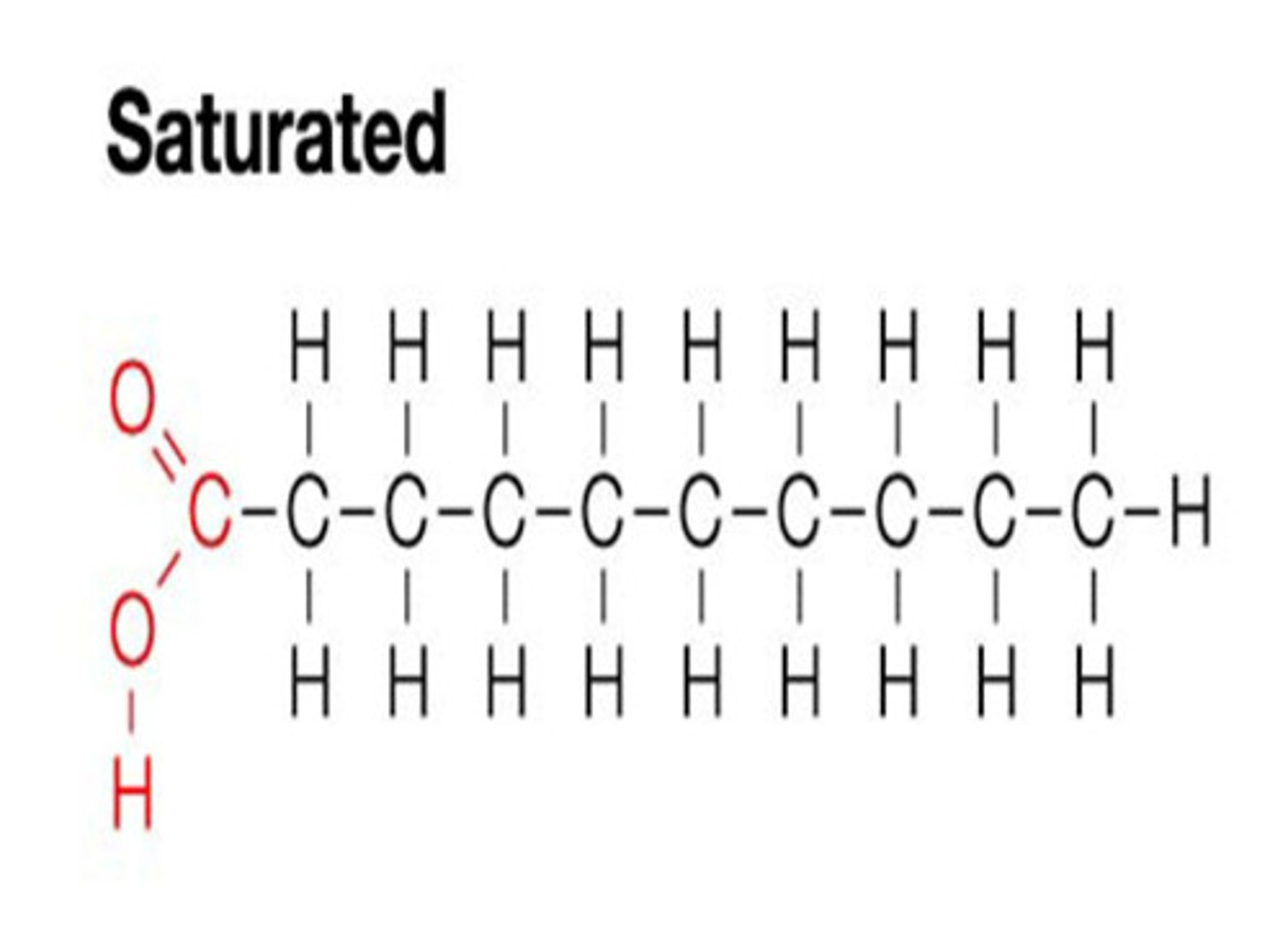
<p>A unhealthy fat that is solid at room temperature and found in animal fats, lards, and dairy products, NO double bonds between carbon atoms</p>
31
New cards

unsaturated fats

A healthy fat that is liquid at room temperature and found in vegetable oils (olive oil), nuts, and seeds, contain at least one DOUBLE BOND BETWEEN CARBONS
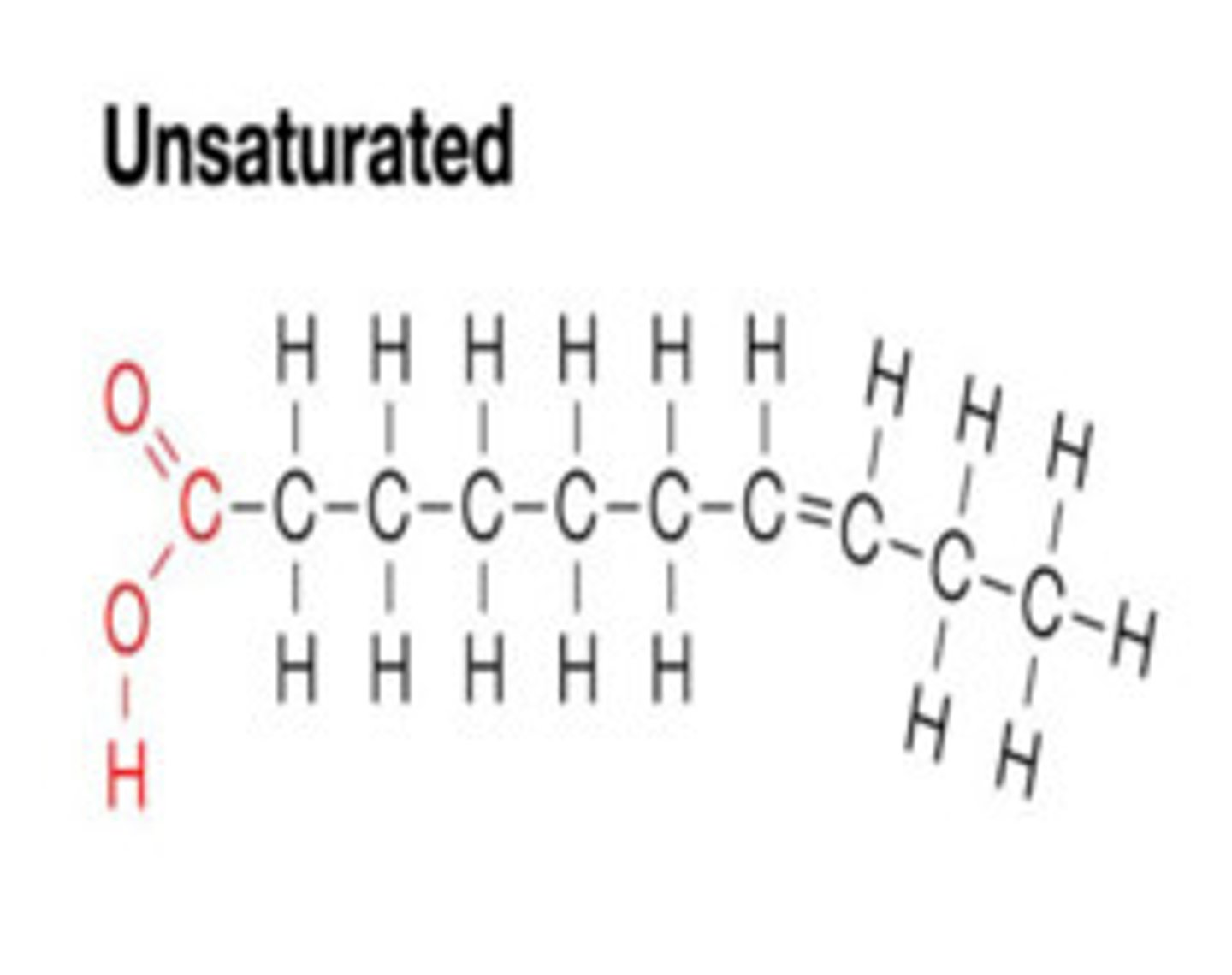
<p>A healthy fat that is liquid at room temperature and found in vegetable oils (olive oil), nuts, and seeds, contain at least one DOUBLE BOND BETWEEN CARBONS</p>
32
New cards

Carbohydrates

the starches and sugars present in foods, often end in an -ose suffix, 1:2:1 ratio of carbon: hydrogen: oxygen, Function = short term energy
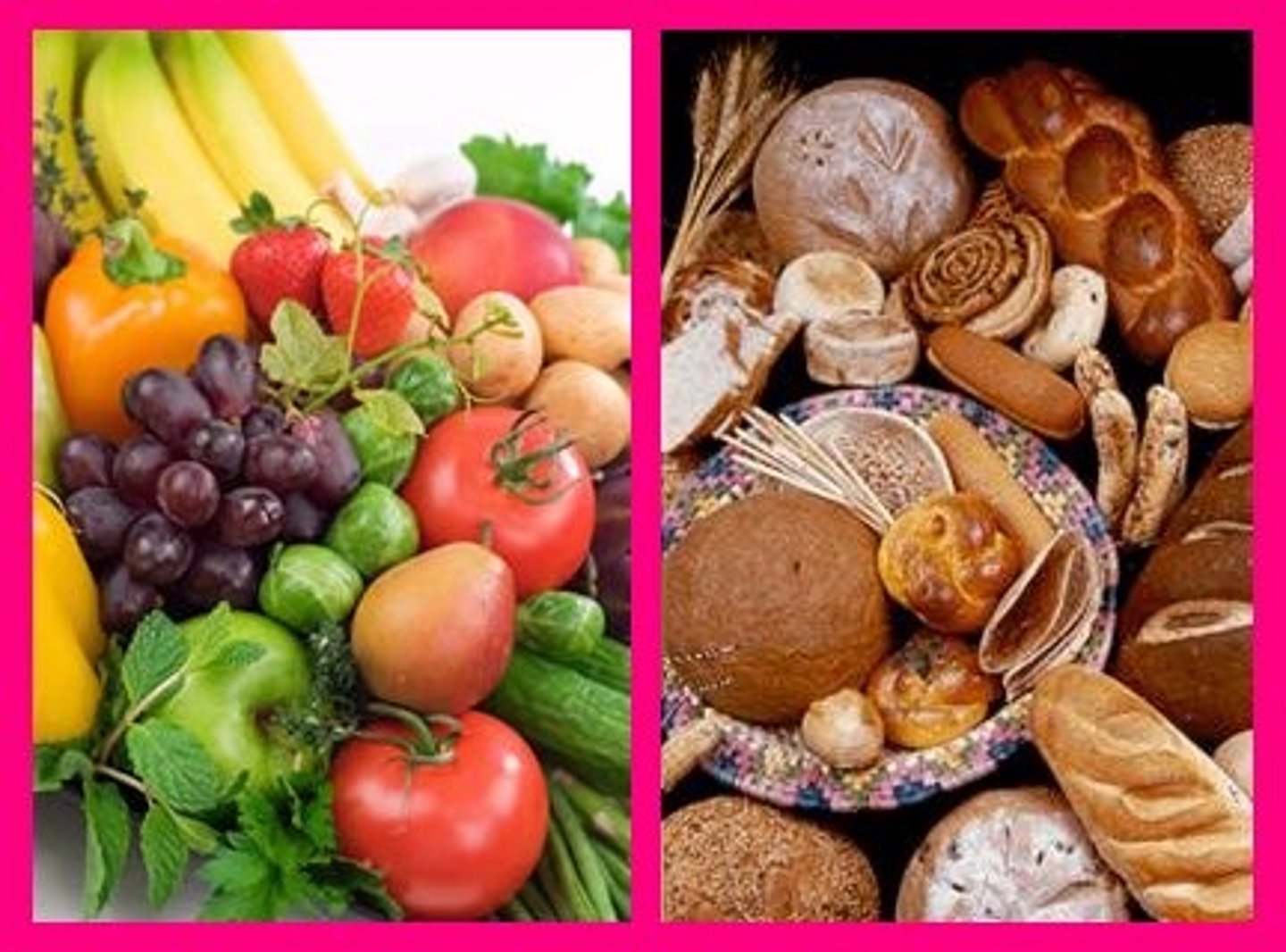
<p>the starches and sugars present in foods, often end in an<strong> -ose </strong>suffix, 1:2:1 ratio of carbon: hydrogen: oxygen, Function = short term energy</p>
33
New cards

Monosaccharides

glucose, fructose, galactose, these sugars are the monomers of carbohydrates ( example: blood sugar called glucose)
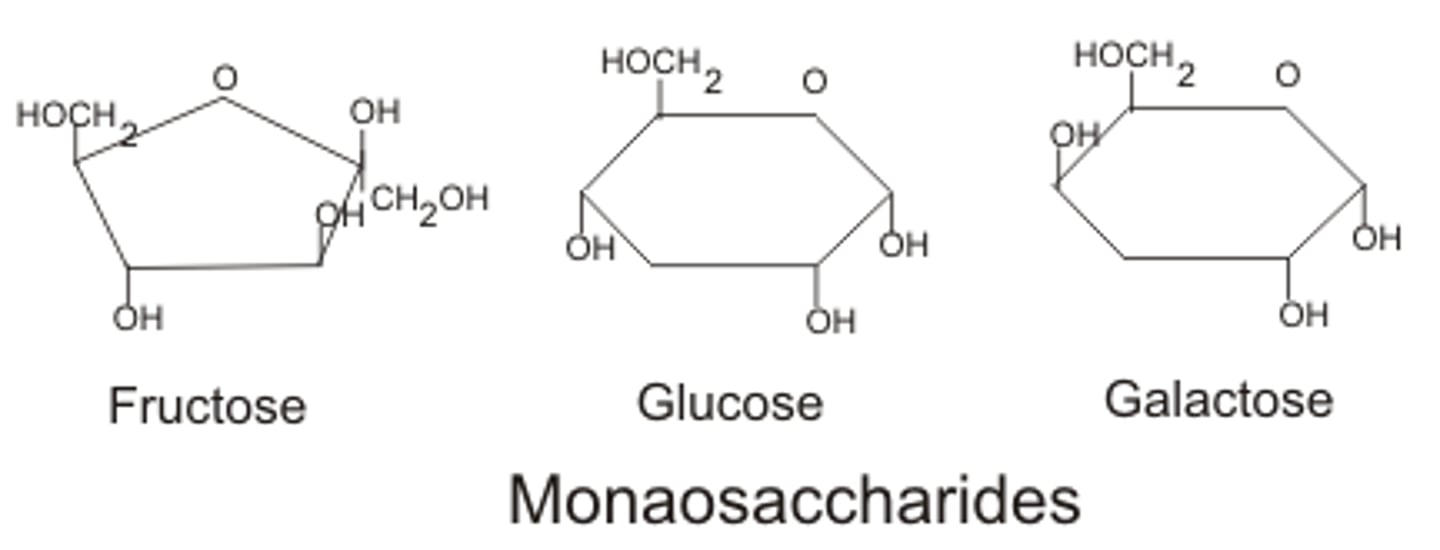
<p>glucose, fructose, galactose, these sugars are the monomers of carbohydrates ( example: blood sugar called glucose)</p>
34
New cards

Disaccharide

A double sugar, consisting of two monosaccharides joined by dehydration synthesis, (example: table sugar called sucrose)
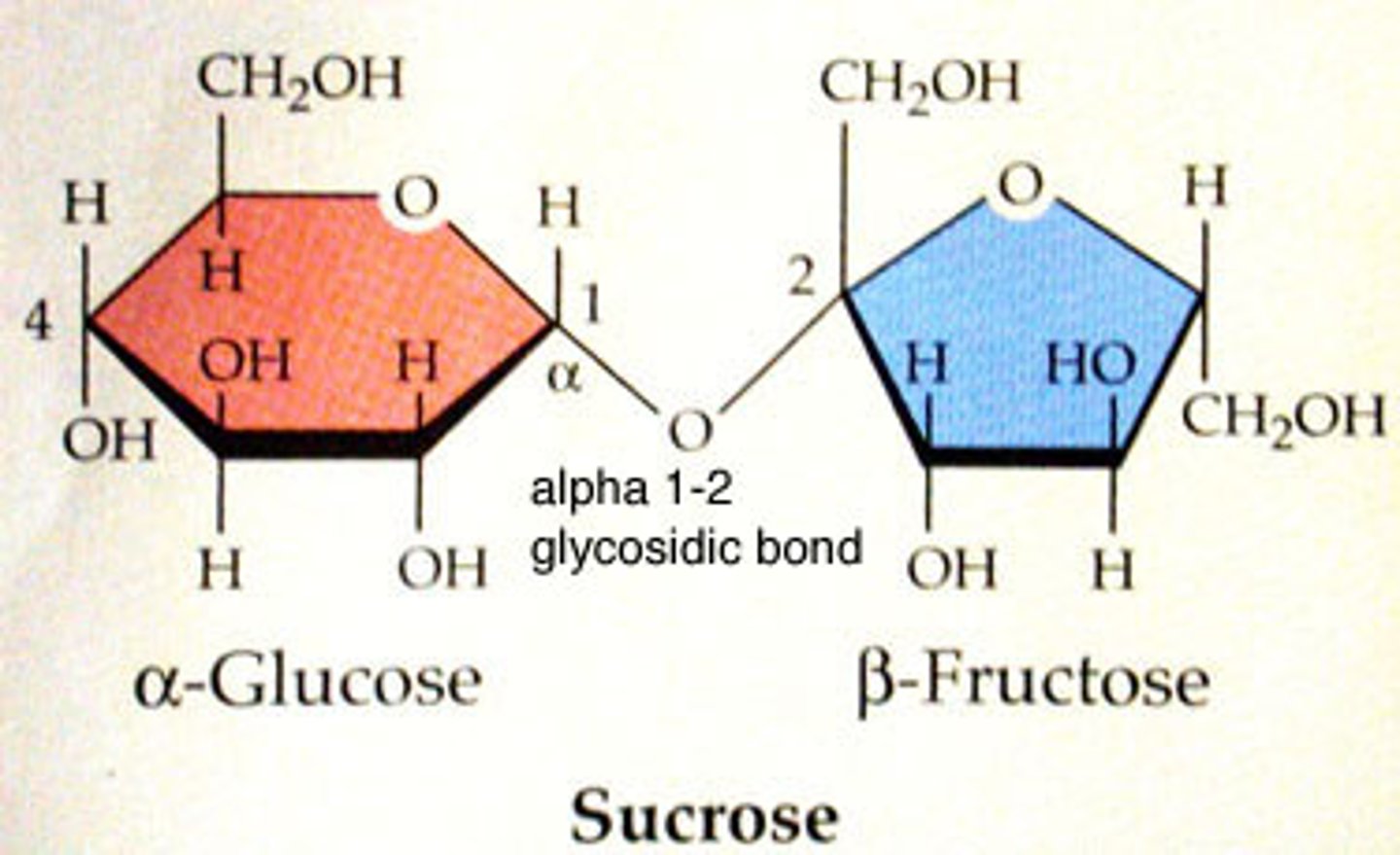
<p>A double sugar, consisting of two monosaccharides joined by dehydration synthesis, (example: table sugar called sucrose)</p>
35
New cards

Polysaccharides

Carbohydrates that are made up of more than two monosaccharides, examples starch, glycogen & cellulose
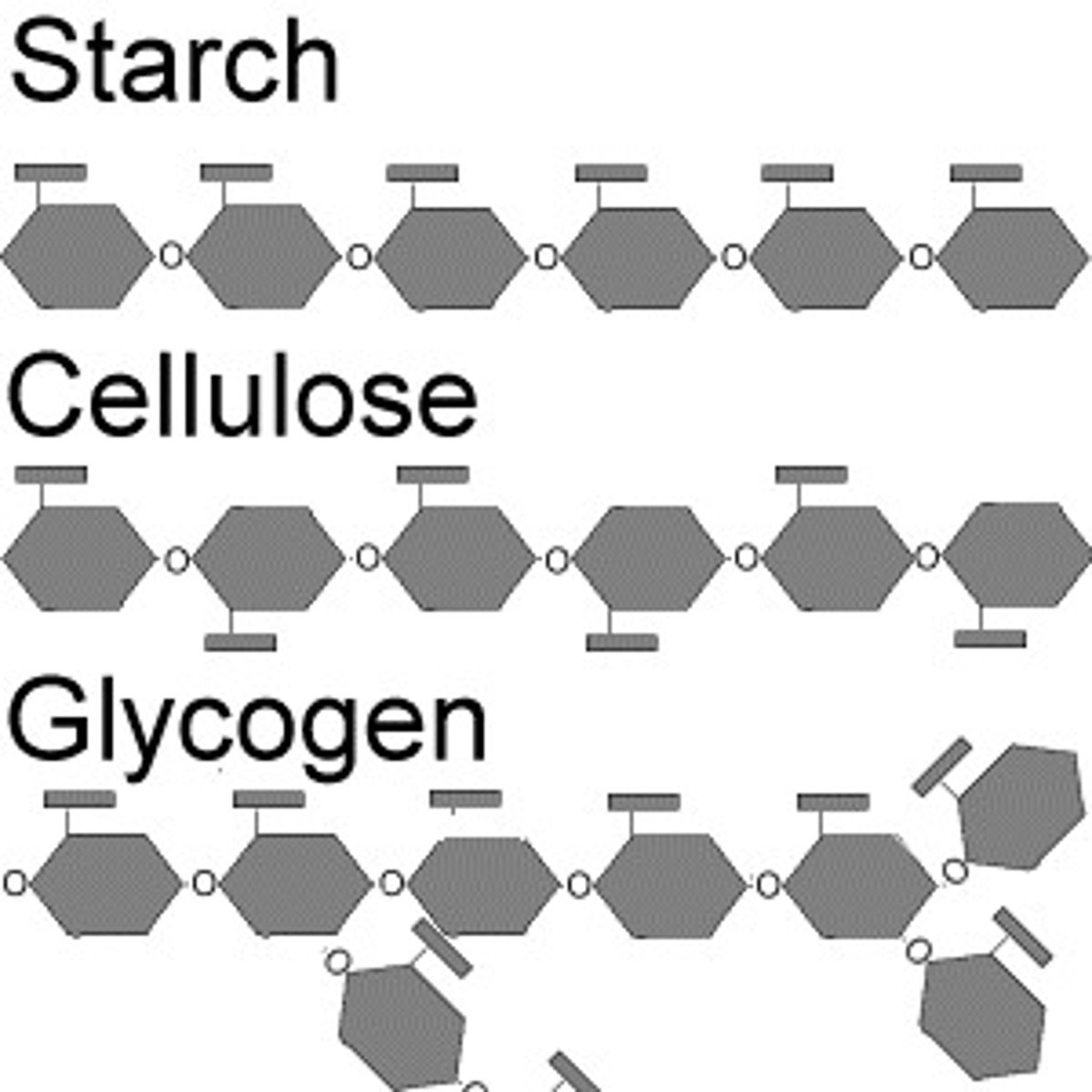
<p>Carbohydrates that are made up of more than two monosaccharides, examples starch, glycogen &amp; cellulose</p>
36
New cards

amino acids

monomers of proteins, there are 20 amino acids, 8 are essential and must be part of our diet the other 12 can be manufactured
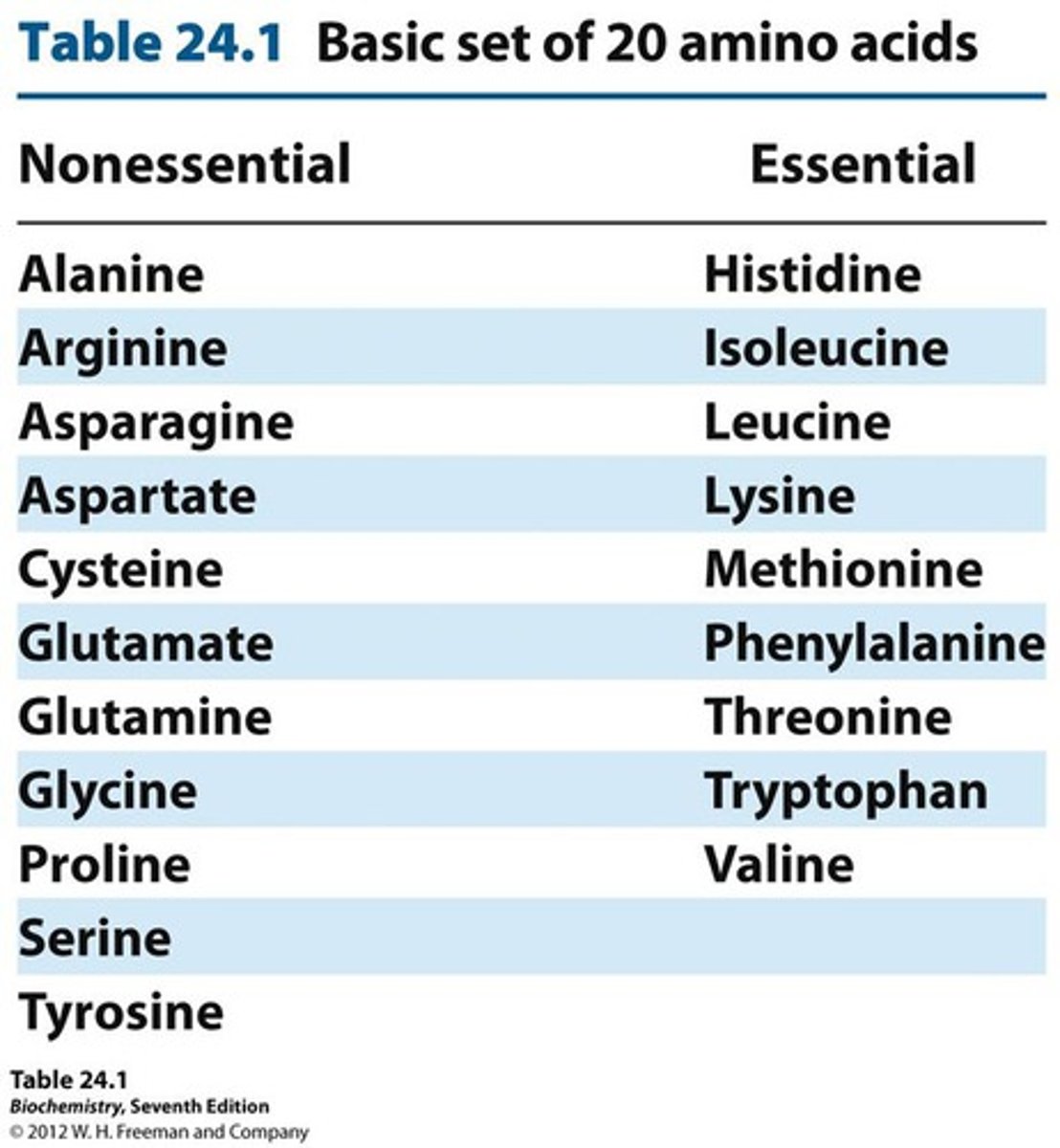
<p>monomers of proteins, there are 20 amino acids, 8 are essential and must be part of our diet the other 12 can be manufactured</p>
37
New cards

Not studied (36)

You haven't studied these terms yet!