Intro to Film MIDTERM
 Call Kai
 Learn
 Practice Test
 Spaced Repetition
 Match
 Flashcards
 Knowt Play
1/52

There's no tags or description
Looks like no tags are added yet.
Name | Mastery | Learn | Test | Matching | Spaced | Call with Kai | Chat |
|---|
No analytics yet
Send a link to your students to track their progress
53 Terms
Magic Lantern
early projecting technology

Chronophotography
many pictures in a row, slightly diff, to look like something is moving
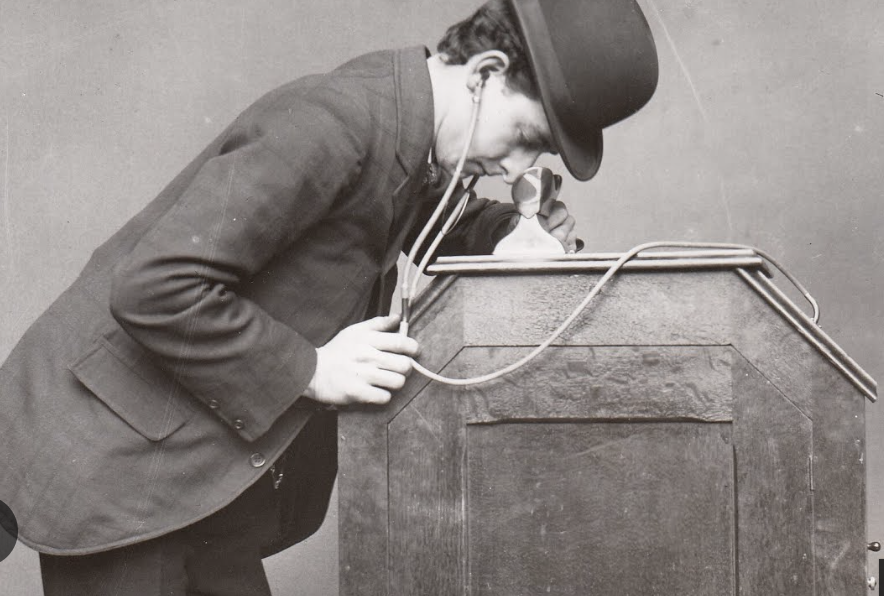
Kinetoscope
Form of exhibition, person could look inside and see early film through a peephole mechanism that showed brief films.
The Black Maria
Where edison filmed early films
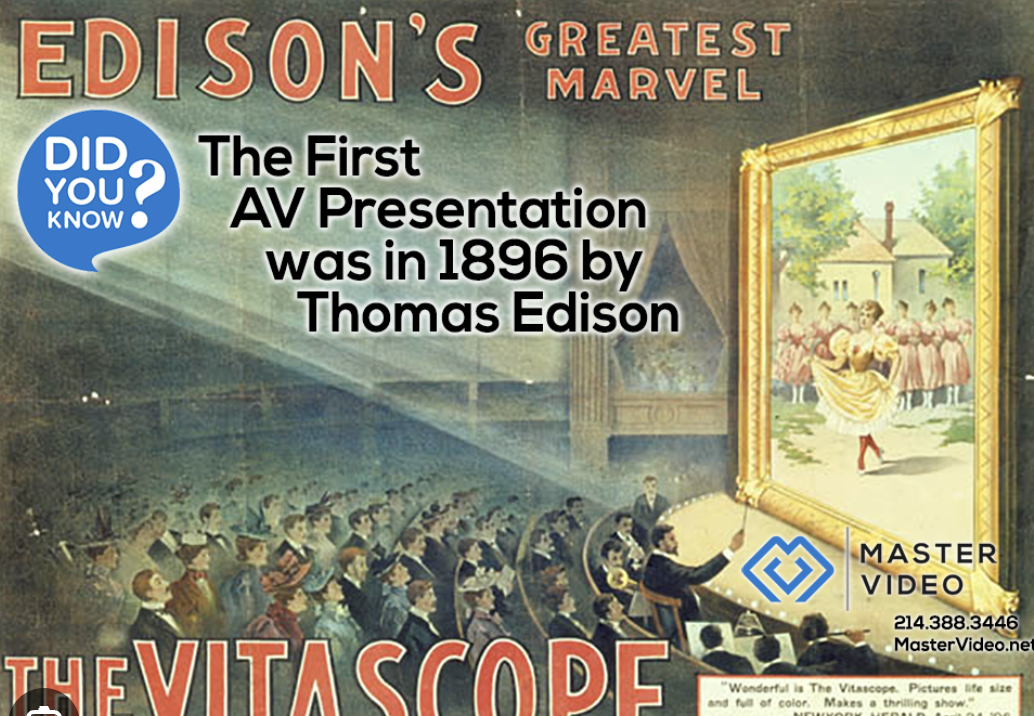
Vitascope
patented Edison machine
Actualities
short, nonfiction films EX: the train
Early Documentary
Some type of education mission, which actualities lack
Trick film
used to show off special effects; stopmotion
Re-enactments
war re-enactments
Early Film and Performance Examples
Annabelle Serpentine Dance: a color film (1895)
The Kiss (1896): Black and white, kiss on cheek and whispering; actors were aware of being filmed
Negro Kiss (1898): Black and White, black people kissing
Early filmmaking in France
Lumiere Bros: French manufacturers of photography and equipment
Cinematographe: 3 in 1 - camera, film processor, and projector
Cinema of Attractions - Gunning: (1906-1907)
Early cinema less preoccupied w/ narrative
Saw film as an attraction: exotic w/illusory power, ability to show something, watching film is attraction, energy moves toward imagined spectator
Cinema of Attractions modern day
Music videos (madonna ray of light, energy is moved towards the imagined spectator, narrative isn’t a priority)
George Melies
Pioneer in early french cinema, special effects, a trip to the moon
practical effects, perception tricks
Buster Keaton
Vaudeville family, starts performing young, created gags. Known for stunts and gags.
Vaudeville
variety entertainment in late 1800s, different acts.

Slapstick
physical comedy that relies on exaggeration, visual gags, and absurd violence w/ acrobatics…still exists in animation, tortilla slap challenge
Singin in the Rain, Looney Tunes
Californias ties to Slapstick
Material environment shaped early slapstick
Slapstick gave us an early account of place
Slapstick construct imaginary worlds
California isn’t just a geographic place but also a cultural idea
Studio system
vertically integrated: a company owns each level of industry
US vs. Paramount Pictures (1948)
Studios can’t own exhibition places, expired in 2022
Big Five
Paramount, MGM, RKO, Warner Bros, Fox (20th Century)
Little Three
Columbia, Universal, United Artists
Exhibition and money
Studios owned 70% of first-run theaters
Producer unit system
Head of production, producers oversee groups of films
Saved money and produced better quality films
Creative labor tied to contracts (and created unions)
Star System
contracted stars to studios for 7 years, bigger stars could add to contracts, produced brand loyalty
Hollywood narrations
Stories grounded in cause and effect
Characters as prime causal agents
Associate detective w/ male, hat, magnifying glass
Studios develop as brands that made particular films
Hollywood Posters vocab for analyzing
Denotations: meaning of word (literally)
Connotation: figurative meaning (social/historical attachments)
the Hays Code
a set of self-imposed moral rules that governed the content of Hollywood films from 1934 to 1968
Mise-en-Scene
setting, props, costume
Or, everything that appears within the frame of a finished film
Diegesis
The fictional world in which we presume the story takes place
Early animation examples
Flip books
Trick films
Comice
Stop motion
Puppetry
Abstract Art
Anthropomorphism
the attribution of human traits, emotions, intentions, or physical form to non-human entities, such as animals, objects, or natural phenomena…Bugs Bunny
Disney and early animation
Wanted a studio ethos and identity
Synchronized sound and technicolor
Insistence on realism
Animation and Classical Hollywood
Part of Theatrical exhibition
Animated shorts before a feature length film
Golden age of animation
sound-60s…ended party due to TV
Disney Renaissance
started in 89
musical adaptations of well known stories
Explodes in home video
CGI Animation
Toy Story ‘95
Pixar and Dreamworks
Hayao Miyazaki
character journeys illustrate cultural and political topics
Documentary
A subgenre of nonfiction filmmaking that makes assertions, tells stories, records observations about the real world through audiovisual means
Proto-Doc
actualities (arrival of a train)
captured actualities…precursor to Documentary
Topicals
non-fiction “news” items
Ethnographic Films
a non-fiction film that uses visual anthropology to document the lives, cultures, practices, and social worlds of specific human communities
Robert Flaherty
early documentarian, dramatic structure with narrative goals, western director makes films for non-western group (Nanook of the North)
Souvenir Series
Canadian films from indigenous canadian filmmakers (Sisters and Brothers and Mobilize)
Poetic Documentary
Mood, drama, emotion
Expository Documentary
Rhetorical techniques to make a claim
Participatory Documentary
Filmmaker is in the film itself
Observational Documentary
Fly on the wall, reality as it unfolds
Reflexive Documentary
Deconstructive…Documentary
a filmmaking mode—defined by theorist Bill Nichols—that turns the camera onto the process of its own making, exposing the crew, equipment, editing room, and filmmaker-audience relationship to question the concept of objective truth
Performative Documentary
The filmmaker's personal, emotional, and subjective experience is the center of the story
Also re-enactments
Diagetic vs Non-Diagetic Sound
Diagetic: character dialogue
Non: V.O
Genre
A range of expression for filmmakers abd a range of experience for viewers
Iconography
the identification, description, and study of visual symbols, images, and motifs used in art and culture to convey specific meanings
Narrative and visual coding
Carries thematic value
Reflects value system of the society