Laboratory Worksheet #4: Finding Muscle Groups and Their Functions
 Call Kai
 Learn
 Practice Test
 Spaced Repetition
 Match
 Flashcards
 Knowt Play
1/53

Earn XP
Description and Tags
Vocabulary practice flashcards covering the identification, location, and functional actions of major muscles across the head, neck, shoulder, trunk, upper limb, and lower limb.
54 Terms

Frontalis
Raises the eyebrows and wrinkles the forehead.

Occipitalis
Pulls the scalp backward, helping extend the scalp and elevate the eyebrows.
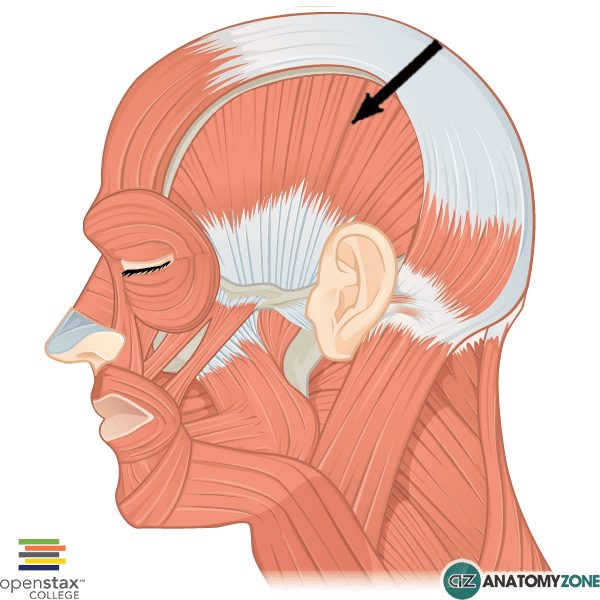
Temporalis
Elevates and retracts the mandible, helping close the jaw during chewing.

Masseter
Elevates the mandible to close the jaw during mastication.

Orbicularis oculi
Closes the eyelids for blinking or squinting and helps distribute tears across the eye.

Orbicularis oris
Closes, compresses, and puckers the lips.

Buccinator
Compresses the cheeks against the teeth, keeps food positioned during chewing, and assists in blowing, sucking, and speech.

Zygomaticus major
Elevates the upper lip and deepens the nasolabial fold, particularly during expressions of sadness.

Zygomaticus minor
Pulls the corners of the mouth upward and backward when smiling or laughing.

Levator labii superioris
Raises the upper lip and helps dilate the nostrils.

Depressor anguli oris
Depresses the angle of the mouth.
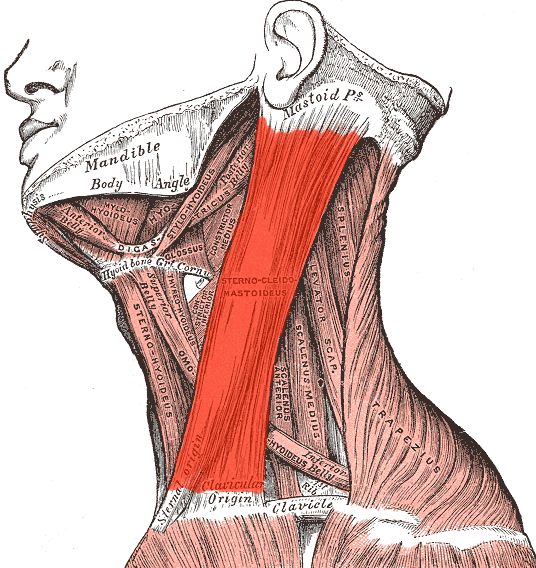
Sternocleidomastoid
assists in stretching the cervical portion of the spinal column and the head at the atlanto-occipital joint.

Trapezius
Contains superior, middle, and inferior muscle fibers that collectively move, rotate, and stabilize the scapula, and can extend the head at the neck.

Platysma
Draws the lower lip and corner of the mouth sideways and down, partially opening the mouth (as in expressions of surprise or fright), and increases the diameter of the neck during intensive breathing.

Sternohyoid
Depresses the hyoid bone.

Scalenus anterior
Elevates the first rib to aid in breathing when the neck is fixed; facilitates forward and lateral flexion of the neck, and rotation to the opposite side when the rib is fixed.

Splenius cervicis
Flexes the neck and rotates the head and neck to the ipsilateral side when acting unilaterally; extends the head and neck when acting bilaterally.

Deltoid
Produces a wide range of movements of the arm depending on the contractions of its anterior, lateral, and posterior muscle fibers.

Supraspinatus
Connects the scapula to the upper arm bone, resulting in abduction of the arm.

Infraspinatus
Consists of tendons that contribute to the stability of the shoulder joint and form part of the rotator cuff.

Teres Minor
Rotates the arm laterally, assisting in bringing the humerus up and towards the body.

Teres Major
Adducts the arm, allowing it to medially rotate and pull posteriorly towards the scapula.

Subscapularis
Works with the teres minor, infraspinatus, and supraspinatus tendons to form the rotator cuff.

Rhomboid major
Works with the rhomboid minor and other muscles to retract and elevate the scapula, especially contributing to its downward rotation.
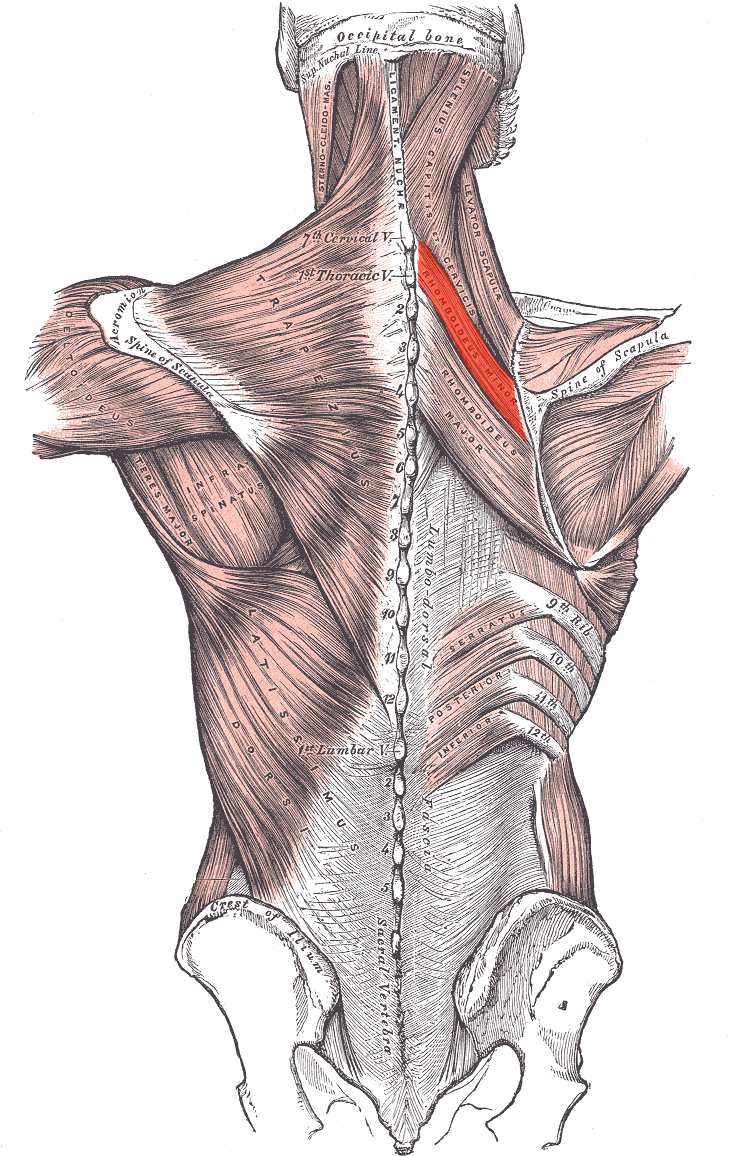
Rhomboid minor
Mostly supports the rhomboid major during retraction of the scapula and provides stability.

Rectus abdominis
Pulls the ribcage closer to the pelvis, allowing flexion of the torso and spine in the abdominal region.

External Oblique
Helps compress the abdomen, bend the trunk forward and sideways, and rotate it to the opposite side.

Internal Oblique
Helps compress the abdomen, bend the trunk forward and sideways, and rotate it to the same side.

Transversus abdominis
Serves as a primary stabilizer that supports the spine and maintains its stability.

Pectoralis major
Performs horizontal adduction of the arm, bringing the humerus toward the body's midline.

Pectoralis minor
Allows depression of the shoulder and moves the scapula anteriorly.
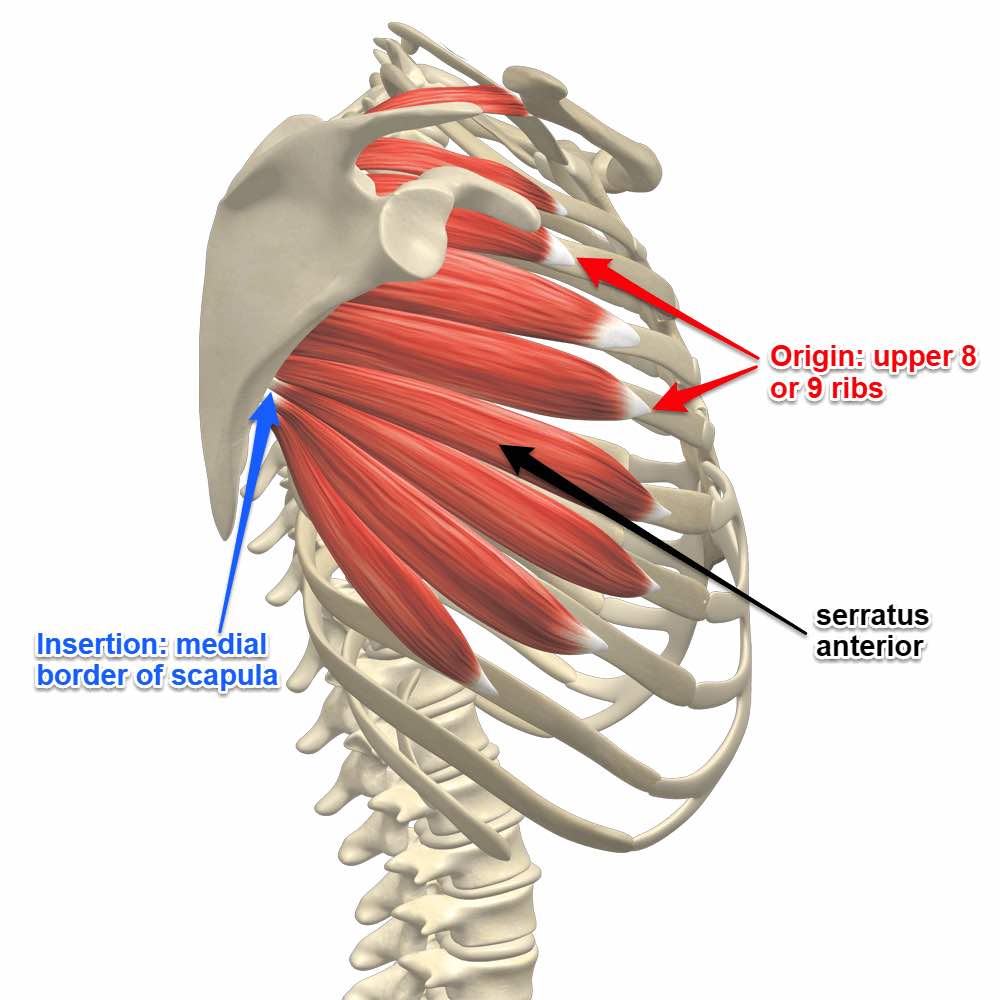
Serratus anterior
Allows protraction of the scapula by moving it forward toward the sternum when the muscle contracts.

Latissimus dorsi
Adducts, extends, and medially rotates the arm, allowing it to perform various movements.

Intercostal muscles (external)
Assists in deep inhalation by elevating the ribs and expanding the rib cage.
Biceps brachii
Bends the elbow and rotates the forearm to turn the palm upward.
Triceps brachii
Straightens the elbow by extending the forearm.

Brachialis
The main elbow flexor that bends the forearm toward the upper arm.

Brachioradialis
Helps bend the elbow, especially when the forearm is in a neutral position.

Pronator teres
Rotates the forearm inward, turning the palm downward.

Supinator
Rotates the forearm outward, turning the palm upward.
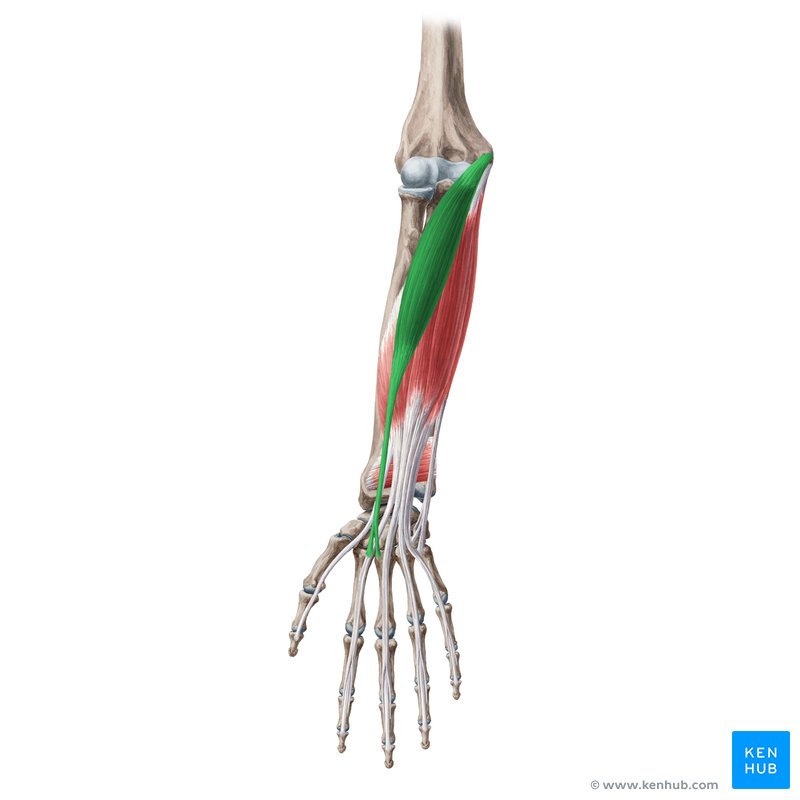
Flexor carpi radialis
Bends the wrist and moves the hand toward the thumb side.

Flexor carpi ulnaris
Bends the wrist and moves the hand toward the little finger side.

Extensor digitorum
Straightens the fingers and helps extend the wrist.
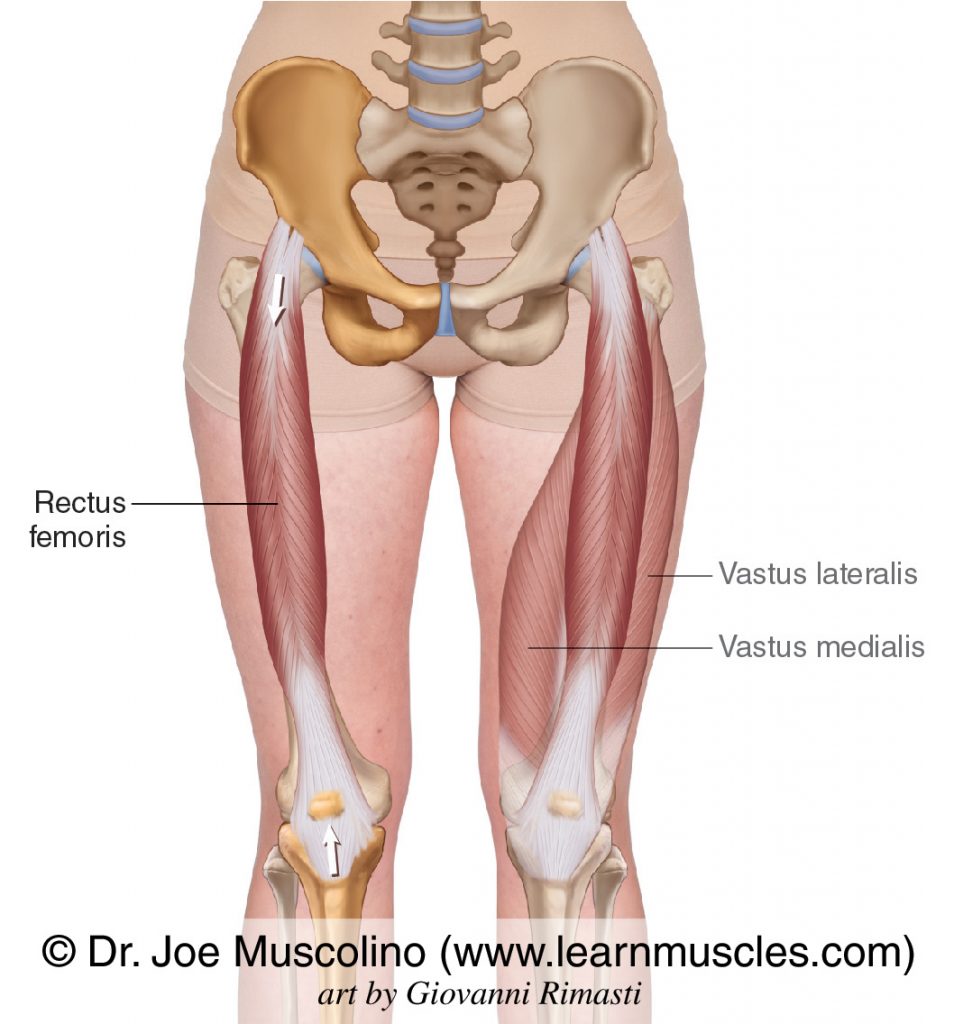
Rectus femoris
Extends the knee and flexes the hip.

Vastus lateralis
Extends the knee.

Biceps femoris
Flexes the knee and extends the hip (long head).

Semitendinosus
Flexes the knee and extends the hip.

Semimembranosus
Flexes the knee and extends the hip.

Sartorius
Flexes, abducts, and laterally rotates the hip; flexes the knee.

Gastrocnemius
Plantar flexes the ankle and flexes the knee.

Soleus
Plantarflexes in the ankle.

Gluteus maximus
Extends and laterally rotates the hip.

Adductor longus
Adducts and assists in flexing the hip.

Gracilis
Adducts the thigh, and flexes and rotates the leg medially at the knee.