Packet 2 (Probably shouldn't look at in public)
 Call Kai
 Learn
 Practice Test
 Spaced Repetition
 Match
 Flashcards
 Knowt Play
1/97

There's no tags or description
Looks like no tags are added yet.
98 Terms
Name all external genitalia
Clitoris, labia majora, labia minor, vagina, urethra, perineum, and anus
Name all internal pelvic structures
Uterus, cervix, fallopian tubes, and ovaries
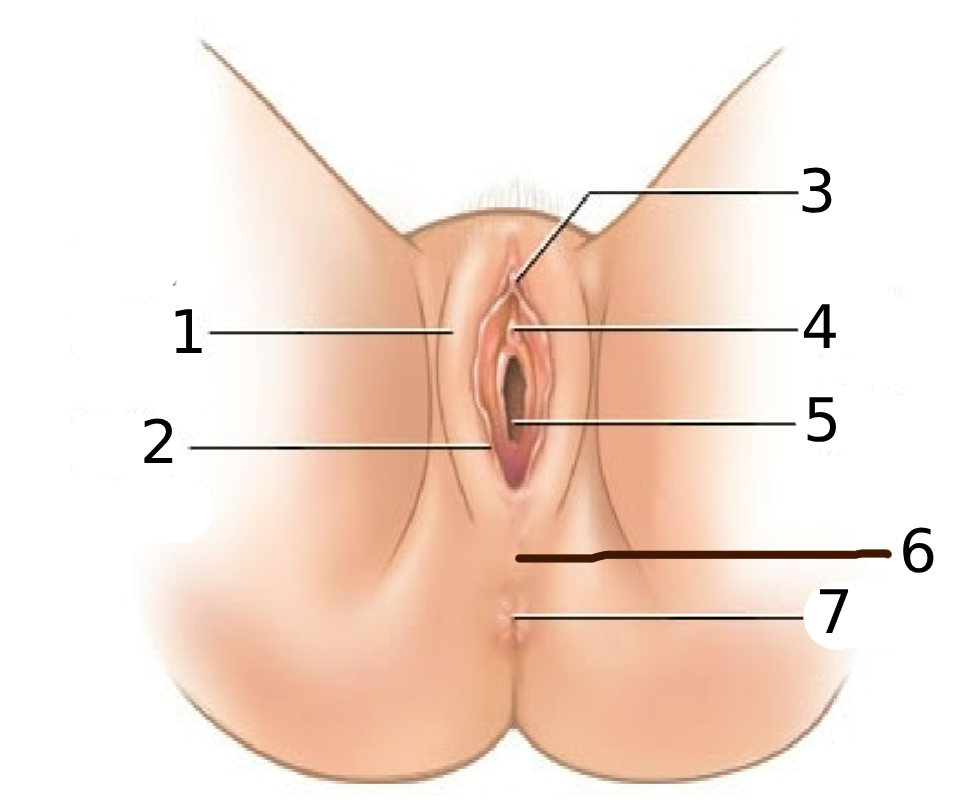
1
Labia majora
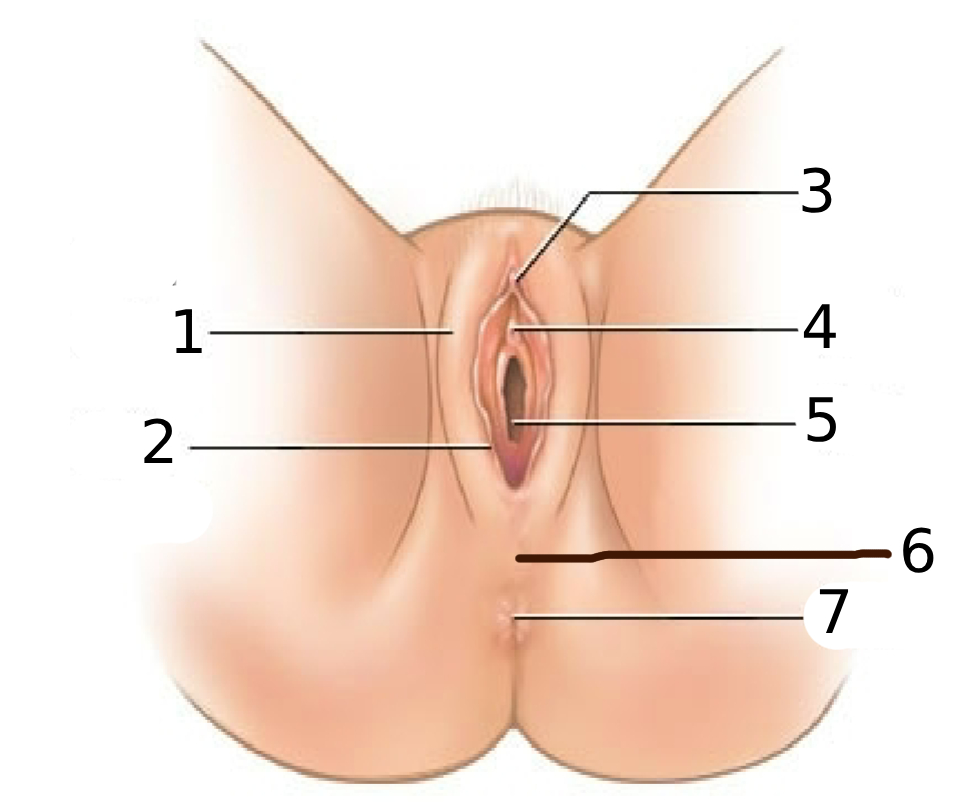
2
Labia minora
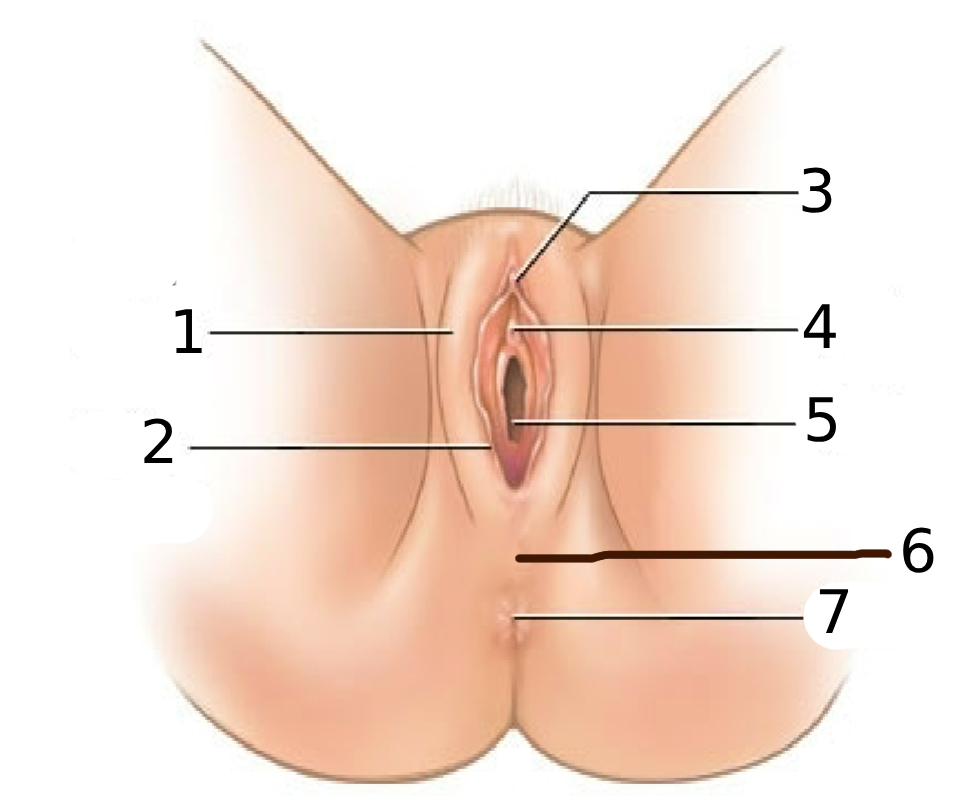
3
Clitoris
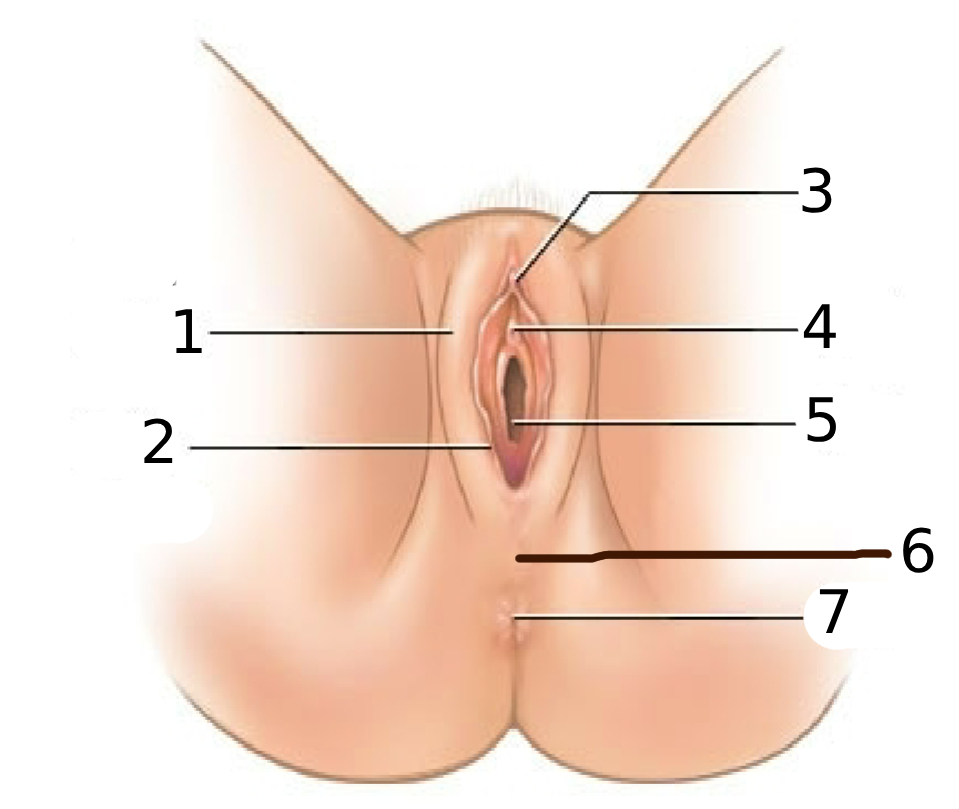
4
Urethra
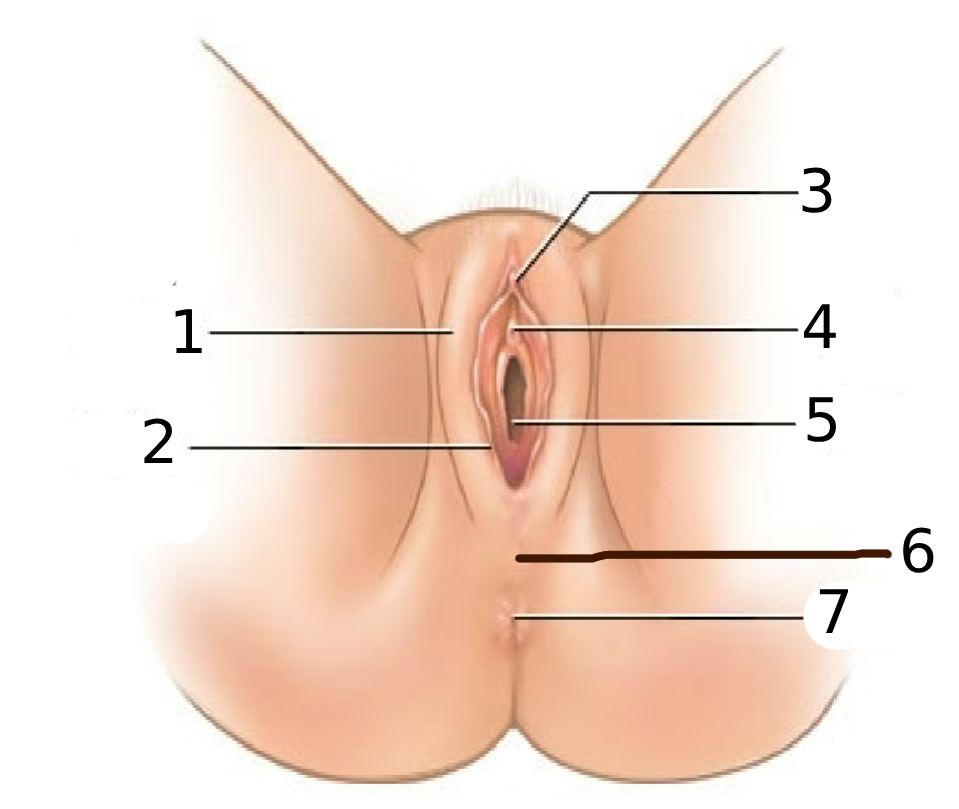
5
Vagina
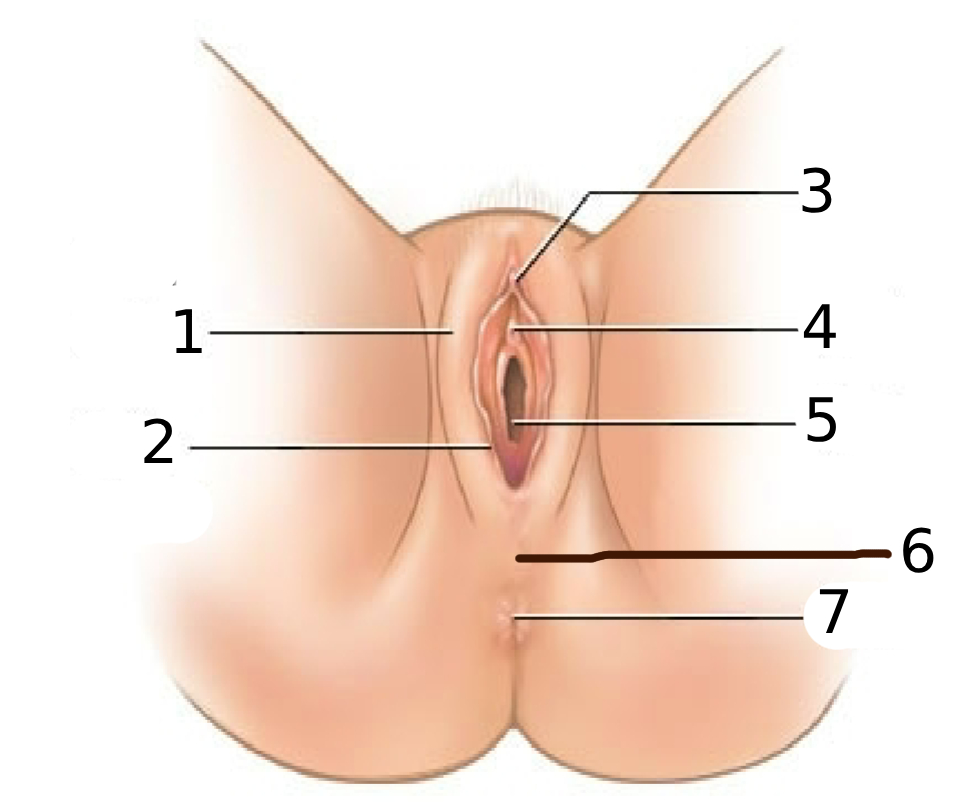
6
Perineum
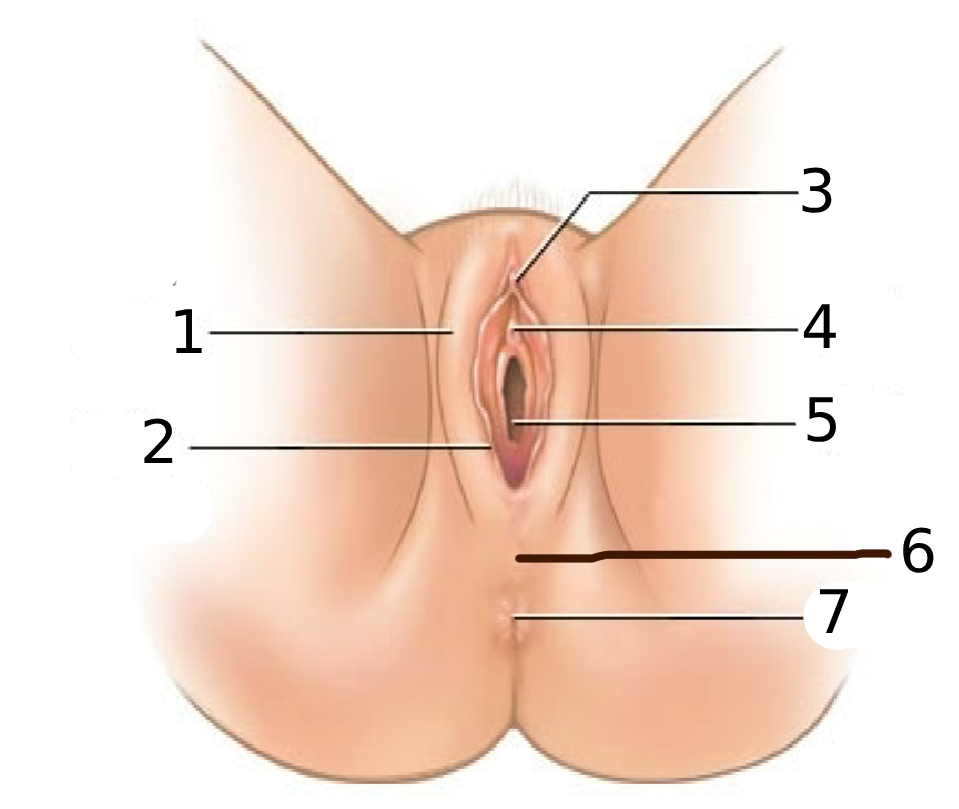
7
Anus
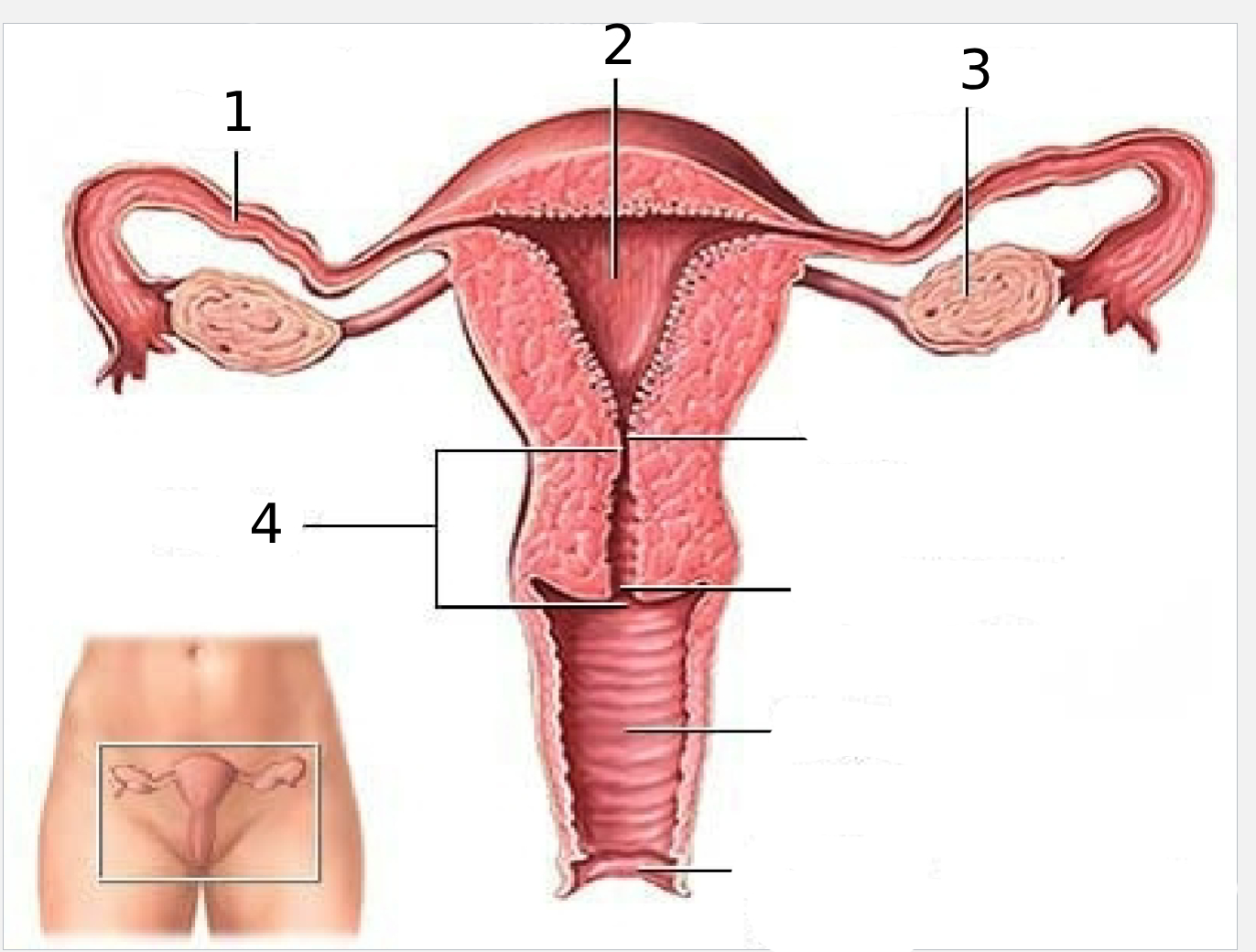
1
Fallopian tube
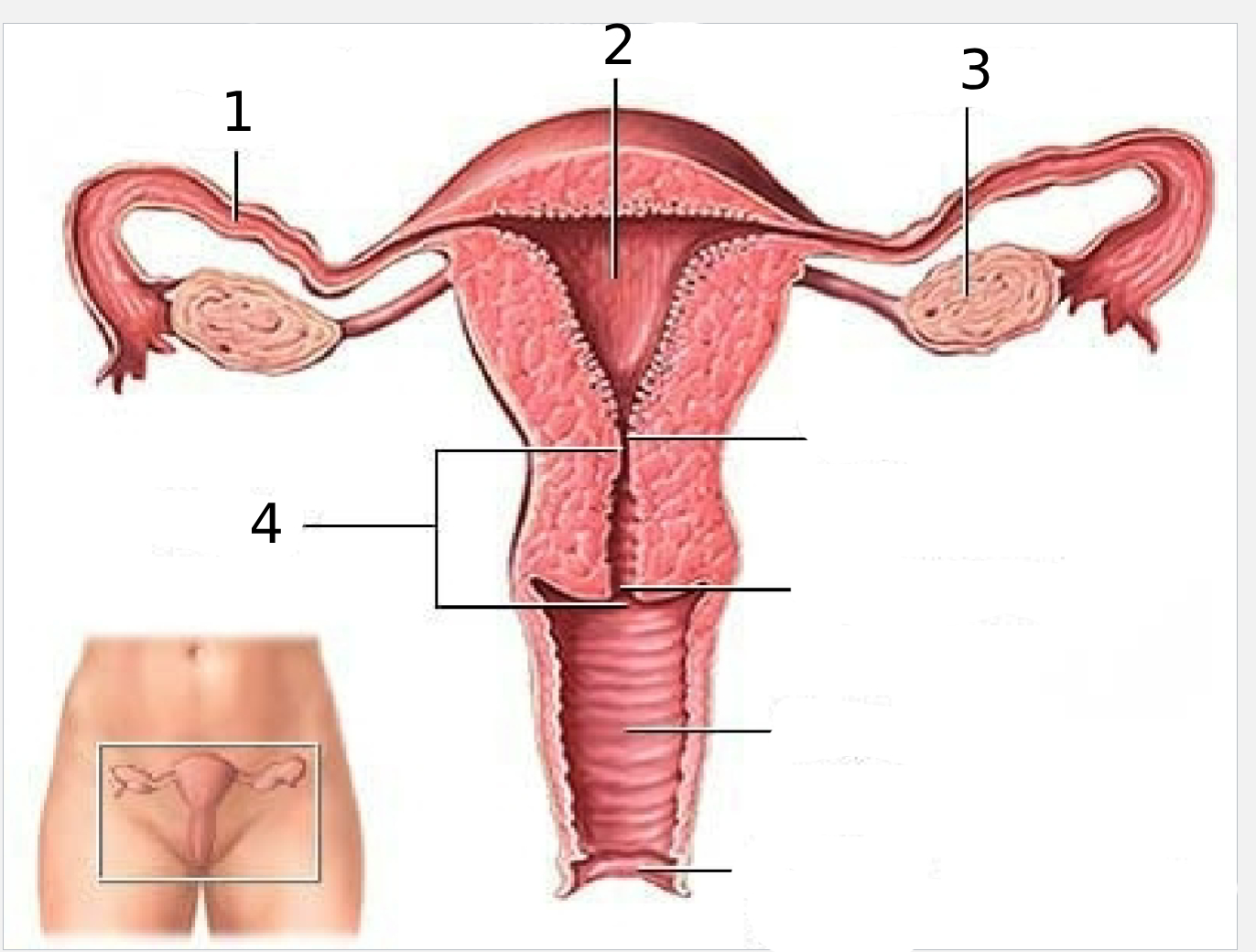
2
Uterus
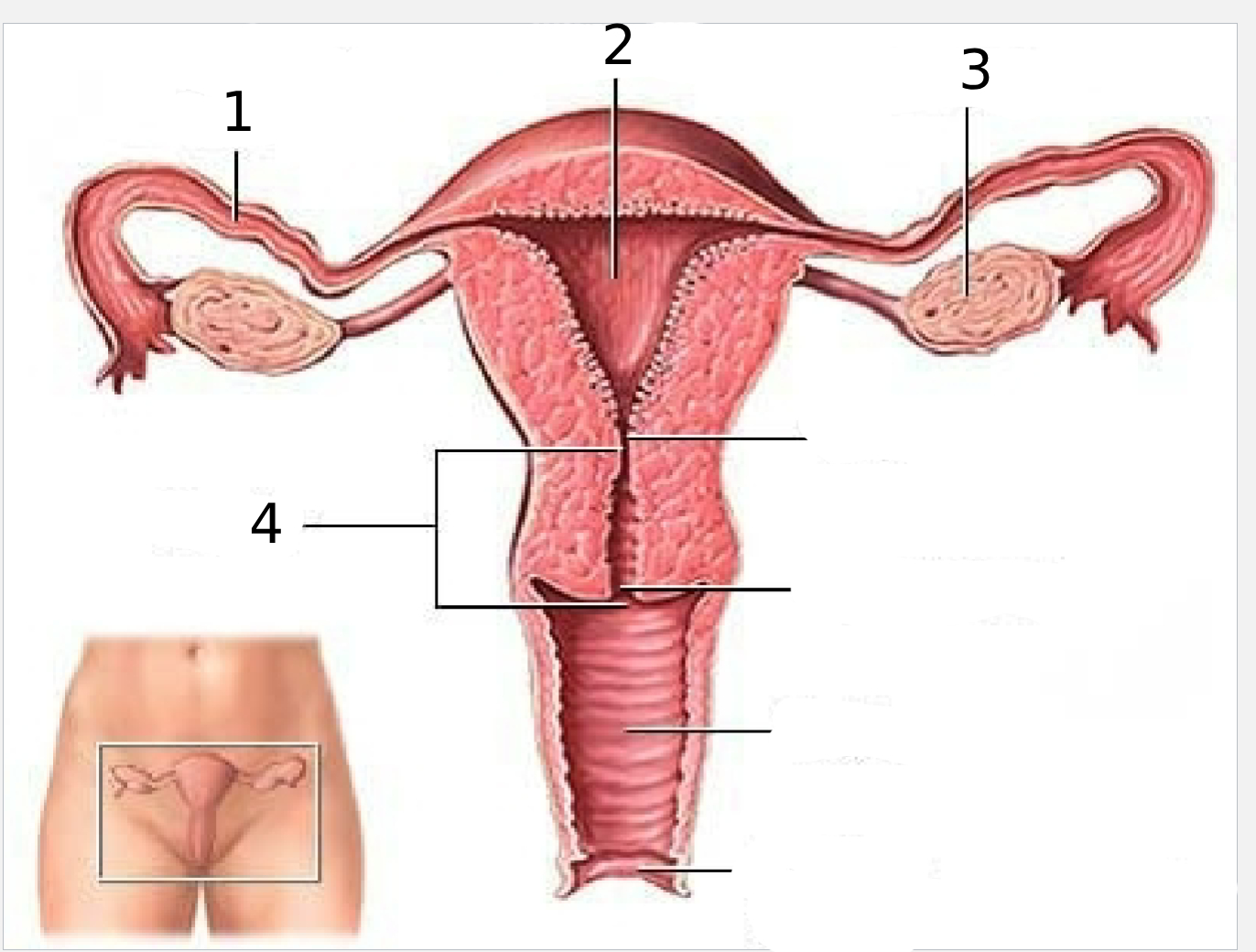
3
Ovary
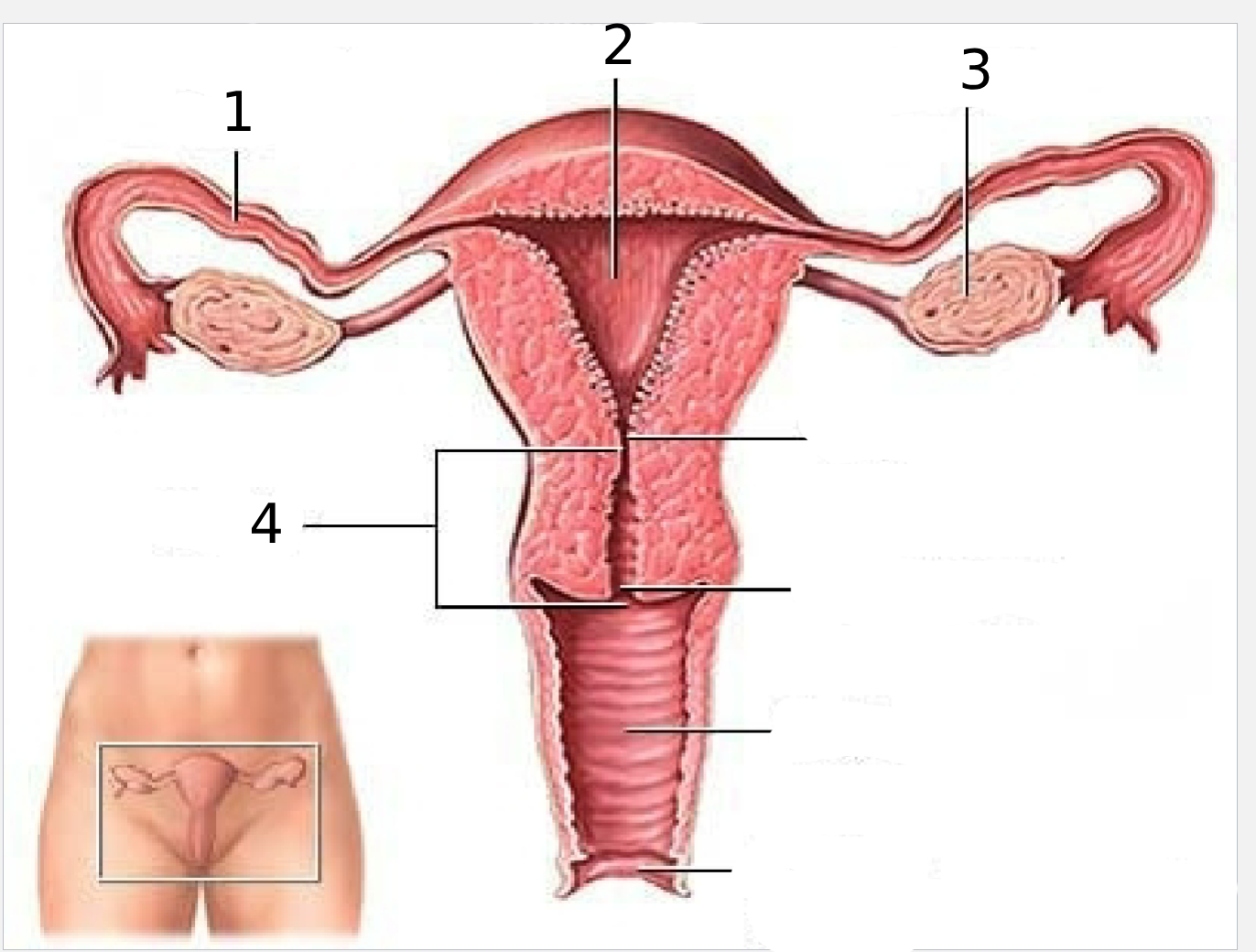
4
Cervix
What is the uterus used for?
Growing the embryo
What is the cervix?
Lower portion of uterus
What is the inner lining of uterus?
Endometrium
How are the ovaries located?
Floats freely and attached by fallopian ligaments
What is the definition of a menstrual cycle?
Recurrent cycle of physiological changes that reoccur in reproductive age women
What are ovarian follicles?
Cysts that contain an egg
What does FSH stand for?
Follicle-stimulating hormone
What does GnRH stand for?
Gonadotropin-releasing hormone
What does LH stand for?
Luteinizing hormone
What are hormones?
Biochemical substances produced in one area of the body and carried via the blood to send signals that trigger responses in another part of the body
What produces GnRH?
Hypothalamus
What does GnRH do?
Stimulates anterior pituitary to release FSH
What does FSH do?
Stimulate the development of follicles in the ovary, one becomes dominant
What do developing follicles produce?
Estrogen
What does the estrogen production from the dominant follicle cause?
The endometrium to thicken in preparation for potential implantation of an egg
When does estrogen production peak?
1-2 days prior to ovulation
What produces the sharp rise of estrogen 1-2 prior to ovulation?
Dominant follicle
What causes the release of LH?
Surge of estrogen
Where is LH produced?
Anterior pituitary
What causes the menstrual cycle?
Hormones
How does LH travel?
Blood
Where does LH travel to?
Ovary
What does LH due to the dominant follicle (prior to ovulation)
Makes a hole that releases an egg
What drop dramatically after ovulation?
Estrogen
What hormone is most found during the follicular phase?
Estrogen
What hormone is most found during the luteal phase?
Progesterone
What does the dominant follicle become after ovulation?
Corpus luteum
What does the corpus luteum produce?
Progesterone and some estrogen
What is progesterone do?
Develops endometrium for a potential fertilized egg
What does HcG stand for?
Human chorionic gonadotropin
If fertilization of the egg occurs what happens?
Corpus luteum’s life is extended by presence of HcG and continues to produce hormones
What hormone extends the life of the corpus luteum?
HcG
As pregnancy progresses what happen?
Hormone production is taken over by placenta
What happens if no pregnancy occurs?
The corpus luteum dies, progesterone levels fall, and a new cycle begins with the onset of menses
What is the physiology of a menstrual cycle?
Driven by hormones, hypothalamus produces GnRH which stimulates anterior pituitary to produce FSH, FSH stimulates the development of follicles in the ovary where one will become dominant, the developing follicles begin to produce estrogen, the estrogen produced by the dominant follicle causes the endometrium to thicken in preparation for potential implantation of an egg, the dominant follicle produces a sharp rise in estrogen which peaks 1-2 days prior to ovulation, this estrogen surge signals the release of LH from the anterior pituitary, LH travels via the blood to the ovary causing an enzyme release that make a hole in the dominant follicle releasing an egg (ovulation), estrogen drops dramatically after ovulation, the dominant follicle transformed by LH becomes the corpus luteum, the corpus luteum continues to produce some estrogen and now also progesterone which is needed to develop the endometrium so a potential fertilized egg can implant, if fertilization occurs the corpus luteum’s life is extended by the presence of HcG and continuing to produce progesterone and some estrogen, as pregnancy progresses hormone production is taken over by the placenta, and if no pregnancy occurs the corpus luteum dies, progesterone levels fall, and new cycle begins with the onset of menses
What signals day 1 of a menstrual cycle?
Day 1 of period
When is ovulation?
14 days before period starts
What signals the last day of a menstrual cycle?
Day 1 of period
What is the first part of the menstrual cycle?
Follicular phase
What is the second part of the menstrual cycle?
Luteal phase
During pregnancy where do sperm and egg meet?
Fallopian tubes
What is the position of the patient in a pelvic examination called?
Lithotomy position
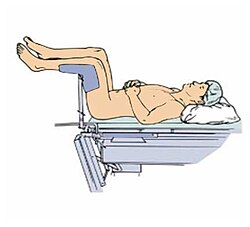
What is this position called?
Lithotomy position
What is a speculum examination?
Speculum inserted intravaginally and opened inside to visualize cervix,
What is a speculum examination good at showing?
Cervical opening
What tissue do you retrieve at the cervical opening?
Squamocolumnar junction
Why do we need to retrieve tissue samples from squamocolumnar junction?
Cancer starts there
How do you do a bimanual pelvic examination?
Use both hands, palpation of inner vaginal organs (uterus, cervix, ovaries), with two digits while pushing up with intervaginal hand
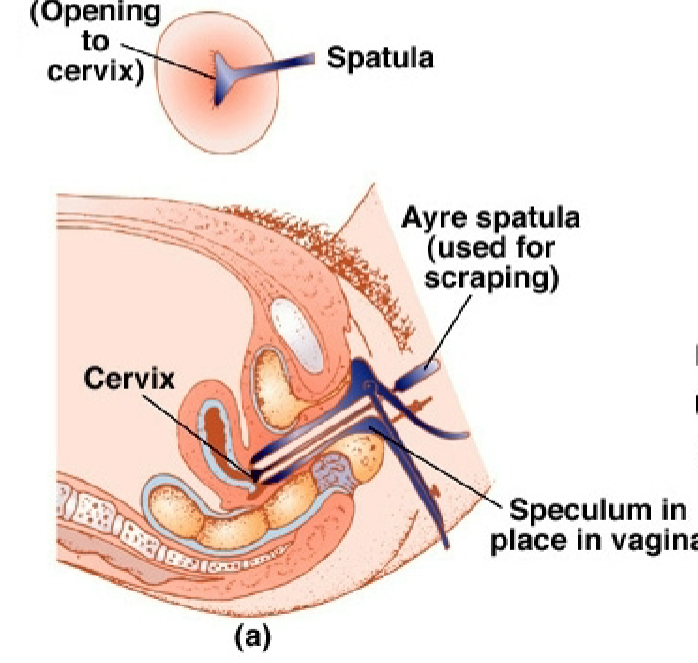
What is this?
Speculum examination
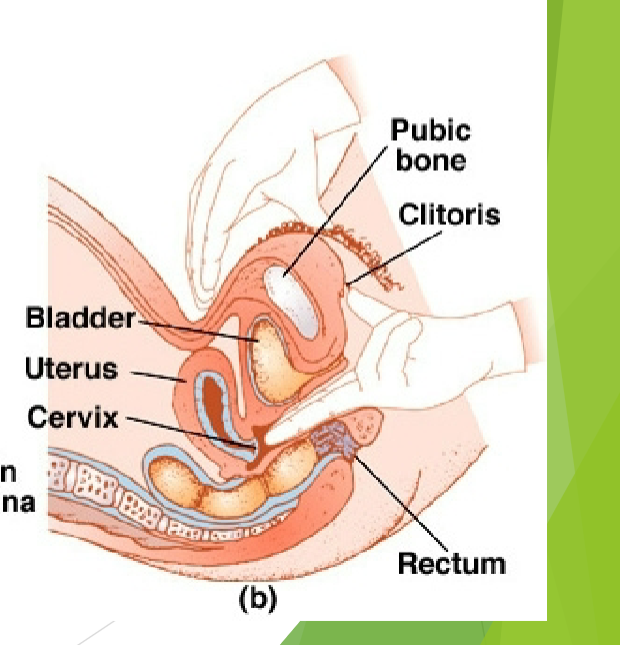
What is this?
Bimanual pelvic examination
What is the first thing you ask about a patients history when discussing women health?
Problem visit or routine
If problem visit what should you ask?
Onset, last time they had intercourse, 7 factors, any previous problems, obstetrical history, GTPAL (gravida, term, preterm, abortion/miscarriage, and living children), birth control and what kind, family history, last normal menstrual period (from day 1 of bleeding), and sexual history and how many
Name 3 types of speculums
Graves, pedersen, and virginal
What speculum do you use for the young?
Pederson
What speculum do you use for a normal adult (non-virgin)?
Graves
What does GTPAL stand for?
Gravida, term, preterm, abortion/miscarriage, and living children
What is gravida?
Amount of pregnancies
What is preterm?
Delivered before 37 weeks
What is term?
Delivered at 37 weeks or after
What should be asked for patient history for a pelvic exam?
Routine or problem visit, 7 factors, onset of problem, duration and relation to cycle, any previous pelvic problems, obstetrical history, GTPAL, any birth control and what kinds, family history, last normal menstrual cycle, and sexual history
What are the 7 factors?
Setting, chronology, location, quality, quantity, aggravating/alleviating factors, and associated manifestations
Physical exams of pelvic anatomy
Visual inspection of external genitalia, speculum exam, bimanual exam, and rectal exam
What does normal vaginal fluid appear as?
Clear to white
Ph of vaginal fluid
3.8-4.5
Vaginal fluid is acidic, neutral, or basic?
Acidic
What bacteria are in vaginal fluid?
Lactobacillus acidophilus, staph epidermidis, and beta-hemolytic strep
What do you see in a microscope slide of vaginal fluid?
Long rods, epithelial cells, and few or no white blood cells
Common vaginal symptoms
Vaginal discharge, swelling or itching, odor, erythema, and edema
What 3 laboratory tests do they do for vaginal infections?
pH Assessment, Amine test (Whiff test), and wet-mount microscopic exam
What is pH assessment good for?
Finding what kind of infection is present
How does a pH assessment go?
Applying a drop of vaginal discharge to pH paper, which should be acidic
If pH is decreased then what kind of infection is likely present?
Yeast infection
If pH is increased what kind of infections are likely present?
Bacterial vaginosis and trichomonas
How does an amine test (whiff test) go?
Small amount of vaginal discharge on a slide with 10% KOH
What results from a positive amine test (whiff test) and what does it indicate?
A release of aromatic amines (fishy odor), which indicates increased presence of anaerobes, which is associated with bacterial vaginosis
What has increased presence in an amine test (whiff test)?
Anaerobes
What does an increased amount of anaerobes mean with in an amine test (Whiff test)?
Bacterial vaginosis
How does a wet-mount microscopic exam go?
Sample of vaginal discharge on a slide mixed with saline solution with a cover slip under a microscope
What are you looking for in a wet-mount microscopic exam?
Bacteria, yeast cells, trichomonads, white blood cells, and clue cells
If you have yeast cells what is it indicative of on a wet-mount microscopic exam?
Yeast infection
If you have trichomonads what is it indicative of on a wet-mount microscopic exam?
Trichomonas
If you have excessive white blood cells what is it indicative of on a wet-mount microscopic exam?
Infection
If you have Clue cells what is it indicative of on a wet-mount microscopic exam?
Bacterial vaginosis
What does a positive Amine test (Whiff test) smell like?
Fishy