10. Hemorrhage
 Call Kai
 Learn
 Practice Test
 Spaced Repetition
 Match
 Flashcards
 Knowt Play
1/31

There's no tags or description
Looks like no tags are added yet.
32 Terms
what is postpartum hemorrhage?
excessive bleeding after birth, including any amount that makes mom hemodynamically unstable
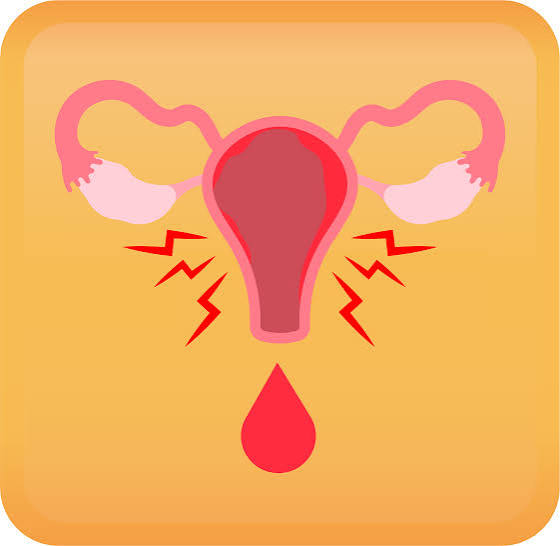
what blood loss meets the threshold for hemorrhage after a vaginal birth? *
more than 500 mL
what blood loss meets the threshold for hemorrhage after a cesarean birth? *
more than 1,000 mL
what findings suggest mild shock (20% blood loss) from postpartum blood loss?
sweating, delayed capillary refill, cool extremities, and anxiety
what findings suggest moderate shock (20-40%) from postpartum blood loss?
tachycardia, postural hypotension, and decreased urine output
what findings suggest severe shock (more than 40%) from postpartum blood loss?
hypotension, agitation or confusion, and hemodynamic instability
what is uterine atony?
the uterus fails to contract firmly after birth and feels boggy
most common cause of postpartum hemorrhage
how can lacerations cause postpartum hemorrhage?
if theyre missed
how can episiotomies cause postpartum hemorrhage?
if theyre poorly done
why can retained placental fragments cause postpartum hemorrhage?
the part of the uterus containing the fragments cannot contract properly
what is uterine inversion?
the uterus turns inside out after birth
surgical emergency
causes hemorrhage

_____ of the vulva, vagina, or subperitoneal areas can cause postpartum hemorrhage
hematomas
what are the four Ts of postpartum hemorrhage?
tone: uterine atony or a distended bladder
tissue retained placenta or clots
trauma: vaginal, cervical, or uterine injury
thrombin: an inherited or acquired clotting disorder
what blood disorders raise risk of postpartum hemorrhage?
thrombotic thrombocytopenic purpura (TTP)
von Willebrand disease
how does von Willebrand disease affect bleeding?
too little von Willebrand factor impairs platelet adhesion and prolongs bleeding
what is disseminated intravascular coagulation (DIC)?
widespread clotting uses up clotting factors, leading to uncontrolled bleeding
which obstetric complications can trigger disseminated intravascular coagulation (DIC)?
placental abruption or intrauterine fetal demise
what bleeding findings suggest disseminated intravascular coagulation (DIC) after birth?
uncontrolled bleeding, petechiae, bleeding gums, or oozing around an IV
tachycardia and hypotension
which blood products may be given for disseminated intravascular coagulation?
fresh frozen plasma and packed red blood cells
what should the nurse do for a boggy uterus during postpartum hemorrhage?
massage the fundus to help the uterus contract
how is postpartum hemorrhage from a genital tract laceration treated?
repair the laceration to stop the bleeding
how should the nurse track ongoing bleeding during postpartum hemorrhage?
check uterine tone and count how quickly mom saturates pads
give fluids as ordered and monitor for shock
what is a uterotonic?
a medication that makes the uterus contract to control bleeding
uterotonic medications
oxytocin
misoprostol
methylergonovine
carboprost
which uterotonic is first-line for postpartum hemorrhage?
oxytocin
doesnt work = move onto other meds
how is misoprostol given?
800 mcg rectally as one dose
when is misoprostol held?
allergies or active cardiovascular, pulmonary or hepatic disease
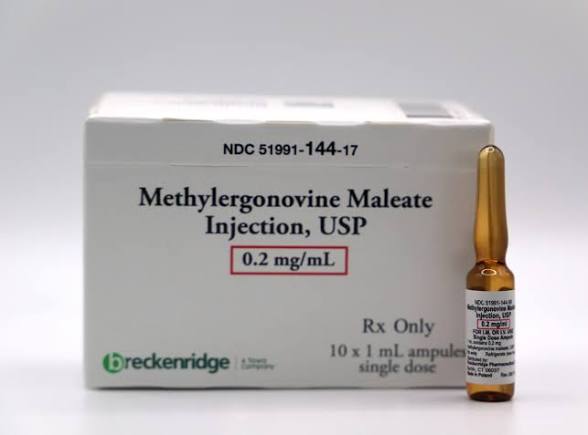
how is methylergonovine given?
0.2mg IM injection

when should the nurse hold methylergonovine (Methergine)?
when mom has hypertension (because it raises blood pressure)
how is carboprost given?
0.25 mg IM
when should the nurse avoid carboprost (Hemabate)?
when mom has asthma
it can cause bronchospasm
how is postpartum hemorrhage from retained placental fragments treated?
remove the retained fragments so the uterus can contract