Quarter 2 - States & Facts
 Call Kai
 Learn
 Practice Test
 Spaced Repetition
 Match
 Flashcards
1/187

There's no tags or description
Looks like no tags are added yet.
188 Terms

Alexander Hamilton
A founding father and the first Secretary of the Treasury of the United States, Hamilton was instrumental in establishing the nation's financial system and promoting a strong central government.

Anti-Federalists
People who opposed the Constitution because they feared a strong national government could threaten individual rights.

Federalists
People who supported the Constitution and favored a stronger national government.

George Washington
The nation's first president who established the new government and warned against divisions and permanent foreign alliances.
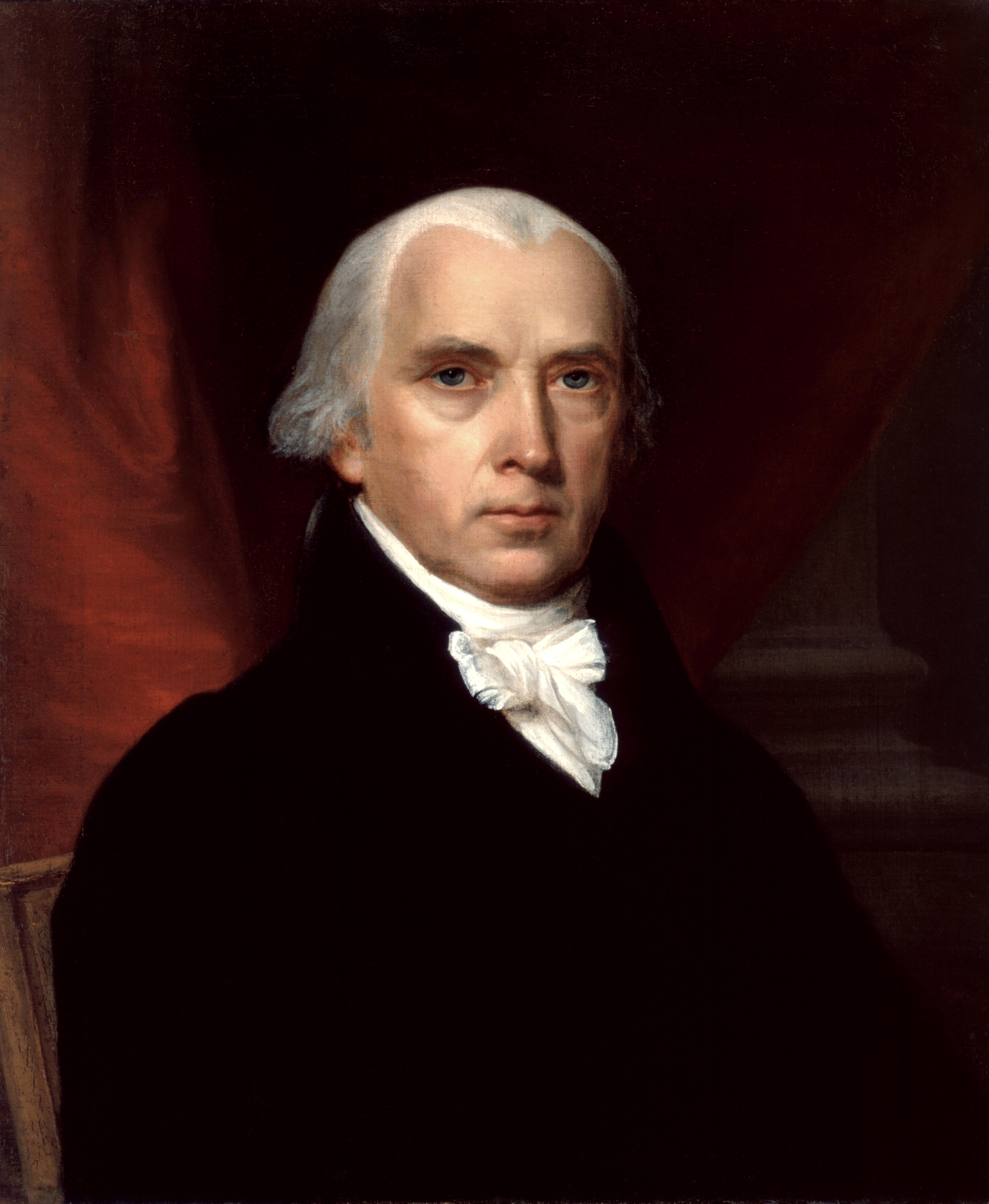
James Madison
A Founding Father who helped write the Constitution and Bill of Rights and later became the fourth U.S. president.

John Adams
The second president of the United States who faced conflicts with France and signed the Alien and Sedition Acts.

John Marshall
The fourth Chief Justice of the United States who strengthened the power of the Supreme Court and established judicial review.

Checks & Balances
A system that ensures no branch of government becomes too powerful by allowing each branch to limit the powers of the others.
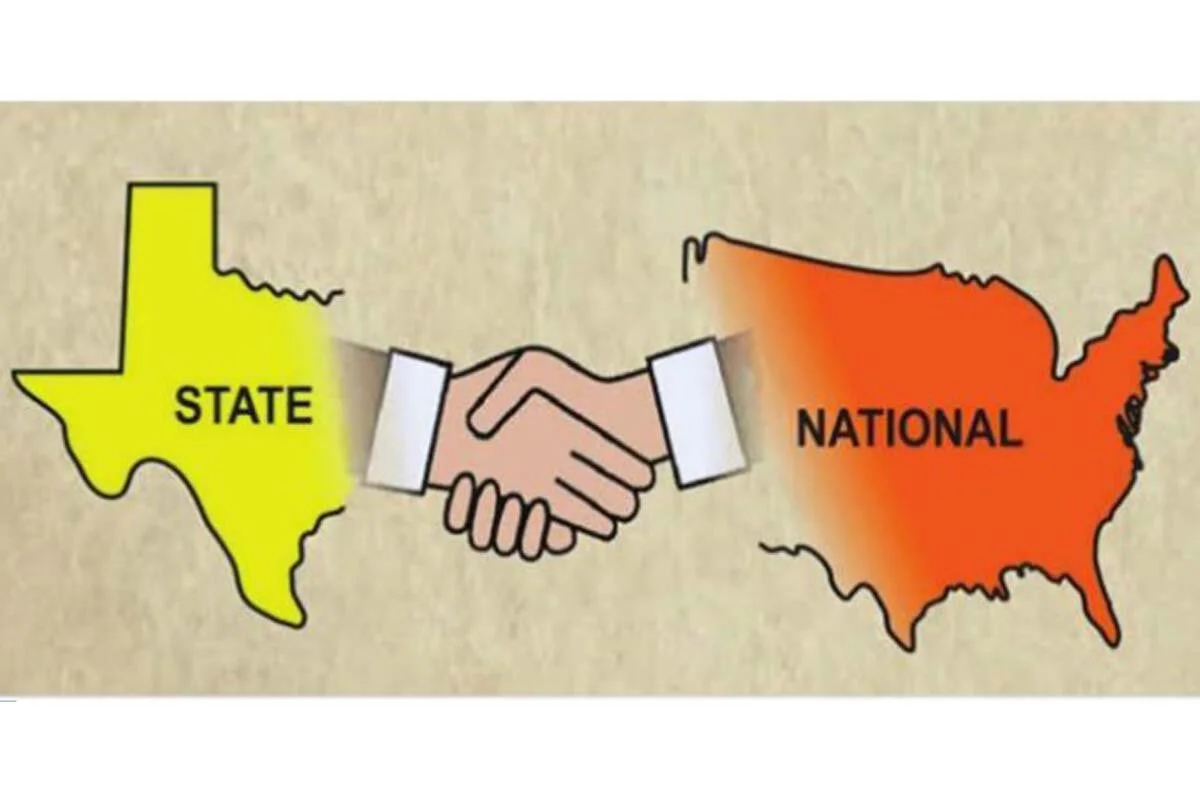
Federalism
A system of government in which power is shared between the national government and state governments.

Republicanism
Where citizens elect representatives to make decisions and govern on their behalf.

Separation of Powers
A system that divides the powers of government among the legislative, executive, and judicial branches.

Two-Party System
A political system in which two major political parties have the greatest influence over elections and government.

Articles of Confederation
The first constitution of the United States, which created a weak national government and gave most power to the states.

Bill of Rights
The first ten amendments to the Constitution, which protect individual freedoms and limit government power.

Constitutional Convention
A meeting held in 1787 where delegates created the U.S. Constitution to replace the Articles of Confederation.

Federalist Papers
A series of essays written by Alexander Hamilton, James Madison, and John Jay that supported ratification of the Constitution.

Fugitive Slave Act of 1793
A law that required escaped enslaved people to be returned to their enslavers and allowed enslavers to capture them in free states.

Great Compromise
An agreement that created a two-house Congress with representation based on population in the House and equal representation in the Senate.
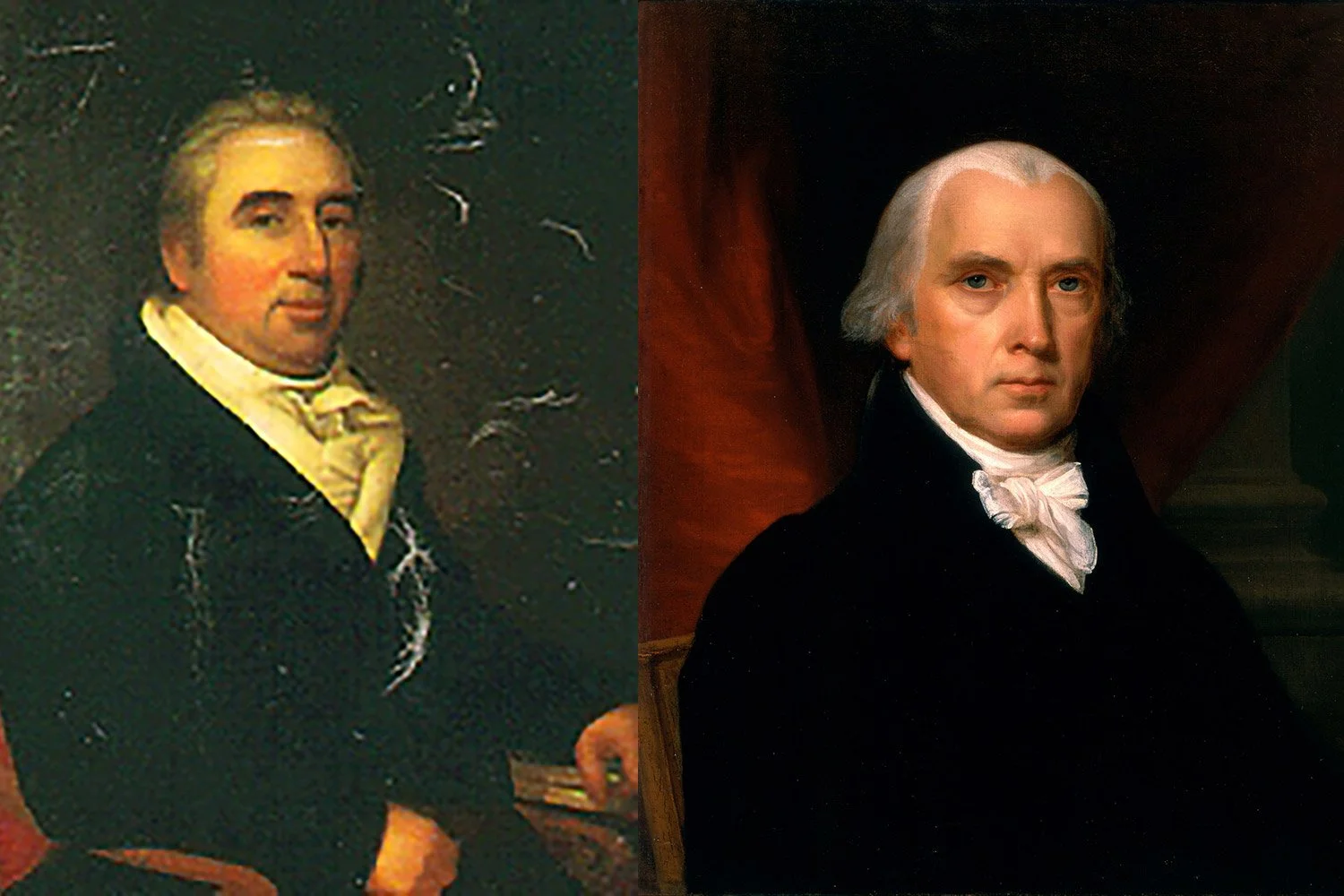
Marbury v. Madison
The 1803 Supreme Court case that established the principle of judicial review, giving the Court the power to declare laws unconstitutional.

National Bank
A government-supported bank created to manage federal money, strengthen the economy, and help the government handle its finances.

Northwest Ordinance
A law passed in 1787 that created a process for territories to become states and banned slavery in the Northwest Territory.

The Constitution
The supreme law of the United States that establishes the structure and powers of the federal government.

Three-Fifths Compromise
An agreement that counted three-fifths of the enslaved population when determining representation and taxation.

Washington’s Farewell Address
A message in which George Washington warned Americans about political parties, sectional divisions, and permanent foreign alliances.

First Amendment
Protects freedom of religion, speech, press, assembly, and the right to petition the government.

Second Amendment
Protects the right of people to keep and bear arms.

Third Amendment
Prevents the government from forcing people to house soldiers in their homes during peacetime without their permission.

Fourth Amendment
Protects people from unreasonable searches and seizures by the government.

Fifth Amendment
Protects people accused of crimes by providing rights such as due process and protection against self-incrimination.

Sixth Amendment
Guarantees people accused of crimes rights such as a speedy and public trial, an attorney, and an impartial jury.

Seventh Amendment
Protects the right to a jury trial in certain civil cases.

Eighth Amendment
Protects people from excessive bail, excessive fines, and cruel and unusual punishment.

Ninth Amendment
States that people have rights beyond those specifically listed in the Constitution.

Tenth Amendment
States that powers not given to the federal government by the Constitution belong to the states or the people.

Legislative
The branch of government that makes laws and consists of Congress, which includes the House of Representatives and Senate.

Executive
The branch of government that enforces laws and is led by the president.

Judicial
The branch of government that interprets laws and includes the Supreme Court and other federal courts.

Amend
To make an official change or addition to the Constitution.

Ratify
To officially approve or accept an agreement, such as the Constitution.

Judicial Review
The power of courts to determine whether laws or government actions are constitutional.

Bicameral
A government system with a legislature divided into two separate houses, such as the House of Representatives and Senate.

Address
A speech.

Alien
A person from another country; a foreigner.

Amendment
A change or addition to a law or constitution.

Article
A part or section of a written document.
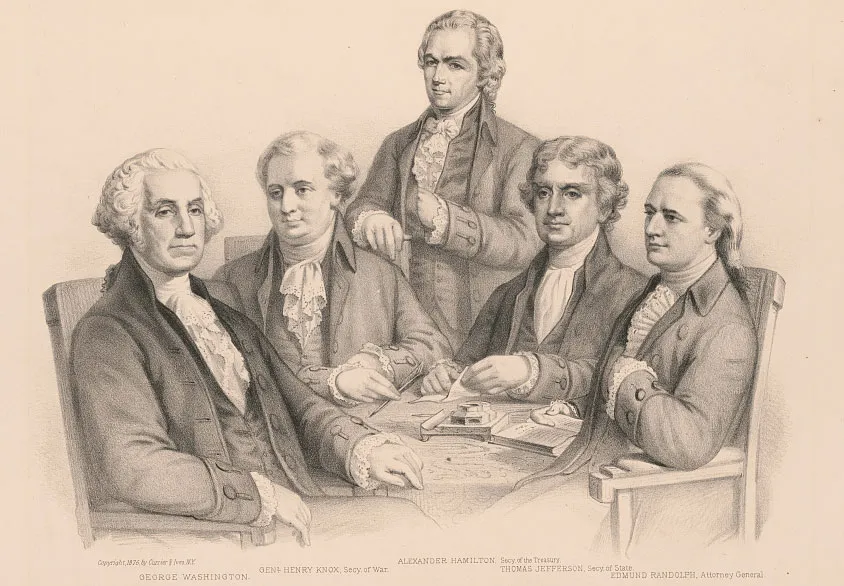
Cabinet
A group of advisors to the president or leader, usually in charge of different areas.

College
An organized group or institution.

Compromise
An agreement where each side gives up something to reach a solution.

Confederation
An organization of a number of parties or groups united in an alliance.

Convention
A formal meeting or gathering, usually to make important decisions.

Democracy
A system of government where power comes from the people through voting.

Enterprise
A project, venture, or business activity.

Fugitive
A person fleeing from capture or danger.

National
Something relating to an entire nation.

Neutral
Not helping or supporting either side in a conflict.

Ordinance
A law or regulation, often local.

Precedent
An earlier decision or action that serves as a guide for the future.

President
Head of state or leader of a republic.

Sedition
Speech or action encouraging rebellion against authority.

Senate
A legislative body, often the upper house of government.

Supreme
Highest in rank or authority.

Charles de Montesquieu
A French philosopher who believed government should be divided into separate branches with checks and balances.

John Locke
An English philosopher who argued that government should be based on the consent of the governed and that individuals have unalienable rights to life, liberty, and property.

Pilgrims
A group of English separatists who founded the Plymouth Colony in 1620, seeking religious freedom from the Church of England.

Separatists
A group of Christians who sought to separate from the Church of England to practice their faith freely.

Puritans
A group of English Protestants in the late 16th and 17th centuries who sought to purify the Church of England.

Quakers
A religious group known for their pacifism, simplicity, and social equality, originating in England during the mid-17th century. Quakers emphasize direct experience of God and often advocate for social justice and humanitarian causes. Also called The Society of Friends.

Thomas Hooker
A Puritan minister who founded the Connecticut Colony in 1636, advocating for democratic governance and greater religious freedom.

Jamestown
The first permanent English settlement in North America, established in 1607 in Virginia, known for its role in the early colonial development and struggles for survival.

Middle Colonies
The region of British colonies in North America, comprising New York, New Jersey, Pennsylvania, and Delaware, known for its diverse population, fertile land, and mixed economy.

New England
The region of British colonies in North America, including Massachusetts, Connecticut, Rhode Island, and New Hampshire, known for its rocky soil, cold climate, and strong maritime economy.

Southern Colonies
The region of British colonies in North America, including Maryland, Virginia, North Carolina, South Carolina, and Georgia, known for its plantation economy, reliance on enslaved labor, and agricultural focus.
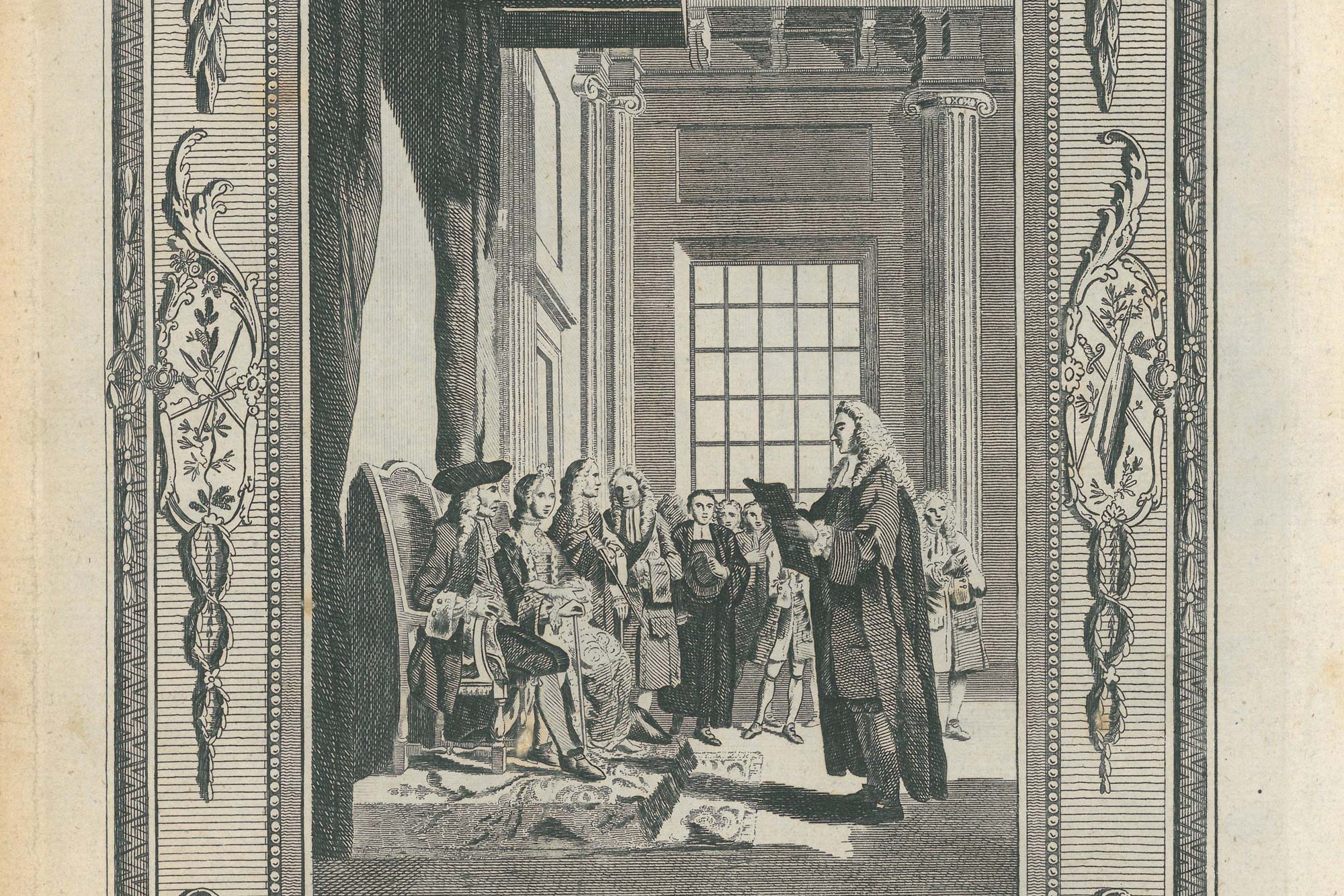
English Bill of Rights
A landmark act passed in 1689 that limited the powers of the monarchy and outlined the rights of Parliament and individuals.
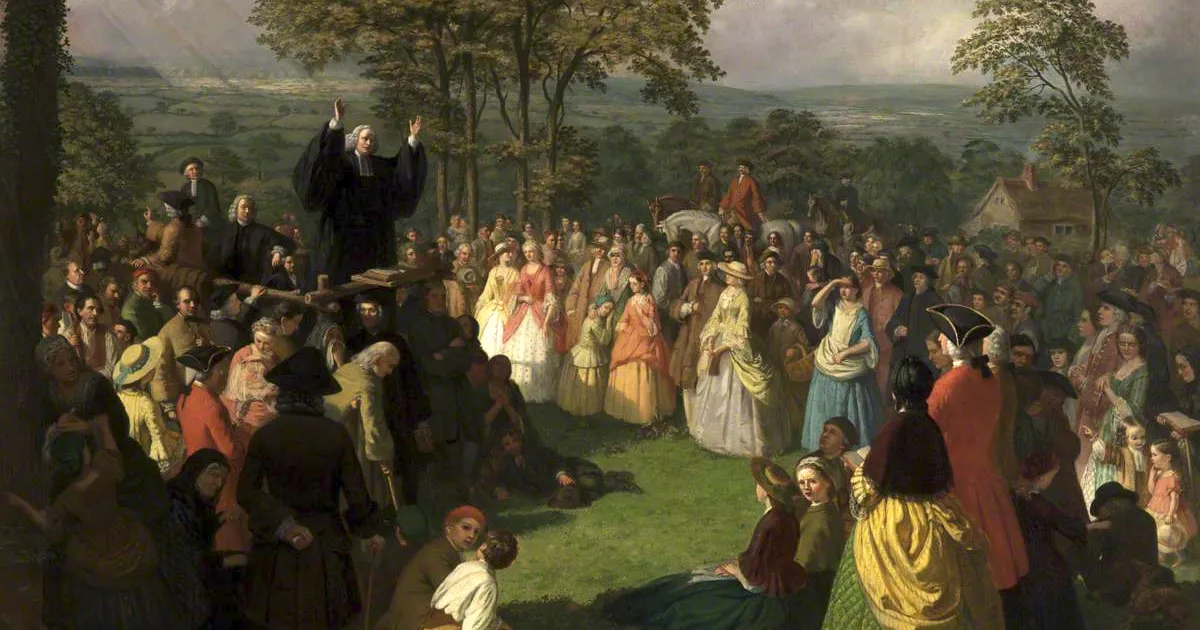
First Great Awakening
A religious revival in the American colonies during the 1730s and 1740s that emphasized personal faith, emotional experiences, and questioning human authority.

Fundamental Orders of Connecticut
The first written constitution in America, established in 1638, that outlined the framework for government in the Connecticut Colony, promoting the idea of self-government.

Magna Carta
A charter agreed to in 1215 that limited the powers of the English king and established certain rights for nobles.
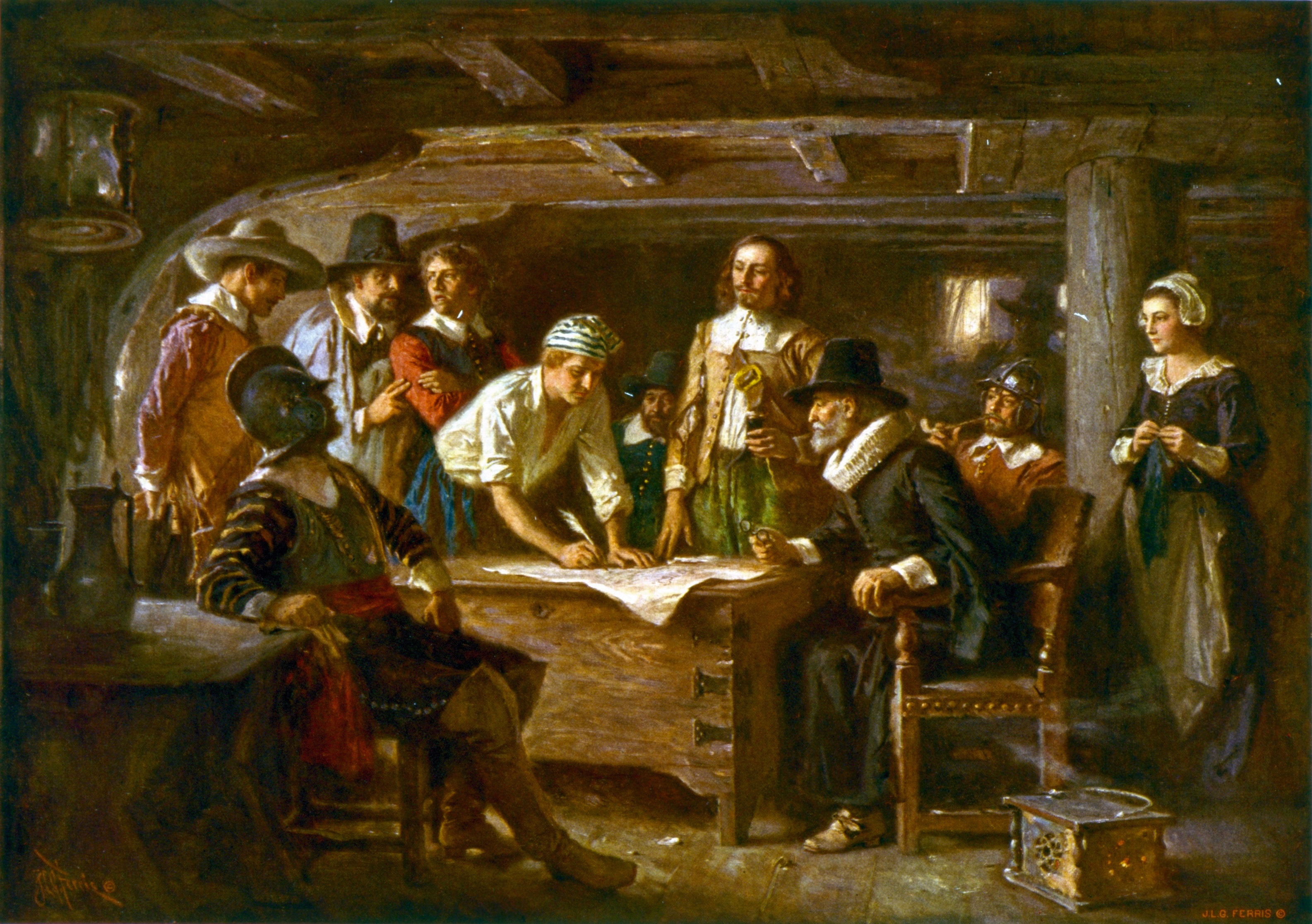
Mayflower Compact
An agreement made in 1620 by the Pilgrims aboard the Mayflower, establishing a framework for self-government and democracy in the New World.

Salem Witch Trials
A series of hearings and prosecutions in 1692 in colonial Massachusetts, where several people were accused of witchcraft, leading to a combination of mass hysteria and legal injustices.
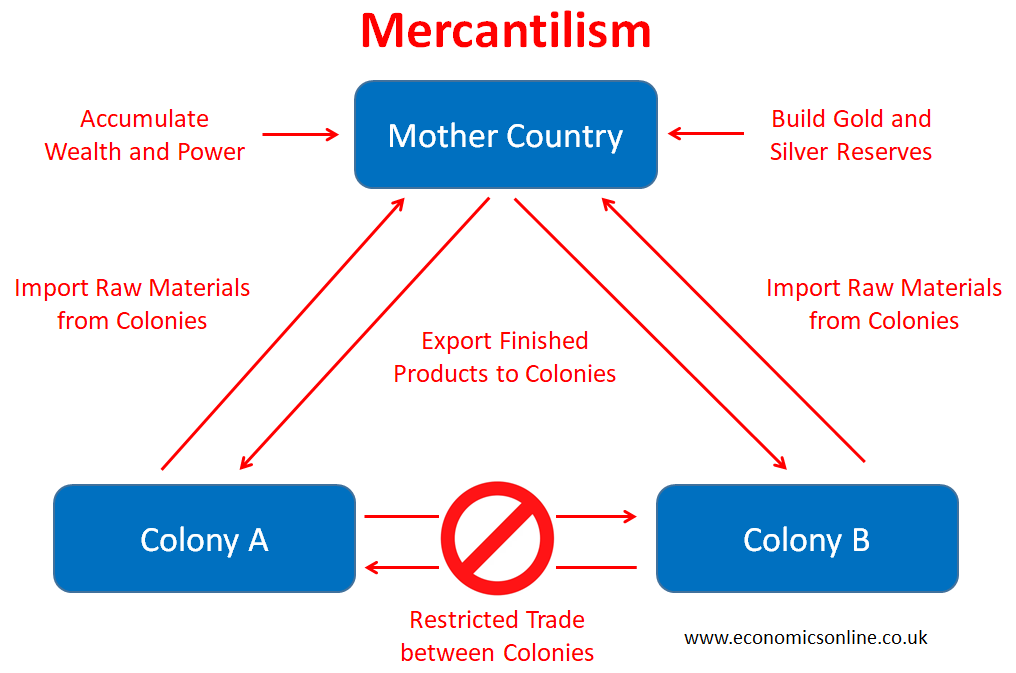
Mercantilism
An economic theory that emphasizes the role of colonies in serving the mother country to enhance national power and wealth by accumulating gold and silver..

Slavery
the practice of owning and exploiting individuals as property, often for labor, which became a significant and tragic aspect of American history, particularly in colonial and antebellum America.
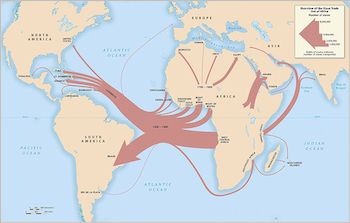
Transatlantic
Crossing or relating to the Atlantic Ocean, especially between Europe, Africa, and the Americas.

Unalienable Rights
The rights that are considered fundamental and inherent to every person.
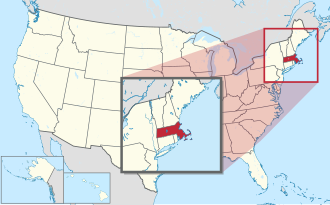
Massachusetts
A British settlement established in 1620, known for its Puritan community and significant role in early American colonial governance.

New Hampshire
A British colony established in 1623, known for its focus on fishing and trade. Part New England.

Delaware
The first European settlement in Pennsylvania, established in 1638 by Swedish settlers, known for its diverse population and religious tolerance.

Pennsylvania
A British colony founded in 1682 by William Penn, known for its diverse cultural heritage and as a refuge for religious freedom for Quakers.

Rhode Island
A British colony founded in 1636 by Roger Williams, known for its commitment to religious freedom and separation of church and state.

New Jersey
A British colony founded in 1664, known for its diverse population and as a place of religious tolerance, it was initially part of the larger territory of New York.
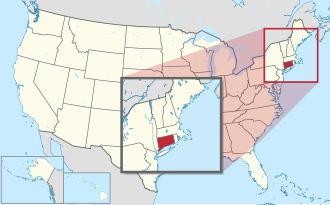
Connecticut
A British colony founded in 1636 by Thomas Hooker, recognized for its early form of representative government and as a place for religious and civic freedom.

Georgia
A British colony founded in 1732 by James Oglethorpe, known for being a buffer against Spanish Florida and offering a fresh start for debtors.

North Carolina
A British colony founded in 1653, characterized by its agricultural economy and a mix of settlers from various backgrounds, often seeking economic opportunities that couldn’t be found in Virginia.
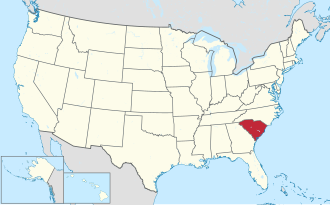
South Carolina
A British colony founded in 1670, known for its plantation economy based on rice and indigo, and a diverse population that included many enslaved Africans.
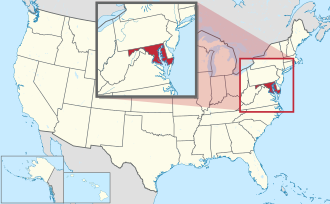
Maryland
A British colony founded in 1632 by Cecil Calvert, also known as Lord Baltimore, established as a refuge for English Catholics and characterized by its tobacco plantations and religious tolerance.
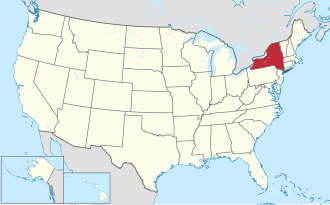
New York
A British colony founded in 1664, originally a Dutch settlement called New Amsterdam, known for its diverse population and significant commercial activity, serving as a major trade center.
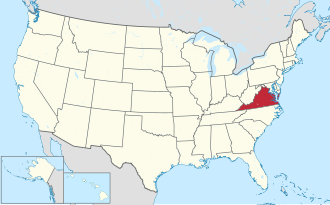
Virginia
A British colony established in 1607, known for its tobacco cultivation and its role as the first permanent English settlement in North America.
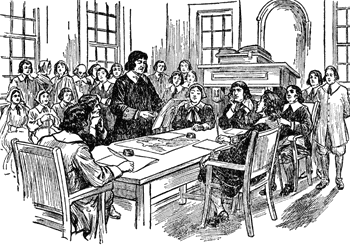
Representative Government
A political system in which elected officials represent the people, allowing for citizen participation in governance through voting.

Act
A law passed by a governing body; a deed or action.

Agriculture
The science or practice of farming.
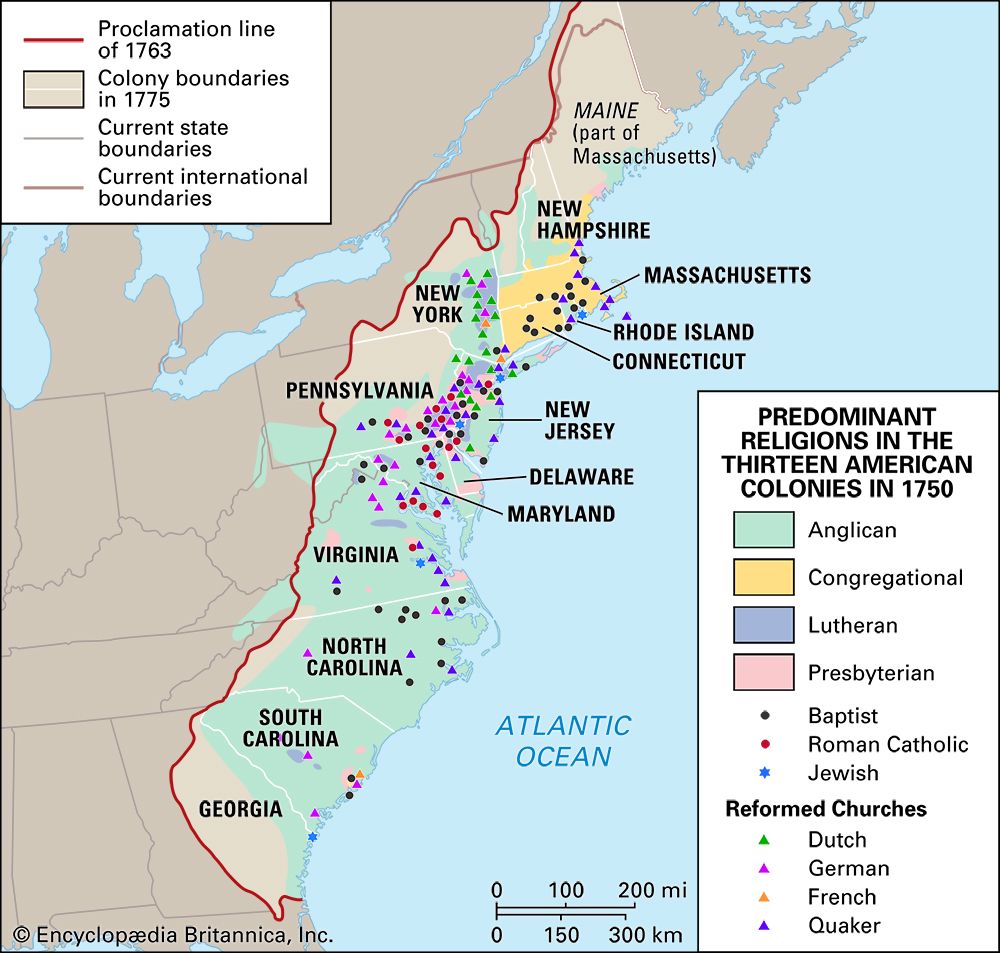
Colony
A territory controlled by another country, often settled by its people.

Compact
An agreement or contract made by a group.