midterm 2 (week 5-10)
 Call Kai
 Learn
 Practice Test
 Spaced Repetition
 Match
 Flashcards
 Knowt Play
1/43

There's no tags or description
Looks like no tags are added yet.
44 Terms
bacteria
found outside and inside cells
viruses
found inside cells
many are emerging as a result of zoonotic events
obligate intracellular pathogen

classification
features of the virus (genetic material, presence of an envelope)
effects on the host: (type, site of replication, mode of transmission)
stages of viral infection
attachment (determines what cells can be infected)
penetration
uncoating
gene expression and replication
assembly
release

how can viruses enter?
specific host receptors (Viruses have proteins that recognize and bind to specific receptors on host cells.)
some fuse w cell membrane (viral membrane fuse w/ host cell membrane), others get taken into endosomes (membrane-bound compartment)
cell-to-cell transmission (spread directly from infected cell to neighbouring cell)
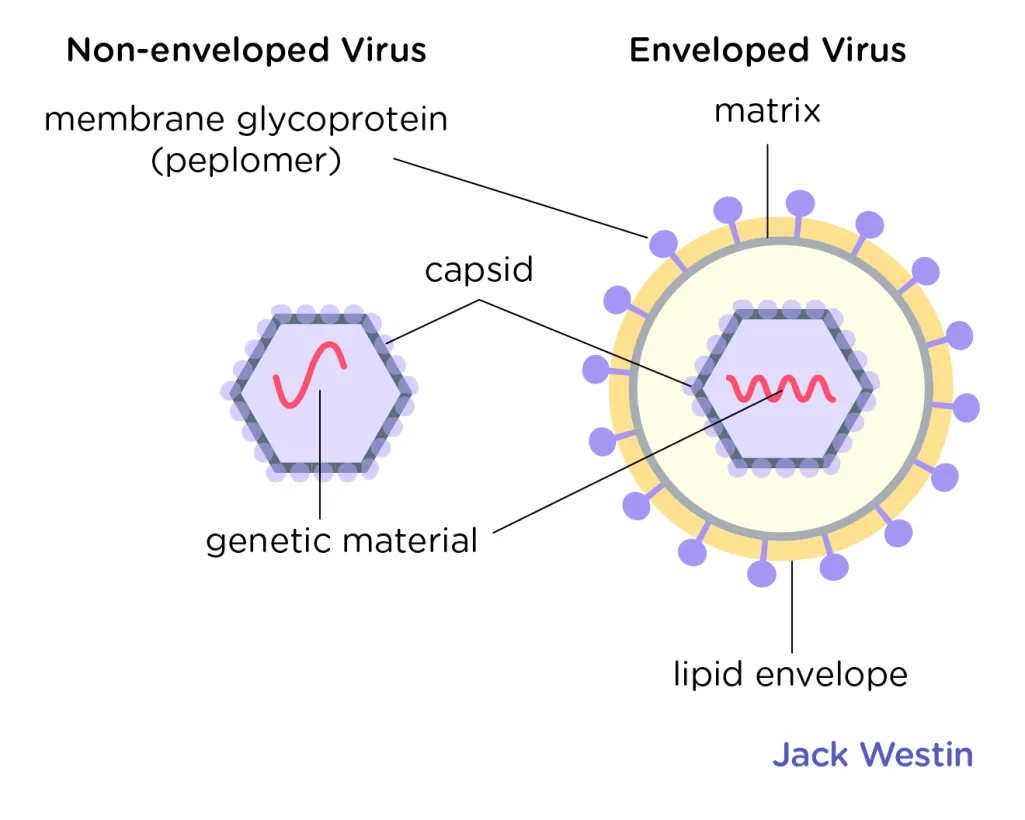
enveloped virus
genetic material, capsid, and additional outer lipid envelope

non-eneveloped virus
genetic material surrounded by protein shell (capsid)
how does influenza enter cells
receptor mediated endocytosis
Virus attaches to a specific receptor on the host cell.
The cell engulfs the virus into an endosome.
The endosome becomes acidic, triggering fusion and release of viral genetic material into the cell.
how does poliovirus enter a cell
pore-mediated penetration
Virus attaches to a receptor.
The viral capsid undergoes changes.
Viral RNA enters the cytoplasm through a pore, without the entire capsid needing to enter.

how does hiv enter a cell
membrane fusion
HIV attaches to the CD4 receptor.
It binds a coreceptor (CCR5 or CXCR4).
Its viral envelope fuses with the host cell membrane, allowing viral contents to enter.

why does entry mechanism matter?
determines which cell types/hosts a virus can infect (tropism)
helps find a way to treat infection
cellular tropism
Determines which cells can beinfected and how far it can spread

tissue tropism
Determines immune response and symptoms experienced

host tropism
Determines who and what can get infected

protective roles of immune response to viral infection
detects virus
limits early spread
neutralizes virus
clears infected cells
builds long-term protection
harmful roles of immune response to viral infection
excessive inflammation
bystander tissue dmg (inflammatory molecules dmg uninfected/healthy cells)
autoimmune reac (attack itself)
immunopathology in vital organs
bats & viruses
Able to carry viruses without overt infectious complications; Can transmit horizontally (same generation) and vertically (parent to offspring)
dampened immune responses + increased metabolic activity
acute viral infection (ex. rhinovirus)
immune reesponse clears infection (clearance)
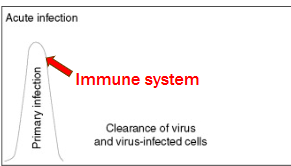
persistent/chronic infection (ex. hep b)
immune response reduce amt of virus but not eliminate from body

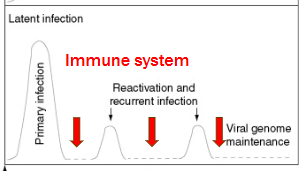
latent infection (ex. hsv)
immune system can
force the virus into hiding but not eliminate
it; when the patient gets
immunosuppressed, it can re-emerge
direct transmission
passes directly between hosts, no intermediary (ex. respiratory droplets, direct phys contact, sex, vertical)
indirect transmission
transmitted thru intermediary (ex. vehicle borne, bector borne, airborne)
immune system infectious threats
recognition of self vs non self (distinguish own cells from diff organisms)
variety of diff pathogens (diff pathogens req diff immune responses)
human body is surrounded by other organisms (must recognize which ones pose a threat)
immune response to injury + infection
immune cells at site of infection get activated + release inflammatory mediators
blood vessels become more permeable to allow blood cells to enter tissue
immune cells migrate into tissue + become activated
immune cells eliminate foreign invaders

allergy
Immune response against non-pathogenic molecules
autoimmune disease
Immune response against host proteins
cancer
Immune cells lose the ability to identify and destroy abnormal cells
immune cells found in mucosal tissues
reduced responsiveness under steady state conditions
3 phases of immunity
pre-existing innate immunity
induced innate immunity
induced adaptive immunity

pre-existing innate immunity (0-4hr) (phase 1 innate)
prevents pathogens from entering [non-specific]
skin
mucous membranes & secretions
normal flora
physical barriers block pathogens from entering, chem barriers directly kill microbes
induced innate immunity (4-96hrs) (phase 2 innate)
If pathogen gets past the barriers, the body activates a rapid, broadly acting immune response.
innate immune cells (induced response)
soluble factors (will not be discussed)
phagocytes, granulocytes, nk cells
induced adaptive immunity (phase 3 adaptive) (>96hr)
The body develops a highly specific response against the pathogen.
Examples: B cells produce antibodies, helper T cells (Th) release cytokines, and cytotoxic T cells (Tc) kill infected cells.
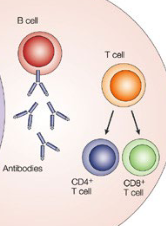
adaptive immune cells
B cells (plasma) [produce antibodies to neutralize pathogens, form memory cells for faster future response]
T cells (CD4 T cells, helper) [activate other immune cells, release cytokines to regulate inflammation]
CD8 T cells (cytotoxic) [recognize infected cells thru receptors, directly kill infected cells]
immunological memory
B cells, CD4+ T cells and CD8+ T cells can develop memory responses

polymorphism
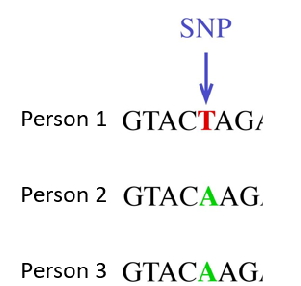
genetic variation occurring at a measurable frequency in population (1% or greater)
(one type is single base difference (snp = single nucleotide polymorphism or snv = single nucleotide variant)
types of mutations
silent (doesnt change AA produced), missense (results in diff AA), nonsense (premature stop codon), frameshift (shifts reading frame)
mendelian disease
we can predict if you will have this based on your DNA
multifactorial disease
caused by a combination of genetic (multiple genes)
and environmental factors
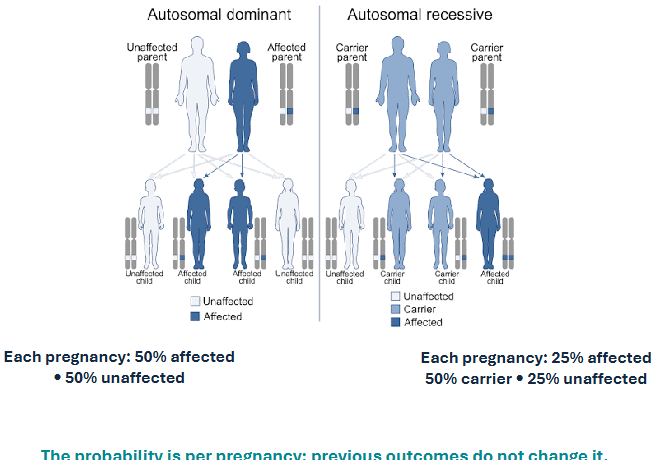
how can a genetic condition “run” in a family
[autosomal dominant and recessive]
SIFD
sideroblastic anemia
immunodeficiency
periodic fevers
developmental delay
TRNT1
gene associated w sideroblastic anemia [gene association is a starting pt, not a complete explanation of every symptom)
TRNT1 normal func
enzyme that adds CCA (important for tRNA maturation + func) to 3’ ends of all tRNA
how might disease-associated variants affect TRNT1
variants could reduce the amt of TRNT1 (cause less protein prod)
affect how well TRNT1 functions (altered activity)