AP Bio summer stuff
 Call Kai
 Learn
 Practice Test
 Spaced Repetition
 Match
 Flashcards
 Knowt Play
1/38

Earn XP
Description and Tags
Macromolecules and organelles
39 Terms
monomer
small molecules that can bond with other small molecules
polymer
a molecule made of monomers
dehydration synthesis
when monomers combine to form a polymer by removing a water molecule
hydrolysis
when a polymer breaks down into monomers by adding water
carbohydrates, triglyceride, phospholipids, steroids, proteins, nucleic acids
organic macromolecules (large organic molecules made of monomers and polymers)
glucose
monomer of carbohydrates
polysaccharides
polymer of carbohydrates
energy storage, cellular fuel, structural support
functions of carbohydrates
CHO
elements of carbohydrates, triglyceride, steroids, and lipids
glycerol and three fatty acids
monomers of triglyceride
long term energy storage, thermal insulation, protection of organs
functions of triglyceride
glycerol, two fatty acids, and phosphate group
monomers of phospholipids
form cell membranes
functions of phospholipids
CHONP
elements of phospholipids and nucleic acids
in cell membranes, chemical messengers, regulate gene expression, hormone signalers
function of steroids
amino acids
monomers of proteins
polypeptide
polymer of proteins
enzymes, structure, transport, defense, signaling, movement
function of proteins
CHON
elements of proteins/amino acids
nucleotides
monomer of nucleic acids
polynucleotide (DNA, RNA)
polymer of nucleic acids
store, transmit, and express genetic information
function of nucleic acids
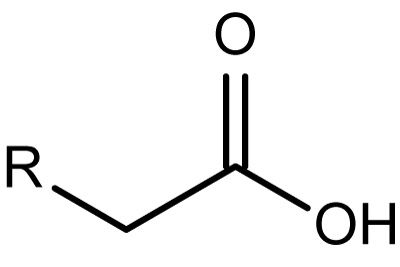
hydrophobic tail, hydrophilic head
chemical structure of fatty acid

hydrophobic
chemical structure of triglyceride
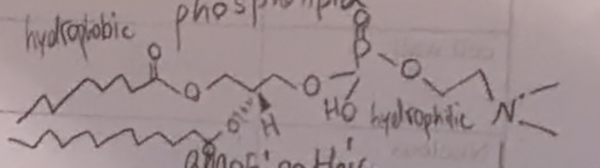
hydrophobic tails, hydrophilic head tail thing
chemical structure of phospholipid
plasma membrane
holds the cell together, selectively permeable
cell wall
maintains the shape of a plant cell
nucleus
contains DNA, directs cell function
ribosomes
make proteins
smooth ER
makes lipids
rough ER
holds ribosomes to help make proteins
golgi apparatus
sorts proteins, produces lysosomes
lysosome
breaks down waste in animal cells
vacuole
stores water in plant cells
mitochondrion
THE POWERHOUSE OF THE CELL (makes ATP energy)
chloroplast
converts light into energy through photosynthesis
phospholipids, hydrophilic heads face outward, hydrophobic tails face inward, two layers
how the cell membrane is arranged
fluid mosaic model
shows the fluidity of the membrane, hydrophobic interior, and hydrophilic exterior
transport proteins
move large molecules through the cell membrane