A&P Lab Exam 1
 Call Kai
 Learn
Learn Practice Test
 Spaced Repetition
 Match
Match Flashcards
 Knowt Play
1/149

There's no tags or description
Looks like no tags are added yet.
Name | Mastery | Learn | Test | Matching | Spaced | Call with Kai | Chat |
|---|
No analytics yet
Send a link to your students to track their progress
150 Terms
Basement membrane
Noncellular adhesive layer, connects superficial epithelial tissue to underlying dermis
Simple epithelial layer
Cells in a single layer; cells located on the basement membrane which may adhere to connective tissue, muscle, or even other epithelial tissue
Stratified epithelial layer
Cells stacked in more than one layer on a basement membrane
Simple squamous epithelium
Composed of thin, flat cells that lie on the basement membrane like floor tiles
Endothelium
Simple squamous epithelium lining of blood vessels
Mesothelium
Simple squamous epithelium surface layer of many membranes in various body cavities
Simple cuboidal epithelium
Cubelike or wedge-shaped cells that form many of the major glands and glandular organs of the body and are the major tissue in the kidneys. Involved in secretion of fluids or in reabsorption.
Simple columnar epithelium
Tall columns anchored at one end to the basement membrane, can be ciliated or have microvilli. Lines uterine tubes and digestive tract. Mucus secreting goblet cells are often found with them.
Pseudostratified columnar epithelium
May first appear as if it occurs in a few layers, but all of the cells rest on the basement membrane. The nuclei are at different levels in the tissue. Lines some portions of respiratory passages.
Stratified squamous epithelium
Covers outermost layer of skin, lines vaginal canal and mouth; Multiple layers of this tissue protect underlying areas from mechanical abrasion. Flattened cell shape at the free surface; can be keratinized and nonkeratinized.
Transitional epithelium
Remarkable stretching capabilities; lines the ureter, urinary bladder, and proximal urethra and allows these organs to expand as urine collects within or passes through them
Skeletal muscle
Made of cells called fibers; known as striated muscle due to striation (stripes) in the fiber. Individual cells have many nuclei and are thus called multinucleate, or syncytial; nuclei are elongated and occur on the periphery of the cell
Cardiac muscle
Found only in the heart, striated, made of cells called myocytes. Uninucleate cells joined together by intercalated disks, which facilitate the transmission of electrical impulses and has gap junctions to send impulses on to the next cell.
Smooth muscle
Involuntary and nonstriated, found in digestive tract and uterus. Cells are spindle shaped and uninucleate
Matrix
Extracellular material, consists of fibers and fluid, gel, or solid ground substance
Areolar connective tissue
Loose, complex collection of fibers and cells. Functions as packing material providing internal framework or wrapping around organs. Consists of collagenous fibers, reticular fibers, and cells including fibroblasts, fibrocytes, mast cells, and macrophages
Adipose tissue
Highly cellular, made up of adipocytes which store lipids. Nucleus and cytoplasm on outer part of cell near plasma membrane.
Reticular connective tissue
Has fibroblasts, fibrocytes, and reticular fibers made of collagen. Found in soft internal organs and provides an internal framework for these organs.
Dense collagenous connective tissue
Made of collagen, fibrocytes and fibroblasts also occur in the tissue, in addition to the fibers. Fibroblasts secrete fibers and then mature into fibrocytes. Regular (parallel fibers) are found in tendons and ligaments and irregular (various angle fibers) are found in deep layers of skin and white of the eye.
Dense elastic connective tissue
Fibroblasts secrete elastic fibers and subsequently become fibrocytes. Fibers made of the protein elastin.
Cartilage
Connective tissue in which the matrix is composed of a pliable material that allows for some degree of movement
Perichondrium
Dense irregular connective tissue on the surface of cartilage
Hyaline cartilage
Most common cartilage in the body; made up of cells called chondrocytes and the fibers are collagenous fibers
Fibrocartilage
Has chondrocytes and collagenous fibers but differs from hyaline cartilage in that it has many more collagenous fibers
Elastic cartilage
Contains elastic fibers which gives its flexible nature
Bone
Connective tissue in which the matrix is made up of hydroxyapatite crystal. Made of collagenous fibers and osteocytes
Compact bone
Most common type of bone in the body, makes up the dense material in a long section of a bone
Cancellous (spongy) bone
Found in the end regions of long bones and has plates of bone intersperesed with bone marrow
Osteons
Large circular regions in micrograph of bone that resemble cross sections of tree trunks
Central canal
Space in the middle of osteons
Lacunae
Dark spots that occur in rings around the central canal, spaces where osteocytes are located
Blood
Connective tissue in which matrix is fluid and no fibers are visible. Matrix is plasma, contains red blood cells (erythrocytes), white blood cells (leukocytes), and platelets (thrombocytes)
Yellow bone marrow
Contains mostly adipose tissue and is often found in the shafts of long bones in adults
Red bone marrow
Contains adipocytes, precursor cells of red blood cells and white blood cells; these are the stem cells
Dermis
Composed of collagenous and other fibers, along with blood vessels, nerves, sensory receptors, hair follicles, and glands
Reticular layer
Thickest and deepest layer of dermis. Composed of collagenous fibers, along with some elastic and reticular fibers.
Papillary layer
Most superficial layer of dermis, contains more elastic fibers than reticular layer. Named for papillae which are bumps that interdigitate with the epidermis, providing adhesion between the two layers.
Stratum corneum
Most superficial layer of epidermis, already dead and keratinized, surrounded by lipids
Stratum lucidum
Second most superficial layer of epidermis, already dead and contains keratohyalin
Stratum granulosum
Middle layer of epidermis, cells are dying, keratohyalin granules accumulate and forms hard protein envelope
Stratum spinosum
Second deepest layer of epidermis, keratin fibers and lamellar bodies accumulate
Stratum basale
Deepest layer of epidermis, attached to dermis by the basement membrane. Cells divide repeatedly and push up toward the superficial layers. Contains melanocytes that produce melanin
Eccrine sweat glands
Sensitive to temperature and produce normal body perspiration to cool down the body
Apocrine sweat glands
Secrete water and a higher concentration of organic acids than eccrine glands, produces body odor
Shaft
Portion of hair that erupts from skin surface
Root
A deeper portion of hair below the skin surface enclosed by the follicle: a pocket of epidermis that folds into the dermis
Hair bulb
the actively growing portion of the hair. At the center of the bulb is a small structure known as the papilla, a region containing the blood vessels and nerves that reach the hair bulb
Axial skeleton
Consists of the skull, hyoid bone, vertebral column, ribs, and sternum
Appendicular skeleton
Consists of the pectoral girdle, upper limb bones, pelvic girdle, and lower limb bones
Long bone
Bones that are longer than they are broad. Examples are bones of the arm, forearm, fingers, thigh, and leg
Short bones
Bones that are more or less equal in all dimensions. Examples are bones of the wrist and ankle
Flat bones
Bones that appear compressed in one dimension. Examples are the bones of the cranium, sternum, ribs, and scapulae
Irregular bones
Bones that do not fit into any of the other categories. Examples are the bones in the floor of the skull, facial bones, vertebrae, and pelvic girdle
Osteoblasts
Originate from stem cells called osteogenic progenitor cells, produce new bone and become osteocytes
Osteocytes
Mature bone cells, respond to the stresses placed on bone and add more bone material if needed, activated in fractures
Osteoclasts
Involved in bone reabsorption. Increase the size of the marrow cavity as a person grows from a child to an adult, formed from the fusion of cells, each cell has multiple nuclei

Which part of the scapulae is this?
Inferior angle

Which part of the scapulae is this?
Lateral (axillary) border

Which part of the scapulae is this?
Infraglenoid tubercle

Which part of the scapulae is this?
Glenoid cavity
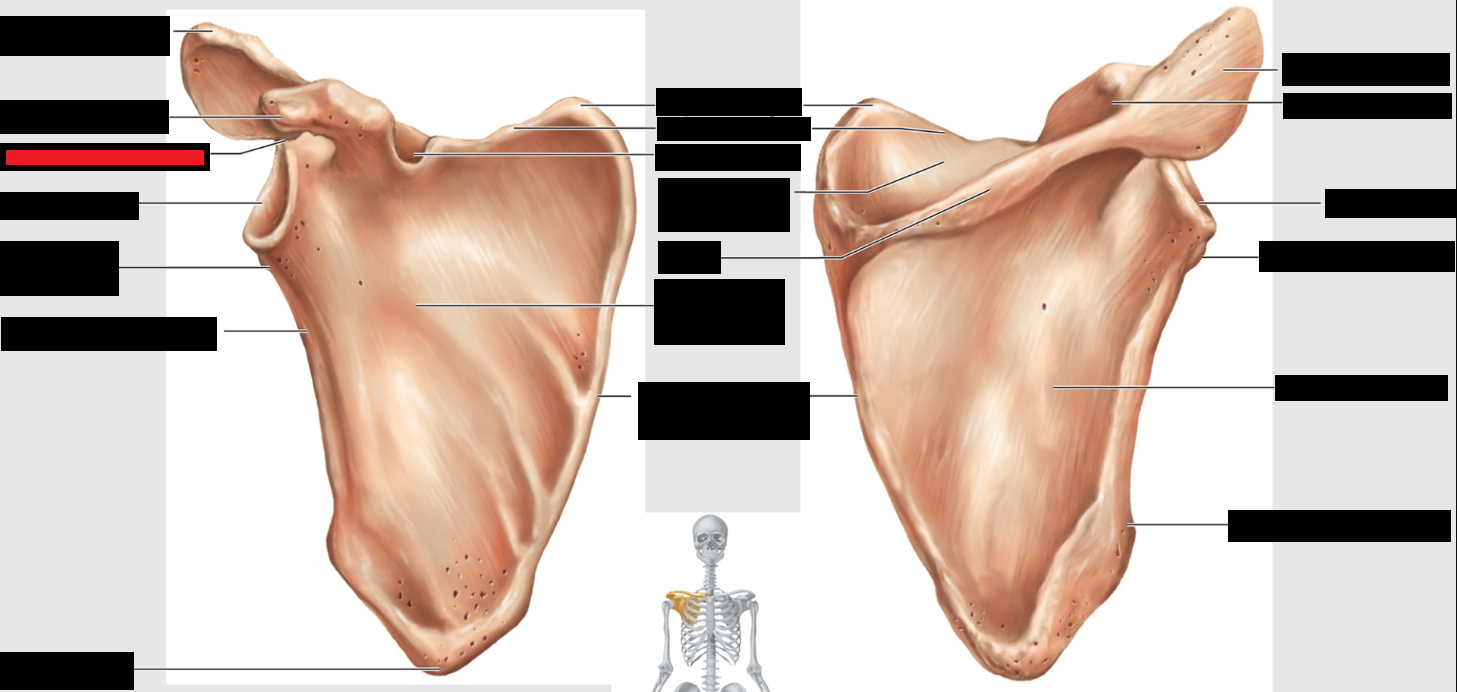
Which part of the scapulae is this?
Supraglenoid tubercle

Which part of the scapulae is this?
Coracoid process
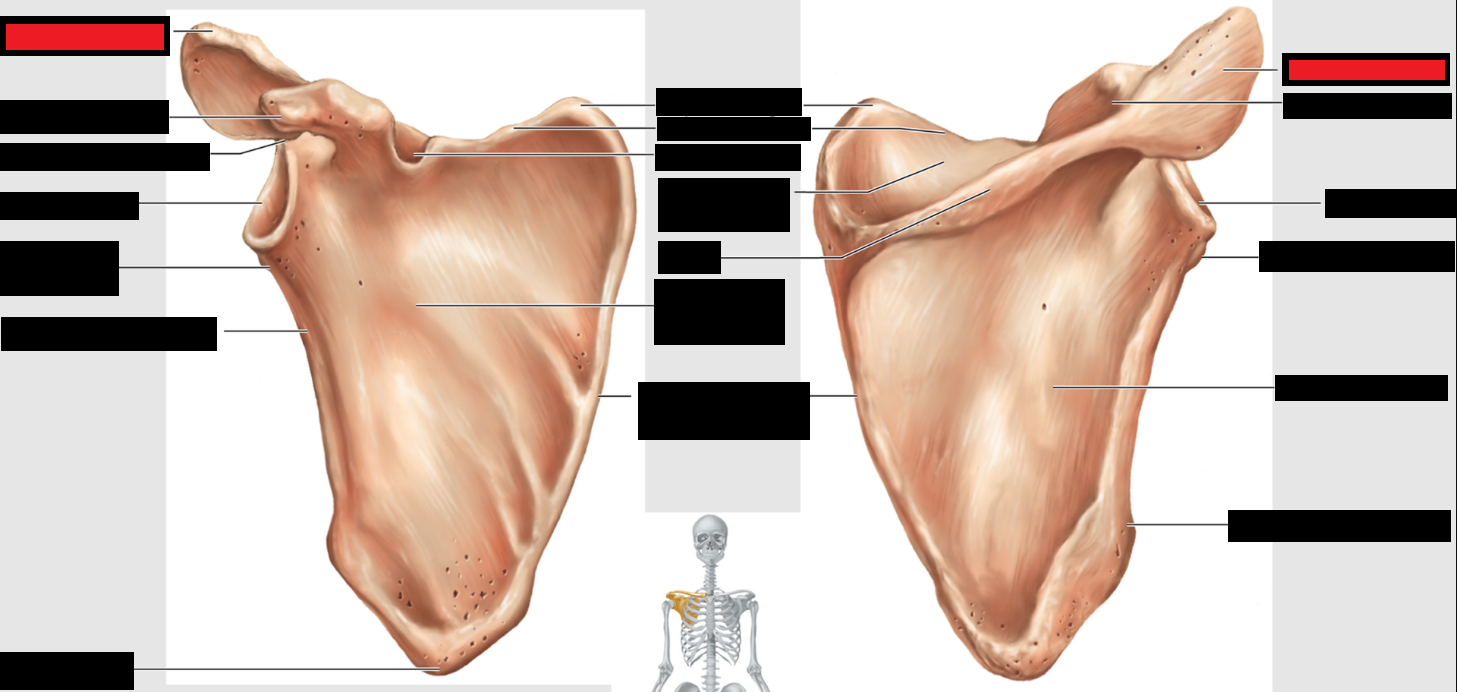
Which part of the scapulae is this?
Acromion process

Which part of the scapulae is this?
Infraspinous fossa

Which part of the scapulae is this?
Medial (vertebral) border

Which part of the scapulae is this?
Subscapular fossa

Which part of the scapulae is this?
Spine
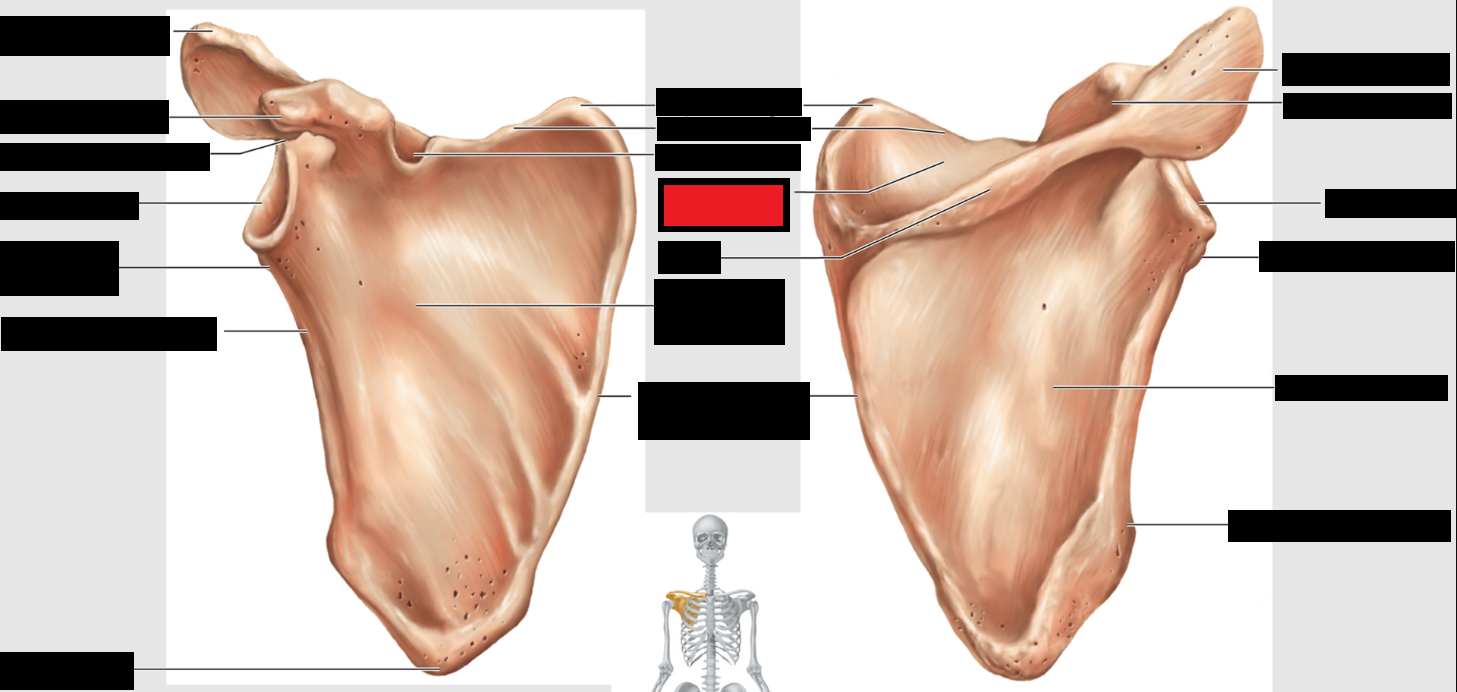
Which part of the scapulae is this?
Supraspinous fossa
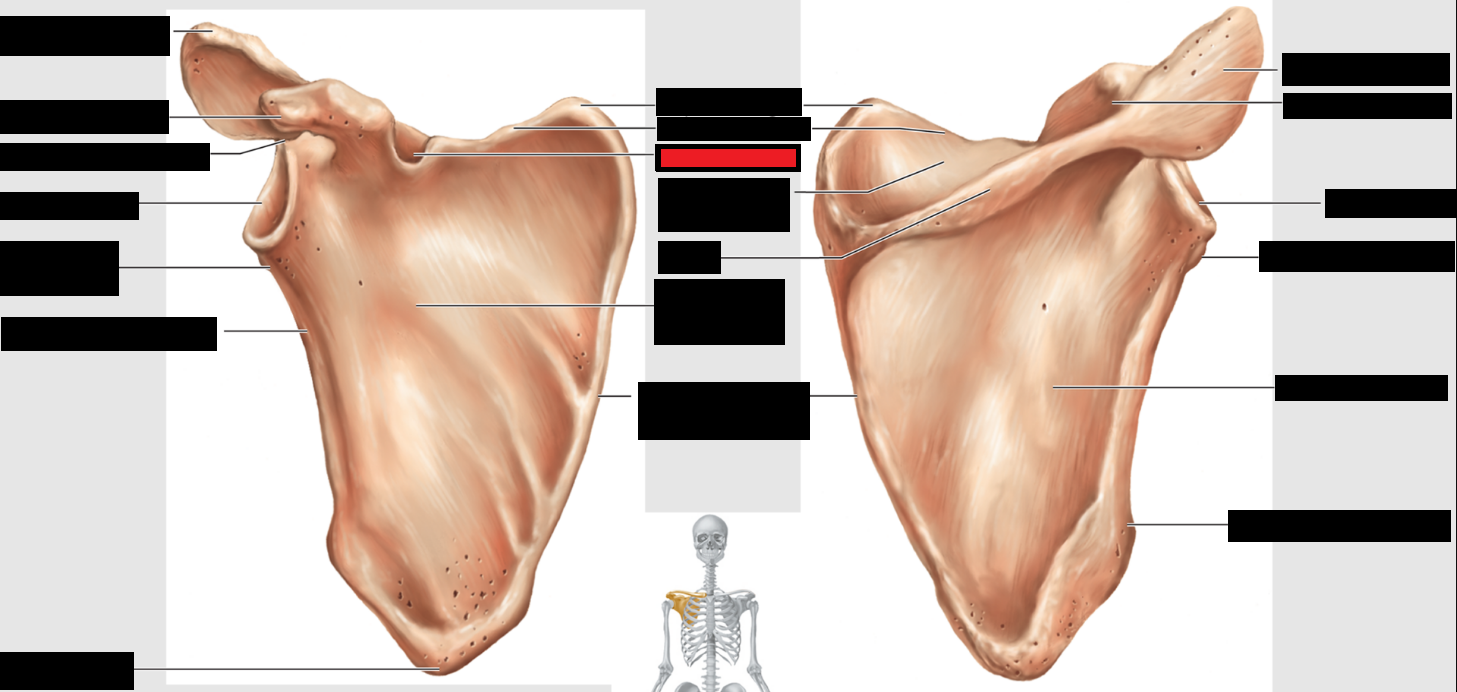
Which part of the scapulae is this?
Scapular notch

Which part of the scapulae is this?
Superior border
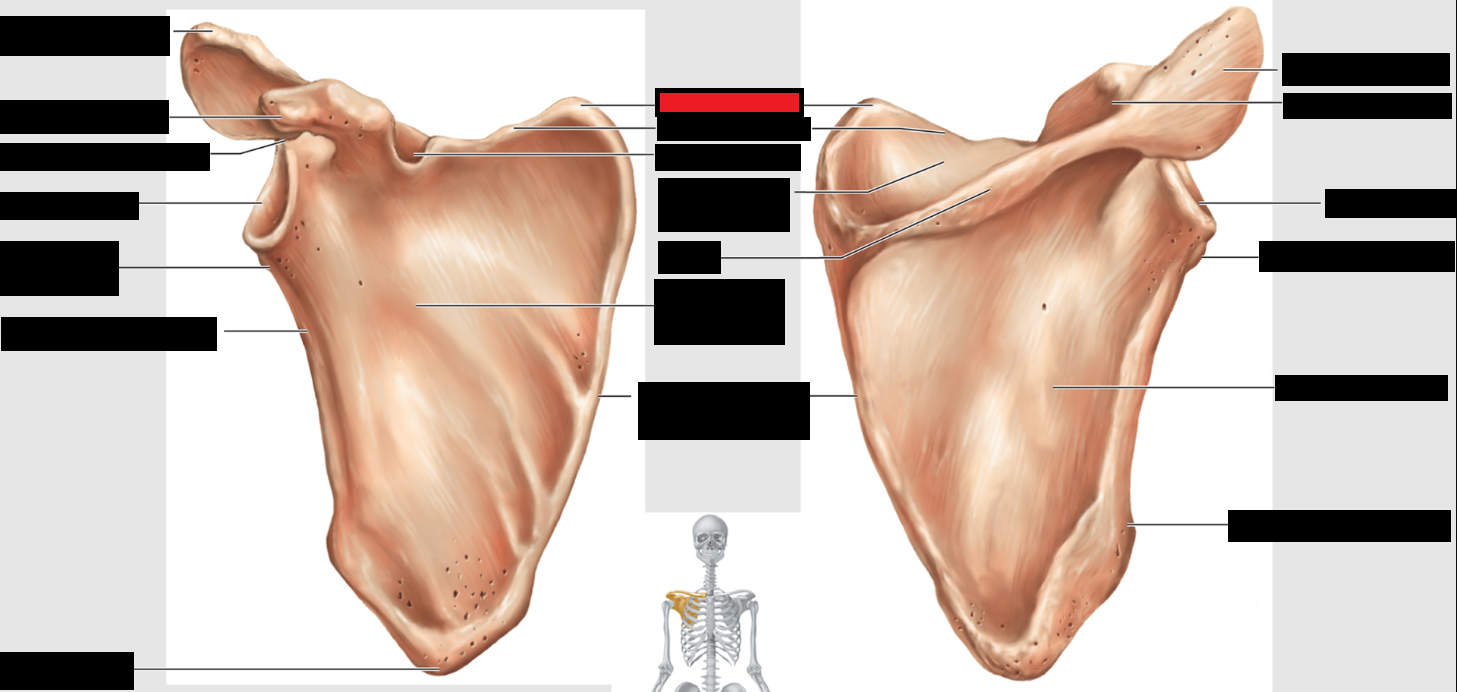
Which part of the scapulae is this?
Superior angle
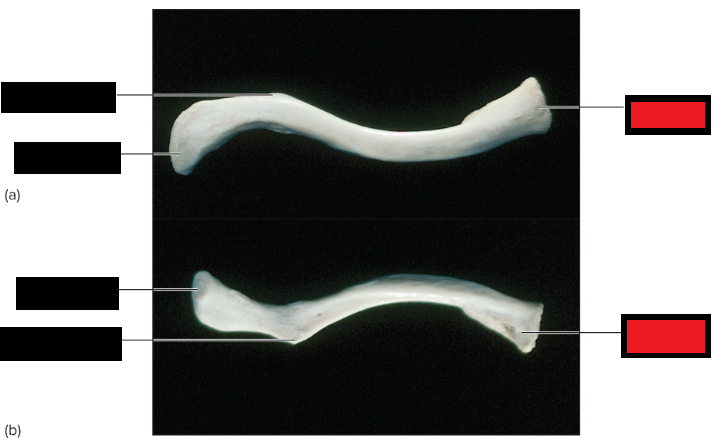
Which part of the clavicle is this?
Sternal end

Which part of the clavicle is this?
Conoid tubercle

Which part of the clavicle is this?
Acromial end
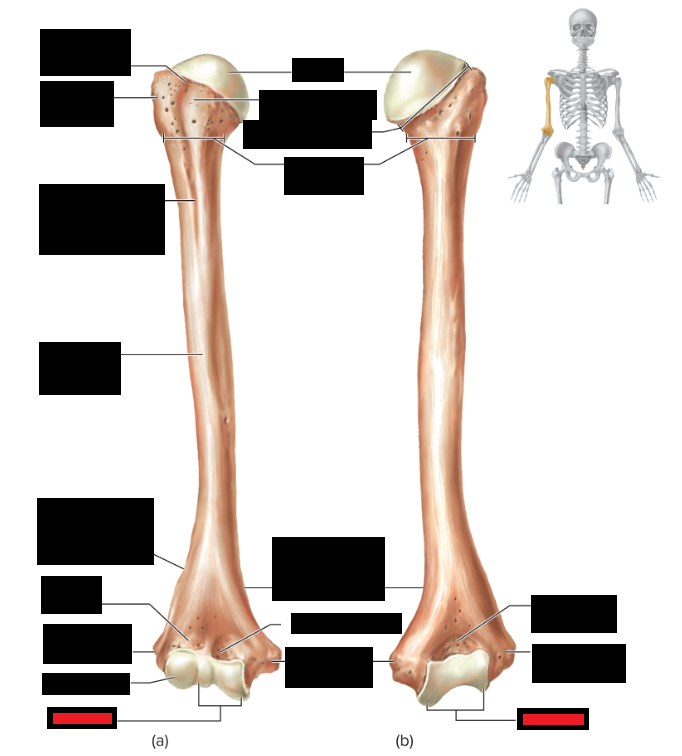
Which part of the humerus is this?
Trochlea

Which part of the humerus is this?
Capitulum

Which part of the humerus is this?
Lateral epicondyle

Which part of the humerus is this?
Olecranon fossa

Which part of the humerus is this?
Medial epicondyle

Which part of the humerus is this?
Coronoid fossa

Which part of the humerus is this?
Medial supracondylar ridge

Which part of the humerus is this?
Radial fossa

Which part of the humerus is this?
Lateral supracondylar ridge

Which part of the humerus is this?
Deltoid tuberosity

Which part of the humerus is this?
Intertubercular (bicipital) groove

Which part of the humerus is this?
Surgical neck

Which part of the humerus is this?
Anatomical neck

Which part of the humerus is this?
Lesser tubercle
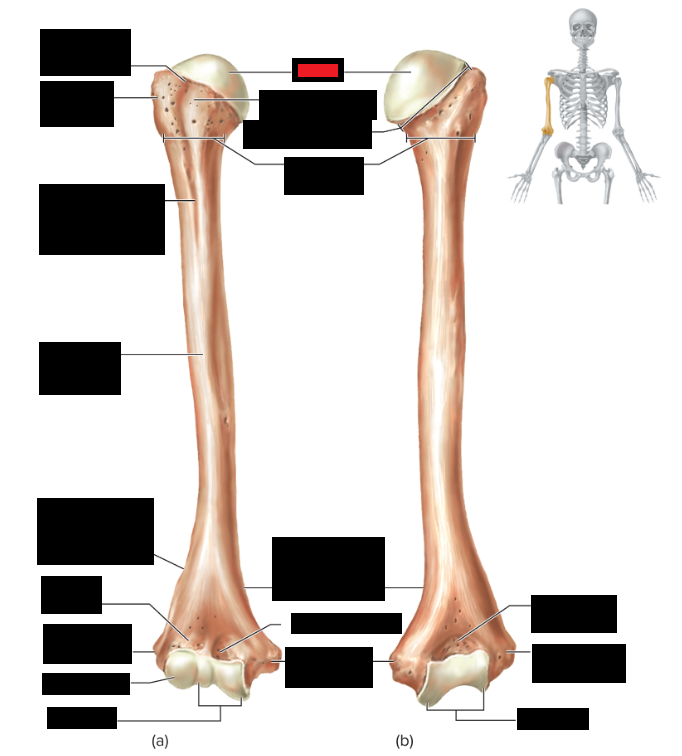
Which part of the humerus is this?
Head

Which part of the humerus is this?
Greater tubercle
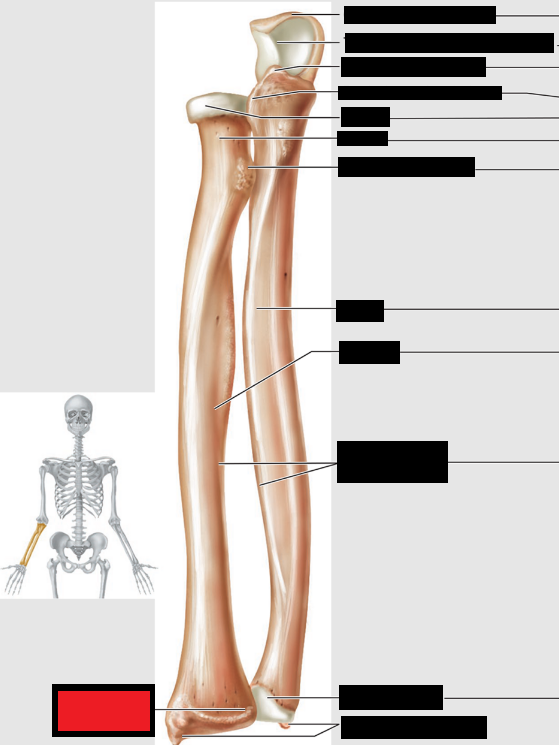
Which part of the forearm is this?
Ulnar notch of radius
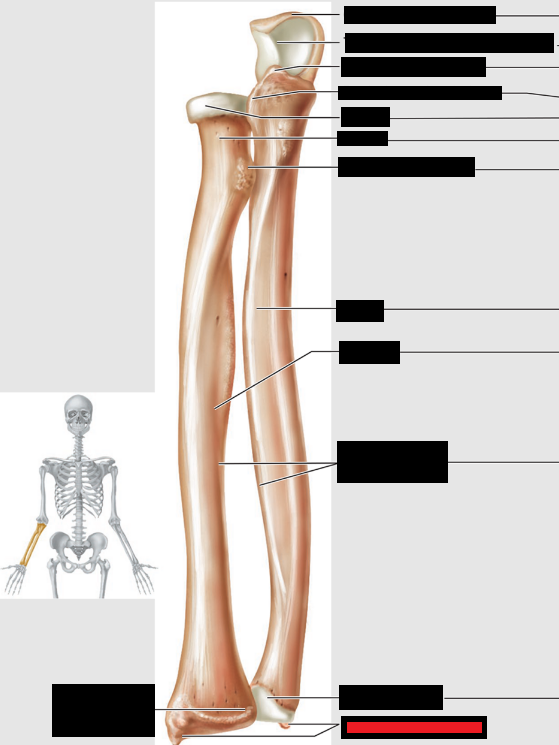
Which part of the forearm is this?
Styloid processes

Which part of the forearm is this?
Head of ulna

Which part of the forearm is this?
Interosseous ridges

Which part of the forearm is this?
Radius
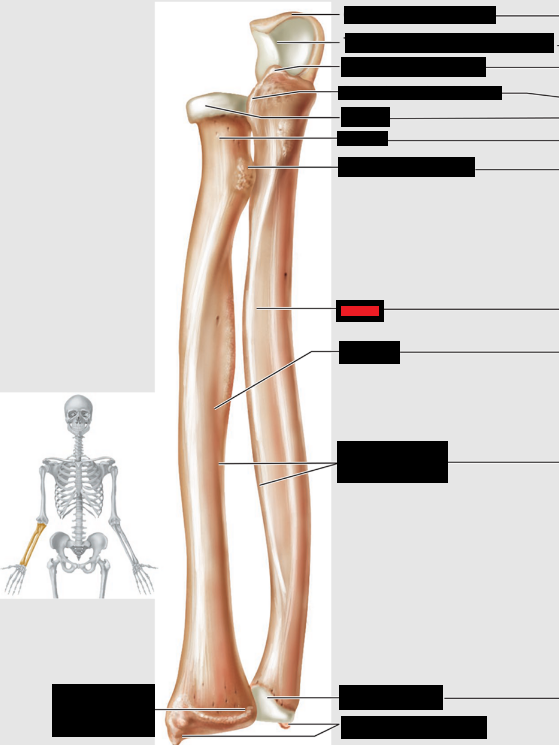
Which part of the forearm is this?
Ulna
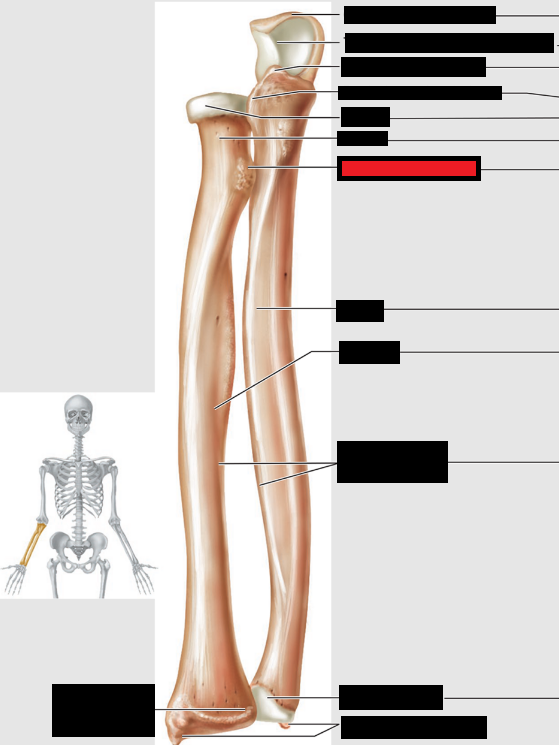
Which part of the forearm is this?
Radial tuberosity

Which part of the forearm is this?
Neck
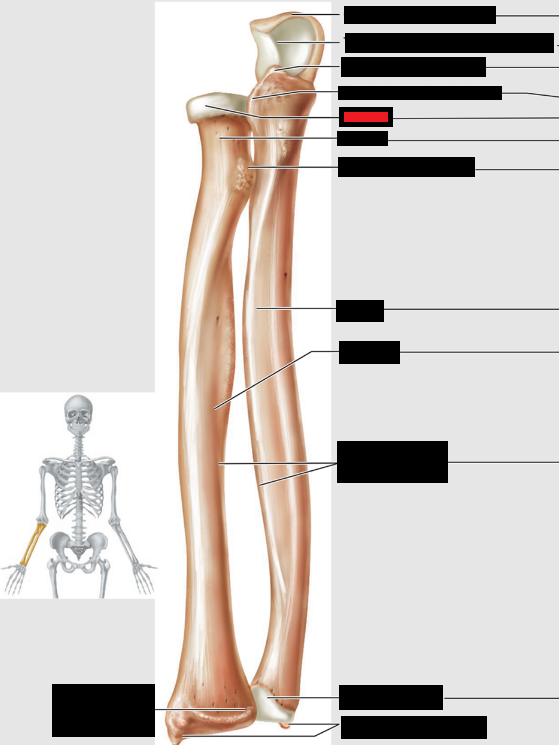
Which part of the forearm is this?
Head

Which part of the forearm is this?
Radial notch of ulna