TIL-A
 Call Kai
 Learn
 Practice Test
 Spaced Repetition
 Match
 Flashcards
 Knowt Play
1/83

Earn XP
84 Terms
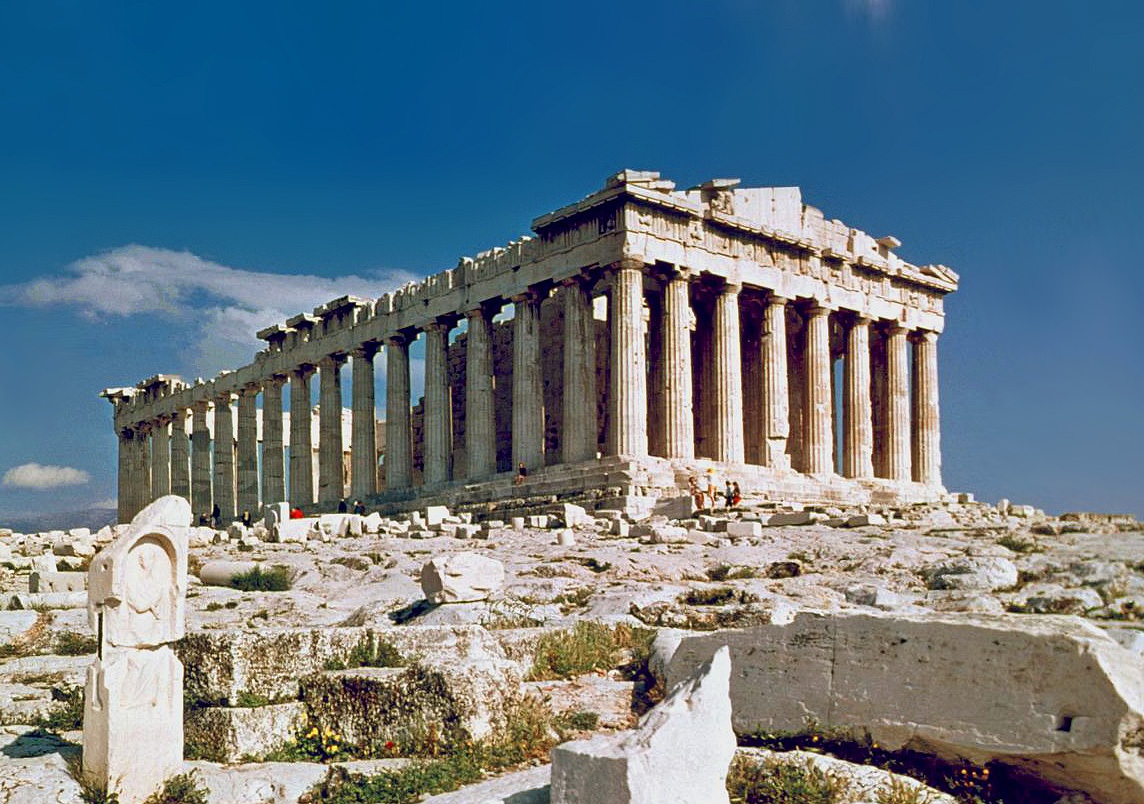
Parthenon, Athens, Greece
Ictinus & Callicrates
447–432 BCE
Style: Classical Greek (Doric)
Doric temple, optical refinements
Model of classical proportion
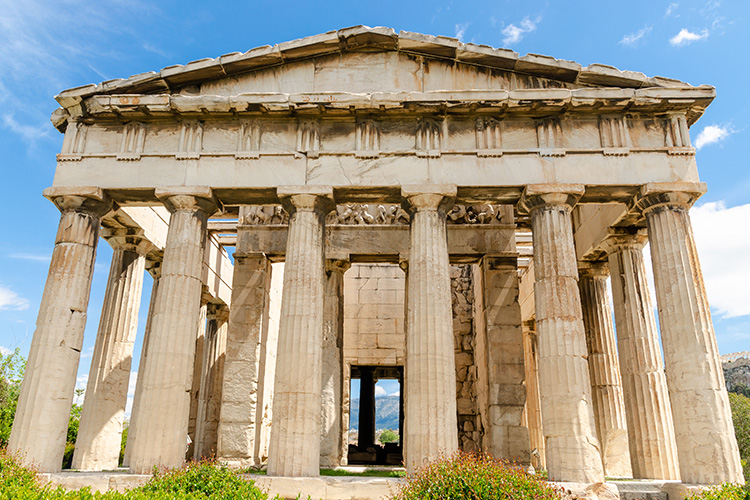
Temple of Hephaestus, Athens, Greece
Unknown
449 BCE
Style: Classical Greek (Doric)
Well-preserved Doric temple
One of the best surviving Greek temples
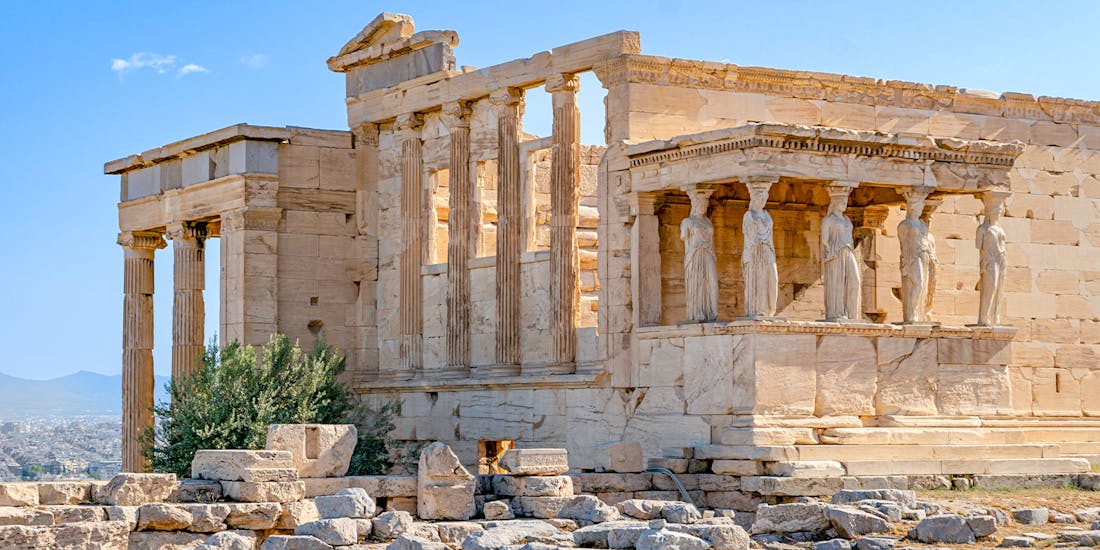
Erechtheion, Athens, Greece
Mnesicles
421–406 BCE
Style: Classical Greek (Ionic)
Caryatid porch, Ionic order
Key example of Ionic Greek architecture
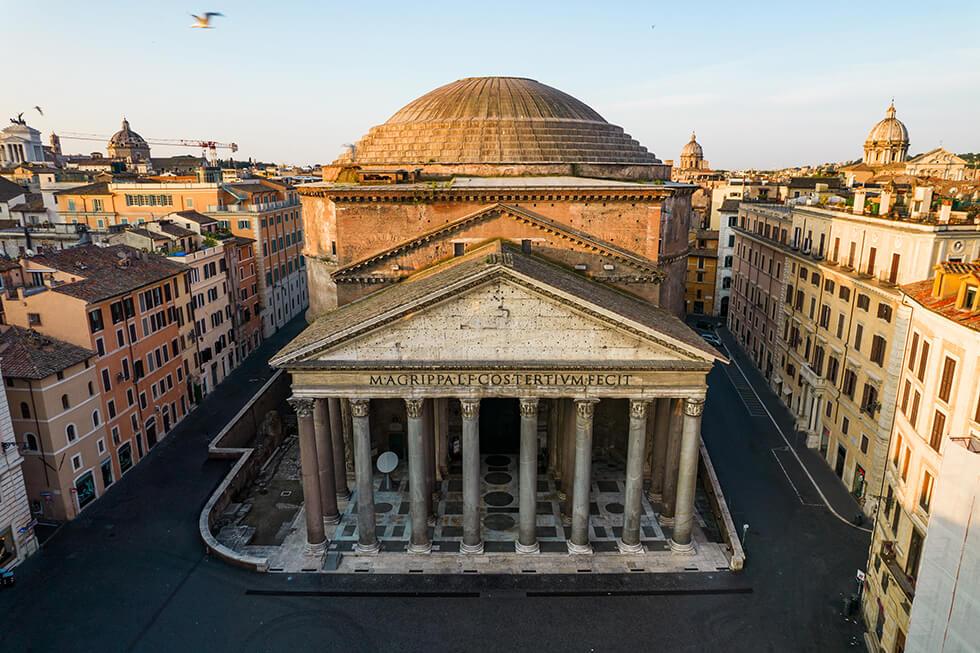
Pantheon, Rome, Italy
Apollodorus (attrib.)
118–125 CE
Style: Roman
Concrete dome, oculus
Most influential dome
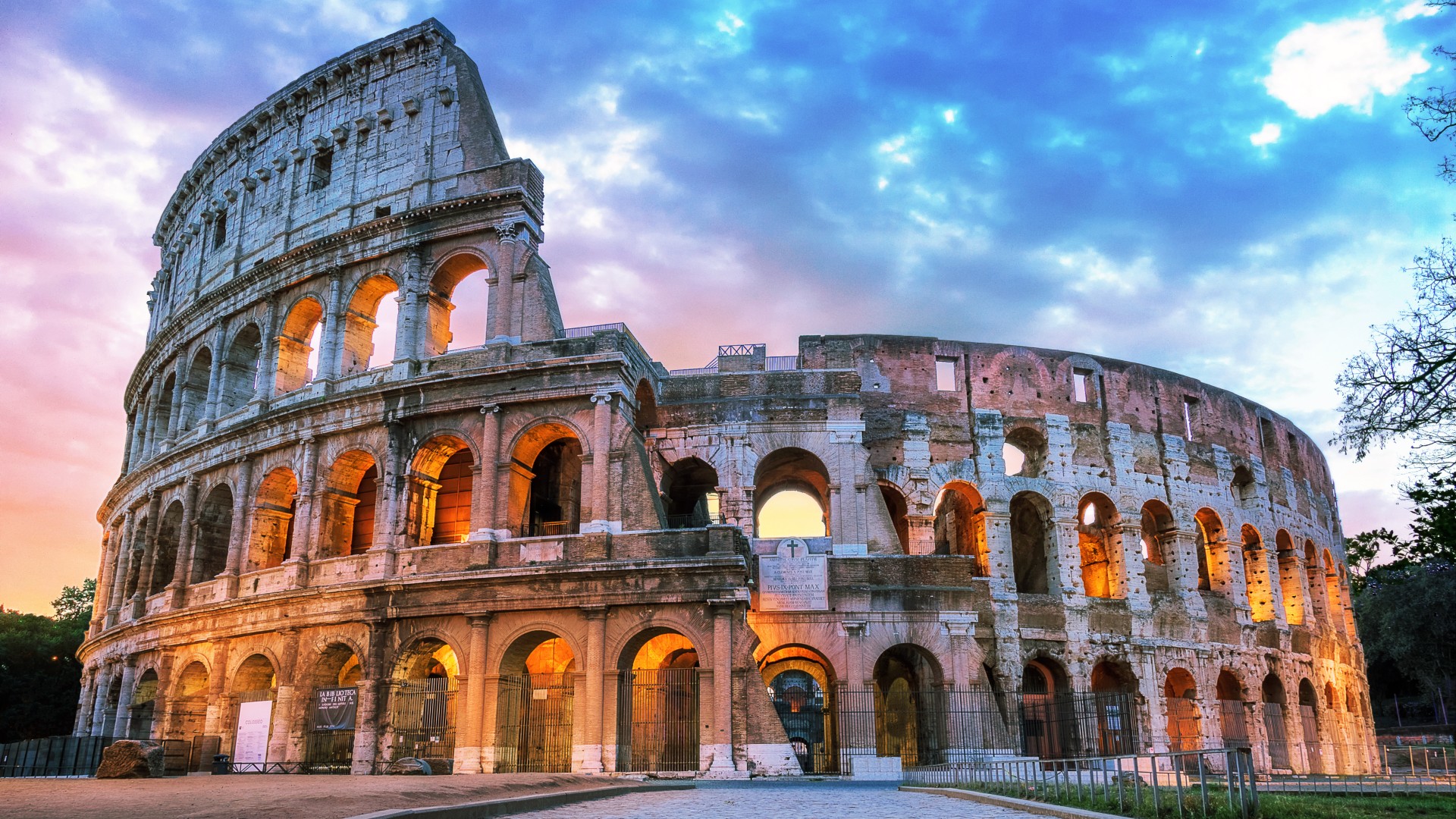
Colosseum, Rome, Italy
Vespasian & Titus
80 CE
Style: Roman
Arches, vaults, classical orders
Prototype of stadium architecture
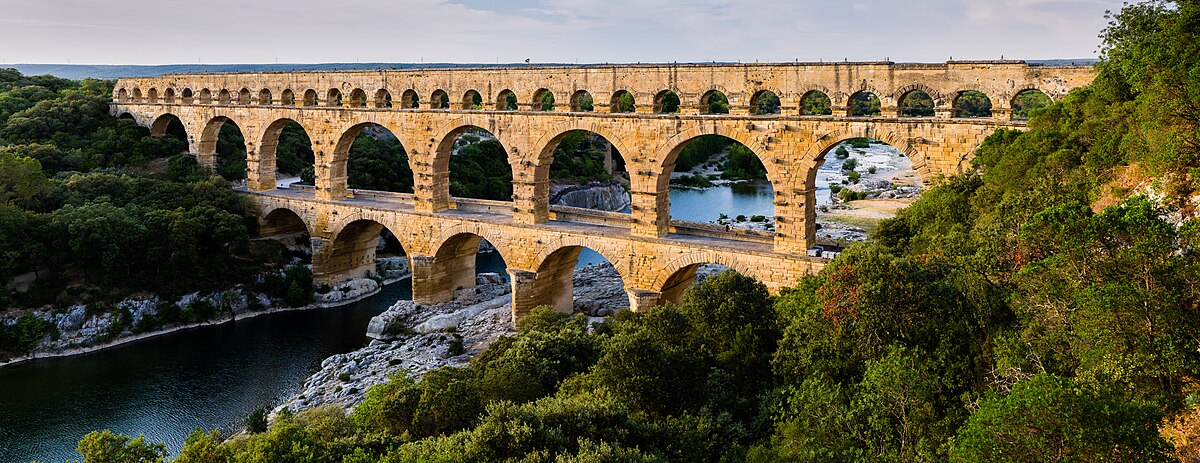
Pont du Gard, Nîmes, France
Romans
40–60 CE
Style: Roman
Aqueduct bridge, arches
Major Roman engineering work
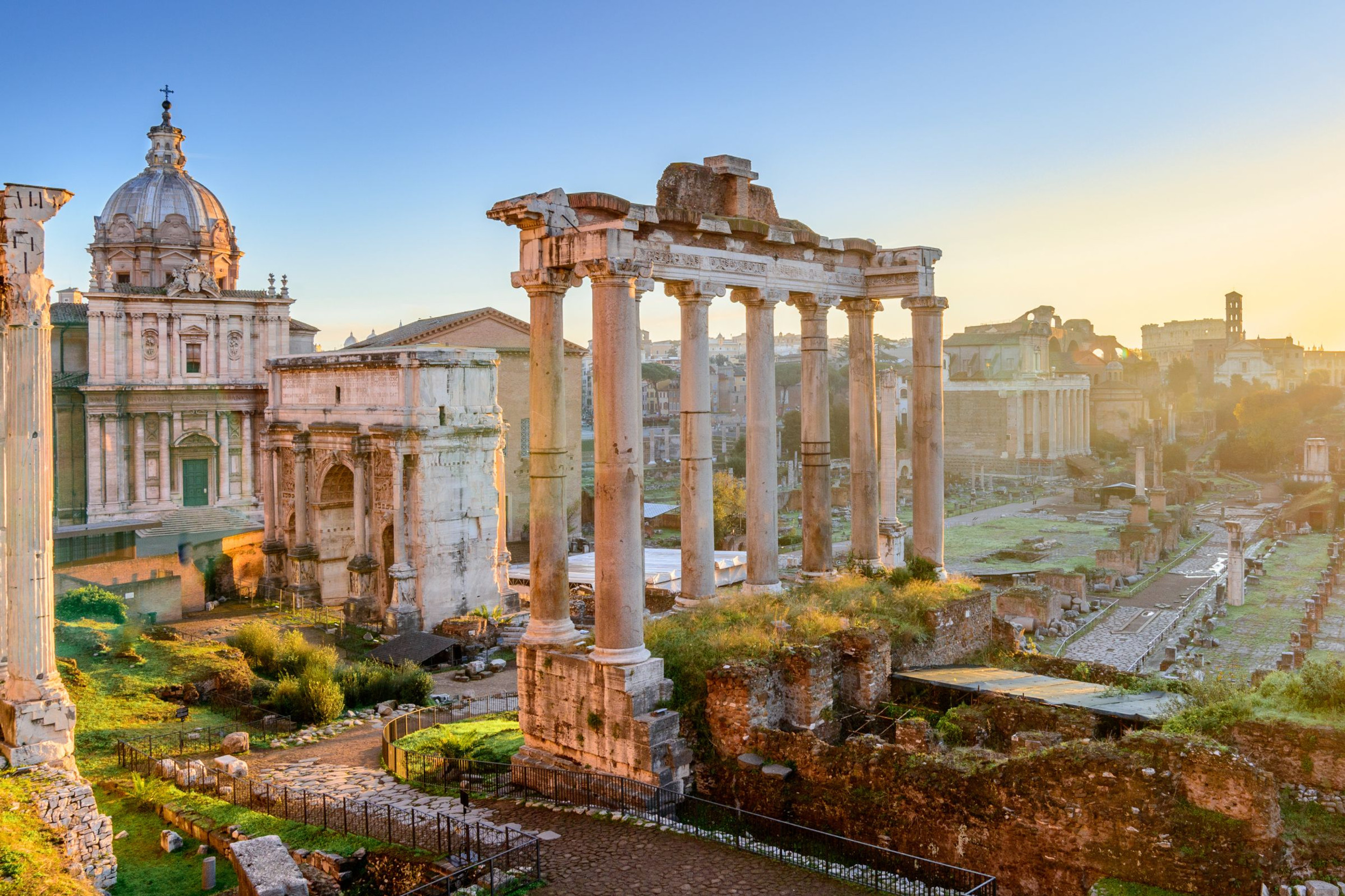
Roman Forum, Rome, Italy
Romans
7th c. BCE–CE
Style: Roman
Governmental district
Center of Roman public life
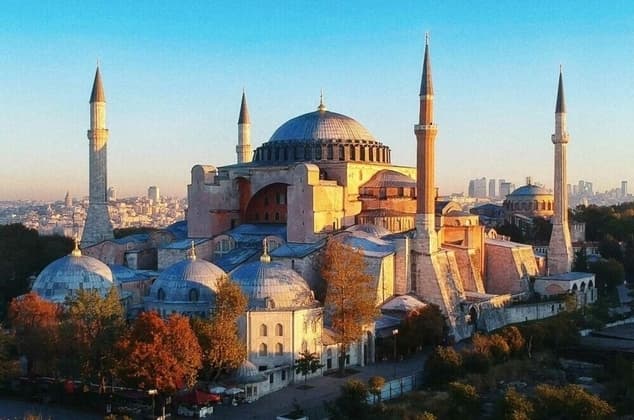
Hagia Sophia, Istanbul, Turkey
Isidore & Anthemius
537 CE
Style: Byzantine
Massive dome, pendentives
Dome revolution
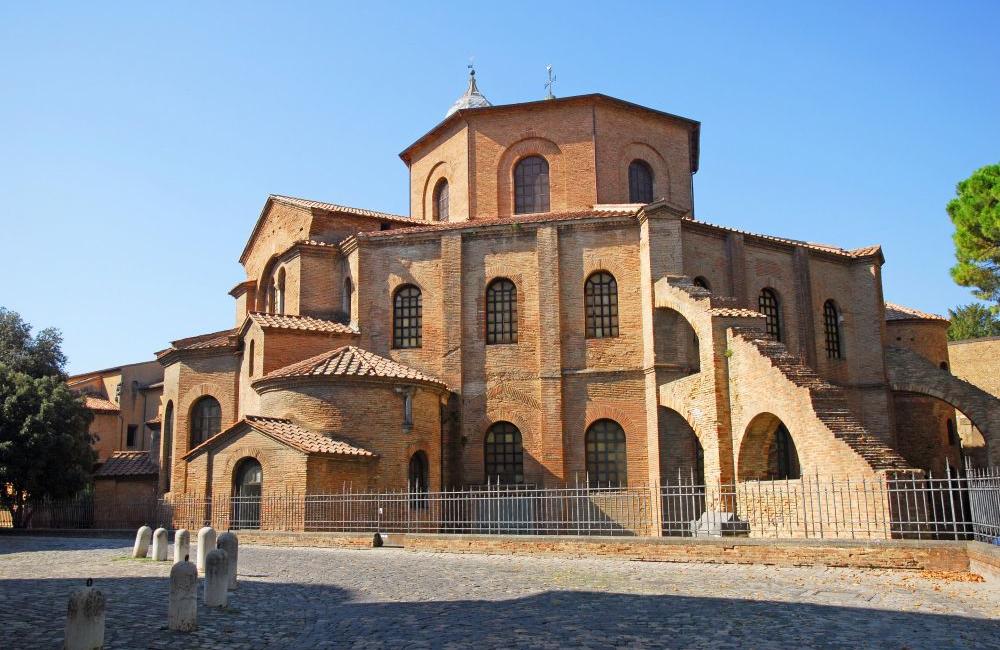
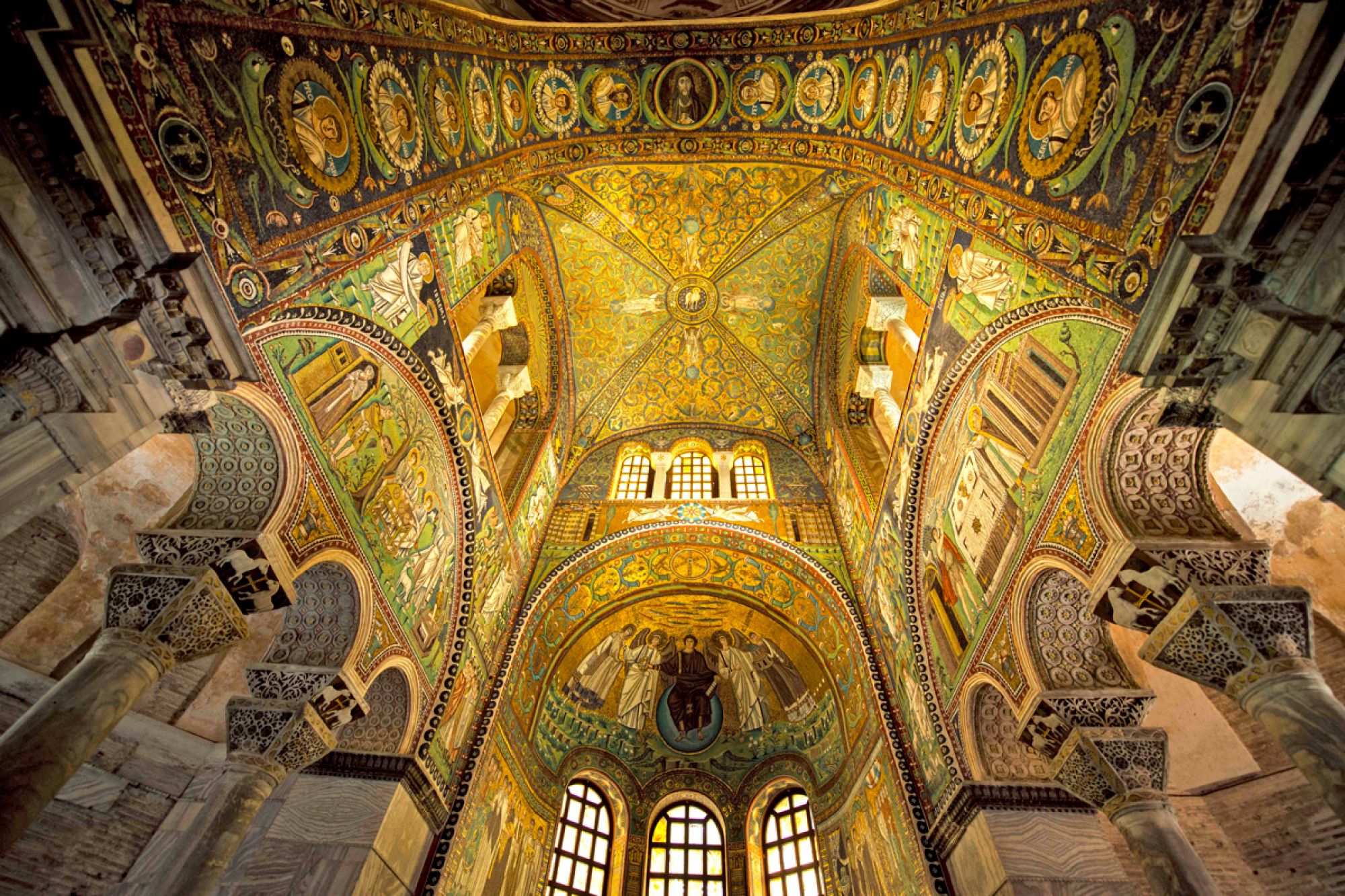
Basilica of San Vitale, Ravenna, Italy
Unknown
526–547 CE
Style: Byzantine
Central plan, mosaics
Iconic Byzantine mosaics
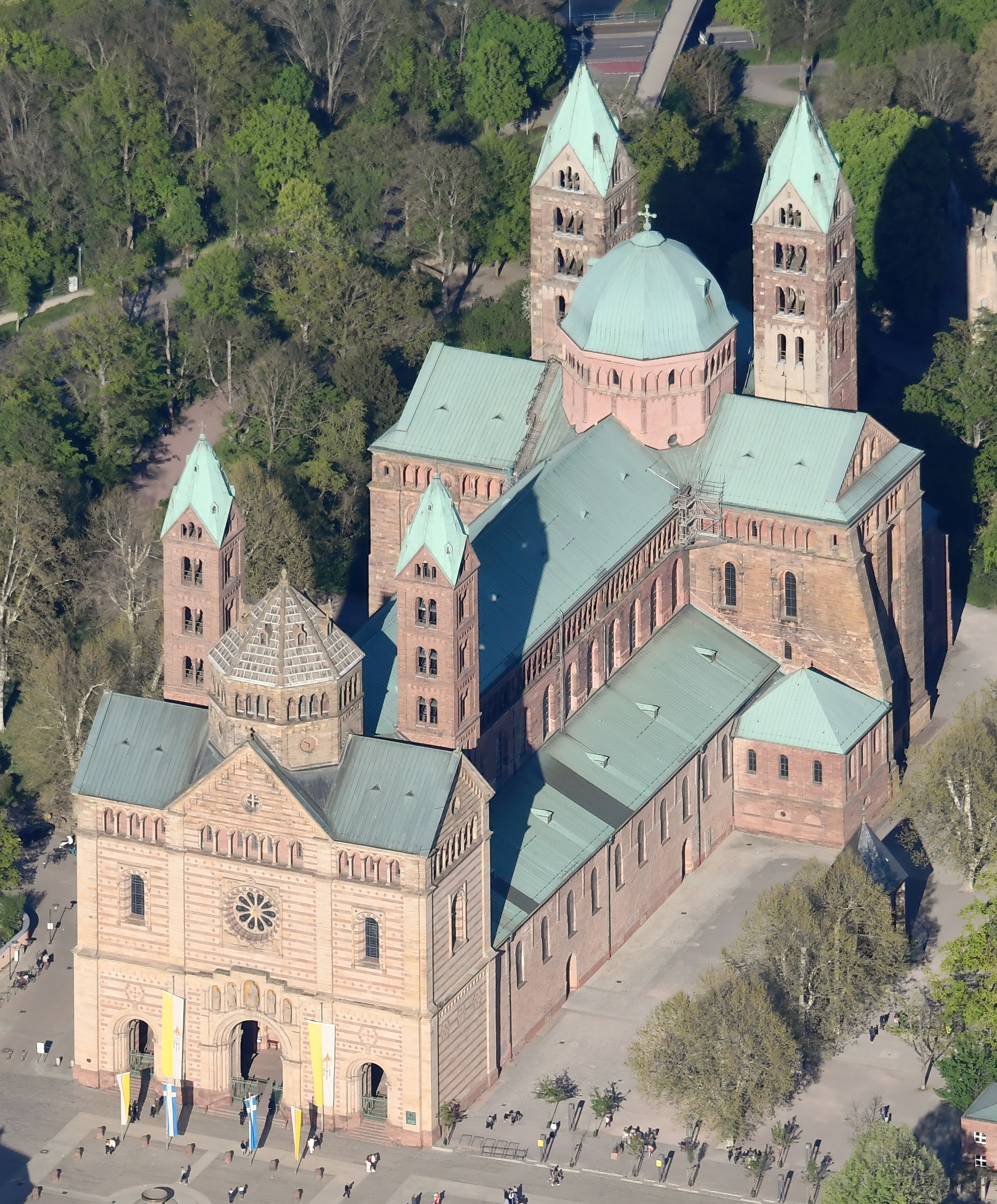
Speyer Cathedral, Speyer, Germany
Unknown
1030–1106
Style: Romanesque
Massive walls, rounded arches
Largest Romanesque church
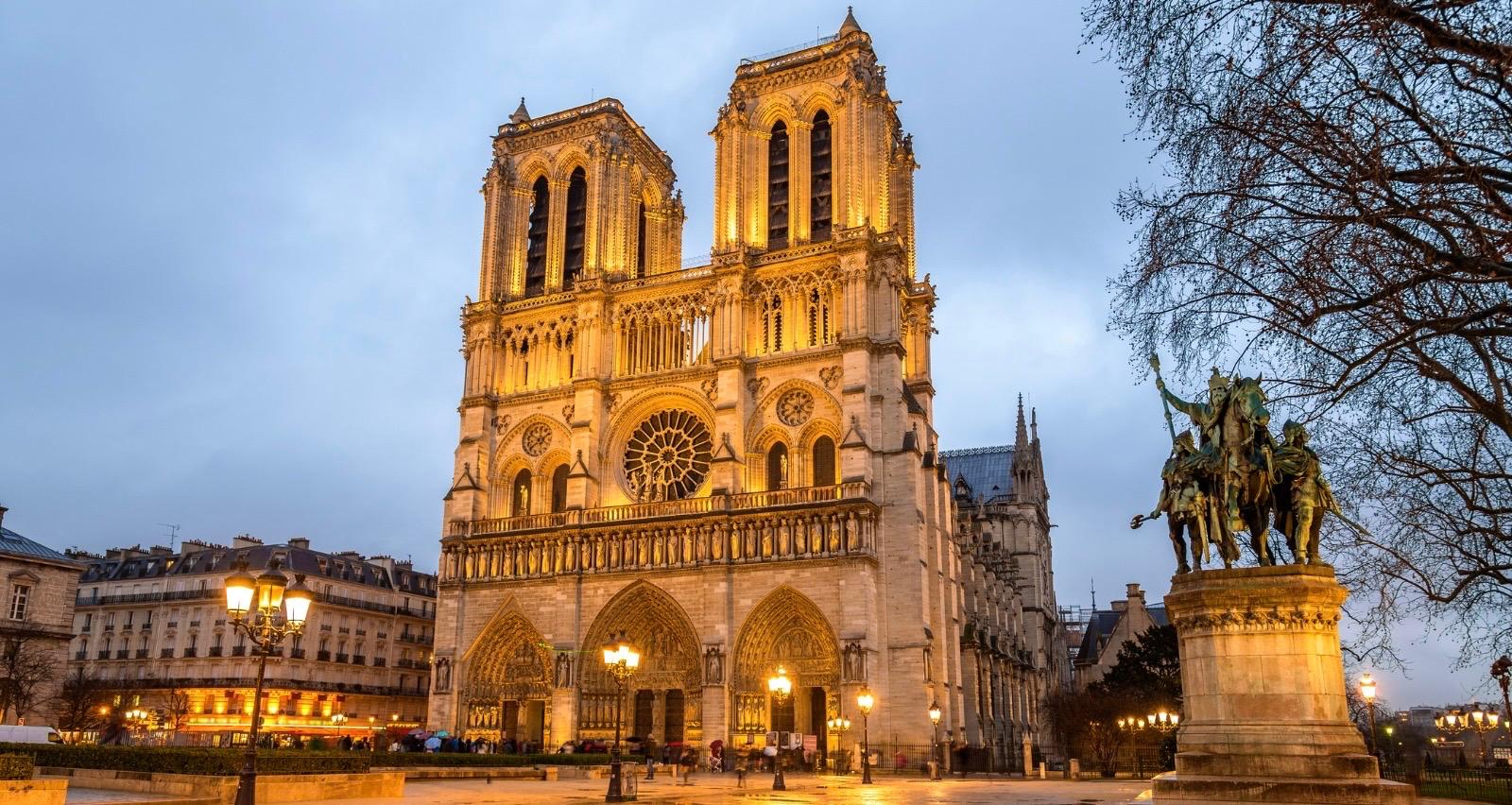
Notre-Dame Cathedral, Paris, France
Various
1163–1345
Syle: Gothic
Flying buttresses, rose windows
Model of Gothic architecture
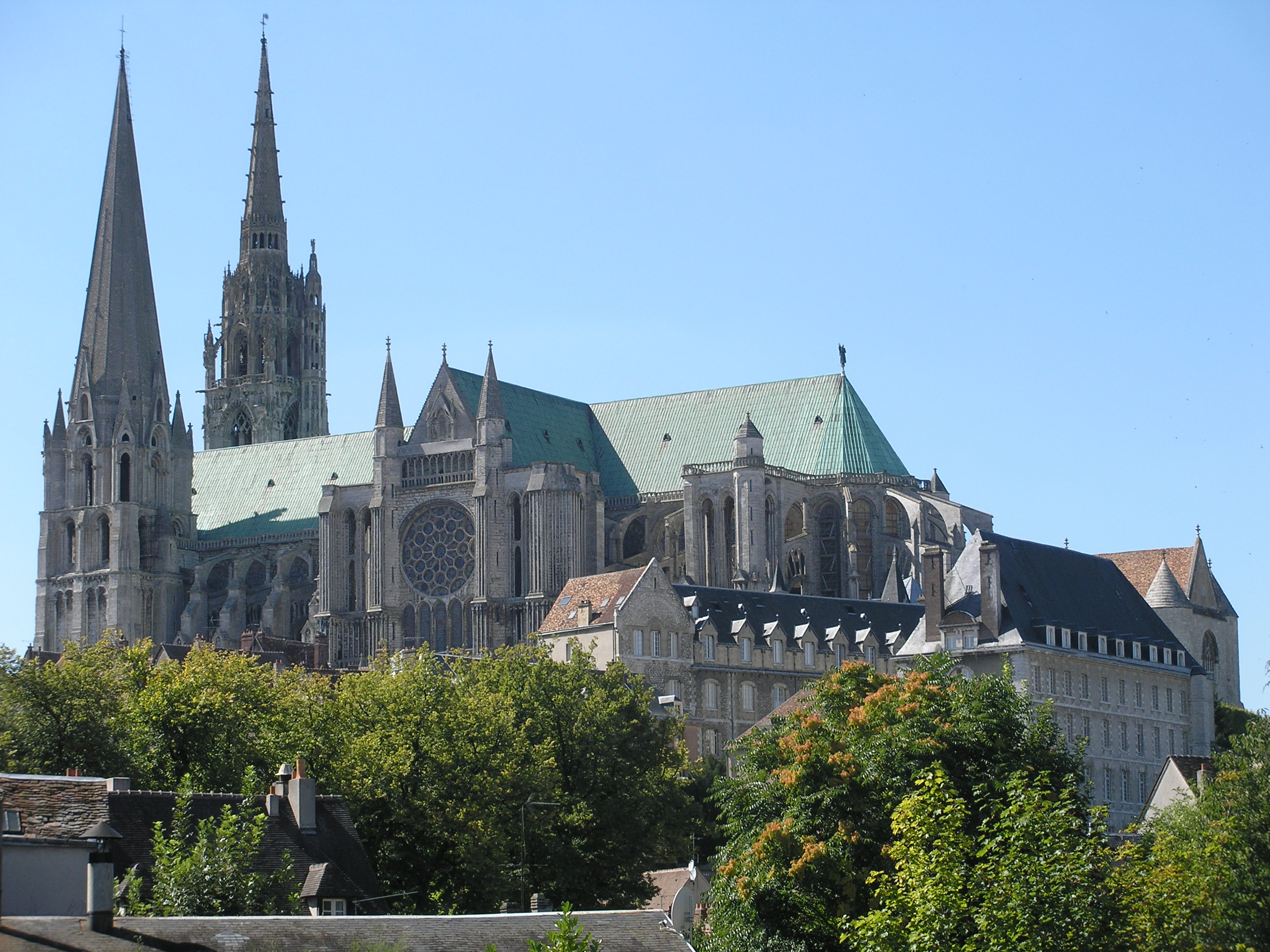
Chartres Cathedral, Chartres, France
Unknown
1194–1250
Style: Gothic
Stained glass, rib vaults
Best preserved Gothic cathedral
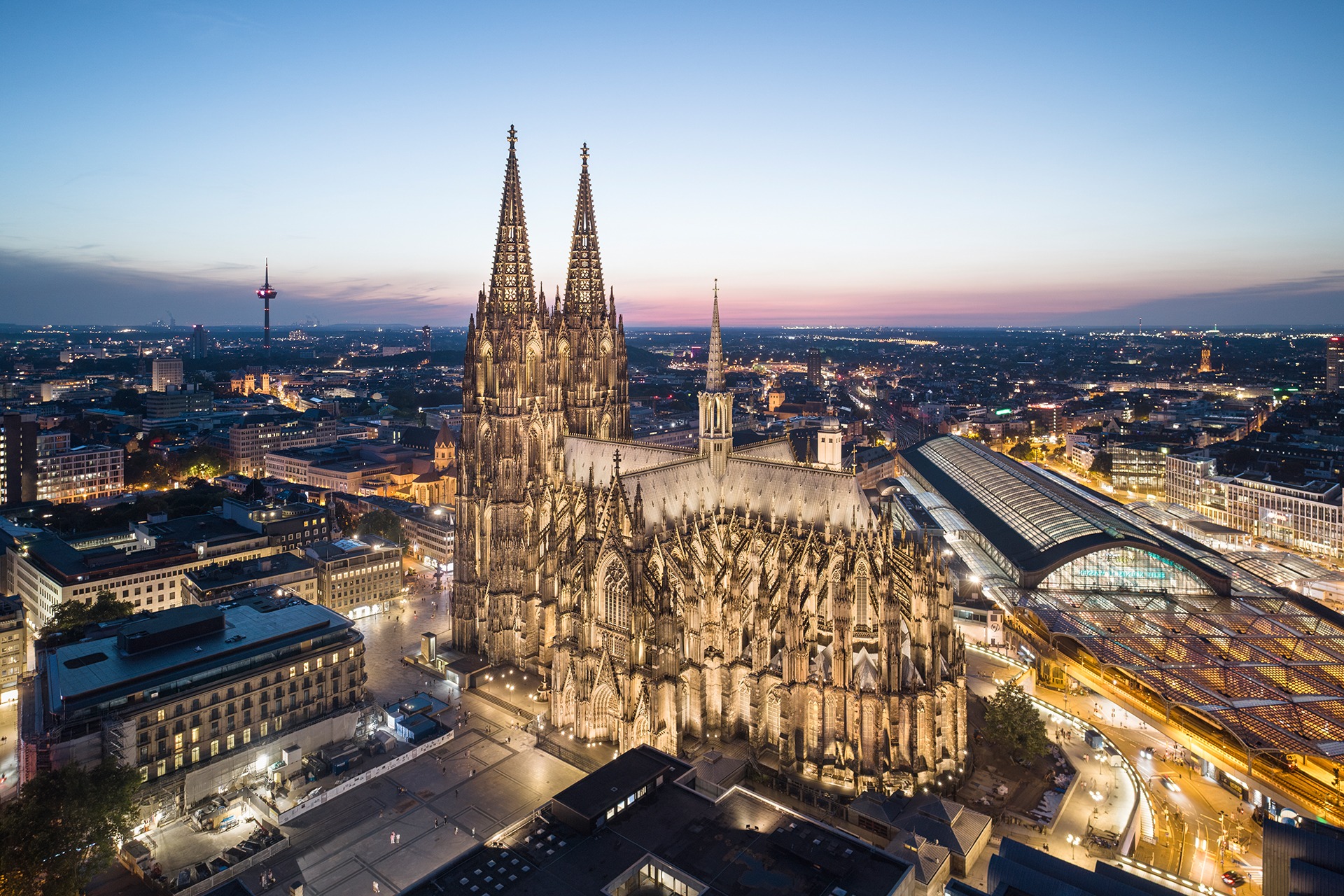
Cologne Cathedral, Cologne, Germany
Master Gerhard
1248–1880
Style: Gothic
Tall spires, pointed arches
Largest Gothic cathedral façade
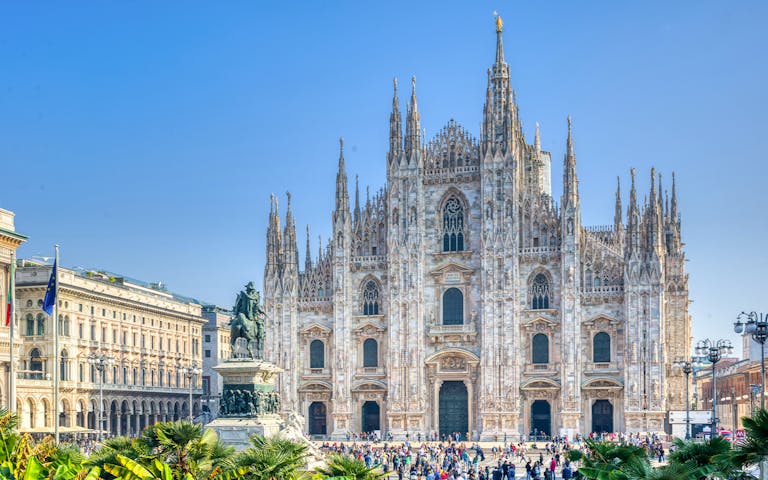
Milan Cathedral (Duomo), Milan, Italy
Multiple
1386–1965
Style: Gothic
Thousands of spires, white marble
Largest Gothic church in Italy
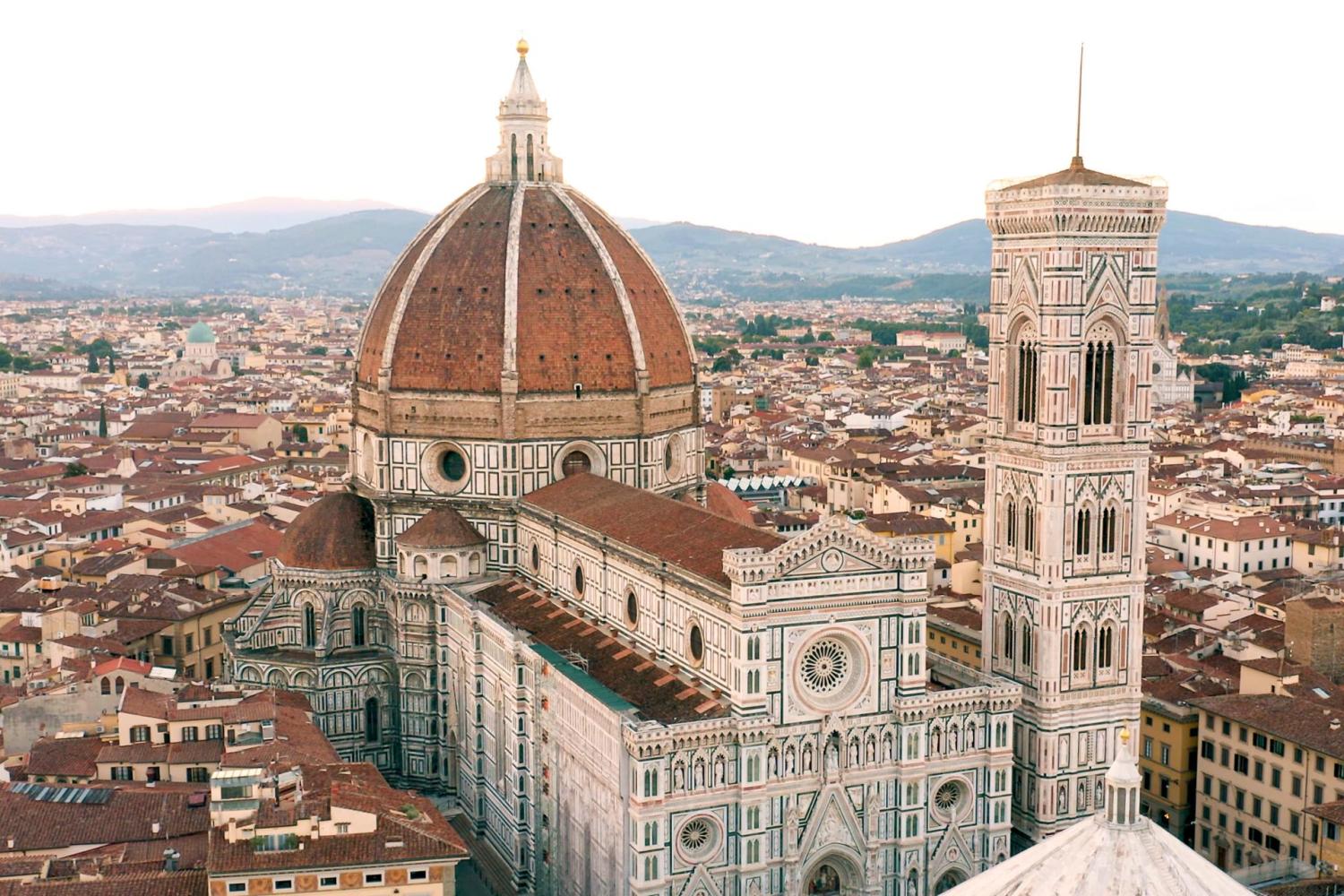
Florence Cathedral (Duomo), Florence, Italy
Brunelleschi
1296–1436
Stye: Renaissance
Double-shell dome
Birth of Renaissance architecture
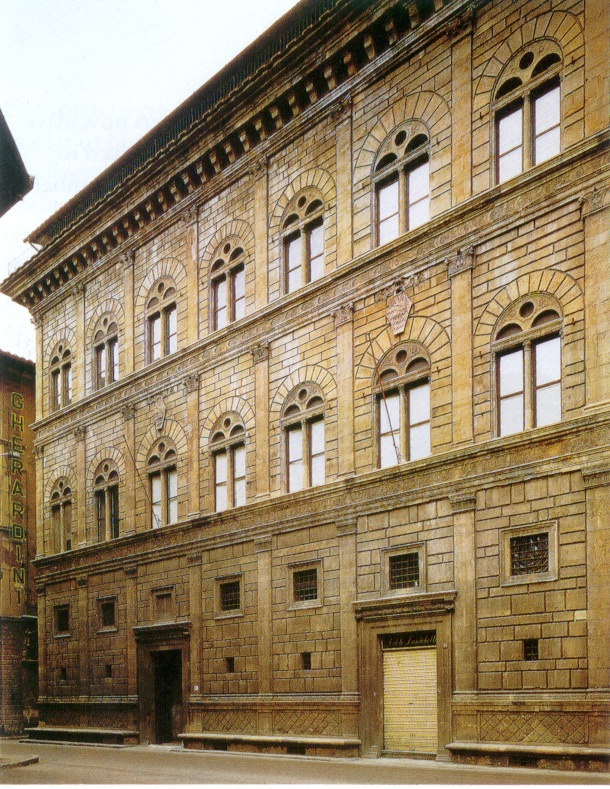
Palazzo Rucellai, Florence, Italy
Alberti
1446–1451
Style: Renaissance
Classical façade orders
Early Renaissance palace
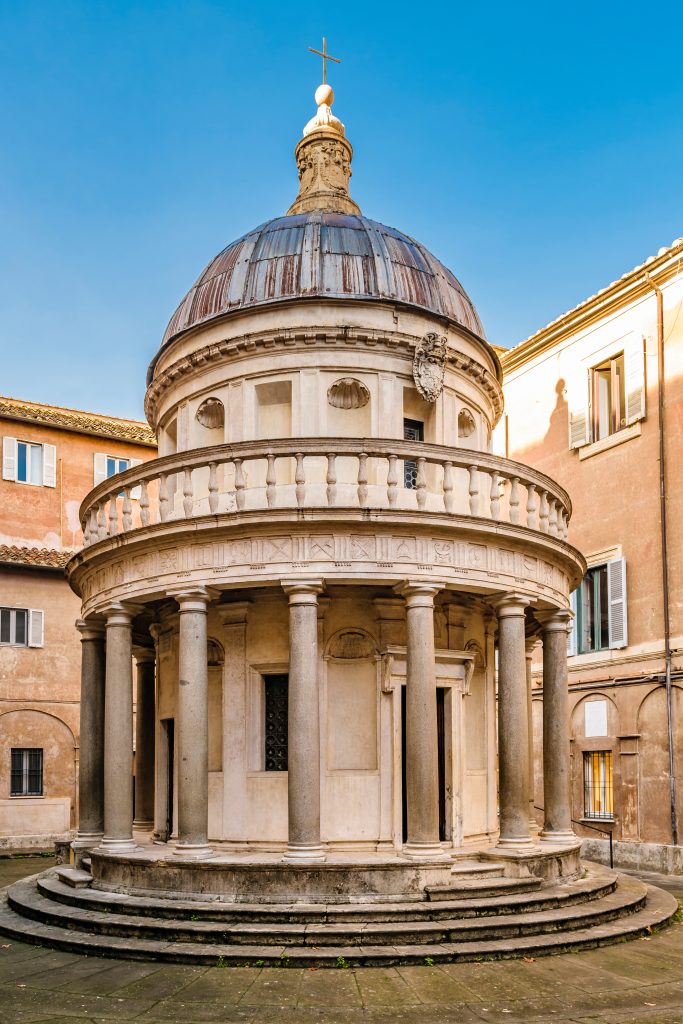
Tempietto of San Pietro, Rome, Italy
Bramante
1502
Style: High Renaissance
Perfect classical proportions
Symbol of High Renaissance
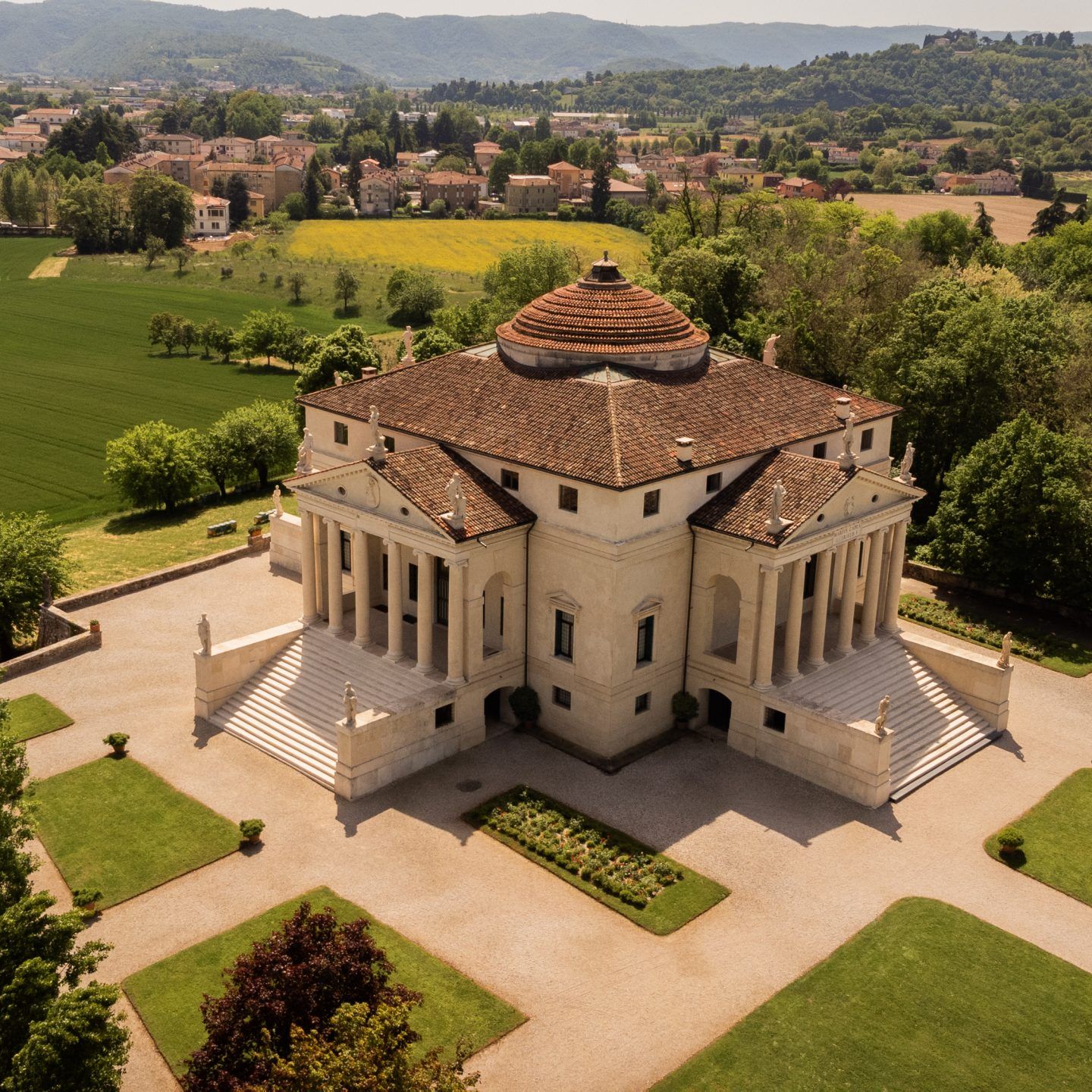
Villa Rotonda, Vicenza, Italy
Palladio
1566–1571
Style: Renaissance (Palladian)
Symmetry, temple façades
Model for Neoclassicism
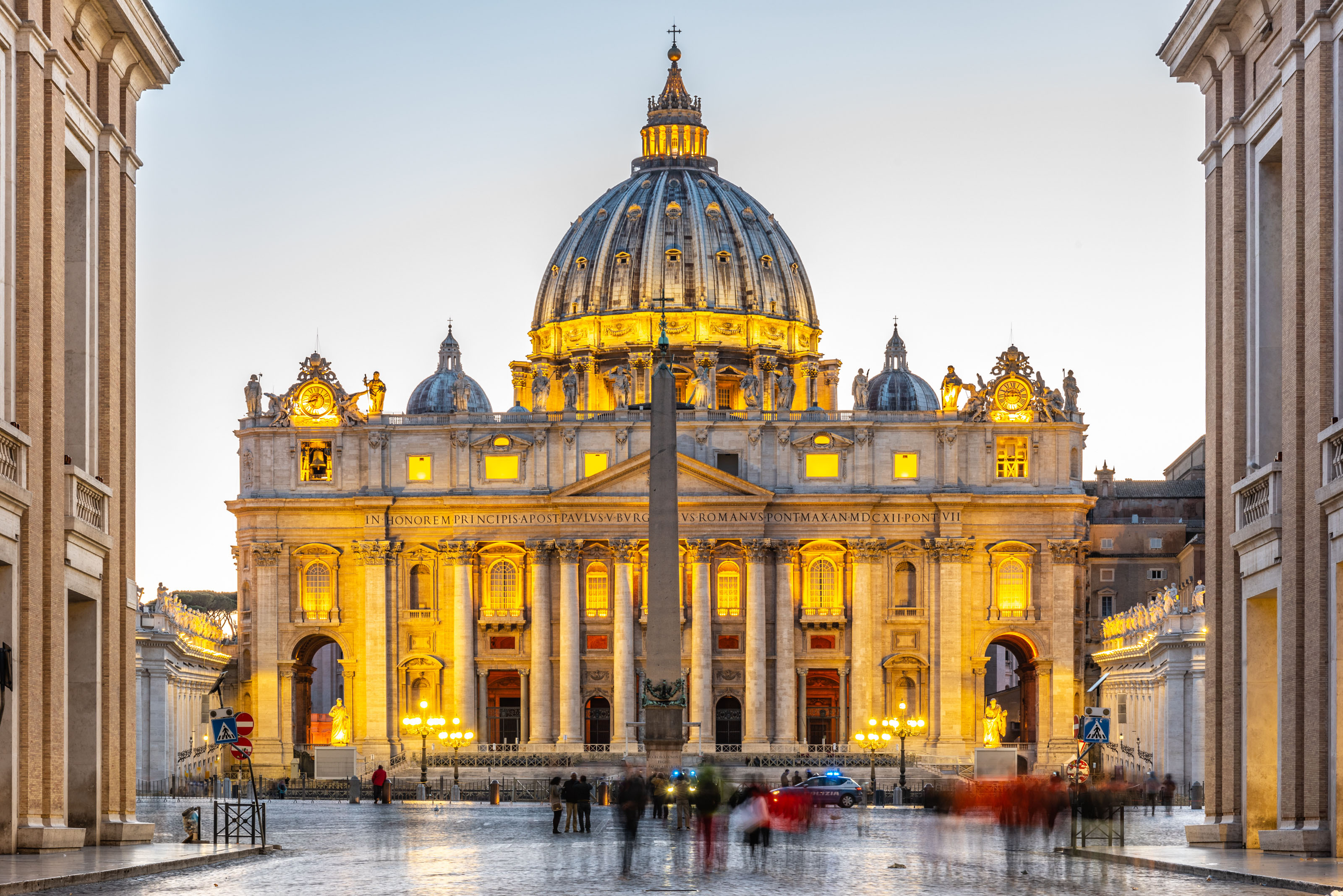
St Peter’s Basilica, Vatican City
Michelangelo, Bernini
1506–1626
Style: Renaissance/Baroque
Oval piazza, massive dome
Center of Baroque Rome
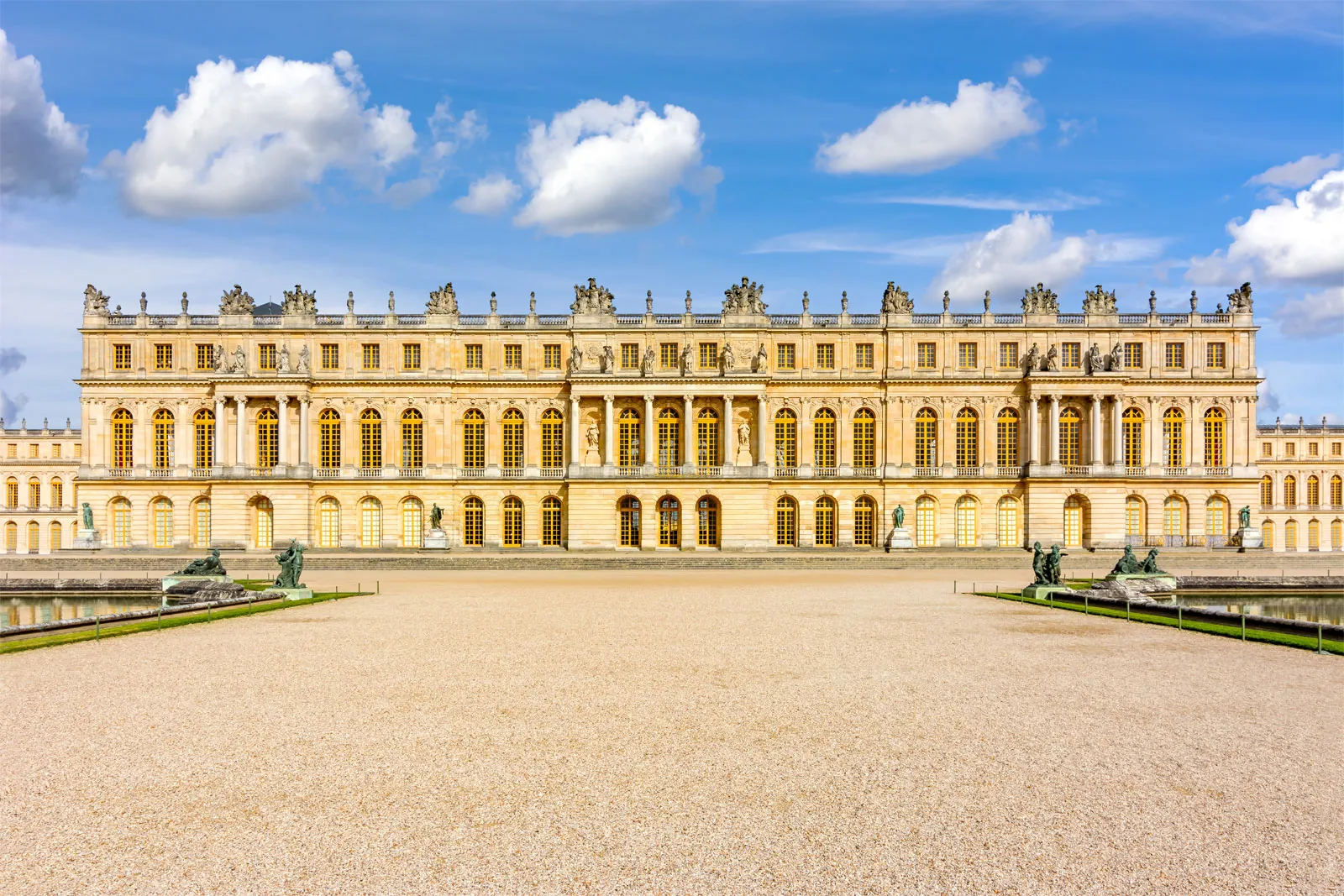
Palace of Versailles, Versailles, France
Le Vau, Mansart
1661–1710
Style: Baroque
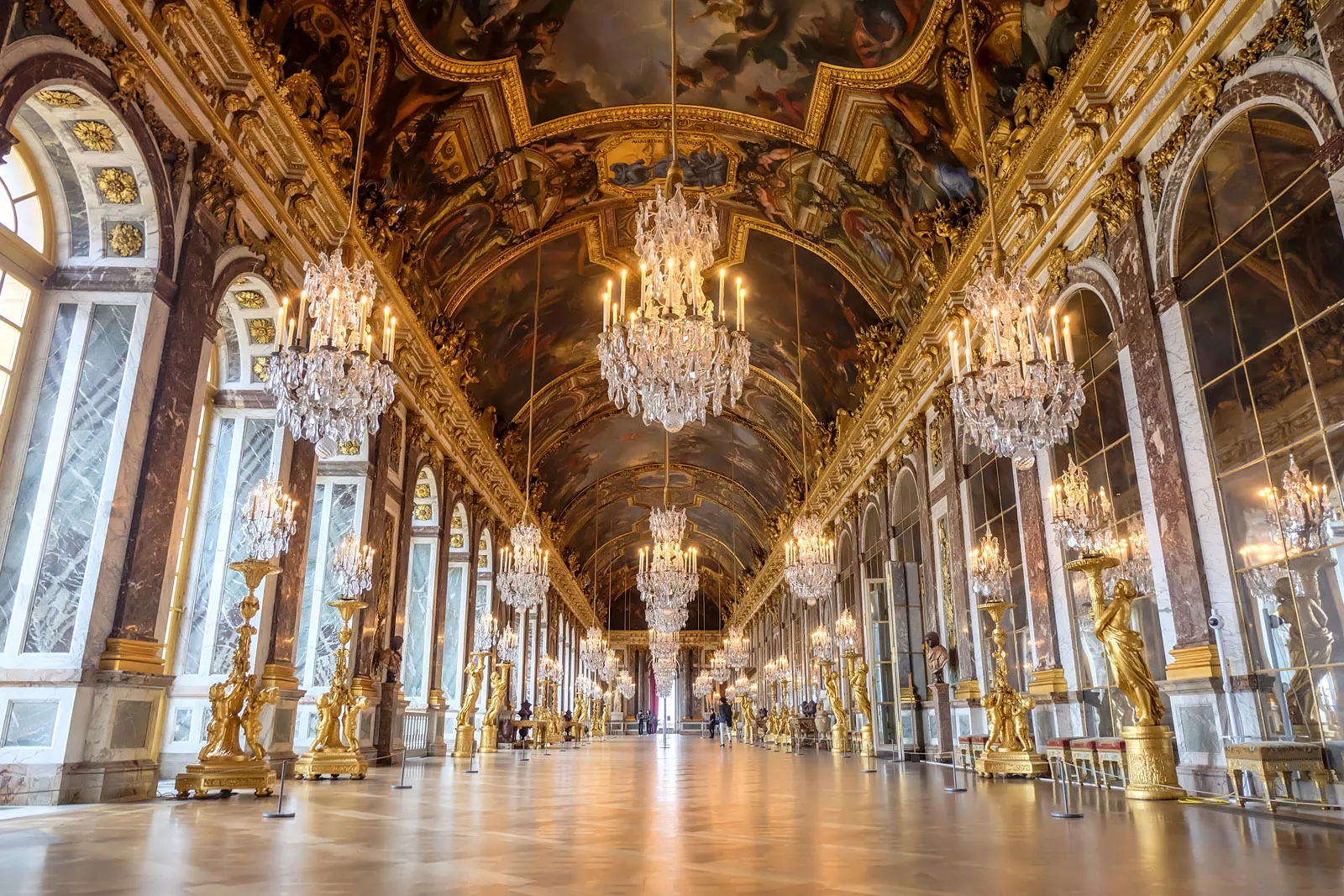
Hall of Mirrors, gardens
Icon of French Baroque
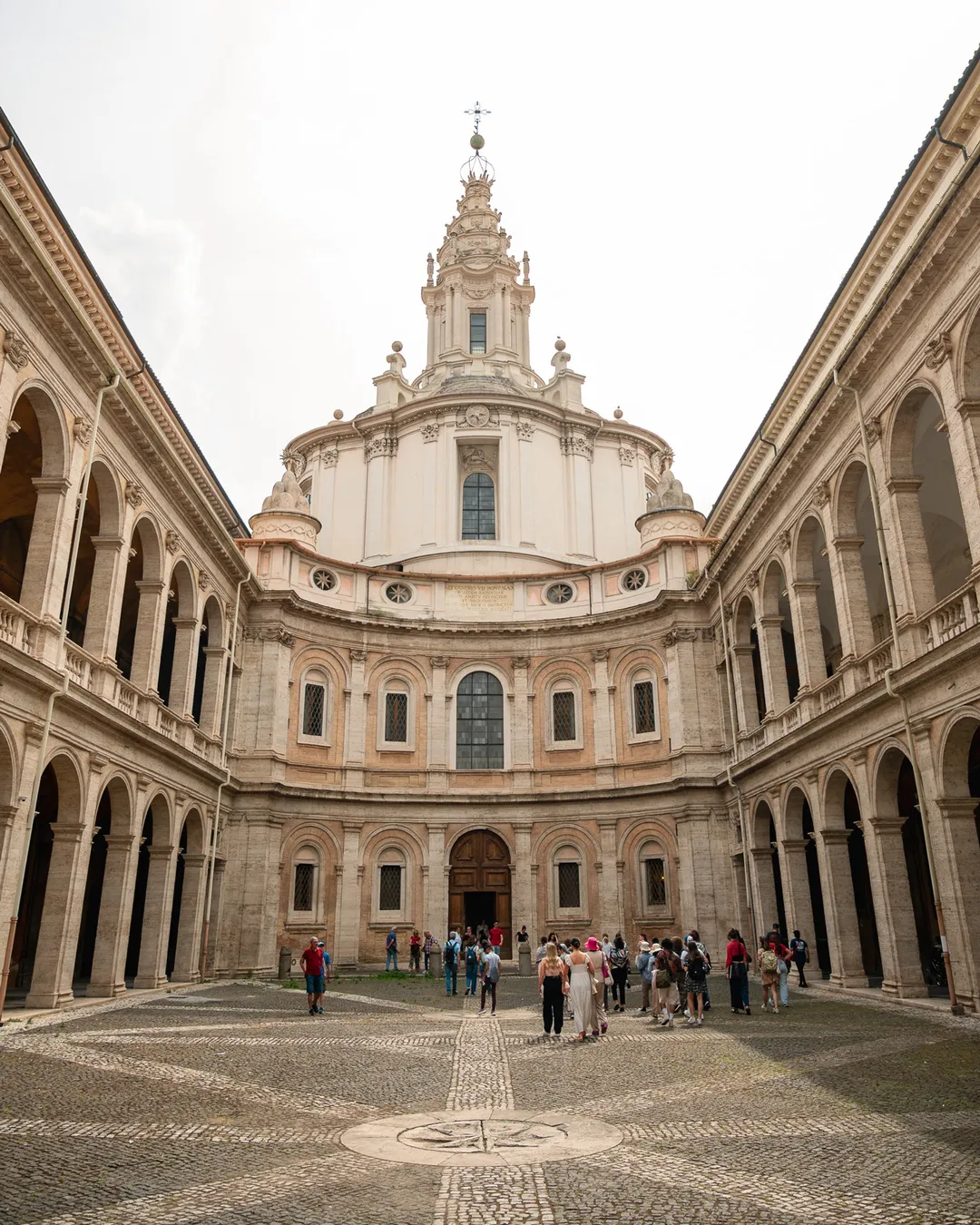
Sant’Ivo alla Sapienza, Rome, Italy
Borromini
1642–1660
Style: Baroque
Corkscrew dome
Masterpiece of Baroque geometry
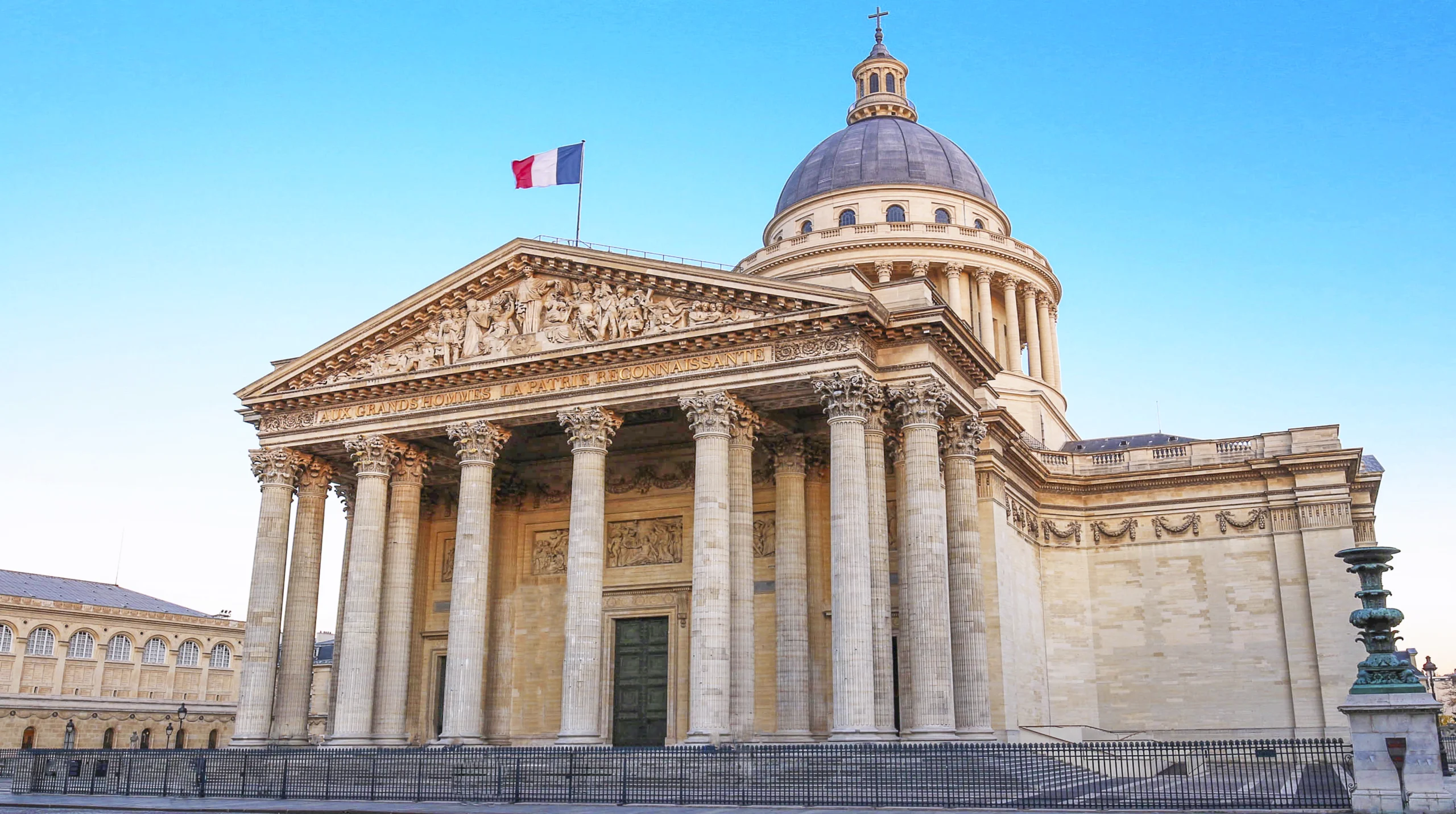
Panthéon, Paris, France
Soufflot
1757–1790
Style: Neoclassical
Temple front + dome
Symbol of French Neoclassicism
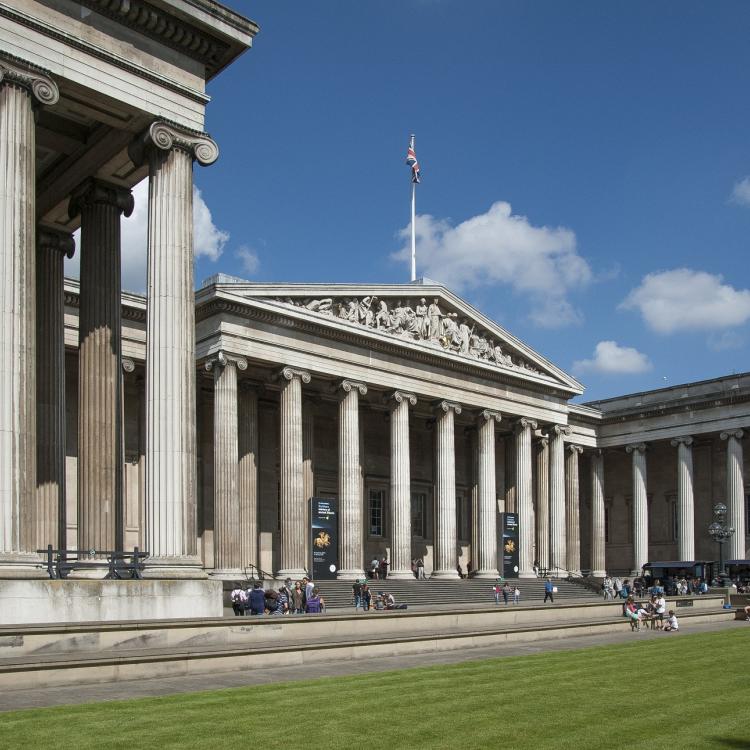
British Museum, London, UK
Smirke
1847
Style: Neoclassical
Greek Revival façade
Key neoclassical public building
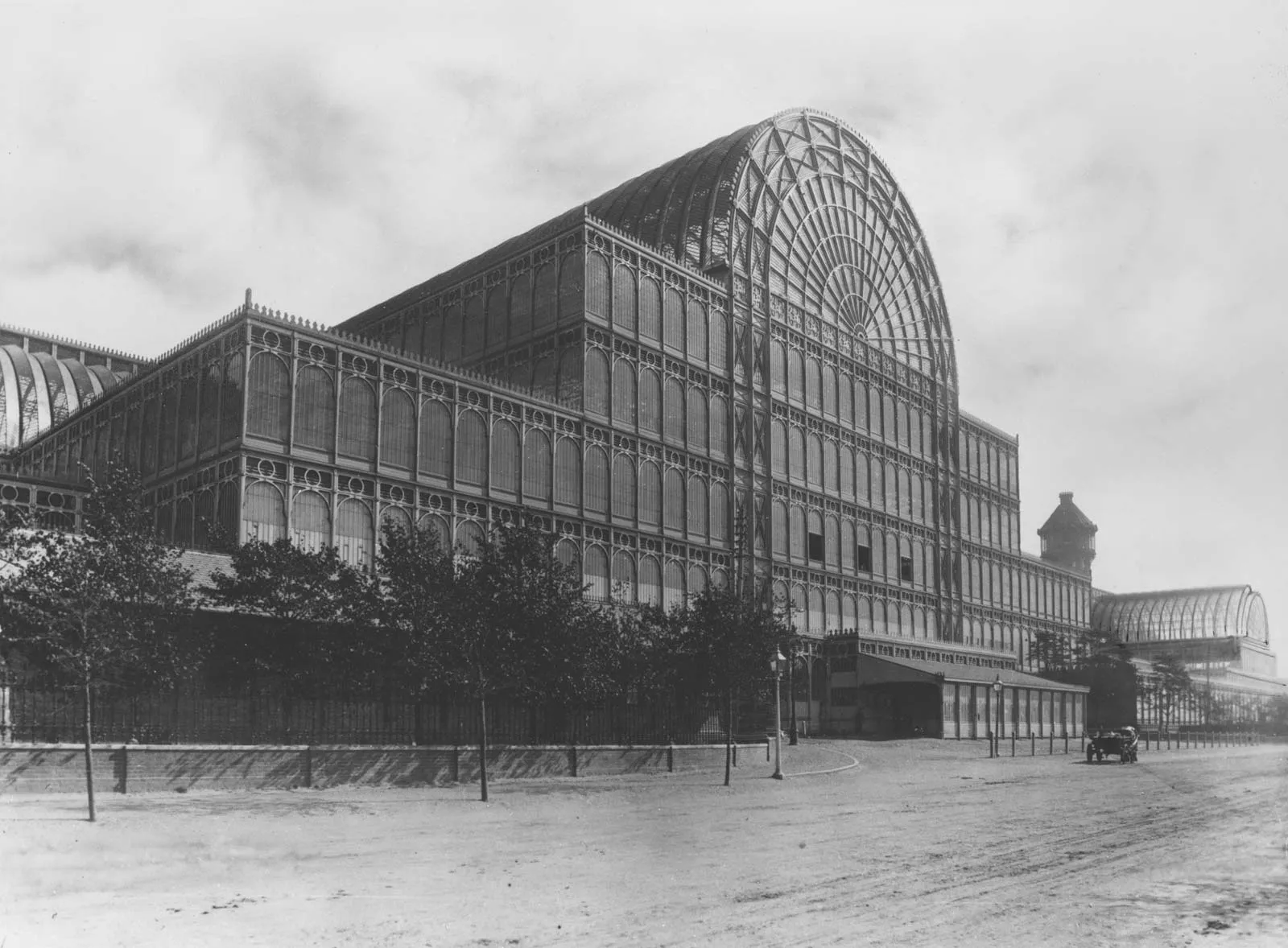
Crystal Palace, London, UK
Joseph Paxton
1851
Style: Industrial
Cast iron + glass exhibition hall
Revolution in prefabrication
Eiffel Tower, Paris, France
Gustave Eiffel
1889
Style: Industrial
Iron lattice structure
Symbol of modern engineering
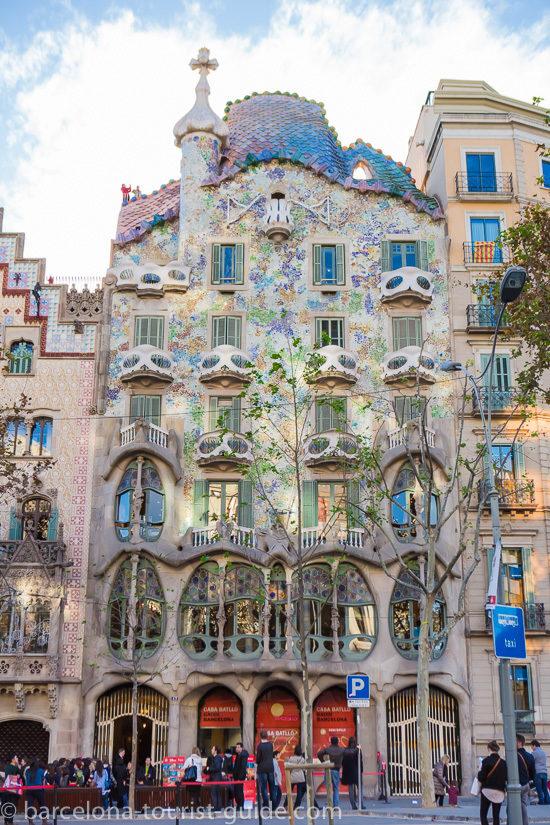
Casa Batlló, Barcelona, Spain
Gaudí
Redesigned by Gaudí in 1904-1906
Style: Modernisme
Organic curves, mosaic façade
Major Catalan modernist work
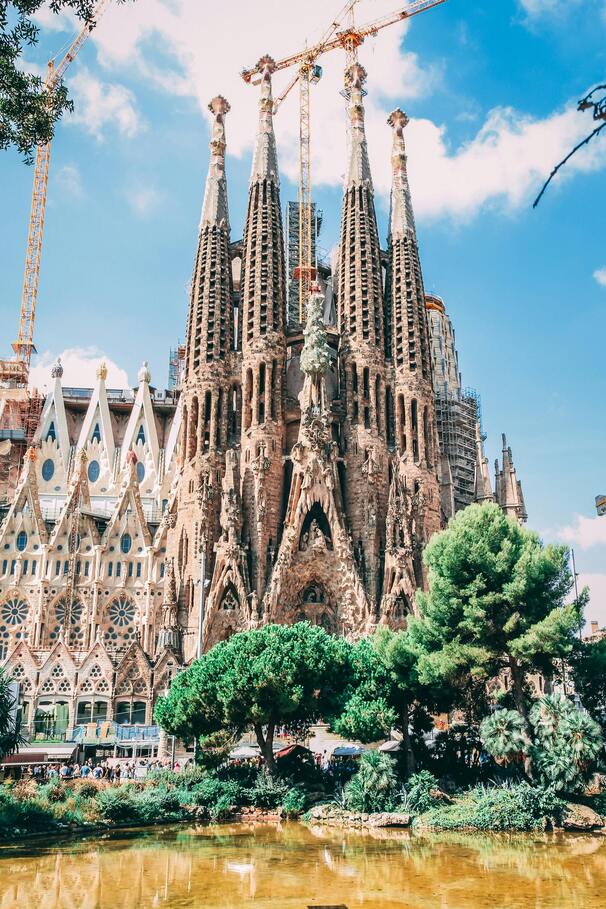
Sagrada Família, Barcelona, Spain
Gaudí
1882–present
Style: Modernisme
Hyperboloids, expressive forms
Gaudí’s greatest work
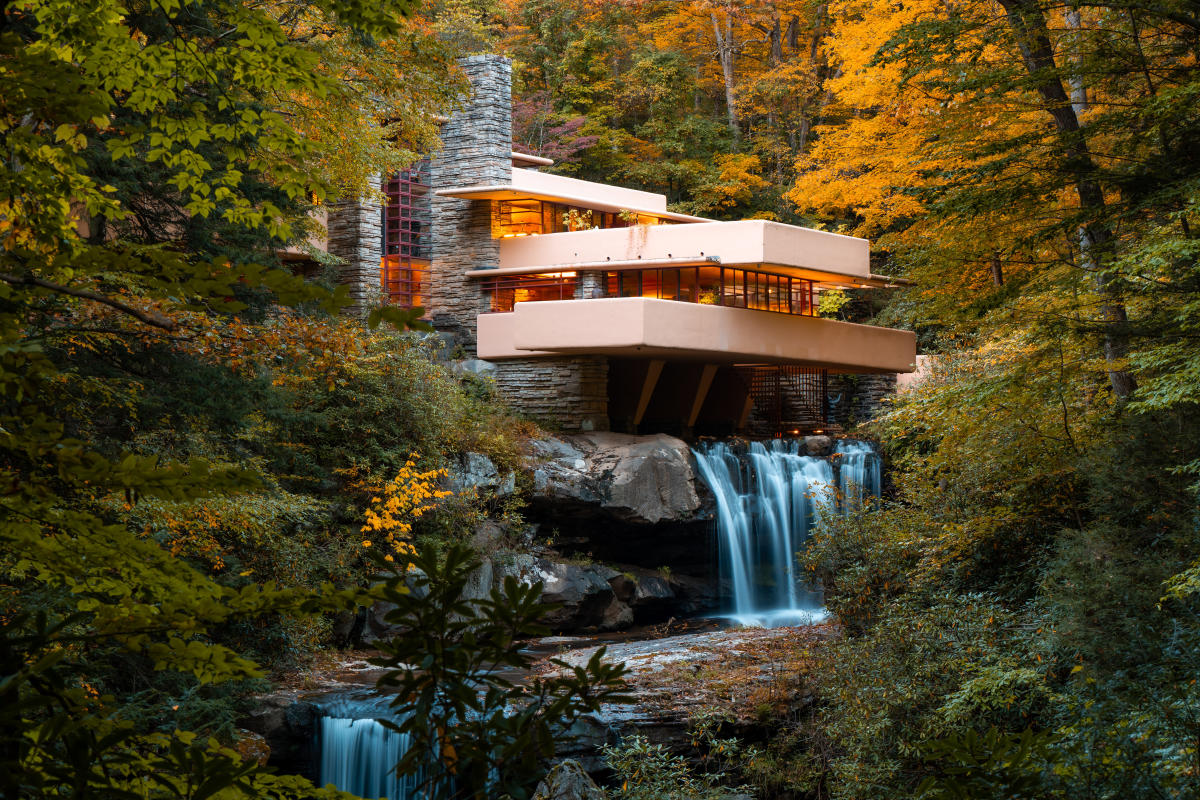
Fallingwater, Pennsylvania, USA
Frank Lloyd Wright
1935
Style: Organic
Cantilevers over waterfall
Icon of organic design
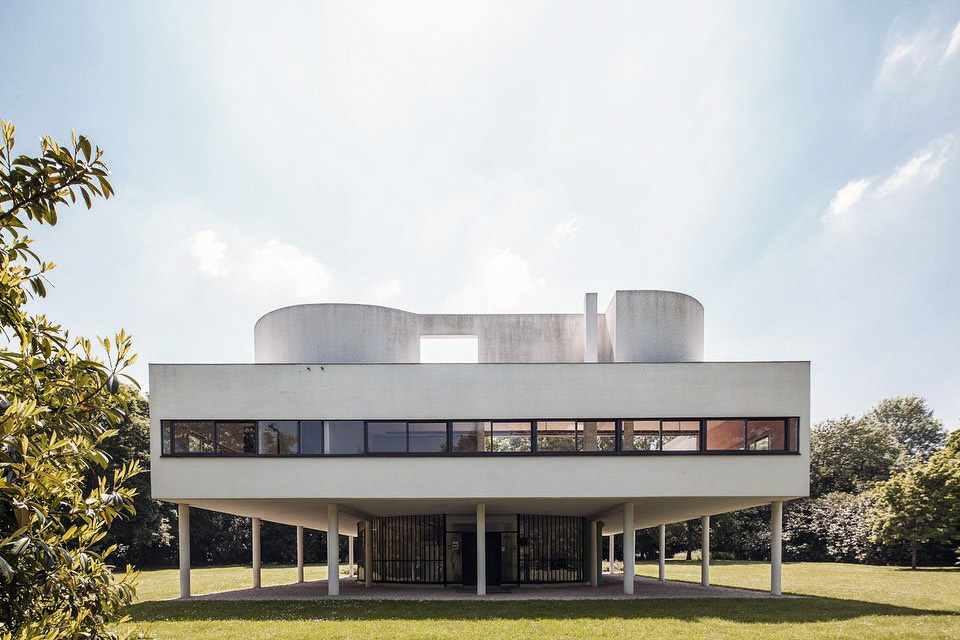
Villa Savoye, Poissy, France
Le Corbusier
1929–1931
Style: Modernism
Pilotis, ribbon windows, roof garden
Defines Le Corbusier’s 5 points: pilotis (elevated columns), free plan, free facade, horizontal windows, and roof gardens
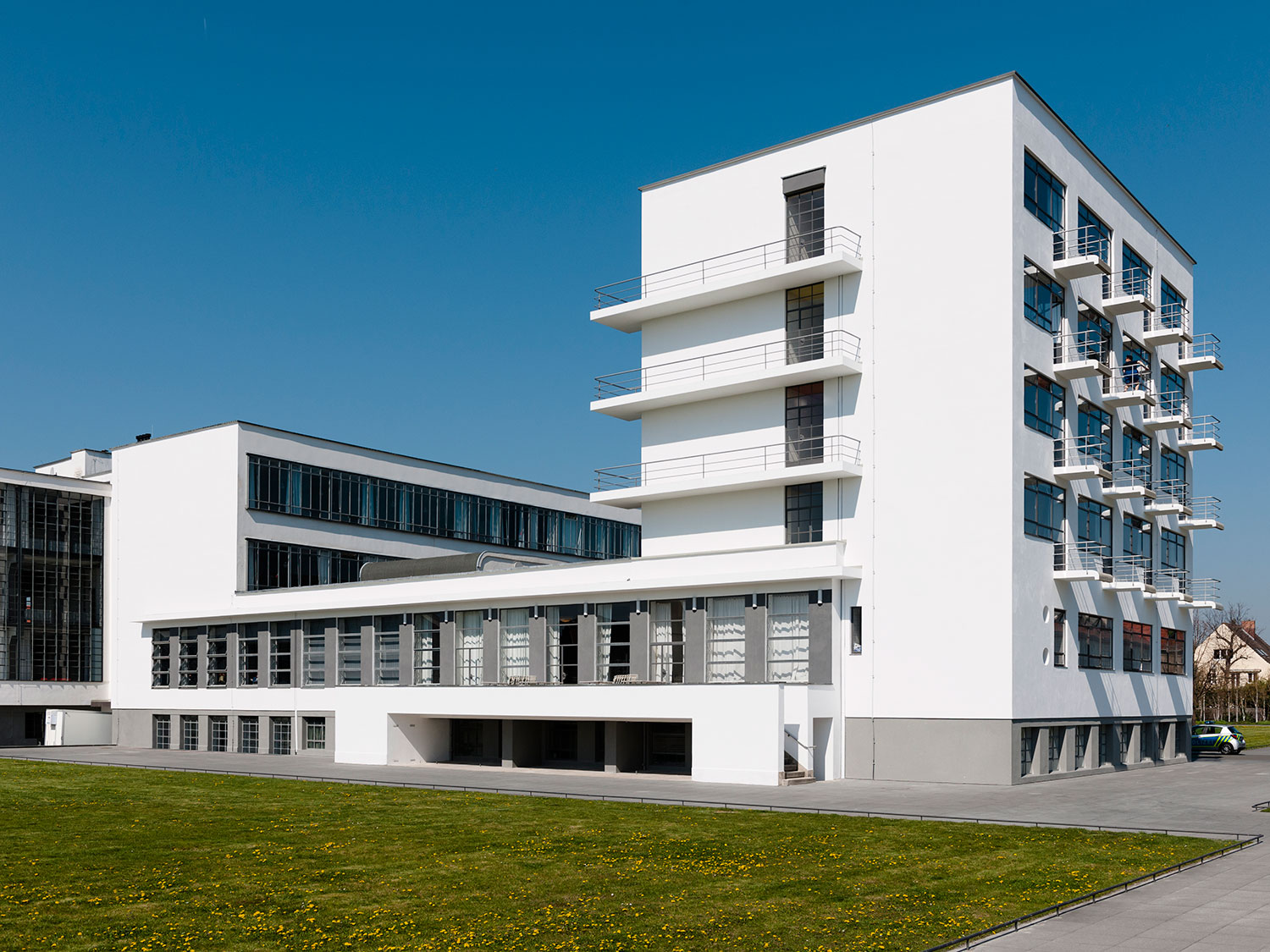
Bauhaus Dessau, Dessau, Germany
Walter Gropius
1925–1926
Style: Modernism
Functionalist design, glass curtain walls
Symbol of Bauhaus movement
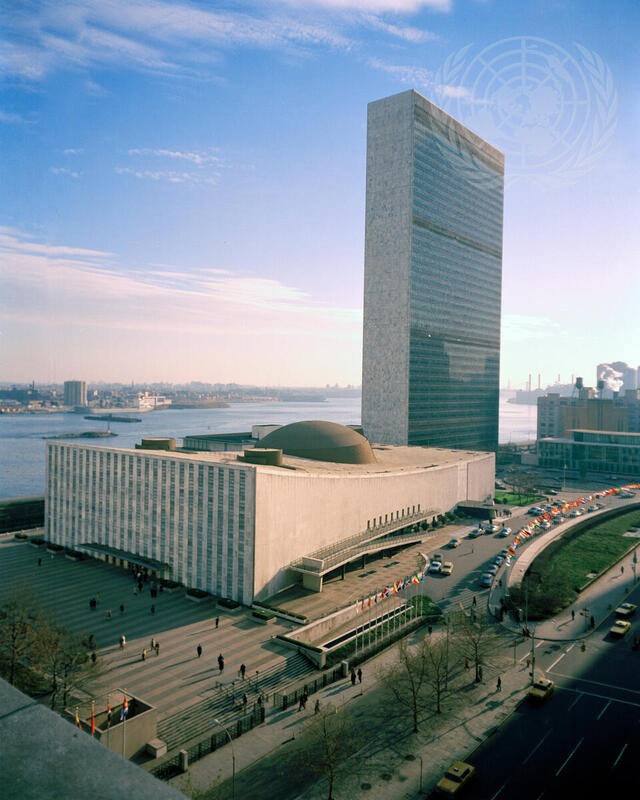
UN Headquarters, New York, USA
Wallace Harrison
1952
Style: International Style
Glass curtain walls
Key example of International Style
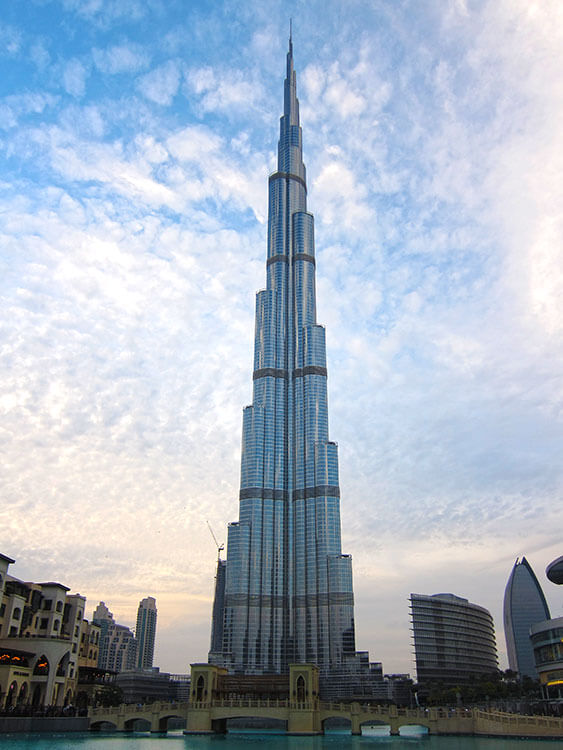
Burj Khalifa, Dubai, UAE
Adrian Smith
2010
Style: Neo-futurism
Tallest building, buttressed-core
Engineering landmark
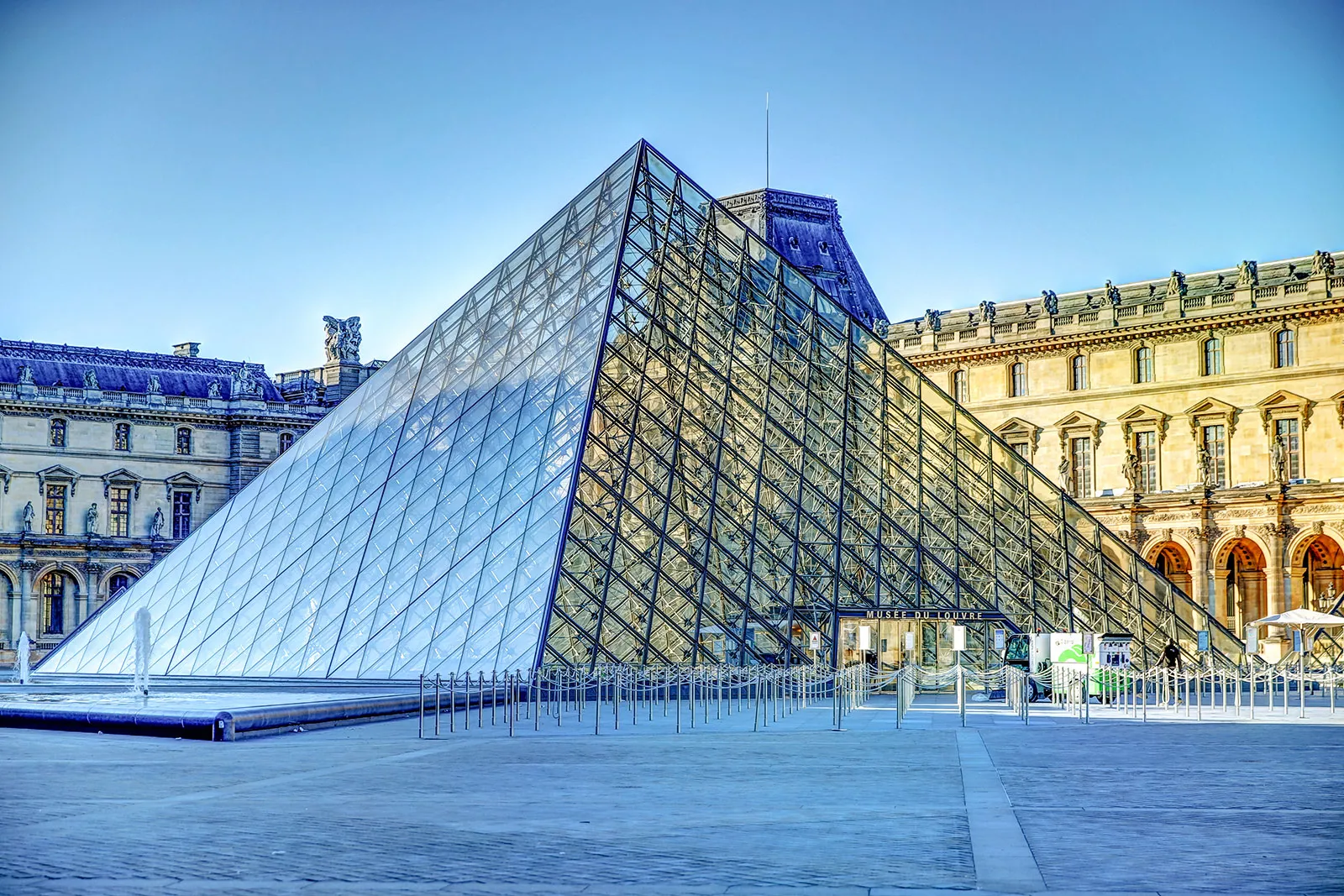
Louvre Pyramid, Paris, France
I. M. Pei
1989
Style: Contemporary
Glass and metal pyramid
Iconic museum entrance
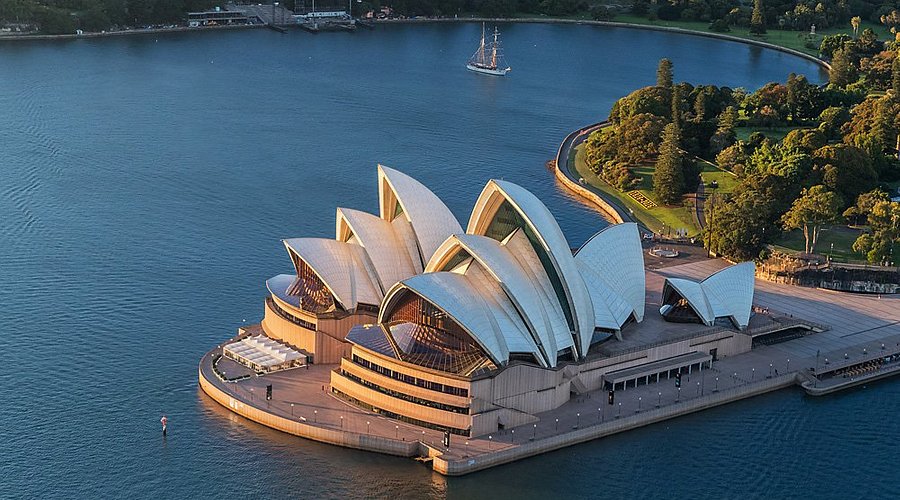
Sydney Opera House, Sydney, Australia
Jørn Utzon
1973
Style: Expressionist
Shell-like roof forms
Icon of 20th-century design
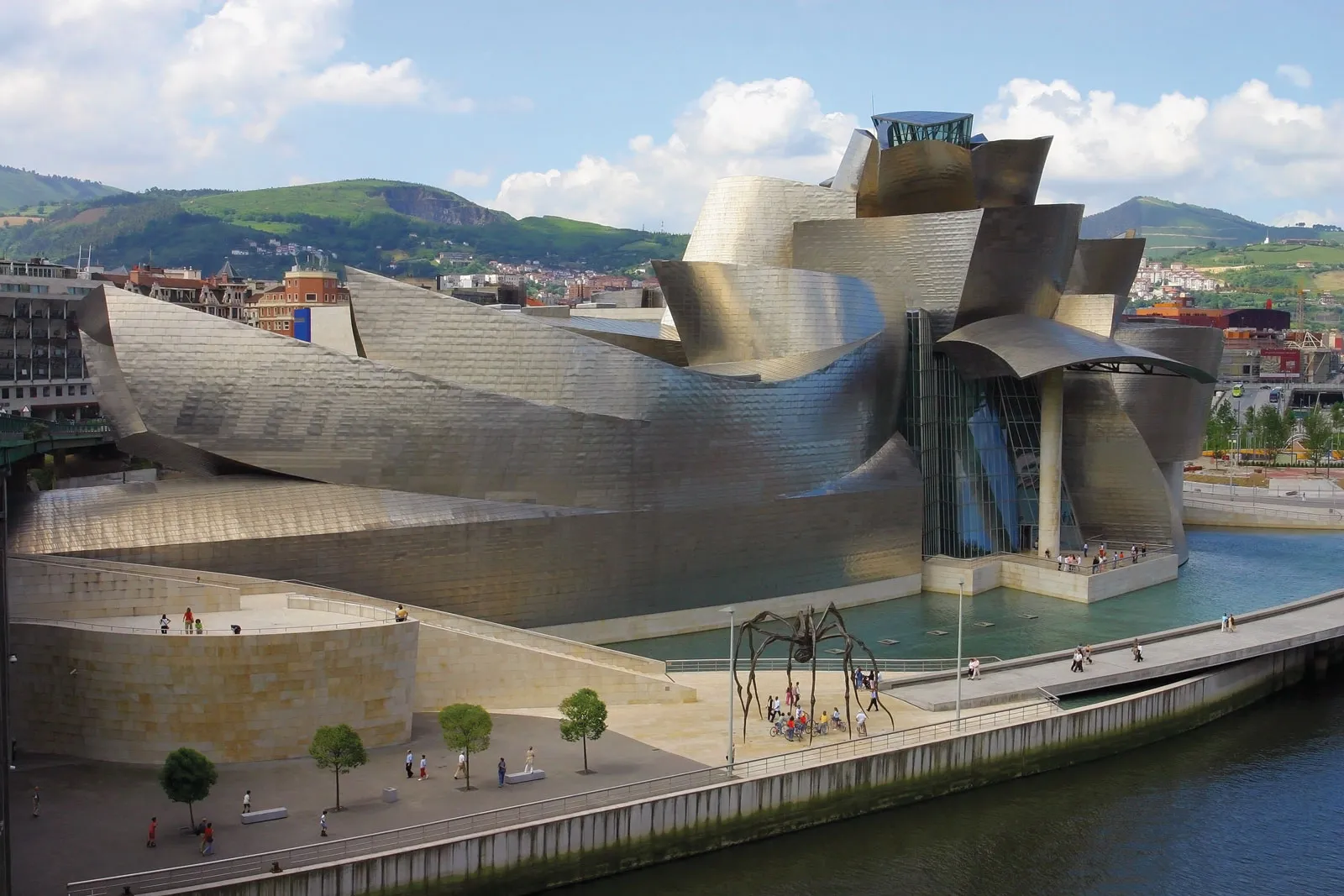
Guggenheim Museum Bilbao, Spain
Frank Gehry
1997
Style: Deconstructivism
Titanium curves, sculptural form
Revitalized Bilbao; iconic contemporary museum
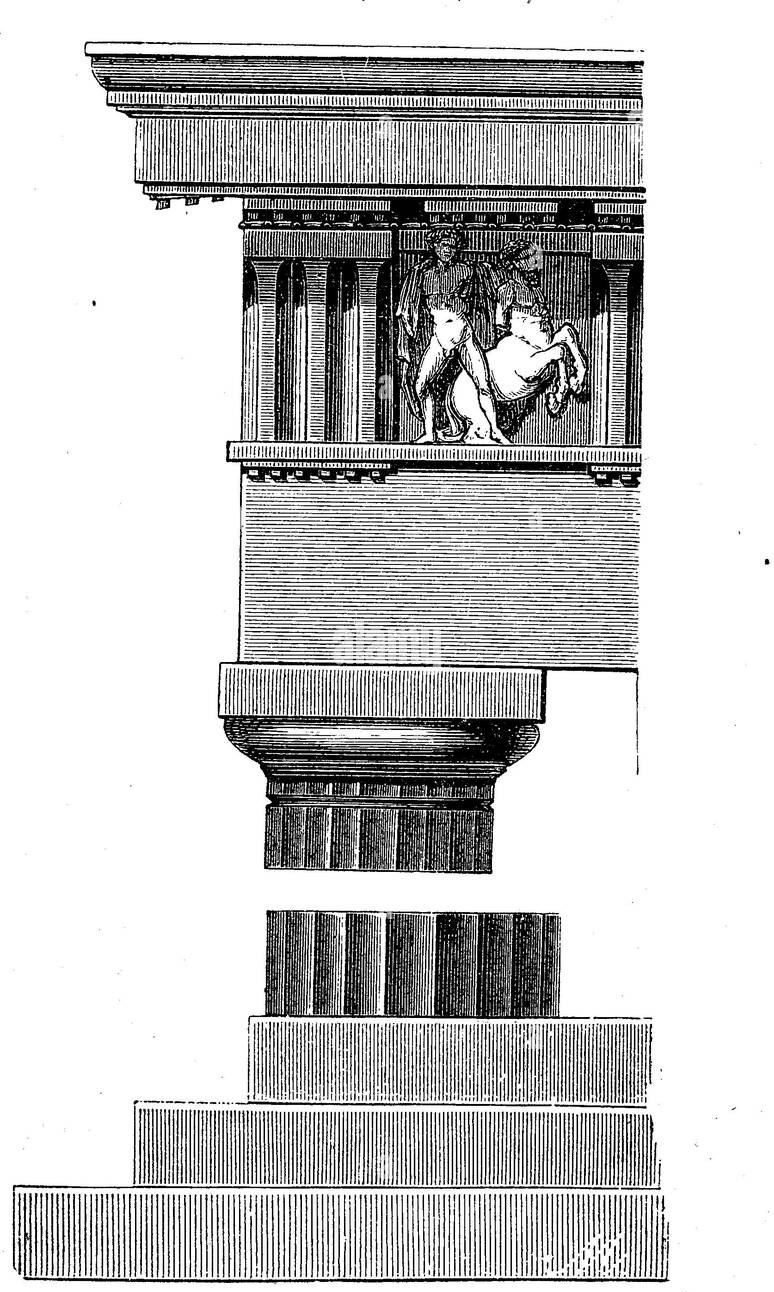
Doric Order, Ancient Greece
Greece
7th c. BCE
Style: Classical
Heavy proportions, no base, fluted shaft, simple capital
Oldest Greek order; basis of classical architecture
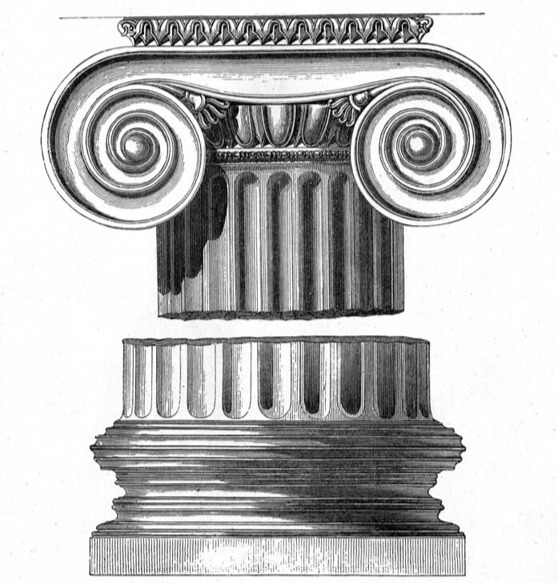
Ionic Order, Ancient Greece (Ionia)
Asia Minor
6th c. BCE
Style: Classical
Volute capital, slender proportions, base present
Key Aegean influence; refined aesthetic
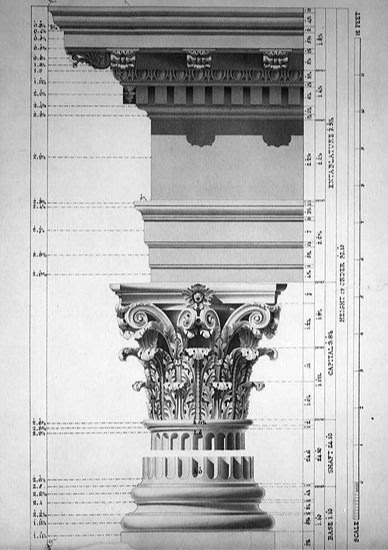
Corinthian Order, Ancient Greece
Greece
5th c. BCE
Style: Classical
Acanthus leaves capital, highly decorative
Most ornate classical order, adopted by Romans
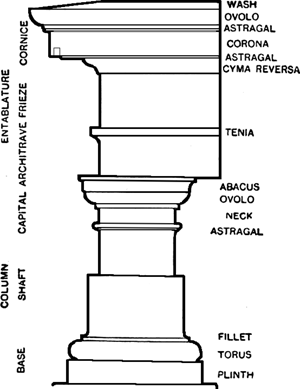
Tuscan Order, Ancient Rome
Italy
1st c. BCE
Style: Classical
Unfluted shaft, simple base and capital
Roman simplification of Doric
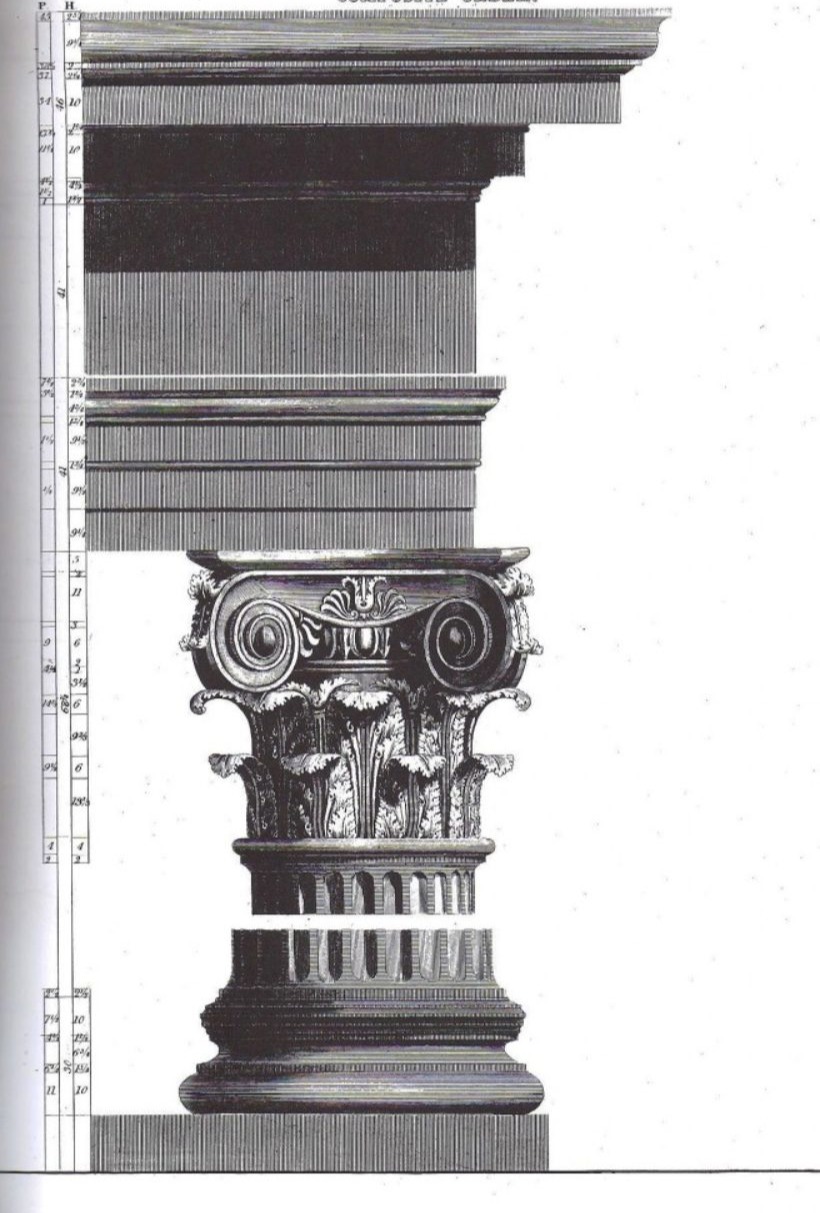
Composite Order, Ancient Rome
Italy
1st c. CE
Style: Classical
Combination of Corinthian acanthus + Ionic volutes
Most decorative Roman order
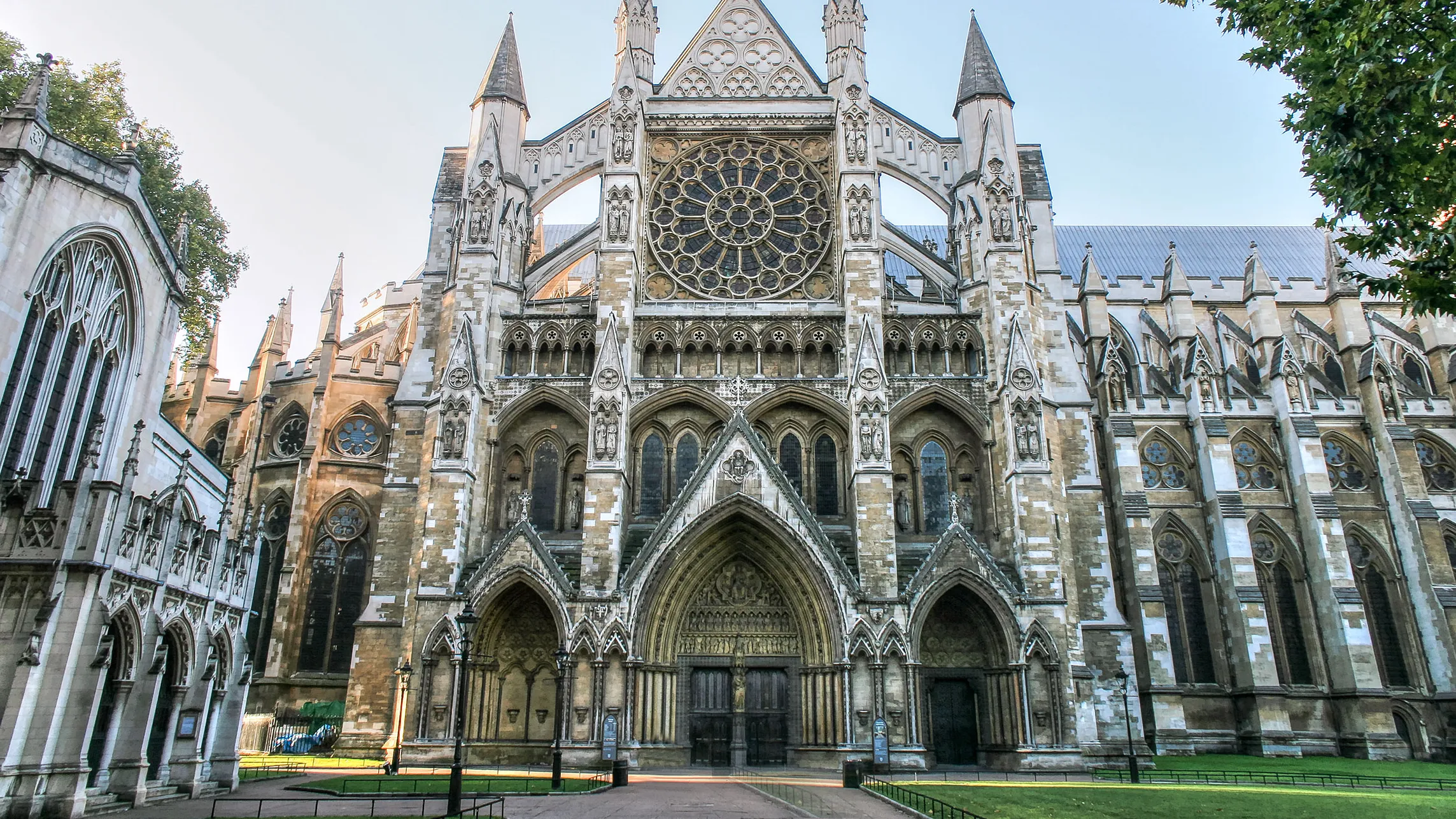
Gothic Architecture, France
Europe
12th–16th c.
Pointed arches, ribbed vaults, flying buttresses
Defined medieval cathedrals; structural revolution
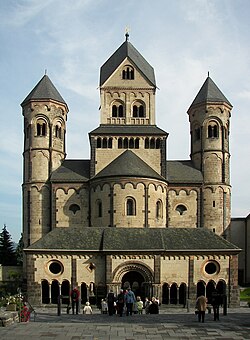
Romanesque Architecture, Western Europe
10th–12th c.
Thick walls, semicircular arches, barrel vaults
Transitional style leading to Gothic
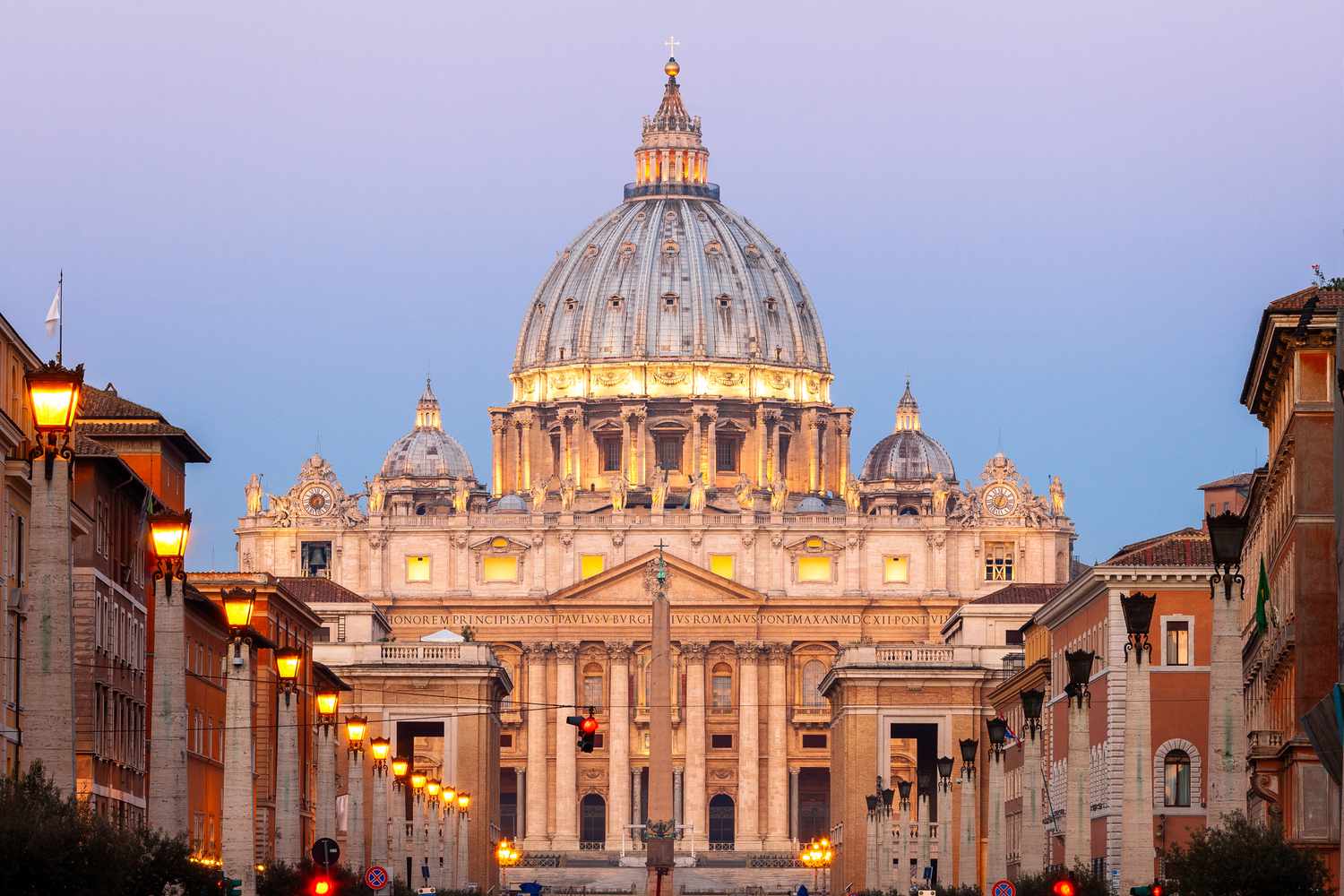
Renaissance Architecture, Italy
15th–17th c.
Symmetry, proportion, classical elements
Revival of classical antiquity; basis of modern architecture
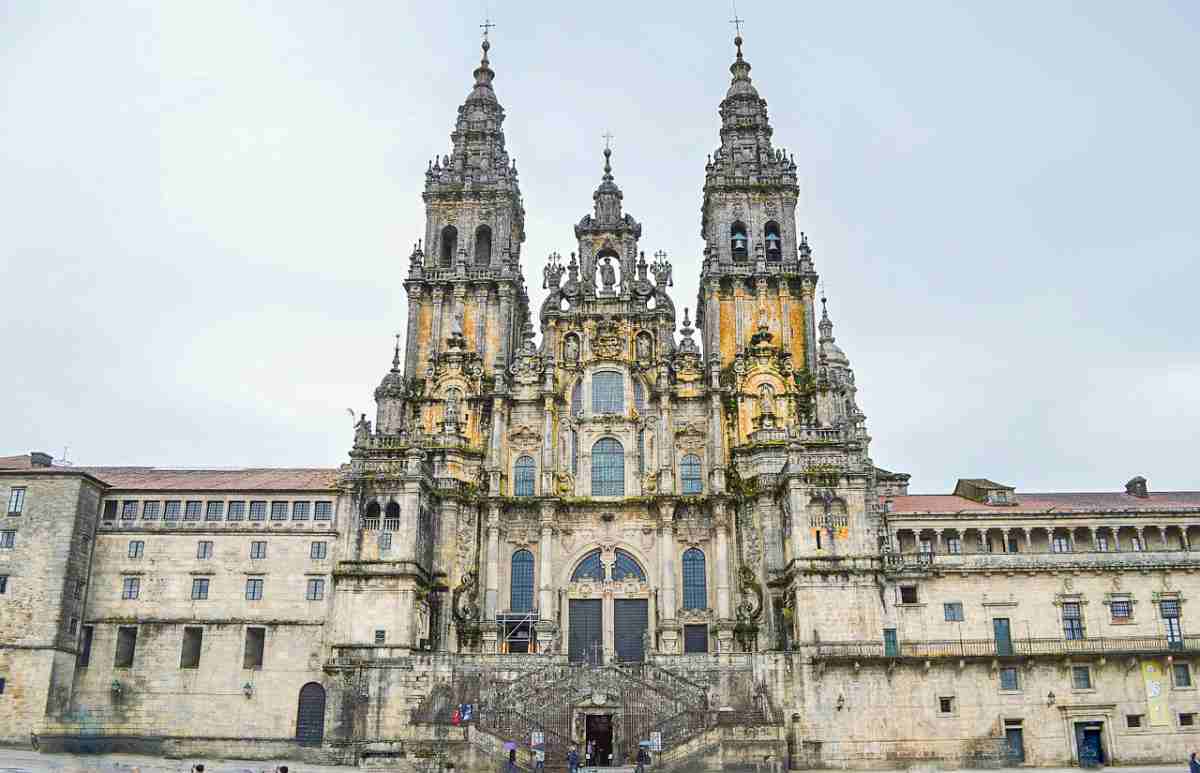
Baroque Architecture, Italy
Europe
1600–1750
Curved forms, dramatic contrasts, ornamentation
Expressive and theatrical style dominating Europe

Neoclassical Architecture, Europe
18th–19th c.
Return to classic simplicity and order
Major influence on governmental buildings
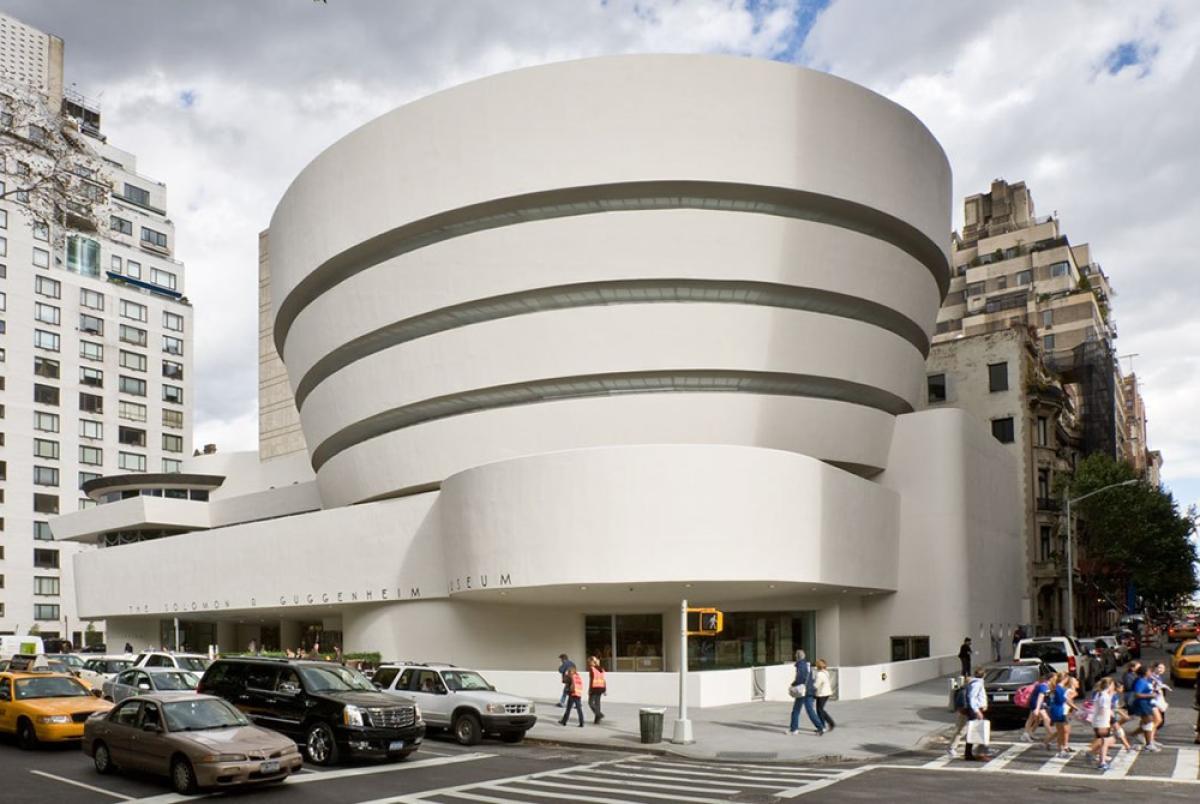
Modernism, Global
20th c.
Functionalism, minimalism, new materials
Foundation of contemporary architecture
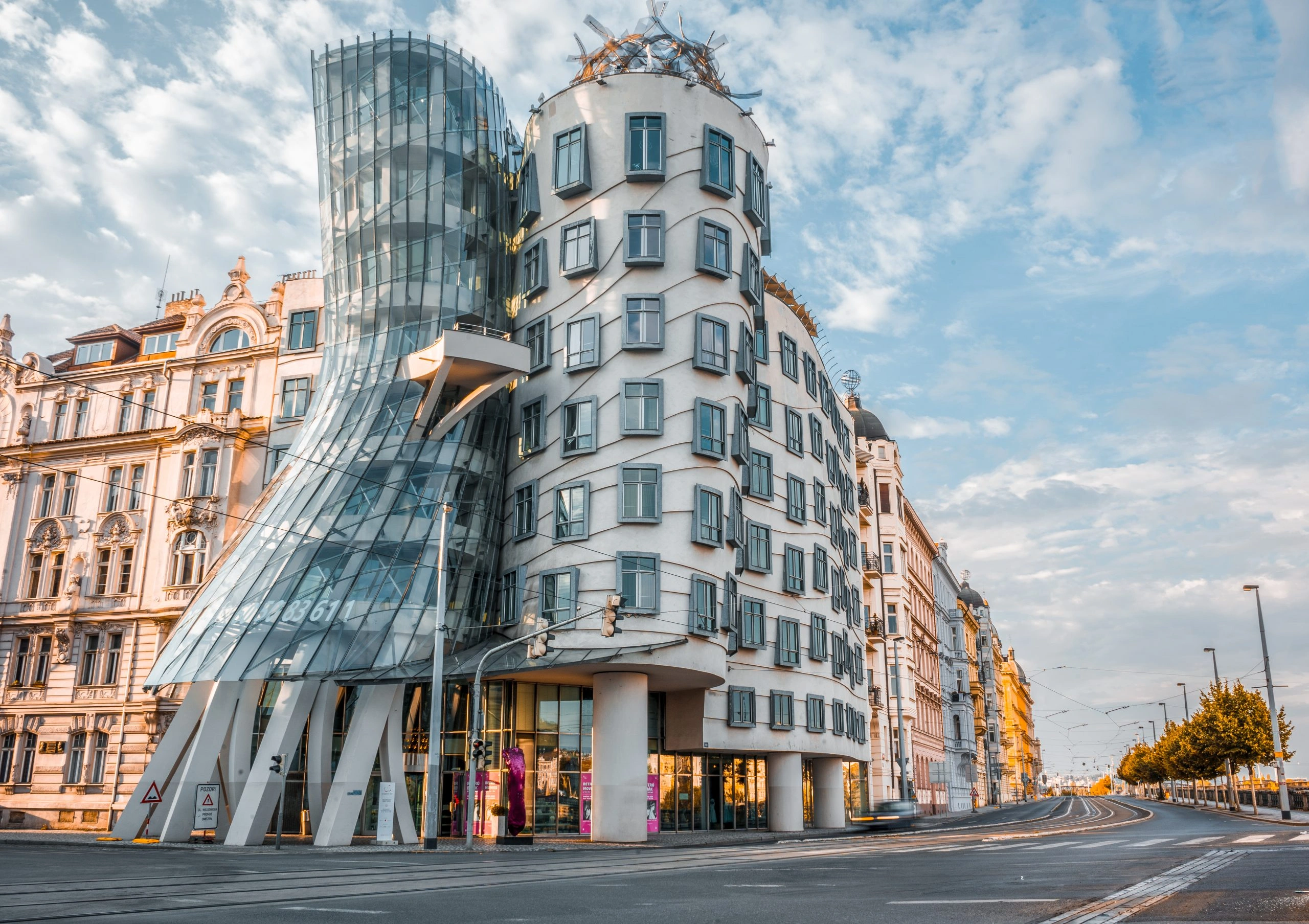
Postmodern Architecture, Global
Late 20th c.
Mix of historical references, irony, color
Reaction to modernism; playful design
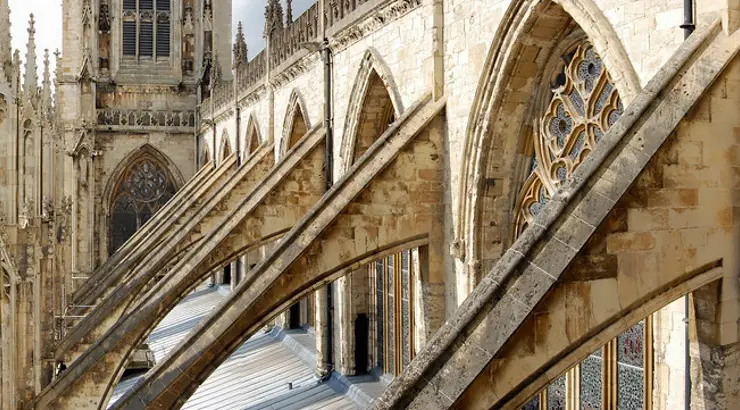
Flying Buttress, Gothic Europe
12th c.
Style: Gothic
External arch support transferring vault forces
Key innovation enabling tall Gothic cathedrals
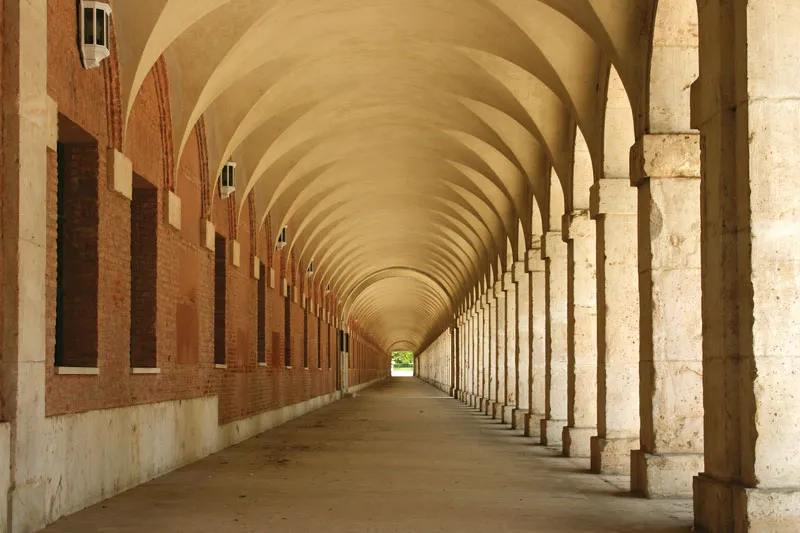
Barrel Vault, Ancient Rome
1st c. BCE
Style: Roman
Continuous vault forming a semicircle
Allowed construction of large interior spaces
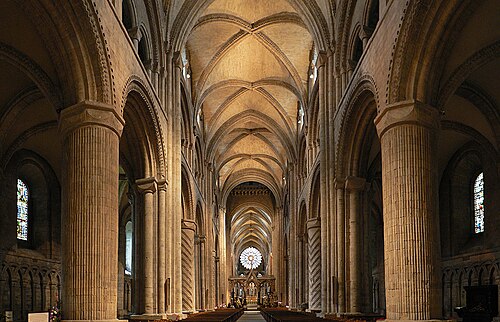
Ribbed Vault, Gothic Europe
12th c.
Style: Gothic
Intersecting barrel vaults with ribs
Allowed lighter walls and taller structures
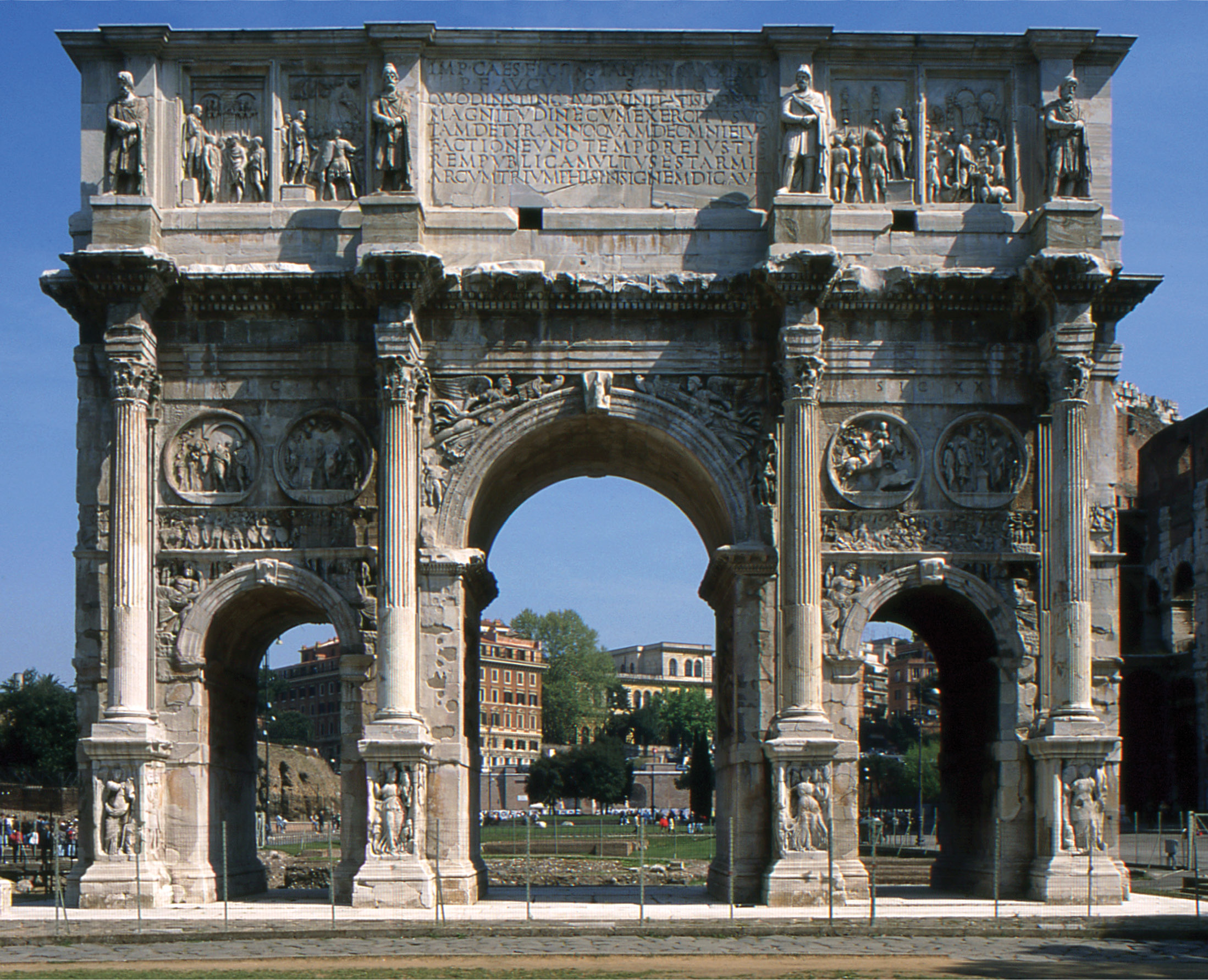
Triumphal Arch, Ancient Rome
1st c. CE
Style: Roman
Monumental arch celebrating victories
Symbol of imperial power
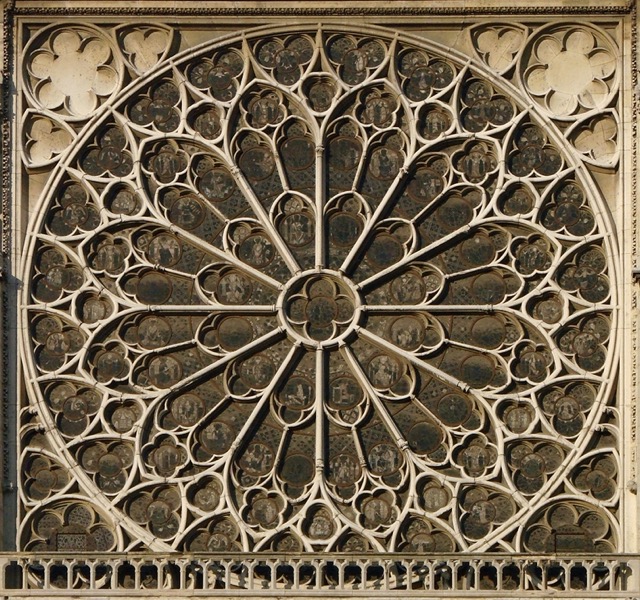
Rose Window, Gothic Europe (France)
13th c.
Style: Gothic
Circular stained glass window with tracery
Iconic feature of Gothic cathedrals
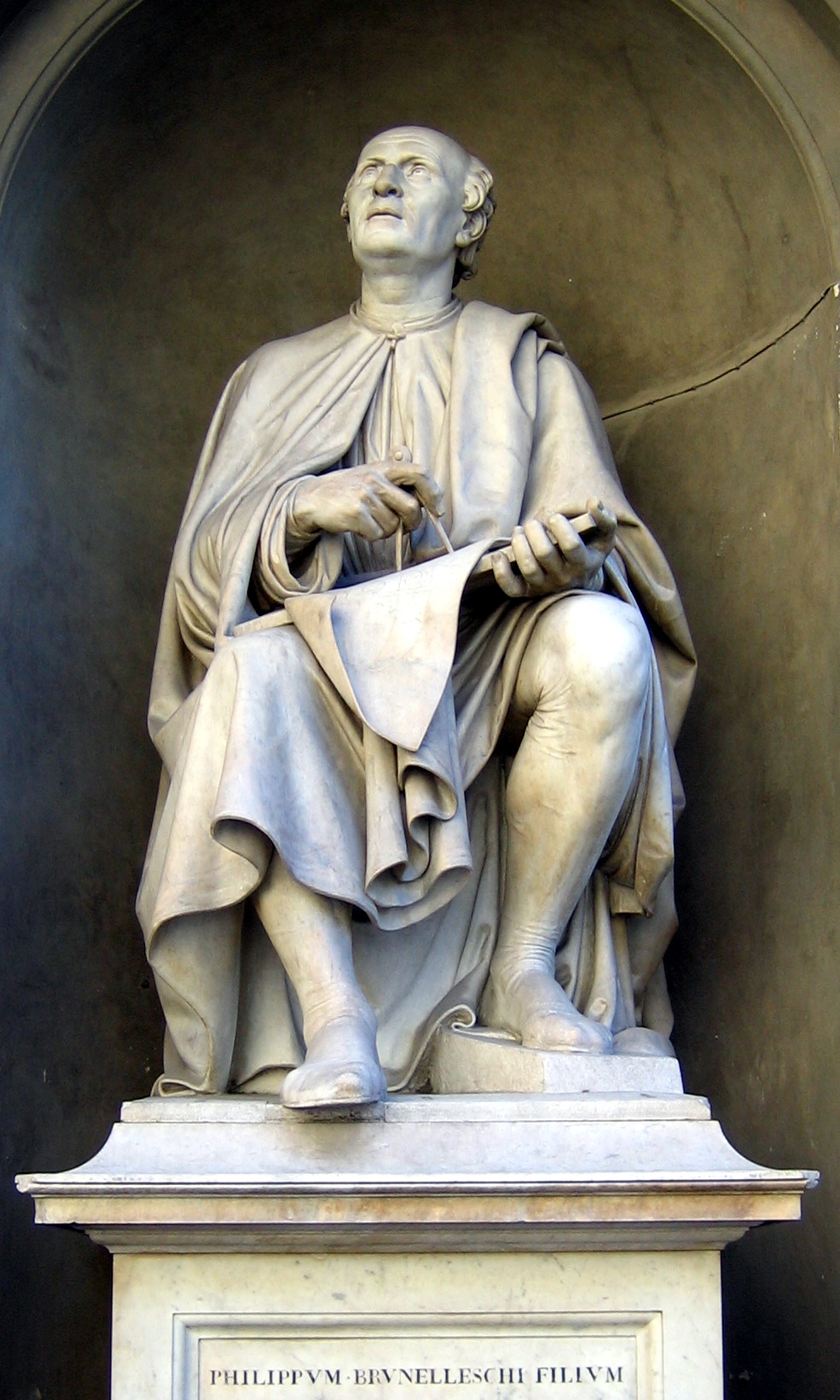
Filippo Brunelleschi (1377–1446)
Key works: Florence Cathedral dome, Ospedale degli Innocenti
Why important: Father of Renaissance architecture; invented linear perspective; engineered largest dome since antiquity.
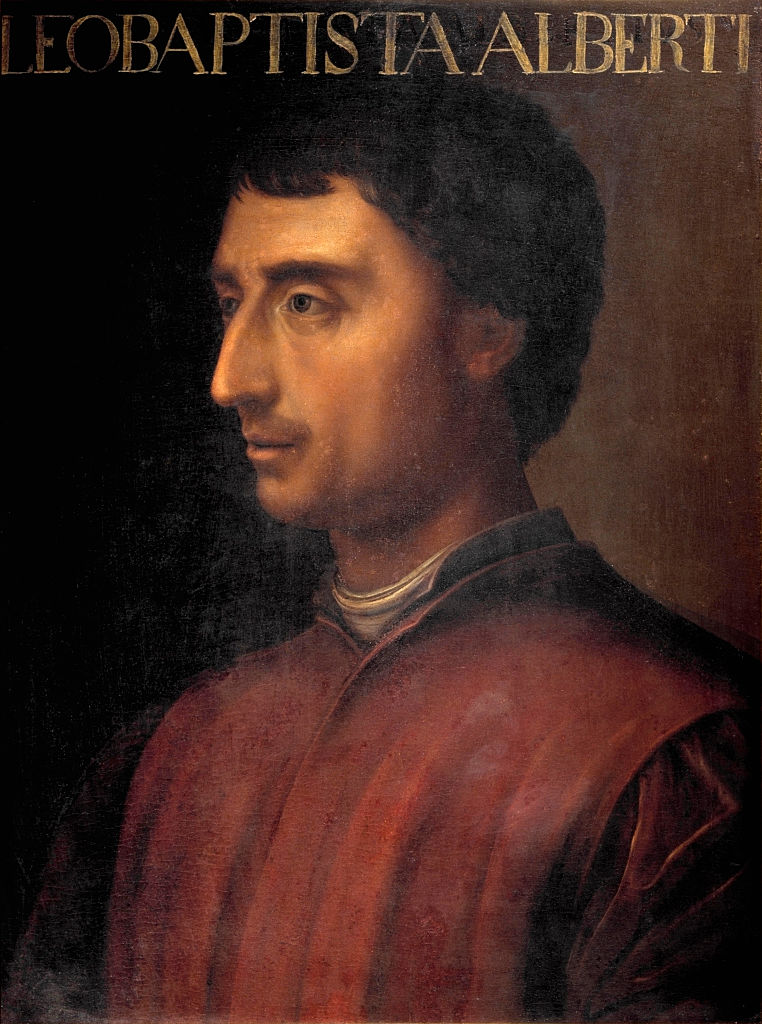
Leon Battista Alberti (1404–1472)
Key works: Palazzo Rucellai, Santa Maria Novella façade
Why important: Theoretician of Renaissance harmony, proportion, and the classical orders.
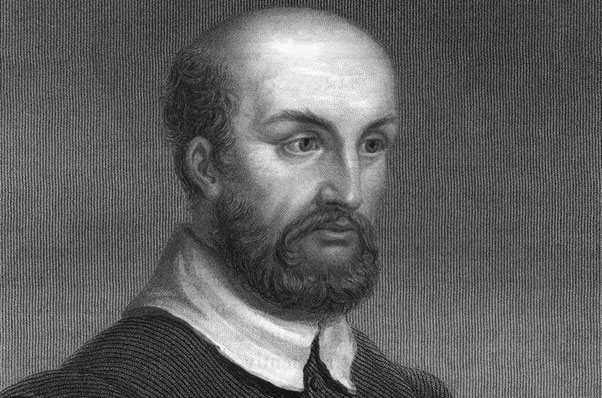
Andrea Palladio (1508–1580)
Key works: Villa Rotonda, Teatro Olimpico
Why important: Palladianism shaped all later Neoclassical architecture in Europe + USA.
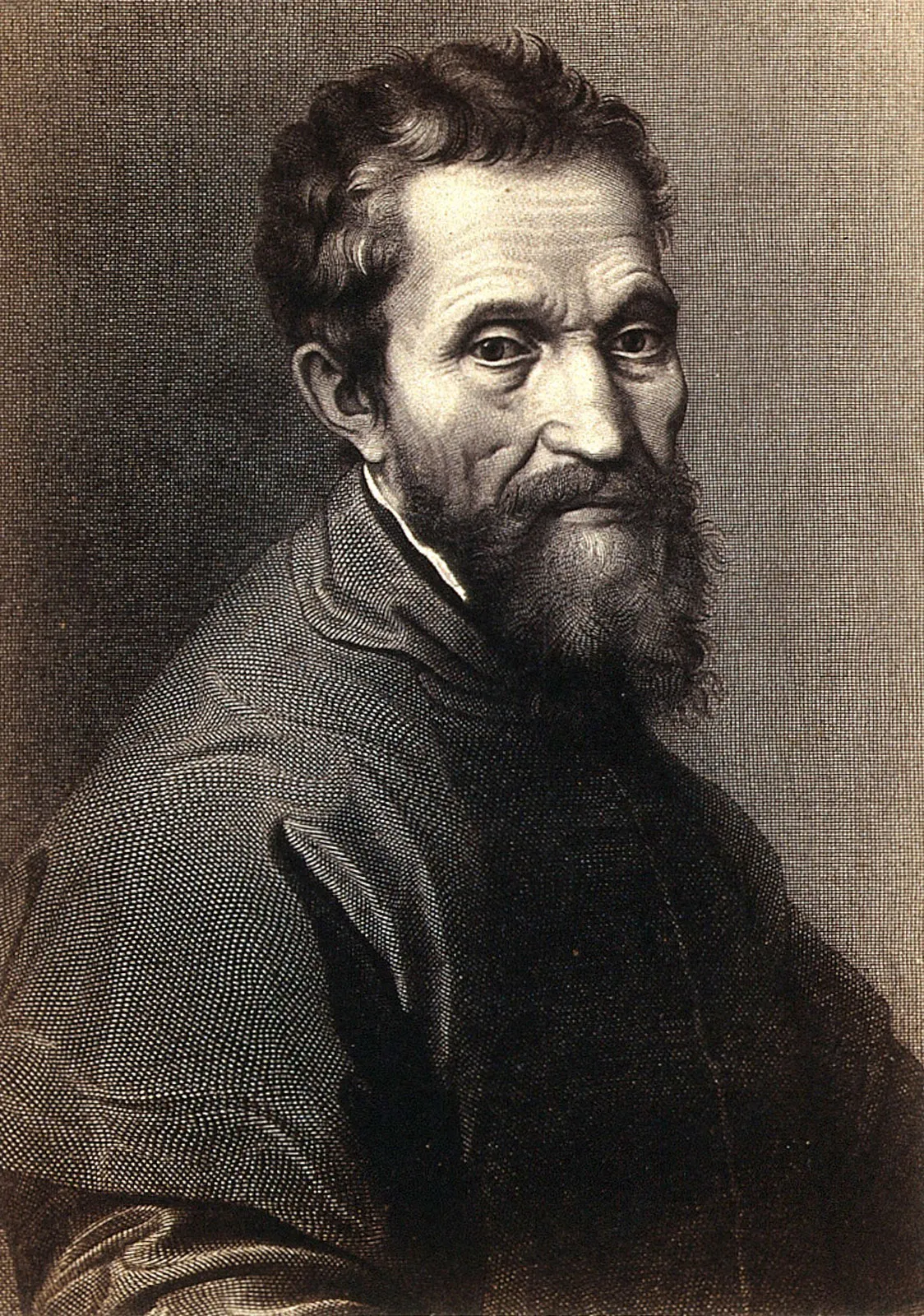
Michelangelo (1475–1564)
Key works: Dome of St Peter’s Basilica
Why important: Bridged Renaissance and Baroque; expressive, monumental language.
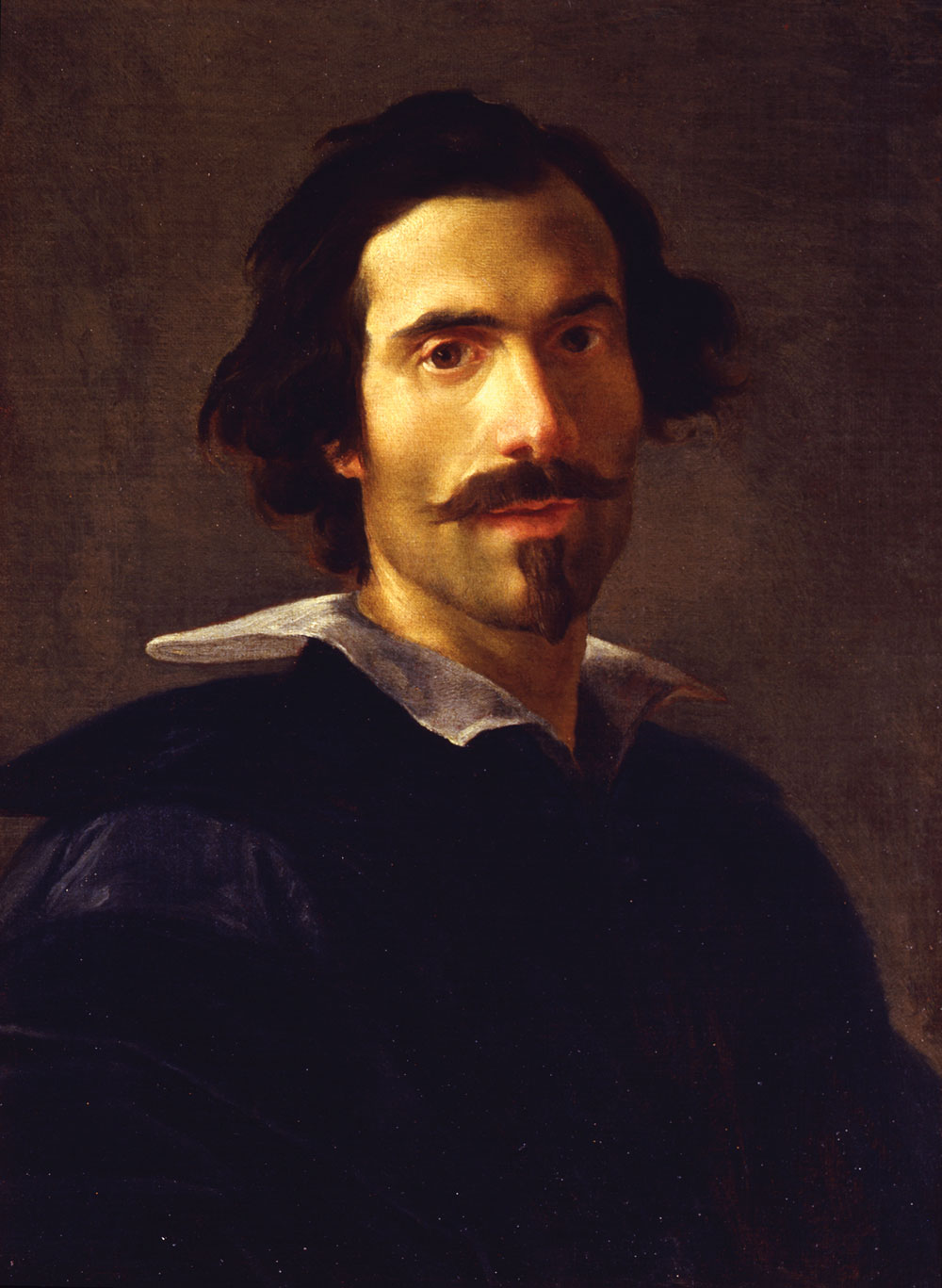
Gian Lorenzo Bernini (1598–1680)
Key works: St Peter’s Square colonnade, Baroque churches
Why important: Defined Baroque spatial movement and theatricality.
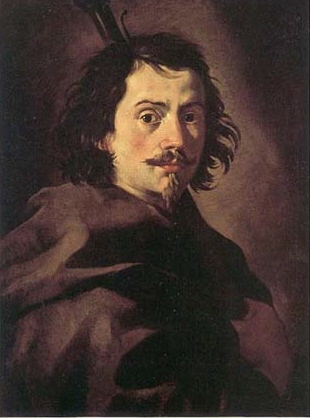
Francesco Borromini (1599–1667)
Key works: San Carlo alle Quattro Fontane
Why important: Complex geometry, concave–convex façades—Baroque innovation.
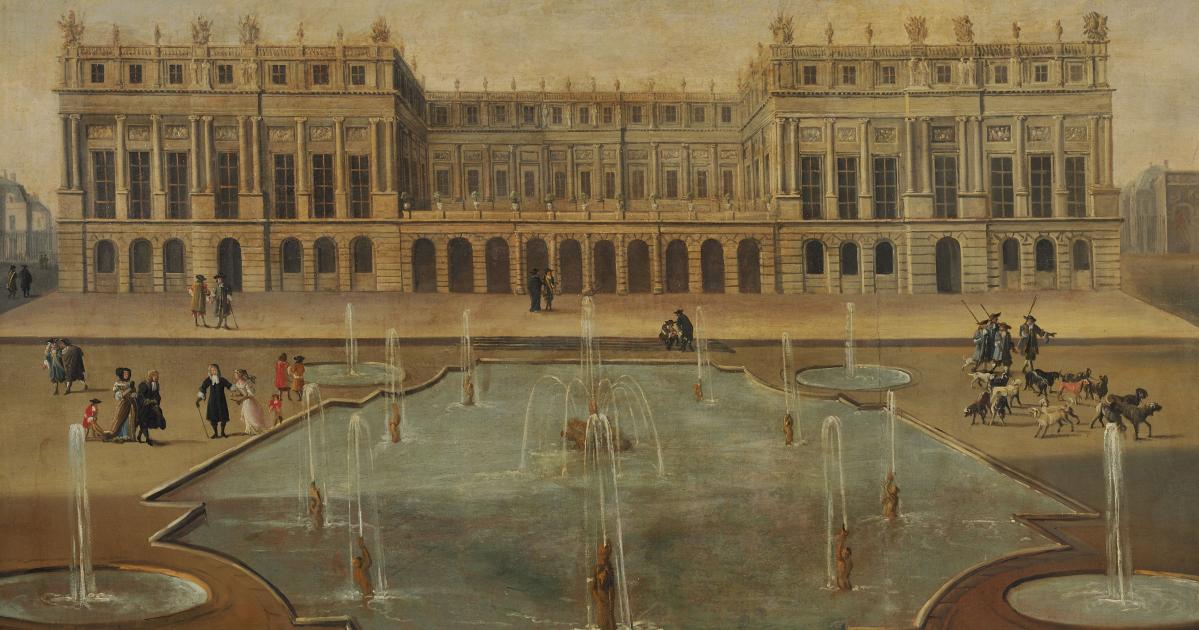
Louis XIV architects (Hardouin-Mansart, Le Vau)
Key works: Palace of Versailles
Why important: Symbol of absolute monarchy; French Baroque style.
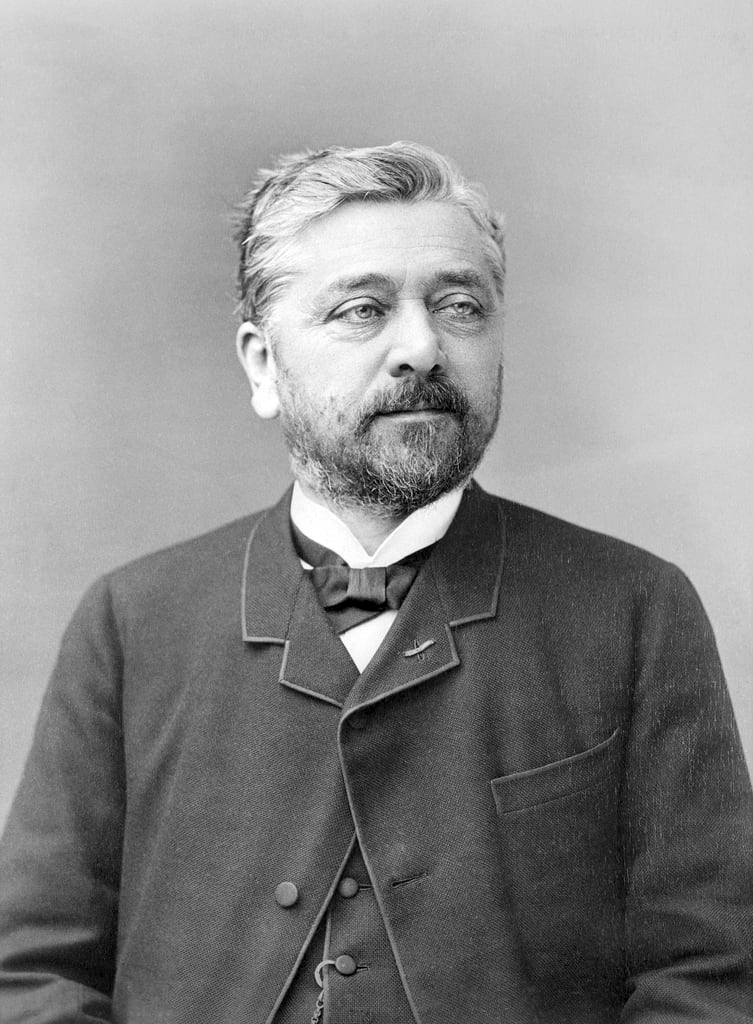
Gustave Eiffel (1832–1923)
Key works: Eiffel Tower
Why important: Symbol of iron engineering; start of metal-frame architecture.
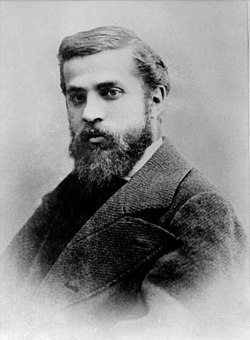
Antoni Gaudí (1852–1926)
Key works: Sagrada Família
Why important: Organic forms, Catalan Modernism.
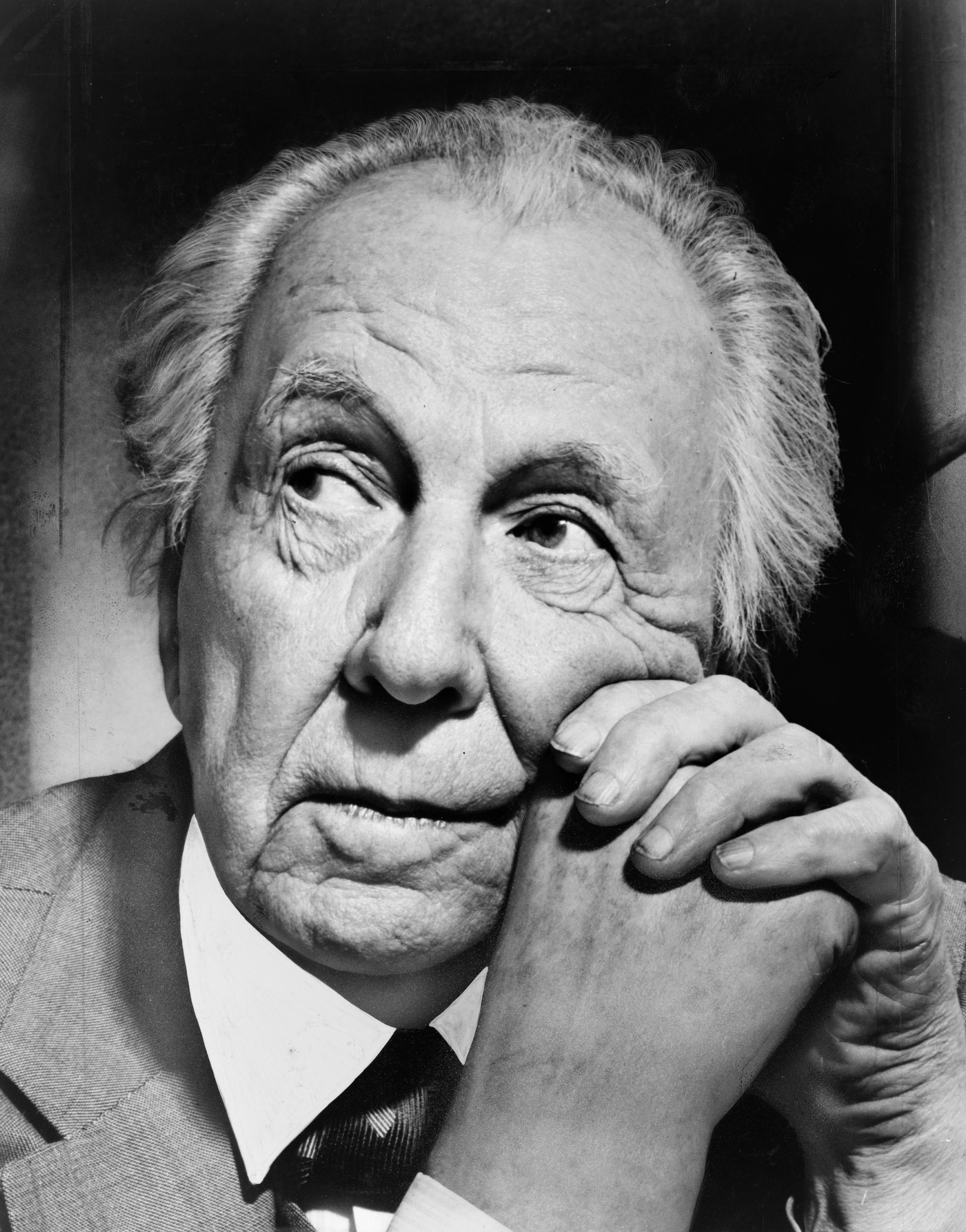
Frank Lloyd Wright (1869–1959)
Key works: Fallingwater, Robie House
Why important: Organic architecture; horizontal Prairie style.
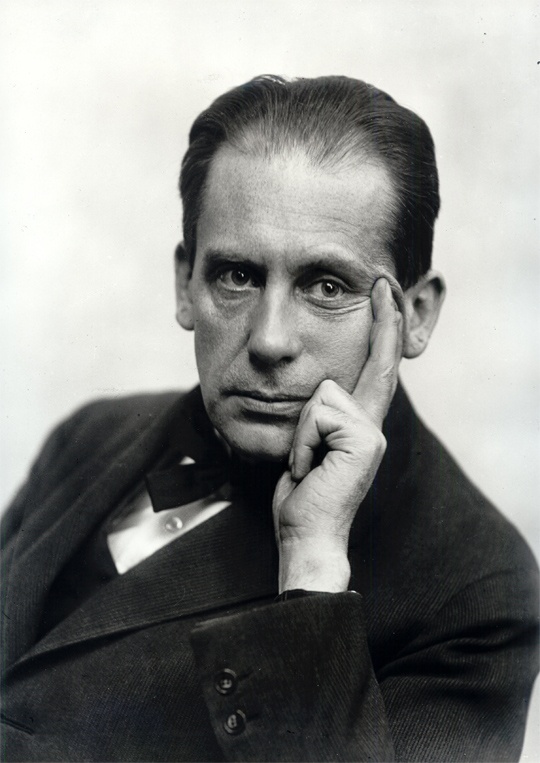
Walter Gropius (1883–1969)
Key works: Bauhaus Building
Why important: Founded Bauhaus; functionalist modernism.
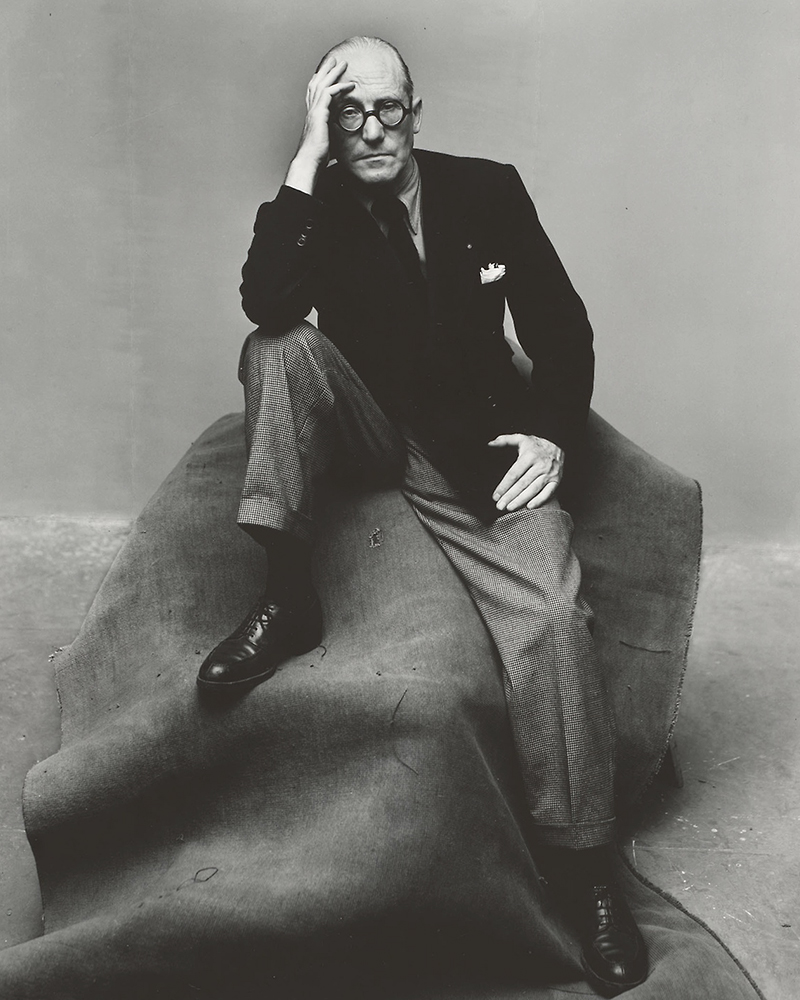
Le Corbusier (1887–1965)
Key works: Villa Savoye, Unité d’Habitation
Why important: Modernist theory; “Five Points of Architecture”; functional planning.
Five Points of Architecture:
Pilotis
Free ground plan
Free façade
Ribbon windows
Roof garden
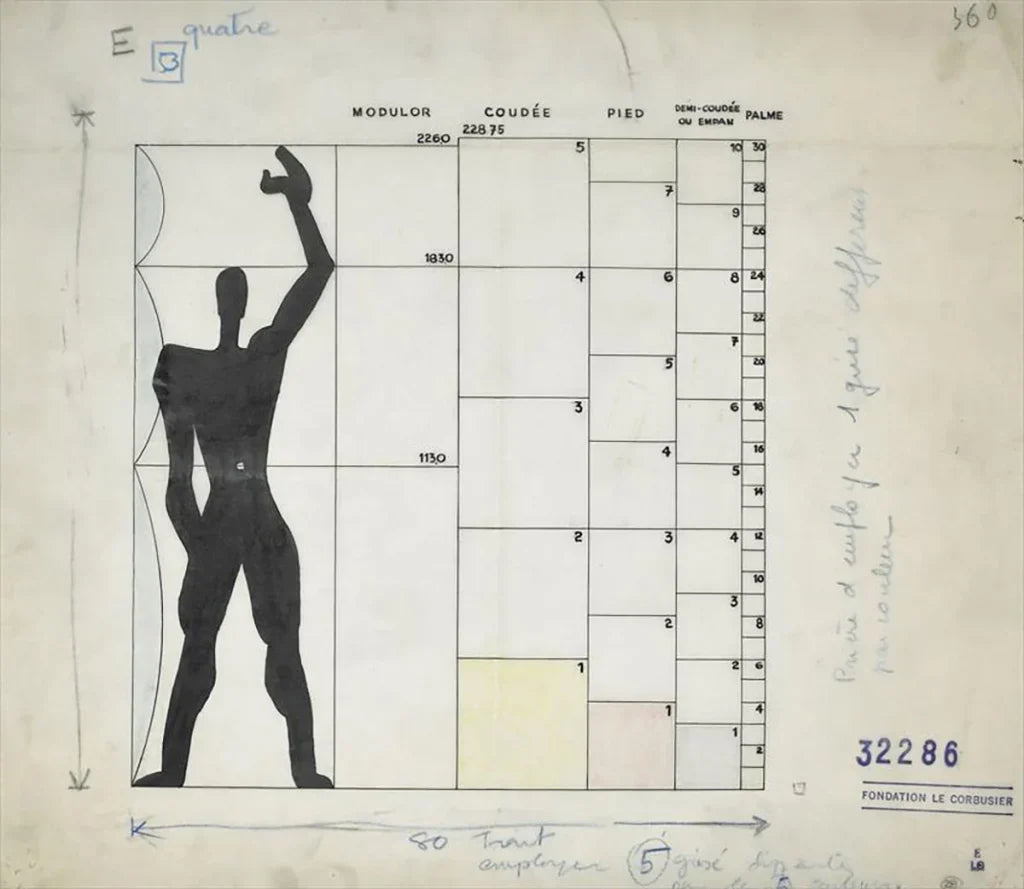
Modulor: proportional human-based system
High-rise housing as “machines for living”
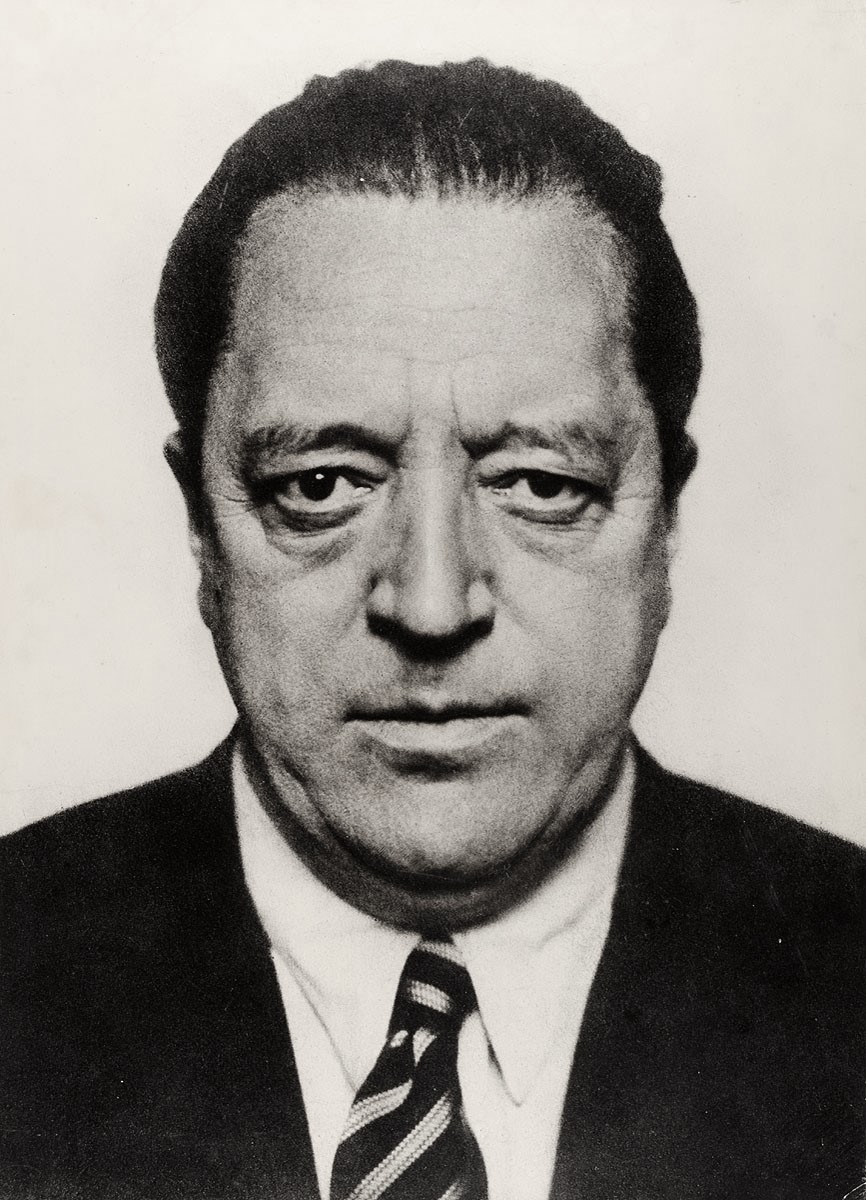
Ludwig Mies van der Rohe (1886–1969)
Key works: Barcelona Pavilion, Farnsworth House
Why important: International Style; minimalism—“Less is more.”
Universal open plans
Steel + glass architecture
Floating planes
Horizontal + transparent buildings
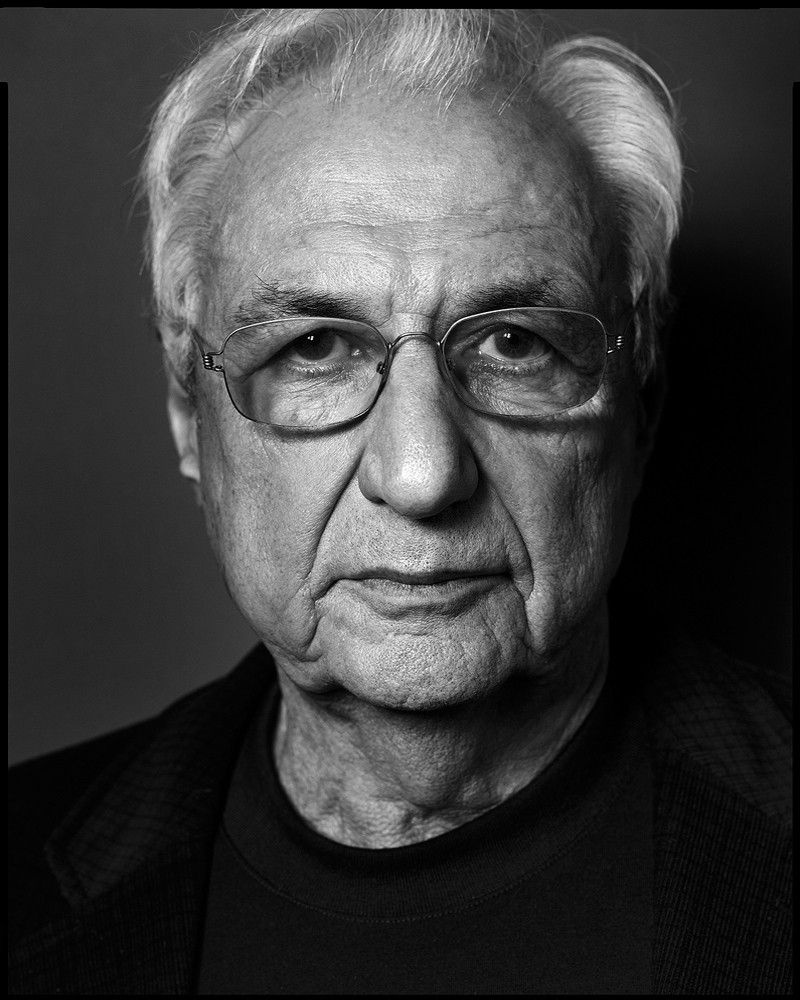
Frank Gehry (1929–2025)
Key works: Guggenheim Museum Bilbao
Why important: Deconstructivism; expressive sculptural forms.
Industrialisation - Urban changes
Massive rural → urban migration
Grid expansion and boulevards (e.g., Haussmann’s Paris)
Separation of work/live zones (early zoning)
Suburbs emerging due to trains
Infrastructure growth (railways, sewers, bridges)
New building types created my industrialisation
Railway stations
Factories
Warehouses
Department stores
Exhibition halls (e.g., Crystal Palace)
Markets with iron/glass roofs
Social housing blocks
Office buildings with early steel structures
New materials introduced my industrialisation
Iron
Steel
Reinforced concrete
Large glass panes
These enabled bigger spans → modern architecture.
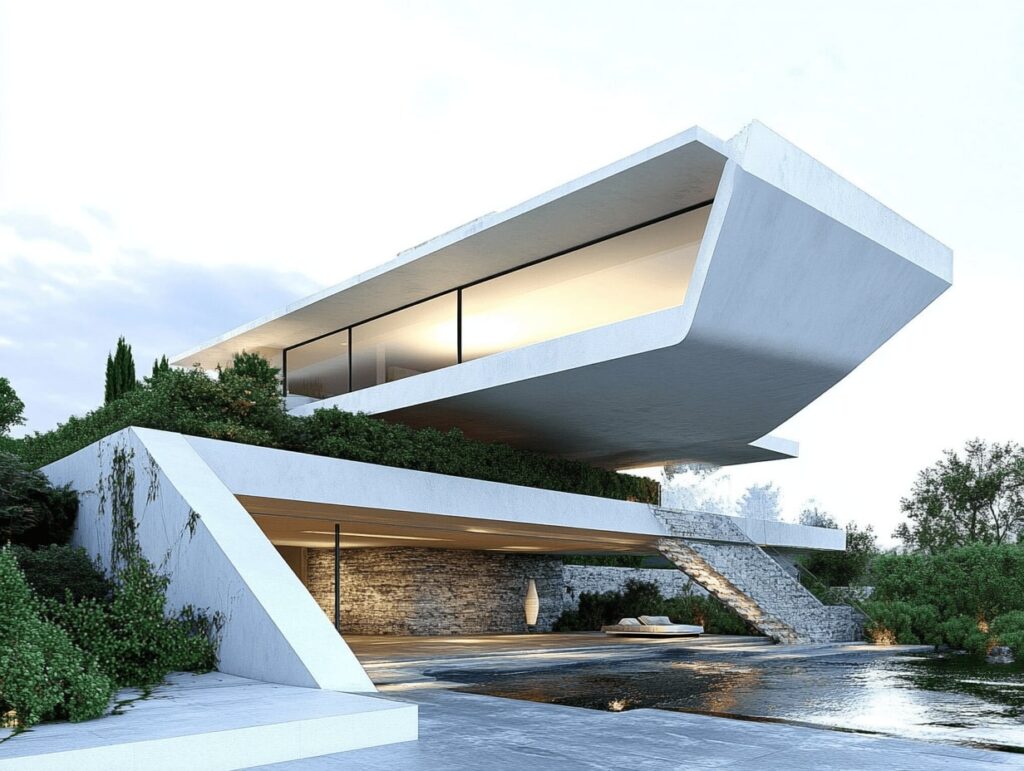
Modernism
1900-1960s
Characteristics:
Function over ornament (“form follows function”)
New materials: steel, concrete, glass
Standardization & mass production
Asymmetry and simple geometry
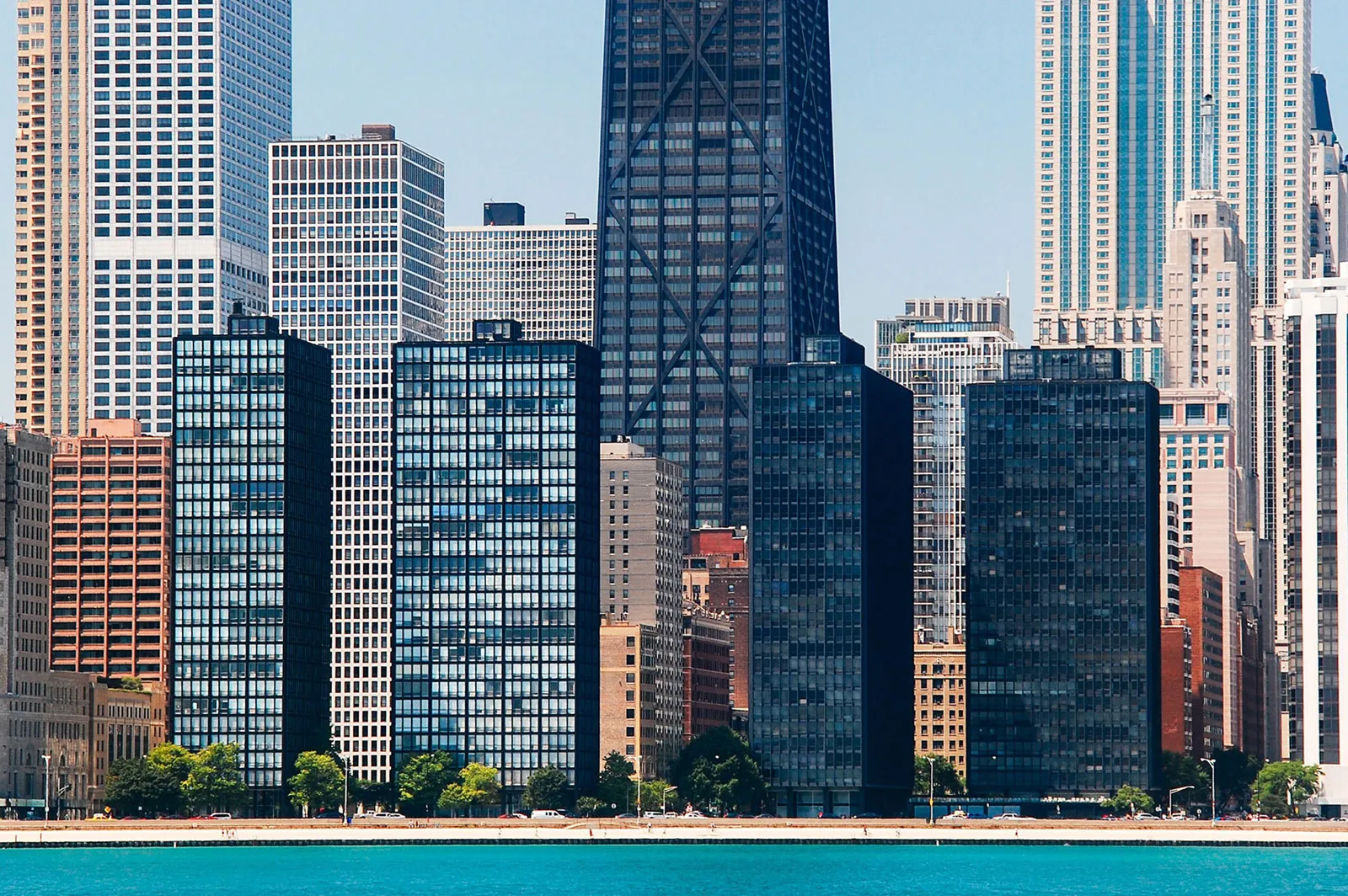
International style
(defined in 1932 MoMA exhibition)
Flat roofs
Ribbon windows
Free plan, open interior
No ornamentation
Pilotis (support columns)
Glass curtain walls
Appears the same everywhere → “international”
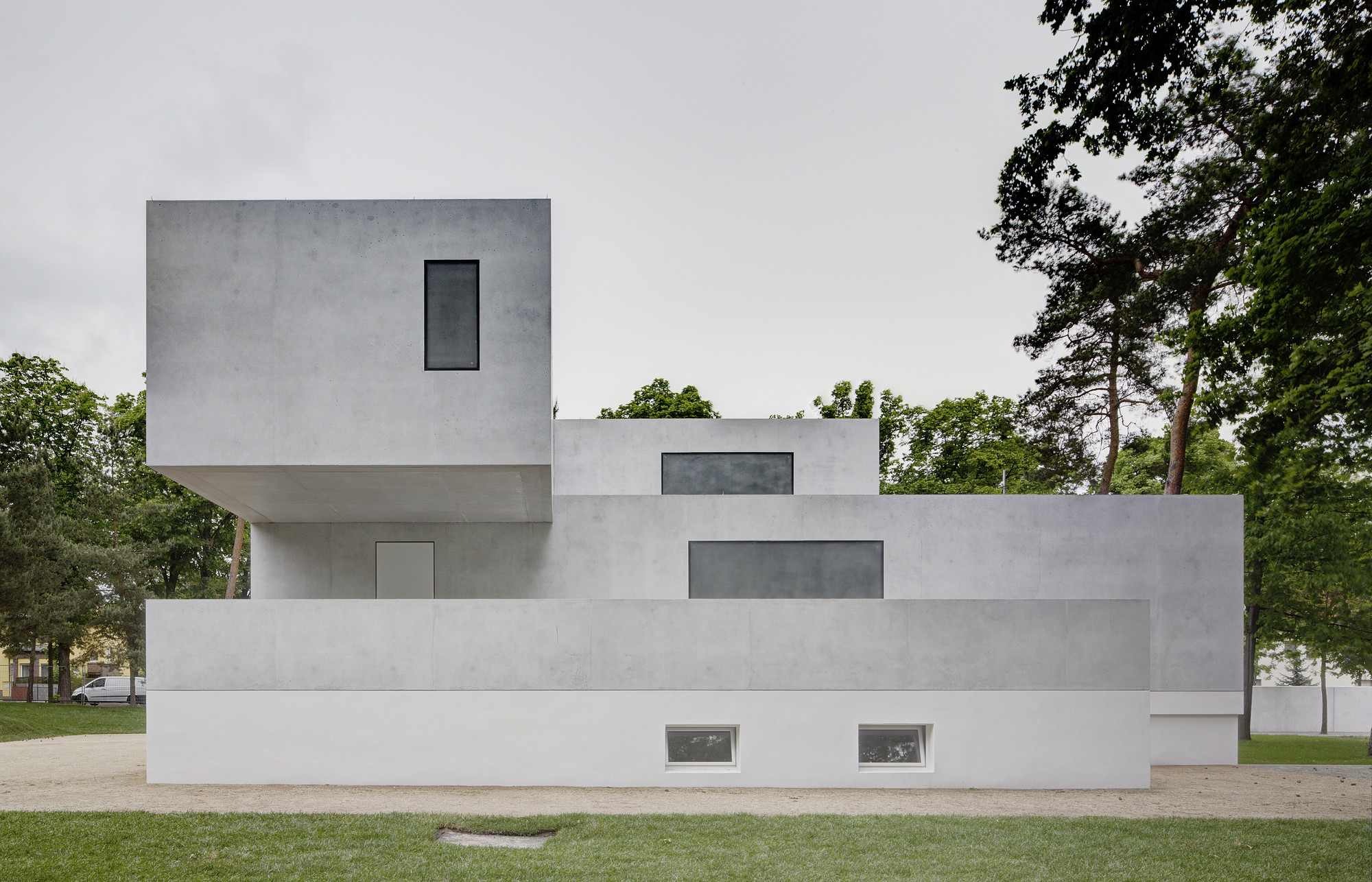
Bauhaus
Founded by Walter Gropius in 1919
Combined art, craft, and technology
Modular, geometric forms
Prefab elements
Art + architecture + design = unified
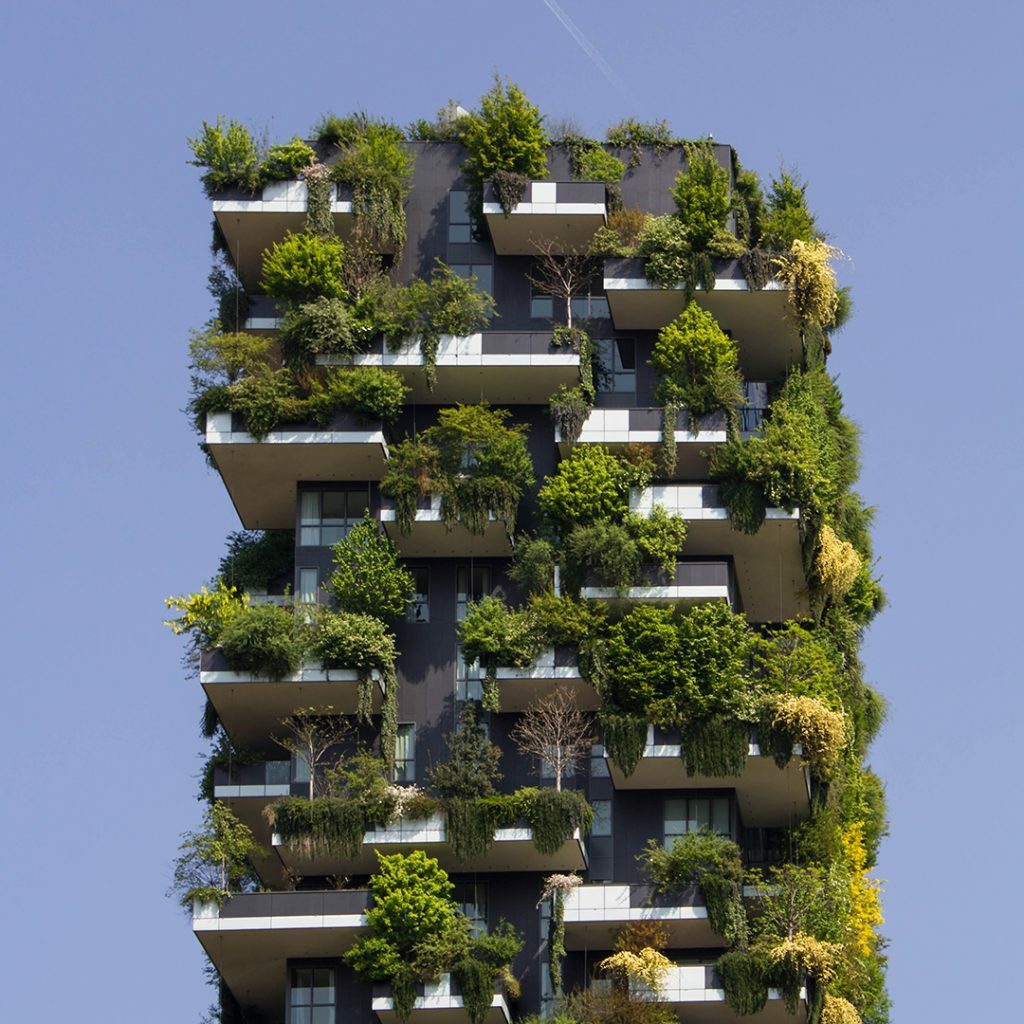
Sustainable design
Aims:
Reduce energy use
Natural ventilation & daylight
Renewable materials
Local materials
Green roofs / solar systems
Low carbon footprint
Water recycling
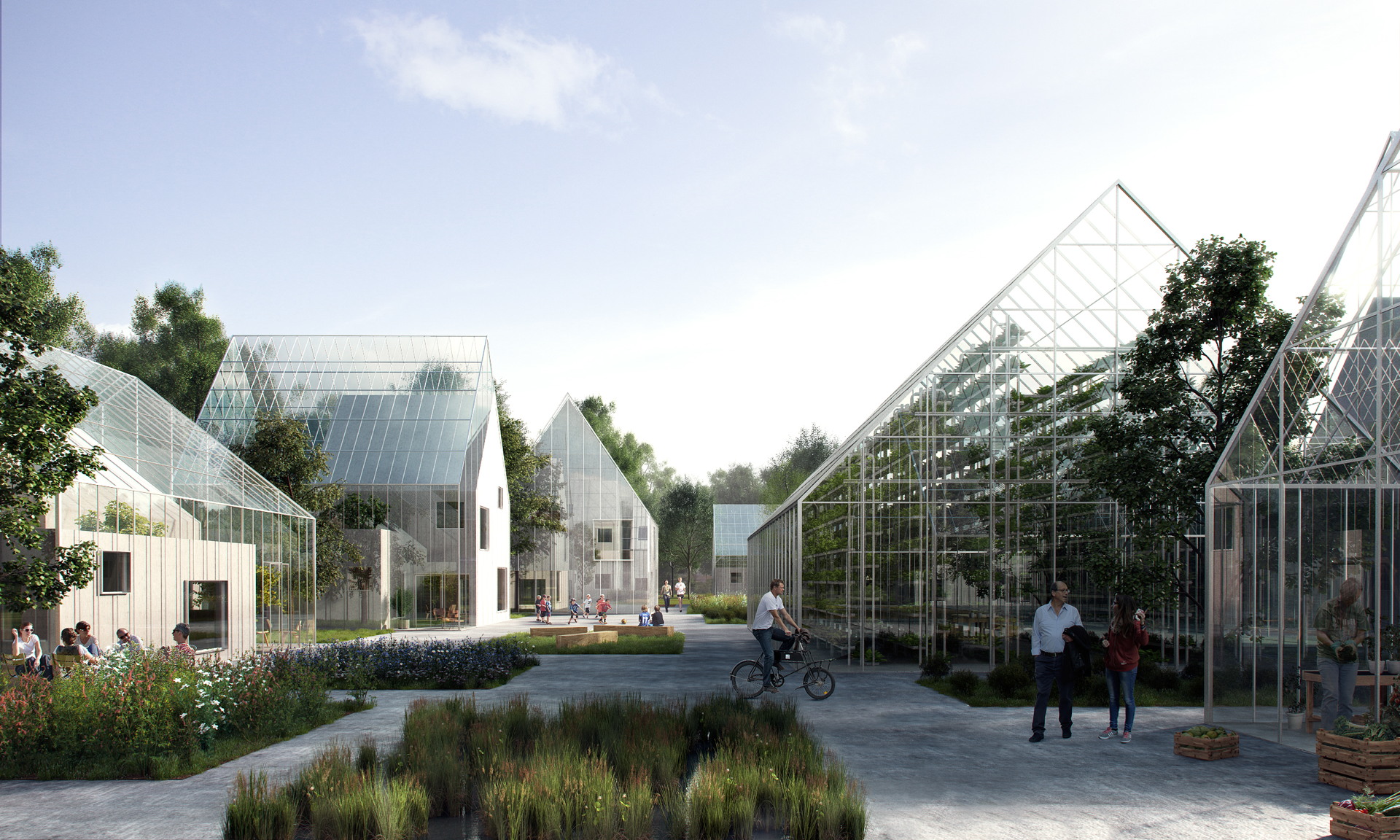
Regeneration
Redeveloping abandoned industrial areas
Improving local communities
Adaptive reuse (factories → apartments)
Heritage vs. Development
Balance between:
preserving important buildings
vs.allowing new modern development
→ Cities evaluate cultural value, environmental impact, and social benefit.
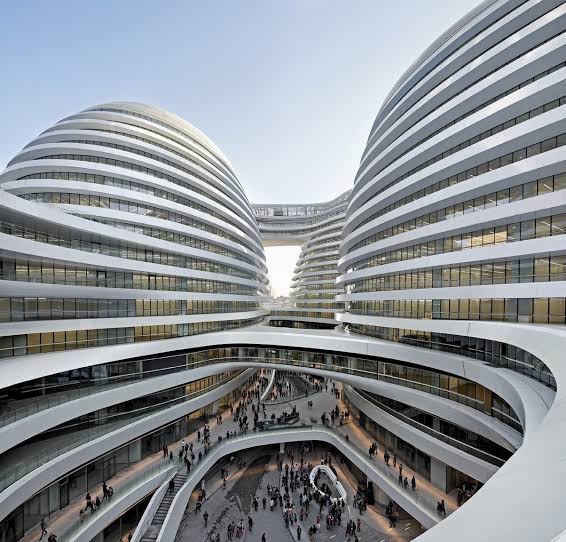
Parametricism
Zaha Hadid, Patrik Schumacher
Algorithm-based design
Fluid, dynamic forms
Non-linear geometry
Computer-generated surfaces
Used in stadiums, museums, airports.
Global architectural practices (post-2000)
Large, international firms (OMA, BIG, ZHA, Foster+Partners)
Emphasis on:
sustainability
digital design
cultural identity in globalized world
mixed-use mega-projects
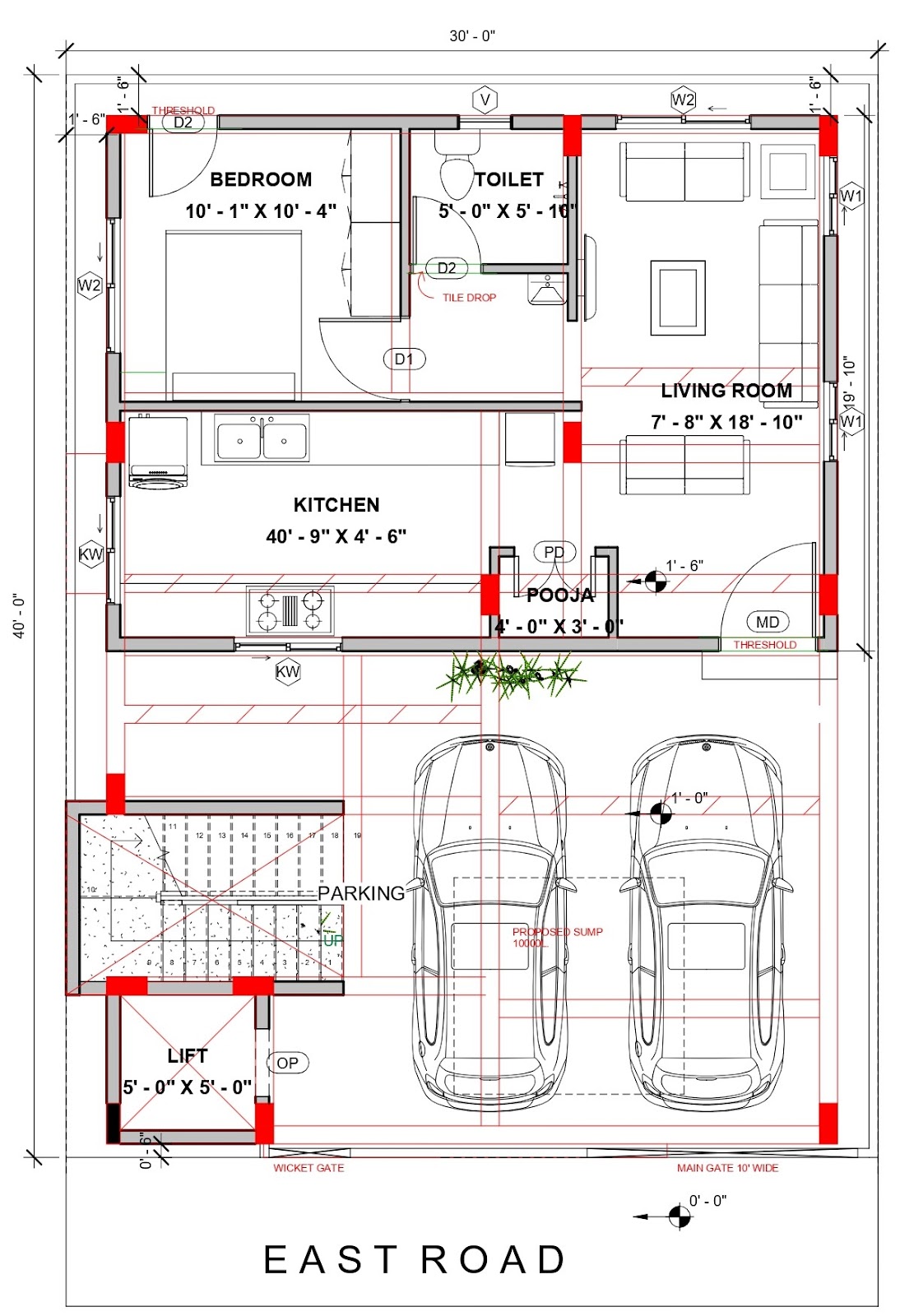
Plan
Horizontal cut of a building
Shows walls, rooms, circulation
View from above
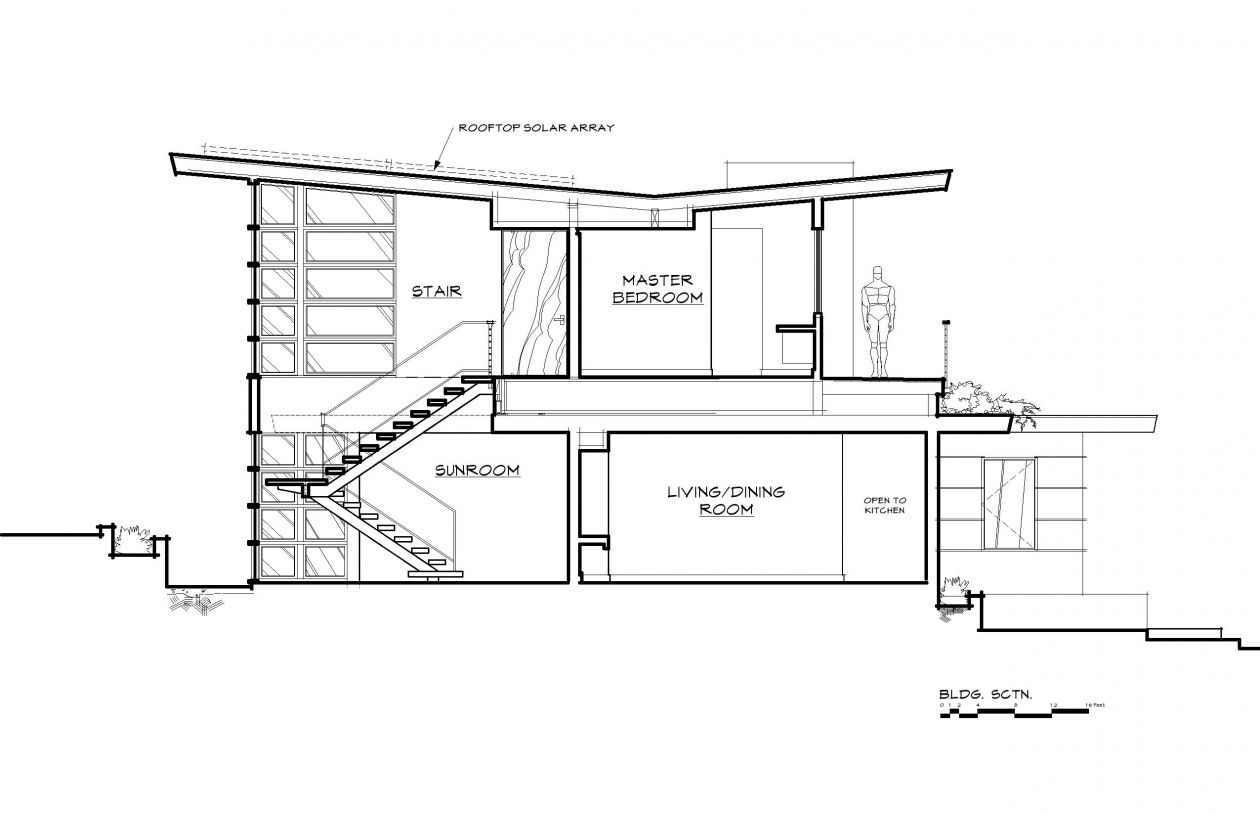
Section
Vertical cut
Shows heights, floors, structure
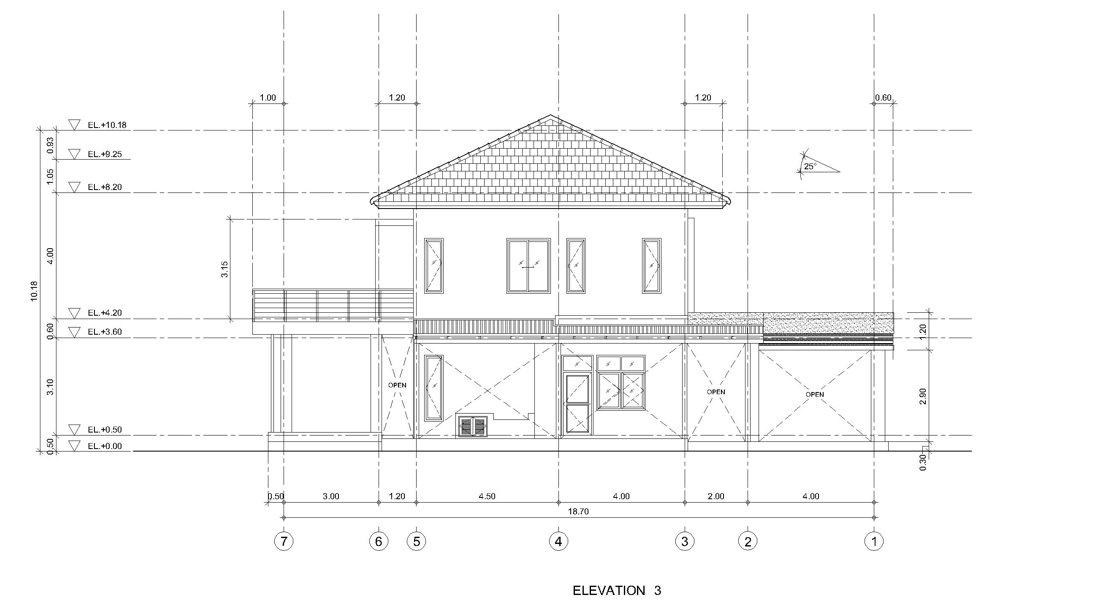
Elevation
Flat view of a building’s façade
No perspective
Shows height and vertical elements
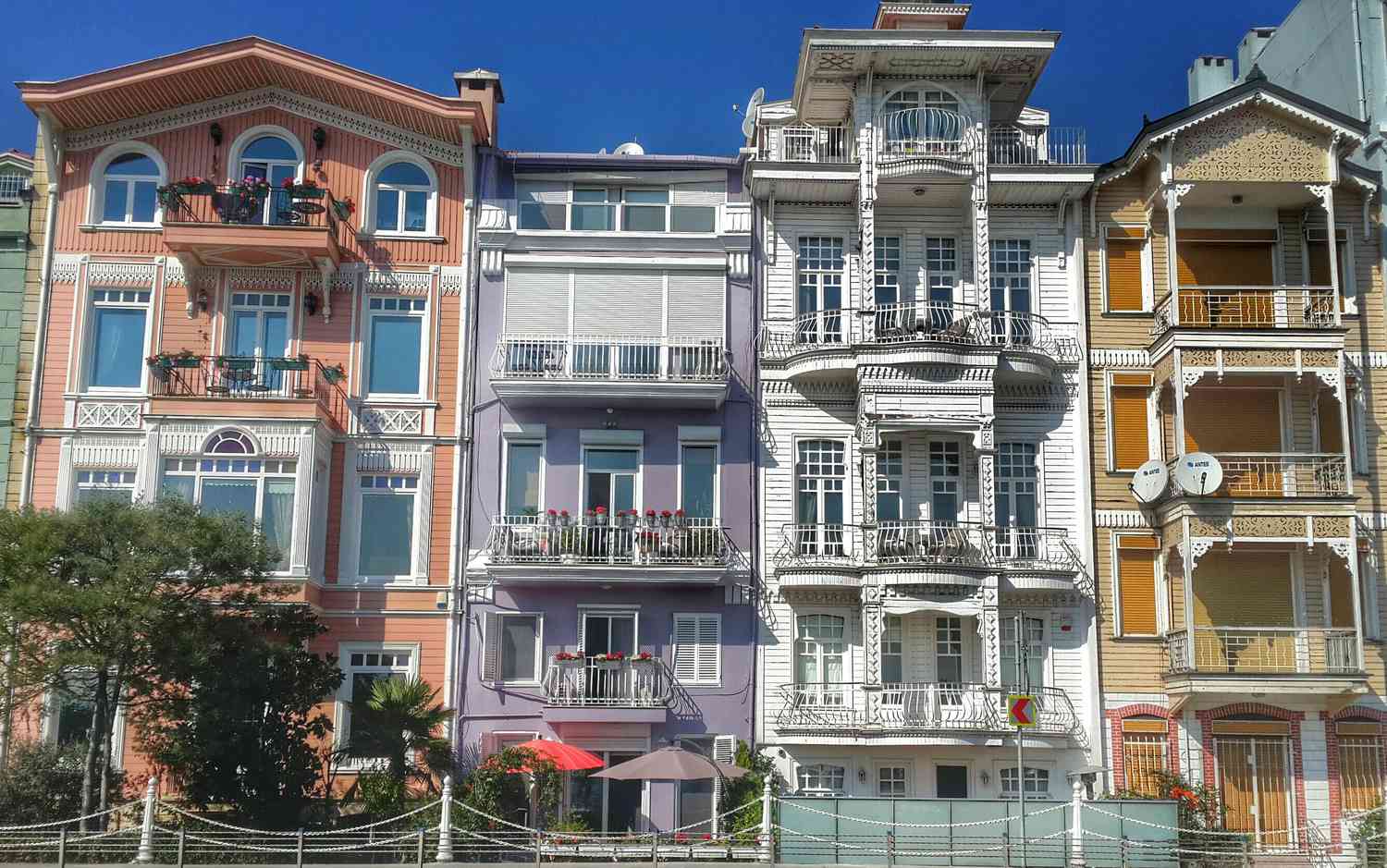
Façade
Exterior face of a building
Usually the front
Shows style, symmetry, windows
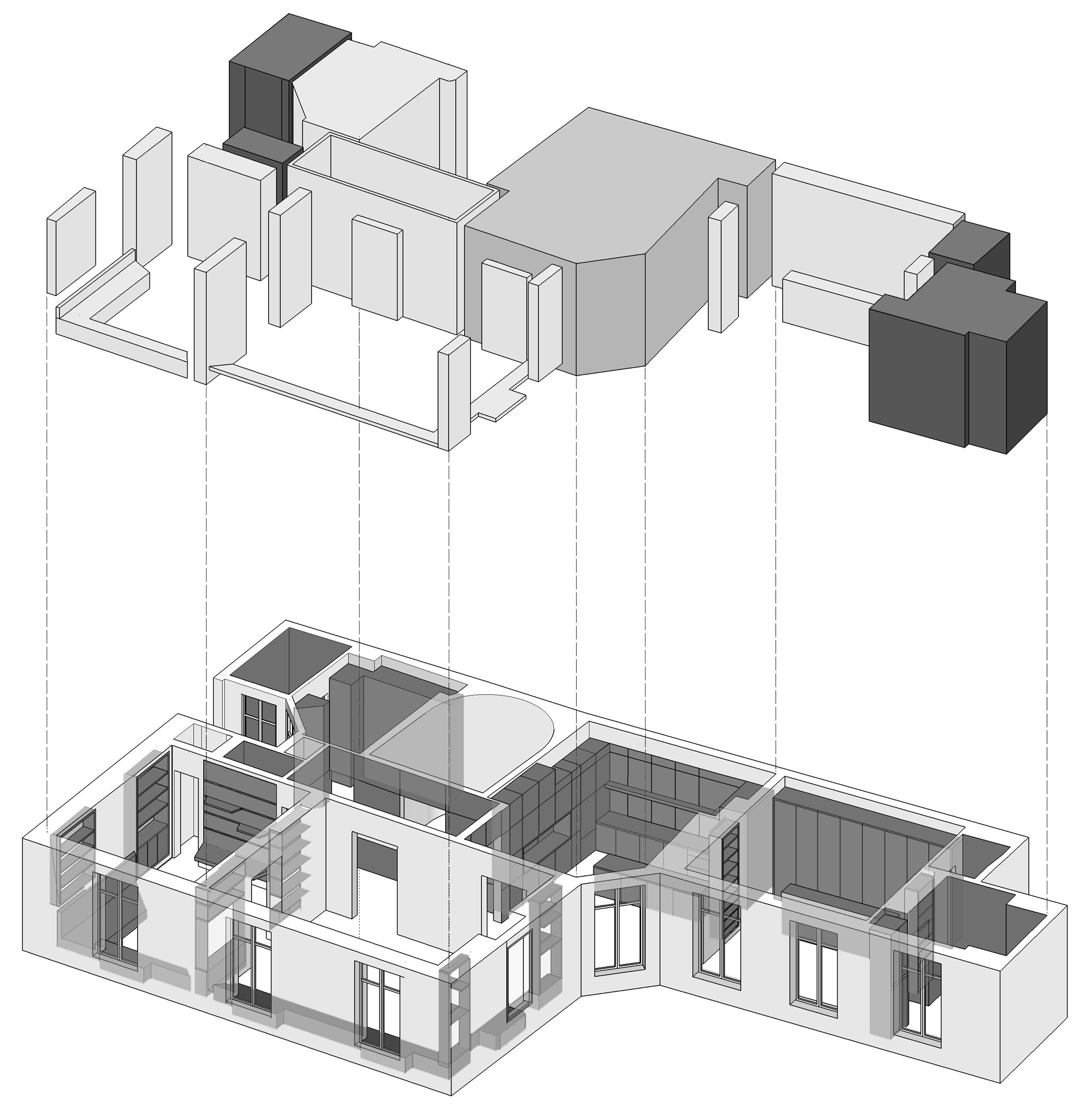
Axonometry (Axonometric drawing)
3D drawing without perspective
Parallel lines remain parallel
Types: isometric (all axis are portrayed the same), dimetric (2 of axis are same, 1 is different), trimetric (all 3 axis are portrayed differently)
Scale
Ratio of drawing size to real size
Examples: 1:100, 1:50, 1:500
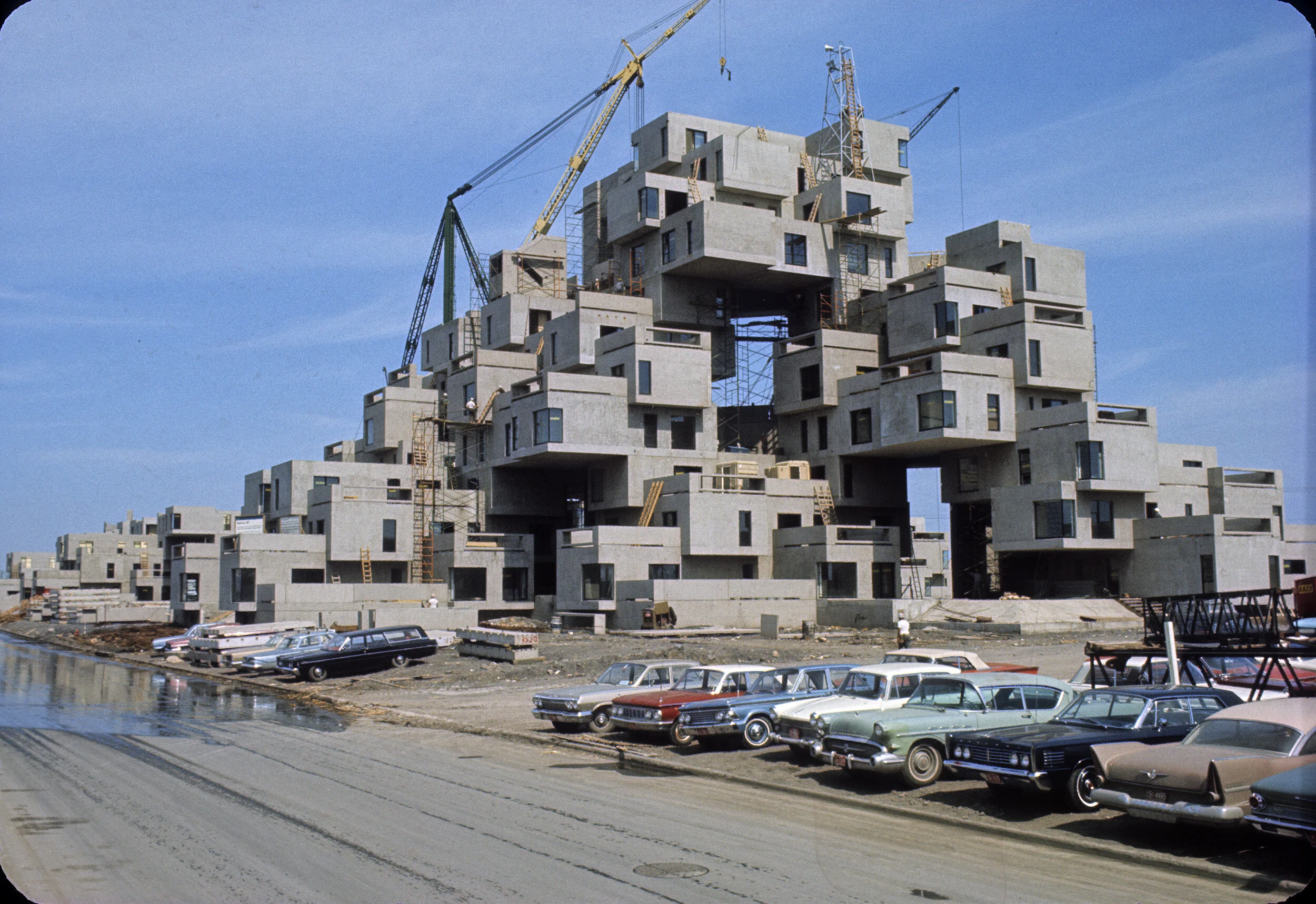
Module
Repeating unit used to structure design, basically breaking down more complex systems into smaller modules with each module containing its own logic
Le Corbusier’s Modulor is a famous example; Le Modulor is a book by architect Le Corbusier, first published in 1948, that introduces his system of anthropometric proportions based on the human body, the golden ratio, and Fibonacci numbers, intended to bring harmony to architecture and design, was followed by Le Modulor 2 in 1955, the system was famous used in his published buildings.