MGMT exam
 Call Kai
 Learn
 Practice Test
 Spaced Repetition
 Match
 Flashcards
 Knowt Play
1/82

There's no tags or description
Looks like no tags are added yet.
83 Terms
Acronym: OCEAN (personality inventories) rewrite these when time x (edit: missing a slide)
Measures what the job applicant “will do” (working style)
Five-factor model personality (Big 5 theory)
. Openness- curious, intellectual, creative, open to new ideas
Conscientiousness- organised, systematic, punctual, achievement oriented, dependable (Most ‘valid’ aspect for future job performance)
Extraversion- outgoing, talkative, punctual, achievement oriented, dependable
Agreeableness- tolerant, sensitive, trusting, kind and warm
Neuroticism/ emotional stability- being anxious, irritable, temperamental, moody

Acronym: STAR
.
S: Explain the situation
T: Task
A: Action
R: Result

S,T: your role.
A: the competency, what they’re looking for. Behaviour you took in the situation.
R: Result. Gives employers what they need/look for
Control definition:
The systematic process of regulating organisational activities to make them consistent with organisational plans, standards, and goals
Control purpose/requirements etc:
Requires information on standards and actual performance (ie, number of research publications, hours of teaching. Quantifiable.)
Regulates quality of product (eg research outlets, teaching techniques)
Encourages wanted, discourages unwanted behaviours of individuals (eg, student centred teaching practice, research benefiting nz)
Control diagram

Levels of management vs approaches to control
Top management: Organisation-wide perspective, long time frame.
Middle management: Departmental perspective, medium time frame
Lower management: Unit/individual perspective, short time frame
example: branches in a bank


Role of control
Help managers avoid problems.
Six roles.
Adapt to change and uncertainty. monitor and react to significant changes
Detect irregularities and errors
Reduce costs, increase productivity, add value. increase outputs
Detect possible opportunities.
Deal with complex situations. Enhance coordination in large orgs.
Decentralise authority and facilitate teamwork. Encourage lower-level decision making
The four step model:
Establish, measure, compare, correct.
Establish strategic standards.
-Impossible to control all of org’s activities
-Employees often resent being over controlled.
-Managers must make choices based on org. goals and objectives from planning
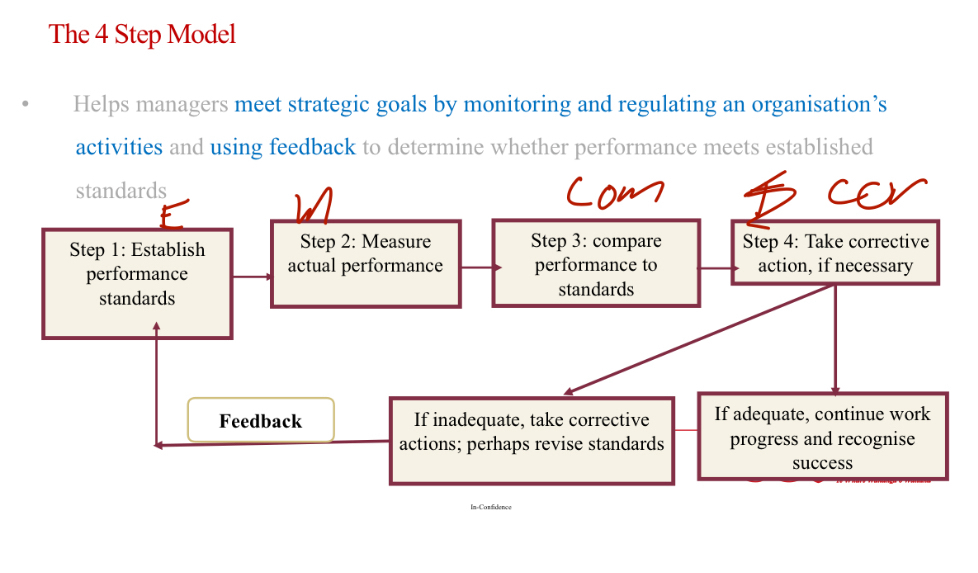
Inputs vs outputs
Seems outputs tend to be quantitative (countable), inputs qualitative (ie referring to a quality staff have)? Inputs also things such as resources.

Measuring performance
-Depends on objectives and measurement mode
Consider:
-How to measure performance
-How often to do so (related to standard)
Qualitative or quantitative?
Quantitative: units produced, profit, quality of output
Qualitative: management by wandering around
How often?
Depends on situation. Ie high risk/importance thing would need to be checked often.
Compare performance to standards.
-Compare planned vs actual
-Compared through personal observation or summarised reports
-Management by exception: Managers informed of situations only if exceptional/ deviate from standard significantly
Corrective action?
If standards met or exceeded, no. Recognition/ rewards for employees
If not met, assess why and take corrective action. Check standards and performance to see if still realistic.
Control is a…. process
Control is a dynamic process.
Standards to be checked periodically for relevance
Is cost of meeting standards worth resources?
Key to successful control.
Strategic, results oriented (still flexible though)
Timely, accurate, objective
Realistic, positive, understandable, encourage self control.
Flexible
Barriers to control success:

Control Take home messages

What is the ‘environment’ topic covering?
-Environmental uncertainty
-Task environment
-General environment
External environment:
All factors outside org that have potential to affect org.
Managers need to: monitor and respond to environment. Proactive = before, reactive = fate an event etc. External environment tends to have biggest impact
Why care?
Uncertainty= managers have insufficient info about environmental factors to be able to predict organisation needs and changes. need info to inform decisions.

high uncertainty = adapt to and influence environment
The external environment comp[onents:

General = direct effect on org.
Task environment = indirect
Task and general environment components
Task: customers, competitors, suppliers, labour market.think: involves the tasks of the org and smaller scope (?) uhhh edit this what did i mean
General: Technology, natural, socio-cultural. economic, legal/political, international

General environment: Technology
Tech: can transform but can render some goods and services obsolete.
General environment: Natural:
Orgs newquay (need??) to be aware of the value and scarcity of earths resources. consider environmental impact.
Influence (on this): consumer concerns, media pressure, govt regulation, actions of competitors
General environment: vSocio-cultural.
Demographic characteristics: distribution of pop. density, age, education level (etc). Think: traits that differ in demographic.
Norms, customs, values. Who is available to work? Where and how do they want to? Customer’s needs and wants?
Negative migration: people leaving NZ
Population aging, no. of Ppl aged over 65 increasing. new normal, not a passing anomaly
General environment: Economic.
Economic conditions/health in region org operates. EG, purchasing power, unemployment rate, interest rate, inflation, mortgage rates.
General environment: Legal/political.
National/local govt. Regulations, political activities control org behaviour. eg. health & safety legislation, employment law, etc, minimum wage amount etc
Pressure groups work in legal political environment to try and influence org behaviour. ie, climate protestors
General environment: International
Includes events in other countries, new opportunities for domestic companies abroad.
International events create threats to businesses but also opportunity.
Same business can have different results in different countries and global regions
Orgs need to think internationally. Different challenges and opportunities in diff. parts of the world.
Task environment. (Definition)
The sectors that have a direct working relationship with the organisation
Task environment. Customers.
People/ other orgs in the environment that goods or services from the org. Determine org’s success. Use of internet makes customers powerful, eg ratings, reviews etc. Threats and opportunities.
Task environment. Competitors.
Others in same industry or w/ same type of business, providing to same set of customers. Diff industries = diff competitive issues. Sometimes competitors cooperate to achieve common goals. Pitching to same customer group/market. Want biggest market share.
Task environment. Suppliers.
Provide resources. Supply chain = network of businesses/individuals connected through flow of products and services. Supply chain partners can influence: help or hinder orgs. Supply chain issues.
Task environment. Labour market.
People in environment who can be hired to work for org.
Many diff. forces can influence it, eg: unions, employee associations, skill shortages (tech change, aging workforce, skilled workers moving offshore) AI and work routine changes.
External environment trends.

Environment take home messages
Team dynamics Learning goals:
-Recognise what makes effective teams
-Explain team processes, how they impact work team effectiveness
What is a team?
-Unit of two or more people; interact + coordinate work to accomplish common goals
-Mutually accountable
-Complimentary skills
(Process of people actively working together to accomplish common goals)
Model of team effectiveness
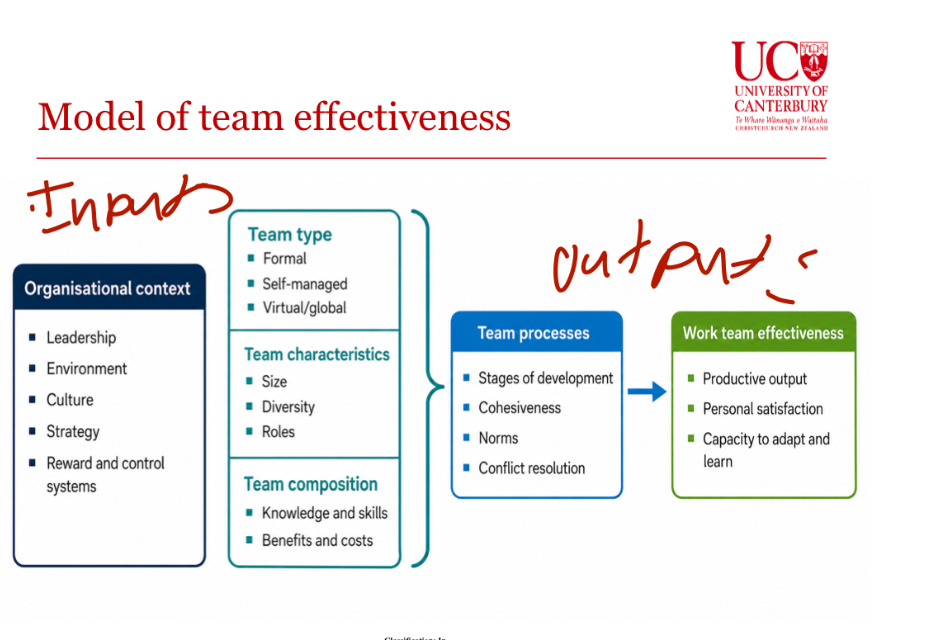

blue notes: did you learn something from that team? (outputs)
red: open systems model. if not working, can start again (until it does)
Team diversity.
Different values personalities experiences etc can create challenges
Complexity can also = idea, perspective, experience variety, adding value to problem solving and performance
Solving problems w/ initial process can take time (edit: what? i think i meant the first steps of the process)
Stages of team development

What can go wrong?
Personality conflict
Differences in work styles
Task ambiguity (what is task? how to get there?’
Conflict: types and impacts
Two types, with relation to disagreements on:
-Tasks: What are tasks, expectations, goals, etc. How to divide them up?
-Relationships: Emotional issues from feelings of distrust, personality clashes, different working styles etc.
Functional conflict:
The best teams have this
More creative/ innovative; compliments skills
Often task conflict.
Moderately intense.
Constructive; encourages work efforts, cooperation, creativity
Can prevent groupthink; provides room/voice to suggest/ put opinions forward.
Dysfunctional conflict:
Bad communication
Emotional issues
Relationship conflict
Could be low intensity (not enough discussion/communication) or high intensity (can’t stand or work with people)
Destructive/hurts task performance x
v

(NB for exam:)
What can go wrong in teams?
Personality conflict
Differences in work styles
Task ambiguity
Social loafing
Social loafing:
“Reduction in individual effort when working on a collective task compared to when working either alone or coactively.”
As group size increases, new members’ significant impact decreases
“Free rider” (Free loader) effect
Cohesiveness
Extent: members in team attracted to it and motivated to remain part of team
Cohesive team = committed to activities, go to meetings, happy when team succeeds.
Beneficial with positive performance norms (norming phase) (shared expectations; often unwritten.) Leads to a team being/having: stable, cooperative, better morale (MYSTERY WORD?
How to increase team cohesion?
Shared goals
Interaction among team members (engage w one another)
Team success.
Cohesiveness = better morale & productivity
Teams (?) take home messages

Human resource management
Goals:
Explain HRM, recruitment, selection
Evaluate benefits and drawbacks of diff selection methods (validity, reliability)
What is human resource management?
“Ensuring the org has right no. of people, with required knowledge, skills, abilities and competencies, at an affordable cost, who are motivated and committed to achieving the strategic aims of the org” (have the right people)
Activities and goals: iimage

Activities and goals: developing people
Goal: development Activities: training, performance management
Activities and goals: Identifying HR needs
Goals: HR needs
Activities: training, performance management
Activities and goals: Maintaining an effective workforce
Goal: Maintaining workforce
Activities: Wages, conditions, industrial relations, Health and Safety, career development, change management
HRM process
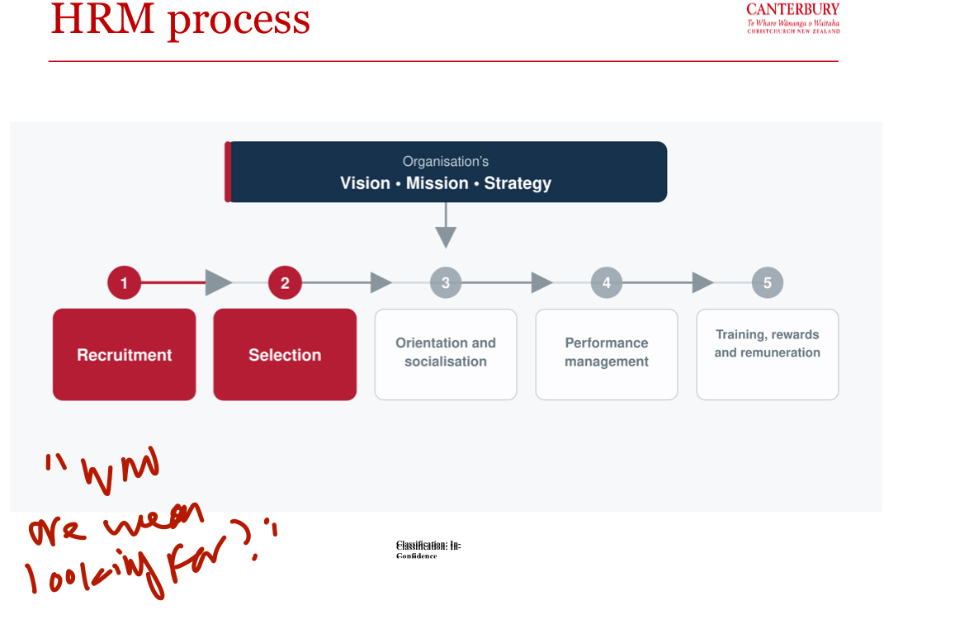
(steps one and two = who are we looking for?)
Job analysis:
To identify what work is done and competencies (knowledge, skills, abilities) needed to be successful in the role
Approaches: task (job) oriented, worker-oriented
Results in a job description and a Person specification
Recruitment:
Want applicants to know role exists.
Activities to develop a pool of qualified candidates A
Internal vs external recruitment
Should be a mutual process. (edit: what?)
Applicant reactions are important (ie, how they respond/react in interview)
Realistic job preview (RJP):
Don’t just sell best aspects of job
Provide candidates w/ all info about job and org (eg irregular hours, travel etc)
= higher retention, satisfaction
Selection:
Determine qualifications of applicants and their potential for performing well
Applicant qualified? Likely to be good performer?
Which will be better performers than others ?

Validity and reliability (for selection methods)
Validity: Extent to which method measures what it claims to measure.
Is it actually measuring what we intend to measure? Is testing method effective?
Reliability: Extent to which method is fee from error; consistency
Selection methods:
Interview: (Most common)
Serves many functions, ie, seeing applicant’s fit with org
Whanau interviewing:
Bring others to interview to speak on candidates’ behalf. (cultural reasons)
Structured: asking the same questions to all applicants, questions from job analysis
Unstructured: no fixed questions, not very valid. cannot make comparisons between candidates.
Structured often includes behavioural questions: reflections of past experiences
Employment tests


Week 8: Organisational culture learning goals
-What is meant by corporate/organisational culture?
-Ways of building leadership
-Cultural leadership
Culture definition:
Shared knowledge, values, beliefs, behaviours and ways of thinking in societies.
Orgs are social entities, representing a collection of individuals who work for a common purpose— therefore exhibit characteristics of any social entity, incl. culture.
“System of shared beliefs & values that develops within an organisation and guides the behaviour of its members”
“The way we do things around here”
Strong cultures:
-Clear, well-defined principles, values, norms
NORMS: standards of conduct that guide people’s behaviour
-Commit members to do things in best interests of organisation, reinforce these habits. (Can also be negative)
Levels of organisational culture:
-Organisational culture is good for success but is largely unseen.

Levels of org culture:
1: Visible (observable) culture
-Visible artefacts: what one sees & hears when walking around walking around an org. eg office layout, dress code.
2: Invisible (core) culture
-Core values + beliefs that influence behaviour & give rise to visible culture
-eg, innovation, social responsibility etc
Levels of corporate culture: ways to build org. culture
OBSERVEABLE:
-Stories
-Rites & rituals
-Heroes
-Symbols (language and other symbols conveying core values)

Org. Culture: Symbols
Symbol: Object, act, event conveying meaning to others. (Verbal/ non-verbal)
-”A symbol can convey information about how people relate to one another and interact with the environment”
-eg, abbreviations, jargon, dress code, company car allocations, des
Org. Culture: Stories
-Narrative, based on true events, repeated often, shared among employees
-Stories illustrate org’s visions, values
-repeated telling of stories helps employees absorb that vision, those values
-can be good or bad, ie, heroic efforts, key messages, major blunders, crisis handling
Org. Culture: Heroes
Hero: character, attributes of strong culture
-Role model
-Show how to do right thing in org
-Perform out of the ordinary deeds, not unattainable
-Includes founders, role models
Org. Culture: Rites and rituals
-Planned activities, provide examples of org values. They:
-Reinforce values
-Create bonds among people
-Provide opportunity to anoint, celebrate heroes
-Eg monthly/annual. Awards, after work drinks, birthday morning teas
Cultural leadership
A symbolic leader:
-Uses signals & symbols to influence culture
-Articulates a vision employees believe in
-Heeds day to day activities that reinforce the cultural vision
-’Walks the talk’
-Uses language metaphors
Organisational culture take home messages

typical selection process (hrm)

Validity (HRM):
Are we actually measuring what we want to measure?
business model canvas
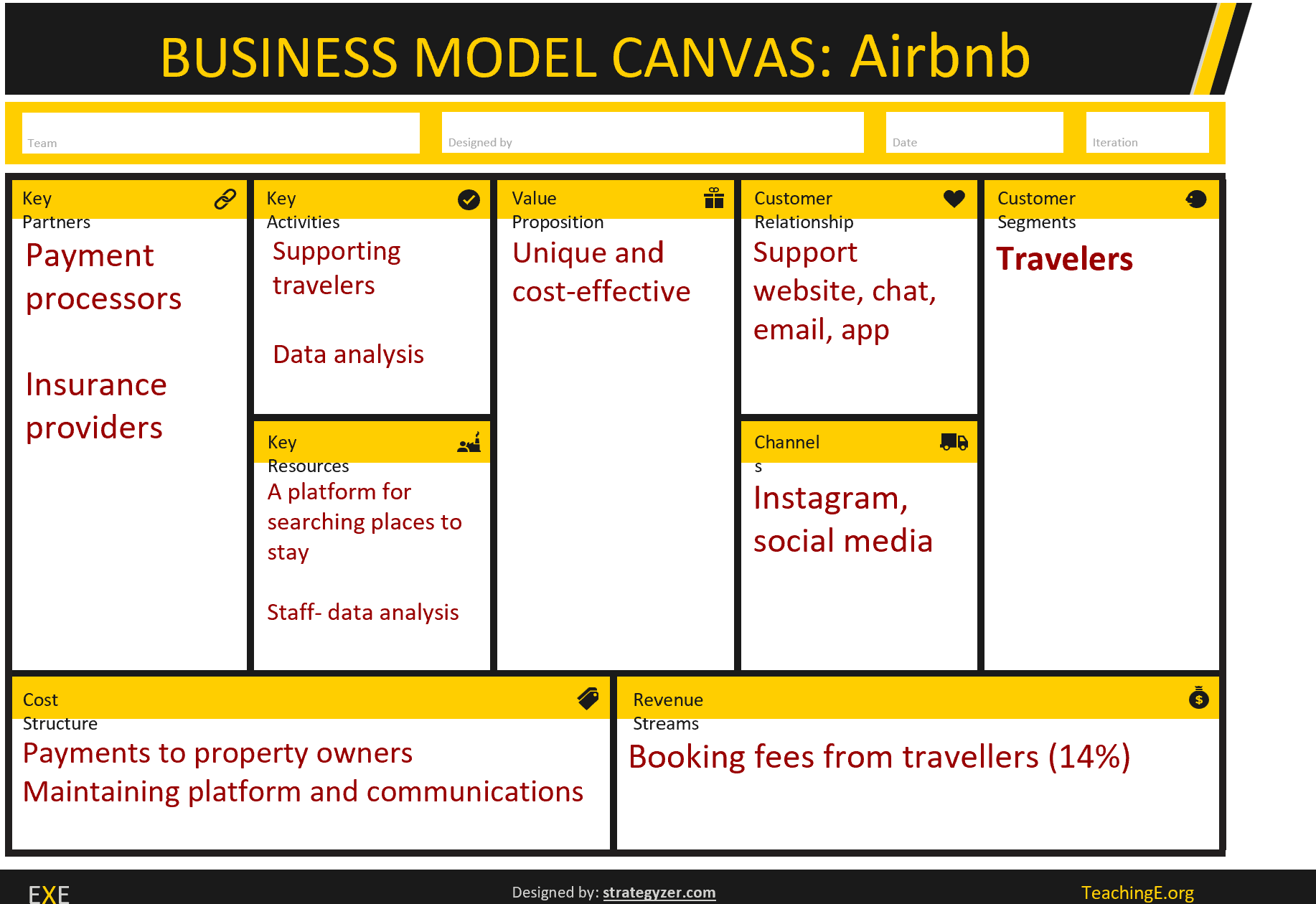

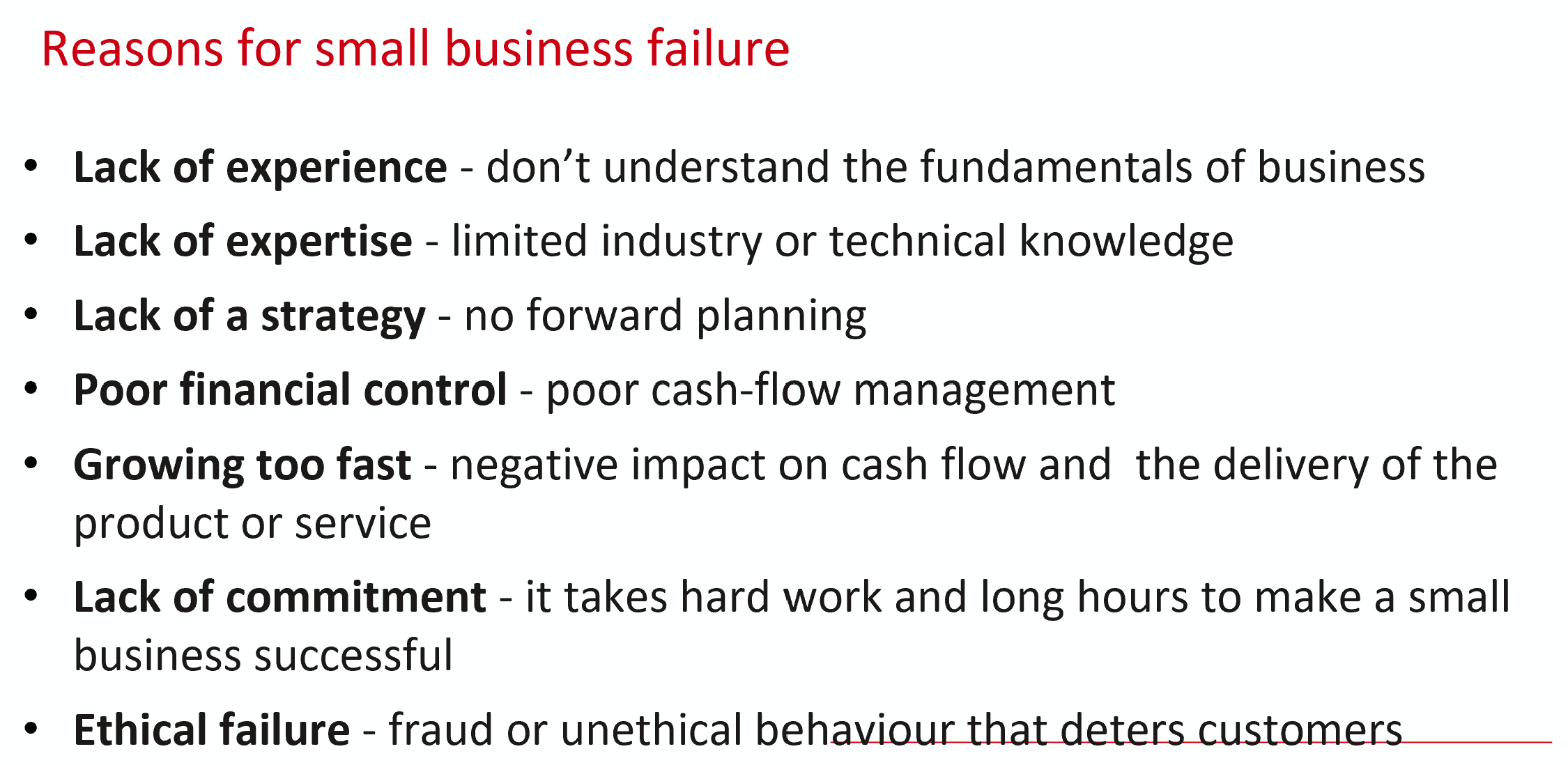
(Workshop content:) why businesses fail
Diversity goals:
-Describe primary and secondary dimensions of diversity
-Explain main dicersity issues & opportunities confronting people and orgs today
½ kiwis feel discrimination in workplace
workplaces: what do employees offer/employers give

Diversity definition:
All the ways in which people differ
Workplace diversity def:
A workforce made up of people w/ different human qualites or belong to various cultural groups
Dimensions of diversity:
Primary: Core elements through which people shape their self image and world view
Secondary: can be aquired/ changed throughout one’s lifetime
Tend to have less impact
-affect a person’s self-definition and world view
-Impact on how a person is viewed by others
Bias/issue terms and defs
Prejudice: different = deficient
Discrimination: acting on a prejudice
Stereotypes: assumptions about a group
In NZ:
Equal pay act 1972; gender: equal pay for equal work hasn’t worked
Difference in avg. earnings betw men and women in org
In NZ the pay gap is static: women 30.15 men 33.0
Equality or equity:
Should employees receive the same offerings/ resources or should they be given what they need?
Equity: oft costs less than assumed, fair outcomes may require treating people differently,
Diversity take home messages