AP psychology- Hearing
 Call Kai
 Learn
 Practice Test
 Spaced Repetition
 Match
 Flashcards
 Knowt Play
1/22

There's no tags or description
Looks like no tags are added yet.
23 Terms
sound waves
vibrations produce movement of air molecules
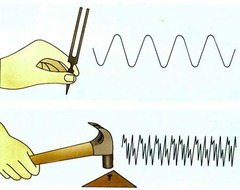
frequency
corresponds to perceptual term pitch in which sounds are described as high or low due to the change in pressure created by sound waves

short wavelength...
high frequency/pitch
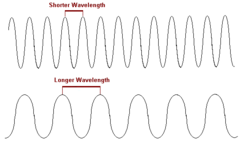
long wavelength...
low frequency/pitch

amplitude
corresponds to perceptual term loudness or volume, it is the dimension of sensory experience; is measured by the vertical length of the wave

large amplitude...
loud sound

small amplitude...
soft sound

decibels (dB)
a standard unit for measuring a sound's loudness

How many decibels causes prolonged hearing loss if heard over prolonged periods of times?
80 decibels or higher

pinna
external (visible) flaps of skin or cartilage

audiotory canal
part of the outer ear tends to tympanic membrane

eardrum/tympanic
separates outer ear from the middle ear and vibrates with receiving sounds

ossicles
the three bones in the middle ear that are set in motion by the eardrum

cochlea
part of the inner ear that contains fluid and receptors

basilar membrane
subject to pressure changes in the cochlear fluid

hair cells
belong to organ of conti which is triggered by fluid movement

place theory
differences in pitch result from stimulation/vibration of different areas of the basilar membrane.

frequency theory
differences in pitch are due to create of neural impulses traveling up the auditory nerve

We localize sound because....
We have two ears, and sounds reach one ear faster than the other
it is hard to identify sounds from which directions?
in front, behind, above, or below (you hear it at the same time/intensity)

conduction hearing loss
hearing loss caused by damage to the mechanical system that conducts sound waves to the cochlea

sensorineural hearing loss
hearing loss caused by damage to the cochlea's receptor cells or to the auditory nerve, also called nerve deafness

Oval Window
membrane at the enterance to the cochlea through which the ossicles transmit vibrations
