AGD: Basic Principles of the Constitution WB
 Call Kai
 Learn
 Practice Test
 Spaced Repetition
 Match
 Flashcards
1/21

There's no tags or description
Looks like no tags are added yet.
22 Terms
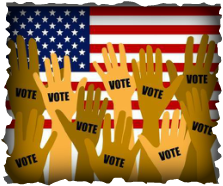
popular sovereignty
The idea that the people hold the power in government.

election
A process where people vote to choose leaders.

ballot
A paper or digital form used to cast a vote.

petition
A written request signed by many people asking the government to make a change.

vote
A formal choice made in an election.

citizens
Members of a country with rights and responsibilities.

limited government
A government whose power is restricted by laws or a constitution.
rule of law
The rule that everyone, including leaders, must follow the law.
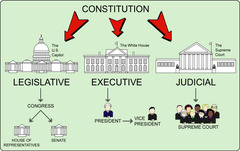
separation of powers
Dividing government power into different branches to prevent any one branch from having too much power.

legislative branch
The branch of government that makes laws.

executive branch
The branch of government that carries out and enforces laws.

judicial branch
The branch of government that interprets laws and decides what they mean.
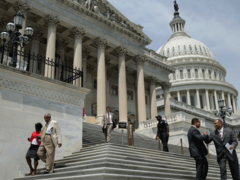
Congress
The group that makes laws, consisting of the Senate and the House of Representatives.

President
The leader of the executive branch and the head of the country.

Supreme Court
The highest court in the United States.
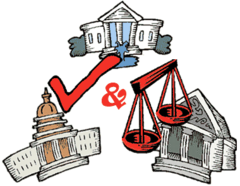
checks and balances
A system where each branch of government can limit the power of the other branches.

judicial review
The power of the courts to decide if laws or actions follow the Constitution.
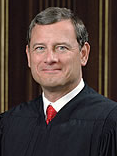
chief justice
The head judge of the Supreme Court.

senator
An elected official who represents a state in the Senate.

representative
An elected official who represents a specific district in the House of Representatives.

unconstitutional
Not allowed by the Constitution.
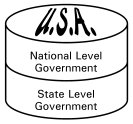
federalism
A system where power is shared between the national and state governments.