lll
 Call Kai
 Learn
 Practice Test
 Spaced Repetition
 Match
 Flashcards
 Knowt Play
1/54

There's no tags or description
Looks like no tags are added yet.
55 Terms
imperial diet
a political assembly in the Holy Roman Empire where rulers and representatives met to discuss laws, taxes, and important government decisions.

Giovanni Bellini, Altarpiece, c. 1487, oil on panel

Albrecht Dürer, Self Portrait, 1500, oil on panel
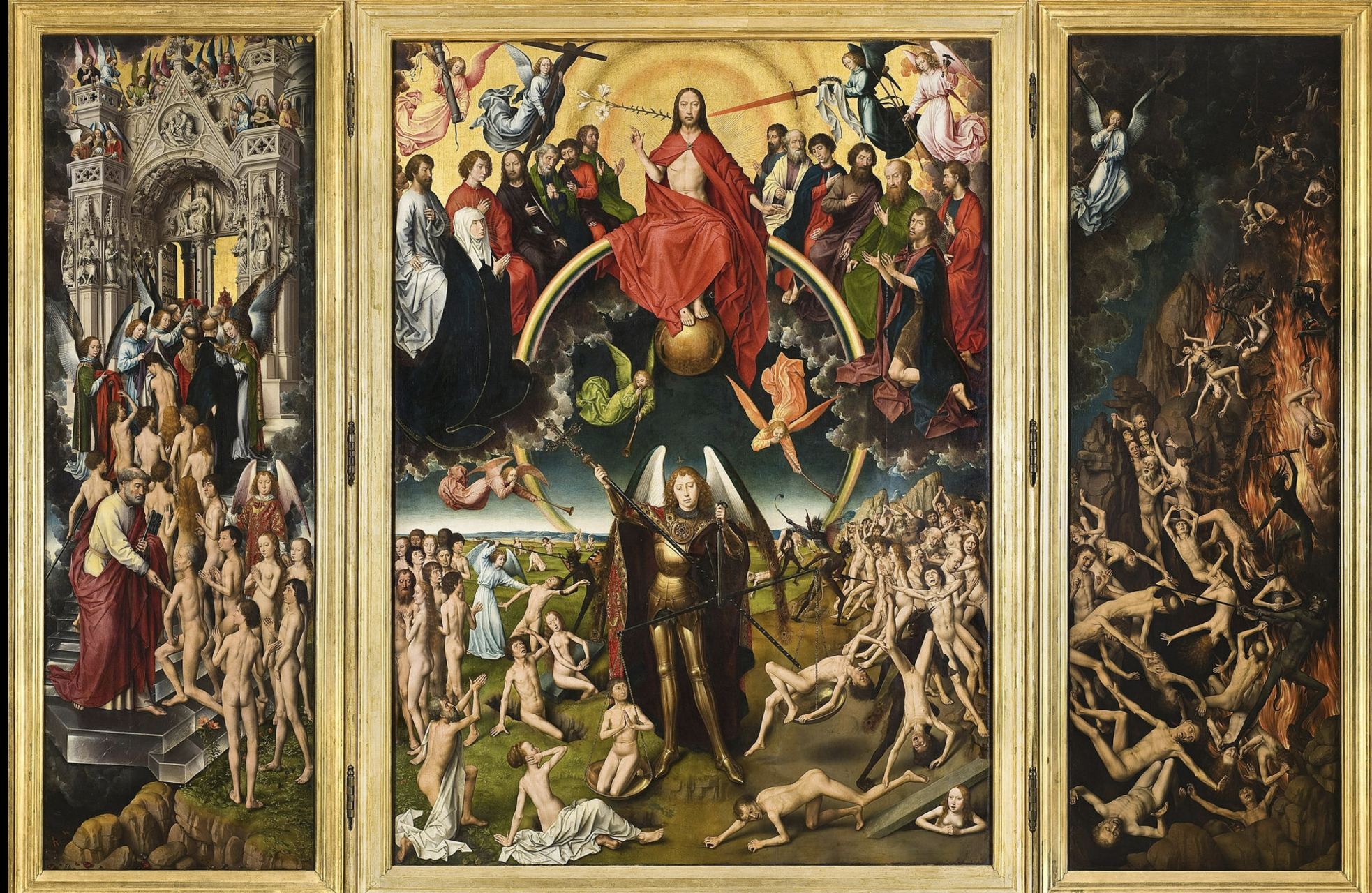
Hans Memling, The Last Judgement, c. late 1460s

Albrecht Dürer, The Four Horsemen, 1498

Albrecht Dürer, Melencolia, 1514
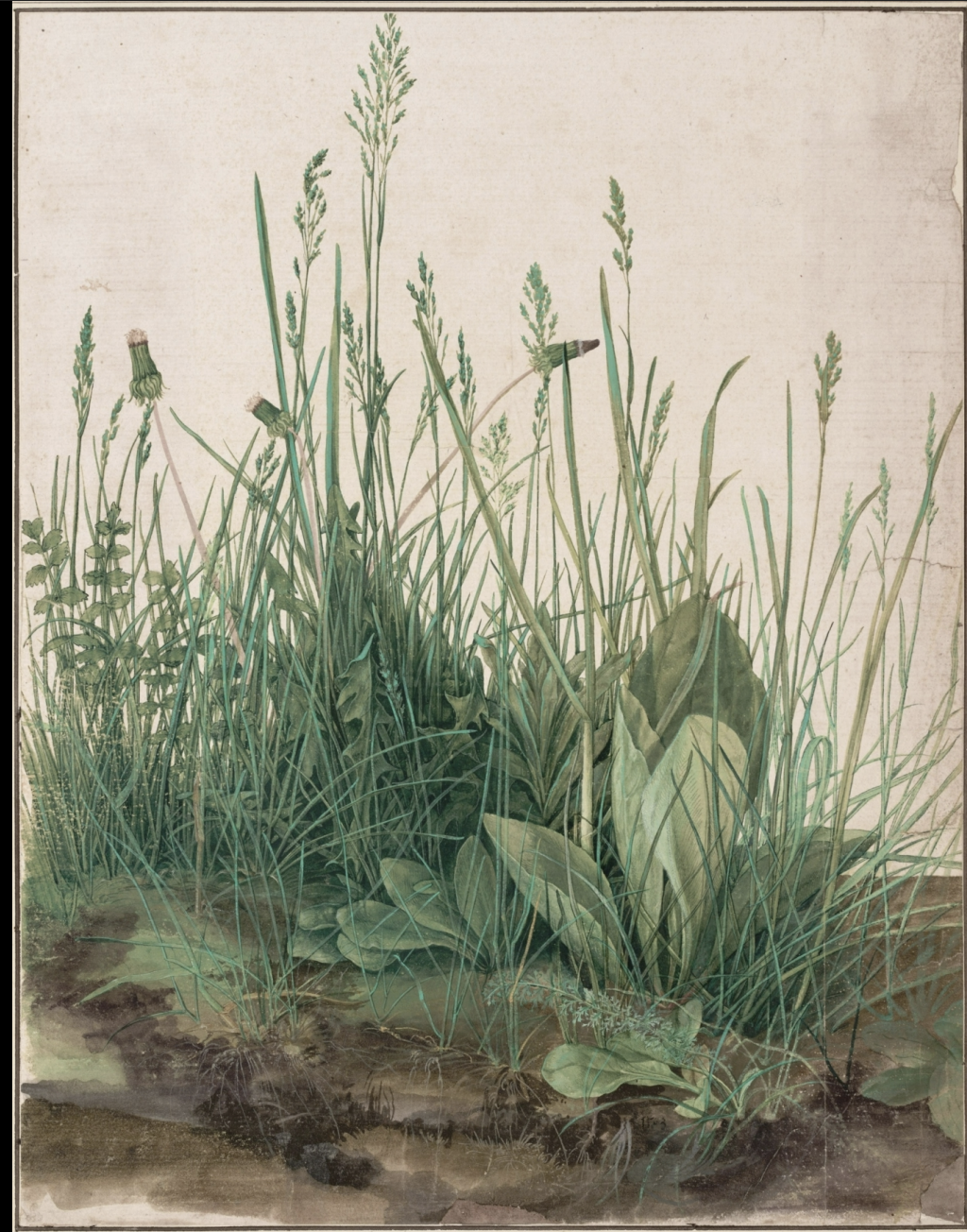
Albrecht Dürer, Large Piece of Turf, 1503

Workshop of Robert Campin,
Naturalism
a true-to-life style which involves the representation of nature
Cabinet of curiosity
rooms or cabinets designed to house and display the ‘wonders’ of the world
Life casting
the practice of making sculptures using molds taken from real-life plants and animals

Wenzel Jamnitzer, Writing box, 1560

Hans Holbein, The Ambassadors, 1533. oil on oak
Foreshortening
an art technique that makes objects or body parts appear shorter to create the illusion of depth and distance.
Anamorphic Image
a distorted image that looks normal when viewed from a specific angle or with a special mirror.
Memento Mori
an art theme that reminds people that death is inevitable and life is temporary.

Hans Holbein, Portrait of Henry VIII, 1537, oil on panel
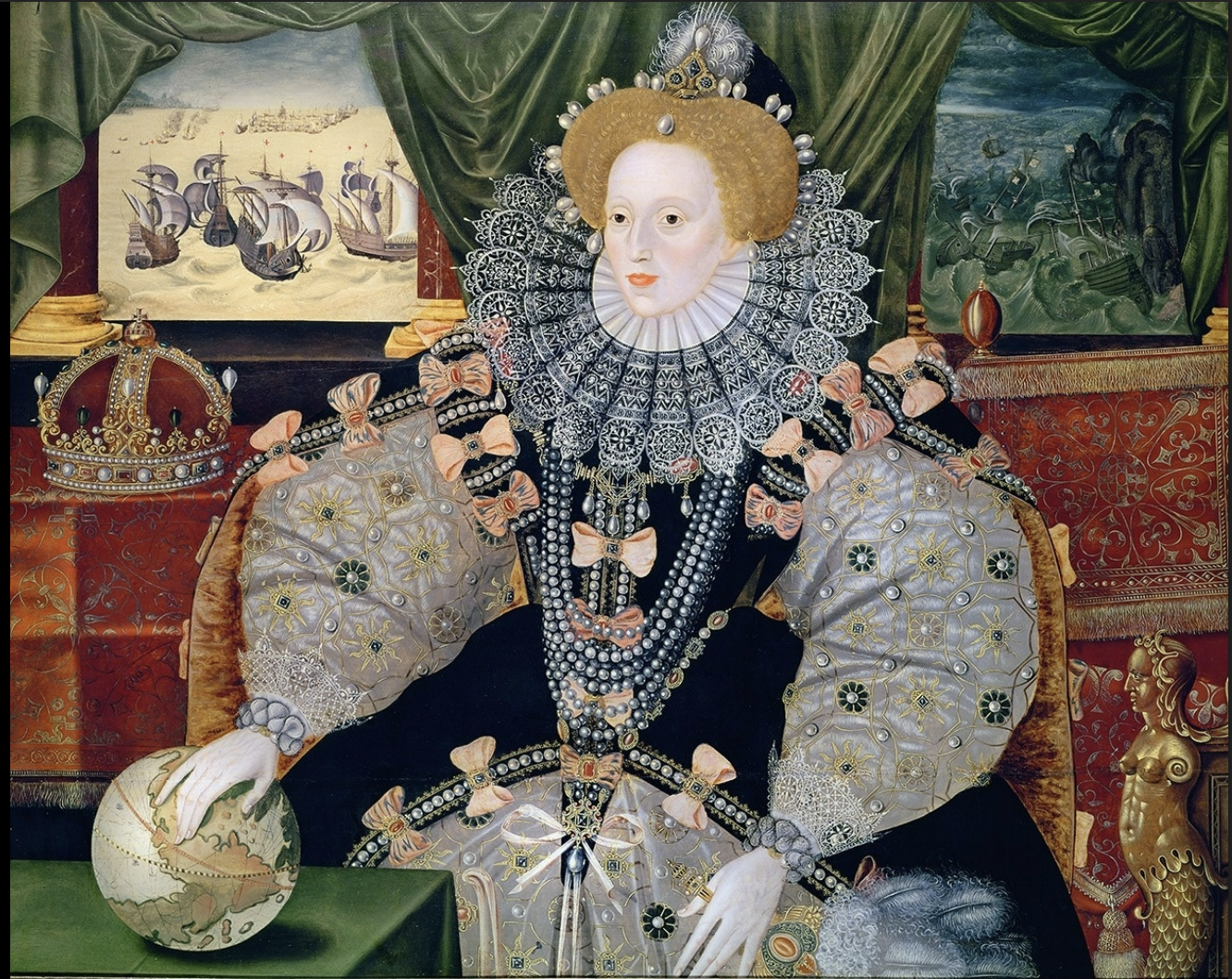
George Gower, The Armada Portrait , 1588, oil on panel,

Unknown English artist, Queen Elizabeth I, c.1600
Limning
painting on a miniature scale in watercolour
Hatching
shading with closely drawn parallel lines.
Mask of Youth
Images of Elizabeth I that adopted an image of ageless beauty.

The Drake Jewel, Portrait of Elizabeth I by Nicholas Hilliard,
Divine Right of Kings
the belief that a king’s power comes directly from God, not from the people.
Absolutism
a system of government where a king or ruler holds unlimited power and authority.

Inigo Jones, Banqueting House, 1620

Titian, Venus of Urbino, 1538
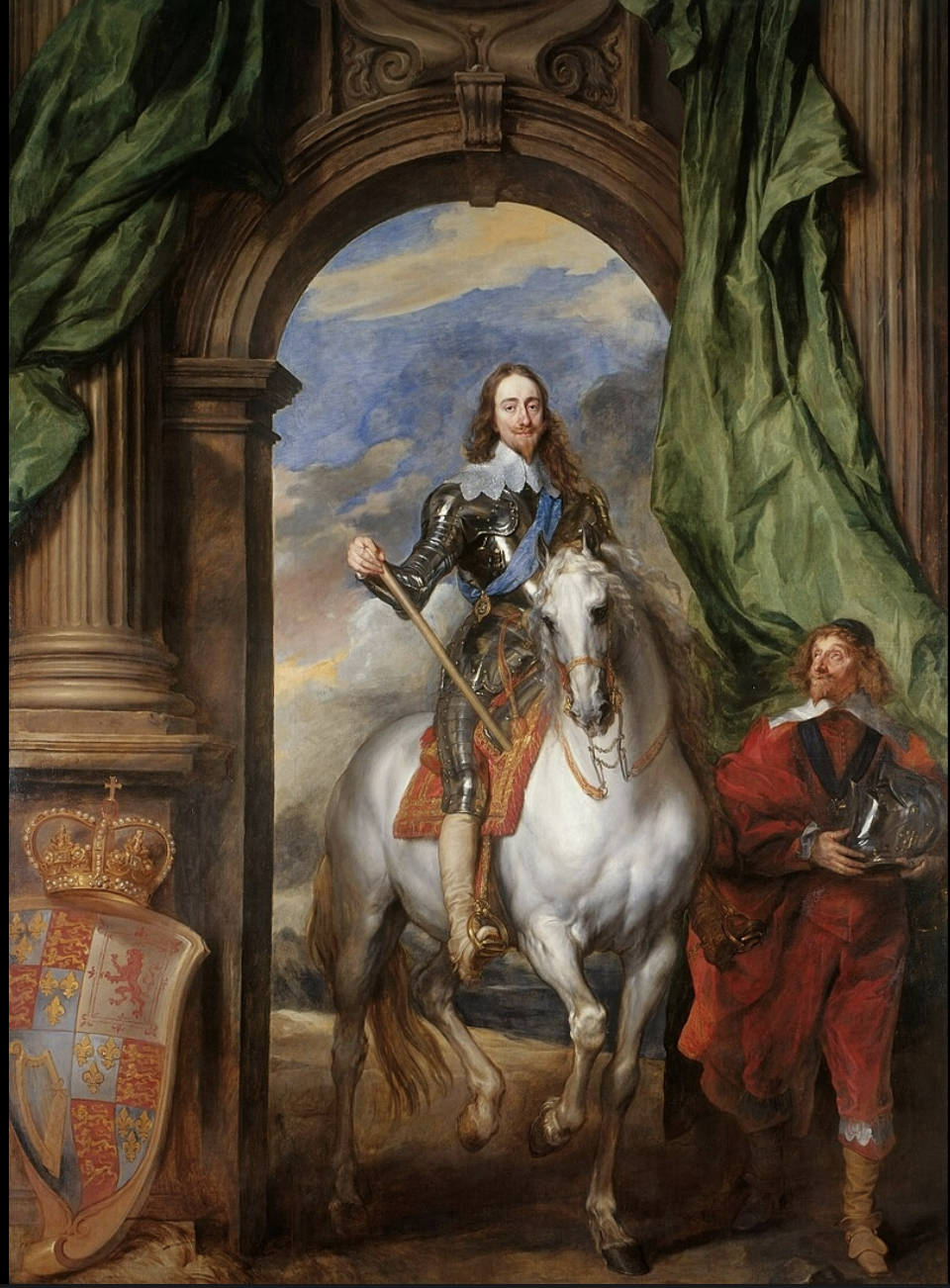
Anthony van Dyck, Charles I, 1630

Anthony van Dyck, Queen Henrietta, 1640
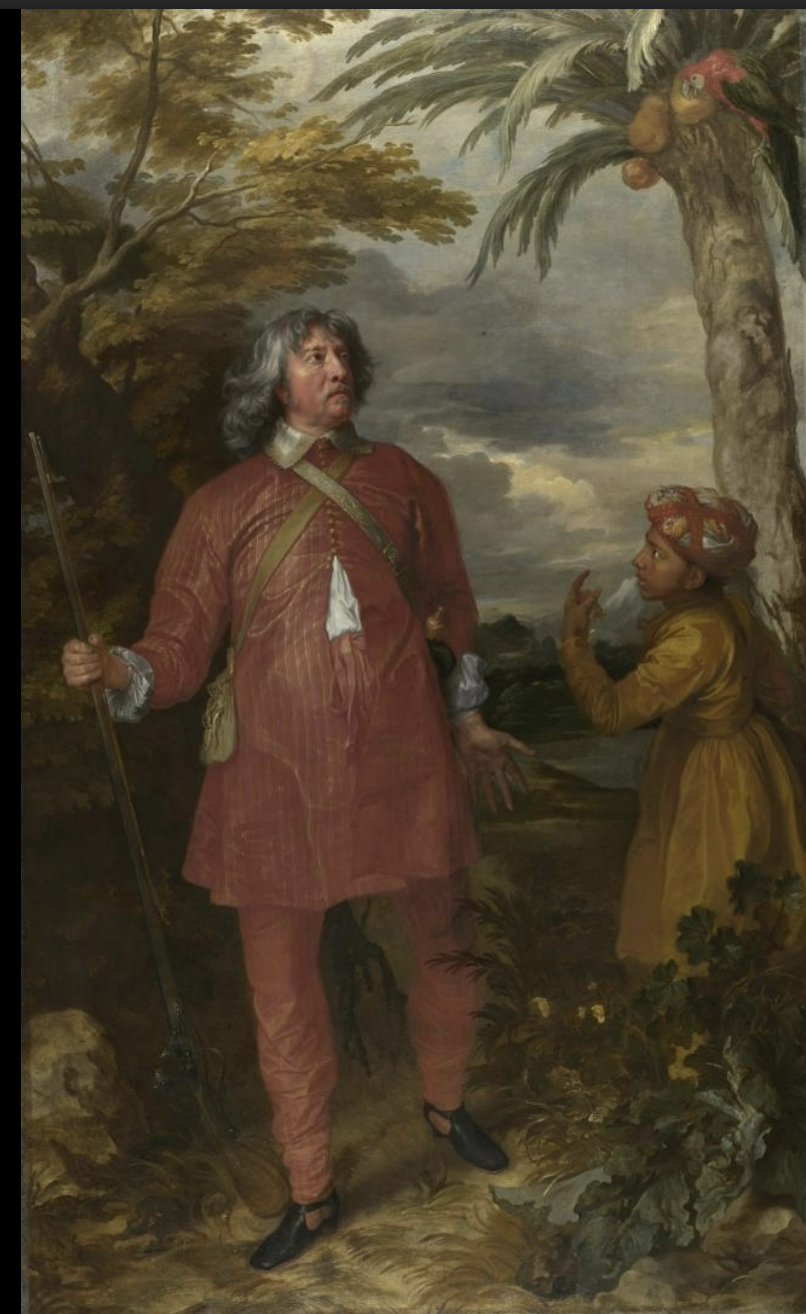
Anthony van Dyck, William Feilding 1630

Raphael, The School of Athens, 1510
Atmospheric /aerial perspective
art technique that makes distant objects look lighter, blurrier, and less detailed to create depth.
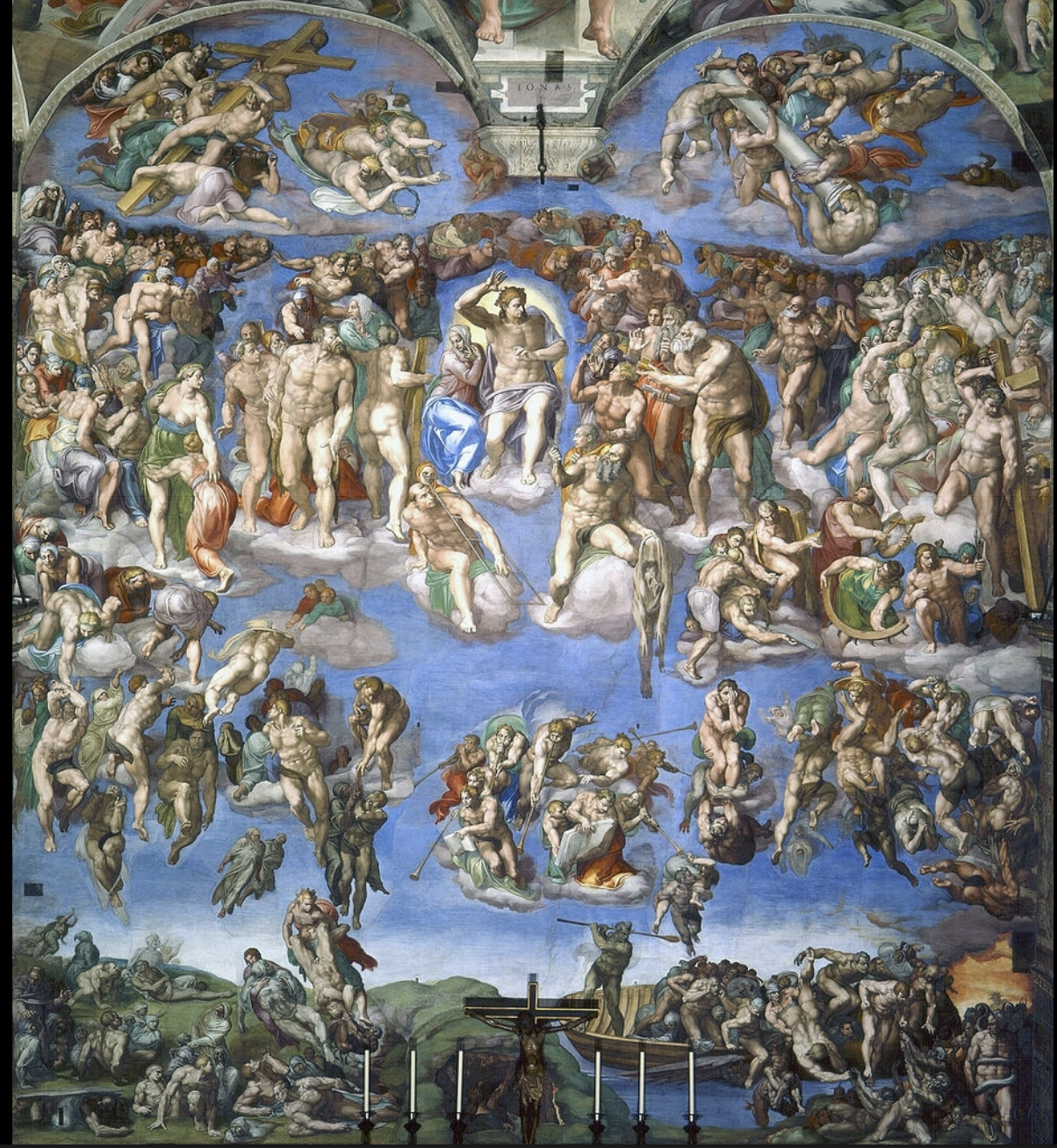
Michelangelo, La st Judgment,
*Terribilità
art technique that creates a sense of intense power, emotion, and fear through dramatic expressions and poses.

Michelangelo, Sistine Chapel ceiling 1510
Ignudi
nude male figures in Renaissance art, often used to represent ideal beauty, strength
Council of Trent
Catholic Church meeting (1545–1563) that responded to the Protestant Reformation and established rules for Catholic beliefs and religious art.
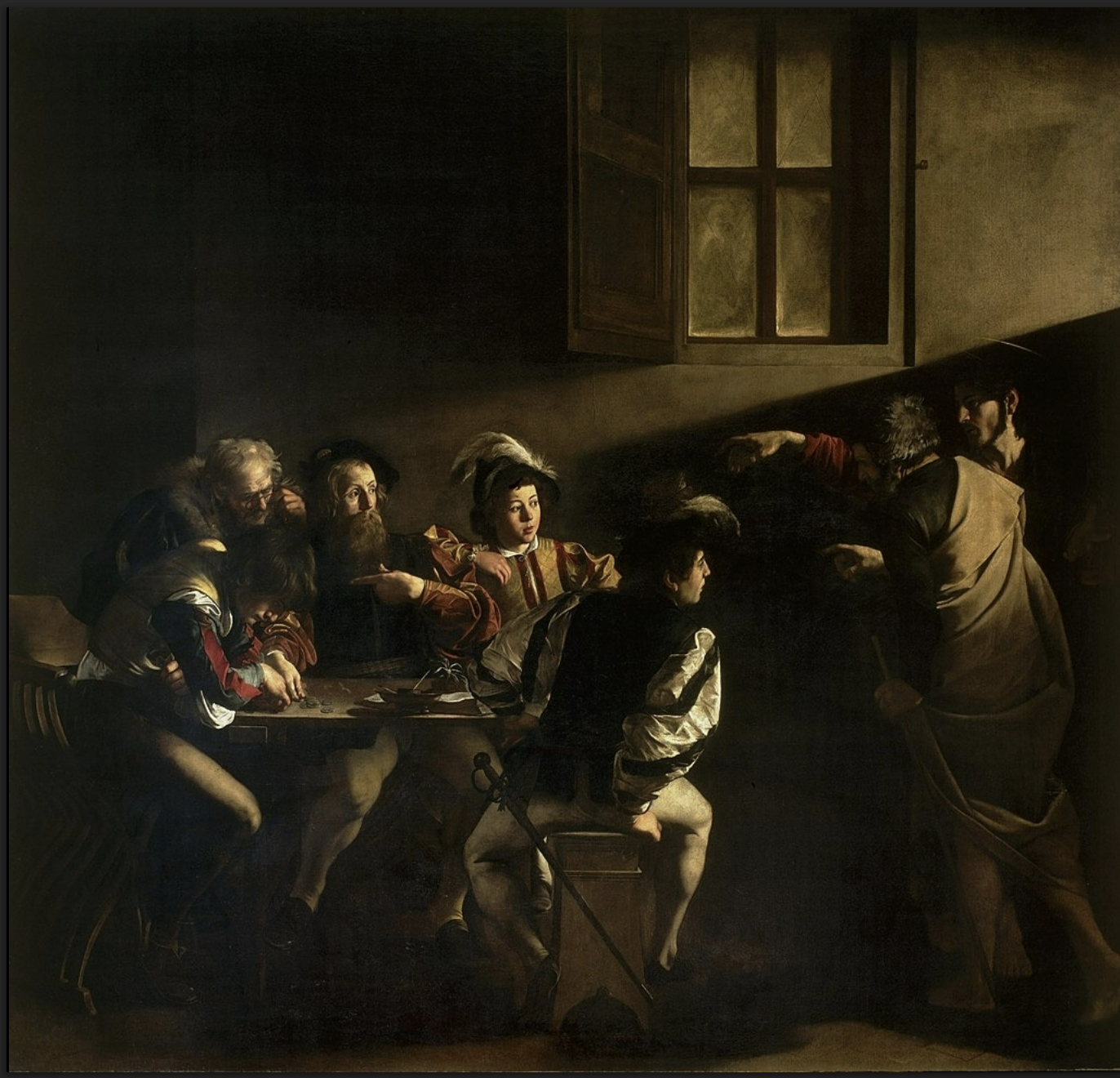
Caravaggio, The Calling of Saint Matthew, 1600
*Chiaroscuro
art technique that uses strong contrasts between light and dark to create depth, volume, and drama.
Tenebrism
art technique that uses extreme contrasts between light and dark, with bright subjects against very dark backgrounds to create drama.
*Realism
art style that shows people and everyday life as they actually appear, without idealizing or exaggerating them.

Judith Slaying Holofernes, 1620
Latin Cross
cross with one longer arm

Carlo Maderno, façade of St Peter’s, 1614
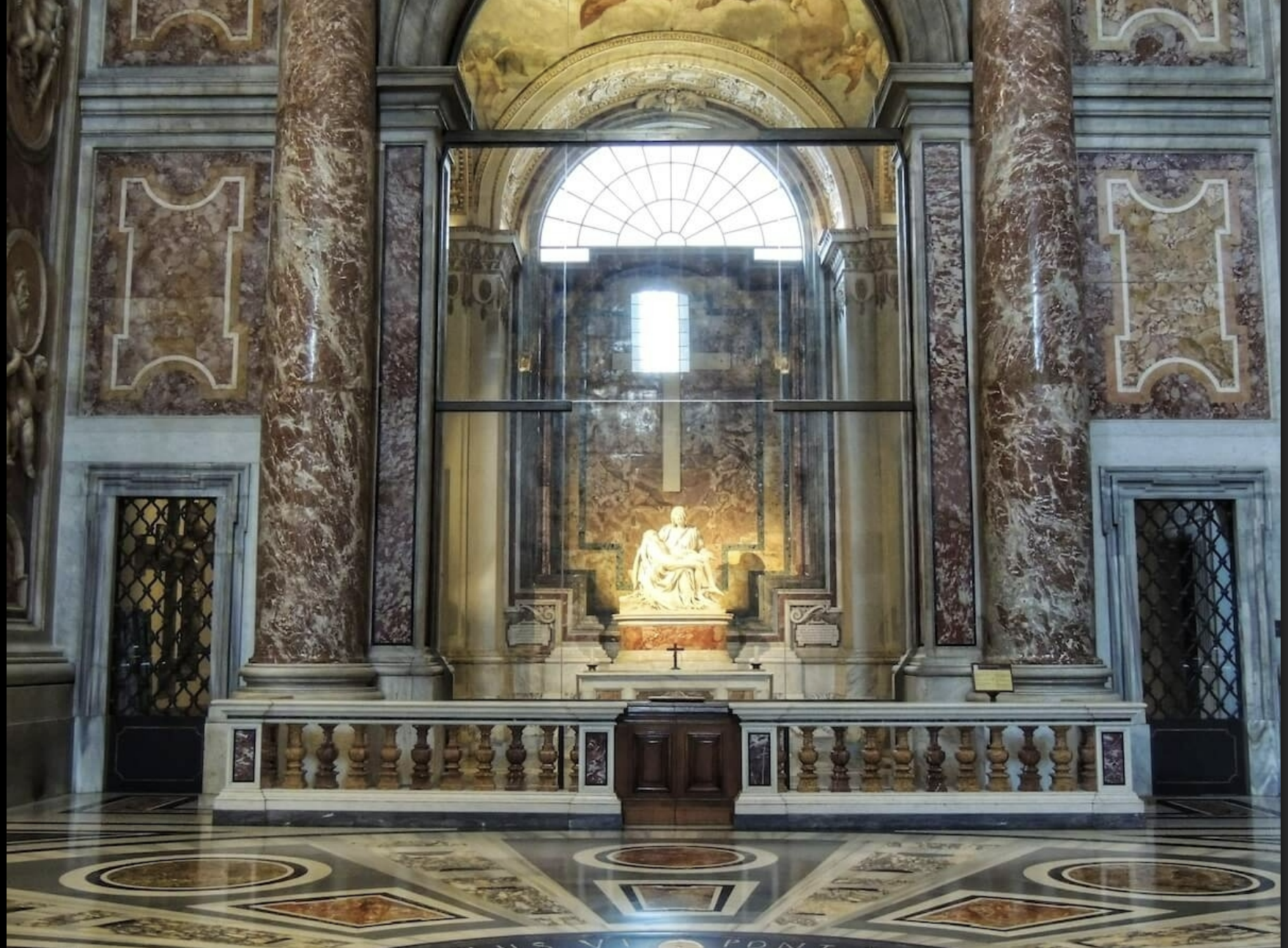
Michelangelo 1500
*Baldacchino
decorative canopy supported by columns,
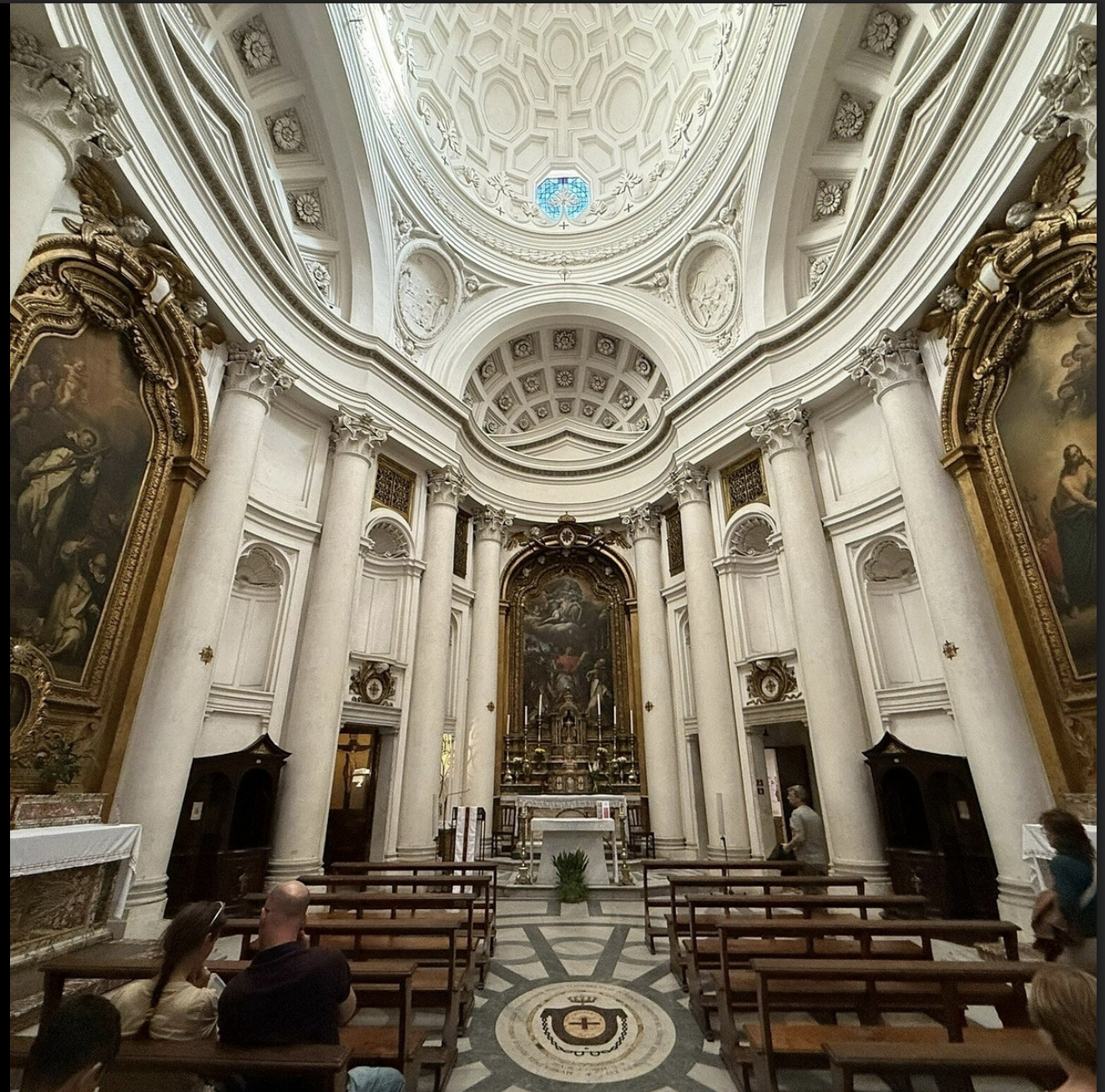
Francesco Borromini, San Carlo 1640
Forced perspective
art technique that makes objects appear larger, smaller, closer, or farther away than they really are to create an illusion of depth.

Bernini, The Abduction of Proserpina
Mannerism
Meaning simply “style

Villa d’Este, Tivoli, c.1560

Ligorio, Rometta Fountain
Giochi d’acqua
A water game or prank device that splashed unwitting guests
Grotesque
art style that combines strange, exaggerated, or unnatural figures, often mixing humans, animals, and imaginary creatures.