Human Anatomy Exam 4 (1)
 Call Kai
 Learn
 Practice Test
 Spaced Repetition
 Match
 Flashcards
 Knowt Play
1/115

There's no tags or description
Looks like no tags are added yet.
116 Terms
what parts form the brain
brain stem (medulla oblongnata, pons, mensencephalon)
diencephalon (thalamus, hyopthalamus, epithalamus)
cerebellum
cerebrum
medulla oblonganata centers
cardiovascular
respiratory
pons centers
apneustic
pnuomtaxic
brain stem from supeior to inferior
midbrain > pons > medulla
what sections form Diencephalon
thalamus
hypothalamus
epthalamus
what are the locations of the thalamus
superior to the brain stem
forms the lateral walls of the third ventricle
functions of the thalamus
relay station for sensory info
processes and routes signals to cerebral cortex
what are the locations of the hypothalamus
inferior to the thalamus
forms the floor of the third ventricle
functions of the hypothalamus
homeostasis
behavior drives - hunger and thirst
centers invovled with emotional and visceral processes
links the nervous and endocrine system
what are the names of the nuclei thalamus
thalamus ( all nuclei)
anterior
medial
ventral
lateral
what are the centers of the hypothalamus
hunger
satiety
thirst
temperature
sleep wake
emotional behavior
where is the longitudinal fissure located
in the cerebrum
deep groove separating cerebral hemispeheres

where is the arbor vitae located
white matter inside cerebellum

where is the vermis located
cerebellum
midline structure joining cerebellar hemispheres

where is the primary fissure located
separates
anterior lobe
posterior lobe of cerebellum
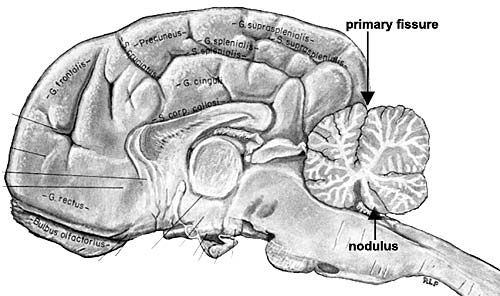
what structures divide the cerebellum into hemispheres
vermins
what structures divide cerebellum into lobes
primary fissure
posterolateral fissure
what is the function of the corpora quadrigemina and where is it located
located- posterior midbrain
function is separated
superior colliculi- visual
inferior colliculi- auditory
what structures form the white and grey matter of the medulla oblongnata
gray- nuclei
white- ascending and descending tracts
what forms the white and gray matter of the cerebrum
gray
cerebral cortex
basal nuclei
white
association fibers
commissural fibers
projection fibers
what structures form the white and grey matter of the cerebellum
gray
cerebellar cortex
deep cerebeller nuclei
white
arbor vitae
what are the components of the limbic system
cingulate gyrus
hippocampus
amygdala
mammilary bodies
fornix
functions
memory
emotion
motivation
what is cerebral lateralization
certain functions are speciliazed to one area
left hemi- language, logic, math
right hemi- creativity, spatial reasoning, facial recognition
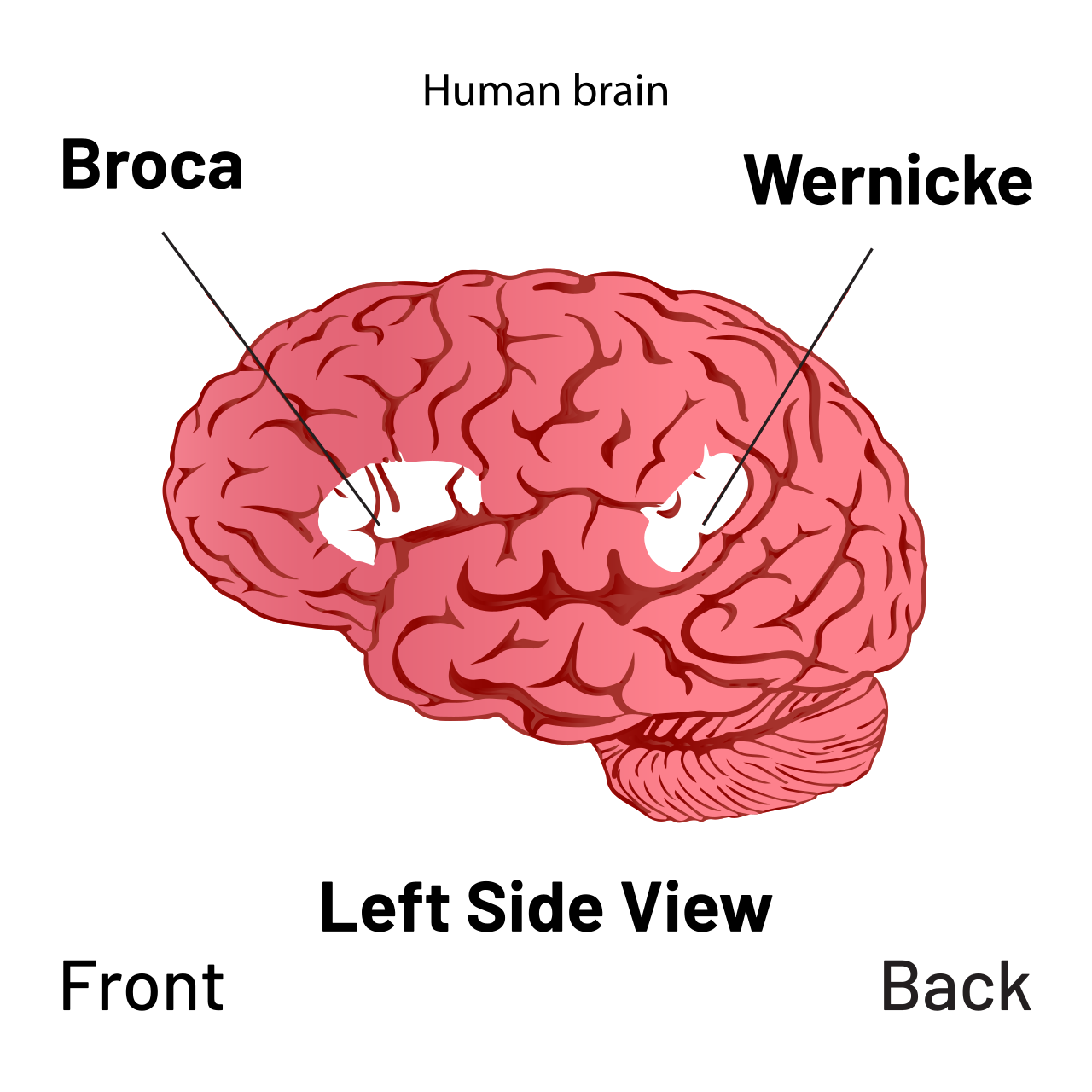
what is the function and location of Warnicke’s area
located- left temporal partietal area
function- language comprehension

what is the function and location of Broca’s area
location- left frontal lobe
function- speech production
what is the location of the spinal cord
vertebral canal
extends from foramen magnum
ends near L1- L2 vertebrae
Idenitfy the segments of the spinal cord and what are the componenets of each segement of the spinal cord
31 segments:
8 cervical
12 thoracic
5 lumbar
5 sacral
1 coccygeal
Components:
Gray matter
White matter
Dorsal root
Ventral root
Spinal nerve
what forms the dorsal root and ventral root in the spinal cord
Dorsal root
Sensory neuron axons
Contains:
Dorsal root ganglion
Ventral root
Motor neuron axons
what is the organization of gray and white matter in the spinal cord and brain
Brain
Gray outside White inside
Spinal cord
White outside Gray inside
"H" shaped gray matter

what is lumbar enlargement
lower limb nerves

what is cervical enlargement
upper limbs into nerves
what is conus medullaris
tapered end of cord
what is cauda equina
bundle of spinal nerves
what is filum teminale
fibrous anchor of spinal cord
how many spinal nerves are in the human body
31 pairs
what are deramtones and nervous plexus
Dermatome
Skin region served by one spinal nerve
Plexus
Network of ventral rami
what nerve of the cervical plexus has an important role in the process of respiration and why
Phrenic nerve
(C3-C5)
Innervates diaphragm
"C3,4,5 keep the diaphragm alive"
what are the dorsal and ventral rami, and what are their functions
Dorsal rami
Back muscles and skin
Ventral rami
Anterior body and limbs
what are rami communicantes
Connections between:
Spinal nerves
Sympathetic trunk
Carry ANS fibers
list the names of the nerves of the lumbosacral plexus
Femoral
Obturator
Sciatic
Tibial
Common fibular
Gluteal nerves
Pudendal

list the names of the nerves of the cervical plexus
Phrenic
Lesser occipital
Great auricular
Transverse cervical
Supraclavicular

what nerve innervates the diaphragm
phe
what is the longest nerve of the human body and where is it located
list in order the sections that compose the brachial plexus
list one nerve the innervates flexors and extensors of the arm
what is a reflex and what elements form a reflex arc
know the name, type, and functions associated with the 12 cranial nerves
what is the classifcation of the receptors based on the stimulus they recieve
how are receptors classified by structure
know the location and function of encapsulated receptors
know the location and fucntion of free nerve receptors
what are exteroreceptors
what are interoreceptors
what are proprioreceptors
what are nociceptors
what is the orign of neurons and ganglia of the sympathetic and parasympathetic divisions
what is cranial outflow
what is sacral outflow
what are trunk and collateral ganglia
what is the enteric nervous system
what are achalasia and gastroparesis
whar are the control areas of the autonomic divisions and what activies do they regulate
what is the anatomical arrangment of the autonomic pahtways (sympathetic and parasympathetic)
what is the neuroeffector synapse
what is referred pain
what types of cells are associated with the olfactory epithelium
what substances or ions are involved in taste sensations
where are the taste receptors on the tongue
know the types of papillae of the tongue and their location
what structures form the external ear
what structures form the middle of the ear
what structures form the interal ear
what structures and fluids are associated with cochlea
what is the organ of Corti located and what structures form it
what structures of the inner ear are associated with equilibrium (monitoring linear and rotational acceleration)
what are semicircular canals
what are otoliths
what is ampulla
what is saccule
what is utricle
what is kinocilium
what is macula
what structures form the external anatomy of the eye
what structures form the internal anatomy of the eye
what structures form the lacrimal apparatus
what type of photoreceptors and photopigments are in the retina
what structure of the cortex process visual information
describe two components of the blood and their characteristics
what are the main characterisitcs of white blood cells (leukocytes)
what are red blood cells (erythrocytes)
what are platelets (thrombocytes)
what cells are granuoloctyes
what cells are arganulocytes
what is hematopoiesis
where is the heart located
describe the three layers of the heart
what are the four chambers of the heart
describe the function and location of the valves of the heart
what is the order in whuch blood flows through the heart (starting from the vena cava and ending in the aorta)
what are the pulmonary and systemic circuits
what is the order in which blood flows through the pulmoary circuit