Week 7 - Exam 2 Study Guide - Soil Chemistry
 Call Kai
 Learn
 Practice Test
 Spaced Repetition
 Match
 Flashcards
 Knowt Play
1/21

There's no tags or description
Looks like no tags are added yet.
22 Terms

Soil Solids
The mineral and organic matter components of soil that provide structure, support, and nutrients essential for plant growth. Makes up the majority of soil mass and influence its physical and chemical properties.

Soil Solution
Fills the pore space between soil particles. All liquid water within the soil and the solutes dissolved within. Serves as a medium for nutrient transport to plant roots and microbial activity.


Soil pH
A measure of the acidity or alkalinity of soil and the amount of hydrogen ions. Affects nutrient availability, microbial activity, and overall soil health.
pH Dependent Edge Charges
Has the ability to increase or decrease soil’s ability to bond with other cations. Oxygen on the edges are not bound to other molecules and are exoosed to the solution.
Buffering Capacity
Measure of a solutions ability to resist changes in pH.
Redox Status
The amount of oxygen and other oxidizing agents in soil, such as nitrate, strongly influence redox reactions. How “willing” soil chemicals are to donate or receive electrons.
Redox Potential
A measure of the electrical potential of soil due to the tendency of the chemicals within it to donate or accept electrons. The more oxygen present, the more important nutrients like nitrogen and iron can become oxidized by donating an electron to oxygen.
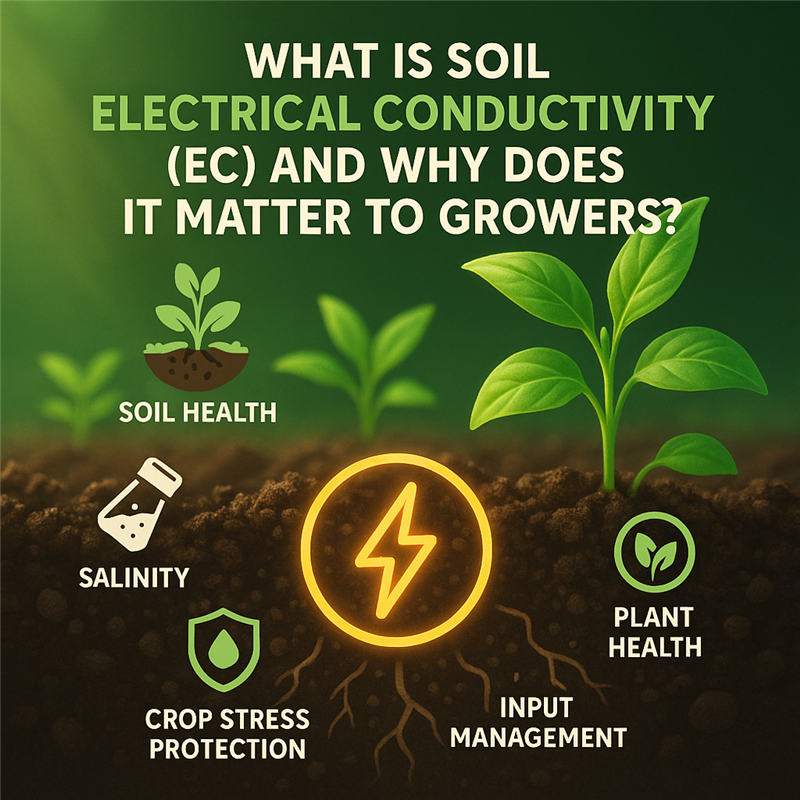
Electrical Conductivity
A measure of how easily an electron can flow through soil and a good measure of salinity.

Solid-surface interface or The Solid-solution Interface
The surfaces of soil particles where they meet soil water. Where majority of reactions with solids occur.

Adsorption
The adhesion of ions or molecules to solid particle surfaces.

Colloids
The finest and smallest particles in soil, often less than 1 micron with large surface area and small volume.

Phyllosilicates / Crystalline Silicate Clays
Most abundant colloids and forms of clay.

Octrahedral Sheets
1 aluminum or magnesium connected to 8 oxygens. Adjacent octrahedras are connected.

Layering Sheets
TO-TO = 1:1, TOT-TOT = 2:1. Contains interlayer where ions can reside. Nutrients, water, and more can sit in the interlayer.

Minerals
Crystalline solids. Most are naturally occurring and inorganically formed. Most soils have tens to hundreds of mineral species comprising their solid fabric.

Cations
Positively charged ions.
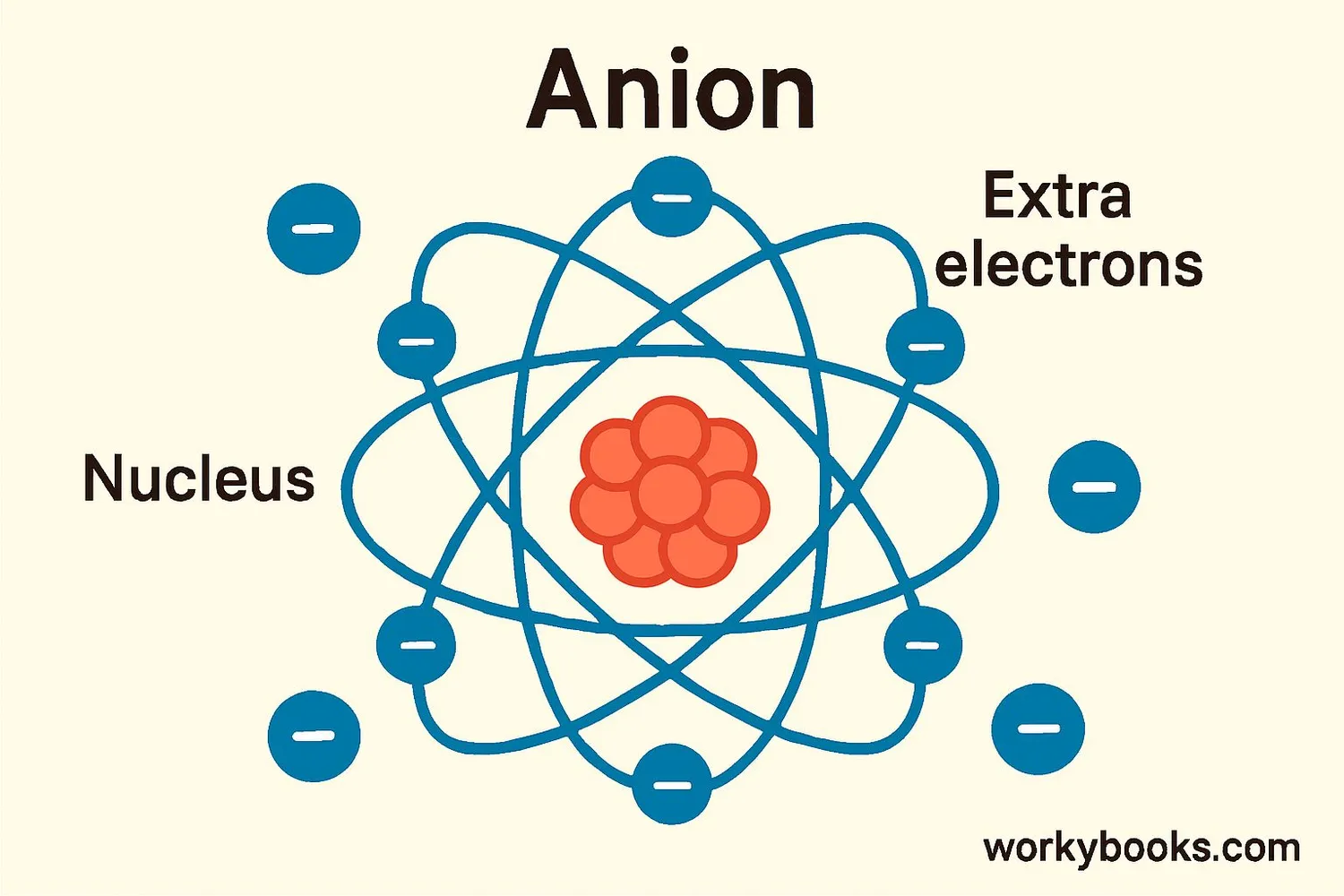
Anions
Negatively charged ions.
Exchangeable Cations
Cations that are replaced/exchanged by soil solution.

Cation Exchange Capacity (CEC)
A measure of the total amount of negative charges on soil surfaces that are available to hold cations, usually plant nutrients.

Percent Base Saturation
Represents how much of the CEC is composed of base cations.

Base Saturation
The percentage of a soil's CEC occupied by basic cations.

Isomorphus Substitution
Replacement of one cation with another or a different charge in phyllosilicates.