Client Need Category Quiz #2: Pharmacological and Parenteral Therapies
 Call Kai
 Learn
Learn Practice Test
 Spaced Repetition
 Match
Match Flashcards
 Knowt Play
1/24

There's no tags or description
Looks like no tags are added yet.
Name | Mastery | Learn | Test | Matching | Spaced | Call with Kai | Chat |
|---|
No analytics yet
Send a link to your students to track their progress
25 Terms
A charge nurse is admitting a postpartum client who has a hypotonic uterus. The client is currently receiving IV oxytocin. The client has a large amount of lochia rubra and a blood pressure of 146/94 mm Hg. Which of the following prescriptions should the nurse clarify with the provider?
A.
Methylergonovine 0.2 mg IM now
B.
Insertion of an indwelling urinary catheter
C.
Oxygen administration at 6 L/min via a mask
D.
Draw for a complete blood count with platelets stat
Correct Answer: A.
Methylergonovine 0.2 mg IM now
Methylergonovine is contraindicated for a client who has a blood pressure of greater than 140/90 mm Hg. This prescription requires clarification by the provider. Also, the charge nurse should make sure to inform the provider of the client's blood pressure reading.
Incorrect Answers:
B. Insertion of an indwelling urinary catheter to maintain bladder emptying is an appropriate prescription for a client who has a hypotonic uterus, indicating dysfunctional labor.
C. Administration of oxygen by a mask provides adequate oxygenation and is an appropriate prescription for a client who has a hypotonic uterus, indicating dysfunctional labor.
D. Laboratory studies for a client who has a hypotonic uterus, indicating dysfunctional labor, and is receiving oxytocin should include prothrombin time, partial thromboplastin time, complete blood count with platelets, fibrinogen, fibrin split products, blood type, and antibody screen.
Vital Concept:
Factors that increase a client's risk for dysfunctional labor include:
• Overstimulation of the uterus with oxytocin
• Increased body weight
• Advanced age
• Malpresentation of the fetus
• Electrolyte imbalance
• Fatigue
• Previous infertility
A client diagnosed with pulmonary embolism is receiving a heparin infusion. The nurse knows to administer which of the following drugs immediately in case of a serious bleeding reaction?
A.
Protamine sulfate
B.
Fresh frozen plasma
C.
Vitamin K
D.
Idarucizumab
Correct Answer: A.
Protamine sulfate
Protamine sulfate is the reversal agent for heparin. Immediate reversal can be achieved by administration of 1.0-1.5 mg per 100 units of heparin. Given alone, protamine sulfate is a weak anticoagulant. However, in the presence of heparin, it forms a stable salt that stops the anticoagulant activity of both.
Incorrect Answers:
B. Fresh frozen plasma is used in some settings for immediate reversal of serious bleeding in a client taking warfarin.
C. Vitamin K is used to reverse the actions of warfarin in 1-2 days. Warfarin depletes the vitamin K-dependent clotting factors.
D. Idarucizumab is the reversal agent for dabigatran, a direct thrombin inhibitor and direct oral anticoagulant (DOAC).
Vital Concept:
Protamine sulfate is an agent that can rapidly reverse the anticoagulant activity of heparin.
The nurse is caring for a client with anemia who has a prescription for infusion of one unit of packed red blood cells (PRBCs) . Within which period of time must the blood administration be initiated after it is obtained from the blood bank?
A.
15 minutes
B.
30 minutes
C.
45 minutes
D.
60 minutes
B.
30 minutes
Blood should be hung within 30 minutes of obtaining it from the blood bank.
Incorrect Answers:
A., C., D. Starting the blood within 15 minutes would be ideal, but the nurse has a 30-minute window in which to start the process.
Vital Concept:
Packed red blood cells are red blood cells from which most of the plasma has been removed. The hemoglobin concentration of PRBCs is approximately 20 g/100 mL. To prevent growth of pathogenic microorganisms, blood products must be stored at a temperature between +2°C and +6°C in an approved blood bank refrigerator that is equipped with a temperature monitor and alarm. The transfusion should be initiated as soon as the blood product arrives on the unit and blood must be returned to the blood bank if the transfusion is not initiated within 30 minutes. Blood products should be transfused within four hours after they are obtained from the blood bank.
A nurse is providing teaching to a client who has a new prescription for doxepin. Which of the following statements by the client indicates an understanding of the teaching?
A.
"I can continue the herbal supplements I have been taking while I am on this medication."
B.
"I might feel drowsy for a few weeks after starting this medication."
C.
"I cannot eat pepperoni pizza while taking this medication."
D.
"This medication will help me lose the weight that I have gained over the past year."
Correct Answer: B.
"I might feel drowsy for a few weeks after starting this medication."
Doxepin has a sedative effect because of the blockade of histamine receptors that occurs. Manifestations such as sedation, confusion, and orthostatic hypotension can occur during the first few weeks of therapy. The nurse should instruct the client to change positions slowly and to use caution when driving or operating machinery until the effects of the medication are known.
Incorrect Answers:
A. Doxepin is a tricyclic antidepressant (TCA) medication that is used in the treatment of depression and anxiety. The nurse should instruct the client to report any prescription and over-the-counter medications, vitamins, and herbal products the client takes because of the risk for interactions. Medications and herbal products that have anticoagulant, antihypertensive, and estrogen-like effects can alter the absorption of doxepin. Products such as kava-kava, valerian, and chamomile can increase CNS depression when taken along with doxepin. The risk of combining a tricyclic antidepressant and herbal supplements can increase central nervous system depression and anticholinergic effects.
C. MAOI medications, such as phenelzine or selegiline, interact with tyramine-rich foods, such as pepperoni, and can result in hypertensive crises. However, there are no dietary restrictions for clients who are prescribed TCAs, such as doxepin.
D. TCAs can be used to stimulate appetite. The nurse should instruct the client to monitor dietary intake and weight for potential unintended weight gain.
Vital Concept:
Doxepin is a tricyclic antidepressant (TCA) medication that is used in the treatment of depression, anxiety, and insomnia. It can have significant anticholinergic effects. The nurse should instruct the client to monitor for and report any urinary retention and constipation. Other anticholinergic effects include dry eyes, dry mouth, blurred vision, and esophageal reflux. Other adverse effects include postural hypotension. The nurse should instruct the client to change positions slowly and to use caution when driving or operating machinery. This effect usually subsides within the first few weeks of treatment. Finally, the nurse should instruct the client about the manifestations of serotonin syndrome, which can occur when taking TCAs.
A nurse is providing education for a client undergoing chemotherapy. What are the potential side effects of administering this class of medications? (Select all that apply)
A.
Bradycardia
B.
Hair loss
C.
Nausea
D.
Vomiting
E.
Stomatitis
F.
Hallucination
Correct Answers:
B.
Hair loss
C.
Nausea
D.
Vomiting
E.
Stomatitis
Side effects of chemotherapy include nausea, vomiting, hair loss, stomatitis, increased risk for infection, anemia, and pancytopenia.
Vital Concept:
The client should avoid concurrent alcohol, sedatives, hypnotics, CNS depressants, and other psychoactive substances.
A nurse at an outpatient clinic is assessing a client with ankylosing spondylitis who has had severe chronic back pain for 2 years. The nurse notes that the client’s dose of an opioid analgesic has increased over that time. Which of the following statements is true?
A.
An increase in dosage signifies opioid dependence in the client.
B.
The client has a reduced physiological response after repeated use, so higher doses are necessary to provide the same analgesic effect.
C.
The client has a reduced physiological response after repeated use and should be gradually withdrawn from the opioid and prescribed a different class of medication.
D.
The client has developed a psychological dependence on the medication, but physical dependence does not occur in patients with chronic pain.
Correct Answer: B.
The client has a reduced physiological response after repeated use, so higher doses are necessary to provide the same analgesic effect.
Concern about opioid dependence and abuse can sometimes be misplaced because of confusion about the development of tolerance in patients who require long-term opioid therapy. Tolerance is a decreased physiological response to a medication that occurs over repeated administration over a period of time. It occurs with many medication classes but is notable with opioids, barbiturates, amphetamines, and nitrates. When tolerance develops, a higher dose is necessary to achieve the same therapeutic effect. With opioid analgesics, tolerance typically develops only after regular use of a month or more.
Drug dependence, which can be physiological or psychological, refers to the necessity for repeated use of a drug in order to function and onset of withdrawal symptoms when the drug is abruptly stopped. Physiological withdrawal symptoms from opioids can include diarrhea, cramps, nausea, and irritability. Psychological dependence occurs when an individual continues to want to use a drug for reasons other than the indication for which it was prescribed, such as a euphoric effect experienced by some clients with opioids or increased energy experienced with stimulants such as those used to treat ADHD.
Incorrect Answers:
A. An increase in dosage may simply signify tolerance, which refers to need for increased dosage to achieve the therapeutic effect.
C. Although adjunctive medications and non-pharmacological therapies may be helpful, if a client is experiencing tolerance and requires a larger dosage to achieve pain relief, it is not an indication to stop the medication. Opioids are effective medications for control of moderate and severe pain.
D. There is no way to determine if the client has developed a psychological dependence on the drug. Physical dependence can occur after tolerance develops, but this generally takes a significant period of continuous use.
Vital Concept:
Tolerance to an opioid analgesic should not be confused with dependence or addiction. Tolerance refers to a decreased physiological response that occurs with repeated administration of a drug over a period of time. When tolerance occurs with an opioid analgesic, larger doses are required to achieve the same therapeutic effect.
A client has a deficiency of fat-soluble vitamins. The nurse understands that the body must produce which of the following for absorption of fat-soluble vitamins?
A.
Bile
B.
Amylase
C.
Intrinsic factor
D.
Lipase
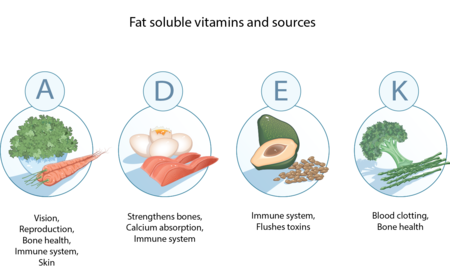
The fat-soluble vitamins are vitamins D, E, A, and K. Vitamins cannot be synthesized in the body, so they must be consumed in small amounts in foods and/or supplements. They remain stored in the body for long periods of time and are associated with an increased risk of toxicity compared to water-soluble vitamins. These vitamins must be absorbed into the enterocyte cells of the intestine after they are solubilized by bile salts into micelles.
Incorrect Answers:
B. Amylase is necessary for digestion of starches.
C. Intrinsic factor is necessary for absorption of B vitamins.
D. Lipase is necessary for digestion of lipids.
Vital Concept:
Fat soluble vitamins are not produced in the body, so they must be consumed in diet or supplements. Bile salts are necessary for solublization into micelles for their absorption by intestinal cells.
A nurse is completing a medication reconciliation for a client who is being transferred to the unit from the ICU and is to start taking propranolol. Which of the following findings in the medical history should the nurse report to the provider as a potential contraindication for taking the medication?
A.
The client has a history of hypothyroidism.
B.
The client has a history of bronchial asthma.
C.
The client has a history of tachycardia.
D.
The client has a history of migraine headaches.
Correct Answer: B.
The client has a history of bronchial asthma.
Beta-adrenergic blockers, such as propranolol, can cause bronchospasm and wheezing in clients who have bronchial asthma; therefore, this is a contraindication to its use and should be reported to the provider.
Some other contraindications for the administration of propranolol include:
• Hypersensitivity
• Pulmonary edema
• Uncompensated heart failure
• Cardiogenic shock
• Sick sinus syndrome
• Heart block
Incorrect Answers:
A. Beta-adrenergic blockers, such as propranolol, might mask the symptoms of hyperthyroidism; therefore, they must be used with caution in clients who are taking propranolol hydrochloride. Hypothyroidism is not a contraindication for the use of propranolol.
C. Beta-adrenergic blockers, such as propranolol, can be used for the treatment of tachy-dysrhythmias; therefore, tachycardia is not a contraindication to the use of propranolol.
D. Beta-adrenergic blockers, such as propranolol, can be prescribed for the prevention of migraine headaches; therefore, this is not a contraindication to the use of propranolol.
Vital Concept:
The nurse should complete a medication reconciliation when a client is transferred to a new unit to compare medications the client has taken previously with the client's current list of medications. The nurse should use this opportunity to note any duplications, omissions, and evaluate the risk for any potential contraindications or interactions.
A nurse is beginning an IV infusion of 5% dextrose in water for an elderly client. Which of the following sites will the nurse consider first for the client’s IV?
A.
A dorsal forearm vein on the dominant side
B.
A dorsal surface of the nondominant hand
C.
The femoral vein
D.
The underside of the nondominant wrist
Correct Answer: B.
A dorsal surface of the nondominant hand
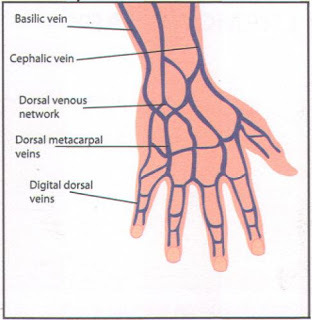
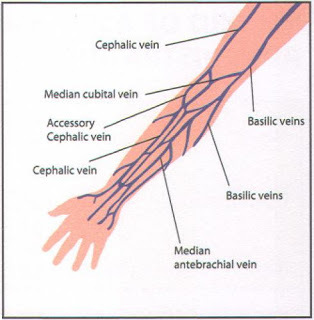
The dorsal surface of the nondominant hand is the best place to initiate IV therapy since these veins, including the metacarpal vein, basilic vein, and cephalic vein, are relatively large and easy to puncture compared to other veins in the arm. Skin thins with aging and veins become fragile. When starting an IV in an elderly client with a vein that is visible and palpable, the nurse should consider starting the IV without a tourniquet. Use of a blood pressure cuff inflated to 30 or 40 mmHg is another option to reduce the risk of infiltration from high pressure generated by a tourniquet. Veins in elderly clients may roll, so the nurse should stabilize the vein well when attempting venipuncture. Sites for IV access may be limited in older clients, so the nurse should place the IV as low as possible on the vein, which will allow any sites above the vein to be used if necessary. The IV should be secured well with hypoallergenic tape or covered with a transparent dressing, to prevent movement that may tear the skin. Although the median cubital vein and basilic vein in the antecubital space are easy to access for venipuncture, they are more often used for blood draws.
Incorrect Answers:
A. The nondominant extremity should be used to reduce the risk of complications from movement. Use of the smaller metacarpal veins of the hand may increase the risk of infiltration.
C. The femoral vein is a central vein. A central venous access has a higher rate of complications compared to peripheral venous access. Central venous catheters are a consideration when intravenous catheterization is necessary for 6 days or more.
D. Insertion near the wrist limits the client’s mobility and self-care, and veins on the dorsal aspect of the wrist should be avoided.
Vital Concept:
When choosing an IV site, the nurse considers the client's age, condition of veins, type of infusion, and duration of the infusion. Veins in the hand or arm are usually selected for adults. The ulna and radius act as natural splints when the metacarpal, basilic, or cephalic vein are selected for an infusion. Generally, the most distal vein in the non-dominant extremity that is large enough to allow adequate circulation around the catheter should be selected. The vein should be easily palpable and naturally splinted by bone. Areas of flexion, highly visible veins, veins that are damaged or continually distended, and veins in an injured or surgically compromised vein should be avoided.
A nurse is assessing a new client at a geriatric clinic. When reviewing the client’s medications, the nurse recognizes that which of the following medications is associated with increased risk of adverse effects in the elderly? (Select all that apply.)
A.
Diphenhydramine
B.
Temazepam
C.
Omeprazole
D.
Amitriptyline
E.
Docusate
Correct Answers:
A.
Diphenhydramine
B.
Temazepam
C.
Omeprazole
D.
Amitriptyline
Several physiological changes that are associated with aging can exacerbate the adverse effects associated with some medications. These include decreased visual acuity, problems with balance and gait, decreased hepatic and renal function, and orthostatic hypotension. Since older adults are more likely to have chronic health conditions, they may also take a variety of medications that have the potential to interact and increase the risk of adverse effects. Polypharmacy is more likely to occur when an individual is seeing more than one healthcare provider due to multiple health conditions.
The Beers criteria is a list of potentially harmful medications in elderly patients. The list includes medications that increase the risk of cognitive dysfunction, hypotension, falls, and drug-related toxicity. Classes of medications on the list include antihistamines, anticholinergics, antipsychotics, sedatives such as benzodiazepines, opioids, antihypertensive medications, and diuretics. Diphenhydramine is an antihistamine that causes central nervous system effects such as sedation or dizziness. Temazepam is a benzodiazepine and can result in confusion, sedation, and gait and balance difficulties. Amitriptyline is a tricyclic antidepressant that has anticholinergic and sedative effects, which include blurred vision, dry mouth, and constipation. Omeprazole has an increased incidence of bone loss and clostridium difficile.
Incorrect Answers:
E. Docusate is a stool softener and does not have any associated increased risk of adverse effects in older adults.
Vital Concept:
Physiological changes that occur with aging can increase the likelihood of adverse medication effects. Older adults are also more likely to take multiple medications, which can interact and further increase the risk of adverse effects. The Beers criteria lists medications that are considered potentially inappropriate in the elderly The list includes medication classes that can cause hypotension, cognitive dysfunction, balance and gait difficulties, and sedation.
A nurse is preparing to administer the hepatitis B vaccine to an adolescent. Which of the following questions should the nurse ask the adolescent prior to administering the vaccine?
A.
"Do you have an allergy to eggs?"
B.
"Have you ever had encephalopathy following immunizations?"
C.
"Are you currently taking a corticosteroid medication?"
D.
"Have you ever had an anaphylactic reaction to yeast?"
Correct Answer: D.
"Have you ever had an anaphylactic reaction to yeast?"
The hepatitis B vaccine is contraindicated for clients who have had an anaphylactic reaction to yeast.
Incorrect Answers:
A. An allergy to eggs is not a contraindication to receiving the hepatitis B vaccine. The nurse should ask the adolescent about their allergy to eggs prior to administering the influenza vaccine. The CDC no longer believes that an allergy to eggs is a contraindication to receiving the influenza vaccine. However, a pediatric allergist should be consulted before administration of the influenza vaccine in children who are highly sensitive or allergic to eggs.
B. The DTaP vaccine is contraindicated for clients who have a history of encephalopathy within 7 days following prior doses of the vaccine.
C. The varicella vaccine is contraindicated for clients who have been taking corticosteroids or other medications that affect the immune system for 2 weeks or longer.
Vital Concept:

A bag of TPN solution has arrived from the pharmacy and the nurse notes in the prescription that in addition to electrolytes, the solution also contains medication. Which of the following medications can be mixed with TPN solution for administration? (Select all that apply.)
A.
Codeine
B.
Insulin
C.
Acetaminophen
D.
Famotidine (Pepcid)
E.
Vitamin C
Correct Answers:
B.
Insulin
D.
Famotidine (Pepcid)
E.
Vitamin C
Total parenteral nutrition is ordered and mixed based on the provider’s instructions and the client’s health needs. The provider may sometimes order other medications or vitamins to be included in the TPN solution. Medications such as Pepcid or insulin are sometimes needed for digestion and metabolism and would be included. Certain vitamins are also added when the client is lacking. Pain medications are typically not included in TPN preparations.
Vital Concept:
To avoid the risk of a bloodstream related infection, one lumen of a central venous catheter should be dedicated to parenteral nutrition and should not be used to perform hemodynamic monitoring, draw blood specimens, infuse blood products, or infuse other medications. Some medications, including insulin and H2 blockers, may be included in the TPN solution.
A nurse notes that a client who has been receiving daunorubicin has suffered an extravasation at the IV site. Which type of compress would the nurse most likely apply as treatment?
A.
A warm dry compress
B.
A moist warm compress
C.
A cold dry compress
D.
A moist cold compress
Correct Answer: D.
A moist cold compress
Most types of extravasation are treated with moist cold compresses. A few vesicant extravasations, such as those that result during the administration of vincristine and etoposide, are treated with warm compresses. Antidotes, if appropriate, are also used according to the drug that has caused the extravasation. For example, sodium thiosulfate is the antidote for mechlorethamine or nitrogen mustard.
Incorrect Answers:
A. A warm dry compress is not indicated in this type of injury.
B. This medication requires a cool compress, not a warm moist compress.
C. A cold and dry compress would not be as effective as a cool moist compress.
Vital Concept:
Extravasation refers to the inadvertent infusion of vesicant solutions into the surrounding tissue. A vesicant is a drug that is capable of causing tissue injury. Vesicants include many chemotherapeutic drugs, vasopressors, and antibiotics. The nurse should follow the steps listed in the image below when extravasation is noted.
The nurse is administering prednisolone to an older adult client. Which of the following are true about this drug? (Select all that apply)
A.
It can cause edema
B.
It can cause hypoglycemia
C.
It can cause flushing and tingling sensations
D.
It can cause euphoria
E.
Medrol is the brand name
F.
It can cause elevated serum potassium
G.
It can cause peptic ulcer
Correct Answers:
A.
It can cause edema
D.
It can cause euphoria
G.
It can cause peptic ulcer
Prednisolone (Delta-cortef), a corticosteroid, is an anti-inflammatory drug that is commonly used to treat inflammatory and autoimmune conditions. It is formulated with synthetic glucocorticoid, a derivative of cortisol. It is also an active metabolite of prednisone. It is a very useful drug but it can also cause serious adverse reactions such as edema, hyperglycemia, hypokalemia, and peptic ulcer. Mental changes can occur, ranging from depression to euphoria, agitation, aggression, and behavioral changes. The nurse needs to be vigilant about the occurrences of these side effects and report any that occur to the doctor immediately. If these adverse reactions impair the healing process or impose risks to the client's safety, a lower dose or substitute drug may be prescribed so as to continuously treat the client. Abrupt withdrawal from prednisolone also causes untoward bodily reactions.
Vital Concept:
Exogenous corticosteroids can result in suppression of the hypothalamic-pituitary-adrenal axis. Abrupt withdrawal of exogenous corticosteroids can result in adrenal crisis.
A nurse is assessing a client complaining of moderate low back pain after gardening. Which of the following statements is true?
A.
Moderate low back pain may require initial treatment with opioid analgesics.
B.
If a nonsteroidal anti-inflammatory drug (NSAID) is prescribed, a client with a healthy liver should take no more than 4 g/day.
C.
If a salicylate is prescribed, the client should be informed of possible side effects (e.g. tinnitus, vertigo, and decreased hearing acuity) that may indicate toxicity.
D.
If an NSAID is prescribed, the client should take the medication without food to improve absorption.
Correct Answer: C.
If a salicylate is prescribed, the client should be informed of possible side effects (e.g. tinnitus, vertigo, and decreased hearing acuity) that may indicate toxicity.
Analgesic medication is the most commonly prescribed treatment for pain. There are three classes of analgesic medication used for the treatment of pain: opioids, non-opioids, and adjuvant medications.
Non-opioid analgesics are used for mild to moderate pain and include acetaminophen and NSAIDs. Nonsteroidal anti-inflammatory drugs (NSAIDs) include salicylates, such as aspirin-based products. Salicylate toxicity is manifested with tinnitus, decreased hearing acuity, and/or vertigo, so the client should be informed to self-monitor and contact the healthcare provider if these symptoms occur. Chronic use of NSAIDs is associated with an increased risk of gastrointestinal (GI) bleeding and renal insufficiency.
Incorrect Answers:
A. Mild to moderate pain is treated with nonopioid analgesics, at least initially. Other modalities of pain management should be considered, including nonpharmacological modalities, if nonopioid analgesics do not provide adequate relief. Acetaminophen has hepatotoxic effects at high doses, even in individuals with a healthy liver. Clients with a healthy liver should limit acetaminophen to 4 g/day and should be aware that some opioids contain acetaminophen, such as combination products containing both acetaminophen and hydrocodone or oxycodone.
B. Non-opioid analgesics are used for mild to moderate pain and include acetaminophen and NSAIDs. Nonsteroidal anti-inflammatory drugs (NSAIDs) include salicylates, such as aspirin-based products. Salicylate toxicity is manifested with tinnitus, decreased hearing acuity, and/or vertigo, so the client should be informed to self-monitor and contact the healthcare provider if these symptoms occur. Chronic use of NSAIDs is associated with an increased risk of gastrointestinal (GI) bleeding and renal insufficiency.
D. Taking an NSAID with food can reduce gastric irritation.
Vital Concept:
Non-opioid analgesics are used for mild to moderate pain and include acetaminophen and NSAIDs (aspirin, ibuprofen.) Chronic use of NSAIDs is associated with GI bleeding and renal impairment. Salicylate toxicity, acute or chronic, can result in hearing impairment, tinnitus, and vertigo.
A nurse is teaching a client who has tobacco use disorder about the use of nicotine gum. Which of the following statements by the client indicates an understanding of the teaching?
A.
"I will chew the gum for no more than 10 minutes."
B.
"I will keep the gum in the refrigerator when I am at home."
C.
"I will avoid eating for 15 minutes prior to chewing the gum."
D.
"I must stop using the gum after 90 days."
Correct Answer: C.
"I will avoid eating for 15 minutes prior to chewing the gum."
The client should avoid eating or drinking for 15 min prior to and while chewing the gum.
Incorrect Answers:
A. The client should chew the gum slowly and intermittently over 30 min.
B. The client should keep the gum with him, so it can be used when there is a craving. It does not need refrigeration.
D. Use of nicotine gum is not recommended for longer than 6 months. However, it can be used longer than 90 days.
Vital Concept:
The nurse should provide detailed verbal and written instructions about using nicotine gum to assist with smoking cessation. The nurse should also provide emotional support for the client during the smoking cessation. Other therapies are also often used to stop smoking in conjunction with nicotine gum. The client can use distraction or engage in other activities that use the hands, like cleaning or playing with a coin or rubber band, when the urge to smoke arises.
A nurse is teaching a client about etonogestrel, an implantable progestin. Which of the following manifestations should the nurse include as an adverse effect of this type of contraceptive? (Select all that apply.)
A.
Tinnitus
B.
Irregular vaginal bleeding
C.
Weight gain
D.
Depression
E.
Bone loss
Correct Answers:
B.
Irregular vaginal bleeding
C.
Weight gain
D.
Depression
Irregular vaginal bleeding is a potential adverse effect of the etonogestrel implant. Bleeding is unpredictable and can be infrequent, frequent, or prolonged. Amenorrhea is also possible.
Weight gain is a potential adverse effect of the etonogestrel implant. It can also cause nausea.
Depression is a potential adverse effect of the etonogestrel implant. It can also cause anxiety.
Incorrect Answers:
A. Tinnitus is not an adverse effect of the etonogestrel implant. However, it can cause vertigo and headaches.
E. Loss of bone density is a potential adverse effect of the injectable progestin, depot medroxyprogesterone, not of the etonogestrel implant.
Vital Concept:
Providers insert the etonogestrel implant subdermally as a form of contraception. It prevents some ovulatory cycles and also alters cervical mucus and the endometrium. These changes help prevent pregnancy. Common hormonal adverse effects include weight gain, irregular menstrual cycles, amenorrhea, and depression.
A nurse is providing teaching about indications of tricyclic antidepressant (TCA) toxicity to a client who has major depressive disorder and a new prescription for imipramine. Which of the following findings of toxicity should the nurse include in the teaching? (Select all that apply.)
A.
Seizures
B.
Agitation
C.
Urinary hesitancy
D.
Dry mouth
E.
Irregular pulse
Correct Answers:
A.
Seizures
B.
Agitation
E.
Irregular pulse
Toxicity is a risk with taking TCAs such as imipramine. Manifestations include cardiac, autonomic, and neurologic manifestations. Neurologic manifestations include confusion, hallucinations, seizures, and coma.
Neurologic manifestations of TCA toxicity are progressive. Initially, the client will experience confusion, which progresses to manifestations of agitation and seizures. Finally, if left untreated, the client can enter a comatose state.
Medication toxicity is a risk with TCAs such as imipramine. Cardiac manifestations such as tachycardia, intraventricular and atrioventricular blocks, ventricular tachycardia, and ventricular fibrillation can occur. Irregular pulse can indicate a dysrhythmia, which is an indication of TCA toxicity.
Incorrect Answers:
C. Adverse effects of TCAs include anticholinergic effects due to the blocking of muscarinic cholinergic receptors. The manifestations include dry mouth, blurred vision, constipation, and urinary hesitancy. The nurse should instruct the client to report these manifestations if they persist. However, anticholinergic effects are not associated with TCA toxicity.
D. Anticholinergic effects of TCA, such as dry mouth, can be managed by rinsing the mouth frequently, using sugarless gum or hard candy, using an alcohol-free mouthwash, or using a saliva substitute. The nurse should instruct the client that dry mouth can lead to tooth decay as well as oral infections and gum problems. However, it is not an indication of TCA toxicity.
Vital Concept:
Tricyclic antidepressant (TCA) medications have a number of adverse effects, including orthostatic hypotension, sedation, and anticholinergic effects. Clients who take TCAs are also at risk for toxicity, which can be life-threatening. The nurse should provide instructions to the client about the medication, including precautions to avoid falls due to the orthostatic hypotension, caution when operating machinery or driving due to the sedating effects, and ways to manage the anticholinergic effects of the medication, such as voiding soon after the medication has been taken to avoid urinary retention. Other teaching should include manifestations of toxicity, such as irregular pulse, confusion, agitation, and the development of seizures. The nurse should also instruct the client to notify the provider for continuing anticholinergic manifestations, manifestations of toxicity, and the development of suicidal ideations.
Which of the following refers to the total number of dissolved particles per liter of water in a solution of IV contrast agent?
A.
Osmolarity
B.
Osmolality
C.
Viscosity
D.
Toxicity
E.
Miscibility
Correct Answer: A.
Osmolarity
Osmolarity is the total number of dissolved solute particles in a solution per liter of water. Osmolality refers to the total number of moles of solute per kilogram of solvent. Viscosity is the thickness of a contrast agent. Higher viscosity agents are thicker and this may result in increased difficulty with injection. Toxicity refers to the harmful effect of a contrast agent. Miscibility refers to the ability of the contrast agent to mix with blood and other body fluids. Low osmolality and low toxicity agents are generally preferred because they are safer and less likely to cause a harmful reaction. A low osmolality solution will cause a smaller fluid shift from the interstitial compartment to the vascular compartment, which makes low osmolality agents preferable in patients with cardiovascular disease, poor circulation, or advanced age.
A nurse is assessing a client who received an increased dose of fluvoxamine 4 hr ago. Which of the following findings should the nurse report to the provider as indications of serotonin syndrome? (Select all that apply.)
A.
Hypothermia
B.
Hallucinations
C.
Muscular flaccidity
D.
Tachycardia
E.
Agitation
Correct Answers:
B.
Hallucinations
D.
Tachycardia
E.
Agitation
Serotonin syndrome is thought to be caused by a medication dosage that is too high or as interaction with other medications that results in overactivation of central serotonin receptors. The increased uptake of serotonin by the receptors can cause mental status changes, such as delirium, irrational thinking, and hallucinations.
Cardiovascular manifestations of serotonin syndrome include tachycardia, labile blood pressure, and cardiovascular shock. Respiratory manifestations, such as apnea, can also occur.
The risk for the development of serotonin syndrome is increased if the client is taking a second agent that increases serotonin, such as a monoamine oxidase inhibitor. The increased levels of serotonin can result in neurologic manifestations, such as agitation, hostility, and mood swings.
Incorrect Answers:
A. Fluvoxamine is a selective serotonin reuptake inhibitor (SSRI), which is used in the treatment of obsessive-compulsive disorder. A potentially life-threatening adverse effect of SSRIs is the development of serotonin syndrome. This syndrome causes a number of manifestations that affect the autonomic stability, which results in tachycardia, labile blood pressure, and fever.
C. Musculoskeletal effects are also seen with serotonin syndrome. Manifestations such as hyperreflexia, myoclonus, and incoordination are seen. These manifestations should be an indication to the nurse that the client might have developed serotonin syndrome.
Vital Concept:
Serotonin syndrome can develop quickly, sometimes in as little time as several hours following the administration of an SSRI or an increase in dosage. For SSRIs that have a longer half-life, serotonin syndrome can also develop after the client has stopped taking the medication. Though rare, development of serotonin syndrome is more likely if a client is taking two medications that potentiate serotonergic transmission. The nurse should instruct the client to report all prescription and over-the-counter medications, vitamins, or herbal products being taken to avoid the development of interactions and complications, such as serotonin syndrome. It is also important for the nurse to let the client know any symptoms for which she should contact the health care provider.
A charge nurse is providing in-service education about insulin preparations to nursing staff on a medical-surgical unit. Which of the following is true about the different types of insulin preparations? (Select all that apply.)
A.
Regular insulin has a duration of 16 hours
B.
Novolog insulin peaks at 2 to 4 hours
C.
Insulin glargine has an onset at 1.5-2 hours
D.
NPH insulin has a peak effect at 4-6 hours
E.
Insulin glargine has a peak effect at 12 to 24 hours
Correct Answers:
C.
Insulin glargine has an onset at 1.5-2 hours
D.
NPH insulin has a peak effect at 4-6 hours
Insulin is produced by the beta cells of the pancreatic Islets of Langerhans. Insulin regulates cellular uptake and metabolism of carbohydrates. It also plays a role in metabolism of fats and proteins. Diabetes is characterized by inability of the pancreas to produce sufficient insulin and/or resistance to insulin at cellular insulin receptors.
A nurse should be knowledgeable about the different types of insulin preparations used in treatment of diabetes. Insulin is available in rapid-acting, regular, intermediate, or long-acting preparations.
Incorrect Answers:
A. Regular insulin has a duration of 5 to 7 hours, peak effect at 2 to 4 hours, and onset at ½ to 1 hour.
B. Novolog insulin (Humulin L) has a peak effect at about 1 hour.
E. Insulin glargine has no peak effect and lasts 12-24 hours.
Insulin is usually administered by subcutaneous injection with a single-use syringes, via an insulin pump, or by multi-dose insulin pens with disposable needles. Inhaled insulin is also available in the U.S. Insulin cannot be administered orally because it is degraded rapidly in the GI tract.
Vital Concept:
Diabetes is a significant risk factor for cardiovascular disease. In Type 1 diabetes, autoimmune antibodies destroy the beta cells of the pancreas, preventing production of insulin. Type 1 diabetes can only be treated by administration of exogenous insulin. Type 2 diabetes may be due to insulin resistance or decreased production by the beta cells. Type 2 diabetes is can be controlled by diet, exercise, oral hypoglycemic medications, and insulin supplementation.
A nurse is admitting a patient at 12 weeks gestation for treatment of a deep vein thrombosis. Which of the following medications is contraindicated in pregnancy?
A.
Prasugrel
B.
Warfarin
C.
Enoxaparin
D.
Unfractionated heparin
Correct Answer: B.
Warfarin
Warfarin is an anticoagulant used in treatment of venous thromboembolic disease, including deep vein thrombosis, pulmonary embolism, and atrial thrombosis. It interferes with synthesis and activation of vitamin K dependent clotting factors. Prothrombin time (PT) and International Normalized Ratio (INR) are used to monitor the therapeutic effects of the drug. Warfarin is associated with fetal malformations and is contraindicated in early pregnancy through the first trimester for most indications. It is considered category D for patients with high-risk mechanical heart valves.
Incorrect Answers:
A. Prasugrel is used to treat acute coronary syndromes and is not indicated for DVT, but animal studies have not demonstrated a risk to fetal development.
C. Enoxaparin (Lovenox) is a low molecular weight heparin. It is pregnancy risk category B and is preferred over unfractionated heparin for treatment of deep vein thrombosis. It does not cross the placenta.
D. Unfractionated heparin is preferable to enoxaparin in clients with a high risk of bleeding who may need reversal with protamine sulfate, an antidote.
Vital Concept:
Warfarin is used to treat clients with deep vein thrombosis (DVT), atrial fibrillation, and pulmonary embolism (PE.) It is contraindicated in the first trimester of pregnancy because it is associated with increased risk of fetal malformation. Pregnancy increases the risk of venous thromboembolism four to five fold. DVT occurs three times as often as PE.
A nurse is teaching a client about symptoms to report to the provider while taking oral contraceptives. Which symptom should the nurse include in the teaching?
A.
Reduced menstrual flow
B.
Breast tenderness
C.
Leg pain
D.
Headaches
Correct Answer: C.
Leg pain
Thrombolytic disease is an adverse effect of taking oral contraceptives because these medications can contain hormones such as estrogen and progestin. Leg cramps and pain are findings to report to the provider because they could indicate thrombolytic disease.
Incorrect Answers:
A. Reduced menstrual flow is a common adverse effect of oral contraceptives and usually subsides after a few months of use.
B. Breast tenderness is a common adverse effect of oral contraceptives and usually subsides after a few months of use.
D. Headaches are a common adverse effect of oral contraceptives and usually subside after a few months of use.
Vital Concept:
Oral contraceptives contain hormones, such as estrogen and progestin, that can cause side effects, such as nausea, weight gain, headaches, breast tenderness, and depression. Taking oral contraceptives can also put clients at risk for developing myocardial infarction, blood clots, and stroke. Nurses should inform clients about the common adverse effects of the medication and instruct them to notify the provider if they have shortness of breath, chest pain, leg cramps or pain, or blurry vision. Leg cramps and pain are findings that should be reported to the provider because they could indicate thrombolytic disease.
A nurse is working in the day surgery area of the medical center. What type of catheter would the nurse use most often when caring for ambulatory day surgery clients?
A.
An 18 gauge catheter
B.
A 24 gauge catheter
C.
A midline peripheral catheter
D.
A PICC
Correct Answer: A.
An 18 gauge catheter
An 18 gauge catheter is used for preoperative clients so it can accommodate the rapid infusion of blood and blood products should the client experience operative or postoperative hemorrhage and/or hypovolemia. A 24 gauge catheter is used for most clients without special needs, and a 16 gauge catheter is indicated for trauma clients. Midline peripheral catheters and PICC, or peripherally inserted central catheters, are indicated for long-term intravenous therapy, which is not expected with ambulatory day surgery clients.
Incorrect Answers:
B. A 24-gauge catheter may not be large enough to accommodate the fluids needed during surgery.
C. A midline peripheral catheter is used for long-term IV therapy, not for outpatient surgery.
D. A PICC line is used for long-term fluid therapy, not for outpatient surgery.
Vital Concept:
An intravenous cannula is inserted in most clients immediately before surgery. The cannula is usually retained In the postoperative period for administration of drugs, fluids and blood products. Some studies have shown a lower rate of thrombophlebitis and other complications is a new cannula is placed after surgery.
A nurse is assessing a client who is taking oral amiodarone to treat atrial fibrillation. Which of the following findings should the nurse identify as an adverse effect of oral amiodarone?
A.
Ataxia
B.
Dysuria
C.
Hypokalemia
D.
Hypertension
Correct Answer: A.
Ataxia
The nurse should identify that ataxia, involuntary movements, peripheral neuropathy, and tremor are all neurological adverse effects of oral amiodarone.
Incorrect Answers:
B) Dysuria is not an adverse effect of oral amiodarone. Genitourinary adverse effects include decreased libido and epididymitis in male clients.
C) Hypokalemia is not an adverse effect of oral amiodarone. However, the nurse should monitor the client for hypokalemia because it can decrease the effectiveness of the medication and contribute to the development of arrhythmias.
D) Hypertension is not an adverse effect of oral amiodarone. Adverse effects of oral amiodarone include bradycardia, hypotension, and congestive heart failure.
Vital Concept:
Amiodarone is a class III potassium channel blocker, a medication that delays repolarization of the heart rhythm. Amiodarone is indicated for the treatment and management of recurrent ventricular fibrillation and recurrent unstable ventricular tachycardia and is used to treat clients where other medications have failed to correct the dysrhythmias such as atrial fibrillation.
Client/Family Teaching
• Take amiodarone as directed and do not double doses.
• Avoid drinking grapefruit juice.
• Monitor pulse daily and report abnormal results to the provider.
• Wear sunblock and protective clothing to prevent discoloration of the skin.
• Notify a health care provider if visual disturbances occur.