Pharm 1 Lectures 9 & 10: Conceptual Antimicrobial and Infectious Disease
 Call Kai
 Learn
 Practice Test
 Spaced Repetition
 Match
 Flashcards
 Knowt Play
1/42

There's no tags or description
Looks like no tags are added yet.
43 Terms
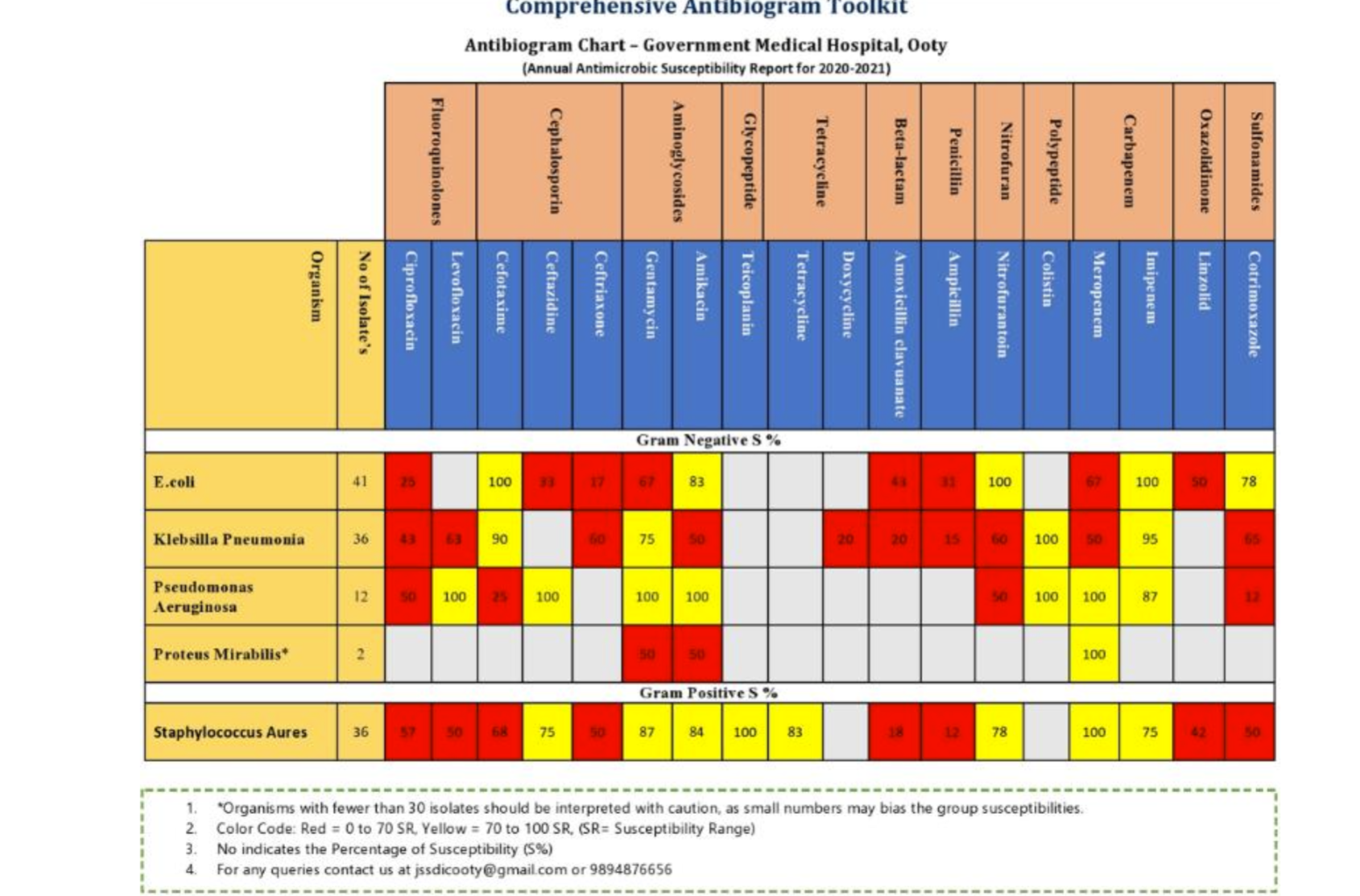
antibiogram
how institutions track changes in antimicrobial resistance and to guide empirical antimicrobial therapy
susceptibility testing
tests susceptibility of pathogens to certain antimicrobials
Culture and Sensitivity (C&S)
lab test conducted to identify pathogens such as bacteria or fungi in a sample (blood, urine, pus, or other body fluids) and determine which antibiotics or antifungal medications are effective against them
minimal inhibitory concentration (MIC) on a C&S report
lowest antibiotic concentration that inhibits (not kills) growth of bacteria
single numerical value on a C&S report
lower MIC does not mean that one antibiotic is preferable to another
determines S (Susceptible), I (Intermediate/Increased Exposure), or R (Resistant)
C&S vs MIC
C&S report = the entire lab document identifying the pathogen, its growth, and its susceptibility to multiple drugs.
MIC = a specific measurement within that report, showing the lowest drug concentration that inhibits bacterial growth.
S, I, R interpretation
S (Susceptible), I (Intermediate/Increased Exposure), or R (Resistant), based on the Minimum Inhibitory Concentration (MIC)
S: antibiotic likely to work
I: likely to work if higher dose or higher frequency
R: antibiotic less likely to work
(T/F) Lower MIC means that one antibiotic is clinically preferable to another
False
concentration-dependent activity
antibiotics whose effect increases with the peak drug concentration, rather than with the duration of exposure above the MIC
time-dependent activity
antibiotics whose effect correlates with duration of time above MIC
superinfection
2nd infection by organism that is resistant to therapy that was given
Alteration of normal gut flora makes you more susceptible to infection
sepsis symptoms & timeline
fever, hypothermia, tachycardia/tachypenia, hypotension, altered mental status, organ dysfunction, clinical deterioration
if shock: start antimicrobials within 1 hr
without shock: within 3 hrs
gram negative bacteria
thin peptidoglycan layer, outer membrane present, pink
“-as” ending except Proteus and Haemophilus
gram positive bacteria
thick peptidoglycan layer, no outer membrane, purple
strep, staph, enterococcus, listeria
atypical bacteria (not gram pos or neg)
Chlamydia spp., Mycoplasma, Treponema pallidum, Rickettsia, Legionella
microbes in/on the body

microbes found in URI
Moraxella
Haemophilus
S. pneumonia
microbes in oropharyngeal flora
Strep mitus/oralis
Streptococcus viridans
Anaerobes
Candida*
pathogens causing infections in vaginal tract
group B strep / S. agalactiae*
Candida*
microbes on skin flora
S. aureus*
Group A strep / S. pyogenes*
P. aeruginosa*
S. epidermidis
Candida
Diphtheroids
microbes in gut
Clostridioides Difficile*
anaerobes
Enterococcus
E. coli
Lactobacillus
time dependent
time above MIC is important
e.g. Beta-lactams
concentration dependent
higher drug concentrations improve killing of bacteria
e.g., Aminoglycosides, Tobramycin
AUC/MIC
represents total drug exposure relative to MIC
e.g., Vancomycin
bacteriostatic
prevents growth of bacteria
relies partially on functioning immune system
risk of broad spectrum antibiotic
may alter natural flora and lead to superinfection, especially C. difficile
e.g., Tetracycline
pros and cons of combination therapy
pros: broaden spectrum of coverage, synergistic, reduce dose of individual agents
cons: additive toxic effects, inactivation of one drug by another, antagonistic effects, $
*the exception, not the rule.
(t/f) Antibiotics are toxic
True
hospital acquired bugs hard to kill
Methicillin-resistant Staphylococcus aureus
Vancomycin-resistant Enterococcus faecium/faecalis
Clostridioides difficile
ESKAPE group of highly drug‑resistant bacteria
E – Enterococcus faecium (VRE)
S – Staphylococcus aureus (MRSA)
K – Klebsiella pneumoniae
A – Acinetobacter baumannii
P – Pseudomonas aeruginosa
E – Enterobacter species
(Not a complete list of resistance threats)
primary prophylaxis
low dose
narrow spectrum
e.g., Rifampin: miningococcal meningitis
e.g., macrolides: pertusis
preemptive therapy
infected but asymptomatic
replaces prophylaxis in high risk pts
empiric therapy
obtain cultures first (otherwise may mask Sx)
broad spectrum of antibacterial + antifungal
definitive therapy
narrow
usually not combination therapy
Which bacteria is the most common pathogen causing surgical site infections?
S. aureus
Rifampin
example of PEP; prevents meningococcal meningitis
examples of PEP
Rifampin: prevents meningococcal meningitis
Prevention of gonorrhea of syphilis
Macrolides after contact with confirmed pertusis
biofilms
makes it hard for antibiotics to penetrate
common on: artificial heart valves, long-dwelling catheters, artificial hips, devices for internal fixation of bone fractures
Staph Epidermidis most common. Can be S. Aureus.
pathogens commonly affecting immunosuppressed patients
• Pneumocystis jiroveci
• Mycobacterium avium-intracellulare
• Toxoplasma gondii
• Candida species
• Aspergillus species
• Cytomegalovirus and other Herpesviridae
how microbes develop resistance
• Degradation or modification of the antibiotic (e.g., beta-lactamases)
• Reduction in the bacterial antibiotic concentration by inhibiting entry
or by efflux pumps (fluoroquinolones, aminoglycosides, tetracyclines, B-lactams, macrolides)
• Modification of the antibiotic target
- Alterations of cell wall precursors (vancomycin and VRE)
- Changes in target enzymes (penicillin-binding proteins in the bacterial cell
wall)
- Alterations in the ribosomal binding sites (Abx that disrupt protein synthesis)
pathogens causing CAP
S. pneumoniae
H. influenzae
Moraxella catarrhalis
Atypicals (Legionella, Mycoplasma, Chlamydia)
pathogens causing HAP
S. pneumoniae
H. influenzae
Moraxella catarrhalis
Atypicals (Legionella, Mycoplasma, Chlamydia)
+
Pseudomonas
E. coli
Klebsiella
S. aureus (MSSA/MRSA)
(first 4 also cause CAP)
pathogens causing UTIs
E. coli (MC)
Staphylococcus Saprophyticus (honeymoon cystitis, second MC)
Klebsiella
Proteus
Enterococcus
pathogens causing cellulitis
Purulent skin infection or abscess: S. aureus, including MRSA
Nonpurulent: GBS MC. MSSA second MC.