Psych Exam 1
 Call Kai
 Learn
Learn Practice Test
 Spaced Repetition
 Match
Match Flashcards
 Knowt Play
1/34

There's no tags or description
Looks like no tags are added yet.
Name | Mastery | Learn | Test | Matching | Spaced | Call with Kai | Chat |
|---|
No analytics yet
Send a link to your students to track their progress
35 Terms
Mental illness
Clinically significant behavioral or psychological syndromes
distress, disability or risk of suffering disability or loss of freedom
must have impairment to functioning
Diagnostic: DSM-5 manual
Biopsychosocial model for mental health

Patient rights
Self-determination: individual chooses a course of action w/o being restrained by others’ expectations
ex.:
to refuse tx, to choose tx not favored by provider, to seek second opinion
Confidentiality
Ethical duty of nondisclosure
Breach of confidentiality (instances when it is nurse’s duty):
any threat/harm to persons
suspected child/elder abuse
allegations of sexual misconduct with members of healthcare team
Competency
Is a legal determination - degree to which a pt can understand and appreciate info given during consent process
may change over time
Conditions for involuntary commitment
Have a mental illness AND:
danger to self → can include gross inability to care for self AND/OR
danger to others
*state law requires that individual is “imminently” dangerous
Pts still have right to 1) least restrictive environment 2) right to refuse tx/meds
Restraints
Types:
Chemical
use of med to alter behavior
Physical
devices, seclusion
Requirements:
provider order, cannot be indefinite, regular review of pt condition (q15minutes)
Therapeutic relationship
Focus is on the pt’s problems and needs → not about YOU
Stages (in order):
introduction/orientation → working → termination
Factors:
genuineness, empathy, positive regard (respect)

Therapeutic Communication
Therapeutic Communication IS NOT:
• Therapy
• Assessment
Therapeutic Communication IS:
• Active Listening
Boundaries
Role should be clearly defined:
all interactions should happen within tx setting
all resources provided should be through established channels
Warning signs boundaries are blurred:
receiving feedback your behavior is intrusive, difficulty setting limits, relating to pt like friend, hugging/touching
Maslow’s

Psychoanalyic/dynamic theory

Transference and Countertransference
Transference: feelings of pt directed towards nurse
Countertransference: feelings of nurse towards pt
Interpersonal theory
Purpose of all behavior is to get needs met through interpersonal interactions and to reduce anxiety
recognizes the importance of social forces or what one does in relation to others
self system or persona
healthy individuals characterized by self reliance and cooperation
Behavioral theory
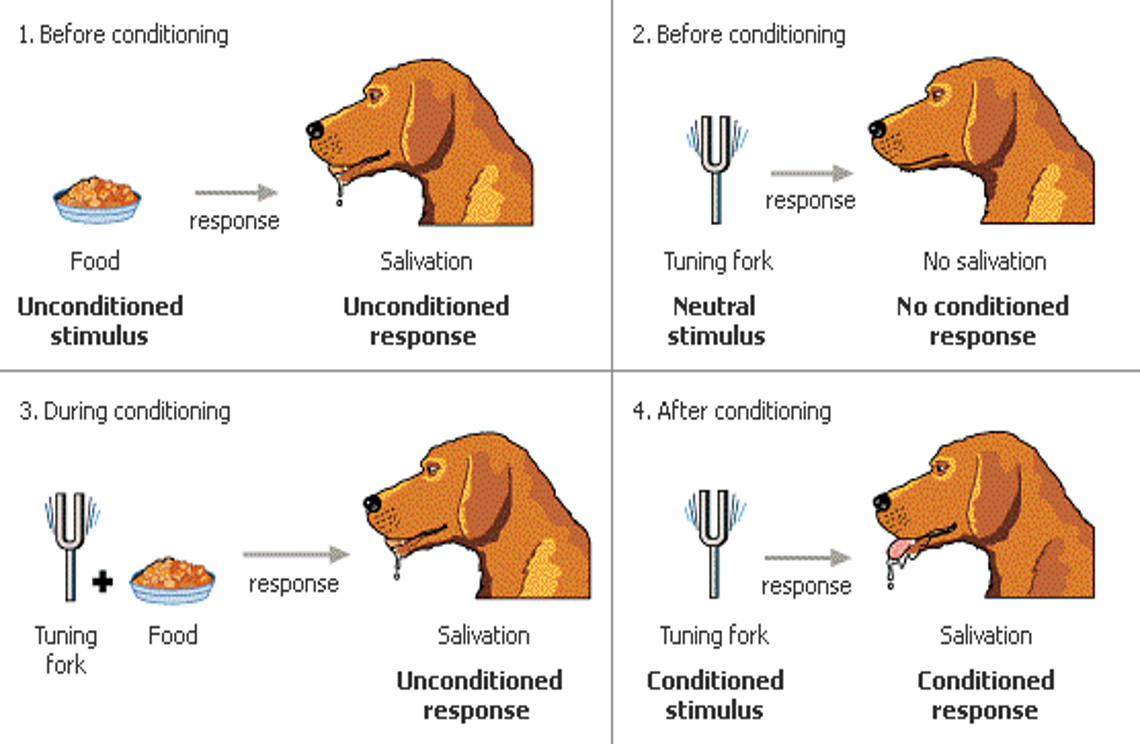
Cognitive theory
Thinking drives emotion and behavior

Developmental theory
Erikson’s

Cognitive development
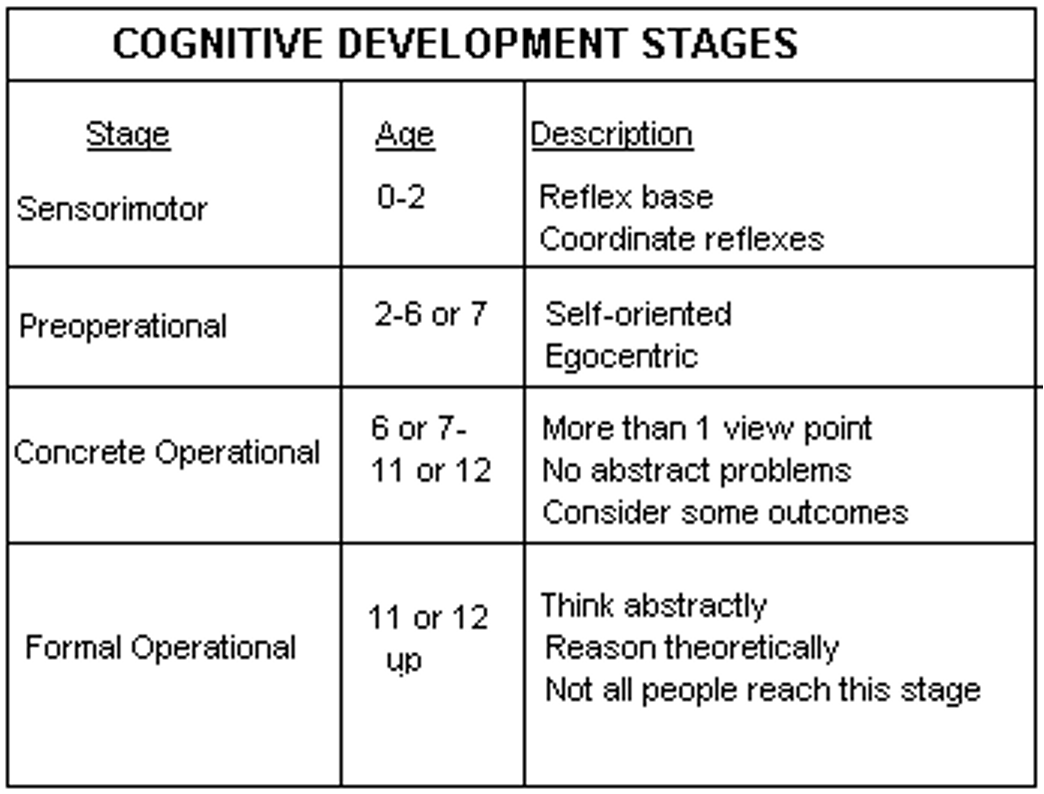
Humanists
People have an innate desire for growth
the correct conditions need to be present
unconditional positive regard:
acceptance, love, respect w/o conditions is necessary for people to grow/thrive
Neuron
The core cellular unit
At the synapse (synaptic cleft) → where neurotransmitters communicate btwn neurons

Limbic system
Role in emotional status and psychological functions
Comprised of several structures:
hippocampus, thalamus, hypothalamus, amygdala
Executive functioning
All functions of prefrontal cortex, including logic, reasoning, emotional regulation

Neuroplasticity
Capacity of neurons and neural networks in the brain to change their connections and behavior in response to new info, sensory stim, devlopment, dysfunction
brain capable of change throughout lifetime
neurons that fire together, wire together
Epigenetics

Neurotransmitters
Acetylcholine (Ach) → associated w/ concentration, focus, and learning
Biogenic Amines
dopamine → attributed to positive feeling states and reinforcing behaviors
too much → psychosis
norepinephrine → drives fight/flight
serotonin → associated w/ mood and anxiety
GABA → inhibitory and associated w/ relaxation response and sleep
Glutamate
Psychotropic medications
Antidepressants → 4-6 wks to reach efficacy
Common side effects: appetite change, sleep disturbance, somnolence, hypersomnia, nausea, low libado/altered sexual performance, nervous/agitated
Types
MAOIs
drug/food interactions lead to hypertensive crisis
foods high in tyramine → aged cheese, fermented, smoked
TCAs
lethal in overdose
can be prescribed in primary care for sleep
SSRIs → first line for depression and anxiety
suicide risk in pt <24 yrs old
risk of serotonin syndrome
Mood stabilizers
*can be used for bipolar
Anticonvulsants
valproic acid
metabolized in liver → monitor LFTs
carbamazepine, lamotrigine
risk of rash, SJS
Lithium
Li is an electrolyte so levels are affected by fluid/sodium balance
metabolized in kidney (monitor BUN, creatinine)
antimanic + antidepressant efffects
Controlled substances
Types:
benzodiazepines
CNS depressant, can’t be combined w/ other CNS depressant (opiates/ ETOH)
psychstimulants
Safety: carry risk of abuse/diversion
Antipsychotics
Types:
conventional
ex. haldol, chlorpromazine (thorazine)
atypical
block dopamine but have serotoniergic effects that are believed to reduce risk of movement disorders and affective flattening
impacts dopamine & serotonin
screen for metabolic syndrome: weight, bp, glucose, lipid, waist size
ex. risperidone (risperdal)
Monitor for:
extrapyramidal side effects (EPS)
serotonin syndrome
neuroleptic malignant syndrome (NMS)
Extrapyramidal side effects (EPS)
Includes:
tardive dyskinesia → excessive fast movement (lip smacking, tongue rolling)
akathisia → inability to remain still
acute dystonia → intense, acute muscle spasm
pesudoparkinsonism → repetitive unconcious movement (muscle rigidity, tremors), if no tx → permanent disability
Serotonin syndrome
Due to excess serotonin:
Confusion
clonic muscle activity
NMS
High fever, muscle rigidity, confusion
Hypertensive crisis
Caused by excess tyramine and marked by uncontrolled hypertension
side effect of MAOIs
TCA Toxicity
Associated w/ cardiovascular and neurobiologic instability
Therapeutic Milieu
The Clinical Environment
Should be healing/non-harming
Aspects include physical and emotional safety