I-O Psych chap 11, job attitudes and emotions
 Call Kai
 Learn
 Practice Test
 Spaced Repetition
 Match
 Flashcards
 Knowt Play
1/44

There's no tags or description
Looks like no tags are added yet.
45 Terms

Job attitude
A worker’s feelings or believes about their job, supervisor, organization or other aspects of the work place.
Cognitive dissonance
Any discomfort one experiences when attitudes or believes are not aligned.
ex: saying you are environmentally friendly and then using Ai. You would try to rationalize it by saying “I will only use it once in a while, so it’s not as bad.”
Key Job Attitudes (2)
1.) Job Satisfaction
2.) Organizational commitment

Job Satisfaction
The positive emotional state one gets from appraisal from job or experiences.
Organizational commitment
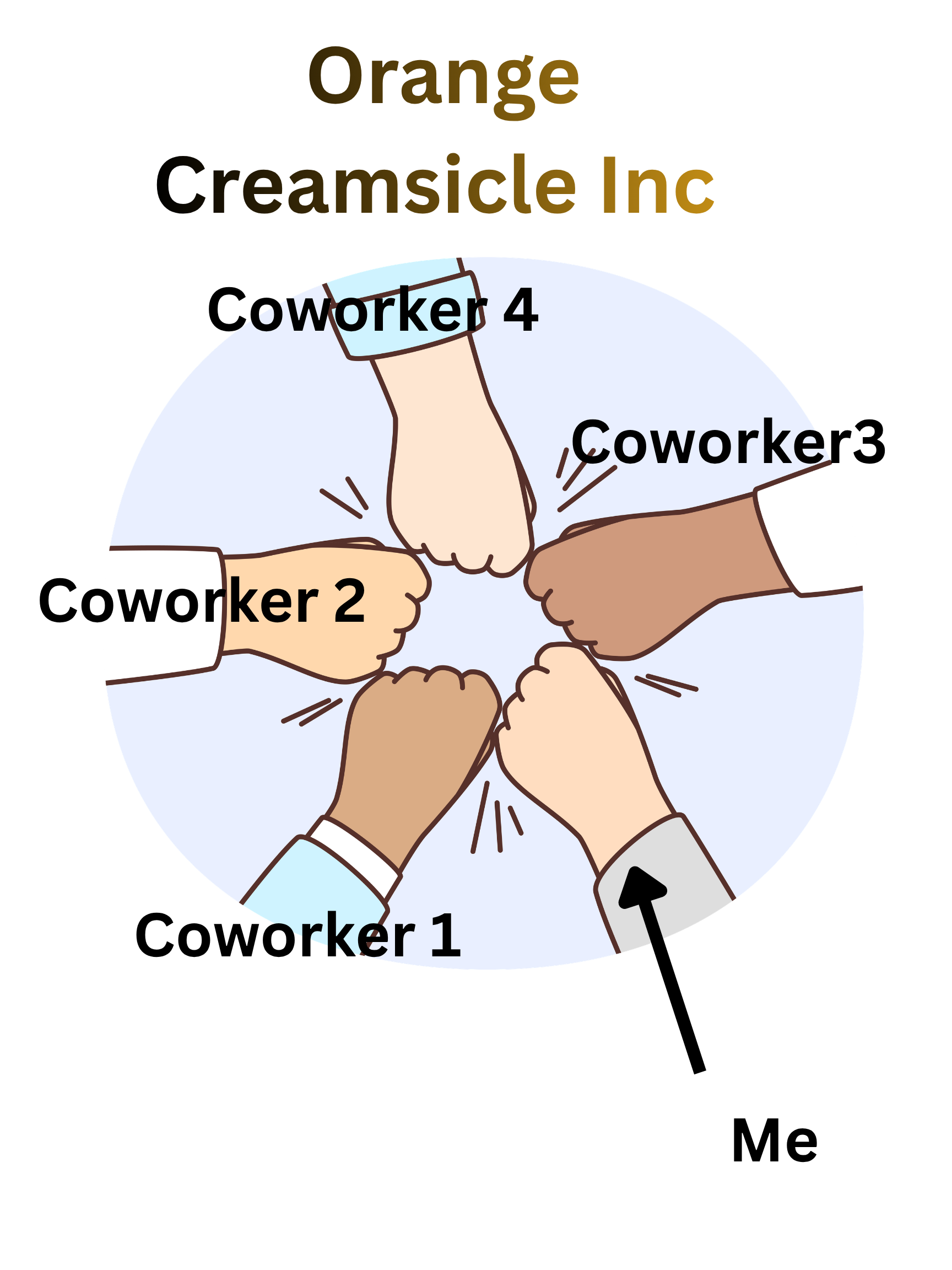
The degree to which an employee identifies with and feels involved in their organization
Work Engagment
The degree an employee is dedicated / absorbed with work, showing a sense of excitement and passion.
Global measures of satisfaction
A statement about overall job satisfaction using a likert scale (1 = strongly disagree, 5 = strongly agree)
A sample item would be: “ All in all, I am satisfied with my job.”

Faucet-based measures of satisfaction
Survey questions about different aspects of a job. The overall score determines satisfaction
Ex: Job Descriptive Index (JDI) and The Minnesota Satisfaction Questionnaire

Intrinsic job satisfaction
Satisfaction comes from the work itself and using one’s own skills

Extrinsic job satisfaction
Satisfaction comes from pay, promotion, or other material benefits from the job

Affective commitment (A type of measure of organizational commitment)
Commitment to organization comes from sincere emotional attachment

Continuance Commitment (A type of measure of organizational commitment)
Commitment to work is a result of lack of other job opportunities or one could lose a lot of they were to change jobs

Normative commitment (A type of measure of organizational commitment)
Commitment comes from obligation to organization or because it’s “the right thing to do”

Mindfullness
A state of non judgmental attentiveness and awareness of moment without thinking/worrying about the past or future.
Perceived organizational support
Perception that an organization cares about their employees
Interactional Justice
Fairness of interpersonal treatment from others

Distributive justice
Fairness of REWARDS from an organization.
Ex: Pizza Party

Procedual Justice
Fairness of PROCESSES used to make an important decision in an organization
Person-organization fit
The degree that one’s skills, abilities, and knowledge align with job requirements. A person is not over-qualified or under-qualified.
Organizational citizenship behavior
Altruistic behaviors (outside of one’s own job description) that contributes to the effectiveness of the organization.

Turnover intentions
An employees reported desire to leave the company.

Unfolding model of turn over
A model that shows that employee turnover comes from / results of jarring events / shock.
Broaden and build theory
Positive emotions and events strengthen creativity. Allowing us to be more open and flexible.
Negative emotions stifle it. Causing narrow-mindedness
Emotional Contagion
Emotions spread from one worker to another verbal or non verbal cues.

Emotional Display Rules
The unspoken requirement to show a specific emotion or monitor the use of emotions

Emotional labor
Having to display emotions that you do not feel

Surface acting
Changing facial expressions without changing internal emotions

Deep acting
Changing both facial and underlying emotion
Emotional intelligence (From the big 5)
(From the big 5) shows individual differences in appraising, identifying and managing one’s own emotions

3 components that attitudes comprise of
1.) Cognitive
2.) Affective
3.) Behavioral

Theory of planned behavior
Factors that determine behavior
Attitudes (about behaviors) & Norms & Control →Intention → Behavior

Farrell’s Exit, Voice, Loyalty, Neglect Model
Behaviors some do when they are unhappy at work.
Exit: Quit the Job
Loyalty: Stick it out and wait for improvement
Voice: Speak up about concerns
Neglect: Reduce quality / quantity of work
Is Work Engagement considered a job attitude?
Work engagement is NOT considered a job attitude, instead, an assessment of how invested the person is in performing their jobs as instead of it being an evaluation of how much they like their job
How Organizations track the attitudes of their employees:
Opinion surveys.
Exit interviews
Measures of Job Satisfaction
Global measures of satisfaction
Facet-based measures of satisfaction

Job Descriptive Index (JDI) (A type of facet based measure):
includes five facets of satisfaction: pay, promotions, supervision, coworkers, and work itself
Note about Faucet- based measures:
using a facet measure and averaging the scores for different dimensions will not necessarily give you the overall satisfaction employees have with their jobs. Different individuals may rank facets differently in terms of their importance.
Ex: You might like your coworkers and job, but the pay is too low. This shows high facet satisfaction, but if you care primarily about pay, then the global scale will be low.
Which scale is more appropriate to use in an organizational setting will depend on what we are trying to accomplish.
job satisfaction pros: simple, straightforward, and can measure satisfaction easily, asking only a few questions. Has a correlations of over .60 with longer measures of satisfaction
faces scale:
Cons: impossible to calculate inter-item reliability.
Global measures:
cons: is that they do not allow organizations to identify which aspects of their jobs employees are most happy or unhappy with. Ex: pay, supervision, or the work itself that employees find most problematic?
Organizational Commitment Questionnaire (OCQ):
A type of 1-dimentional measure of organizational commitment.
Three components :
1. Affective commitment
2 Continuance commitment
3 normative commitment
What job characteristic / personality has the strongest correlation with job satisfaction
Autonomy has the strongest correlation with job satisfaction.
Traits that can increase or decrease job satisfaction
Leadership
Autonomy
Stress
How a company handles employee work-life conflict
Job security
How personality affects job satisfaction
1.) People who are habitually happy, find more satisfaction at work, versus the opposite.
2.) Core Self-Evaluation (Self esteem, self efficacy, internal locus of control and emotional Stability) are correlated with job satisfaction.
3.) People with High Core Self-Evaluation end up performing better.
Positive affectivity
An Individual is more likely to experience positive emotions (Like energetic or enthusiastic)
Negative affectivity
An Individual is more likely to experience negative emotions (Like anger or sadness)
Way to combat abentism
Flexible work schedules.