6. Fifth, Sixth, HFM, Mumps
 Call Kai
 Learn
Learn Practice Test
 Spaced Repetition
 Match
Match Flashcards
 Knowt Play
1/26

There's no tags or description
Looks like no tags are added yet.
Name | Mastery | Learn | Test | Matching | Spaced | Call with Kai | Chat |
|---|
No analytics yet
Send a link to your students to track their progress
27 Terms
what is exanthem subitum, also called roseola infantum or sixth disease? *
a viral infection caused by human herpesvirus 6 or 7, with high fever followed by a rash
standard precautions


how does roseola/sixth disease spread? *
through contact with an infected person’s saliva
standard precautious
what fever pattern occurs with roseola/sixth disease?
high fever of 101–106°F for 3–5 days, then the fever suddenly resolves
rash (pinkish-red, flat or raised blanchable spots) appears 12-24 hours after fever
rashes last 1-3 days

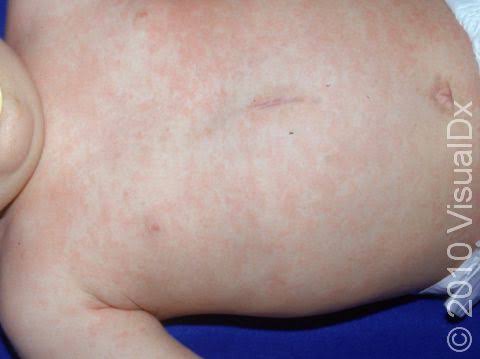
when does the rash appear with roseola/sixth disease?
12–24 hours after the fever resolves, lasting 1–3 days

what treatment is used for roseola/sixth disease
supportive care with antipyretics

what complications can occur with roseola/sixth disease?
febrile seizures, encephalitis, and meningoencephalitis
what is erythema infectiosum/fifth disease? *
a viral infection caused by parvovirus B19, known for a “slapped-cheek” rash
droplet precautions


how does fifth disease spread? *
droplets
transmission from a mother to the fetus

when is a child with fifth disease usually contagious? *
before the rash appears, most otherwise healthy children are no longer contagious once the rash develops
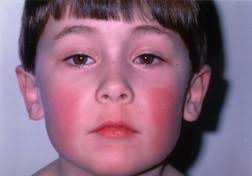
what precautions are listed for fifth disease? *
standard and droplet precautions during the infectious period
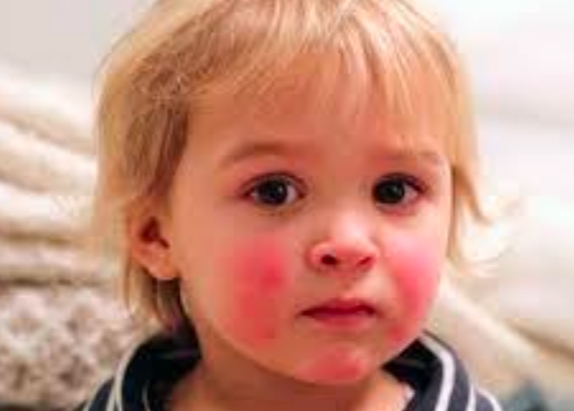
what symptoms occur before the rash in fifth disease?
low-grade fever, headache, and mild cold symptoms
how does the rash of fifth disease progress?
bright red cheeks appear first
a lacy rash on the trunk and limbs lasting 1-3 weeks
may have joint pain or swelling

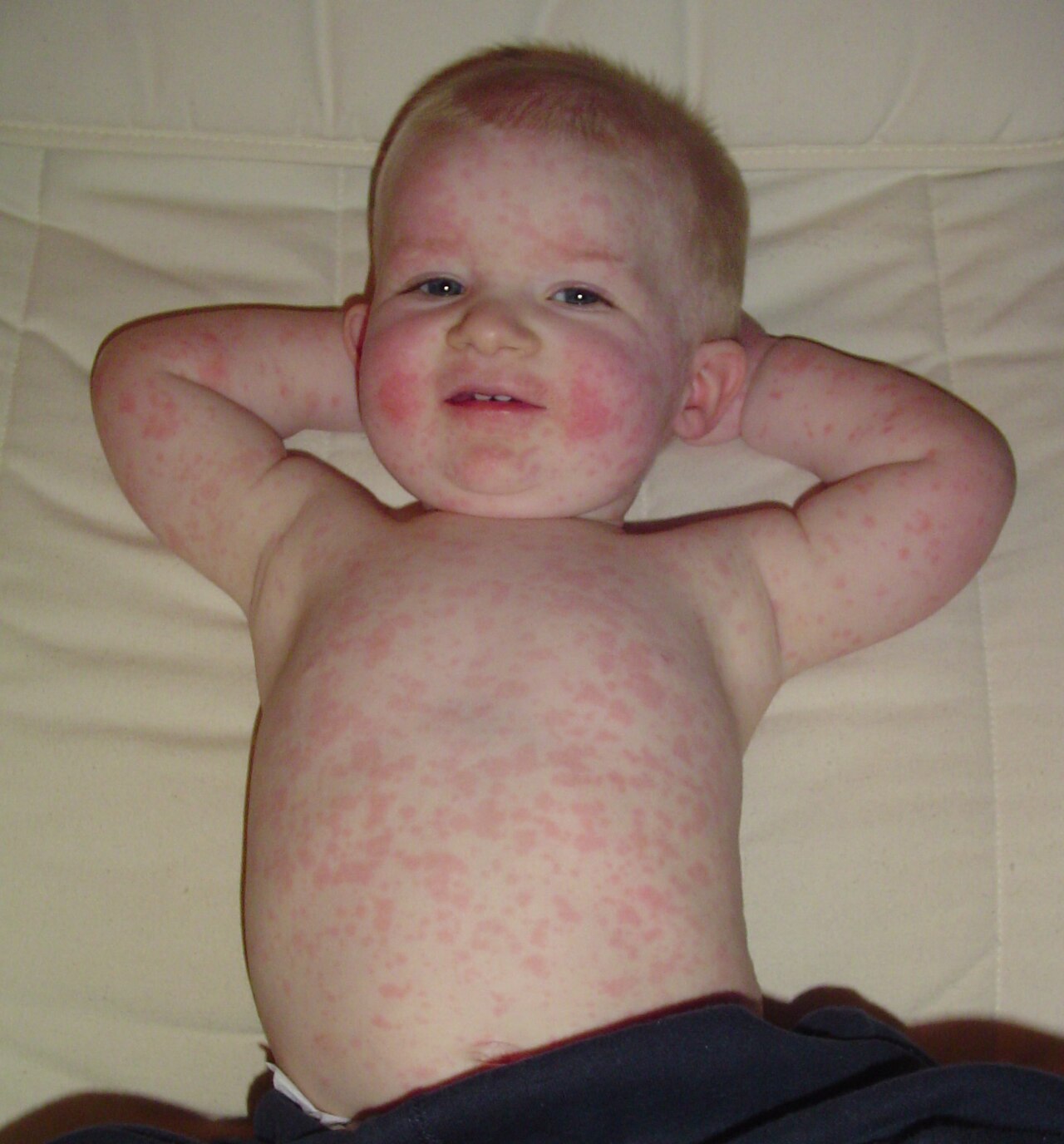
how long can the rash of fifth disease last?
1–3 weeks
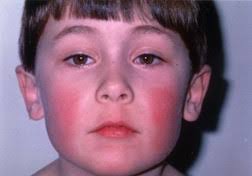
why is exposure to fifth disease concerning during pregnancy?
it can cause widespread fetal fluid buildup (hydrops fetalis), or fetal loss
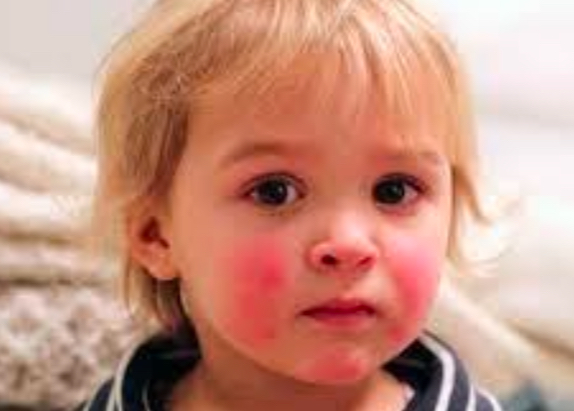
what might children with pre-existing anemias develop with fifth disease?
aplastic crisis
a temporary stop in red blood cell production that can cause severe anemia
may need a blood infusion
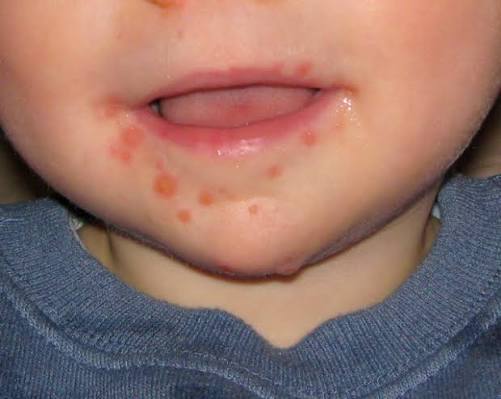
what is hand, foot, and mouth disease? *
an enterovirus infection that causes mouth sores and blisters on the hands and feet
standard precautions
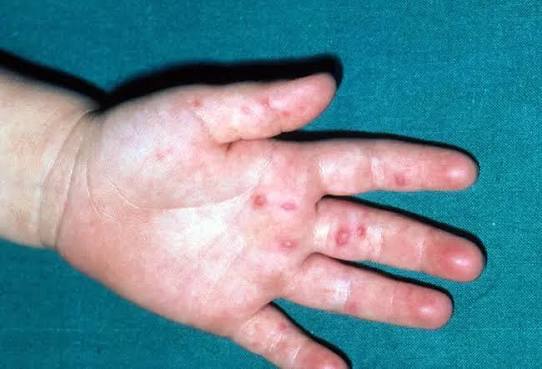
how does hand, foot, and mouth disease spread? *
direct contact with body fluids (stool, oral secretions)
standard precautions

when is a child with hand, foot, and mouth disease contagious? *
most contagious during the first week, but the virus can still spread for days or weeks after symptoms resolve

infection-control measures for hand, foot, and mouth disease *
standard precautions and hand hygiene

what symptoms occur with hand, foot, and mouth disease?
fever usually appears first, followed by painful mouth blisters that become shallow sores and blisters on the hands and feet

what can mouth lesions cause in hand, foot, and mouth disease?
anorexia, dehydration, and drooling

what nursing care helps a child with hand, foot, and mouth disease?
encourage fluids
give prescribed analgesics (may need mouthwashes and sprays to numb mouth)
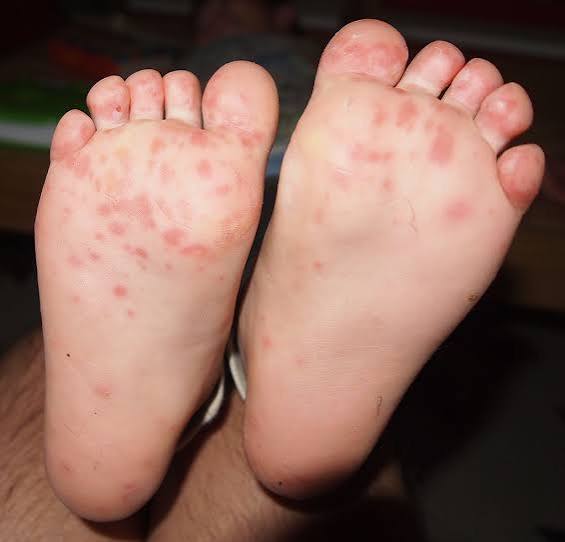
what other complications can occur with hand, foot, and mouth disease?
meningitis, encephalitis, and fingernail or toenail loss
what is mumps? *
a viral infection that causes fever and painful swelling of the parotid salivary glands near the cheeks and jaw


how does mumps spread? *
airborne droplets or direct contact with infected saliva

when is a child with mumps contagious? *
several days before jaw swelling begins through 6–9 days afterward, with school return after 9 days

what symptoms are expected with mumps?
painful, swollen parotid glands
low-grade fever and malaise
headache and earache
anorexia (hurts to eat)