Species and Specitaion
 Call Kai
 Learn
Learn Practice Test
 Spaced Repetition
 Match
Match Flashcards
 Knowt Play
1/12

There's no tags or description
Looks like no tags are added yet.
Name | Mastery | Learn | Test | Matching | Spaced | Call with Kai | Chat |
|---|
No analytics yet
Send a link to your students to track their progress
13 Terms
What does the “Biological Species Concept” say a species is?
A group whose members have the potential to interbreed in nature and produce viable, fertile offspring
(emphasis on gene flow and reproductive isolation)

What are the shortcomings of the “Biological Species Concept?”
Many populations cant be tested for reproductive isolation (e.g. could be extinct, wont reproduce in lab)
Irrelevant for asexual taxa (99% of life)
Plants can hybridise routinely
The existence of species rings

What does the “Morphological Species Concept” say a species is?
A group with consistent morphological similarities

What are the shortcomings of the “Morphological Species Concept?”
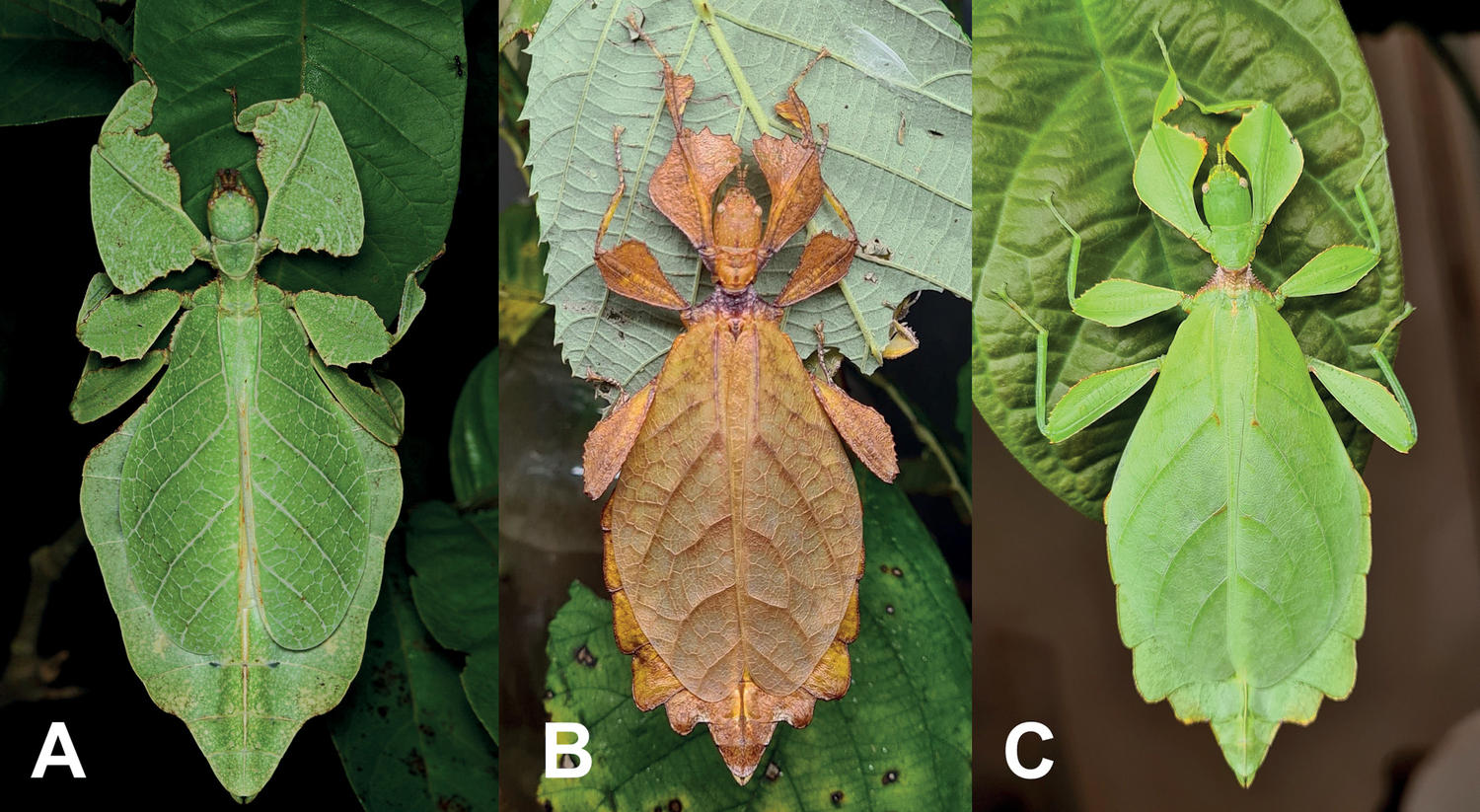
Some species are polymorphic (come in many different forms)
Mianly in bacteria, some features are too small or there arent enough to measure
“cryptic species” - (species look identical but are different species)
What does the “Phylogenetic Species Concept” say a species is?
The smallest group of organisms that share a common ancestor and can be distinguished from other groups
any population that forms an independent branch on a phylogeny

What are the shortcomings of the “Phylogenetic Species Concept?”
Phylogenies are hard to make and not always available
They are also unstable and constantly changing

What are two ways we can categorise reproductive isolation?
PRE and POST zygotic

What are the three post-zygotic barriers that impede two species producing viable, fertile offspring?
Reduced hybrid viability - where hybrid is weak and has low fitness
Reduced hybrid fertility - where hybrid is sterile, even if strong
Hybrid breakdown - 1st gen hybrids might be strong and fertile but their offspring are not

Explain how prezygotic barriers are beneficial to a species
Making hybrids wastes a lot of energy since offspring are weak or sterile. NOT BENEFICIAL. Overtime natural selection has selected mechanisms that block fertilisation and prevent hybrids from forming, allowing energy to be better used

Name and explain the 5 prezygotic barriers
Habitat isolation - species dont encounter each other even without physcial barriers
Temporal isolation - species breed at different times
Behavioural isolation - Courtship rituals don’t work
Mechanical isolation - morphological difference don’t allow reproduction
Gaemtic isolation - eggs cant be fertilised

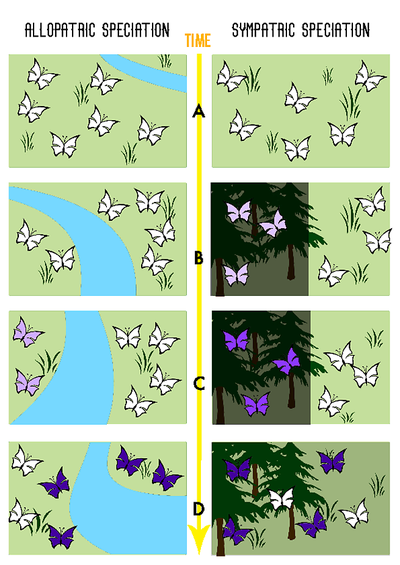
QUickly! whats the difference between sympatric and allopatric isolation?
Allopatric - other country, GEOGRAPHICALLY isolated
Sympatric- same country, gene flow is reduced by other factors like polyploidy, sexual selection and different habitats
Whats a hybrid zone?
region where two species can mate to form hybrids

What are the three outcomes of hybrid zones?
Reinforcement - post zygotic barrier select prezygotic barriers which result in two new species forming
Fusion - Makes 1 species again, if there is substantial gene flow
Stability - the two different species stay closely related enough to produce hybrids (gene flow from outside teh zone overwhelm the selection for increased reproductive isolation)
