HS - Chapter 10 (Preventing Cardiovascular Disease) (copy)
 Call Kai
 Learn
 Practice Test
 Spaced Repetition
 Match
 Flashcards
 Knowt Play
1/102

There's no tags or description
Looks like no tags are added yet.
103 Terms
cardiovascular disease
most prevalent degenerative disease in the US
chocolate
heart-healthy because of its contents of cocoa antioxidant polyphenol compounds called flavonoids
consequences of chocolate
lowers risk of heart attack, stroke, and type II diabetes
chocolate helps…
reduce LDL (bad cholesterol)
increase blood flow to the brain
improves blood sugar absorption and insulin activity
discourage blood clots
increase nitric oxide levels
nitric oxide
helps relax and dilate arteries and keep them flexible, lowering blood pressure slightly in hypertensive and prehypertension individuals
dark chocolate
higher concentration of flavonoids than milk chocolate
white chocolate has none
flavonoids
enhance the activity of special proteins called sterol regulatory element-binding proteins
sterol regulatory element binding proteins
involved in cholesterol metabolism
increase a protein called apolipoprotein A1 in the liver which is the major component of good HDL cholesterol
decrease liver production of apolopoprotein A2, which is the major protein component of bad LDl cholesterol
fight atherosclerosis in the arteries by decreasing the amount of oxidized LDL
percent of deaths attributed to CVD
28.2%
percentage of sudden deaths related to heart disease
60%
number of people who have heart attack or stroke each year
1.5 million
incidients responsible for most deaths of CVD in the US
coronary heart disease and stroke
stroke
most significant contributor to mental and physical disability in the US
7 of 11 risk factors are lifestyle-related or manageable
unchangeable factors leading to stroke
age
gender
race
family history
changeable factors leading to stroke
tobacco
blood pressure
diet
activity level
weight
cholesterol
diabetes
acronym for warning signs of stroke
FAST
FAST
F - facial dropping
A - arm weakness
S - speech difficulties
T - time
other symptoms of stroke
headache, confusion, dizziness, difficulty walking, loss of balance or coordination, visual difficulty
most common form of CVD
coronary heart disease
cancer
second-leading cause of death
more than 100 types of cancer can develop in the human body
when CHD occurs
when fatty matter, such as cholesterol and triglycerides, build up to form plaque deposits within the arteries that restrict blood flow
warning signs of heart attack
chest pain
discomfort
pressure
squeezing that lasts for several minutes
pain in neck, shoulders, or arms between shoulder blades
shortness of breath, light-headedness
self-assessment coronary heart disease risk factor analysis
can be done by a newbie
contains gradation of points with each risk factor
outcomes of physical activity
i. Increase cardiorespiratory endurance.
ii. Increase and maintain good heart function, sometimes improving certain
electrocardiogram abnormalities.
iii. Improve high-density lipoprotein (HDL) cholesterol.
iv. Lower blood lipids (cholesterol and triglycerides).
v. Decrease low-grade (hidden) inflammation in the body.
vi. Prevent and help control diabetes.
vii. Decrease and control blood pressure.
viii. Reduce body fat.
ix. Motivate toward smoking cessation.
ix. Alleviate tension and stress.
x. Counteract a personal history of heart disease
cause of sudden cardiac death
sudden, unexpected loss of heart function
the heart’s electrical system does not function properly and suddenly becomes very irregular
largest cause of natural death in the US
sudden cardiac death
“low risk” lifestyle factors are
no smoking
proper physical activity
good bmi
good diet
limit alcohol
low intake of red + processed meats, trans fatty acids, and sugar
AHA recommendation
recommends strength training even for individuals who have had heart attacks or have high blood pressure
electrocardiogram
valuable measure of the heart’s function
screens for presence of heart disease and other abnormal exercise responses in a stress electrocardiogram
what the ecg records
electrical impulses that stimulate the heart to contract
how ecgs work
10 electrodes are placed on the person’s chest
12 tracings, or “leads”, of the electrical impulses as they travel through the heart muscle are recorded from 12 different positions
what is interpreted from an ECG
heart rate
heart rhythm
axis of the heart
enlargement or hypertrophy of the heart
myocardial infarction
who a stress test ecg should be administered to
those who…
are at high risk or are known to have cardiovascular, pulmonary renal, or metabolic disease
are feeling unusually gasping in response to normal physical exertion
those who have unexplained fatigue or chest pain
3 possible outcomes of ECGs
normal
equivocal
abnormal
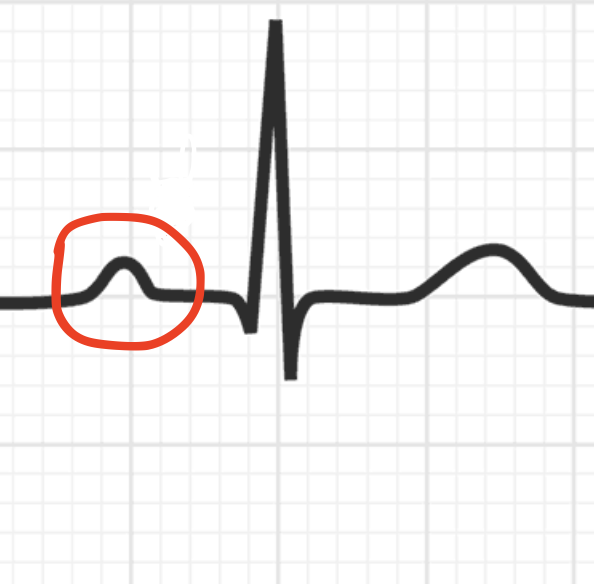
p wave
atrial depolarization
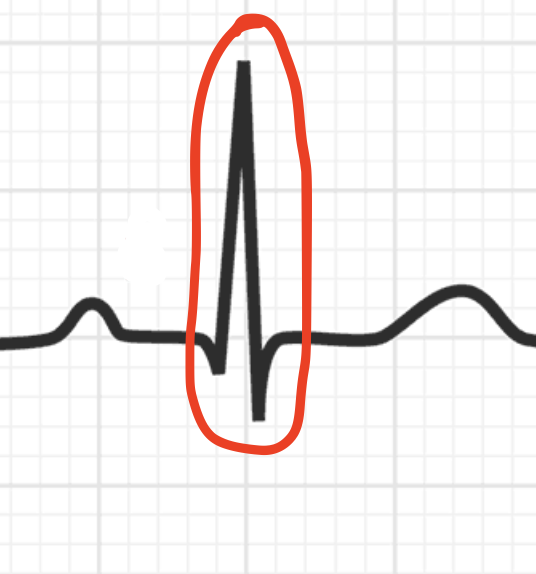
qrs complex
ventricular polarization
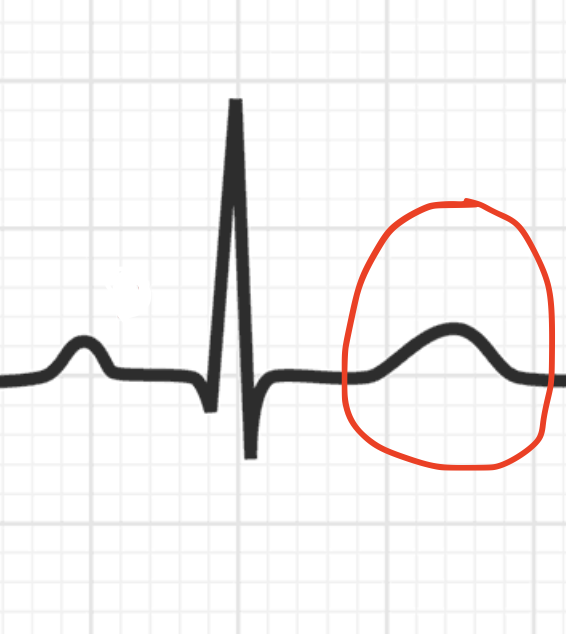
t wave
ventricular repolarization
how blood lipids are carried in the blood
high-density lipoproteins
low-density lipoproteins
very low-density lipoproteins
chylomicrons
what cholesterol leads to
atherosclerosis
atherosclerosis
build up of fatty tissue plaque in the walls of arteries
consequence of atherosclerosis
plaque impedes and can even block blood flow, resulting in a myocardial infarction, or heart attack
cholesterol recommendation
less than 200 mg/dL
diabetes mellitus
condition in which blood glucose is unable to enter cells
two types of cholesterol
LDL
HDL
LDL
low-density lipoprotein
bad cholesterol that tends to release cholesterol
lipoprotein-a
promotes plaque deposition and is elevated in 10 percent of the population
HDL
high density lipoprotein
act as scavengers, removing cholesterol from the body in a process called reverse cholesterol transport
how to lower LDL cholesterol
dietary changes
losing body fat
taking medication
exercise
total fat intake
25-35% of total calories
worst kind of fat
saturated fat
triglycerides
major form or fat stored in the human body
role of triglycerides
make up most of the fat in our diet and most of the ft that circulates the blood
speed up formation of plaque in the arteries
what a triglyceride consists of
3 fatty acid molecules combined with a molecule of glycerol
what carries triglycerides in the bloodstream
VLDLs
Chylomicrons
statins
effective cholesterol-lowering medications
homocysteine
enhances plaque formation and subsequent blockage of the arteries
how homocysteine works
causes damage to the arterial wall
stimulating cell proliferation at the damaged location
encouraging blood clotting at the site
antioxidants
may prevent LDL cholesterol oxidation and reduce atherosclerosis
criteria of diabetes mellitus
pancreas no longer makes enough insulin
cells no longer respond to insulin (insulin resistance)
proportion of the population that has diabetes or is predisposed to diabetes
almost half the population
cost of diabetes
413 billlion
risks of diabetes
blindness
kidney failure
heart disease
stroke
loss of toes, feet, or legs
two types of diabetes
type 1 and type 2
type 1 diabetes
body doesn’t make enough insulin
insulin dependent diabetes mellitus
sometimes called juvenile diabetes because it is found mainly in young people
type 2 diabetes
body can’t use insulin properly
non-insulin dependent diabetes mellitus
cell receptors become insulin-resistant irrespective of whether the pancreas produces sufficient insulin or not
type 2 diabetes is closely related to…
overeating
obesity
lack of physical activity
improving diabetic profile
reversal of other CHD risk factors
selection of low-glycemic foods
managing Type 2 diabetes
physical activity
losing weight
improving nutrition
lowering CVD risk
exercise and diabetes management
regular exercise
aerobic exercise
both moderate and vigorous-intensity physical activity are associated with increased insulin sensitivity and reduced risk for diabetes
strength training
exercising regularly
8-hour fasting blood glucose level greater than _______ mg/dL is the diagnosis of diabetes
125
normal diabetic blood glucose
less than or equal to 100
prediabetes blood glucose level
100-125
diabetes blood glucose level
greater than 126
glycemic index
refined and starchy food are high and cause rapid increase in blood sugar
Glycemic Index
measure of how quickly a food can make your blood sugar rise
high GI diet
associated with CVD in people with insulin resistance and glucose intolerance
hemoglobin A1c test
measures the amount of glucose attached to hemoglobin over the last 3 months
normal level of hemoglobin A1c test
below 5.7
hemoglobin A1c test results for people with diabetes
should be kept below 7%
metabolic syndrome
results from chronic rise of pancreatic insulin production in response to glucose intolerance
abnormal conditions of metabolic syndrome
abnormal obesity
elevated blood pressure
high blood glucose
low HDL cholesterol
high triglycerides
increased blood-clotting mechanism
metabolic syndrome increases the risk for…
CHD
infection
nerve damage
kidney failure
hypertension
high blood pressure
how blood pressure is measured
milliliters of mercury
how blood pressure is expressed
systolic blood pressure
diastolic blood pressure
systolic blood pressure
higher number
diastolic blood pressure
lower number
ideal blood pressure
120/80 or lower
proportion of adults that are hypertensive
1/3 of adults
determining true resting blood pressure
may fluctuate during regular day so a single reading might not be too accurate - need several measurements
stage 1 hypertension
130/90
increase in hypertension is linked with…
obesity
hypertension has higher incidence in this race
African American
cause of hypertension
no definite cause
% of hypertension that is essential
90%
effective treatment of hypertension
aerobic exercise
weight reduction
low-salt/low-fat and high-potassium/high-calcium diet
higher protein intake
flaxseed consumption
lower alcohol and caffeine intake
smoking cessation
stress management
antihypertensive drugs
most significant factors contributing to hypertension
excessive sodium
causes of 10% of cases of hypertension
pathological conditions
narrowing of the kidney’s arteries
glomerulonephritis
tumors of adrenal glands
narrowing of aortic artery
first treatment of hypertension
antihypertensive drugs
often side effects of antihypertensive drugs
lethargy
sleepiness
sexual difficulties
higher blood cholesterol and glucose levels
lower potassium levels
elevated uric acid levels